
Introduction
Unlocking the secrets of a fan’s true performance can feel like deciphering a complex code—one that involves precise measurements and careful analysis. Conducting a reliable Fan Performance Test is crucial for industries that depend on efficient airflow, energy savings, and equipment longevity. With the right approach, you can push your fans to test technical limits, ensuring they operate at peak capacity while maintaining safety and accuracy.
Understanding why accurate Fan Performance Tests matter cannot be overstated; they provide vital data on Inlet Flow Rate, Inlet Temperature, Static Pressure, Absorbed Power, and Fan Rotation Speed. These parameters are the backbone of performance assessment and help identify potential issues before costly failures occur. When industry leaders collaborate with trusted inspection services like China Inspection Pro, they gain confidence in results that truly reflect real-world conditions.
China Inspection Pro ensures reliable results by employing rigorous testing protocols designed to measure core parameters accurately during a Fan Performance Test. Their experts meticulously monitor Inlet Temperature and Air Density variations while pushing fans to test technical limits—such as maximum capacity or different speeds—without compromising safety or data integrity. This dedication guarantees that every static pressure reading and absorbed power calculation is spot-on, giving clients peace of mind that their equipment meets industry standards.
Preparing for a Fan Performance Test
Getting ready for a fan performance test isn’t just about flipping switches and hoping for the best. It requires a keen understanding of your fan’s specifications to ensure accurate results when testing technical limits. Knowing the exact Inlet Flow Rate, Inlet Temperature, and Static Pressure helps set the stage for reliable measurements and prevents surprises during the test.
Before diving into the actual testing, setting up your test equipment correctly is crucial. Proper calibration of devices measuring Absorbed Power and Fan Rotation Speed ensures that data collected reflects real operating conditions. Additionally, adjusting sensors to accurately monitor Inlet Temperature and Air Density guarantees that your Fan Performance Test captures all critical parameters without missing a beat.
Safety should never take a backseat when preparing for a fan performance test. Ensuring safe testing conditions involves securing the test area, verifying that all equipment is functioning properly, and establishing clear procedures for pushing fans to their maximum capacity while observing safety protocols. Remember, when you push fans to their technical limits during testing, precision in setup can prevent mishaps and lead to more meaningful insights.
Measuring Core Parameters Accurately
Getting precise readings during a Fan Performance Test is crucial for understanding how well your fan operates under various conditions. Monitoring core parameters like Inlet Flow Rate and Inlet Temperature helps you capture the true performance data, especially when testing technical limits. Without accurate measurements, it’s impossible to optimize fan efficiency or identify potential issues before they turn into costly failures.
Monitoring Inlet Flow Rate and Temperature
Inlet Flow Rate is a key factor in any Fan Performance Test because it directly influences airflow capacity and overall system performance. Keeping an eye on the Inlet Temperature ensures that the fan isn’t overheating or underperforming due to temperature fluctuations, which can skew test results. Consistently measuring these parameters allows technicians to push fans to their maximum capacity while maintaining safe operating conditions, ensuring reliable data collection during test technical limits.
Recording Static Pressure Metrics
Static Pressure provides insight into how much resistance the fan encounters as it pushes air through a system, making it a vital component of accurate testing. During the test, static pressure metrics should be recorded at various points to understand how changes in airflow affect overall performance. These measurements help identify bottlenecks and verify whether the fan maintains optimal static pressure levels when tested at different speeds or under varying inlet conditions.
Calculating Absorbed Power and Rotation Speed
Absorbed Power is essential for evaluating energy efficiency during a Fan Performance Test; it indicates how much electrical power the fan consumes at different operating points. Accurate calculations of Absorbed Power involve monitoring electrical input alongside other core parameters like air density—since air density impacts airflow and pressure readings—and rotation speed, which must be precisely measured to assess fan behavior at various speeds effectively. Combining these data points enables engineers to fine-tune fans for maximum efficiency while safely testing their technical limits without risking overload or failure.
Testing Technical Limits Effectively
Pushing a fan to its maximum capacity during a Fan Performance Test is essential to understand its true capabilities and identify potential failure points. This process involves gradually increasing the Fan Rotation Speed while monitoring critical parameters such as Static Pressure and Inlet Flow Rate. By doing so, you can accurately test technical limits and ensure the fan operates safely under peak conditions without risking damage or inefficiency.
During these rigorous tests, documenting changes in Inlet Temperature and Air Density becomes crucial, as both factors significantly influence overall performance. Higher Inlet Temperature can reduce air density, affecting static pressure readings and power consumption. Recording these variations helps refine your understanding of how environmental factors impact the fan's ability to perform at maximum capacity.
Observing Fan Behavior at Different Speeds offers valuable insights into performance consistency and potential issues like vibration or noise anomalies. As the Fan Rotation Speed increases, fluctuations in Absorbed Power may occur, revealing efficiency drops or mechanical stress points. Careful observation during this phase ensures you capture data that highlights how well the fan maintains stability when test technical limits are pushed to the edge.
Interpreting Test Data for Optimization
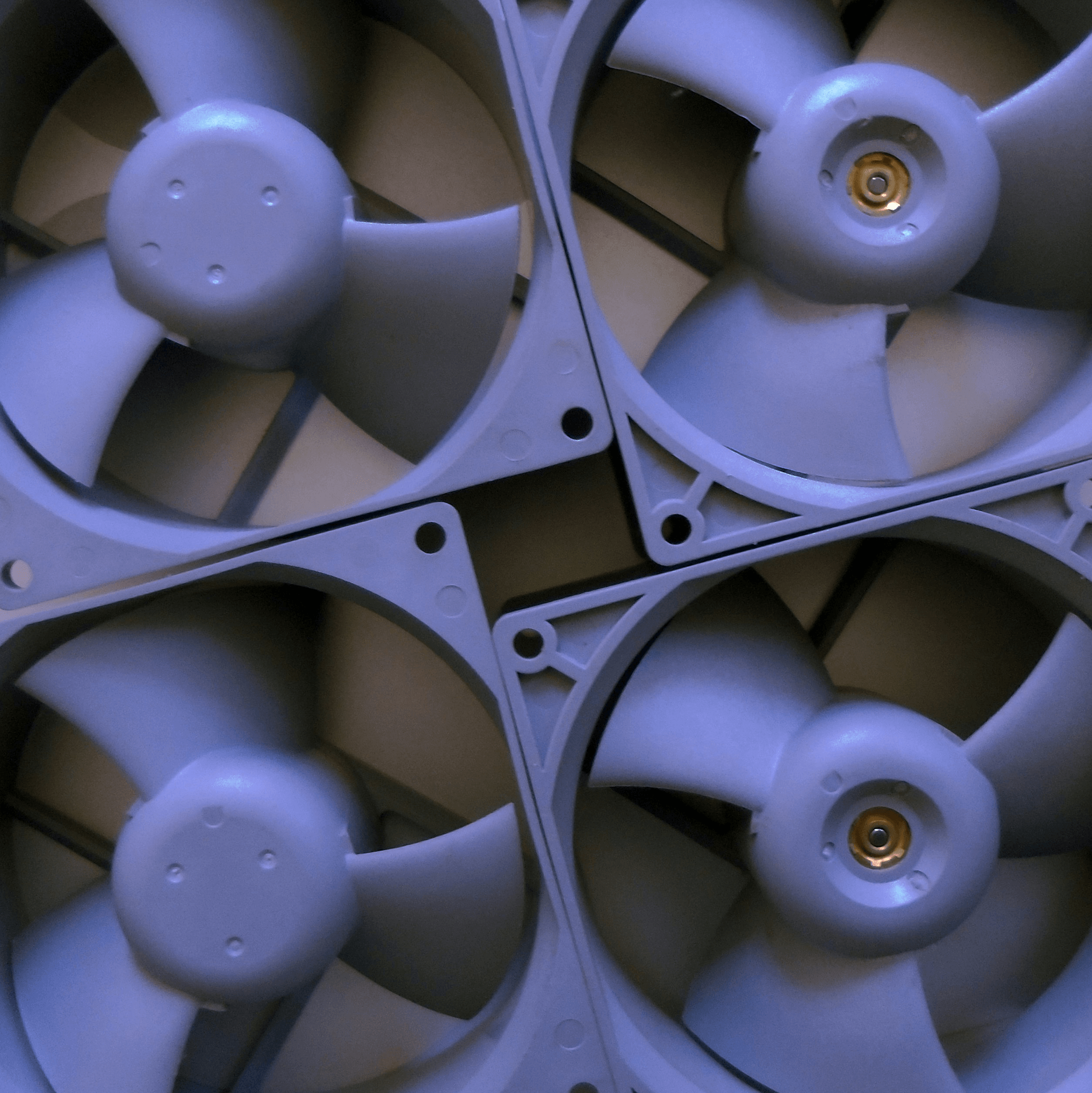
Once your fan has undergone a comprehensive Fan Performance Test, the real work begins—deciphering the data to unlock maximum efficiency. Analyzing performance bottlenecks involves scrutinizing how well the fan maintains its static pressure and how the inlet flow rate impacts overall output. By examining fluctuations in inlet temperature and air density during test technical limits, you can identify areas where the fan struggles or excels, making it easier to target specific issues.
Adjusting operating conditions based on test results is like fine-tuning a musical instrument; small changes can lead to significant performance gains. If static pressure drops at higher fan rotation speeds, consider modifying the inlet flow rate or adjusting the inlet temperature to optimize airflow. These tweaks help ensure that your fan operates within its ideal parameters without pushing it beyond its test technical limits, preventing unnecessary wear or failure.
Using findings from your Fan Performance Test to improve fan design is both an art and a science. Data on absorbed power and air density at various speeds reveal how efficiently your fan converts energy into airflow. Incorporating these insights allows engineers to refine blade angles or motor specifications, ultimately leading to a more robust design that performs reliably across different operating conditions.
Ensuring Compliance and Quality Assurance
In the world of fan performance testing, verifying that your results meet industry standards is non-negotiable. This process involves meticulously checking each parameter—Inlet Flow Rate, Inlet Temperature, Static Pressure, Absorbed Power, and Fan Rotation Speed—to ensure they align with established benchmarks. Conducting a comprehensive test technical limits assessment helps identify any discrepancies early on, preventing costly errors down the line and guaranteeing that the fan operates efficiently within its specified parameters.
Collaborating with China Inspection Pro elevates your quality assurance game by providing expert oversight during every phase of the fan performance test. Their team specializes in scrutinizing data related to Inlet Flow Rate variations, Inlet Temperature fluctuations, Static Pressure metrics, and changes in Absorbed Power under different Fan Rotation Speeds. This partnership ensures that all test results are accurate and compliant with international standards, giving you confidence that your fans are ready for prime time.
Documenting test results for certification is where precision truly pays off. A detailed report covering core parameters like Static Pressure readings at various Fan Rotation Speeds, Inlet Temperature conditions during tests, and adjustments made while testing technical limits forms the backbone of certification documentation. Proper records not only demonstrate compliance but also serve as proof of quality when presenting your fan performance data to clients or regulatory bodies.
Conclusion
A well-executed Fan Performance Test is the cornerstone of ensuring your fans operate at peak efficiency and reliability. By thoroughly test technical limits, engineers can identify performance bottlenecks and optimize parameters like Inlet Flow Rate, Inlet Temperature, and Static Pressure. This proactive approach not only enhances energy efficiency but also prolongs fan lifespan, making every watt count.
Accurate data from a Fan Performance Test plays a vital role in preventing failures down the line. Monitoring variables such as Absorbed Power and Fan Rotation Speed during testing helps reveal potential issues before they escalate. Incorporating real-time measurements of Air Density ensures that results reflect true operating conditions, leading to more reliable insights.
Trusting professionals like China Inspection Pro for expert testing and inspection guarantees that your fan performance evaluations are precise and compliant with industry standards. Their expertise in measuring core parameters—like Static Pressure, Inlet Temperature, and Inlet Flow Rate—ensures you receive comprehensive reports that support optimal fan design adjustments. Remember, investing in quality testing means fewer surprises during operation and better overall system performance.