
Introduction
In the fast-paced world of commerce, the Inspection of Packing is more than just a box-ticking exercise; it’s a crucial step that can make or break your business reputation. Properly inspecting the inner package number, shipping marks, and cautionary symbols ensures that every product reaches its destination intact and ready to impress. When you master the art of packing inspection, you’re not only safeguarding your goods but also reinforcing customer trust and satisfaction.
Effective packaging isn’t merely about aesthetics—it’s about creating an unboxing experience that customers remember for all the right reasons. The assortment of package components, from correct thickness of sheathing to proper application of bottom cleats, plays a vital role in shaping perceptions. A well-inspected pack shows professionalism and attention to detail, which can significantly influence how customers view your brand.
The role of quality inspection in the supply chain cannot be overstated; it’s the backbone that ensures consistency and compliance at every stage. By focusing on key elements like verifying shipping marks and ensuring correct application of bottom cleats, businesses can prevent costly damages or delays. Ultimately, a thorough inspection process enhances overall supply chain success by reducing errors and boosting confidence in your products’ journey from factory to customer.
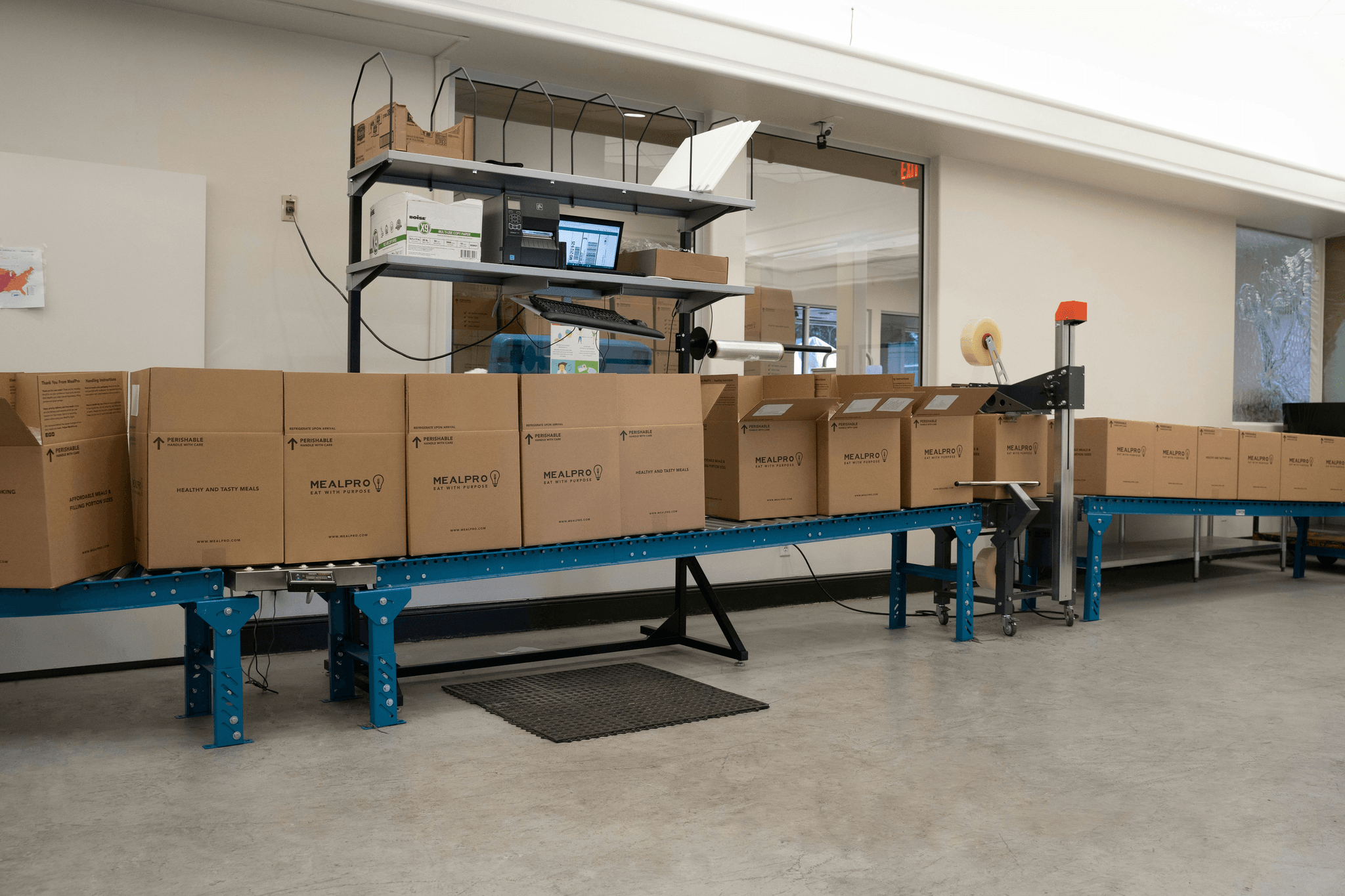
[Image description=close-up of hands inspecting packaging labels with focus on inner package number and shipping marks, tools for measurement nearby, detailed packaging materials visible], Image name=packing_inspection_process, Alt tag=Inspection of Packing for quality assurance and accurate shipping marks
Understanding Packing Inspection Basics

Getting the ins and outs of packing inspection is vital for ensuring your products arrive intact and your reputation stays shiny. This process involves more than just a quick glance; it’s about verifying every detail, from inner package number to shipping marks, to guarantee everything lines up perfectly. A thorough inspection of packing helps prevent costly mistakes and keeps your supply chain running smoothly.
The Importance of Inner Package Number Accuracy
One of the first steps in proper inspection of packing is double-checking the inner package number. This tiny label holds big significance because it ensures each item matches its inventory record, reducing errors during shipment and delivery. When inspecting, make sure the inner package number is clear, correct, and consistent across all packages — a small detail that can save you from huge headaches later on.
Decoding Shipping Marks and Cautionary Symbols
Shipping marks are like secret codes that tell handlers how to treat your cargo—think fragile symbols or this side up arrows—and decoding them during inspection is crucial. Proper inspection of packing involves verifying these shipping marks are accurate and visible, preventing mishandling or damage during transit. Cautionary symbols should be clear and correctly applied; overlooking them can lead to costly damages or delays, so pay close attention when inspecting.
Ensuring Proper Assortment of Packages for Efficient Delivery
The assortment of packages plays a pivotal role in streamlining logistics—improper grouping can cause delays or misplacement. During inspection of packing, confirm that packages are correctly assorted according to size, weight, or destination before shipment leaves the factory floor. An organized assortment ensures faster delivery times and happier customers while reducing the risk of lost items or damaged goods along the way.
By mastering these fundamental aspects—inner package number accuracy, decoding shipping marks with cautionary symbols, and ensuring proper assortment—you set a strong foundation for successful packaging inspections that keep your business running smoothly.
Key Strategies for Effective Packaging Inspection

Ensuring your packaging meets high standards is crucial for maintaining product integrity and customer satisfaction. A thorough inspection of packing involves verifying details like the inner package number, shipping marks, and cautionary symbols to prevent mishaps during transit. Implementing these key strategies helps identify flaws early, saving costs and reinforcing your brand’s reputation.
Verifying Correct Thickness of Sheathing
One of the foundational steps in effective inspection of packing is verifying the correct thickness of sheathing material. Using precise tools like digital calipers ensures that the sheathing adheres to specified standards, preventing damage during handling or shipping. When inspecting, always double-check that the thickness aligns with industry requirements, as inconsistent sheathing can lead to product spoilage or damage upon arrival.
Applying Bottom Cleats Correctly to Prevent Damage
The correct application of bottom cleats is vital in safeguarding products from external impacts and compression during transportation. During inspection at China Inspection Pro or your own facility, pay close attention to whether bottom cleats are installed properly—no gaps or misalignments—that could compromise package stability. Properly applied bottom cleats not only protect your goods but also streamline logistics by ensuring each package remains intact throughout its journey.
Standard Procedures for Inspection of Packing at China Inspection Pro
At China Inspection Pro, standard procedures for inspection of packing include a meticulous review of assortment of packages, shipping marks, and cautionary symbols to ensure compliance with international standards. These procedures emphasize verifying inner package numbers for accuracy and consistency across all units—an essential step in avoiding mix-ups or delays. Following a standardized protocol guarantees that every aspect—from correct thickness of sheathing to proper application of bottom cleats—is thoroughly checked before dispatch.
Common Packing Flaws and How to Spot Them
One of the biggest pitfalls in the inspection of packing is neglecting to verify the shipping marks. Shipping marks are crucial for identifying packages quickly and accurately during transit, but overlooking them can lead to misrouted shipments or delays. Proper inspection should always include a close look at these marks, along with cautionary symbols, to ensure they are clear, correctly placed, and conform to standards—otherwise, it could spell trouble for your supply chain.
Failing to check the correct application of bottom cleats is another common flaw that can cause significant damage during handling and transport. Bottom cleats help stabilize the package and prevent crushing or shifting, especially for heavy or fragile goods. During inspection of packing, paying attention to whether these cleats are properly applied ensures your products stay intact; neglecting this detail often results in damage that could have been easily prevented.
Lastly, ignoring the assortment of package—meaning whether all items are correctly grouped and packed—can wreak havoc on logistics efficiency. An inconsistent assortment can cause confusion at warehouses or customs, leading to delays or even lost items. Regularly inspecting the assortment of package as part of your packing inspection process guarantees smoother deliveries and happier customers.
Tools and Techniques for Better Packing Evaluation
Ensuring the quality of your packaging starts with the right tools and techniques. When it comes to Inspection of Packing, leveraging precise instruments and systematic procedures can make all the difference. From verifying inner package numbers to checking shipping marks and cautionary symbols, a structured approach helps catch flaws early and maintain high standards.
Using Digital Calipers for Sheathing Thickness
Digital calipers are a game-changer when it comes to confirming the correct thickness of sheathing. Accurate measurement ensures that packaging materials meet industry standards, preventing damage during transit. Regularly using calipers during Inspection of Packing helps verify that each package maintains consistent quality, especially concerning the correct thickness of sheathing, which is crucial for protecting contents.
Implementing Checklists for Consistent Inspection
A well-designed checklist is your best friend in maintaining consistency across all packing inspections. It should include key points like verifying the inner package number, examining shipping marks, inspecting cautionary symbols, and ensuring proper assortment of packages for efficient delivery. By following a detailed checklist during inspection routines at China Inspection Pro or similar services, you reduce errors such as overlooking critical details like the correct application of bottom cleats or missing shipment labels.
Leveraging Technology to Track Inner Package Number and Symbols
Modern technology offers innovative ways to streamline Inspection of Packing processes through digital tracking systems. Using barcode scanners or RFID tags allows quick verification of inner package numbers against order records, minimizing human error. Additionally, software solutions can automatically check shipping marks and cautionary symbols to ensure compliance—making sure every aspect from assortment of packages to proper sealing aligns perfectly before dispatch.
Benefits of Professional Quality Inspection Services
Investing in professional inspection of packing can significantly cut down on damage and returns, saving your business both time and money. When experts verify the correct application of bottom cleats and ensure the proper assortment of packages, they catch potential issues before products leave the warehouse. This proactive approach minimizes mishaps during transit, leading to fewer damaged goods and happier customers.
Enhanced compliance with industry standards is another major perk of partnering with experienced inspectors. They meticulously check shipping marks, cautionary symbols, and inner package numbers to ensure everything aligns with international regulations. Proper inspection of packing also guarantees that the correct thickness of sheathing is maintained, avoiding costly rework or delays that could arise from non-compliance.
Boosting customer satisfaction and brand loyalty often hinges on how well your packaging holds up in transit. A thorough inspection process ensures that every package has been properly assembled with the right assortment of packages and correctly applied bottom cleats. When customers receive their orders intact and professionally packed, they’re more likely to trust your brand—and become repeat buyers.
Conclusion

Mastering the art of Inspection of Packing is essential for any business aiming to thrive in a competitive marketplace. When you pay close attention to details like the inner package number, shipping marks, and cautionary symbols, you significantly reduce risks of damage and delays. Consistent inspection ensures that each package aligns with quality standards, which ultimately fuels growth and customer satisfaction.
Partnering with professionals like China Inspection Pro can elevate your Inspection of Packing process to new heights. Their expertise guarantees proper assessment of the assortment of packages, correct thickness of sheathing, and the proper application of bottom cleats. With their support, you can streamline your supply chain and avoid costly mistakes that stem from overlooked packing flaws.
Continuous improvement in packaging practices keeps your business ahead of the curve. Regularly reviewing your Inspection of Packing procedures—focusing on details such as shipping marks and the correct application of bottom cleats—can lead to fewer returns and happier clients. Remember, a well-inspected package not only protects your products but also enhances your brand’s reputation in a crowded market.