
Introduction
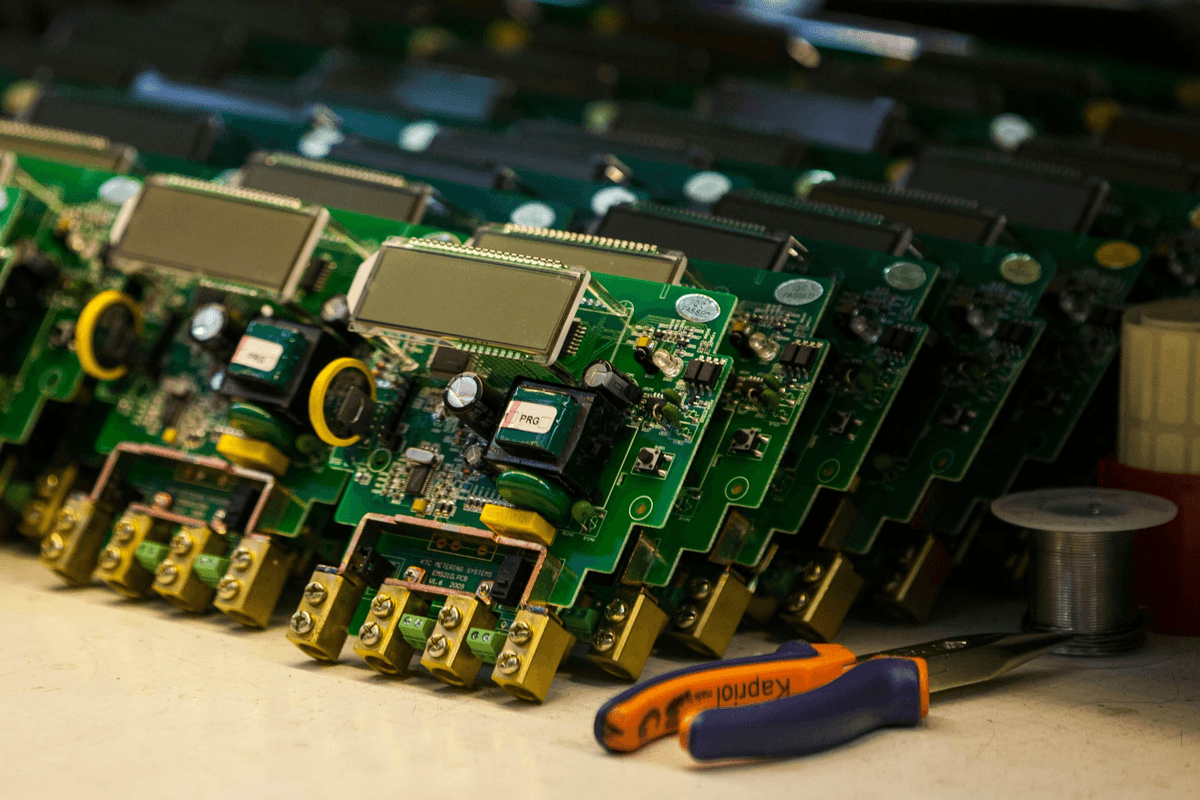
In today’s fast-paced tech world, protecting your supply chain from counterfeit risks is more critical than ever. Electronic Components are the backbone of modern gadgets, but the rising threat of fake parts can jeopardize your product quality and brand reputation. Knowing why is counterfeiting so prevalent and how to identify counterfeit parts can save you from costly recalls and damaged customer trust.
Protecting Your Supply Chain From Counterfeit Risks
Counterfeit electronic components pose a serious threat to manufacturers and consumers alike. To safeguard your supply chain, it’s essential to understand how counterfeit parts infiltrate markets and what steps you can take to prevent their entry. Keeping records of your parts and verifying authenticity through trusted channels are key strategies in this ongoing battle against fakes.
The Rising Threat of Fake Electronic Components
The prevalence of counterfeit electronic components continues to grow, fueled by complex global supply chains and high demand for affordable parts. Why is counterfeiting so prevalent? It often stems from the allure of low prices or scarce availability, tempting buyers into gray market channels or unreliable sources. Recognizing these red flags early helps you avoid falling victim to fake components that could compromise safety or performance.
Why Reliable Sourcing Matters for Your Business
Choosing reliable sources for electronic components isn’t just about getting the best price; it’s about ensuring quality and authenticity. How To Identify Counterfeit Parts involves scrutinizing packaging, labels, and testing methods—skills every procurement team should master. Work with an unbiased third-party inspection service to verify your suppliers’ claims, giving you peace of mind that your electronic components are genuine and safe for use in your products.
How to Identify Counterfeit Parts Effectively
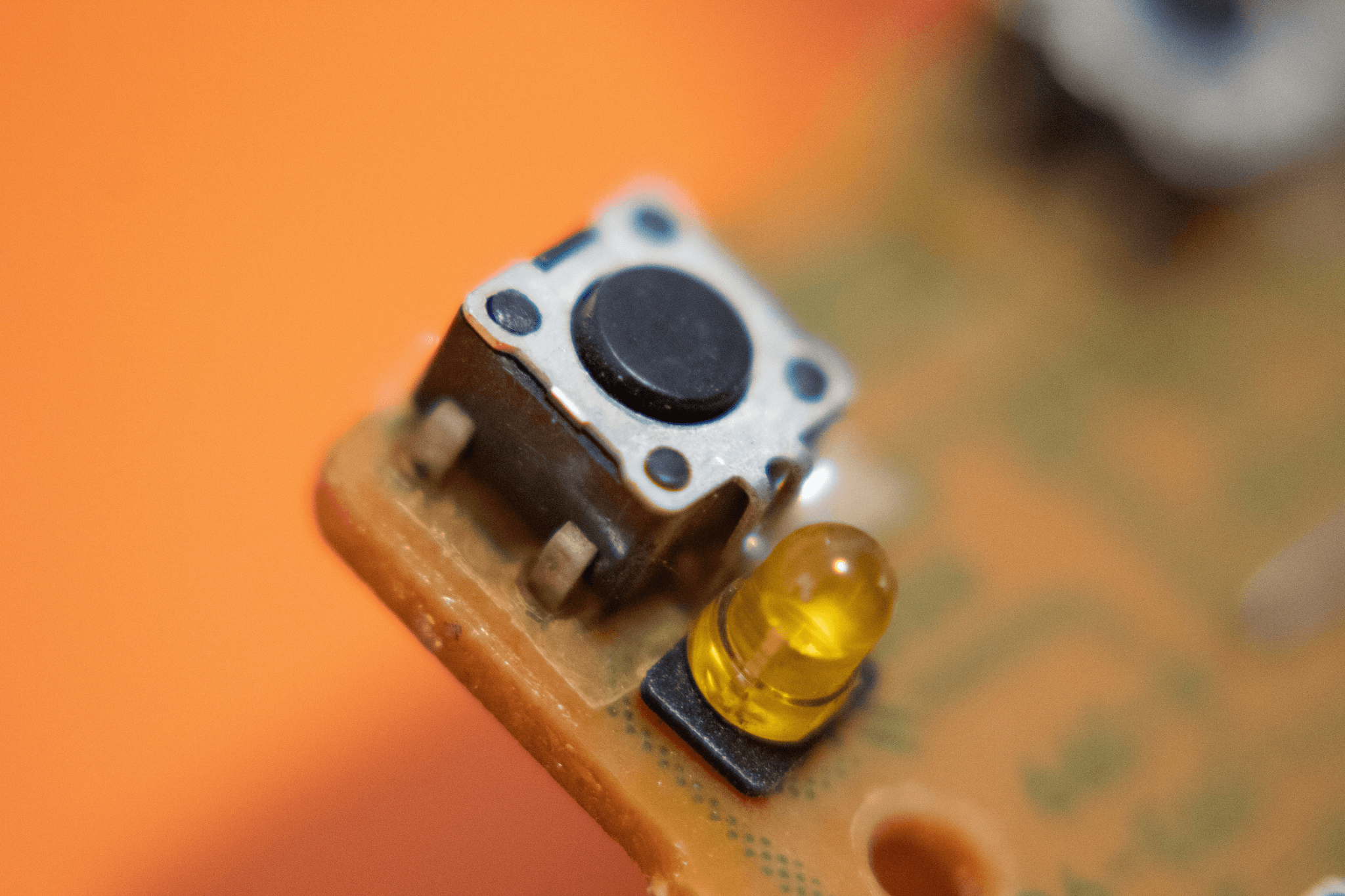
Spotting fake electronic components isn’t just about catching a typo on the packaging; it’s about understanding the subtle signs that differentiate genuine parts from counterfeits. With counterfeit electronics flooding the market, knowing how to identify counterfeit parts can save your business from costly failures and safety hazards. Being vigilant and employing a combination of visual inspections, testing, and good record-keeping will help you stay ahead of counterfeiters.
Key signs that indicate a counterfeit component
When trying to determine if an electronic component is authentic, start with its physical appearance. Counterfeit parts often have inconsistent markings, misspelled brand names, or unusual fonts that don’t match official specifications. Additionally, look for discrepancies in size, weight, or color—these small details can be telltale signs of fakes. Remember, why is counterfeiting so prevalent? Because counterfeiters exploit gaps in supply chains and demand for cheap electronics; staying alert to these signs is crucial for effective identification.
Using packaging and labeling red flags to spot fakes
Packaging can reveal a lot about the authenticity of electronic components. Counterfeiters frequently reuse labels or print low-quality stickers that peel easily or have blurry printing. Always scrutinize barcodes and serial numbers—if they seem mismatched or don’t scan properly, it’s a red flag. Keep records of your parts’ packaging details; this makes it easier to verify authenticity later on. Why is counterfeiting so prevalent? Because fake parts are often sold at suspiciously low prices—watch out for such deals as they’re often too good to be true.
Leveraging testing and inspection tools to verify authenticity
While visual cues are helpful, nothing beats rigorous testing when verifying electronic components’ authenticity. Use specialized inspection tools like X-ray scanners or decapsulation methods to examine internal structures without damaging the part—this is especially important when you want proof of quality before integrating new stock into your products. Testing also involves electrical measurements—if a component doesn’t meet expected specifications during testing, it’s likely counterfeit or substandard. To prevent costly mistakes down the line, always keep records of your parts’ test results; work with an unbiased third-party inspection service if needed—they bring credibility and peace of mind.
Vetting Your Suppliers to Avoid Counterfeit Parts
Choosing the right supplier for your electronic components is crucial to avoid falling victim to counterfeit parts. Conducting thorough due diligence on sources like Digi-Key, Mouser Electronics, and TTI helps you verify their legitimacy and reliability. Remember, knowing exactly where your electronic components come from can save your business from costly recalls and reputation damage down the line.
Conducting due diligence on sources like Digi-Key, Mouser Electronics, and TTI
When sourcing electronic components, it’s essential to dig deep into each supplier’s background—are they authorized distributors or just gray market dealers? Doing this kind of research ensures you’re getting genuine parts and not counterfeit electronics that could compromise your product safety. Keep records of your parts’ origins; it’s a simple step that pays off when verifying authenticity later on.
Recognizing reputable suppliers versus gray market dealers
Reputable suppliers like Digi-Key, Mouser Electronics, and TTI are well-known for strict quality controls and transparent sourcing practices—making them safer bets for authentic electronic components. Gray market dealers often offer tempting prices but pose significant risks because they may sell counterfeit electronics or substandard parts. Watch out for suspiciously low prices; if a deal seems too good to be true, it probably is.
The importance of working with an unbiased third-party like China Inspection Pro for quality verification
Even after vetting suppliers thoroughly, it’s wise to work with an unbiased third-party such as China Inspection Pro for quality verification of your electronic components. These professionals have the tools and expertise to identify counterfeit parts effectively, giving you peace of mind in your procurement process. Incorporating independent inspection ensures that you’re not just trusting words but verifying that each lot meets safety standards before integration into your products.
Implementing Best Practices for Safe Sourcing
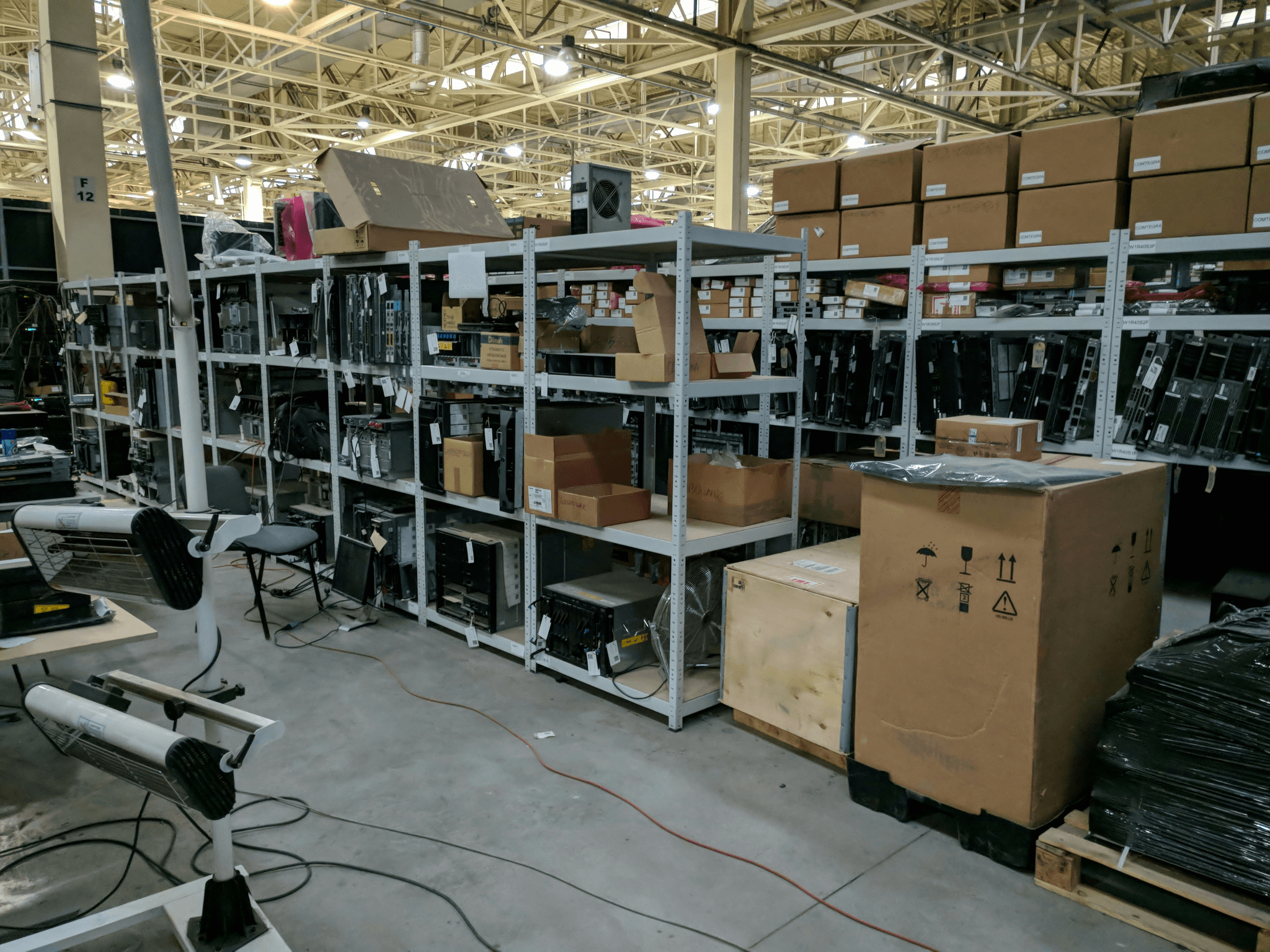
Navigating the world of Electronic Components can feel like walking through a minefield, especially with counterfeit parts lurking at every turn. To stay ahead, it's crucial to develop solid practices that ensure authenticity and quality. Implementing these best practices not only protects your reputation but also keeps your supply chain running smoothly without unexpected surprises.
Keeping comprehensive records of your electronic components
One of the smartest moves you can make is to keep detailed records of every electronic component you source. This means documenting purchase dates, supplier details, batch numbers, and inspection results—everything that can verify the authenticity of your parts. Why is counterfeiting so prevalent? Because without thorough record-keeping, counterfeiters can slip fake components into your inventory unnoticed, risking safety and reliability.
Having a well-organized record system also makes it easier to trace issues back to their source if something goes wrong. When you work with an unbiased third-party for quality verification, these records become even more valuable—they provide proof of due diligence and help streamline audits or investigations later on. Remember: Keep records of your parts diligently; it’s your first line of defense against counterfeit electronics.
Watching out for suspiciously low prices that signal counterfeit risk
If a deal sounds too good to be true, it probably is—especially in the realm of Electronic Components. Counterfeiters often lure buyers with suspiciously low prices that seem almost impossible to ignore. Why is counterfeiting so prevalent? Because the profit margins are high when selling fake parts at a fraction of genuine prices, making it tempting for unscrupulous suppliers.
Always be cautious when sourcing from vendors offering rock-bottom prices; this is a red flag indicating potential counterfeit risk. It’s wise to question such offers and verify their legitimacy by working with an unbiased third-party inspection service before committing any funds or inventory to them. Watch out for suspiciously low prices—they're often the first sign that you might be dealing with fake electronic components.
Establishing inspection protocols and quality checks throughout the supply chain
Creating robust inspection protocols is essential for effective safe sourcing of Electronic Components. Regular testing and quality checks at different stages help catch fakes early before they reach your production line or customers. How To Identify Counterfeit Parts? Look for irregular packaging, inconsistent markings, or subpar build quality during inspections—these are common signs that may indicate counterfeit electronics.
Partnering with an unbiased third-party like China Inspection Pro adds an extra layer of confidence in verifying authenticity throughout your supply chain process. Establish clear procedures for inspecting incoming shipments and conducting periodic audits—this proactive approach minimizes risks associated with counterfeit parts and ensures product safety standards are met consistently.
Implementing these best practices creates a strong foundation against counterfeiting efforts in your supply chain—protecting both your brand reputation and customer safety while streamlining procurement processes efficiently.
Partnering with Quality Inspection Professionals
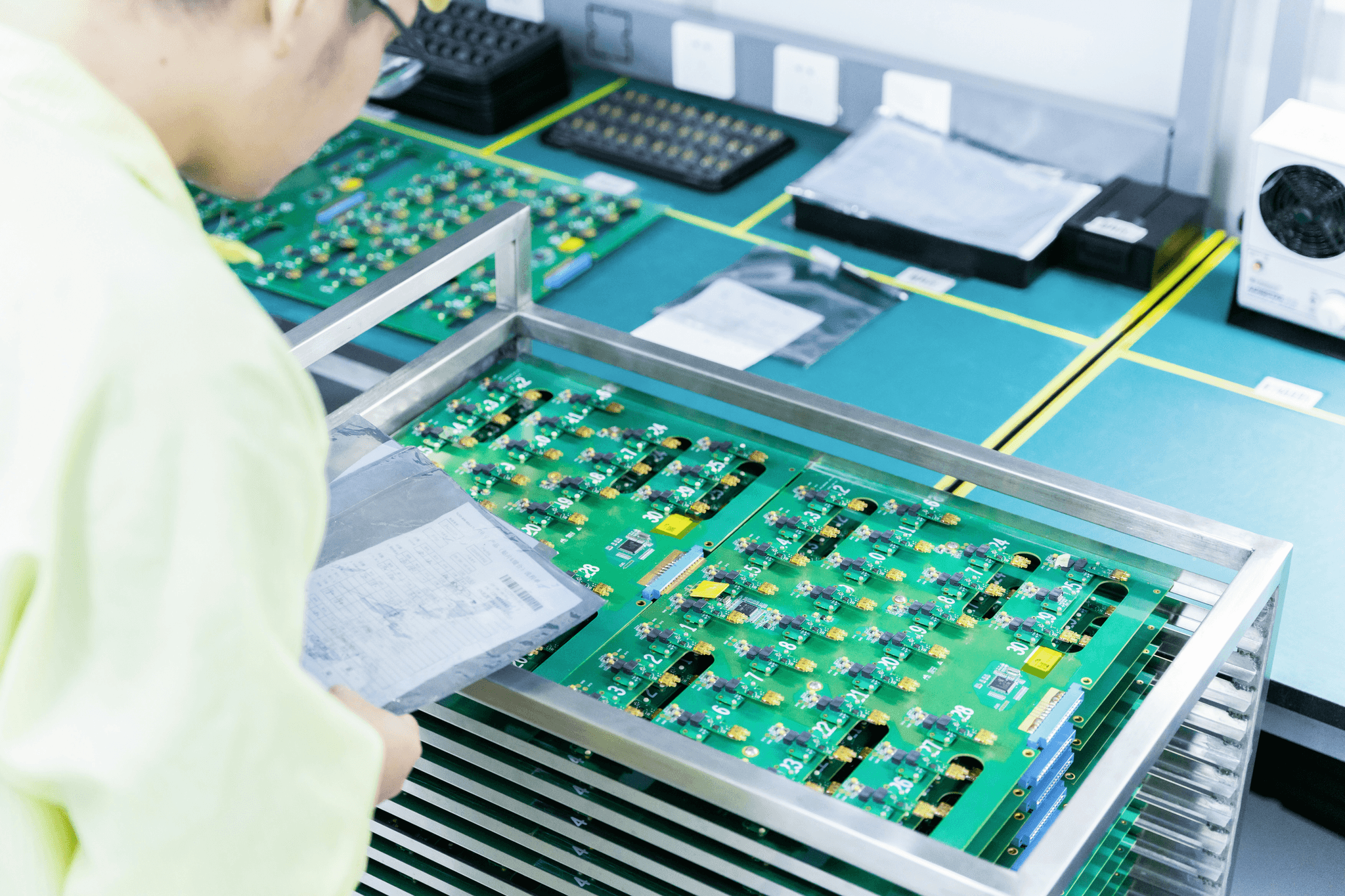
Partnering with reputable inspection professionals is a smart move in the complex world of electronic components. They bring expertise that helps you verify product authenticity and ensure quality, saving you from costly mistakes down the line. When it comes to preventing counterfeit components, working with an unbiased third-party can be the game-changer you need to keep your supply chain secure.
How China Inspection Pro ensures product authenticity and quality
China Inspection Pro specializes in safeguarding your electronic components by conducting thorough inspections at every step of the supply chain. Their team uses advanced testing methods to identify counterfeit parts and verify genuine products, helping you understand why is counterfeiting so prevalent in the electronics industry. By keeping detailed records of your parts, they make it easier to track provenance and detect suspicious discrepancies early on, giving you peace of mind.
The value of professional inspection in preventing counterfeit components
Professional inspection services add a critical layer of security when sourcing electronic components, especially because counterfeit parts can slip through unverified channels. They help identify fake or substandard items quickly—how to identify counterfeit parts becomes much clearer with their expertise—and prevent them from reaching your production line. Watching out for suspiciously low prices is another key indicator that warrants inspection; professional teams can spot these red flags before costly issues arise.
Integrating inspection into your procurement process for peace of mind
Incorporating regular inspections into your procurement process ensures that only authentic electronic components make it into your inventory. Keep records of your parts and establish clear protocols for inspection at multiple stages—before purchase, upon receipt, and during assembly—to catch fakes early on. Working with an unbiased third-party like China Inspection Pro not only enhances quality but also provides ongoing assurance that your supply chain remains free from counterfeits.
Conclusion
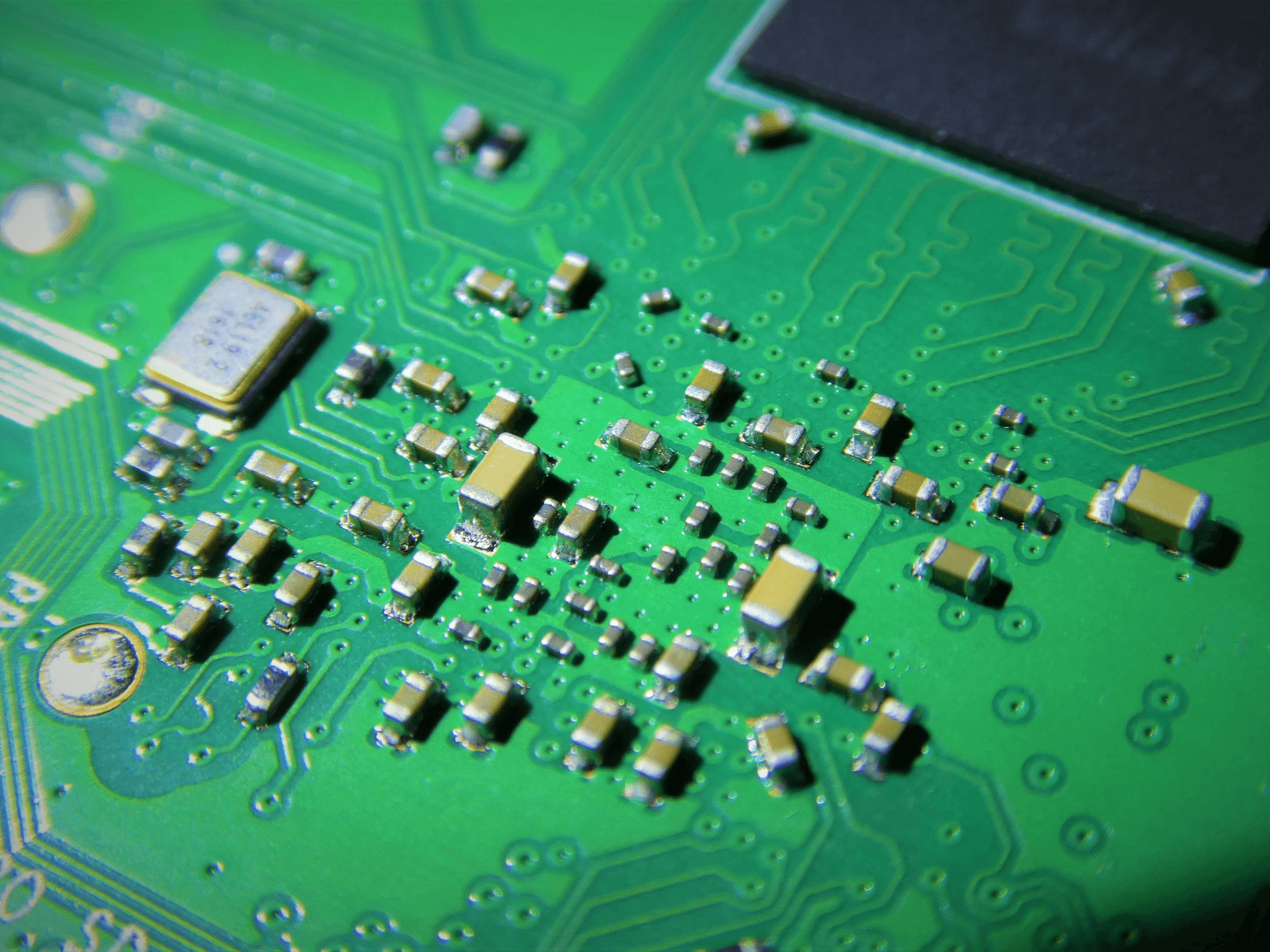
Navigating the world of electronic components requires a sharp eye and a cautious approach. Prioritizing source transparency for your electronic components helps you avoid the pitfalls of counterfeit parts, which can jeopardize product safety and brand reputation. Remember, understanding why is counterfeiting so prevalent? It often stems from complex supply chains and high demand, making vigilance even more critical to ensure authenticity.
Employing rigorous verification methods is essential to protect your business from counterfeit electronic components. Keep records of your parts diligently—this not only streamlines future audits but also provides an audit trail that can be invaluable when verifying authenticity. Be wary of suspiciously low prices; such deals are red flags signaling potential counterfeit parts that could compromise your entire project.
Staying vigilant means partnering with trusted professionals who understand how to identify counterfeit parts effectively. Work with an unbiased third-party inspection service to validate the authenticity and quality of your electronic components before integration into your products. This proactive step ensures you’re sourcing genuine parts, reducing risks associated with fake electronics and safeguarding your reputation.