
Introduction
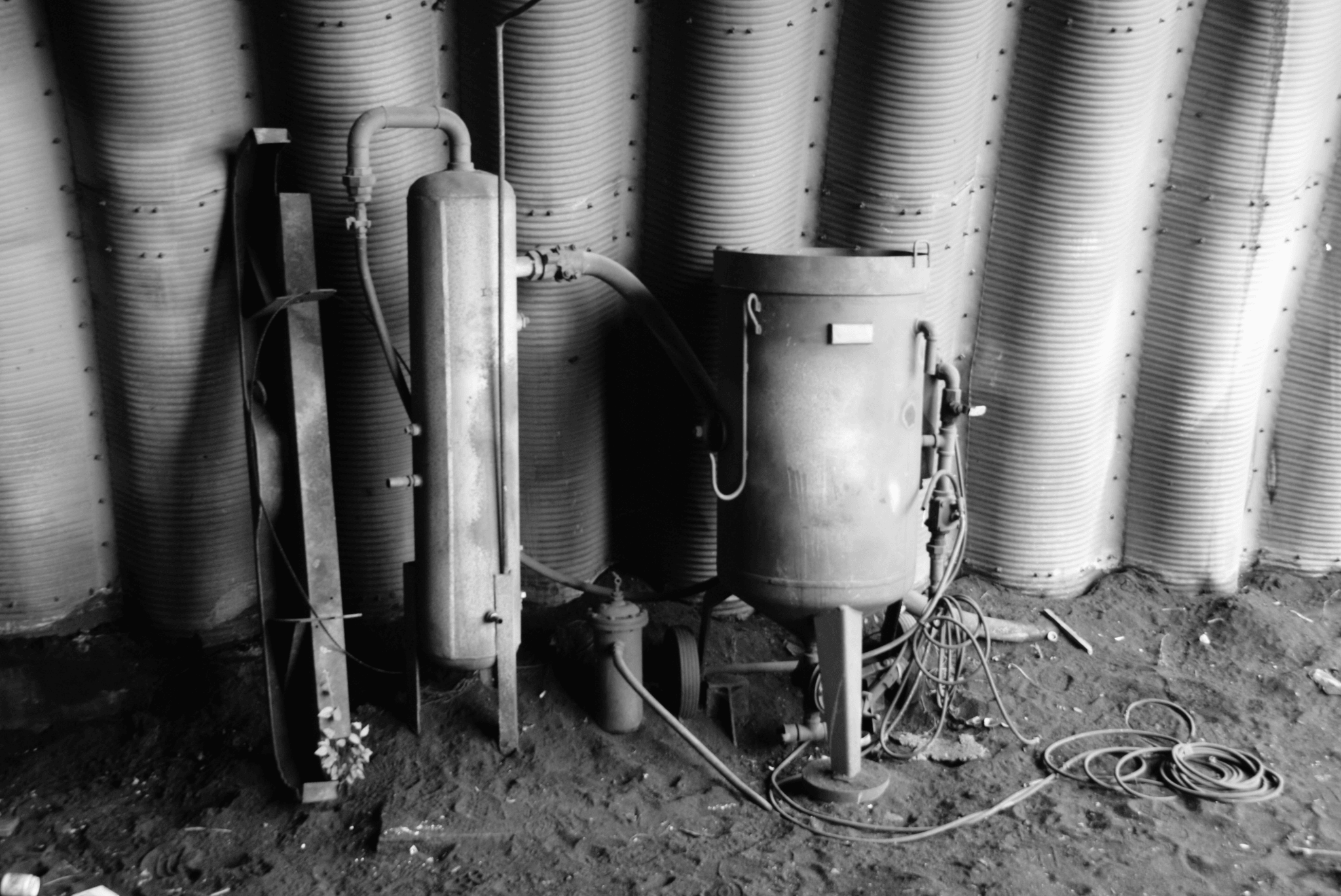
Understanding the importance of boiler inspection is crucial for maintaining safety and ensuring compliance with industry standards. Boilers, whether water tube or fire tube, are complex systems that require regular checks to keep them operating smoothly and safely. Knowing how does a steam boiler work helps in appreciating why thorough inspections—covering water tube boiler inspection requirements and fire tube boiler inspection requirements—are essential to prevent accidents and costly downtime.
Regular boiler inspections act as a proactive shield against major incidents, catching potential failures before they escalate into dangerous situations. By adhering to a well-structured inspection and test plan for fire tube boilers, operators can identify wear signs early, thus avoiding unexpected shutdowns that disrupt operations. Engaging in third party inspection for fire tube boilers adds an extra layer of confidence, ensuring unbiased assessments aligned with industry standards.
Choosing a trusted inspection service matters because it guarantees that all aspects of the boiler are thoroughly examined according to industry regulations. A reliable provider will be familiar with key standards from organizations like ASME and OSHA, helping your facility stay compliant while optimizing performance. Investing in expert services not only enhances safety but also extends the lifespan of your equipment through diligent maintenance practices.
Fundamentals of Boiler Operation
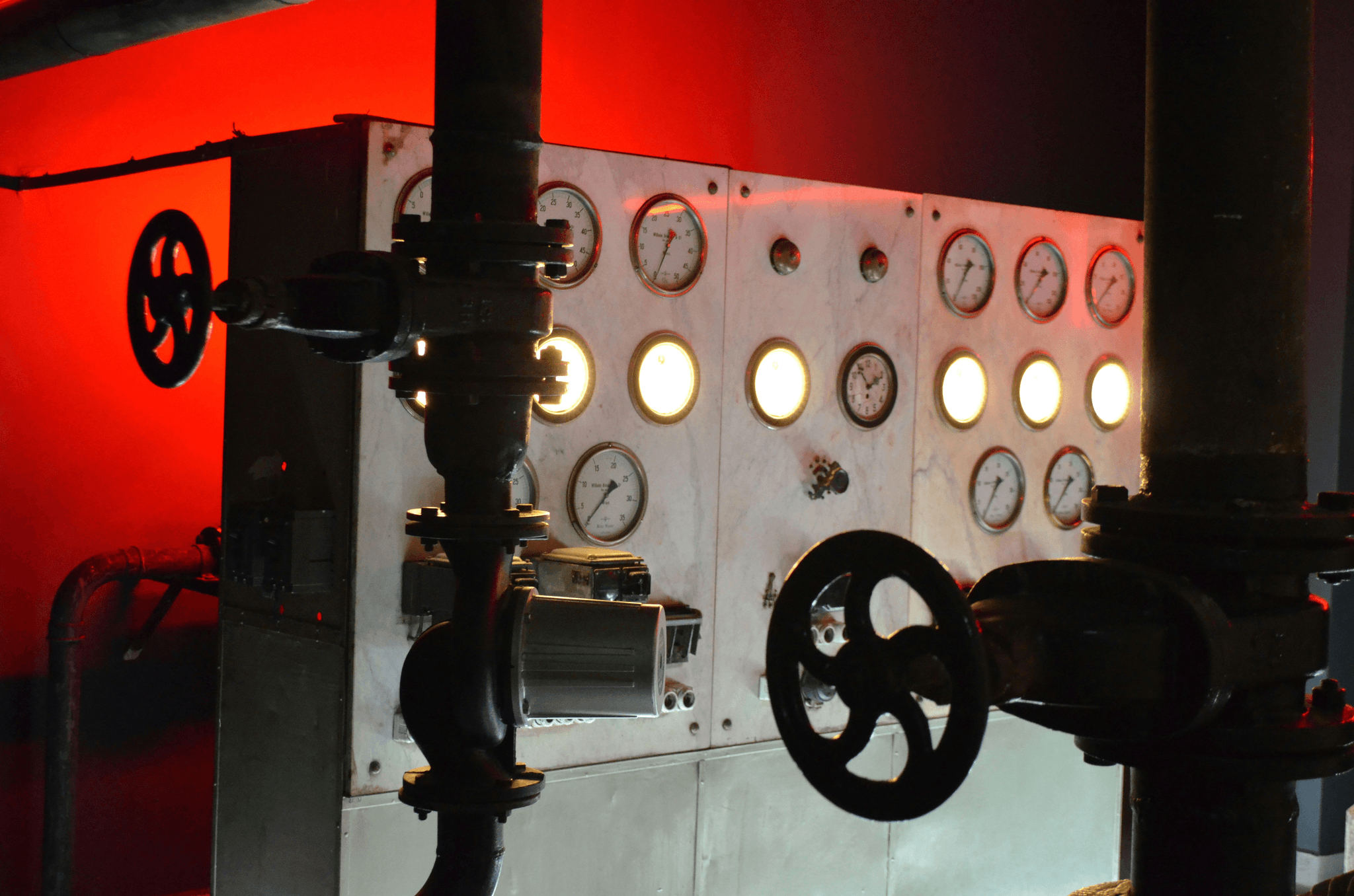
Understanding how a steam boiler works is fundamental to effective boiler inspection. A steam boiler operates by heating water to produce steam, which then powers turbines or provides heat for various industrial processes. Key components include the burner, combustion chamber, water tubes or fire tubes, and pressure gauges—all of which require regular inspection to ensure safety and efficiency.
The Water Tube Boiler Inspection Requirements are critical because these boilers have water flowing through tubes heated externally by combustion gases. During inspection, particular attention is paid to tube integrity, corrosion levels, and signs of wear that could lead to failure. Properly conducting a Water Tube Boiler Inspection Requirements helps prevent catastrophic failures and ensures compliance with safety standards.
In contrast, Fire Tube Boilers operate by passing hot gases through tubes surrounded by water. Fire Tube Boiler Inspection Requirements focus on checking for cracks in the fire tubes, accumulation of soot or scale, and ensuring all safety valves function correctly. Regular inspections help identify potential issues early on, facilitating timely maintenance and avoiding costly downtime.
When it comes to Fire Tube Boilers, engaging in Third Party Inspection for Fire Tube is highly recommended for unbiased assessments and thorough safety checks. A third-party inspector will review all essential elements during an inspection and test plan for fire tube boilers to ensure they meet industry standards like ASME or OSHA regulations. Incorporating an Inspection and Test Plan for Fire Tube Boiler into routine maintenance guarantees operational safety while keeping compliance on point.
Essential Water Tube Boiler Inspection Requirements
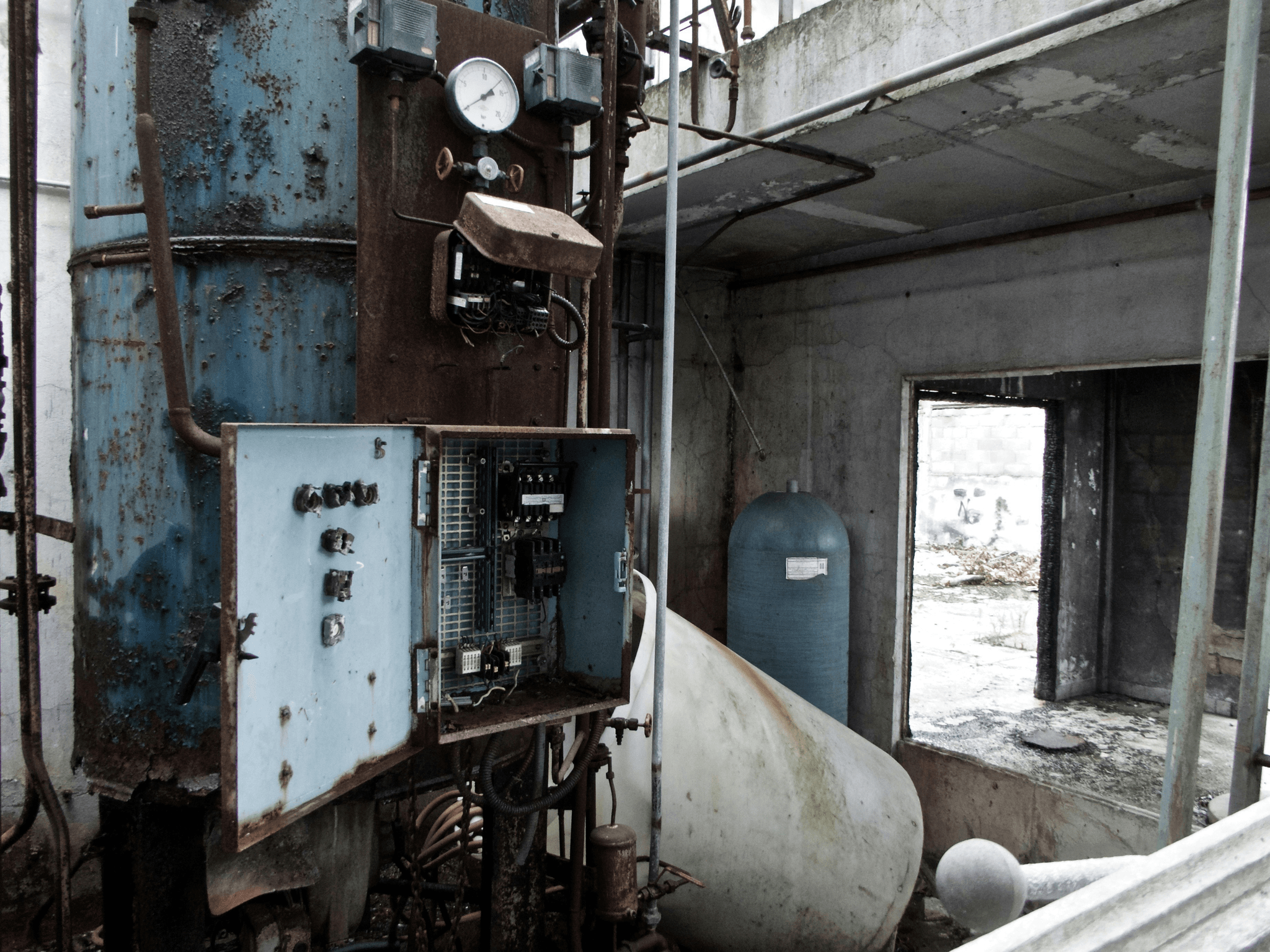
Water tube boilers are critical components in many industrial processes, and understanding the Water Tube Boiler Inspection Requirements is essential for maintaining safety and efficiency. Proper inspection ensures that these boilers operate smoothly, preventing costly failures and downtime. Knowing what to focus on during inspections helps plant managers stay compliant with industry standards and avoid unexpected breakdowns.
Critical Areas to Focus During Water Tube Boiler Inspection
When conducting a Boiler Inspection on water tube boilers, attention should be directed toward the tubes themselves, as they are the heart of the system. Inspectors need to check for signs of corrosion, erosion, or cracking that could compromise the boiler’s integrity. Additionally, examining the drum, headers, and support structures is vital because these areas bear significant stress during operation and are prone to wear over time.
Understanding How Does a Steam Boiler work is fundamental for identifying potential failure points during Water Tube Boiler Inspection Requirements. The high-pressure environment demands thorough scrutiny of all pressure-containing parts. Regular inspection helps detect early signs of fatigue or deformation that could lead to catastrophic failures if left unnoticed.
Typical Schedule for Water Tube Boiler Inspection
A standard schedule for Water Tube Boiler Inspection typically involves daily visual checks combined with more comprehensive inspections at specified intervals—often quarterly or annually—depending on usage intensity and regulatory guidelines. Routine inspections should include checking water levels, safety valves, and operational parameters to ensure everything functions within safe limits. More detailed examinations involve non-destructive testing methods like ultrasonic testing or radiography to assess internal tube conditions thoroughly.
Incorporating an Inspection and Test Plan for Fire Tube Boilers can serve as a useful reference when planning these schedules; although designed specifically for fire tube types, it offers valuable insights into systematic inspection approaches applicable across boiler types—including water tube systems.
Recognizing Signs of Wear and Potential Failures
Early detection of wear signs during boiler inspections can prevent major incidents down the line; look out for pitting corrosion, thinning tubes, or evidence of overheating such as discoloration or warping surfaces. Cracks in tubes or headers are red flags indicating imminent failure risks—these should be prioritized in your Water Tube Boiler Inspection Requirements checklist. If any anomalies are found during routine checks or through Third Party Inspection services for fire tube boilers, immediate action must follow to mitigate damage.
Implementing a comprehensive approach involving both internal visual assessments and external evaluations ensures you meet Fire Tube Boiler Inspection Requirements while maintaining safety standards across your plant operations.
Fire Tube Boiler Inspection Requirements
Fire tube boiler inspection requirements are crucial for maintaining safety and efficiency in operations. Proper assessment of key components ensures the boiler functions correctly and reduces the risk of unexpected failures. Understanding how does a steam boiler work helps inspectors identify potential issues early, especially during routine water tube boiler inspection requirements and fire tube boiler inspection requirements. Regular inspections also support compliance with industry standards and prevent costly downtime.
Key Elements to Assess in Fire Tube Boiler Inspection
During fire tube boiler inspection, focus on critical elements such as the condition of the tubes, shell integrity, and safety devices. The tubes should be checked for corrosion, erosion, or cracks that could lead to leaks or catastrophic failure. Additionally, inspecting pressure gauges, safety valves, and water level controls is vital to ensure all safety mechanisms function properly—especially when considering third party inspection for fire tube boilers to bring an unbiased eye to these assessments.
Standard Procedures for Fire Tube Boiler Inspection
Conducting a standard fire tube boiler inspection involves a systematic approach: start with visual examinations of external surfaces followed by internal inspections where accessible. During this process, inspectors should verify that all components meet the specifications outlined in the inspection and test plan for fire tube boilers. It’s also essential to perform non-destructive testing (NDT) methods like ultrasonic testing or magnetic particle testing on critical areas to detect hidden flaws that might compromise safety or performance.
Preventive Maintenance Tips for Fire Tube Boilers
Preventive maintenance tips for fire tube boilers include regular cleaning of tubes to prevent soot buildup which can impair heat transfer efficiency. Incorporating scheduled water quality tests helps prevent scale formation and corrosion—common culprits behind water tube boiler inspection requirements—and prolongs equipment lifespan. Moreover, developing an effective inspection and test plan for fire tube boilers ensures ongoing compliance with industry standards while minimizing unexpected breakdowns.
This comprehensive overview highlights how essential it is to adhere to fire tube boiler inspection requirements while leveraging third party inspections for accuracy. Developing a detailed inspection and test plan for fire tube boilers not only aligns with water tube boiler inspection requirements but also enhances overall operational safety—making sure your plant runs smoothly without surprises!
Engaging Third Party Inspection for Fire Tube Boilers

Engaging a third party inspection for fire tube boilers is a strategic move to ensure safety, compliance, and operational efficiency. These inspections provide an unbiased evaluation of your boiler’s condition, highlighting areas that need attention before minor issues become major failures. When it comes to boiler inspection, trusting experts like China Inspection Pro can make all the difference in maintaining your equipment’s longevity and safety.
Benefits of Third Party Inspection Services
Third party inspection services bring a fresh pair of eyes to your fire tube boiler, ensuring adherence to Water Tube Boiler Inspection Requirements and Fire Tube Boiler Inspection Requirements. They offer objective assessments that help identify potential wear or failures early on, saving you from costly downtime or accidents. Plus, these inspections often come with detailed reports that serve as proof of compliance during audits or regulatory checks.
What to Expect from a Third Party Inspection
When scheduling a third party inspection for fire tube boilers, expect a thorough review aligned with industry standards and best practices. Inspectors will evaluate critical elements like pressure vessels, tubes, and safety devices based on the Inspection and Test Plan for Fire Tube Boiler you’ve developed. They’ll also check whether your boiler meets the specific Water Tube Boiler Inspection Requirements and Fire Tube Boiler Inspection Requirements necessary for safe operation—no surprises here.
Partnering with China Inspection Pro for Reliable Results
Partnering with China Inspection Pro ensures your fire tube boiler undergoes rigorous third party inspection tailored to meet all applicable standards and regulations. Their team is experienced in crafting comprehensive inspection plans that incorporate industry-specific requirements while adhering to local and international regulations. With their expertise in developing an effective inspection and test plan for fire tube boilers, you gain peace of mind knowing your equipment is compliant, safe, and operating efficiently.
Developing an Effective Inspection and Test Plan
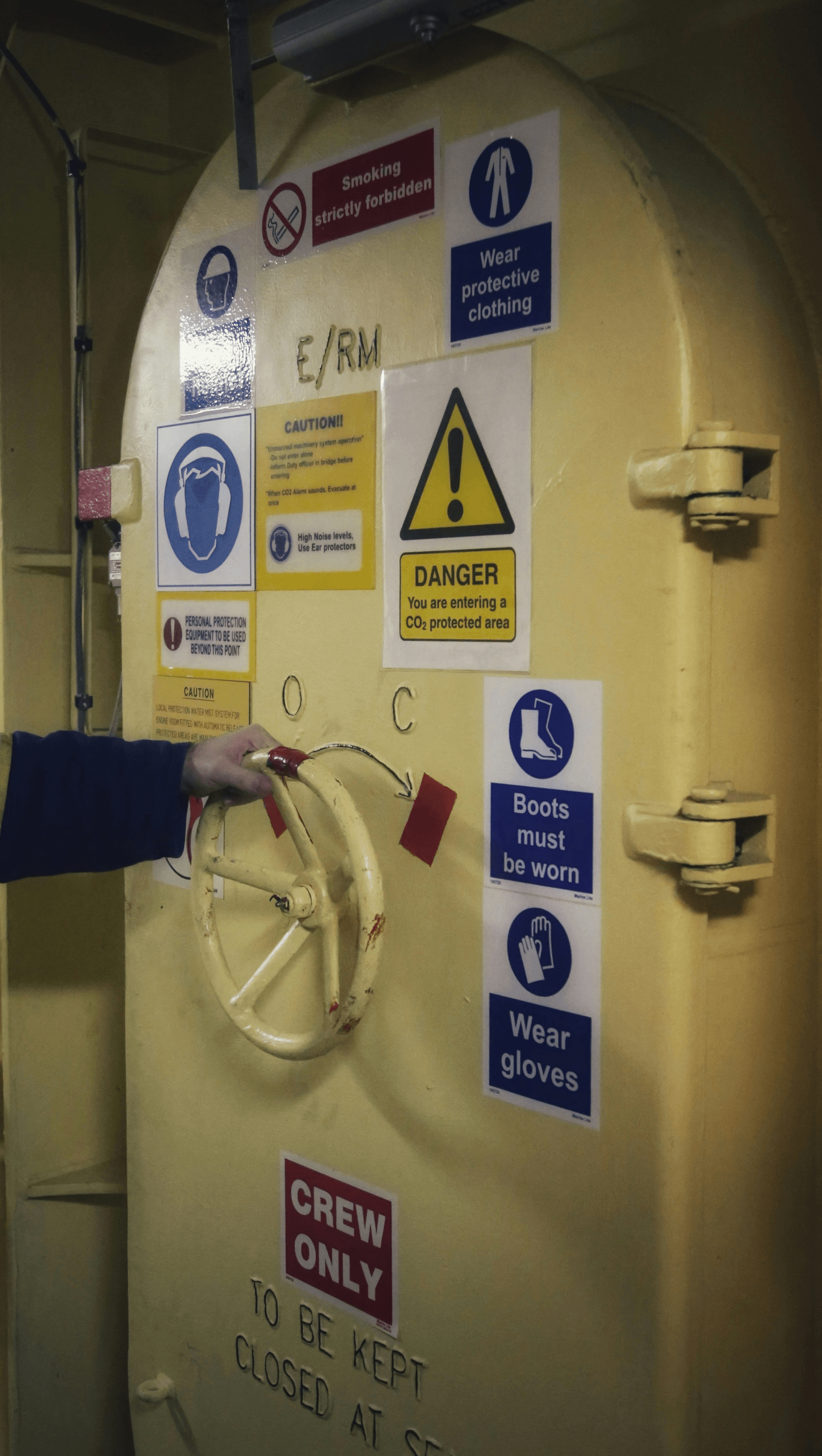
Creating a robust inspection and test plan for fire tube boilers is essential to ensure safety, efficiency, and compliance. A well-crafted plan guides your team through the necessary steps of boiler inspection, highlighting critical areas based on Water Tube Boiler Inspection Requirements and Fire Tube Boiler Inspection Requirements. This proactive approach helps identify potential issues before they escalate, saving money and preventing downtime caused by unexpected failures.
When designing an Inspection and Test Plan for Fire Tube Boilers, it’s crucial to incorporate detailed procedures aligned with industry standards. This includes understanding how does a steam boiler work to pinpoint vulnerable components that need closer scrutiny during inspections. Regularly updating your plan ensures it reflects the latest regulations and best practices, especially when engaging in Third Party Inspection for Fire Tube Boilers, which adds an extra layer of assurance to the process.
Incorporating safety protocols into your inspection plan is not just good practice—it’s mandatory for protecting personnel and equipment. An effective plan should outline safety measures during each phase of the inspection process, emphasizing adherence to Fire Tube Boiler Inspection Requirements while also considering how does a steam boiler work under different operational conditions. When you develop a comprehensive approach that integrates these elements, you’re setting your facility up for safer operations and smoother compliance audits.
The Role of Industry Standards and Regulations
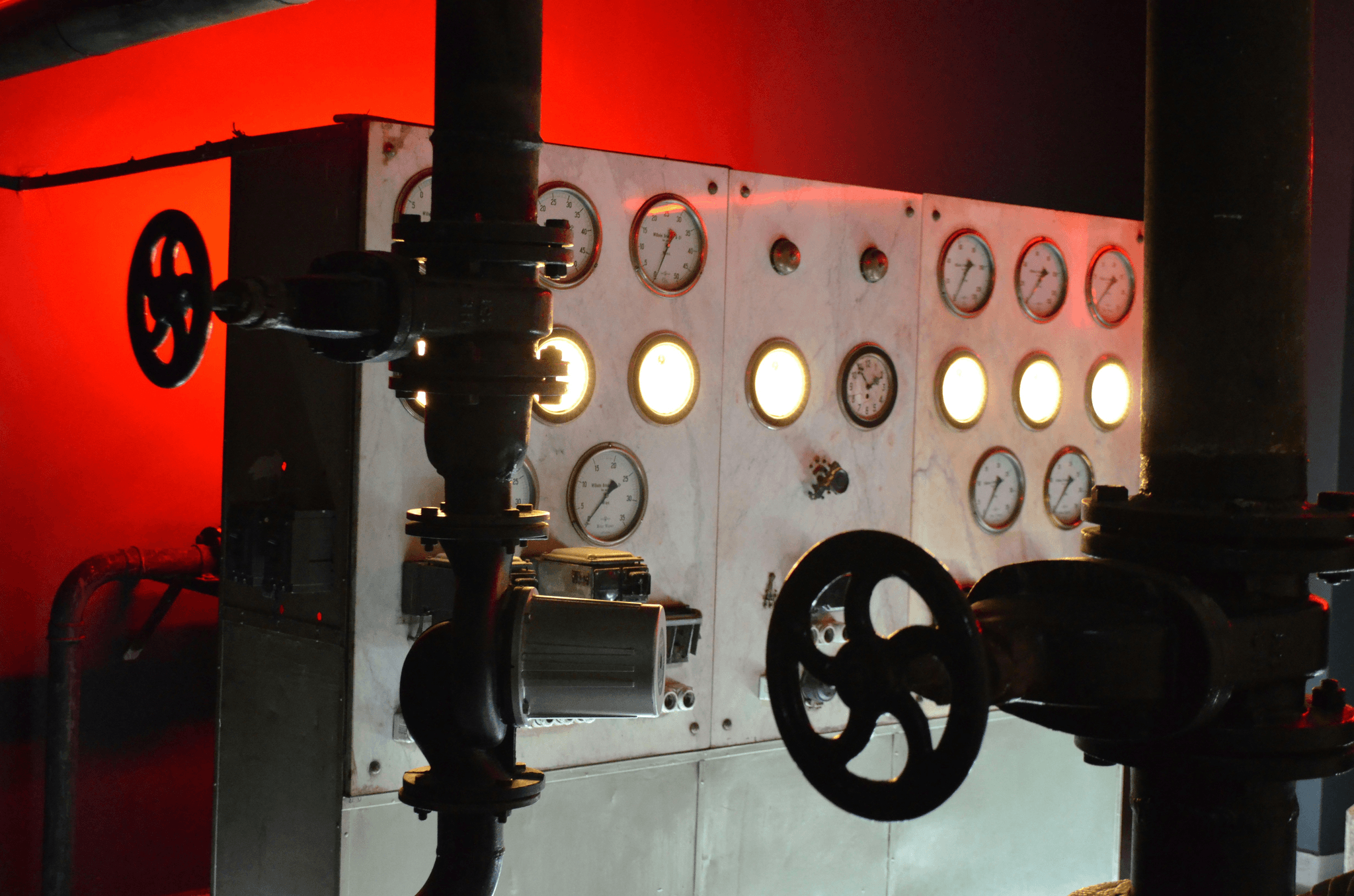
Understanding the landscape of industry standards and regulations is crucial for effective Boiler Inspection. These standards ensure that boilers operate safely, efficiently, and in compliance with legal requirements, preventing costly accidents or shutdowns. Whether navigating local rules or international guidelines, a solid grasp of these regulations helps facilities maintain operational integrity and avoid penalties.
Navigating Local and International Boiler Inspection Regulations
Every region has its own set of rules governing boiler safety and inspection protocols, making it essential to understand how does a steam boiler work within those frameworks. Local authorities often require regular inspections based on specific schedules, focusing on Water Tube Boiler Inspection Requirements or Fire Tube Boiler Inspection Requirements depending on the type in use. Staying compliant means keeping up with evolving regulations that influence how boiler inspection is conducted globally—and locally—ensuring your operation remains both safe and lawful.
Key Standards from ASME and OSHA
Standards from organizations like ASME (American Society of Mechanical Engineers) and OSHA (Occupational Safety and Health Administration) play pivotal roles in shaping boiler inspection practices worldwide. These standards specify detailed procedures for conducting thorough inspections, including criteria for Water Tube Boiler Inspection Requirements as well as Fire Tube Boiler Inspection Requirements. Adhering to these key standards ensures that your inspection and test plan for fire tube boilers aligns with industry best practices, minimizing risks while maximizing operational efficiency.
Staying Updated with Evolving Inspection Requirements
The world of boiler regulation isn't static; it evolves as new technologies emerge or safety concerns arise—making continuous education vital. Staying updated involves regularly reviewing changes in local laws alongside international standards to adapt your inspection routines accordingly. This proactive approach guarantees that your third party inspection for fire tube boilers remains compliant with current requirements, safeguarding your facility against unforeseen violations or failures.
Conclusion
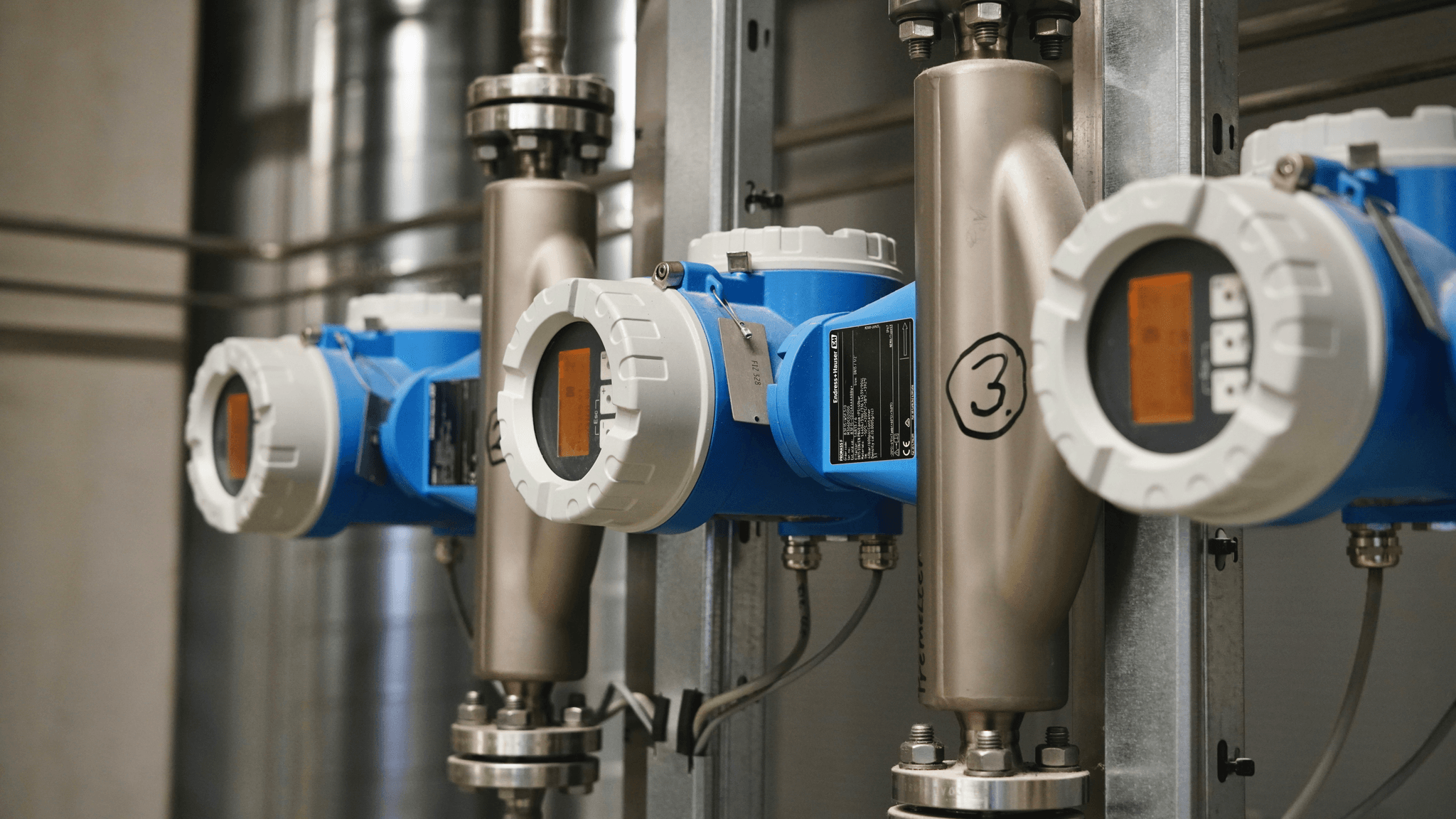
Ensuring safety through regular boiler inspection is not just a regulatory checkbox; it’s a smart move to prevent costly downtime and hazardous incidents. When you understand how does a steam boiler work, you realize that keeping its components in top shape is vital for safe operation. By adhering to Water Tube Boiler Inspection Requirements and Fire Tube Boiler Inspection Requirements, facilities can identify wear early and avoid catastrophic failures.
Partnering with reliable third-party inspection services, especially for fire tube boilers, adds an extra layer of confidence. Third Party Inspection for Fire Tube Boilers ensures unbiased assessments, catching issues that internal teams might overlook. Developing an inspection and test plan for fire tube boilers tailored to your specific needs guarantees compliance while streamlining maintenance efforts.
Staying current with industry standards and regulations—like those from ASME and OSHA—helps maintain safety and operational efficiency. Regular boiler inspection based on these standards ensures that your equipment meets all necessary criteria, avoiding penalties or shutdowns. Incorporating comprehensive inspection strategies demonstrates a proactive approach to safety and compliance.
By choosing China Inspection Pro for your boiler inspections, you benefit from expert evaluations that elevate quality control. Their team understands the nuances of water tube boiler inspection requirements as well as fire tube boiler inspection requirements, ensuring thorough assessments every time. This partnership helps you achieve operational excellence seamlessly while safeguarding personnel and assets.
In conclusion, diligent boiler inspection combined with proper planning—like crafting an effective inspection and test plan for fire tube boilers—can significantly reduce risks. It’s about creating a culture of safety where inspections are routine, thorough, and aligned with evolving standards. Trusting experienced inspectors like China Inspection Pro ensures your facility remains compliant, safe, and efficient in the long run.