
Introduction
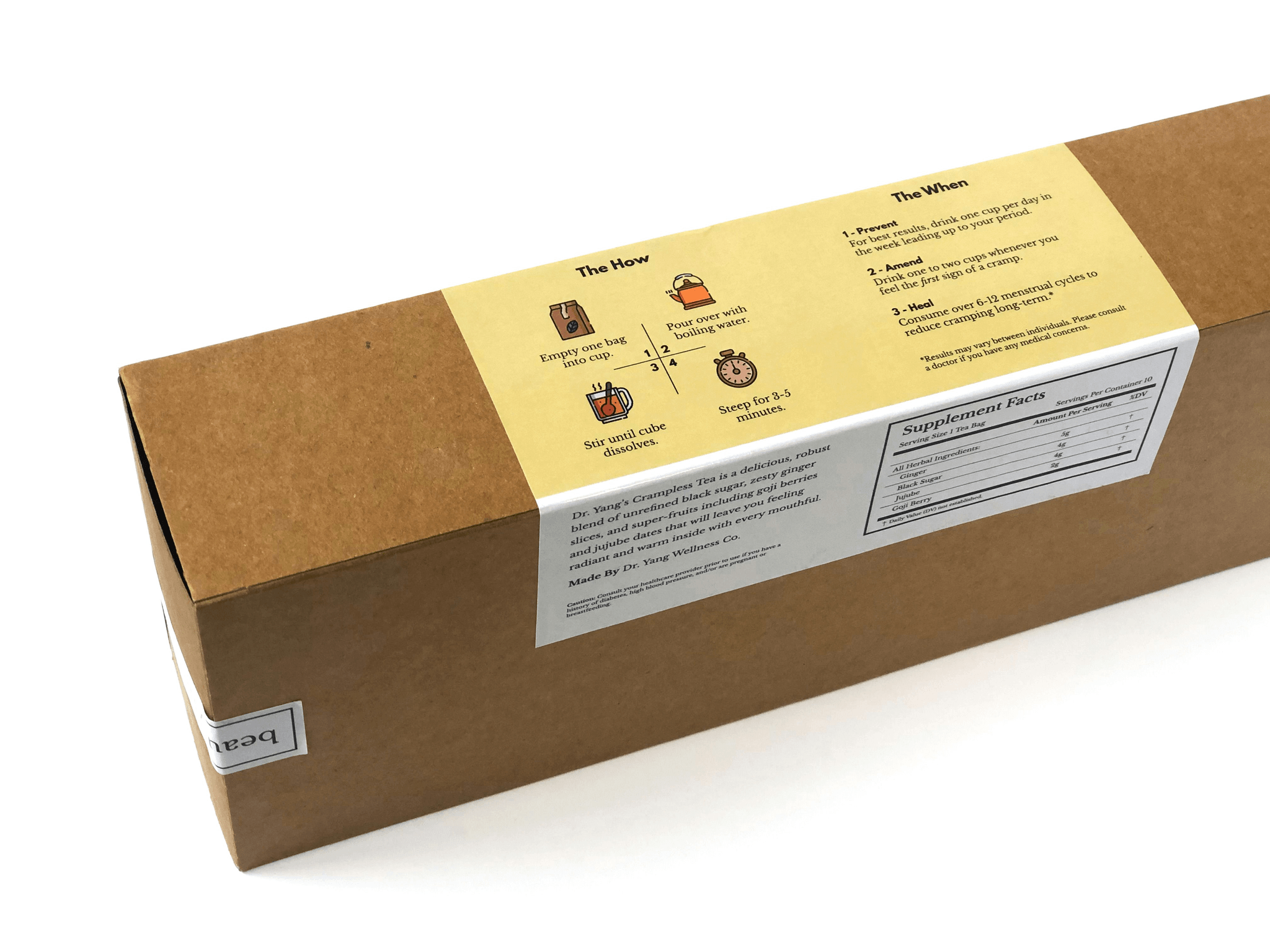
In today’s global marketplace, product inspection has become more vital than ever. Ensuring quality and authenticity isn’t just a matter of reputation; it’s about safeguarding your entire supply chain from start to finish. Properly sealing product samples plays a crucial role in this process, helping to preserve their integrity and prevent tampering.
Why Product Inspection Matters More Than Ever
With increasing international trade and tighter regulations, inspecting products thoroughly is no longer optional—it's essential. Seal Product Samples effectively during inspection ensures that the samples remain unaltered, giving confidence in the quality assessment. When you ask, Why seal a golden sample? remember it’s about maintaining its pristine condition for accurate benchmarking.
The Critical Role of Sealing Product Samples
Sealing product samples isn’t just about security; it’s about trust. Whether it’s a golden sample used for comparison or defect samples collected during inspection, sealing prevents contamination and tampering. Why seal defect samples during product inspection? Because doing so preserves their original state for precise root cause analysis.
How China Inspection Pro Ensures Sample Integrity
China Inspection Pro specializes in sealing product samples with advanced methods that guarantee their integrity throughout the inspection process. We emphasize why seal a golden sample—so it remains an authentic benchmark—and why seal defect samples during product inspections—to ensure reliable results later on. Our approach helps clients protect their investments by making sure every sample stays true to its original form.
Understanding the Importance of Sealing Product Samples
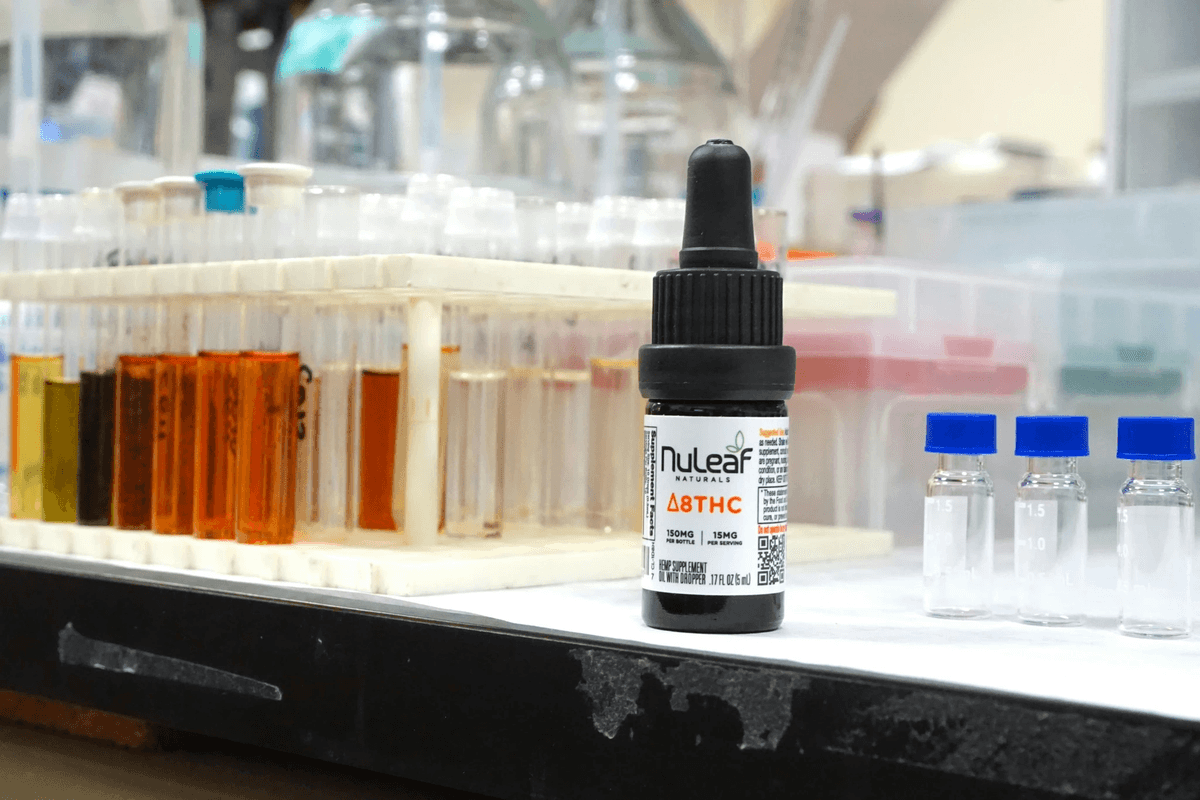
Sealing product samples isn’t just about putting a sticker on a box; it’s about safeguarding the authenticity and integrity of your entire quality assurance process. When you Seal Product Samples properly, you create an unbreakable chain of custody that reassures everyone involved that what they’re inspecting is genuine and unaltered. This step is especially vital when deciding Why Seal a Golden Sample? because these benchmark specimens are the gold standard for comparison, and any tampering could compromise your brand’s reputation.
Preventing tampering and contamination is another critical reason to Seal Product Samples during inspections. A sealed sample acts like a fortress, discouraging unauthorized access or modifications that could skew results. Whether it’s Why Seal a Golden Sample? or Why Seal Defect Samples During Product Inspection?, sealing ensures that samples stay pristine from collection to final review, making sure inspection results are accurate and trustworthy.
Maintaining consistency throughout the inspection process hinges on sealing product samples correctly. When each sample remains untouched and well-preserved, it simplifies comparisons across batches or time periods—crucial for identifying trends or issues. So, whether you’re sealing golden samples for benchmarking or defect samples for quality control, understanding why sealing matters helps ensure every inspection is fair, precise, and reliable.
Types of Samples You Need to Seal
Understanding the different types of samples that require sealing is crucial for maintaining product integrity throughout the inspection process. Whether it's benchmarking, quality control, or final shipment checks, each sample type has unique needs that demand proper sealing methods. Knowing why seal a golden sample or defect sample can make all the difference in ensuring accurate results and avoiding costly mistakes later on.
Golden Samples for Benchmarking
Golden samples are the gold standard—literally—the benchmark against which all other products are measured. When you seal product samples for benchmarking, you're protecting their authenticity so they remain unaltered over time. Why seal a golden sample? Because sealing ensures these critical reference points stay pristine, preventing tampering and guaranteeing reliable comparisons during inspections. Properly sealed golden samples simplify certification processes and uphold your brand’s reputation for quality.
Defect Samples for Quality Control
Defect samples serve as vital evidence during quality inspections, helping identify issues without contaminating or altering the original problem areas. Why seal defect samples during product inspection? Sealing prevents tampering or accidental contamination that could skew results or mislead root cause analysis. Using tamper-evident seals to secure defect samples ensures they remain intact and trustworthy when reviewed later, supporting clear communication with suppliers and facilitating corrective actions.
Sales and Shipping Samples for Final Checks
Sales and shipping samples are often the last line of defense before products reach customers; sealing these ensures they reflect the true condition at dispatch time. Why seal a product sample before shipping? Sealing safeguards against damage, contamination, or tampering during transit, preserving its integrity for final inspection verification. When you properly seal product samples destined for shipment, you reinforce your commitment to quality assurance—an essential step in protecting your investment and customer satisfaction.
Methods and Materials to Seal Product Samples
Sealing product samples isn’t just about keeping things tidy; it’s a strategic move to protect sample integrity, prevent tampering, and ensure reliable inspection results. Whether you’re safeguarding a golden sample or a defect sample during product inspection, choosing the right sealing method can make all the difference. The key is to select methods that are tamper-evident, durable, and appropriate for the specific type of sample you’re working with.
Using Tamper-Evident Seals and Stickers
Tamper-evident seals and stickers are your first line of defense when it comes to sealing product samples securely. They serve as an immediate visual cue if someone tries to open or alter the sample, which is crucial for why seal a golden sample—maintaining its authenticity over time. For defect samples during product inspection, these seals help ensure that the integrity remains intact until the final review, preventing contamination or unauthorized modifications.
These seals are designed with special adhesives or features that show clear signs of tampering—such as tears or removal indicators—making them ideal for protecting both golden and defect samples. By using these seals strategically, you can easily identify if a sample has been compromised, reinforcing why seal a golden sample is essential for accurate benchmarking. When sealing defect samples during product inspection, tamper-evident stickers help maintain trust in your inspection process by confirming that no unauthorized adjustments have occurred.
Heat-Sealing Technology for Durable Closure
Heat-sealing technology offers an incredibly durable way to seal product samples securely while maintaining their original condition. This method involves applying heat to plastic films or pouches around your samples—perfect for why seal a golden sample—to preserve its pristine state over time without risk of tampering. During product inspections involving defect samples, heat-sealing ensures that these critical pieces remain uncontaminated and unaltered from collection through analysis.
Heat-sealed packages provide an airtight barrier that prevents moisture ingress and contamination—factors especially important when you need to justify why seal a golden sample as part of your quality assurance process. For defect samples during product inspection, this method guarantees long-term preservation so future reference remains valid even after months or years in storage. It’s also highly customizable depending on your specific products’ needs; just remember that proper heat-sealing techniques reinforce why sealing is vital for maintaining sample integrity.
Choosing the Right Packaging for Different Products
Different products demand different packaging solutions when sealing samples—they’re not one-size-fits-all! Selecting appropriate packaging materials is essential because it directly impacts how well you can protect your golden or defect samples during handling and storage—a core reason behind why seal a golden sample? To keep it pristine against environmental factors.
For fragile items like powders or liquids used in quality control tests (defect samples), rigid containers combined with tamper-proof seals provide extra protection against leaks or damage during transport and storage during product inspections. Conversely, flexible films may suffice for more robust items but still require proper sealing methods such as heat-sealing to prevent contamination effectively. Ultimately, choosing the right packaging ensures your sealed product samples withstand handling stresses while supporting reasons why sealing — whether gold standard benchmarks or defect evidence — remains paramount.
Best Practices for Sealing Samples Effectively
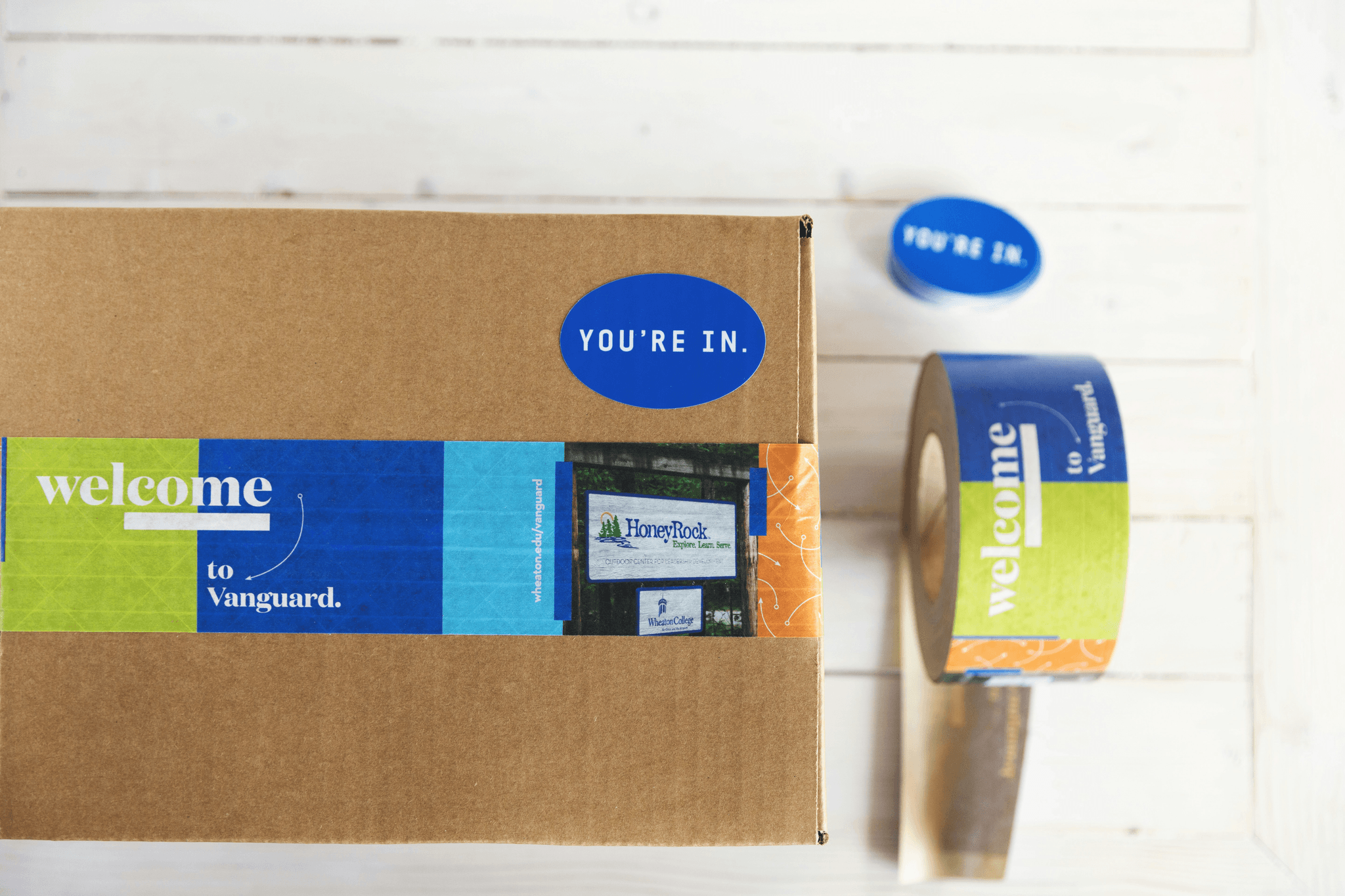
Sealing product samples isn't just about slapping on a sticker or heat-sealing a bag; it's an art that ensures authenticity, prevents tampering, and streamlines the inspection process. Proper sealing techniques are vital for maintaining sample integrity and avoiding future headaches during audits or quality checks. Remember, why seal a golden sample? Because it guarantees that the benchmark remains pristine and unaltered, giving inspectors confidence in your product’s consistency.
When you Seal Product Samples effectively, labeling and documentation become your best allies. Clear labels with detailed information—such as batch number, date sealed, and inspector initials—are crucial for traceability. This way, if questions arise later about why Seal a Golden Sample?, you'll have all the info at your fingertips to prove its authenticity and prevent any suspicion of tampering or contamination.
Ensuring seal placement doesn't compromise the inspection process is another key aspect of sealing samples properly. Placing seals away from critical inspection areas helps maintain visibility of the sample's condition without interference. This practice supports why Seal a Golden Sample? — because it preserves its pristine state for benchmarking while still allowing thorough examination.
Regularly inspecting seals for integrity is often overlooked but absolutely essential. Over time, seals can degrade or be compromised without notice; thus, routine checks help catch issues early before they impact quality assessments. Asking yourself why Seal Defect Samples During Product Inspection? will remind you that intact seals preserve defect samples for accurate analysis and future reference.
Why Seal a Golden Sample?
Sealing a golden sample is a crucial step in maintaining the integrity of your product benchmarks. When you Seal Product Samples properly, you ensure that these reference points stay untouched and reliable over time. This process not only preserves the authenticity of your golden sample but also simplifies certification and compliance processes, making audits smoother than silk.
Ensuring Accurate Benchmark Comparisons
Sealing a golden sample guarantees that comparisons during inspections are accurate and meaningful. When you Seal Product Samples, you're creating an unbreakable link between the original benchmark and its subsequent evaluations. Why seal a golden sample? Because without proper sealing, subtle alterations can creep in, skewing results and leading to costly misjudgments.
Preventing Sample Alteration Over Time
Over time, even well-intentioned handling can inadvertently alter a golden sample. Properly sealing your samples acts as an invisible barrier against tampering or contamination, ensuring that what was tested initially remains consistent throughout the inspection process. If you wonder why seal a golden sample? It's to prevent any sneaky modifications that could compromise your quality standards.
Simplifying Certification and Compliance Processes
Certifications often hinge on the integrity of your samples; sealed golden samples streamline this journey significantly. When you have sealed product samples, inspectors can verify authenticity quickly without concerns about unauthorized changes or contamination. So, why seal a golden sample? Because it simplifies compliance documentation and saves precious time during audits—keeping everything transparent and trustworthy.
Why Seal Defect Samples During Product Inspection?
Sealing defect samples during product inspection is a crucial step that often gets overlooked in the rush to identify quality issues. When you choose to Seal Product Samples properly, you're not just putting a sticker on a box—you're safeguarding the integrity of your inspection process. Why seal a defect sample? Because it keeps the sample pristine and prevents contamination from external elements or accidental tampering that could skew results.
A key reason to seal defect samples during product inspection is to help identify root causes without contamination muddying the waters. If defect samples aren’t sealed correctly, there's a risk of introducing foreign substances or accidental alterations, making it harder to pinpoint what went wrong. Properly sealing defect samples ensures that when you revisit them later, their condition remains unchanged—allowing for more accurate analysis and troubleshooting.
Preserving these samples for future reference is another compelling reason why sealing defect samples matters so much. Sometimes, defects are subtle or evolve over time; sealing helps maintain their original state so they can be re-examined if needed. This practice supports thorough documentation and provides valuable evidence should disputes arise with suppliers or regulatory bodies.
Supporting clear communication with suppliers is also an important benefit of sealing defect samples during product inspections. When defect samples are sealed properly, everyone involved can trust that the sample hasn't been altered since inspection, facilitating transparent discussions about quality issues. It streamlines problem-solving processes and reinforces accountability—after all, why seal a golden sample if you're not going to do the same for defects?
In summary, why seal a defect sample during product inspection? Because it ensures accurate root cause analysis, preserves critical evidence over time, and enhances communication with your supply chain—all vital steps in maintaining high-quality standards.
Conclusion
Properly sealing product samples is the cornerstone of maintaining quality and trust throughout the inspection process. When you Seal Product Samples correctly, you safeguard their authenticity, prevent tampering, and ensure reliable results. Remember, a sealed sample is a sealed guarantee that what you're inspecting truly represents the product's true state.
China Inspection Pro takes this commitment seriously by implementing rigorous standards for sealing techniques, ensuring each sample remains pristine and unaltered. How China Inspection Pro elevates inspection precision lies in their meticulous approach to sealing—using advanced materials and methods that make tampering evident and samples tamper-proof. This dedication helps clients achieve accurate assessments while reducing risks associated with sample contamination or manipulation.
Protecting your investment starts with understanding why Seal a Golden Sample? The golden sample acts as the benchmark for quality; sealing it ensures it stays authentic over time, simplifying certification processes. Similarly, why seal defect samples during product inspection? Sealing defect samples preserves critical information about issues without risking contamination or alteration—making future analysis straightforward and trustworthy. Ultimately, wisely sealing both golden and defect samples guarantees the integrity of your inspection process, saving time, money, and reputation.