
Introduction
In the world of industrial operations, a reliable and efficient process heater is the backbone of many manufacturing processes. Regular Process Heater Inspection is crucial to ensure these systems run smoothly, prevent costly downtime, and extend equipment lifespan. Neglecting proper inspection can lead to safety hazards and financial losses that no facility can afford.
Ensuring Fired Process Heaters Safety isn’t just good practice—it’s a non-negotiable aspect of maintaining a safe working environment. Proper inspection and maintenance help identify potential issues before they escalate into dangerous failures or fires. Implementing a comprehensive Fired Heater Inspection and Test Plan ensures safety measures are consistently met, giving peace of mind to operators and management alike.
A well-structured Fired Heater Inspection and Test Plan can also be a game-changer for your bottom line. By proactively catching problems early, you reduce unplanned outages, minimize repair costs, and optimize performance efficiency. Investing in an effective plan not only safeguards your personnel but also saves you money in the long run by preventing major equipment failures.
Understanding the Basics of Process Heaters
Getting to know your process heaters is essential for maintaining safety and efficiency. These industrial marvels come in various types, each designed for specific applications, making a thorough process heater inspection crucial. When you understand how these heaters operate and their components, you’re better equipped to spot issues early and keep safety at the forefront.
Knowing the different types of fired process heaters helps facility managers tailor their maintenance plans effectively. Whether it’s a direct or indirect fired heater, each has unique features that impact safety protocols and operational performance. Regular process heater inspection ensures that all types function optimally, reducing risks associated with fires or leaks.
A well-structured fired heater inspection and test plan acts as your safety roadmap, guiding routine checks and preventive measures. Implementing such plans not only boosts safety but also prolongs equipment lifespan and saves money in the long run. Remember, a comprehensive process heater inspection is your best defense against costly downtime or accidents.
Types of Fired Process Heaters and Their Uses
Fired process heaters come in several varieties, from direct-fired units used in petrochemical refineries to indirect systems employed in food processing plants. Each type has specific advantages depending on the heat transfer needs and safety considerations involved. Developing a tailored fired heater inspection plan ensures all these variations meet industry standards for safety.
Direct-fired heaters are popular because they burn fuel directly within the heating chamber, which makes them efficient but requires vigilant process heater inspection to prevent hazards like leaks or fires. Indirect-fired systems use heat exchangers to transfer energy without direct contact between fuel combustion gases and products—adding an extra layer of safety but still demanding regular inspections for corrosion or blockages. Other specialized types include rotary kilns or thermal fluid heaters, each necessitating targeted inspections aligned with their unique operational risks.
Understanding these different types underscores why a robust fire heater inspection plan is non-negotiable; it helps identify potential failure points before they turn into costly accidents. Safety should always be prioritized through scheduled inspections that verify proper operation across all fire heater categories—keeping your facility compliant and secure.
Common Components of Industrial Heaters
Industrial fired process heaters consist of several key components working together to deliver consistent heat while ensuring safety during operation. A typical fire heater inspection involves checking burners, combustion chambers, refractory linings, insulation layers, valves, gauges, and control systems—all critical for safe functioning.
The burner assembly is often the first point inspected because improper combustion can lead to dangerous emissions or explosions—highlighting why regular process heater inspections are vital for firefighter safety standards compliance. Refractory materials lining the interior help contain heat but degrade over time; neglecting this component could compromise overall system integrity if not regularly checked during an inspection plan review.
Safety controls such as emergency shutoff valves, pressure relief devices, monitoring instruments—including temperature sensors—must be tested frequently as part of your fire heater inspection routine. A comprehensive approach ensures no component gets overlooked while safeguarding against potential hazards that could threaten personnel or equipment integrity.
Importance of Regular Process Heater Inspection
Routine process heater inspection forms the backbone of any effective Fired Heaters Safety program because it proactively uncovers issues before they escalate into major failures or accidents. Implementing a detailed fire heater inspection and test plan allows facilities to maintain high standards of operational integrity while minimizing downtime caused by unexpected breakdowns.
Regular inspections help identify corrosion spots, leaks, worn refractory lining—and other signs that demand immediate attention—to prevent costly repairs later on. Moreover, consistent checks ensure compliance with industry regulations and environmental standards by verifying emissions controls are functioning correctly—a crucial aspect often covered in your fire heater testing procedures.
Ultimately, investing in frequent process heater inspections enhances overall plant safety by reducing risk factors associated with fires or explosions—protecting both personnel and assets alike—and demonstrates a commitment to continuous improvement within industrial operations.
Preparing for a Process Heater Inspection
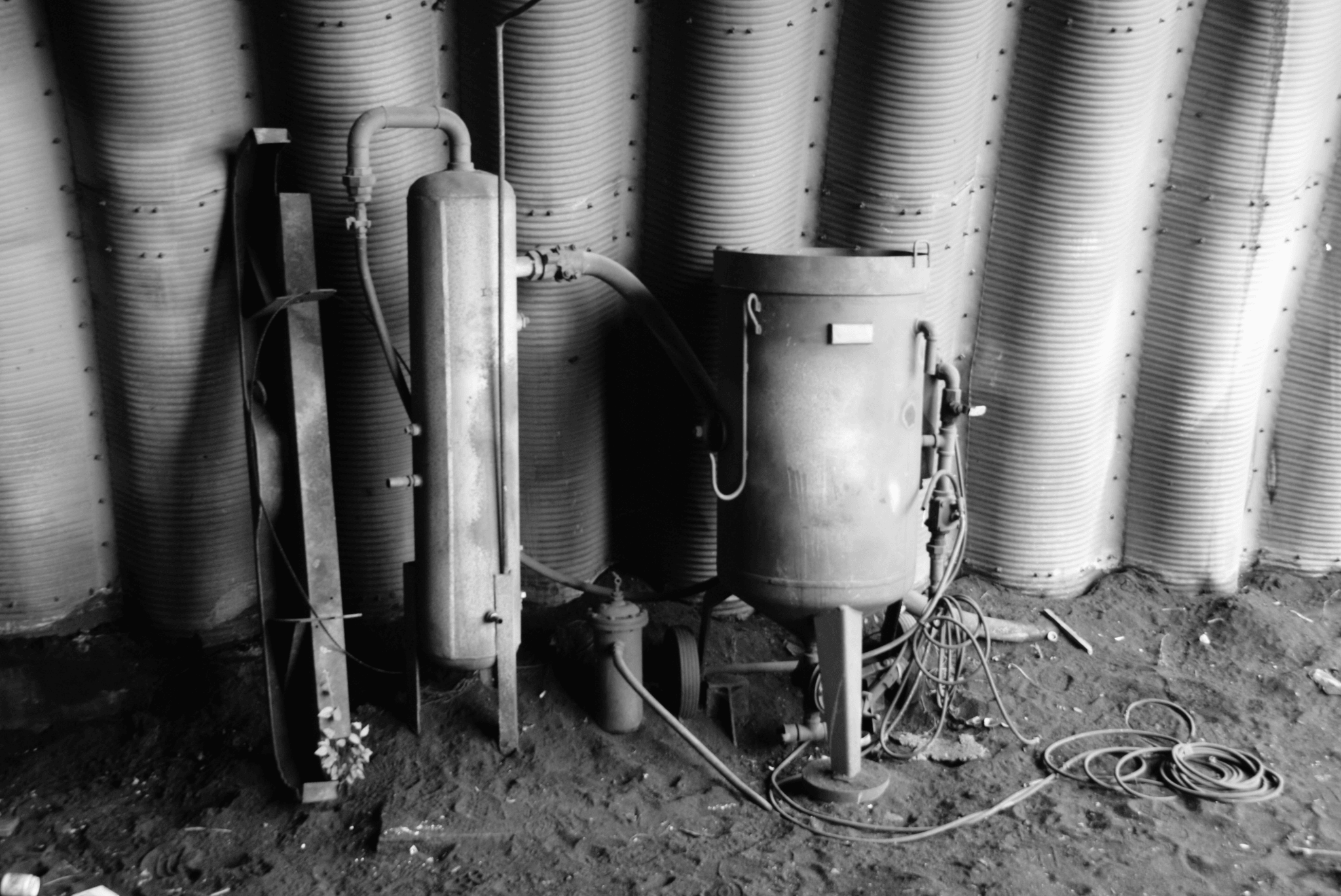
Getting ready for a process heater inspection isn’t just about ticking boxes; it’s about setting the stage for a thorough evaluation of your equipment’s safety and efficiency. Proper preparation ensures that when the time comes, your team can execute a comprehensive fired heater inspection and test plan seamlessly. This proactive approach not only safeguards fired process heaters safety but also minimizes unexpected downtime, saving you money and headaches down the line.
Gathering Essential Documentation and Records
The first step in preparing for a process heater inspection is collecting all relevant documentation and records. Detailed logs of previous inspections, maintenance activities, and repairs are invaluable when assessing the current condition of your fired process heaters safety. These records help identify recurring issues or patterns that could compromise safety or performance, making them essential components of your fire heater inspection strategy.
Having up-to-date drawings, operation manuals, and calibration records at hand allows inspectors to verify that all components are functioning within their specified parameters. Without these documents, it’s like trying to navigate without a map—inefficient and prone to oversight. Ensuring that your documentation is organized and accessible will streamline the entire process, ultimately supporting an effective fired heater inspection and test plan.
Developing a Comprehensive Fired Heater Inspection and Test Plan
A well-crafted fired heater inspection and test plan is the backbone of any successful process heater inspection. This plan should detail every step—from visual checks to performance testing—covering all critical components involved in fired process heaters safety. Incorporating industry standards and regulatory requirements guarantees compliance while maximizing operational reliability.
Your plan must specify inspection intervals, testing procedures, safety checks, and criteria for acceptable conditions—all tailored to your specific equipment type. By developing this comprehensive approach early on, you set clear expectations for your team while ensuring nothing slips through the cracks during the actual fire heater inspection. Remember: a robust plan helps catch potential issues before they become costly failures.
Coordinating with China Inspection Pro for Expert Assistance
Partnering with seasoned professionals like China Inspection Pro can elevate your process heater inspection efforts significantly. Their expertise ensures that every facet of your fire heater inspection adheres to international standards while optimizing safety measures—crucial for maintaining fired process heaters safety at peak levels. Collaborating with experts streamlines the planning phase by providing insights into best practices tailored specifically to your facility’s needs.
Engaging with specialists also means access to advanced tools and knowledge that can enhance accuracy during inspections—and ultimately extend equipment lifespan through targeted maintenance recommendations. When it comes to developing an effective fired heater inspection and test plan, leveraging external expertise guarantees thoroughness without sacrificing efficiency or compliance standards.
Conducting a Visual and Mechanical Inspection
Performing a thorough visual and mechanical inspection is the cornerstone of an effective Process Heater Inspection. During this phase, inspectors look for obvious signs of wear, corrosion, and leaks that could compromise the safety and efficiency of your fired process heaters. Addressing these issues early can prevent costly breakdowns and ensure your Fired Heater Inspection and Test Plan remains on track to keep operations running smoothly.
Checking for Wear, Corrosion, and Leaks
The first step in the inspection process involves meticulously examining all accessible surfaces for signs of wear or corrosion. Rusty patches or pitted metal are red flags indicating potential structural weakness that could jeopardize Fired Process Heaters Safety if left unaddressed. Leaks around seals, joints, or flanges are also critical to identify since they can lead to hazardous conditions or inefficiencies; documenting these findings is essential for updating your Fire Heater Inspection and Test Plan accordingly.
Inspecting Burner and Combustion Systems
Next up is scrutinizing the burner assembly and combustion system—vital components in maintaining safe operation standards within your process heaters. A poorly functioning burner can cause uneven heating or dangerous combustion events, directly impacting Fired Process Heaters Safety. Ensuring proper flame stability, checking for soot buildup, and verifying fuel supply lines are all part of a comprehensive Process Heater Inspection that keeps safety at the forefront.
Assessing Insulation and Refractory Conditions
Finally, assessing insulation integrity and refractory lining condition is crucial because these layers protect equipment from extreme temperatures while conserving energy—key aspects of any successful Fired Heater Inspection plan. Damaged or degraded insulation not only reduces efficiency but also poses safety risks through heat loss or exposure to hot surfaces. Regularly inspecting refractory materials helps develop an accurate picture for your Fire Heater Inspection and Test Plan to support ongoing maintenance strategies.
Verifying Safety Systems and Controls
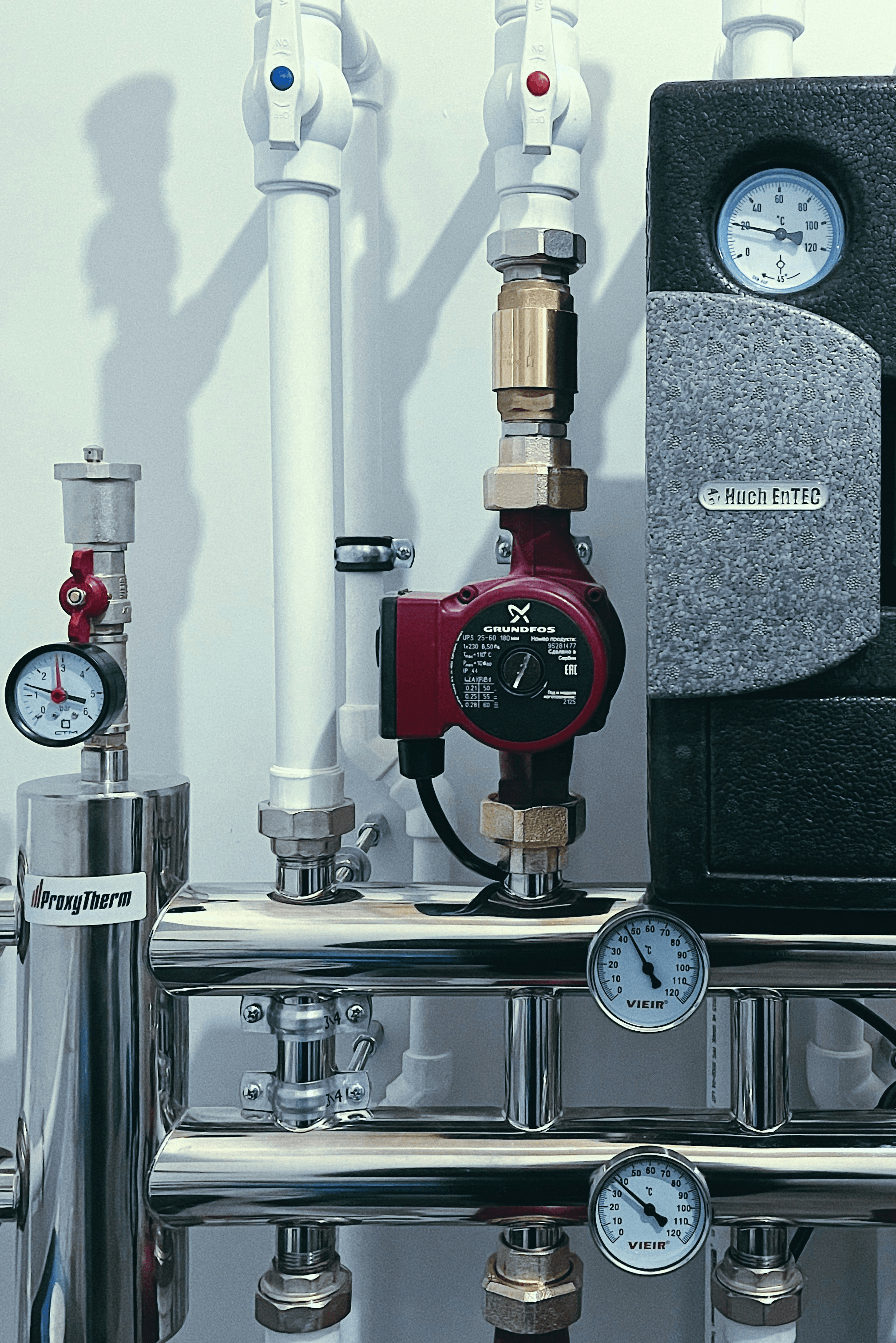
Ensuring the safety of your fired process heaters is not just a good idea; it’s a non-negotiable part of an effective Process Heater Inspection. Properly functioning safety systems protect your facility from costly accidents and downtime, making it essential to verify each component thoroughly. Developing a detailed Fired Heater Inspection and Test Plan helps identify vulnerabilities before they turn into disasters, reinforcing the importance of regular safety checks.
Testing Emergency Shutoff Valves and Safety Relief Devices
One of the critical steps in a comprehensive Process Heater Inspection involves testing emergency shutoff valves to confirm they activate promptly during an emergency. These valves are your first line of defense against overpressure or fire hazards, so their reliability is paramount for Fired Process Heaters Safety. Additionally, safety relief devices must be tested regularly to ensure they open at designated pressure levels, preventing catastrophic failures that could jeopardize personnel or equipment.
Ensuring Proper Functioning of Monitoring Instruments
Monitoring instruments such as temperature sensors, pressure gauges, and flame detectors are vital for maintaining safe operation during a Process Heater Inspection. Faulty readings can lead to unsafe operating conditions if not identified early—highlighting why verifying their accuracy forms an integral part of your Fired Heater Inspection and Test Plan. Regular calibration and testing guarantee these instruments provide reliable data, ensuring safety systems respond correctly when needed.
Reviewing Safety Interlocks and Alarms
Safety interlocks prevent unsafe conditions by automatically shutting down heaters or activating alarms when parameters exceed safe limits—a key aspect in safeguarding your facility's operations. During the verification phase, reviewing these interlocks ensures they function seamlessly within your overall Fired Process Heaters Safety strategy. An effective Process Heater Inspection includes testing each alarm system and interlock mechanism to confirm prompt alerts and responses, reducing risk exposure significantly.
Performing Performance and Efficiency Tests
Conducting performance and efficiency tests is a crucial step in ensuring the safety and optimal operation of your fired process heaters. This phase of the Process Heater Inspection involves detailed measurements that reveal how well your heater is functioning under current conditions. A comprehensive Fired Heater Inspection and Test Plan guides these evaluations, helping you identify potential issues before they escalate into costly repairs or safety hazards.
Measuring Temperature and Pressure Readings
Accurate temperature and pressure readings are the backbone of any effective Process Heater Inspection. These metrics help determine if your fired process heaters are operating within their designed parameters, ensuring both efficiency and safety. Regularly monitoring these values allows you to catch anomalies early, preventing unsafe conditions that could compromise Fired Process Heaters Safety or lead to equipment failure.
Analyzing Fuel Consumption and Emissions
Fuel consumption analysis provides insight into the operational efficiency of your fired process heaters, directly impacting energy costs and environmental compliance. During this phase, data on fuel usage is scrutinized to identify inefficiencies or leaks that could indicate underlying problems needing attention in your Process Heater Inspection. Additionally, emissions testing confirms compliance with industry standards, which is a vital component of a thorough Fired Heater Inspection and Test Plan.
Confirming Compliance with Industry Standards and Regulations
Ensuring your fired process heaters meet all relevant industry standards is non-negotiable for safety and legal reasons. This step involves verifying that performance metrics align with regulatory requirements, which can vary by region but always emphasize safe operation. Incorporating compliance checks into your Process Heater Inspection not only safeguards personnel but also enhances overall plant reliability—making it a smart move in any proactive maintenance strategy.
Documenting Findings and Planning Maintenance
Proper documentation is the backbone of an effective Process Heater Inspection. When results are recorded clearly and accurately, it becomes much easier to track the health of your Fired Process Heaters Safety over time. A detailed report not only highlights current issues but also provides a solid foundation for developing a comprehensive Fired Heater Inspection and Test Plan that promotes ongoing safety and efficiency.
Accurate recording of inspection findings ensures that no critical detail is overlooked, which is vital for maintaining the integrity of your process heaters. These records serve as a reference point for prioritizing repairs and replacements, helping you allocate resources more effectively. Remember, a well-documented Process Heater Inspection can prevent costly downtime by catching potential problems early before they escalate into major safety concerns.
Developing actionable recommendations based on inspection data transforms observations into meaningful improvements. This step involves analyzing the findings to identify patterns or recurring issues that could threaten Fired Process Heaters Safety if left unaddressed. By integrating these insights into your maintenance strategy, you reinforce safety protocols while optimizing performance—making your Process Heater Inspection not just a checklist but a catalyst for continuous improvement.
Conclusion
A thorough Process Heater Inspection is the backbone of maintaining safe and efficient operations in any facility that relies on fired process heaters. Implementing a well-structured Fired Heater Inspection and Test Plan ensures that potential issues are identified early, preventing costly downtime or accidents. Remember, a proactive approach to inspecting your fired process heaters not only safeguards personnel but also extends equipment lifespan and optimizes performance.
Key Takeaways for Effective Process Heater Inspection
The essence of effective Process Heater Inspection lies in consistency and attention to detail. Developing a comprehensive Fired Heater Inspection and Test Plan provides clear guidelines for regular checks, ensuring nothing slips through the cracks. Incorporating routine inspections into your maintenance schedule helps detect wear, corrosion, or safety system malfunctions before they escalate into serious problems.
How consistent Inspections Enhance Fired Process Heaters Safety
Regularly scheduled inspections significantly boost the safety profile of fired process heaters by verifying that all safety systems are operational and compliant with industry standards. Consistent Process Heater Inspection minimizes risks associated with leaks, faulty burners, or malfunctioning safety devices—crucial factors in preventing catastrophic failures. Ultimately, these diligent inspections create a safer working environment while reducing liability and potential downtime.
The Value of Partnering with China Inspection Pro for Quality Assurance
Partnering with China Inspection Pro elevates your process heater inspection program by providing expert insights and rigorous testing services tailored specifically for your needs. Their team’s expertise ensures your Fired Heater Inspection adheres to international standards while optimizing performance and safety measures. Collaborating with such professionals guarantees you receive comprehensive evaluations backed by quality assurance—making sure your investment in fired process heaters pays off long-term.