
Introduction
Mastering Heavy Equipment Inspection is the cornerstone of ensuring safety and boosting efficiency on any construction site. When you understand what is Heavy Equipment Quality Control, you’re better equipped to spot issues before they become costly disasters. A thorough grasp of the Key Elements Of Heavy Equipment Inspection helps prevent accidents, reduce downtime, and keep projects running smoothly.
Knowing what is involved in Heavy Equipment Inspection isn’t just about ticking boxes; it’s about proactively identifying Common Defects Found During Heavy Equipment Quality Control that could compromise safety or performance. Regular inspections—including Field Tests in the Process of Heavy Equipment Quality Control—allow teams to verify that machinery functions correctly and safely. Understanding how Heavy Equipment Inspection differs from Heavy Equipment Testing ensures you're applying the right checks at the right time for maximum impact.
Investing time in mastering these inspection techniques saves money by avoiding expensive repairs and minimizes delays caused by unexpected equipment failures. When you prioritize quality control, you're not just maintaining machinery—you’re safeguarding your crew and project timelines. Remember, a well-executed heavy equipment inspection isn’t a one-time task; it’s an ongoing commitment that elevates safety standards and prolongs your equipment’s lifespan.
Understanding Heavy Equipment Inspection
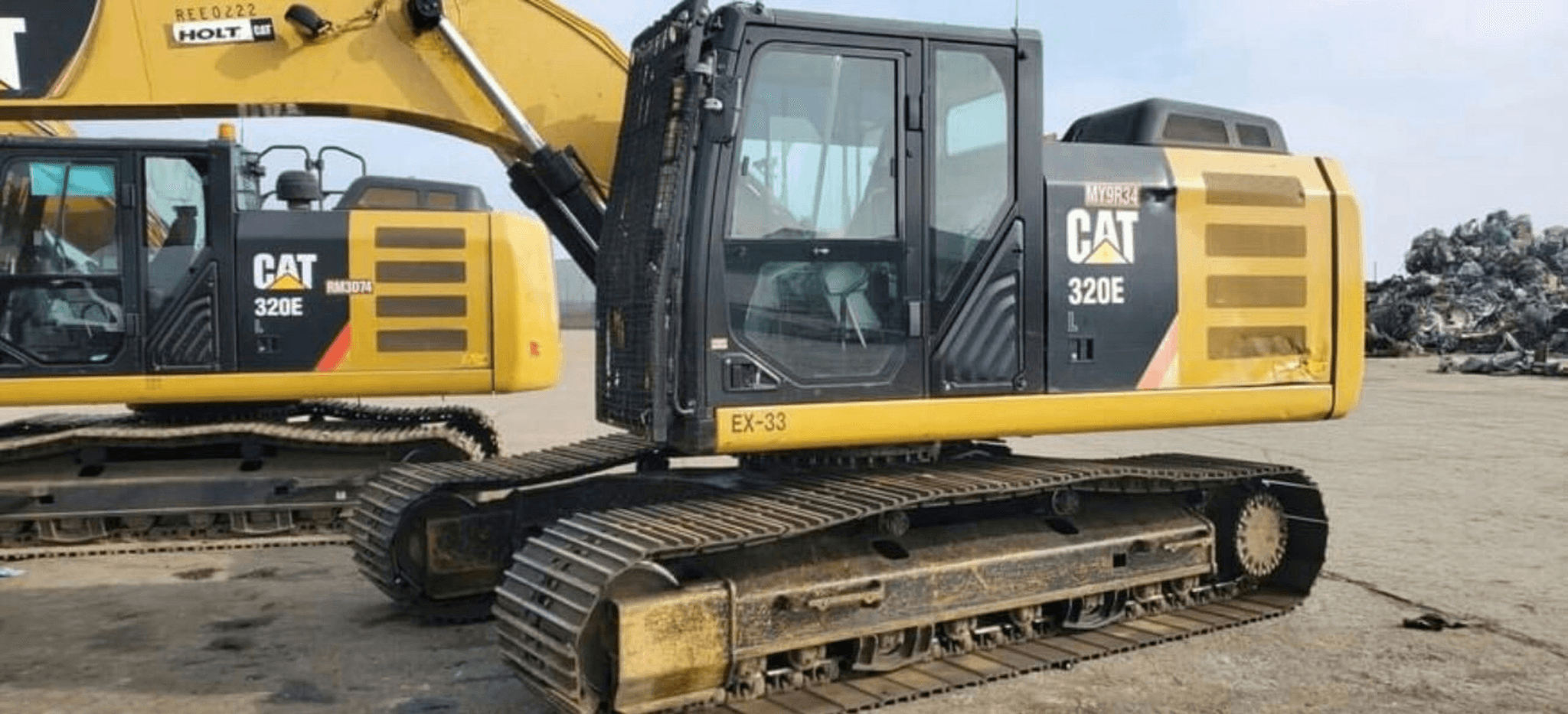
Heavy Equipment Inspection is the backbone of maintaining machinery safety and operational efficiency on construction sites. It involves a thorough examination of equipment to identify potential issues before they escalate into costly repairs or dangerous accidents. Regular heavy equipment inspection not only prolongs the lifespan of machinery but also ensures compliance with safety standards, making it an essential part of any construction project.
Understanding what is heavy equipment quality control is crucial for anyone involved in construction or machinery maintenance. Heavy Equipment Quality Control encompasses all procedures aimed at verifying that equipment meets safety, performance, and durability standards. By focusing on what is heavy equipment quality control, companies can prevent unexpected breakdowns and reduce downtime, ultimately saving money and time.
Key Elements Of Heavy Equipment Inspection include visual checks, functional assessments, and testing critical systems like hydraulics and brakes. These key elements help inspectors detect common defects found during heavy equipment quality control such as worn-out belts, leaks in hydraulic lines, or corrosion on structural components. Paying attention to these details during each inspection ensures early detection of issues that could lead to costly repairs if left unaddressed.
Recognizing the significance of regular checks is vital in maintaining heavy equipment’s optimal performance. Frequent inspections allow operators to catch common defects found during heavy equipment quality control before they develop into major problems. Moreover, understanding the differences between heavy equipment inspection vs heavy equipment testing helps clarify which processes are necessary for different scenarios—visual inspections versus field tests in the process of heavy equipment quality control—ensuring comprehensive coverage.
Preparing for the Inspection Process
Getting ready for a thorough Heavy Equipment Inspection isn’t just about grabbing a clipboard and looking busy; it’s about setting the stage for success. Knowing what is Heavy Equipment Quality Control and understanding its key elements ensures that every inspection hits the mark. Proper preparation helps identify common defects found during heavy equipment quality control, saving time and preventing costly repairs down the line.
Gathering the Right Tools and Documentation
Before diving into Heavy Equipment Inspection, assembling the right tools is essential—think flashlights, wrenches, pressure gauges, and diagnostic scanners. These tools are your allies in uncovering issues that might not be immediately visible but are critical to maintaining safety and efficiency. Additionally, having comprehensive documentation such as maintenance logs, previous inspection reports, and manufacturer manuals provides valuable context when identifying what is heavy equipment quality control and spotting common defects found during heavy equipment quality control.
Developing a Checklist for Heavy Equipment Inspection
Creating a detailed checklist tailored to your specific machinery ensures no key element of heavy equipment inspection gets overlooked. This checklist should incorporate all key elements of heavy equipment inspection—visual checks, fluid levels, structural integrity—and be aligned with industry standards for what is heavy equipment quality control. By doing so, you streamline the process of recognizing common defects found during heavy equipment quality control and ensure consistency across inspections.
Assigning Qualified Inspection Personnel
Assigning qualified personnel who understand what is heavy equipment quality control can make or break your inspection process. These experts should be familiar with key elements of heavy equipment inspection—including field tests in the process of heavy equipment quality control—to accurately evaluate machinery performance. Properly trained staff will distinguish between routine wear and more serious issues like structural damage or hydraulic failures—crucial distinctions when performing Heavy Equipment Inspection vs Heavy Equipment Testing.
Step-by-Step Heavy Equipment Inspection Procedures
Performing a thorough heavy equipment inspection is essential for maintaining safety and operational efficiency on any construction site. This process involves multiple steps, each focusing on different key elements of heavy equipment inspection to ensure that machinery functions optimally and safely. Understanding what is heavy equipment quality control helps inspectors identify common defects found during heavy equipment quality control, preventing costly breakdowns and accidents before they happen.
Visual Inspection for Common Defects Found During Heavy Equipment Quality Control
The first step in the inspection process is a detailed visual check, which plays a crucial role in identifying common defects found during heavy equipment quality control. Look for signs of corrosion, cracks, or rust on structural components, as these are typical issues that compromise safety and longevity. Recognizing these signs early allows inspectors to address problems before they escalate into major failures, emphasizing the importance of understanding what is heavy equipment quality control.
In addition to structural concerns, inspect hydraulic hoses and fittings for leaks or wear—these are often overlooked but critical elements of heavy equipment inspection. Damaged or worn parts can lead to hydraulic failure, so paying attention to these details aligns with the key elements of heavy equipment inspection. Regular visual inspections also help differentiate between minor cosmetic issues and more serious defects that require immediate attention.
Checking Hydraulic Systems and Fluids
Hydraulic systems are the backbone of many types of heavy machinery; hence, checking hydraulic fluids is an integral part of the process in heavy equipment inspection. Ensure fluid levels are within manufacturer specifications and look for signs of contamination such as discoloration or debris in the fluid—these can be indicators of internal wear or contamination issues that could cause system failure.
It's important to examine hydraulic hoses and fittings closely during this step because leaks or cracks can lead to decreased efficiency or catastrophic failure if left unaddressed. Conducting field tests in the process of heavy equipment quality control includes testing hydraulic pressure and flow rates to verify system performance against specifications—this distinguishes routine inspections from more comprehensive testing protocols.
Evaluating Structural Integrity and Wear
Assessing structural integrity involves inspecting load-bearing components such as booms, arms, frames, and welds for signs of fatigue or damage—key elements of heavy equipment inspection that directly impact safety standards. Look for cracks, deformation, or excessive wear patterns that could weaken critical parts over time; this step ensures compliance with safety regulations while prolonging your machinery's lifespan.
While some structural issues might be visible externally, others require more detailed evaluation through field tests in the process of heavy equipment quality control—such as non-destructive testing methods—to detect hidden flaws not apparent at first glance. Remember: understanding what is heavy equipment quality control means recognizing when visual cues aren’t enough and further testing is necessary to confirm structural soundness.
Field Tests in the Process of Heavy Equipment Quality Control
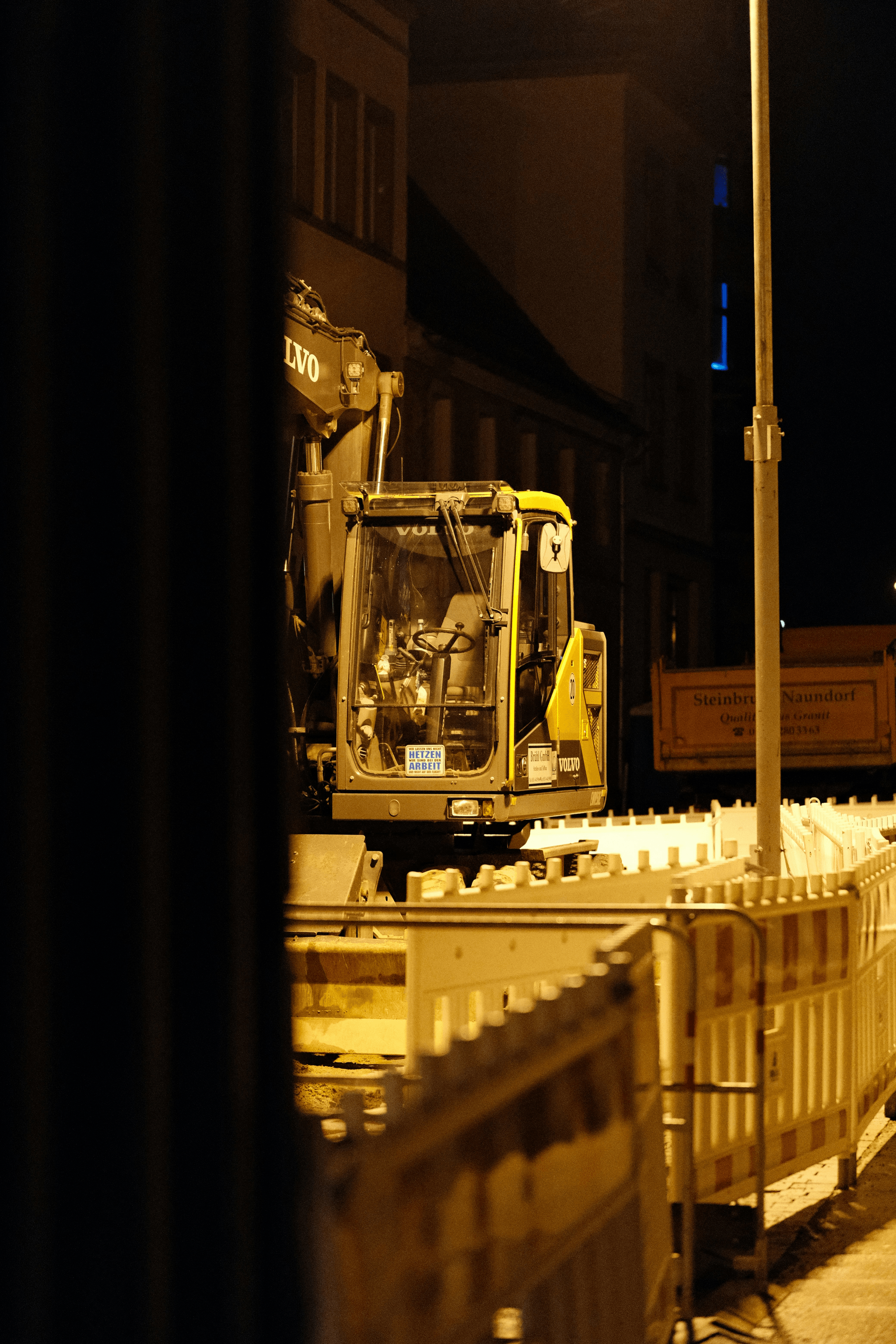
Field tests are a critical component of heavy equipment inspection, providing real-world validation of machinery performance and safety. These tests go beyond visual checks, ensuring that the equipment functions correctly under operational conditions. Incorporating field tests into your heavy equipment quality control process helps identify issues that might not be visible during routine inspections, ultimately saving time and preventing costly breakdowns.
Conducting Functional Tests on Machinery
Functional tests are designed to verify that all major systems of the machinery operate as intended. During these tests, inspectors assess components such as engines, transmissions, and hydraulic systems to ensure they respond properly under load conditions. This step is essential because it directly relates to what is known as the key elements of heavy equipment inspection—making sure each part performs its role effectively within the larger system.
Testing Safety Features and Emergency Systems
Safety features and emergency systems are vital for protecting operators and ensuring compliance with safety standards. Field testing these elements involves activating safety alarms, checking emergency shut-offs, and verifying proper operation of backup cameras or alarms. Conducting thorough safety feature tests is an integral part of what is called heavy equipment inspection vs heavy equipment testing; both aim to confirm that safety protocols are functional before machinery hits the job site.
Differences Between Heavy Equipment Inspection and Heavy Equipment Testing
While heavy equipment inspection involves visual assessments and identifying common defects found during heavy equipment quality control, testing takes it a step further by actively evaluating system performance through field tests. Heavy equipment inspection provides a snapshot of condition—spotting issues like corrosion or wear—whereas heavy equipment testing confirms whether those issues impact operational functionality. Understanding these differences ensures maintenance teams prioritize repairs based on severity while maintaining high standards for overall quality control.
Addressing Issues Found During Inspection
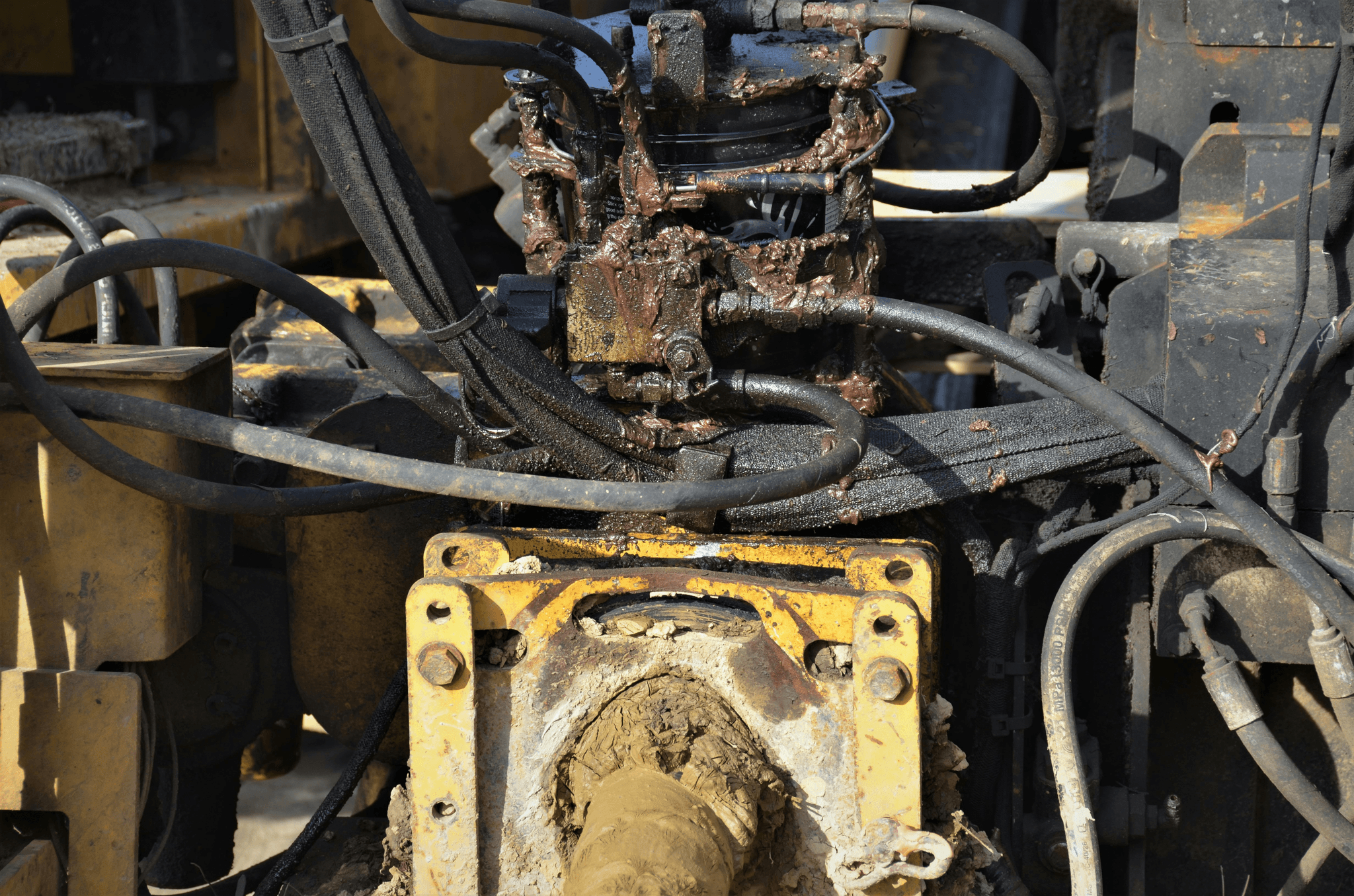
When conducting Heavy Equipment Inspection, identifying issues is only half the battle; the real challenge lies in addressing them efficiently. Recognizing what is Heavy Equipment Quality Control helps teams focus on critical problems that could compromise safety or productivity. Properly prioritizing repairs based on severity ensures that urgent issues like hydraulic leaks or structural cracks are tackled first, preventing costly downtime and potential accidents.
Understanding the Key Elements Of Heavy Equipment Inspection allows inspectors to differentiate between minor wear and major defects. Common Defects Found During Heavy Equipment Quality Control often include worn-out tires, leaking hydraulic systems, or rusted components—problems that can escalate if left unaddressed. By systematically evaluating these defects during Heavy Equipment Inspection vs Heavy Equipment Testing, operators can determine which repairs are immediate and which can wait, streamlining maintenance workflows.
Collaborating with professionals such as China Inspection Pro for a thorough evaluation can provide an unbiased perspective on complex issues uncovered during inspection. Field Tests in the Process of Heavy Equipment Quality Control are invaluable here—they help confirm whether identified defects impact functionality or safety. These tests often reveal hidden problems not visible during visual inspections, underscoring why understanding what is heavy equipment quality control involves more than just surface checks; it requires comprehensive testing to ensure all issues are properly addressed.
Best Practices for Ongoing Heavy Equipment Maintenance
Maintaining peak performance of your machinery requires more than just fixing things when they break; it’s about establishing a proactive approach rooted in understanding what is heavy equipment quality control and implementing key elements of heavy equipment inspection consistently. Regularly scheduled maintenance keeps equipment running smoothly, minimizes downtime, and prevents costly repairs down the line. By integrating routine checks into your operations, you ensure that your heavy equipment remains reliable and safe, which is the core goal of heavy equipment inspection.
A crucial aspect of ongoing maintenance is knowing what is heavy equipment quality control—this involves inspecting every component thoroughly to identify common defects found during heavy equipment quality control procedures. Recognizing these defects early through regular inspections allows for timely interventions that can prevent catastrophic failures. When conducting heavy equipment inspections, focusing on key elements such as hydraulic systems, structural integrity, and safety features helps catch issues before they escalate, saving both time and money.
Using technology to enhance inspection accuracy is another best practice that modernizes your approach to heavy equipment inspection. Digital tools like sensors and diagnostic software provide real-time data on machinery health, making it easier to spot anomalies during field tests in the process of heavy equipment quality control. Understanding the difference between heavy equipment inspection vs heavy equipment testing can also help prioritize maintenance efforts—inspection often involves visual checks while testing includes functional assessments that confirm operational capacity.
Establishing Routine Inspection Schedules
Creating a well-structured routine inspection schedule is fundamental for effective ongoing maintenance. This schedule should incorporate the key elements of heavy equipment inspection and be tailored based on usage intensity and manufacturer recommendations. Regular checks enable teams to identify common defects found during heavy equipment quality control early enough to address them proactively rather than reactively.
Training Staff on Heavy Equipment Inspection Techniques
Proper training ensures staff understand what is involved in each step of the process—from recognizing signs of wear during visual inspections to performing field tests in the process of heavy equipment quality control accurately. Well-trained personnel are better equipped to differentiate between minor issues and serious defects requiring immediate attention, thereby improving overall safety standards. Familiarity with concepts like heavy equipment inspection vs heavy equipment testing helps staff prioritize tasks effectively.
Using Technology to Enhance Inspection Accuracy
Integrating advanced technology into your maintenance routines elevates the precision of every inspection conducted under the umbrella of what is heavy equipment quality control. Devices such as thermal imaging cameras or ultrasonic testers can detect hidden flaws not visible during traditional visual checks—highlighting common defects found during heavier inspections before they cause breakdowns or safety hazards. Leveraging these innovations also clarifies differences between light field tests versus comprehensive testing methods involved in comprehensive assessments like those seen in the process of heavy equipment quality control.
Conclusion
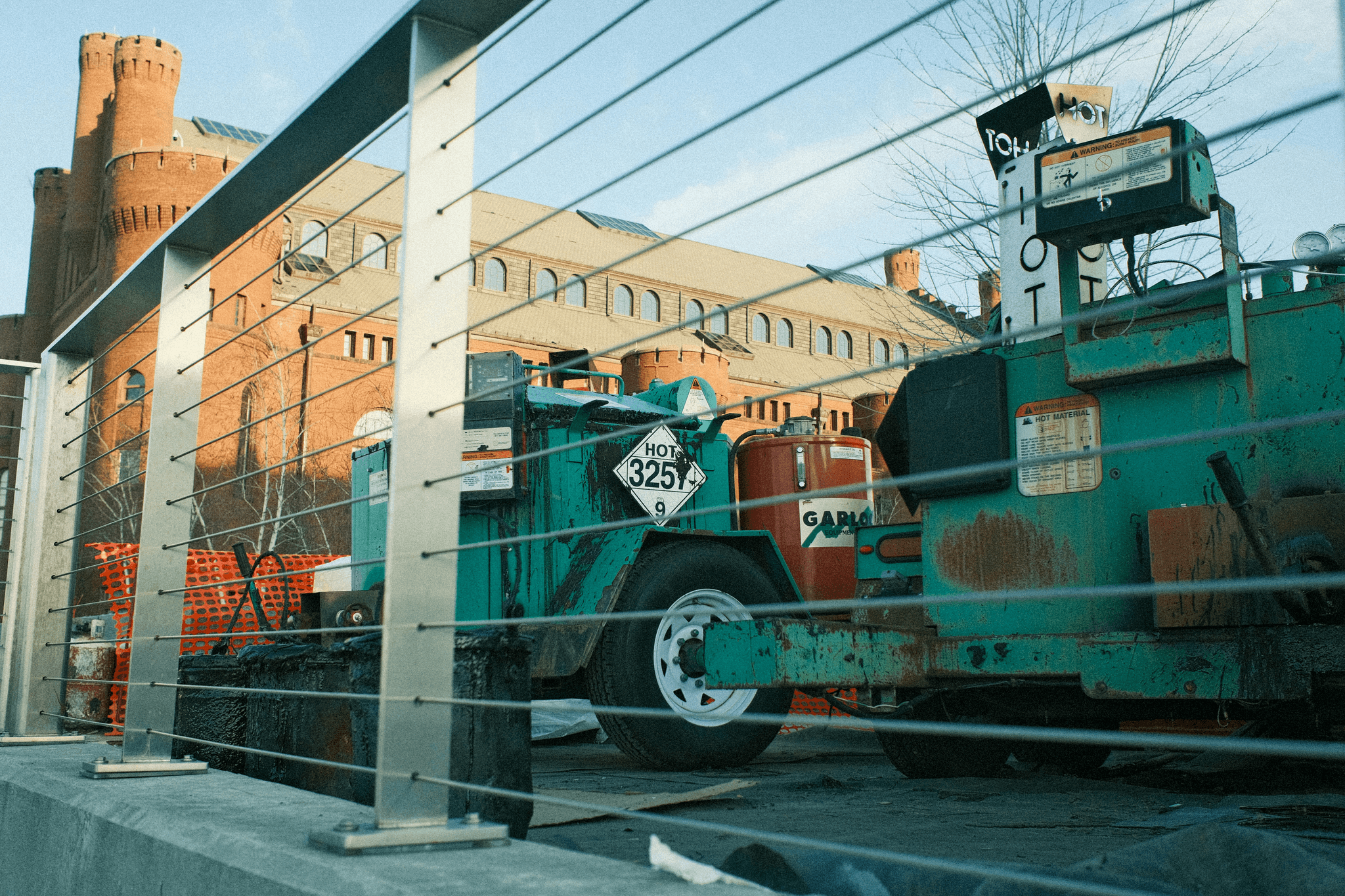
A thorough approach to Heavy Equipment Inspection is crucial for maintaining safety, efficiency, and longevity on any construction site. Understanding what is Heavy Equipment Quality Control helps teams identify potential issues before they escalate into costly problems. When the key elements of heavy equipment inspection are consistently applied, operators can catch common defects found during heavy equipment quality control early, preventing accidents and downtime.
Recognizing the differences between heavy equipment inspection and heavy equipment testing is vital for proper maintenance planning. Field tests in the process of heavy equipment quality control provide real-world insights into machinery performance, complementing visual inspections and checks for common defects found during heavy equipment quality control. These tests help verify that safety features work correctly and that structural integrity remains intact under operational conditions.
Investing in professional evaluations by experts like China Inspection Pro ensures a comprehensive assessment beyond routine inspections. This professional quality inspection elevates equipment longevity by accurately diagnosing issues before they become severe, ultimately saving money and reducing unexpected failures. Regularly practicing these procedures underscores the importance of ongoing maintenance schedules and staff training to keep machinery running smoothly over its lifespan.