
Introduction
In today’s competitive marketplace, a solid Quality Control Process isn’t just a bonus—it’s a necessity. When the number of returns or refund requests is rising, it’s a clear sign that your current inspection system might be missing the mark. Too many products are failing your quality control inspections, leading to disappointed customers and damaged reputation.
Failing product inspections can quickly snowball into more customer complaints and lost sales. If you’re noticing an uptick in customer dissatisfaction, it might be time to reevaluate your approach to quality assurance. Improving your Quality Control Process helps catch issues early, reducing the risk of costly failures and ensuring consistent product excellence.
The truth is, neglecting proper quality checks can turn into a vicious cycle—failing product inspections lead to more complaints, which then hurt your brand image. Strengthening this process not only minimizes defects but also boosts customer confidence and loyalty. Remember: investing in a robust Quality Control Process today keeps those pesky product failures—and the fallout from them—at bay.
Assessing Your Current Quality Control System
Before you can improve your quality control process, you need to take a hard look at where things might be going wrong. Many businesses discover that the number of returns or refund requests is rising, which often signals cracks in their current quality control system. If too many products are failing your quality control inspections, it's a clear sign that your process needs an overhaul—ignoring these warning signs can lead to more failing product inspections and unhappy customers.
Analyzing data from returns and complaints is like having a crystal ball for your quality issues. When receiving more customer complaints, it’s crucial to dig into the root causes—are products failing your quality control inspections? This pattern of complaints and failed inspections should prompt a thorough review of your existing procedures, helping identify weak spots in your process before they escalate further.
Setting clear quality goals is the next vital step. Without defined targets, it’s easy for the number of returns or refund requests to spiral out of control because everyone’s working with different standards. Establishing specific benchmarks ensures that you’re not only aware when products are failing your quality control inspections but also motivated to reduce those failures over time—ultimately preventing more failing product inspections and improving customer satisfaction.
Leveraging Advanced Inspection Technologies
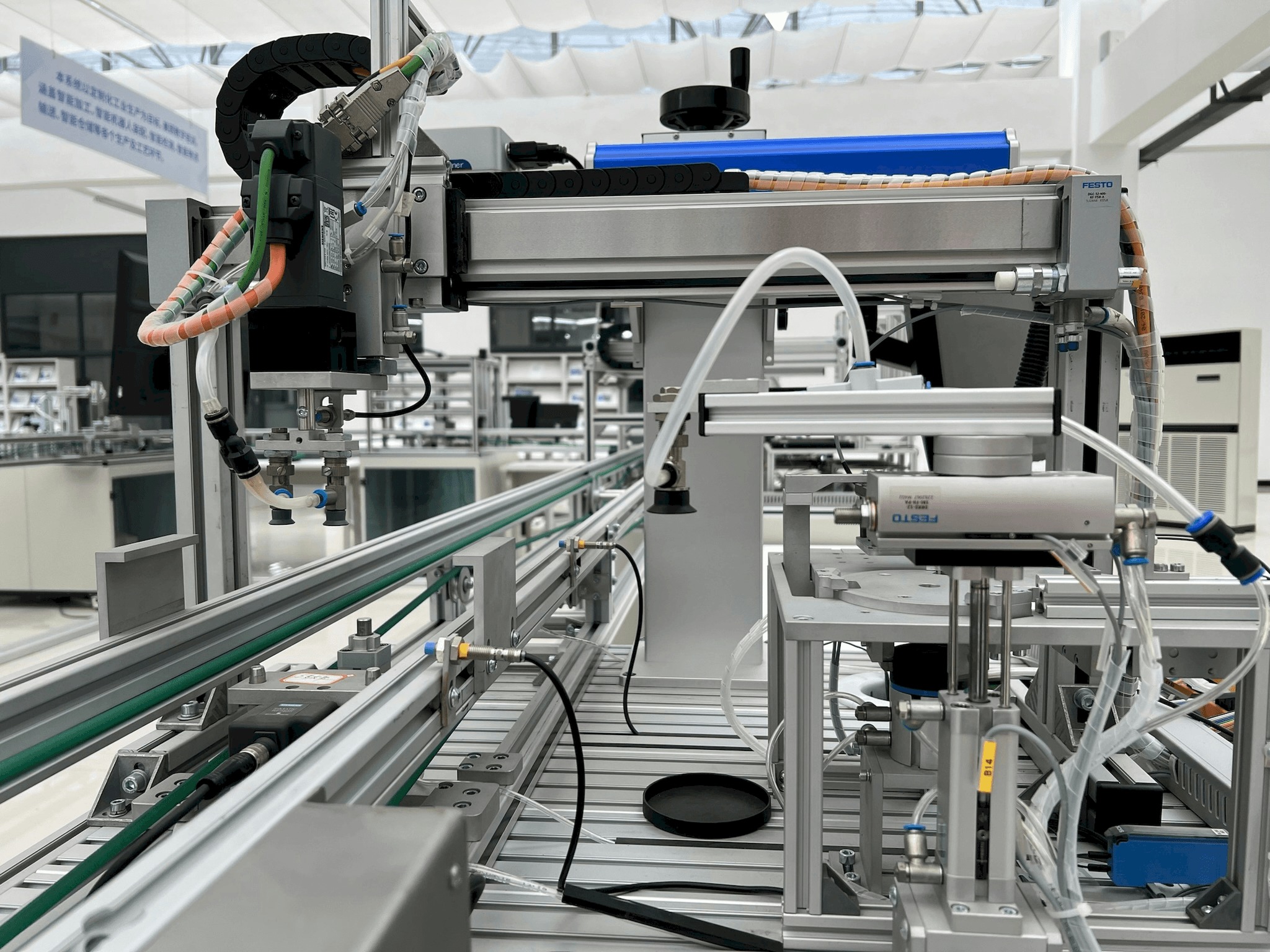
In today’s fast-paced manufacturing world, relying solely on manual inspections can leave your Quality Control Process vulnerable to human error. Automated inspection systems are revolutionizing how companies catch defects early, reducing the chances of Too Many Products Are Failing Your Quality Control Inspections slipping through the cracks. By integrating these high-tech solutions, businesses can significantly decrease the number of failing product inspections and improve overall product quality.
Utilizing Automated Inspection Systems
Automated inspection systems are a game-changer for companies facing the challenge that The Number of Returns or Refund Requests Is Rising due to inconsistent quality checks. These systems use cameras, sensors, and software algorithms to scan products at lightning speed, ensuring every item meets strict standards without fatigue or bias. When you implement automated solutions, you’re not only speeding up inspections but also minimizing human error that often leads to Too Many Products Are Failing Your Quality Control Inspections, which in turn reduces customer complaints and boosts satisfaction.
Incorporating AI and Machine Learning
Artificial Intelligence (AI) and Machine Learning take automation a step further by enabling your inspection process to learn from past errors and adapt accordingly. If you’ve been experiencing Failing Product Inspections frequently, AI-powered tools can identify patterns that humans might overlook—such as subtle defects or inconsistencies—and flag them instantly. This proactive approach helps prevent recurring issues before they escalate into customer complaints or product recalls, making your Quality Control Process more robust and reliable over time.
Benefits of Using China Inspection Pro Services
Partnering with China Inspection Pro Services offers a strategic advantage when deploying advanced inspection technologies—especially if the challenge is that The Number of Returns or Refund Requests Is Rising due to overlooked defects during production. Their expertise ensures your chosen automated systems are correctly calibrated and integrated into your existing processes to catch issues early on. With their support, you’ll see fewer failing product inspections, less customer dissatisfaction, and an overall streamlining of your Quality Control Process—turning tech investments into tangible business benefits.
Training Your Team for Better Inspections
A robust Quality Control Process isn’t just about having the right tools; it’s about empowering your team to spot issues before they turn into costly mistakes. When your inspectors lack proper training, the number of returns or refund requests is rising because too many products are failing your quality control inspections. Investing in comprehensive training ensures your team can identify potential flaws early, reducing the risk of failing product inspections and receiving more customer complaints.
Building Skilled Quality Inspectors
Creating a team of skilled quality inspectors starts with thorough onboarding that covers every detail of your Quality Control Process. If inspectors aren’t well-versed in what to look for, the number of returns or refund requests will climb as more products slip through the cracks and fail inspection. By focusing on skill-building, you’ll reduce the chances of failing product inspections and improve overall product quality, keeping customer complaints at bay.
Continuous Education and Certification
The landscape of quality standards is always evolving, making continuous education essential—especially when the number of returns or refund requests is rising due to inconsistent inspection results. When inspectors aren’t regularly updated on new inspection techniques or industry standards, too many products are failing your quality control inspections, which can lead to a spike in customer complaints. Certification programs not only boost confidence but also ensure your team stays sharp enough to prevent failing product inspections from becoming a recurring issue.
Cultivating a Quality-First Culture
Building a culture that prioritizes quality over speed helps prevent issues before they start—like when you’re receiving more customer complaints because products are slipping past inadequate inspections. When every team member understands that their role directly impacts the overall success of the Quality Control Process, they become proactive in catching defects early on. This mindset reduces the likelihood of failing product inspections and keeps returns or refund requests from spiraling out of contro
Standardizing Inspection Procedures
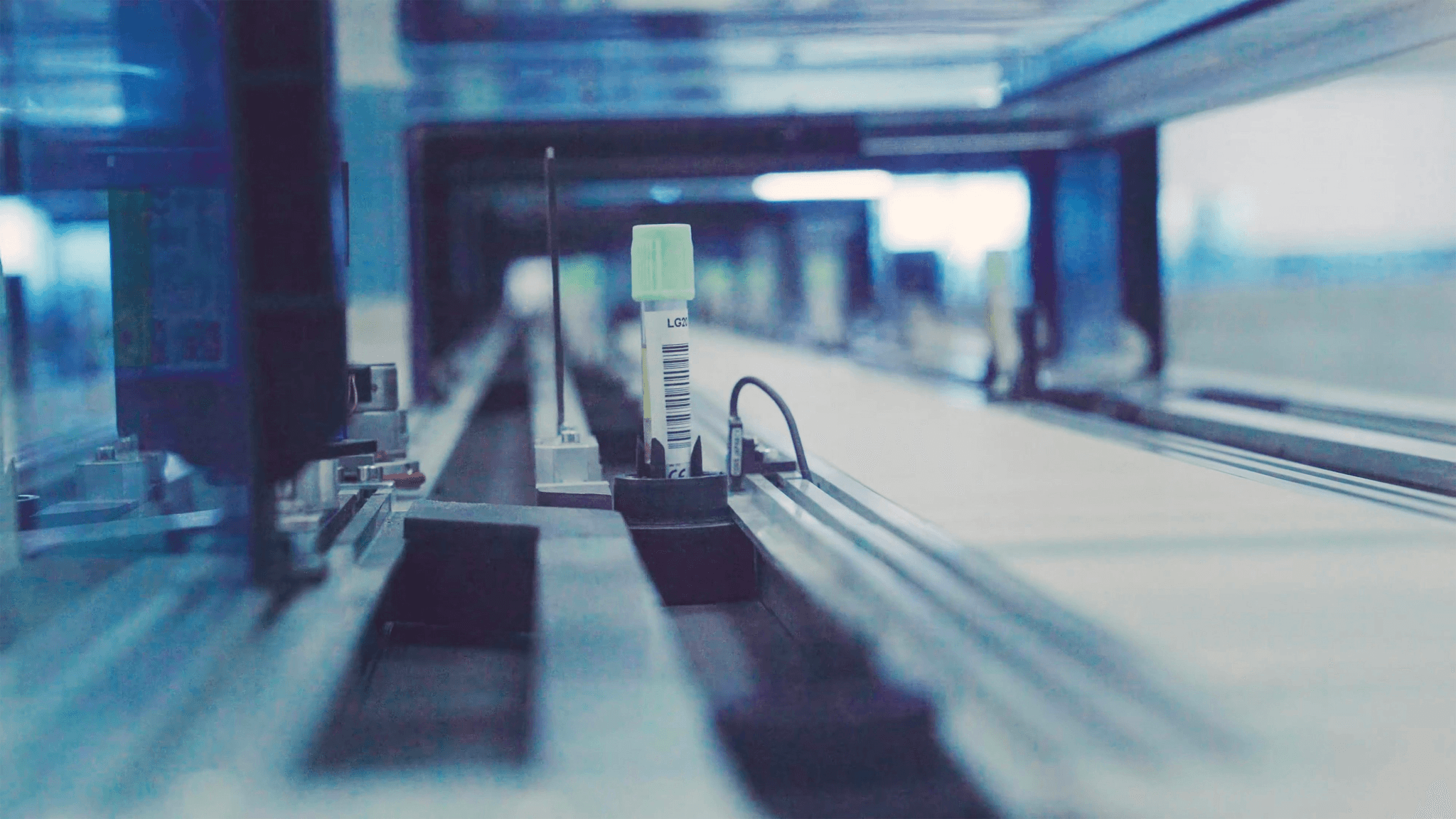
A well-oiled Quality Control Process starts with standardization. When you develop clear checklists and protocols, you create a uniform approach that everyone can follow. This reduces the chances of Failing Product Inspections slipping through the cracks and helps prevent the rising number of returns or refund requests caused by inconsistent quality checks.
Developing Clear Checklists and Protocols
Crafting detailed checklists is essential to ensure your team knows exactly what to look for during inspections. When these checklists are clear and comprehensive, they minimize errors and keep your Quality Control Process on point, even when dealing with high volumes. If your inspection procedures lack clarity, you risk Too Many Products Are Failing Your Quality Control Inspections, leading to more customer complaints and a spike in failing product inspections.
Ensuring Consistency Across Batches
Consistency is king when it comes to quality assurance; it ensures each batch meets the same high standards. By standardizing inspection procedures across all production runs, you reduce variability that can cause products to fail quality checks unexpectedly. This consistency directly impacts your bottom line—fewer failing product inspections mean fewer customer complaints and a healthier reputation.
Documenting and Tracking Inspection Results
Accurate documentation of inspection results is crucial for identifying patterns that lead to failing product inspections or an increase in returns or refund requests. Tracking these results over time provides valuable insights into recurring issues within your Quality Control Process, enabling targeted improvements. Without proper records, you're flying blind—missing opportunities to prevent future failures and keep customer satisfaction high.
Collaborating with Reliable Inspection Partners
Partnering with a trustworthy inspection provider can be the game-changer your business needs to keep your Quality Control Process on point. When you work with the right team, they become an extension of your quality assurance efforts, helping you catch issues before products hit the shelves. This collaboration is crucial because the number of returns or refund requests is rising, and many companies find themselves overwhelmed by failing product inspections and receiving more customer complaints than they'd like.
Choosing reputable quality inspection providers isn't just about ticking boxes; it's about finding a partner who understands your industry standards and can adapt to your specific needs. When too many products are failing your quality control inspections, it’s often due to gaps in the inspection process that an experienced partner can identify and fill. A reliable provider will implement rigorous checks that reduce the risk of defective items slipping through, ultimately lowering the chances of receiving more customer complaints or dealing with a surge in product returns.
Establishing effective communication channels with your inspection partner ensures transparency and quick resolution when issues arise. Clear lines of communication help you stay informed about potential problems early on, so you can address them before they turn into costly failures or negative reviews. If you're experiencing too many products failing your quality control inspections, collaborating closely with a trusted partner allows for real-time updates and continuous improvement strategies—saving you from costly rework and safeguarding your brand reputation.
Analyzing and Acting on Inspection Data
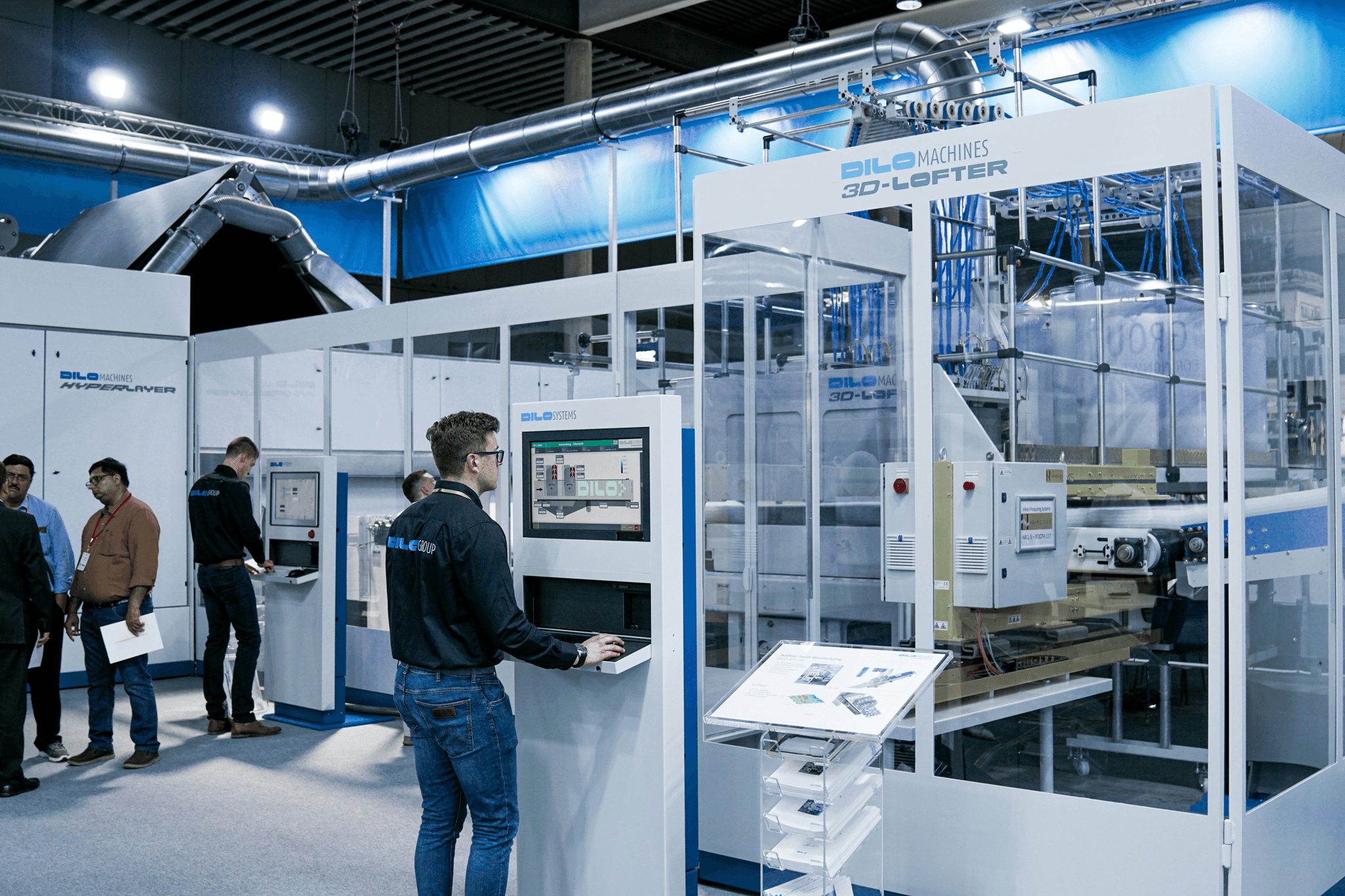
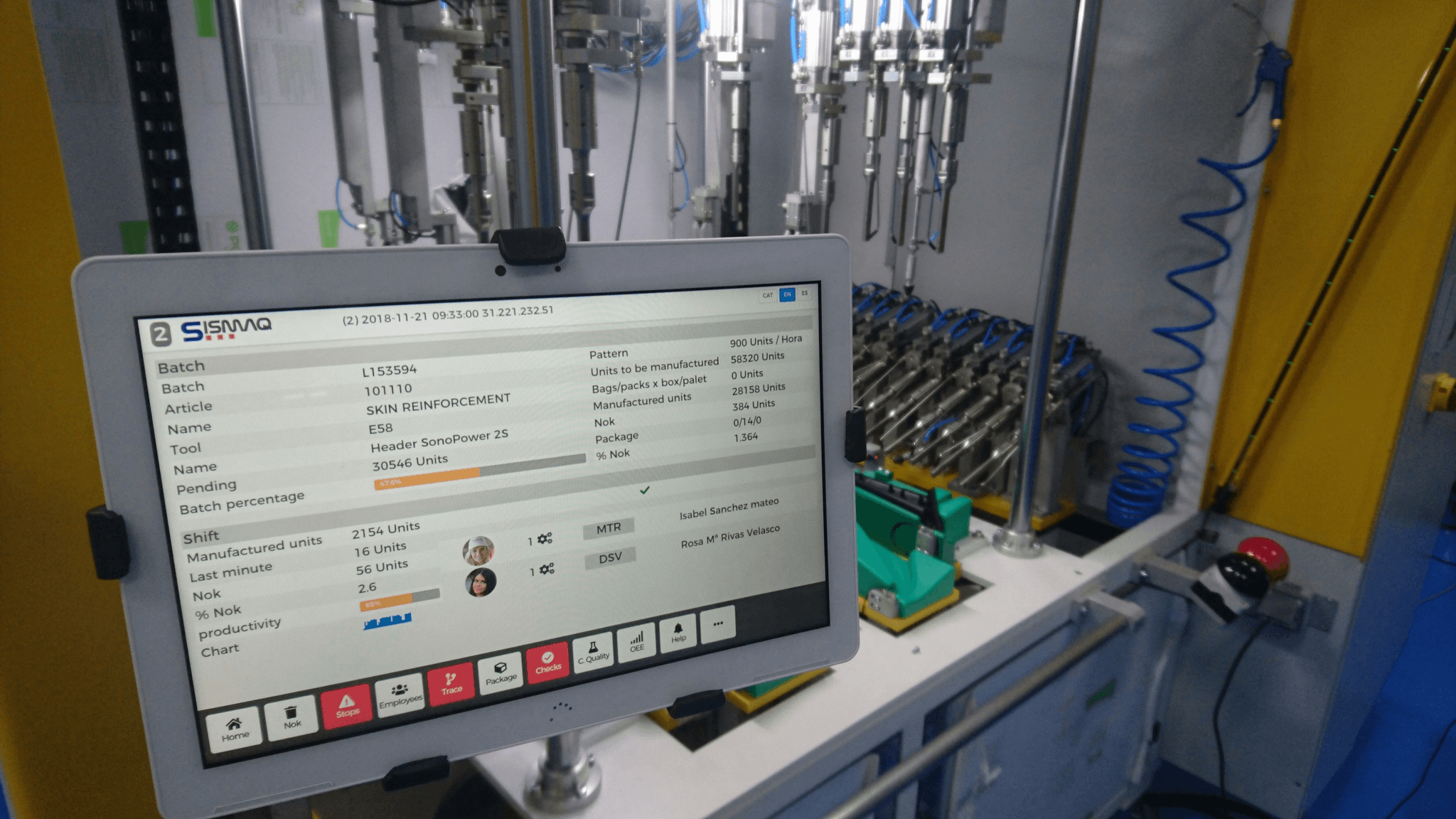
Diving into inspection data without a plan is like sailing without a compass — you might end up lost in the sea of failing product inspections or rising customer complaints. When the number of returns or refund requests is rising, it’s clear your current Quality Control Process needs a serious upgrade. By analyzing inspection results, you can identify patterns that point to where too many products are failing your quality control inspections, helping you make smarter decisions that reduce costly errors.
Understanding how to turn inspection findings into actionable insights is crucial when dealing with a high rate of failing product inspections. If your team notices an uptick in customer complaints or returns, it’s time to dig deeper into your inspection data rather than just patching symptoms. The goal is to use KPIs effectively so you can spot trends early and prevent the scenario where the number of returns or refund requests keeps climbing due to poor quality.
Using KPIs like defect rates, inspection pass/fail ratios, and defect types helps you measure the effectiveness of your Quality Control Process. When these indicators reveal consistent issues—perhaps too many products are failing your quality control inspections—it signals that corrective actions are overdue. Addressing these insights swiftly prevents the cycle where failing product inspections lead to more customer complaints and damage your brand reputation.
Continuous improvement strategies hinge on detailed data analysis; if not properly utilized, they become just empty buzzwords. Regularly reviewing inspection reports allows you to pinpoint recurring problems before they snowball into widespread failures. This proactive approach ensures you're not caught off guard by an increase in customer complaints caused by subpar products slipping through during quality checks.
Turning inspection findings into actionable insights involves establishing a feedback loop that informs every stage of production and QC procedures. When too many products are failing your quality control inspections, immediate adjustments—like refining supplier standards or enhancing staff training—can make all the difference. Remember: a robust analysis can transform raw data into strategic moves that curb the rise of defective items and keep customer satisfaction high.
Conclusion
A well-oiled Quality Control Process isn’t just a box to check—it’s your secret weapon to stand out in a crowded marketplace. When you fine-tune your inspections and address issues proactively, you turn potential failures into opportunities for excellence. Remember, a robust Quality Control Process helps prevent the number of returns or refund requests from rising and keeps customer satisfaction high.
If you notice too many products are failing your quality control inspections or receiving more customer complaints, it’s a clear sign that your current system needs an overhaul. Failing product inspections can tarnish your brand reputation and lead to costly rework or recalls. Addressing these issues early ensures you stay ahead of the curve and maintain consumer trust.
To prevent failing product inspections and the subsequent rise in customer complaints, invest in continuous process improvements. Regularly analyze inspection data, identify weak spots, and refine your procedures accordingly. By doing so, you'll reduce the risk of product failures and keep customer feedback positive—saving time, money, and headaches down the line.