
Introduction
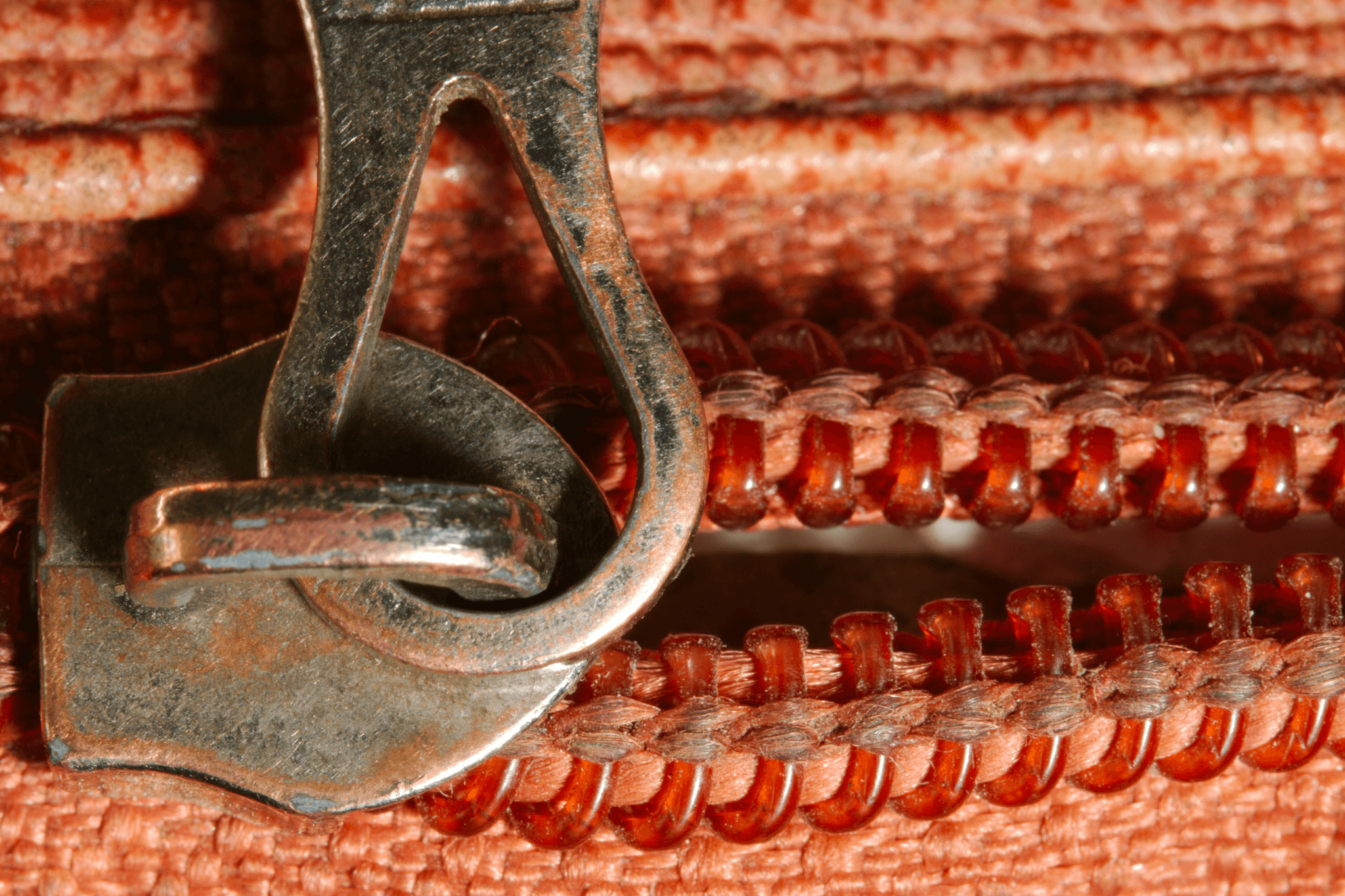
When it comes to investing in a high-quality leather bag, there's more than just good looks involved—it's about ensuring durability and long-lasting appeal. Leather bag inspection plays a crucial role in uncovering hidden flaws that could compromise the product’s lifespan, from the smell test revealing chemical off-gassing to the seam strength test confirming stitching durability. Proper inspection not only safeguards your investment but also guarantees that every zipper twisting test and abuse & fatigue test meets industry standards, giving you confidence in your purchase.
Why Leather Bag Inspection Matters
Leather bag inspection is essential because it helps identify potential issues before they reach consumers, such as unpleasant odors detected during the smell test or weak seams revealed through seam strength testing. These inspections ensure that only bags meeting strict quality benchmarks are sold, preventing costly returns and reputational damage. By paying close attention to details like color fastness check on leather and zipper twisting tests, brands can maintain customer trust and uphold their reputation for excellence.
Ensuring Durability and Quality
A thorough leather bag inspection involves multiple steps—function tests to verify zippers and closures work smoothly, color fastness checks on leather to prevent fading or staining, and abuse & fatigue tests simulating real-world handling. Each of these elements contributes to confirming that the product can withstand daily wear and tear without early deterioration. Investing in comprehensive inspections guarantees that every aspect of the leather bag—from handle resilience to zipper durability—is up to standard, giving consumers peace of mind.
How Inspection Tests Protect Your Investment
Inspection tests like the seam strength for leather bags ensure stitch integrity under stress, while the Zipper twisting test confirms smooth operation over time—both critical for longevity. Conducting these tests proactively prevents defects from slipping through the cracks, saving manufacturers money on repairs or replacements later on. Ultimately, consistent use of quality assurance measures such as color fastness check on leather and abuse & fatigue tests safeguards your brand reputation while maximizing return on investment.
Understanding Leather Bag Inspection
Leather bag inspection is much more than a quick glance at your favorite accessory. It involves a comprehensive evaluation process designed to ensure every bag meets quality standards before reaching consumers. From the smell test to seam strength assessments, a thorough leather bag inspection helps brands maintain their reputation and customers stay happy with their purchases.
Key standards and industry benchmarks serve as the foundation for effective leather bag inspection. These benchmarks guide inspectors through various tests like color fastness check on leather, abuse & fatigue tests, and zipper twisting tests. Adhering to these standards ensures that each leather bag is durable, functional, and aesthetically pleasing, aligning with global expectations for quality.
The role of China Inspection Pro in quality assurance cannot be overstated when it comes to leather bag inspection. Their expertise in conducting detailed inspections—including function tests and seam strength evaluations—helps brands identify potential flaws early. By partnering with professionals who excel in assessing color fastness check on leather and performing abuse & fatigue tests, companies can confidently deliver top-tier products that pass the toughest inspections.
Smell Test for Leather Bags
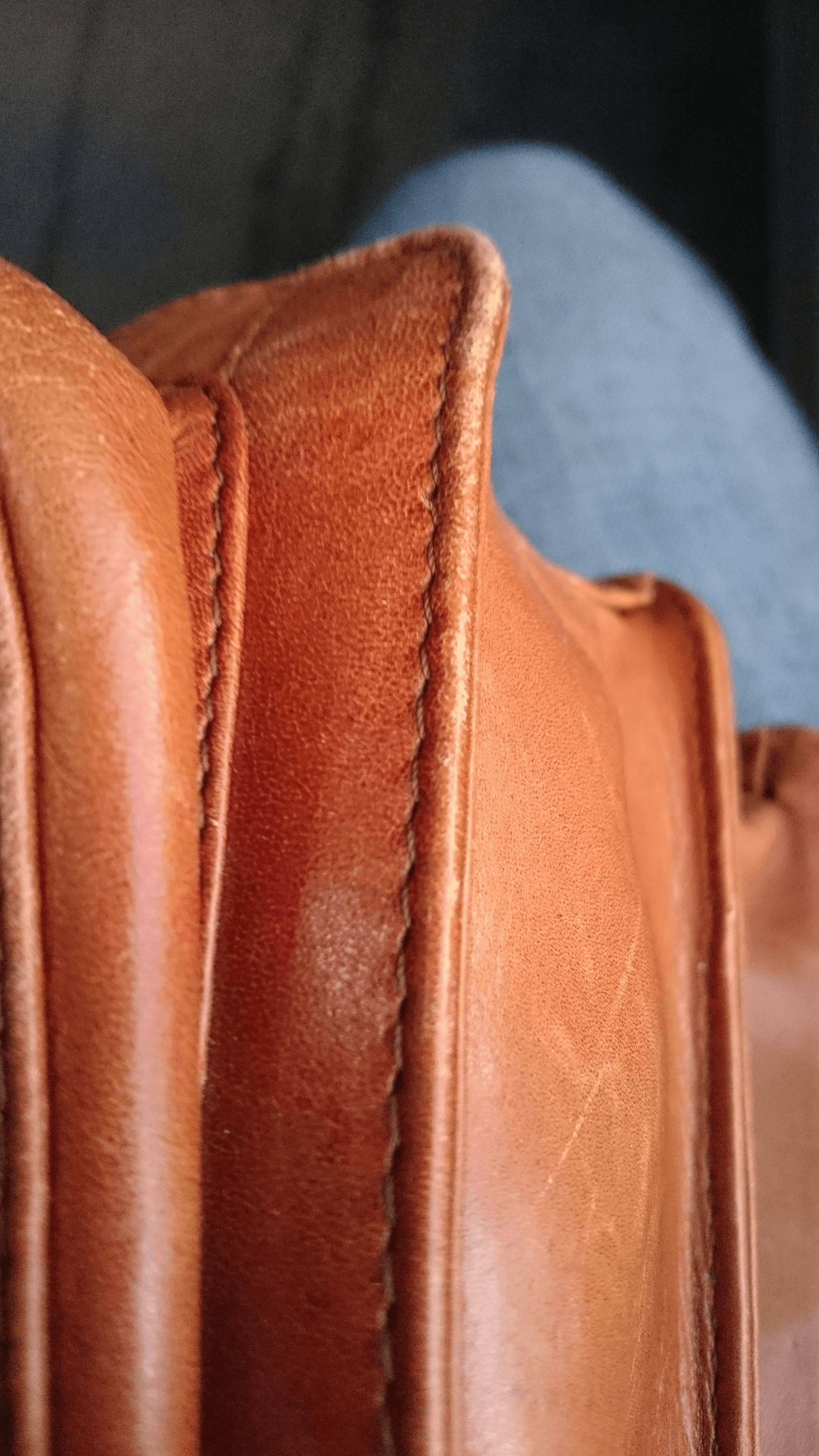
A fresh leather bag should smell inviting, not like a chemical factory or old gym socks. During leather bag inspection, the Smell Test is crucial for detecting any unpleasant odors that could turn off consumers before they even get a chance to admire the craftsmanship. A strong chemical smell might indicate poor manufacturing processes or harmful off-gassing, which can damage your brand’s reputation and lead to costly returns.
Detecting Unpleasant Odors
When conducting a leather bag inspection, identifying unpleasant odors is one of the first steps in ensuring product quality. If a bag emits a pungent or chemical scent, it often signals the presence of residual chemicals used during tanning or finishing processes. These smells can linger long after purchase, making the smell test a vital part of quality control that helps prevent customer complaints and boosts confidence in your products.
Identifying Chemical Off-Gassing
Chemical off-gassing is a sneaky issue that can only be caught through diligent smell testing during leather bag inspection. Off-gassing occurs when volatile compounds from adhesives or dyes escape into the air, sometimes causing health concerns for users. Regularly performing smell tests allows brands to detect these hidden hazards early and take corrective action—ensuring that your leather bags meet safety standards and maintain their appeal over time.
Impact of Smell Test on Consumer Trust
A well-executed smell test during leather bag inspection directly influences consumer trust and satisfaction. Customers are more likely to purchase from brands that prioritize their health and comfort by avoiding chemically-offensive products. Incorporating this simple yet effective step into your function test routine not only enhances product integrity but also elevates your brand’s reputation as reliable and quality-focused.
Function Test for Leather Bags

A thorough leather bag inspection isn't complete without a rigorous function test. This step ensures that all components work seamlessly, from zippers to handles, and that the overall usability meets industry standards. Conducting these tests helps identify potential issues early, saving brands from costly returns and unhappy customers.
Checking Zippers and Closures
Zippers are often the first point of failure in leather bags, making the zipper twisting test essential during leather bag inspection. A smooth, snag-free zipper indicates good manufacturing quality and durability, while resistance or misalignment suggests possible defects. Regularly testing zippers for ease of operation ensures they won't give out prematurely, maintaining customer satisfaction over time.
Testing Handles and Straps
Handles and straps endure daily wear and tear, so their strength is critical in leather bag inspection processes. Pulling tests simulate real-world handling to verify that handles don’t crack or detach easily under pressure. Ensuring handles are securely attached during a function test guarantees your product can withstand the rigors of everyday use without compromising its aesthetic appeal.
Verifying Overall Usability
Beyond individual components like zippers and straps, a comprehensive function test assesses the leather bag's overall usability — including weight distribution, accessibility of compartments, and comfort during carry. This holistic approach helps identify design flaws that could affect customer experience down the line. Incorporating function tests into your leather bag inspection routine assures you’re delivering a product that combines style with practicality.
Color Fastness Check on Leather

When it comes to leather bag inspection, the color fastness check on leather is a vital step to ensure your product remains vibrant and appealing over time. Fading or staining can ruin the aesthetic and diminish consumer trust, making this test a must for quality assurance. A thorough color fastness check on leather helps manufacturers identify potential issues before products reach the market, saving costs and reputation.
Ensuring Color Durability
Color durability is at the heart of any successful leather bag inspection, especially when considering long-term use. During this process, experts evaluate how well the dye adheres to the leather surface under various conditions such as exposure to water, light, or rubbing. Regularly conducting a color fastness check on leather ensures that bags retain their original hue, even after frequent handling.
Testing for Fading and Staining
Fading and staining are common concerns in leather bag inspection that can significantly impact customer satisfaction. Tests involve exposing samples to simulated environmental factors like moisture or friction to observe any discoloration or transfer onto other surfaces. Identifying these issues early through rigorous testing allows brands to select dyes with superior colorfast properties and prevent costly recalls.
Techniques for Effective Color Assessment
Effective color assessment during leather bag inspection employs standardized methods such as grey scale evaluations, rubbing tests, and light exposure assessments. These techniques help determine if the dye penetrates deeply enough into the leather fibers and resists fading over time—crucial for maintaining product integrity. Incorporating these techniques into your quality control process ensures your products pass every test related to color fastness check on leather.
Maintaining excellent standards in the color fastness check on leather is just one part of comprehensive leather bag inspection that includes smell tests for chemical off-gassing, function tests for zippers and handles, abuse & fatigue tests for resilience, seam strength tests for stitching durability, and zipper twisting tests for smooth operation. Each step plays a role in delivering a premium product that consumers trust and love.
Abuse and Fatigue Tests
Leather bag inspection isn't just about looking good on the surface; it's about ensuring durability under real-world conditions. Abuse & Fatigue tests are designed to mimic everyday handling, from tossing bags onto car seats to stuffing them with essentials. These rigorous tests help identify potential weak points, so your leather bag inspection process can catch issues before they reach consumers, ultimately safeguarding your brand reputation.
Simulating Real-World Handling
During abuse & fatigue tests, leather bags undergo simulated daily activities like repeated opening and closing of zippers, rough handling of straps, or accidental drops. This hands-on approach in leather bag inspection reveals how well the materials withstand typical wear and tear. Incorporating a comprehensive smell test during these procedures helps detect any chemical off-gassing that might compromise user safety or comfort over time.
Assessing Leather Resilience
Leather resilience is at the heart of a successful leather bag inspection process. By subjecting bags to stress tests—such as bending, twisting, or stretching—inspectors can evaluate how the leather reacts under pressure. This step ensures that the color fastness check on leather remains intact even after prolonged use and that seam strength test for leather bags confirms stitch durability remains uncompromised during abuse scenarios.
Preventing Early Wear and Tear
The goal of abuse & fatigue testing is to prevent early wear and tear that could lead to customer dissatisfaction or product failure. Conducting a zipper twisting test during these assessments guarantees smooth functionality over time, while also highlighting any weaknesses in zipper durability issues before mass production begins. In essence, thorough leather bag inspection with these tests ensures your products maintain their aesthetic appeal and structural integrity longer.
Seam Strength Test for Leather Bags
When it comes to leather bag inspection, one of the most critical aspects is evaluating the stitching durability. A well-stitched bag not only looks premium but also withstands daily wear and tear. Conducting a thorough seam strength test for leather bags ensures that the seams hold up under stress, preventing early failures and customer complaints.
Evaluating Stitching Durability
During a leather bag inspection, assessing stitching durability involves applying tension to the seams to see if they can resist pulling apart or fraying. This step is essential because weak stitches can compromise the entire bag’s integrity over time. Incorporating seam strength tests into your leather bag inspection process helps identify manufacturing flaws before they reach consumers.
Importance of Seam Integrity
Seam integrity plays a vital role in maintaining the overall quality of a leather bag. If stitches unravel or break prematurely, it diminishes consumer trust and damages your brand reputation. Regularly checking for seam strength during leather bag inspection ensures that each product meets industry standards and withstands real-world abuse & fatigue tests.
Methods to Conduct Seam Strength Tests
To perform an effective seam strength test for leather bags, inspectors typically use specialized equipment that applies controlled tension along stitched areas. This method reveals how well the stitching holds up under stress, simulating everyday handling scenarios like zipping and carrying heavy loads. Incorporating this step into your comprehensive leather bag inspection routine guarantees durability and enhances customer satisfaction with every purchase.
Zipper Twisting Test
The zipper twisting test is a crucial step in comprehensive leather bag inspection, ensuring that the zippers function smoothly without snagging or sticking. When inspecting a leather bag, paying close attention to zipper performance helps identify potential durability issues early on. This simple yet effective test safeguards your investment by confirming that the zipper can withstand regular use without compromising the overall quality.
Ensuring Smooth Zipper Functionality
A smooth-operating zipper is vital for customer satisfaction and long-term usability of leather bags. During the zipper twisting test, gently rotate and pull the zipper to check for resistance or catching, which could indicate manufacturing flaws. Incorporating this step into your leather bag inspection process ensures that each bag meets high standards for functionality and user experience.
Detecting Zipper Durability Issues
Zipper durability problems often become evident only after repeated use, making the zipper twisting test an essential part of abuse & fatigue tests within leather bag inspection routines. By simulating everyday handling—twisting, pulling, and closing—the test helps reveal weaknesses in materials or craftsmanship early on. Identifying these issues prevents returns or negative reviews caused by faulty zippers down the line.
Maintaining Leather Bag Aesthetic and Function
A well-functioning zipper not only enhances usability but also preserves the aesthetic appeal of a leather bag during inspection processes. Faulty zippers can detract from the overall look, especially if they cause misalignment or damage to the leather surface when forced open or closed repeatedly. Regularly performing this twist test ensures that both form and function stay intact—an essential aspect of thorough leather bag inspection.
Conclusion
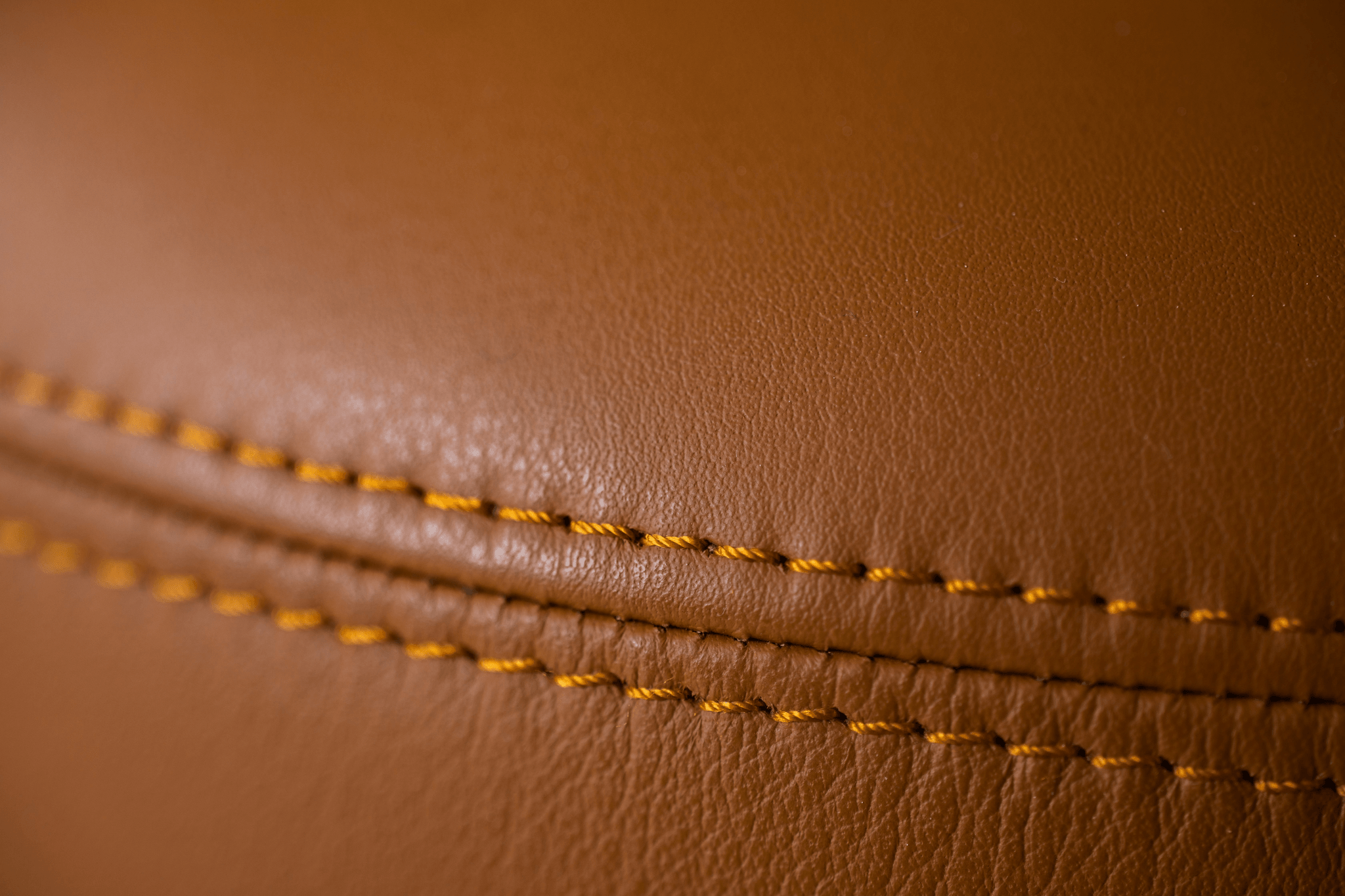
Investing in thorough leather bag inspection is the key to ensuring your products stand out in a crowded market. Incorporating comprehensive tests like the Smell Test, Function test, and Color fastness check on leather can dramatically improve quality assurance and customer satisfaction. Don't overlook the importance of Abuse & Fatigue tests, Seam strength test for leather bags, or Zipper twisting test—they all play a vital role in delivering durable, high-quality products that last.
Elevate Your Leather Bag Quality with Inspection
Elevating your leather bag quality begins with meticulous inspection processes that cover every detail from smell to seam integrity. The Smell Test helps detect chemical off-gassing that could compromise consumer trust, while the color fastness check on leather ensures your bags maintain their vibrancy over time. Incorporating abuse & fatigue tests alongside seam strength testing guarantees your products withstand daily wear and tear, making them more appealing to discerning customers.
Partner with China Inspection Pro for Expert Testing
Partnering with China Inspection Pro means leveraging industry-leading expertise in leather bag inspection. Their team conducts rigorous function tests to verify zippers and handles function smoothly, along with precise zipper twisting tests to prevent future malfunctions. With their support, you get comprehensive assessments—covering everything from smell to durability—that safeguard your brand reputation and boost consumer confidence.
Protect Your Brand Through Thorough Leather Bag Inspection
Protecting your brand starts with thorough leather bag inspection at every stage of production. Implementing detailed assessments like color fastness check on leather and seam strength tests for leather bags ensures consistent quality control standards are met or exceeded. By prioritizing these inspections—especially crucial ones like abuse & fatigue tests and zipper twisting test—you prevent costly returns or reputation damage caused by subpar craftsmanship.