
Introduction
Regular pump inspections are the unsung heroes of equipment longevity, catching issues before they turn into costly disasters. Implementing consistent pump inspection protocols helps identify wear and tear early, extending the lifespan of critical components like pump casings and impellers. When you prioritize routine checks, you're not just maintaining equipment—you’re ensuring it performs reliably day after day.
Keeping a close eye on pump casings through thorough inspections can prevent corrosion and structural failures that might otherwise lead to catastrophic breakdowns. Conducting a hydrostatic test on the pump casing is a vital step in verifying its integrity and spotting potential weaknesses before they escalate. Incorporating these inspection protocols into your maintenance routine safeguards your investment and keeps operations running smoothly.
Professional inspection services, like those offered by China Inspection Pro, bring expertise to every aspect of the process—whether it's evaluating pump impeller run out or performing dynamic balance tests. These tests are crucial for preventing vibration-related failures that could damage other components or cause system downtime. When you follow comprehensive pump inspection protocols, including performance tests and mechanical running tests, you ensure your equipment remains reliable under all operating conditions.
Understanding Pump Inspection Protocols
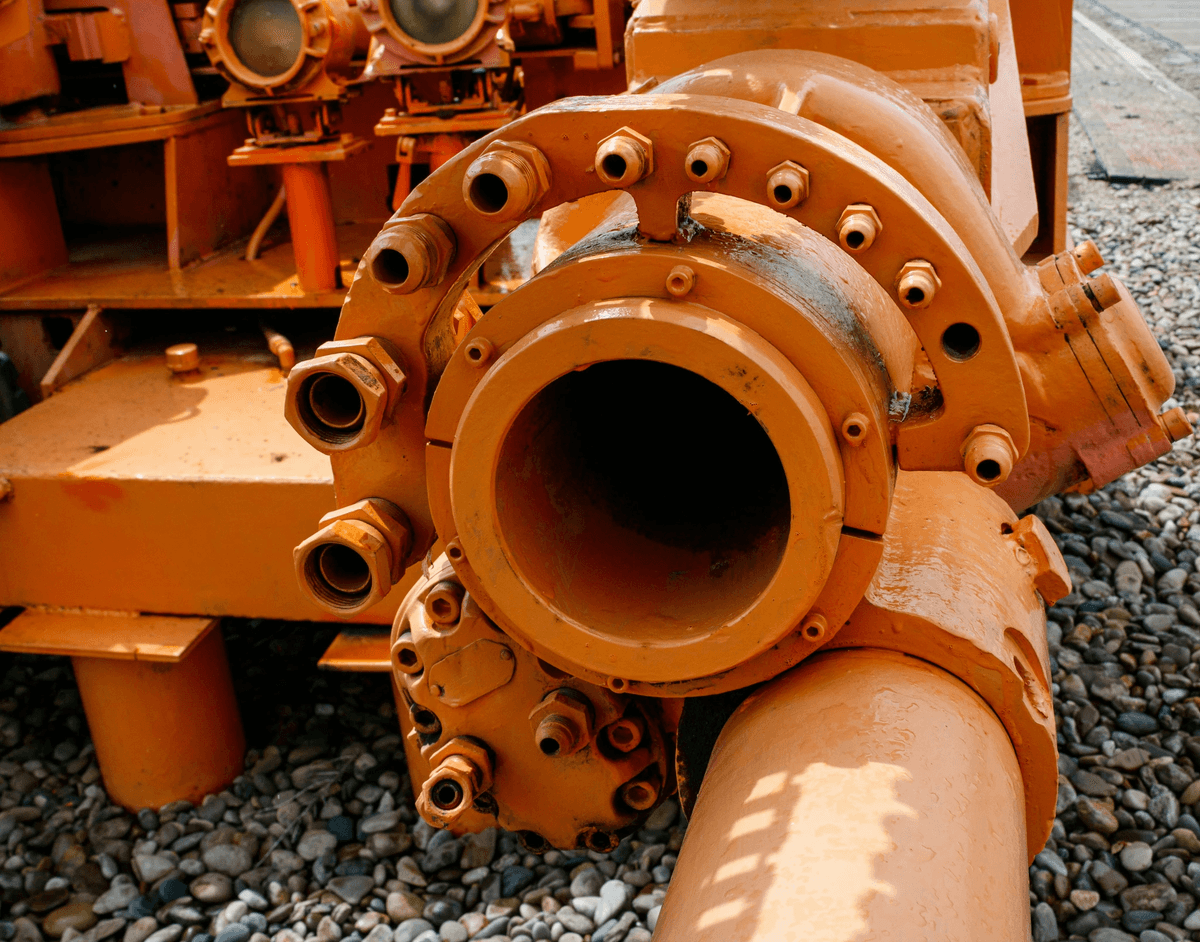
A thorough understanding of pump inspection protocols is essential for maintaining equipment longevity and ensuring optimal performance. These protocols encompass a series of standard procedures designed to evaluate the condition of various pump components, including pump casings, impellers, and mechanical parts. By following a comprehensive set of steps, technicians can identify potential issues early and implement corrective measures before costly failures occur.
Adhering to industry guidelines is a critical aspect of pump inspection protocols, especially when it comes to testing procedures like the hydrostatic test on pump casings. This test involves applying pressure to the casing to detect leaks or weaknesses that might compromise structural integrity. Incorporating such standardized tests into regular inspections ensures that pump casings remain durable and reliable over time, reducing downtime and maintenance costs.
China Inspection Pro plays a pivotal role in upholding quality assurance standards within these pump inspection protocols. Their expertise in conducting precise assessments—such as evaluating pump impeller run out and performing dynamic balance tests—helps identify imbalance issues that could lead to vibration-related failures. Partnering with professionals like China Inspection Pro guarantees that every aspect of the inspection process adheres strictly to industry best practices, including rigorous mechanical running tests and performance evaluations.
Inspecting Pump Casings for Structural Integrity
Ensuring the structural integrity of pump casings is a critical step in any comprehensive Pump Inspection Protocols. Over time, wear and corrosion can compromise the casing’s strength, leading to potential failures if not caught early. Regular inspections help identify these issues before they escalate, safeguarding your equipment’s longevity and performance.
Identifying Wear and Corrosion Signs
The first sign of trouble often appears as surface wear or corrosion on the pump casings. During routine inspections, look for pitting, discoloration, or blistering that could indicate material degradation. Recognizing these signs early is vital for maintaining effective Pump Inspection Protocols and preventing costly repairs down the line.
Conducting Hydrostatic Test on Pump Casing
A hydrostatic test on pump casing is an essential component of thorough Pump Inspection Protocols. This test involves pressurizing the casing with water to check for leaks or deformation under stress conditions. Performing this test regularly ensures that the pump casing maintains its structural integrity and can handle operational pressures safely.
Detecting Cracks and Deformation Early
Cracks and deformation are silent killers that can cause catastrophic failure if left unnoticed. Employ non-destructive testing methods such as ultrasonic or dye penetrant inspections to detect these issues early during pump inspections. Incorporating crack detection into your Pump Inspection Protocols helps prevent unexpected downtime and extends equipment life.
Evaluating Pump Impeller and Dynamic Balance
When it comes to pump inspection protocols, assessing the condition of the impeller and ensuring proper dynamic balance are critical steps to prevent costly failures. The impeller is the heart of the pump, and any imbalance or misalignment can lead to excessive vibrations and reduced efficiency. Regularly checking pump impeller run out forms a core part of comprehensive pump inspection protocols, helping identify wear or deformation early before they escalate into major issues.
Checking Pump Impeller Run Out
Evaluating pump impeller run out is an essential component of pump inspection protocols that ensures the impeller rotates smoothly without wobbling or misalignment. To perform this check, technicians use dial indicators or laser measurement tools to detect deviations from the ideal rotation path. Detecting abnormal impeller run out early allows for timely adjustments or replacements, which helps maintain optimal performance and prolongs the lifespan of pump casings.
Performing Dynamic Balance Tests
Dynamic balance tests are vital in maintaining vibration-free operation in pumps, especially when adhering to strict pump inspection protocols. These tests involve spinning the impeller at operational speeds while measuring any imbalance using specialized equipment. Proper dynamic balance testing prevents vibration-related failures that could damage not just the impeller but also other mechanical components like seals and bearings, ultimately safeguarding your investment.
Preventing Vibration-Related Failures
Vibration issues often stem from unbalanced impellers or misaligned pump casings, making dynamic balance tests a must in any comprehensive pump inspection protocol. Addressing these problems proactively through regular testing minimizes wear on mechanical parts and reduces unscheduled downtime. Ultimately, implementing routine checks for pump impeller run out along with dynamic balance tests ensures your equipment runs smoothly—keeping downtime at bay and efficiency high.
Conducting Performance and Mechanical Tests
Once the initial visual inspection of pump casings and other components is complete, it's time to dive into performance and mechanical tests. These assessments are vital to ensure the pump operates at peak efficiency and adheres to established Pump Inspection Protocols. Proper testing not only identifies potential issues early but also helps optimize overall system performance, saving time and money down the line.
The pump performance test fundamentals involve measuring parameters like flow rate, pressure, and power consumption under controlled conditions. During these tests, technicians evaluate how well the pump meets its specified performance curves, ensuring it aligns with industry standards outlined in Pump Inspection Protocols. This process often includes a hydrostatic test on the pump casing to confirm structural integrity before moving onto dynamic assessments.
Mechanical running tests are equally critical—they focus on evaluating the pump’s mechanical health during operation. Key aspects include checking impeller run out and performing dynamic balance tests to detect imbalance or misalignment that could cause vibrations or early failure. These tests follow strict Pump Inspection Protocols to guarantee reliable data collection, helping technicians identify issues like bearing wear or shaft misalignment early enough for corrective action.
Analyzing test results is where real optimization begins; it involves comparing actual data against expected benchmarks from Pump Inspection Protocols. If deviations are detected—such as abnormal vibrations or reduced efficiency—adjustments can be made proactively to enhance performance and extend equipment lifespan. Utilizing insights from these tests ensures your pumps operate smoothly, efficiently, and reliably for years to come.
Troubleshooting Common Pump Issues
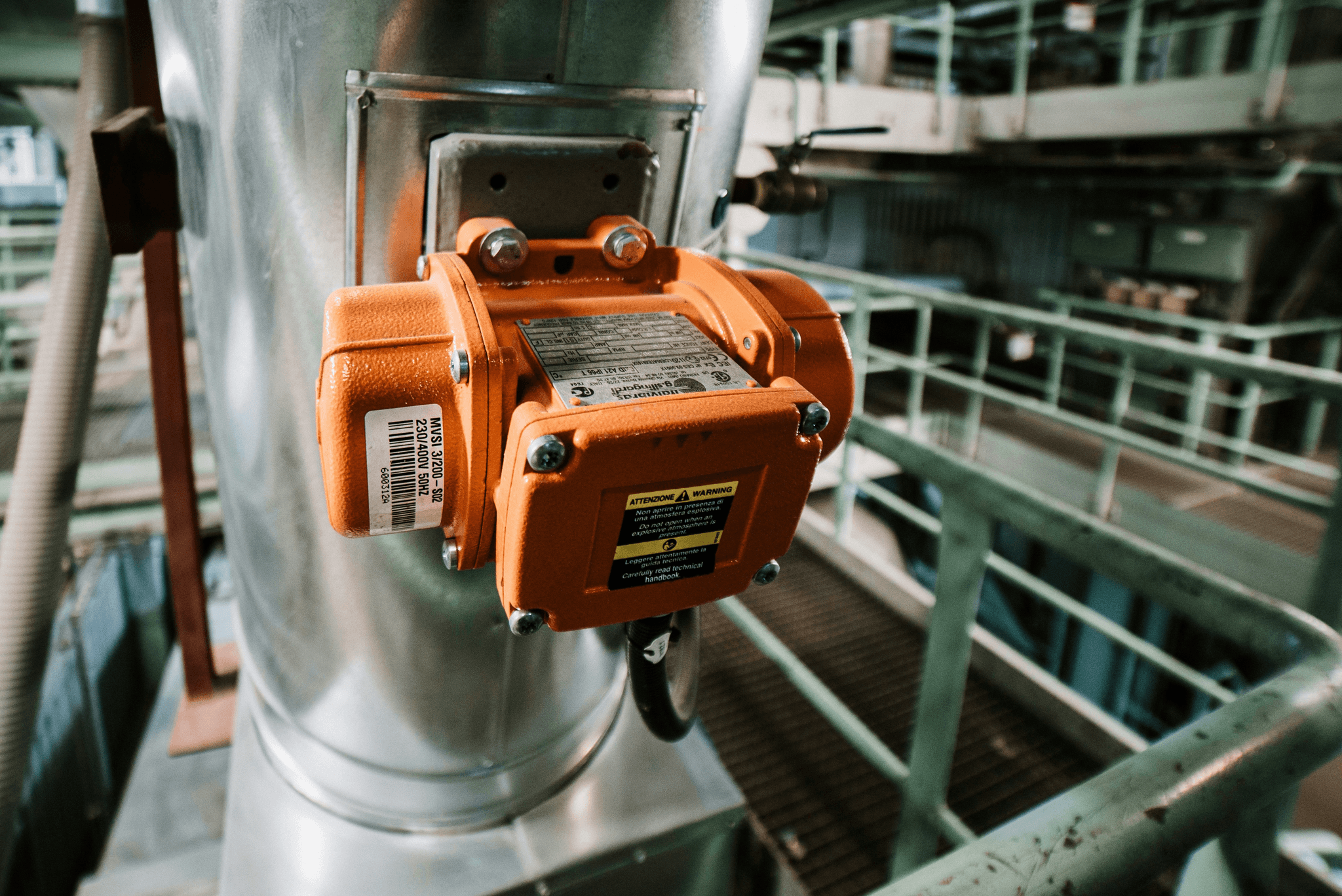
When pumps start acting up, it's crucial to follow proper Pump Inspection Protocols to identify and resolve issues before they escalate. Unusual noises or vibrations are often the first clues that something’s amiss within the pump system. Regular inspections, including checking pump casings for wear or corrosion, help catch problems early and ensure the integrity of the entire setup.
Recognizing seal leaks and failures is another vital aspect of troubleshooting. Leaking seals can lead to efficiency declines and potential damage if not addressed promptly through systematic testing. Conducting a hydrostatic test on pump casings can reveal hidden cracks or deformation that might cause seal failures, emphasizing the importance of adhering to Pump Inspection Protocols for reliable operation.
Addressing efficiency declines promptly requires a thorough evaluation using performance and mechanical tests like pump performance tests and mechanical running tests. These tests help pinpoint issues such as impeller misalignment or imbalance, which can be detected through pump Impeller run out measurements and dynamic balance tests. By integrating these diagnostics into your routine inspections, you can maintain optimal performance and prevent costly downtime.
Conclusion
Properly implementing Pump Inspection Protocols is essential for maintaining equipment longevity and ensuring smooth operations. Regular inspections, including thorough checks of pump casings and performance testing, can prevent costly failures down the line. Elevating your maintenance routine with systematic testing makes all the difference in extending the lifespan of your pumps.
Partnering with China Inspection Pro guarantees precision and adherence to industry standards when conducting Pump Inspection Protocols. Their expertise in performing hydrostatic tests on pump casings and dynamic balance tests on impellers ensures that every component functions optimally. Trusting professionals for these inspections means fewer surprises and more reliable machinery.
Protecting your investment requires a commitment to systematic testing, especially focusing on critical aspects like pump impeller run out and mechanical running tests. These procedures help identify issues early, allowing timely interventions that save money and downtime. Incorporate comprehensive performance tests into your routine to keep your pumps operating at peak efficiency.