
Introduction
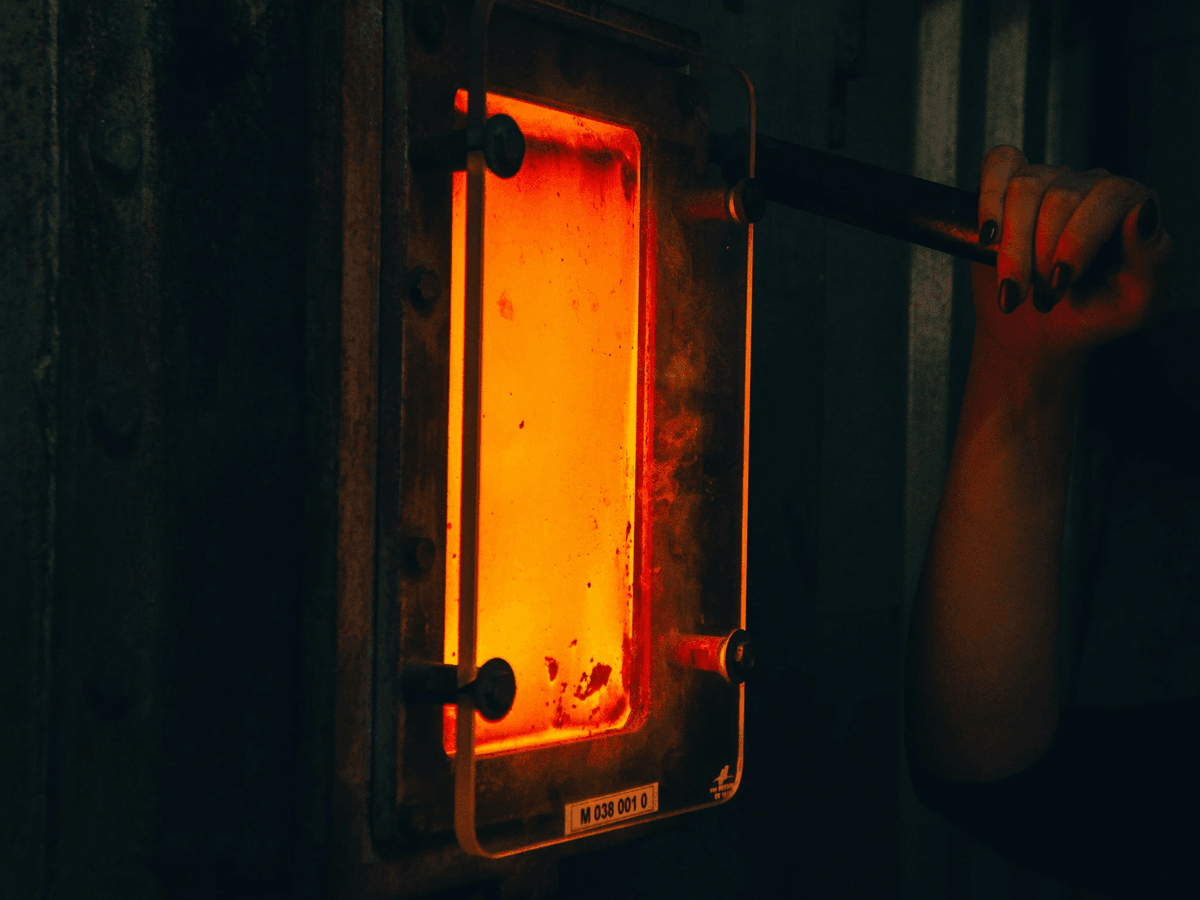
A properly conducted Fired Heater Inspection is essential for maintaining the safety, efficiency, and longevity of industrial heating systems. Regular inspections help identify potential issues before they escalate into costly repairs or safety hazards, ensuring that your equipment runs smoothly and reliably. Incorporating detailed evaluations like visual and dimensional inspection, along with reviewing mill test reports and calibration reports, forms the backbone of a comprehensive Fired Heater Inspection process.
Neglecting this vital maintenance step can lead to severe risks such as corrosion, wear, or faulty safety controls that might cause equipment failure or even accidents. Without a thorough pre-shipment inspection or ongoing inspections, hidden problems may go unnoticed until they result in downtime or dangerous incidents. Staying proactive with quality inspections helps mitigate these risks and keeps operations running seamlessly.
A high-quality Fired Heater Inspection not only safeguards personnel and assets but also boosts operational efficiency by verifying heat transfer components and combustion quality through meticulous evaluation of calibration reports and mill test reports. Pre-shipment Inspection ensures all repairs are completed and standards met before deployment, preventing future complications. Ultimately, investing in regular inspections is the smartest way to ensure your fired heaters perform at their best while maintaining compliance and safety standards.
Preparing for a Fired Heater Inspection
Getting ready for a fired heater inspection involves more than just showing up and hoping for the best. Proper preparation ensures that every aspect of the inspection, from visual checks to verifying calibration reports, runs smoothly and yields accurate results. This step is crucial because it sets the foundation for a thorough evaluation of your equipment’s safety, efficiency, and compliance.
Gathering Essential Documentation
The first step in preparing for a fired heater inspection is collecting all relevant documentation. This includes recent mill test reports that verify the material certifications used in your heater's construction, ensuring they meet industry standards. Additionally, having up-to-date calibration reports on hand allows inspectors to confirm that temperature controls and safety devices are functioning within specified tolerances, which is vital during visual and dimensional inspections.
Scheduling with China Inspection Pro
Once your documentation is in order, scheduling an appointment with China Inspection Pro becomes the next priority. Their team specializes in conducting comprehensive fired heater inspections, including pre-shipment checks and detailed assessments of safety controls. By coordinating ahead of time, you ensure that all necessary resources are available during the inspection process—this includes access to calibration reports, mill test reports, and other essential records—making sure your visual and dimensional inspections are as thorough as possible.
Establishing Inspection Criteria
Before the day of inspection arrives, clearly define your inspection criteria based on industry standards and manufacturer specifications. This involves setting benchmarks for what constitutes acceptable wear or corrosion during visual inspections and determining tolerances for dimensional checks. Incorporating these criteria into your plan helps inspectors focus on critical areas like combustion chambers or heat transfer components while cross-referencing calibration reports to verify operational accuracy throughout the process.
Visual and Dimensional Inspection
When it comes to Fired Heater Inspection, a thorough visual and dimensional inspection is your best defense against costly surprises down the line. This step involves scrutinizing every inch of the equipment for signs of corrosion, wear, or damage that could compromise safety or efficiency. Remember, neglecting this stage can lead to misdiagnosed issues, which might not show up in Mill test reports or calibration reports but can cause serious operational hiccups later.
Checking for Corrosion and Wear
Corrosion and wear are the silent killers lurking inside a fired heater, often hidden beneath layers of grime or insulation. During the visual inspection phase, look for rust patches, pitting, or any surface degradation that could weaken structural integrity. Incorporating this into your Fired Heater Inspection routine helps verify that all components meet safety standards and align with the details found in Mill test reports—proof that materials have held up under operating conditions.
Inspecting Burner and Combustion Chamber
The burner and combustion chamber are at the heart of efficient heat transfer; neglecting their condition can spell disaster for operational safety. Carefully examine these parts for cracks, carbon buildup, or misalignments that might impair combustion quality—a key factor assessed during a Fired Heater Inspection. Cross-referencing findings with calibration reports ensures burners operate within specified parameters, preventing inefficient fuel use and potential hazards.
Confirming Dimensional Tolerances
Dimensional accuracy isn't just about meeting specifications—it's about ensuring everything fits perfectly to maintain optimal performance. During dimensional inspection, measure critical components against manufacturer-specified tolerances documented in your pre-shipment Inspection checklist. This step confirms that the heater complies with all safety standards before shipment; overlooking it could result in costly adjustments post-installation.
Evaluating Efficiency and Safety
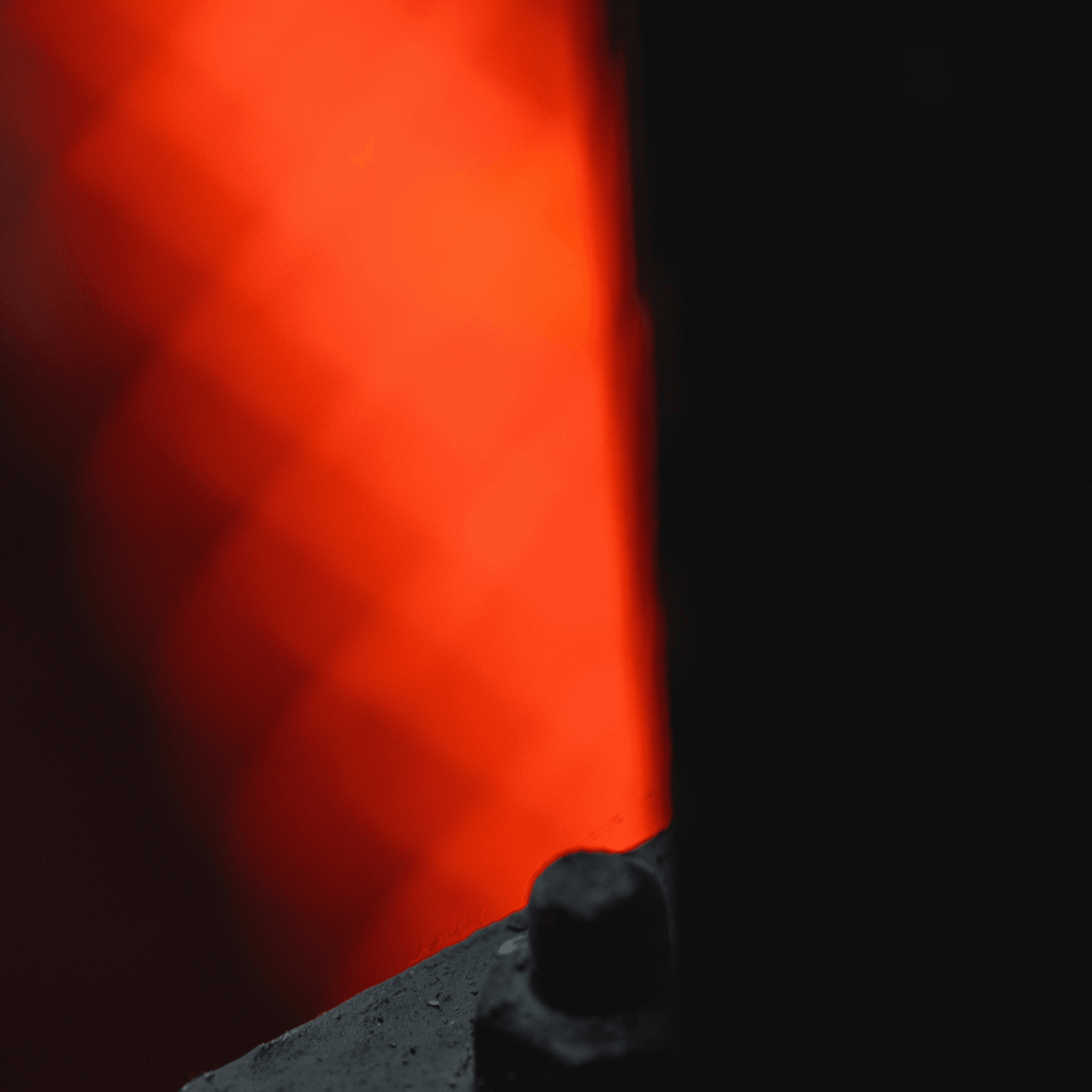
A thorough Fired Heater Inspection goes beyond just surface checks; it’s about assessing the core operational health of the equipment. Evaluating flame stability and combustion quality is crucial because irregular flames or inconsistent combustion can signal underlying issues that compromise safety and efficiency. During this process, reviewing calibration reports becomes essential to ensure temperature controls are accurate, which directly impacts the heater's performance and energy consumption.
Verifying safety devices and controls forms a vital part of this stage. Proper functioning safety mechanisms—like pressure relief valves, flame detectors, and emergency shut-offs—must be confirmed through detailed visual and dimensional inspection. These inspections often rely on comprehensive pre-shipment inspections to verify all safety components meet international standards, reducing risks during operation.
Monitoring heat transfer components is another key element in evaluating efficiency and safety. Components such as tubes, fins, and burners should be inspected visually for corrosion or wear that could impair heat transfer efficiency. Cross-referencing mill test reports with actual inspection findings ensures material certifications align with manufacturer data, helping maintain optimal heater performance over its lifespan.
Analyzing Calibration Reports and Mill Test Reports
A thorough Fired Heater Inspection hinges on carefully analyzing calibration reports and mill test reports to ensure the equipment operates at peak safety and efficiency levels. Calibration reports provide critical data that confirm temperature controls are accurate, preventing costly errors or safety hazards during operation. Meanwhile, mill test reports serve as a certification of the materials used, validating their quality and compliance with industry standards, which is essential for a reliable Fired Heater Inspection.
Ensuring Accurate Temperature Control
During a Fired Heater Inspection, verifying the calibration report is paramount to guarantee precise temperature regulation within the system. An inaccurate calibration can lead to inefficient combustion or overheating, risking damage or failure. Regularly cross-referencing calibration reports helps maintain consistent temperature control, ultimately extending the lifespan of your fired heater and optimizing performance.
Validating Material Certifications
Mill test reports are your assurance that all materials used in the fired heater meet strict quality standards. These reports detail chemical compositions and mechanical properties, which are vital for ensuring safety during operation. Incorporating validated material certifications into your Fired Heater Inspection process reduces risks associated with subpar materials and supports compliance with safety regulations.
Cross-Referencing with Manufacturer Data
To achieve a comprehensive Fired Heater Inspection, it’s crucial to cross-reference both calibration reports and mill test reports with manufacturer data. This comparison confirms that installed components match specified standards and that calibration settings align with equipment design parameters. By doing so, inspectors can identify discrepancies early on, preventing potential failures before they escalate into costly repairs or safety issues.
Conducting Pre-shipment Inspection
Before a fired heater makes its grand debut on site, a thorough pre-shipment inspection is essential to ensure everything is in tip-top shape. This process involves verifying that all repairs and maintenance tasks have been properly completed, so the equipment will perform reliably once installed. A detailed review of the mill test reports and calibration reports helps confirm that the materials meet quality standards and that the instrumentation is calibrated accurately, reducing surprises down the line.
Confirming Repairs and Maintenance
During pre-shipment inspection, confirming repairs and maintenance is a critical step to avoid costly downtime later. Inspectors carefully review previous fired heater inspections to verify that identified issues have been addressed effectively. Cross-referencing these with recent visual and dimensional inspections ensures no detail has been overlooked, giving peace of mind that the unit is ready for shipment.
Verifying All Compliance Standards
Ensuring compliance standards are met is non-negotiable in any fired heater inspection process. Inspectors scrutinize all documentation, including mill test reports, to validate material certifications align with industry standards. Additionally, they verify safety devices and controls are functioning correctly and conform to regulatory requirements—this guarantees your equipment arrives fully compliant and ready for operation.
Documenting Inspection Findings
Thorough documentation during pre-shipment inspection captures every detail of the process, serving as an essential record for future reference or audits. The findings should include results from visual and dimensional inspections, calibration reports, and evaluations against compliance standards—creating a comprehensive picture of the condition of your fired heater before shipment. Proper documentation not only supports quality assurance but also streamlines post-installation troubleshooting if needed.
Letting your fired heater go without this meticulous pre-shipment checkup is like sending it into battle unarmed—better safe than sorry!
Post-Inspection Actions and Reporting
Once the Fired Heater Inspection wraps up, the first step is to compile a comprehensive final inspection report. This document should detail all findings from the visual and dimensional inspection, highlighting areas of concern such as corrosion or wear that could impact safety or efficiency. Incorporating data from the calibration report and mill test reports ensures that temperature controls and material certifications are accurately documented, providing a clear picture of the heater’s current condition.
After assembling the report, the next critical task involves identifying necessary repairs or improvements. By cross-referencing inspection results with previous mill test reports and calibration reports, you can pinpoint discrepancies or deviations that require immediate attention. This process helps prioritize actions for corrective measures, ensuring that any issues flagged during the Fired Heater Inspection are addressed promptly before they escalate into costly problems.
Implementing corrective measures is where your proactive approach truly pays off. Based on insights gained from visual and dimensional inspections alongside detailed reports, targeted repairs can be scheduled to restore optimal performance. A thorough pre-shipment inspection prior to final delivery further guarantees that all standards are met, reducing the risk of future failures. Regular post-inspection follow-ups help maintain operational safety and efficiency over time, making each Fired Heater Inspection an investment in longevity.
Conclusion
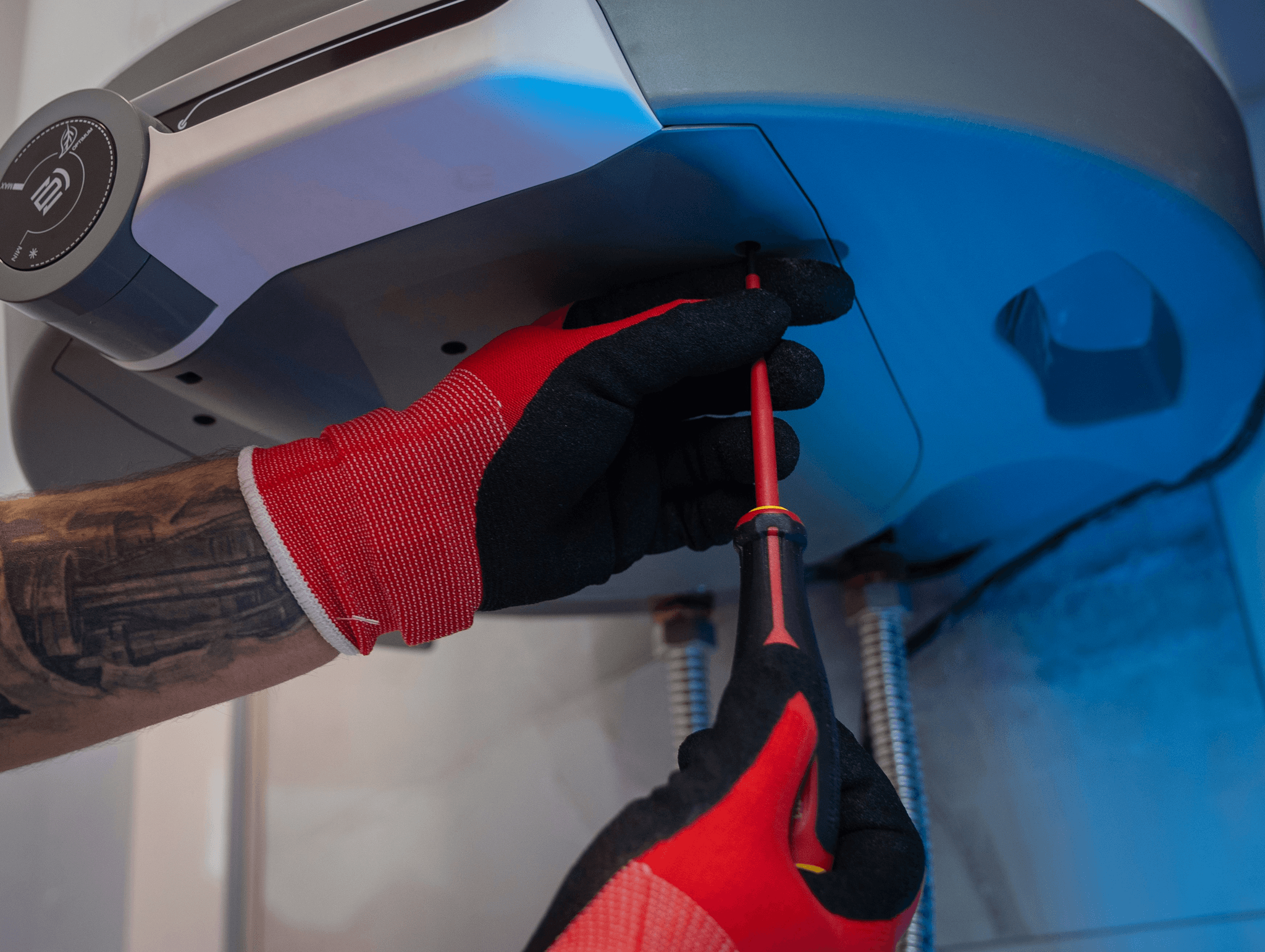
Regularly performing a fired heater inspection is the secret to extending the lifespan of your equipment while maintaining peak performance. Incorporating comprehensive visual and dimensional inspections, along with thorough reviews of mill test reports and calibration reports, ensures potential issues are caught early before they escalate. A proactive approach to inspection not only safeguards your investment but also keeps your operations running smoothly and efficiently for years to come.
Leveraging China Inspection Pro’s expertise in fired heater inspection can make all the difference when it comes to quality assurance. Their team’s meticulous review of mill test reports and calibration reports guarantees that materials meet strict standards, reducing the risk of failure down the line. With their support, you can confidently execute pre-shipment inspections that verify all components are up to par, ensuring safety and compliance before dispatch.
Boosting operational efficiency hinges on a thorough fired heater inspection process that includes detailed visual and dimensional inspections, careful analysis of calibration reports, and diligent pre-shipment inspections. These steps help identify minor issues before they become costly repairs or safety hazards. By integrating these practices into your routine maintenance schedule, you'll maximize uptime and keep your facility running at full throttle.