
Introduction
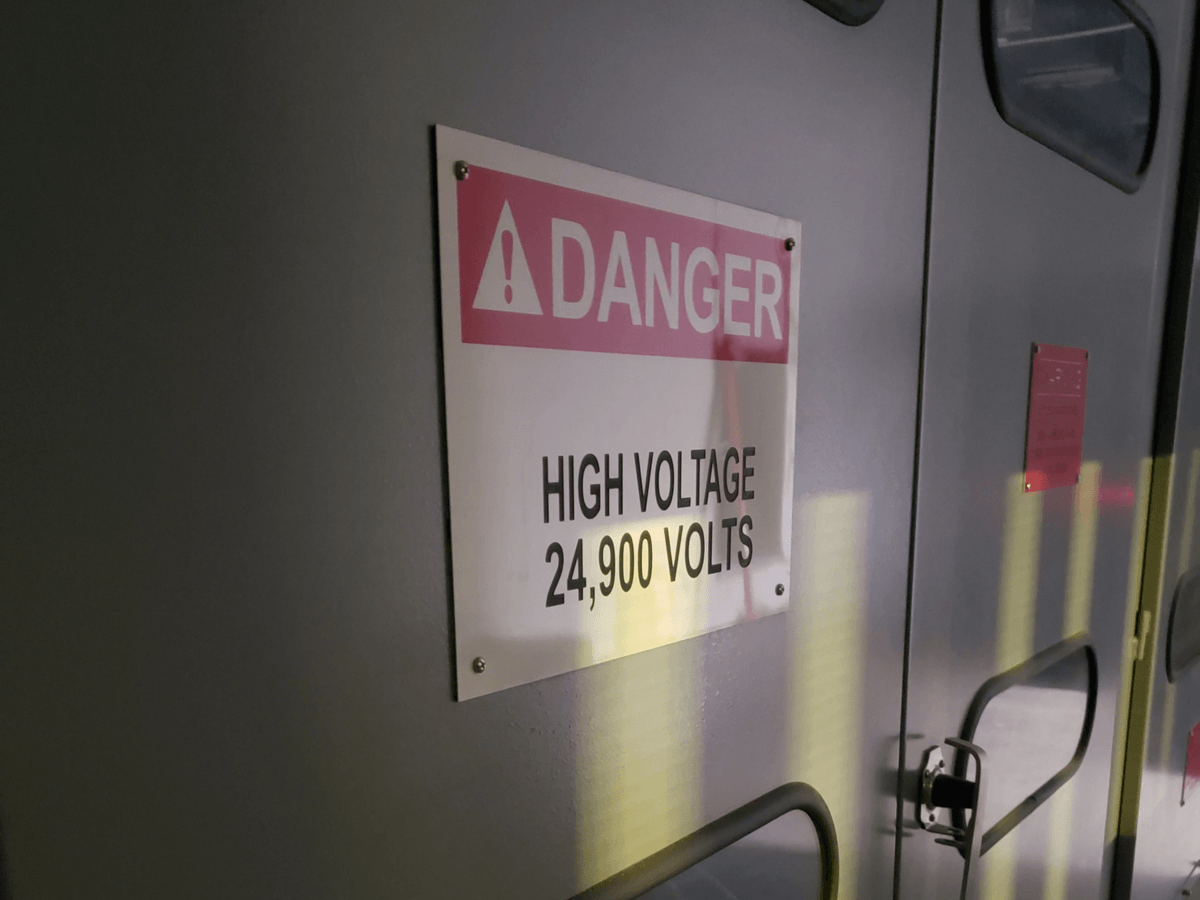
When it comes to switchgear, a thorough inspection and test plan isn’t just a bureaucratic checkbox—it’s the backbone of safe and reliable electrical systems. Properly executed switchgear inspection involves detailed testing procedures that catch potential issues before they become costly failures, ensuring system integrity from day one. Incorporating third party inspection for switchgear adds an extra layer of confidence, guaranteeing that high voltage tests, insulation resistance tests, and electric tests on secondary wiring meet industry standards.
A well-structured inspection and test plan is essential for identifying vulnerabilities through sequence testing and high voltage tests, which evaluate insulation integrity under stress. These tests are vital in verifying that all components function correctly under operational conditions, preventing electrical failures down the line. When you combine these with insulation resistance tests and comprehensive secondary wiring inspections, you create a robust safety net that minimizes risks during deployment and operation.
The key benefits of a meticulously crafted inspection and test plan extend beyond safety; they include enhanced system reliability, reduced downtime, and compliance with regulatory standards. Engaging in third party inspection for switchgear ensures impartial verification of test results—especially during high voltage tests—and confirms adherence to industry norms. Ultimately, investing in professional quality inspection services elevates confidence in your switchgear’s performance through rigorous testing procedures like sequence testing and detailed documentation.
Components of an Effective Inspection and Test Plan
A well-crafted inspection and test plan for switchgear is the backbone of ensuring safety, reliability, and compliance. It begins with clearly defining the scope of the switchgear inspection, which includes identifying all critical components that need testing and verification. This step ensures that no vital aspect is overlooked, especially when considering third party inspection for switchgear, as external experts can provide an unbiased assessment that enhances overall quality.
Next, listing critical tests such as high voltage tests and insulation resistance tests forms the core of any comprehensive plan. These electric tests on secondary wiring are essential to verify proper connections and detect potential faults before deployment. Incorporating sequence testing into this list guarantees that switchgear operates safely in a sequential manner, reducing risk during real-world operation.
Finally, documenting detailed test procedures along with acceptance criteria is crucial for consistency and transparency. Clear documentation ensures everyone involved understands how to perform high voltage tests correctly and what standards they must meet. It also facilitates effective communication with third party inspection for switchgear providers, making sure all parties are aligned on performance expectations.
Role of Third Party Inspection for Switchgear
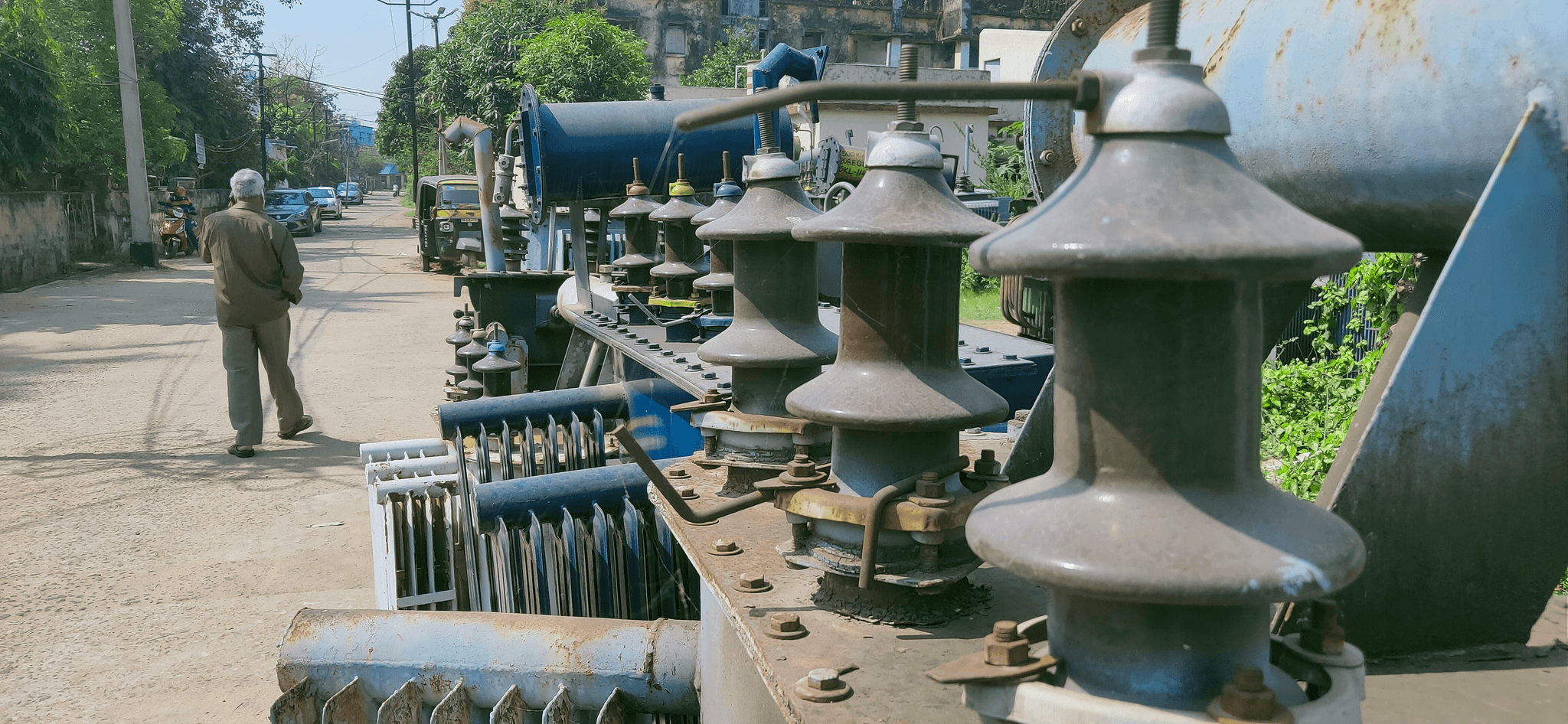
Engaging a third party inspection for switchgear is a strategic move to ensure your equipment meets all safety and quality benchmarks. When it comes to switchgear inspection, relying solely on internal checks can sometimes miss subtle flaws or deviations from industry standards. A third-party inspection for switchgear provides an unbiased, expert perspective that helps identify issues early, especially during critical tests like high voltage tests and insulation resistance tests.
Third party inspection services are particularly vital when conducting high voltage tests on switchgear, as these procedures demand precision and adherence to strict safety protocols. External inspectors bring specialized knowledge in electric tests on secondary wiring and insulation resistance tests, ensuring that every connection is sound and that insulation integrity holds under stress. Their expertise guarantees that sequence testing is correctly performed, preventing costly failures after deployment.
Choosing a reputable provider for third party inspection for switchgear also means your equipment will undergo comprehensive evaluations aligned with industry standards. These inspections verify that all aspects—from high voltage testing to detailed sequence testing—are executed flawlessly. Trusting external quality inspection services minimizes risks, enhances safety compliance, and boosts confidence in the reliability of your switchgear installation.
High Voltage Tests and Their Significance
High voltage tests are a critical component of comprehensive switchgear inspection, ensuring that the equipment can withstand operational stresses without failure. These tests are designed to simulate real-world electrical conditions, verifying the integrity of insulation and overall system robustness. Conducting thorough high voltage tests is essential before commissioning, as it helps identify potential weaknesses that could lead to costly failures down the line.
Engaging in third party inspection for switchgear during high voltage testing adds an extra layer of assurance, providing unbiased verification of test results. External inspectors bring specialized expertise and industry-standard knowledge, making sure all high voltage tests meet stringent safety regulations. Their involvement supports reliable electric tests on secondary wiring and insulation resistance tests, ensuring every component performs under stress as intended.
Understanding the significance of high voltage tests also involves recognizing their role in sequence testing procedures. Proper sequence testing ensures that switchgear operates safely through various voltages and load conditions, preventing dangerous faults or misoperations. When these tests are meticulously documented and executed according to standards, it builds confidence in the switchgear’s durability and safety for long-term use.
Electric Tests on Secondary Wiring
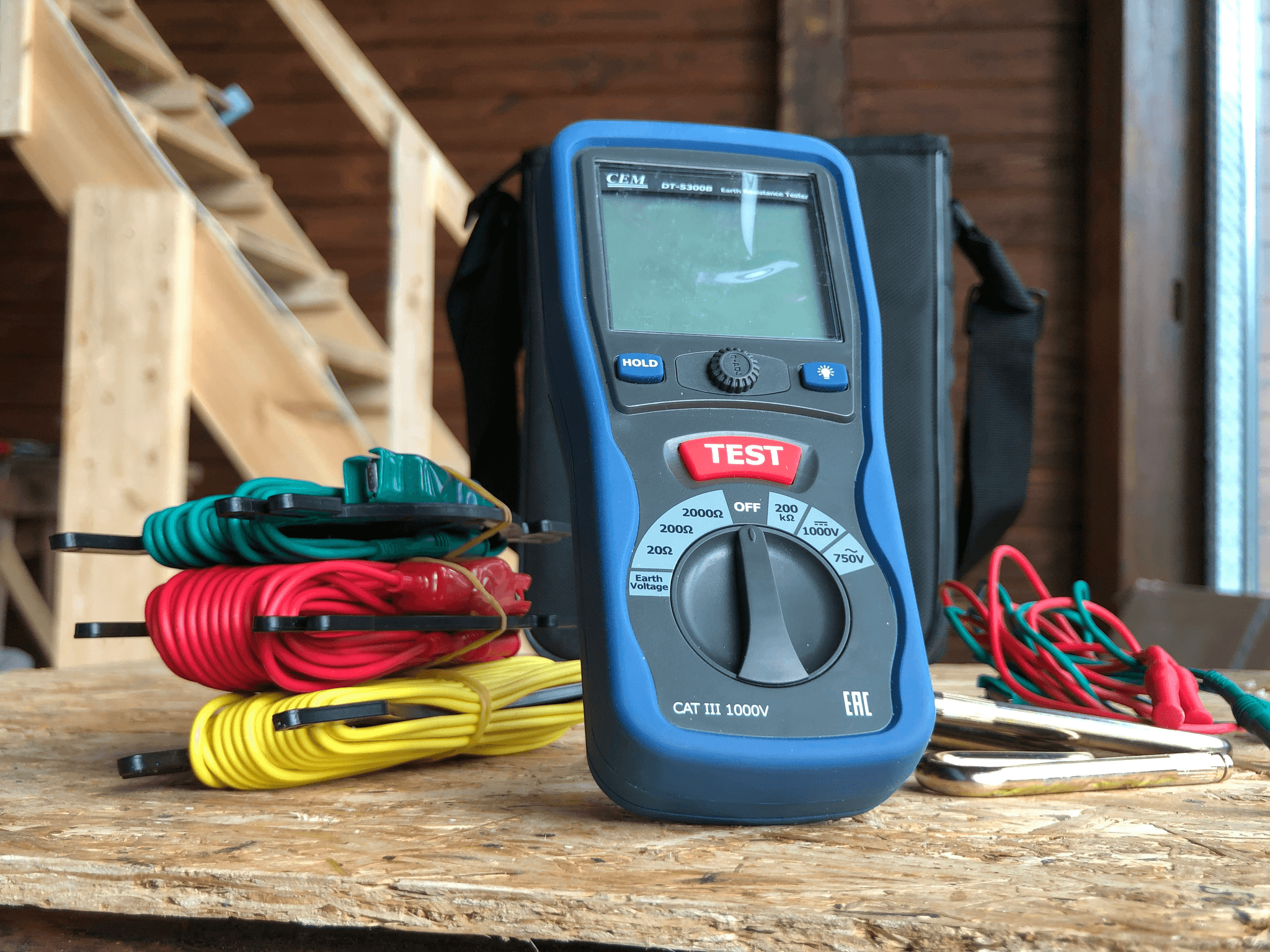
Ensuring the integrity of secondary wiring is a critical component of comprehensive Switchgear Inspection. Proper electric tests on secondary wiring help verify that all connections are correct and functioning as intended, preventing costly failures down the line. Engaging in thorough testing not only boosts safety but also confirms compliance with industry standards, making third party inspection for switchgear an invaluable step in the process.
Verifying Proper Connections and Wiring Integrity
The first step in electric tests on secondary wiring involves verifying that all connections are correctly established according to the wiring diagram. During this process, technicians check for loose terminals, incorrect wiring sequences, or misplaced conductors that could compromise system safety. Conducting these tests as part of a robust switchgear inspection ensures that each wire is properly secured and insulated, reducing the risk of faults or electrical failures once energized.
Detecting Faults and Ensuring Correct Sequence Testing
Fault detection is a crucial aspect of electric testing on secondary wiring, especially when preparing for high voltage tests or insulation resistance tests. Sequence testing verifies that control circuits operate in the correct order, which is vital for safe switchgear operation under load conditions. Incorporating third party inspection for switchgear can provide independent verification that faults are identified early and that sequence testing confirms proper operation before energizing the system.
Methods for Accurate Secondary Wiring Inspection
Accurate secondary wiring inspection employs various methods such as continuity checks, insulation resistance measurements, and visual inspections to ensure no hidden faults exist. Using specialized tools during these inspections helps detect issues like broken conductors or degraded insulation before they cause operational disruptions or safety hazards. Combining these methods with high voltage tests and insulation resistance tests offers a comprehensive view of wiring health—crucial steps in any thorough switchgear inspection plan.
Insulation Resistance Tests and Their Importance
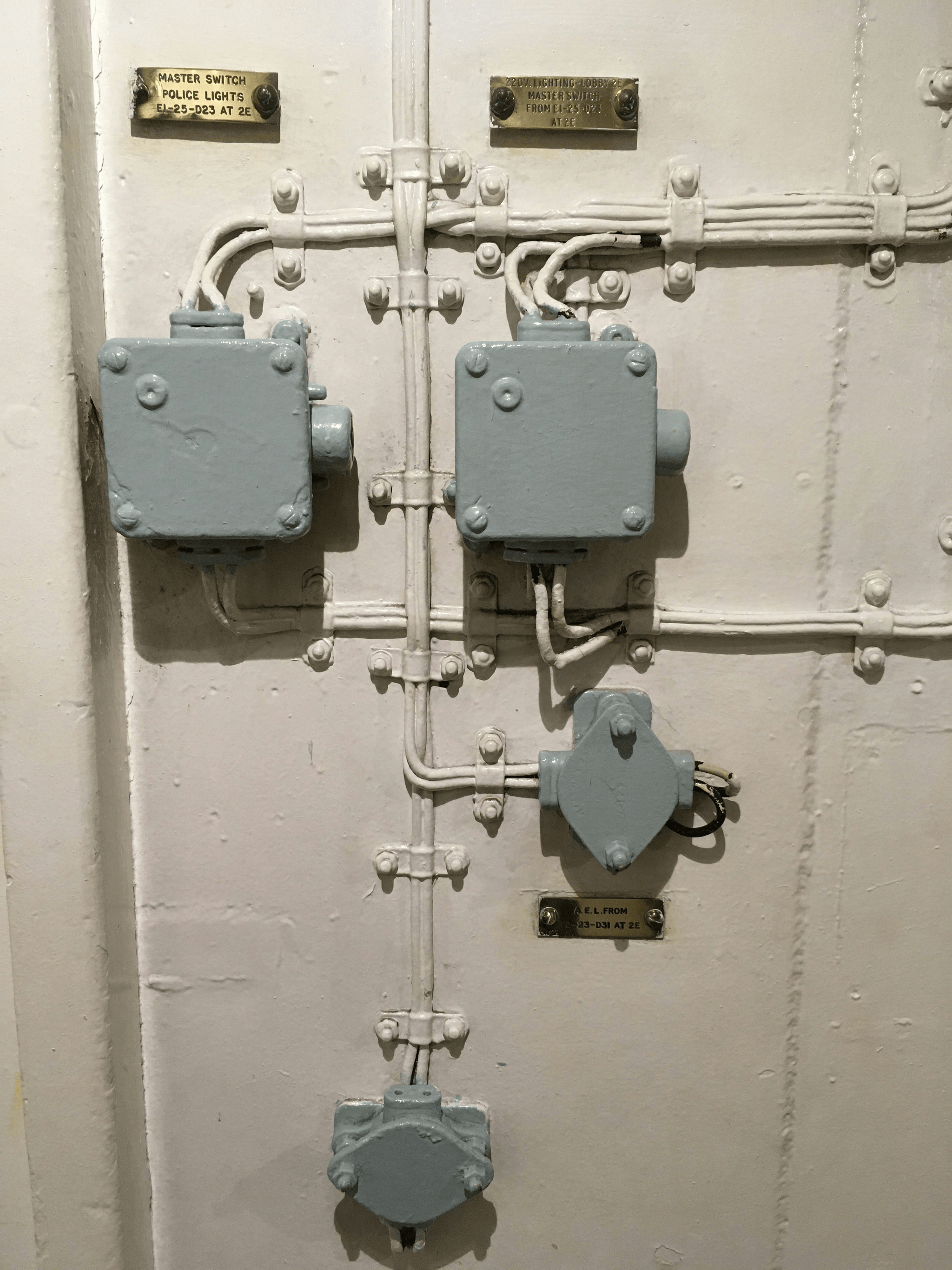
Insulation resistance tests are a critical component of comprehensive switchgear inspection, ensuring the durability and reliability of electrical insulation before deployment. These tests help identify potential weaknesses in insulation materials that could lead to failures during operation, saving time and costly repairs later. Incorporating insulation resistance tests into your plan for third party inspection for switchgear guarantees an unbiased assessment of the equipment’s insulating integrity.
Performing high voltage tests on switchgear components is essential to confirm that insulation can withstand operational stresses. These electric tests on secondary wiring verify that all connections are sound and capable of handling voltage without breakdowns. By integrating these tests into your inspection plan, you minimize the risk of electrical failures caused by inadequate insulation or wiring faults, ultimately enhancing safety.
Interpreting test results correctly is paramount in any effective switchgear inspection process. Understanding how to analyze insulation resistance measurements allows technicians to distinguish between acceptable variations and genuine issues requiring corrective action. Proper interpretation supports sequence testing procedures by ensuring each phase meets safety standards, thereby preventing future electrical failures and maintaining system reliability.
Implementing Sequence Testing for Switchgear
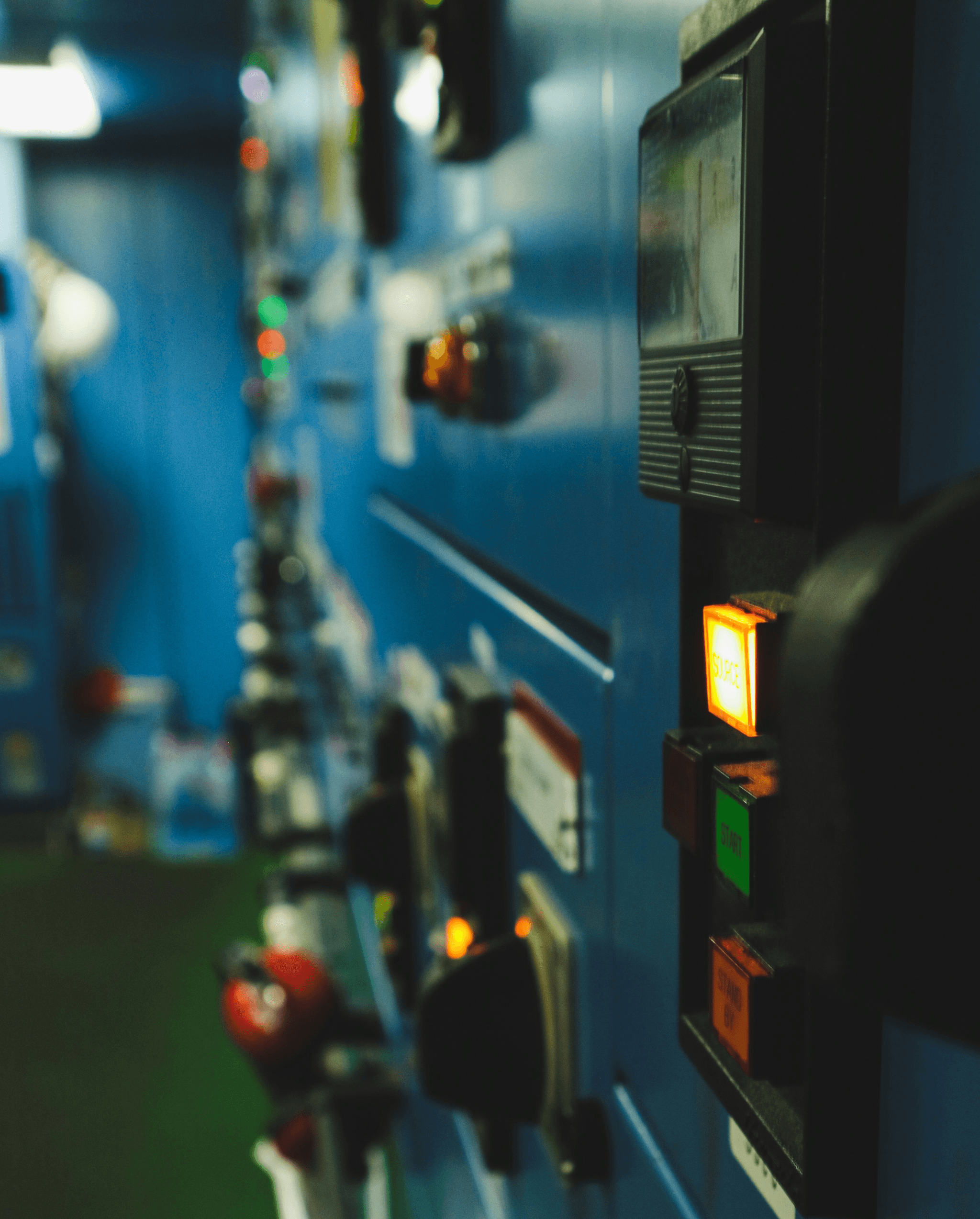
Implementing sequence testing is a crucial step in ensuring that switchgear operates safely and reliably. Proper sequence testing verifies that all switching operations occur in the correct order, preventing potential electrical faults or safety hazards. Incorporating thorough sequence testing into your switchgear inspection plan helps identify issues early, saving time and costly repairs later on.
During sequence testing, each operation—such as opening or closing circuit breakers—must follow a predefined order to ensure seamless functionality. This process involves detailed planning and adherence to standards, often requiring third party inspection for switchgear to verify compliance with industry norms. High voltage tests and electric tests on secondary wiring are integral components of this process, as they confirm the integrity of the entire switching sequence under realistic conditions.
A well-structured sequence testing procedure involves step-by-step checks that simulate real-world scenarios, ensuring that safety interlocks and control systems function correctly. Insulation resistance tests should be performed beforehand to guarantee insulation durability, which directly impacts the success of subsequent high voltage tests. When these tests are properly executed, they help prevent electrical failures before deployment and ensure reliable operation throughout the switchgear’s lifespan.
Ensuring Sequential Operations for Safety
Ensuring sequential operations for safety begins with understanding the critical steps involved in switchgear inspection and testing. Properly sequencing operations prevents accidental energization or de-energization that could endanger personnel or damage equipment. Engaging third party inspection for switchgear during this phase adds an extra layer of confidence by verifying that all sequences adhere to safety standards and industry best practices.
Safety-focused sequence testing also involves verifying interlocks and control logic systems—these are crucial in preventing unsafe operation sequences. High voltage tests are typically conducted after confirming correct secondary wiring connections through electric tests on secondary wiring; these ensure no faults exist before applying high stress conditions. The ultimate goal is a foolproof operational flow that guarantees personnel safety while maintaining system reliability.
Step-by-Step Sequence Testing Procedures
The first step in sequence testing is preparing a comprehensive plan that details each operation's order within the switchgear inspection process. This plan should include specific instructions for engaging switches, circuit breakers, and protective relays—all verified through third party inspection services if possible—to ensure compliance with standards like IEC or IEEE protocols. Once prepared, start with low-voltage checks such as insulation resistance tests to confirm insulation durability before progressing to high voltage tests.
Next comes executing each step meticulously: open circuits before closing them again in a controlled manner, observe interlock functions during each transition, and document every action thoroughly for future reference or troubleshooting purposes. During these procedures, electric tests on secondary wiring play a vital role—they verify proper connections and detect faults early on so corrective actions can be taken promptly before high voltage application occurs.
Finally, after completing initial steps successfully without anomalies, proceed cautiously with high voltage tests under strict supervision—these validate insulation integrity under stress conditions essential for safe operation post-installation. Conducting these steps systematically ensures the entire switchgear system functions as intended during sequential operations while adhering to safety protocols reinforced by third party inspection for switchgear whenever necessary.
Troubleshooting and Corrective Actions
Troubleshooting during sequence testing can sometimes feel like detective work—faults may manifest unexpectedly due to wiring errors or insulation issues uncovered during electric tests on secondary wiring or high voltage tests. When problems arise, it’s critical to revisit earlier steps such as insulation resistance tests; these often reveal root causes like degraded insulation materials or improper connections affecting overall system performance.
Corrective actions involve rectifying identified faults—this might mean rewiring certain sections based on findings from third party inspection reports or replacing damaged insulators revealed during high voltage tests. Once corrections are made, repeat key parts of the sequence testing process to confirm resolution; this iterative approach guarantees that all issues are addressed comprehensively before final commissioning.
Remember: thorough documentation of troubleshooting steps enhances future inspections by providing valuable insights into recurring problems or potential design flaws related to switchgear operation sequences. Integrating rigorous troubleshooting with systematic corrective actions ensures your switchgear will perform reliably under all conditions—a true testament to effective plan implementation within your overall inspection strategy.
Conclusion
A well-executed switchgear inspection is the backbone of electrical safety and system reliability. Rigorous testing, including high voltage tests, insulation resistance tests, and electric tests on secondary wiring, ensures that every component performs as intended under real-world conditions. When these elements are thoroughly checked through a comprehensive plan, the risk of unexpected failures diminishes significantly, giving stakeholders peace of mind.
Engaging in third party inspection for switchgear elevates the entire process by providing an unbiased verification of all test results and inspections. Professional quality inspection services bring expertise in conducting high voltage tests and sequence testing, ensuring compliance with industry standards. This external validation not only boosts confidence but also helps identify potential issues before they escalate into costly failures or safety hazards.
Building confidence with comprehensive testing and verification hinges on a detailed inspection plan that incorporates all critical elements—be it insulation resistance tests or electric tests on secondary wiring. A structured approach guarantees that each aspect of switchgear performance is scrutinized thoroughly, reducing errors and enhancing overall system integrity. Ultimately, investing in professional switchgear inspection services demonstrates a commitment to safety, quality assurance, and operational excellence.