
Introduction
Regular Solar Panel Inspection is essential for maintaining optimal performance and extending the lifespan of your solar energy system. Over time, dirt, weather, and wear can cause subtle damage that might go unnoticed without a thorough check. Incorporating comprehensive inspections that include Electroluminescence (EL) imaging for micro-crack and cell defect detection, visual inspection, soldering quality assessment, and IV curve testing ensures your panels stay in top shape.
Keeping an eye on the condition of glass and backsheet materials, frame integrity, and junction box connections is equally important. These elements play a crucial role in preventing potential failures and electrical hazards that could compromise your investment. By regularly performing these checks, you can identify issues early on before they escalate into costly repairs or efficiency losses.
China Inspection Pro stands out as a trusted partner in solar panel care because of their expertise in conducting detailed inspections. Their team employs advanced techniques like EL imaging to detect micro-cracks that are invisible to the naked eye while also verifying soldering quality and junction box reliability. With their support, you can ensure your solar panels operate at peak performance over time.
Visual Inspection for Immediate Damage
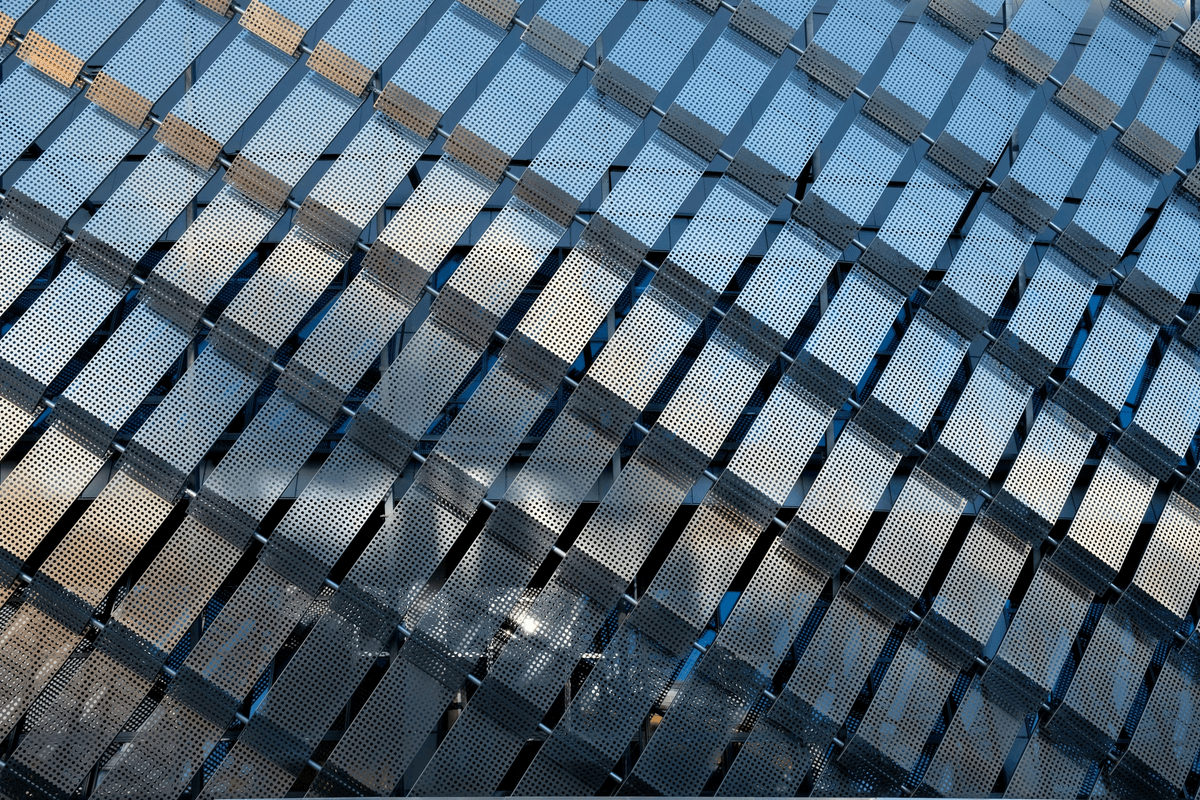
When it comes to Solar Panel Inspection, a keen eye is your first line of defense. Visual inspection allows technicians to spot obvious issues like cracks, chips, or discoloration that could compromise performance or safety. Catching these problems early helps prevent further damage and ensures the longevity of your solar investment.
Checking for Cracks and Chips
Cracks and chips are the nemeses of efficient solar panels, often caused by hail, debris, or thermal stress. During visual inspection, carefully examine the glass surface for any visible fractures or chips that could lead to micro-cracks over time. These tiny flaws might seem insignificant but can severely impact energy output if left unnoticed; this is where Electroluminescence (EL) imaging becomes invaluable for micro-crack detection.
Inspecting Glass and Backsheet Condition
The glass covering protects the internal cells from environmental elements, making its condition critical in Solar Panel Inspection. Look for signs of delamination, fogging, or discoloration on the glass and backsheet that could indicate material degradation. A thorough visual check helps identify weather-related damage early and ensures the backsheet maintains its durability—vital for long-term performance.
Frame Integrity and Mounting Hardware
A sturdy frame keeps everything in place; any looseness or corrosion can spell trouble down the line. During inspection, verify that the frame is free from rust, warping, or physical damage and ensure mounting hardware remains secure and intact. Frame integrity plays a pivotal role in maintaining connection stability during wind storms or harsh weather conditions—neglect here can jeopardize overall system reliability.
Soldering Quality and Connection Checks
Ensuring the soldering quality in solar panels is a critical step in a thorough Solar Panel Inspection. Poor solder joints can cause significant performance drops, electrical failures, and long-term damage if not caught early. Conducting detailed visual inspections for signs of cold solder joints or cracks helps identify potential issues before they escalate.
The junction box plays a pivotal role in maintaining reliable connections within the solar panel system. During inspection, it’s essential to check for corrosion, loose wiring, or damaged terminals that could jeopardize overall system performance. Using IV curve testing alongside visual inspection provides a comprehensive picture of connection integrity and helps prevent connection failures that might otherwise lead to costly repairs.
Electroluminescence (EL) imaging for micro-crack and cell defect detection has revolutionized how we approach connection checks. This advanced technique reveals hidden defects that are invisible to the naked eye, ensuring soldering quality remains top-notch. Regularly integrating EL imaging into your Solar Panel Inspection routine guarantees micro-cracks or cell defects don’t slip through the cracks, safeguarding long-term durability.
Electroluminescence Imaging for Micro-Crack Detection
Electroluminescence (EL) imaging has revolutionized Solar Panel Inspection by allowing technicians to uncover hidden micro-cracks and cell defects that are invisible to the naked eye. This advanced technique shines a current through the solar cells, causing imperfections to emit light, revealing potential issues lurking beneath the surface. Incorporating EL imaging into your routine Solar Panel Inspection ensures you catch problems early, preventing costly failures down the line.
Using EL Imaging to Find Hidden Defects
While visual inspection can reveal obvious damage like cracks or chips on glass and backsheet surfaces, many micro-cracks and cell defects remain concealed within the silicon layers. Electroluminescence (EL) imaging for micro-crack detection offers a non-destructive way to expose these hidden flaws with high precision. By employing this technique during Solar Panel Inspection, technicians can identify subtle issues that could compromise energy output or lead to future breakdowns.
Micro-Crack and Cell Defect Identification
Micro-cracks often originate from manufacturing processes or physical impacts but can be challenging to detect without specialized tools like EL imaging. These tiny fractures in solar cells diminish their ability to generate power efficiently, making IV curve testing less effective at revealing their presence until performance drops significantly. Combining EL imaging with regular Solar Panel Inspection enables a comprehensive assessment of soldering quality, junction box connections, and overall cell health—ensuring each component maintains optimal performance.
Benefits of Advanced Imaging Techniques
The benefits of incorporating advanced imaging techniques such as EL into your Solar Panel Inspection routine are numerous: early detection of micro-cracks prevents long-term degradation, improves reliability, and extends panel longevity. It also helps verify the integrity of soldering quality and junction box connections before issues escalate into costly repairs or replacements. When it comes to maintaining peak efficiency in your solar arrays, leveraging EL imaging alongside visual inspection and IV curve testing makes all the difference in safeguarding your investment.
Glass and Backsheet Durability
Ensuring the glass and backsheet of your solar panels are in top shape is crucial for sustained performance. During a thorough Solar Panel Inspection, technicians assess for impact damage caused by hail, debris, or harsh weather conditions that can crack or weaken the protective layers. A detailed visual inspection helps identify any signs of material degradation early on, preventing costly repairs and maintaining optimal energy output over time.
Assessing Impact and Weather Damage
Impact from hailstones or falling debris can leave hidden cracks in the glass that compromise panel integrity. Using advanced Soldering quality checks during a Solar Panel Inspection allows technicians to spot areas where damage may have occurred but isn't immediately visible. Weather-related wear often manifests as delamination or clouding, which can be detected through careful visual inspection combined with Electroluminescence (EL) imaging for micro-crack and cell defect detection—crucial steps to ensure long-term durability.
Testing for Material Degradation
Over years of exposure to UV rays, moisture, and temperature fluctuations, both the glass and backsheet materials may degrade, reducing their protective qualities. Conducting IV curve testing during regular inspections helps identify performance drops that could stem from material fatigue or micro-cracks not visible to the naked eye. Incorporating EL imaging for micro-crack detection provides an extra layer of assurance by revealing hidden defects lurking beneath the surface before they escalate into major issues.
Ensuring Long-Term Protection
Maintaining the durability of glass and backsheet components ensures your solar panels continue to operate at peak efficiency well into their lifespan. A comprehensive Solar Panel Inspection includes checking frame integrity and mounting hardware alongside junction box assessments to prevent water ingress or corrosion that could accelerate material breakdowns. Regularly testing these elements guarantees long-term protection against environmental assaults while safeguarding your investment in clean energy.
Junction Box and Wiring Integrity
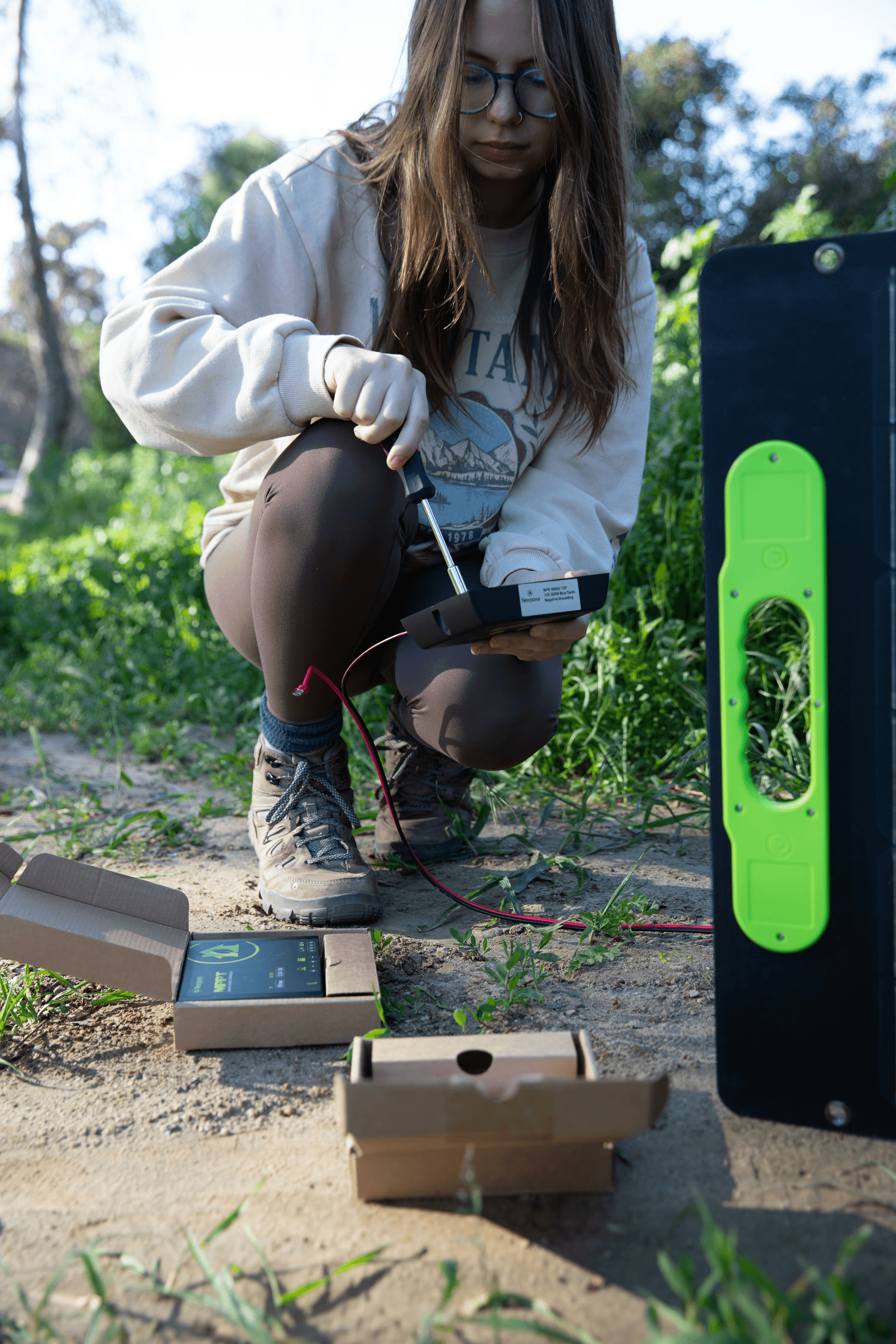
Ensuring the junction box and wiring are in top shape is a critical part of thorough Solar Panel Inspection. Over time, exposure to weather elements can cause corrosion or damage that may compromise electrical performance. Regular checks help identify issues early, preventing costly repairs and ensuring the system runs at peak efficiency.
Checking for Corrosion and Damage
Corrosion is the silent killer lurking within junction boxes, often hiding behind the scenes until it causes a major malfunction. During a comprehensive Solar Panel Inspection, inspecting for signs of rust or corrosion on the junction box and wiring is essential. Damage from moisture or debris can lead to increased resistance, which not only hampers energy output but also raises safety concerns.
Confirming Proper Terminations
Proper terminations are vital for maintaining reliable electrical connections within solar panels. Loose or improperly connected wires can cause intermittent power loss or even sparks—definitely not what you want during a sunny day! A meticulous visual inspection ensures all connections are secure, tight, and correctly terminated, reducing the risk of connection failures down the line.
Preventing Electrical Hazards
Electrical hazards are no joke—they pose safety risks to maintenance crews and can damage your entire solar investment if overlooked. Ensuring that wiring is intact without frays or exposed conductors should be part of every Solar Panel Inspection routine. Incorporating IV curve testing allows technicians to verify that current flow aligns with expected performance metrics, catching potential issues before they escalate into dangerous problems.
IV Curve Testing for Performance Analysis
IV curve testing is the ultimate performance detective in the realm of Solar Panel Inspection. By analyzing the current-voltage relationship, technicians can pinpoint exactly where a panel might be underperforming or experiencing issues. This method provides a clear snapshot of the panel’s health, going beyond visual inspection to reveal hidden problems like soldering quality issues or degraded junction boxes that could be limiting energy output.
Understanding the IV curve data allows for precise detection of micro-cracks and cell defects that might escape even Electroluminescence (EL) imaging for micro-crack and cell defect detection. When panels aren't producing as much power as they should, IV curve testing helps identify whether poor glass and backsheet condition or compromised frame integrity are culprits. Regularly conducting these tests ensures your solar installation maintains peak efficiency over time.
Ensuring optimal energy output starts with interpreting IV curves correctly—spotting dips or irregularities can signal underlying problems with wiring integrity or junction box connections. It’s a proactive step in Solar Panel Inspection that prevents minor issues from escalating into costly repairs down the line. When combined with thorough visual inspection and assessments of soldering quality, IV curve testing becomes an indispensable tool to keep your solar system performing at its best.
Conclusion
A thorough Solar Panel Inspection is the backbone of maximizing your investment’s value and longevity. Regular checks, including Electroluminescence (EL) imaging for micro-crack and cell defect detection, help identify hidden issues before they turn into costly repairs. Combining visual inspection with other techniques ensures every component—from soldering quality to glass and backsheet condition—is up to par, safeguarding your system’s efficiency.
Ensuring the integrity of the junction box and wiring is just as vital as performing IV curve testing for performance analysis. These steps help catch potential electrical hazards early, preventing downtime and energy loss. When all these elements—visual inspection, soldering quality, glass durability, frame integrity, junction box health, and IV curve testing—are regularly monitored through comprehensive Solar Panel Inspection, your panels will keep performing at their peak for years to come.
Partnering with a trusted service like China Inspection Pro makes this process seamless. Their expertise ensures that every aspect of your solar panel system is evaluated with precision using advanced tools like EL imaging for micro-crack detection and detailed IV curve testing. With their support, you can rest assured that your solar investment remains efficient, reliable, and long-lasting.