
Introduction

In the bustling environment of a factory, clarity and precision are paramount. This is where Work Instructions come into play, serving as the backbone of operational success. By providing clear guidelines for tasks, these instructions not only streamline processes but also ensure that quality control remains a top priority.
The Role of Work Instructions in Factories
Work Instructions are essential tools that guide employees through their daily tasks, ensuring everyone is on the same page. They act as a roadmap for workers, detailing step-by-step procedures to follow and minimizing confusion on the shop floor. When implemented effectively, these instructions can significantly enhance productivity and foster a culture of accountability.
How Work Instructions Enhance Quality Control
Quality Control thrives on consistency and reliability, both of which are bolstered by well-crafted Work Instructions. By standardizing processes, these instructions help reduce variability in output and maintain high standards across production lines. Ultimately, this leads to fewer defects and higher customer satisfaction—two critical components of any successful manufacturing operation.
What Makes Effective Work Instructions?
Effective Work Instructions share several key characteristics that set them apart from mediocre ones. They must be clear, concise, and easily accessible to all employees involved in the process. Additionally, incorporating visual aids can further enhance understanding and retention—making it easier for workers to adhere to quality control measures without second-guessing themselves.
Understanding Work Instructions
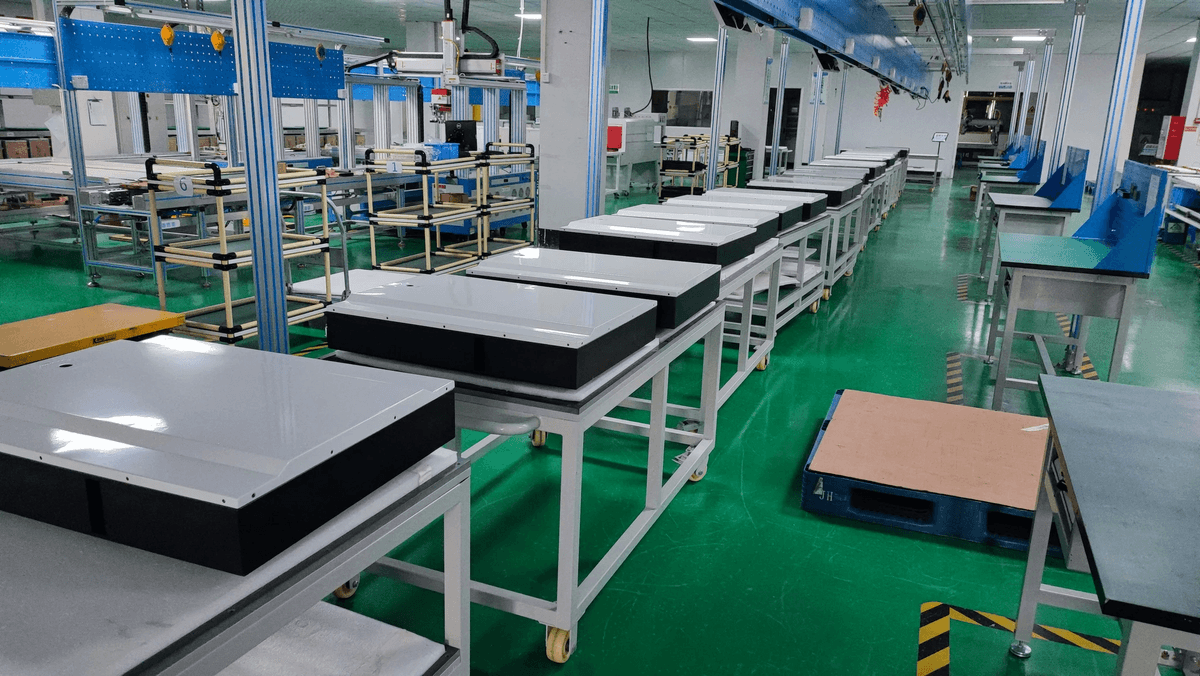
Work instructions are essential documents that guide employees in performing their tasks accurately and efficiently. They serve as a roadmap, detailing the steps required to complete a specific process or operation within a factory setting. The purpose of these instructions is not only to enhance productivity but also to uphold quality control by ensuring consistency in work practices.
Definition and Purpose of Work Instructions
At their core, work instructions are detailed guides that outline how to perform specific tasks or processes in the workplace. Their primary purpose is to provide clarity and direction, reducing ambiguity for employees while enhancing overall efficiency. By defining standard operating procedures, work instructions play a crucial role in maintaining quality control across various operations.
The Connection Between Work Instructions and Efficiency
The relationship between work instructions and efficiency is straightforward: clear guidance leads to streamlined processes. When employees have access to well-structured work instructions, they can execute tasks more quickly and with fewer errors, ultimately boosting productivity levels. This link between effective documentation and operational efficiency underscores the importance of crafting high-quality work instructions.
Common Types of Work Instructions
There are several types of work instructions utilized in factories, each serving different purposes depending on the task at hand. Some common forms include step-by-step guides, checklists, flowcharts, and visual aids like diagrams or photographs that illustrate processes visually. Understanding these various types helps organizations determine what makes effective work instructions tailored to their specific needs.
Boosting Quality Control with Work Instructions

In the world of manufacturing, the importance of effective Work Instructions cannot be overstated. They serve as the backbone of Quality Control, ensuring that every step in a process is executed with precision and consistency. By leveraging well-structured Work Instructions, factories can significantly enhance their operational efficiency and product quality.
Streamlining Processes for Consistency
One of the primary benefits of implementing Work Instructions is their ability to streamline processes across various production lines. Consistency is key in manufacturing; when every worker follows the same set of instructions, it minimizes variations that can lead to defects or inconsistencies in output. By standardizing procedures through clear and concise Work Instructions, factories not only enhance quality control but also foster an environment where employees feel confident in their tasks.
Moreover, streamlined processes allow for easier training and onboarding of new staff members. With effective Work Instructions at hand, new employees can quickly adapt to established workflows without needing extensive oversight or retraining from experienced workers. This leads to a more cohesive team that understands its role in maintaining high-quality standards.
Reducing Errors and Improving Output
Another significant advantage of utilizing Work Instructions is their role in reducing errors during production. When workers have access to detailed instructions that outline each step clearly, they are less likely to make mistakes that could compromise product quality. This reduction in errors not only boosts overall output but also enhances worker morale; employees take pride in producing high-quality products consistently.
Furthermore, effective Work Instructions often include troubleshooting tips or common pitfalls to avoid, which further decreases the likelihood of errors occurring on the shop floor. By addressing potential issues proactively within the documentation itself, factories can create a robust framework for Quality Control that preempts problems before they arise. Ultimately, this focus on error reduction translates into higher customer satisfaction and trust in the brand.
Case Studies in Effective Quality Control
To illustrate how powerful effective Work Instructions can be for Quality Control, consider a case study from a leading automotive manufacturer known for its rigorous standards. This company revamped its production line by implementing comprehensive Work Instructions tailored to each station's specific needs. As a result, they saw a dramatic decrease in defect rates—down by 30%—and an increase in overall productivity by 25%.
In another example from the electronics industry, a firm faced challenges with inconsistent assembly quality across different teams due to varying levels of experience among workers. By introducing standardized Work Instructions featuring visual aids and step-by-step guidance, this company was able to unify their approach significantly; even less experienced team members achieved results comparable to seasoned professionals within weeks! These case studies highlight how what makes effective Work Instructions goes beyond mere documentation—they are transformative tools for achieving excellence in Quality Control.
Elements of Effective Work Instructions

Creating effective work instructions is crucial for ensuring quality control in any factory setting. The elements that contribute to high-quality documentation can make or break the efficiency of operations. Let's dive into what makes effective work instructions truly shine.
Clarity and Conciseness in Documentation
Concise language ensures that workers can quickly grasp the necessary actions without wading through unnecessary jargon—after all, time is money in manufacturing.
Effective work instructions should communicate exactly what needs to be done, step by step, with no room for ambiguity. This clarity not only enhances quality control by minimizing mistakes but also boosts overall productivity, as employees spend less time deciphering complex directions. Remember, when writing your work instructions, aim for simplicity; the clearer the message, the smoother the operation!
Visual Aids and Their Importance
A picture is worth a thousand words—especially when it comes to work instructions! Incorporating visual aids such as diagrams, flowcharts, and photographs can significantly enhance understanding and retention of information among employees. These graphics serve as quick reference points that help workers visualize processes and outcomes while adhering to quality control standards.
Visual aids also cater to different learning styles within your workforce; some people grasp concepts better through images than text alone. By providing a blend of written instruction and visual support in your work instructions, you create a more inclusive environment that promotes effective learning and execution of tasks. Ultimately, this leads to fewer mistakes and higher-quality outputs—what's not to love?
Regular Updates to Maintain Relevance
In today's fast-paced manufacturing landscape, stagnation is not an option! Regularly updating your work instructions ensures they remain relevant amid evolving processes or technologies—after all, what worked yesterday might not cut it today! Keeping these documents fresh helps maintain high-quality control standards while empowering employees with accurate information.
Schedule periodic reviews of your work instructions and solicit feedback from those who use them daily; they often have valuable insights about what's working well and what isn't. This collaborative approach fosters a culture of continuous improvement within your factory while ensuring everyone stays on the same page regarding procedures. Remember: outdated information can lead to costly errors; keep those work instructions current!
Implementing Work Instructions in Your Factory

Implementing effective Work Instructions in your factory is not just a checkbox on your to-do list; it’s a strategic move towards enhanced Quality Control. The right approach can transform how tasks are executed, ensuring consistency and efficiency across the board. Let’s dive into the steps that will help you create and implement these vital documents effectively.
Steps to Create Effective Work Instructions
Creating effective Work Instructions begins with understanding what makes them truly effective. Start by clearly defining the task at hand: what needs to be done, who will do it, and under what conditions? Gather input from employees who perform these tasks daily; their insights can illuminate nuances that may be overlooked by management. Next, draft the instructions in a clear and concise manner, focusing on step-by-step guidance that minimizes ambiguity. Incorporate visual aids where appropriate—think diagrams or flowcharts—to enhance comprehension further. Finally, review and test the instructions with actual users before finalizing them; this ensures they are practical and user-friendly.
Training Employees to Use Work Instructions
Once you've crafted your Work Instructions, it's time for the fun part: training! This step is crucial as even the best instructions are useless if no one knows how to use them properly. Organize training sessions where employees can familiarize themselves with the new documentation; consider hands-on demonstrations for more complex tasks to reinforce learning. Encourage questions during these sessions—this dialogue can uncover areas where further clarification is needed or highlight potential improvements in your instructions. Remember, ongoing support is key; offer refresher courses periodically to keep everyone sharp and ensure adherence to Quality Control standards.
Overcoming Resistance to Change
Change can often feel like an uphill battle—especially when it involves implementing new Work Instructions that shake up established routines. To overcome resistance, communicate openly about why these changes are necessary and how they contribute to improved Quality Control outcomes for everyone involved. Involve employees in discussions about potential challenges they foresee with the new instructions; their input not only fosters buy-in but also helps identify any adjustments needed for smoother transitions. Celebrate small wins along the way as teams begin using their new tools effectively—recognition goes a long way in easing apprehension about change.
Quality Assurance Through Professional Inspection

In the dynamic landscape of manufacturing, quality assurance is paramount. Professional inspection services, like those offered by China Inspection Pro, play a crucial role in enhancing quality control by ensuring that work instructions are followed meticulously and effectively. These inspections not only verify compliance with standards but also provide insights that help factories refine their processes for optimal output.
How China Inspection Pro Enhances Quality Control
China Inspection Pro elevates quality control by conducting thorough inspections that assess adherence to established work instructions. By evaluating whether employees follow these guidelines accurately, they identify areas where improvements can be made, ultimately driving consistency in product quality. This proactive approach ensures that any deviations from effective work instructions are addressed promptly, reducing the likelihood of defects and enhancing overall production reliability.
Ensuring Compliance with Industry Standards
Compliance with industry standards is critical for maintaining a competitive edge in manufacturing. China Inspection Pro helps factories align their work instructions with relevant regulations and best practices, ensuring that all processes meet required benchmarks for safety and quality control. This alignment not only mitigates risks associated with non-compliance but also enhances customer confidence in products manufactured under stringent guidelines.
Making Informed Decisions with Expert Insights
With the insights provided by professional inspections, manufacturers can make informed decisions regarding their operational strategies and work instructions. Analyzing inspection reports allows factory managers to identify trends and patterns related to quality control issues, enabling them to implement targeted improvements effectively. Ultimately, leveraging expert insights leads to more robust work instructions that foster continuous improvement within the production environment.
Conclusion
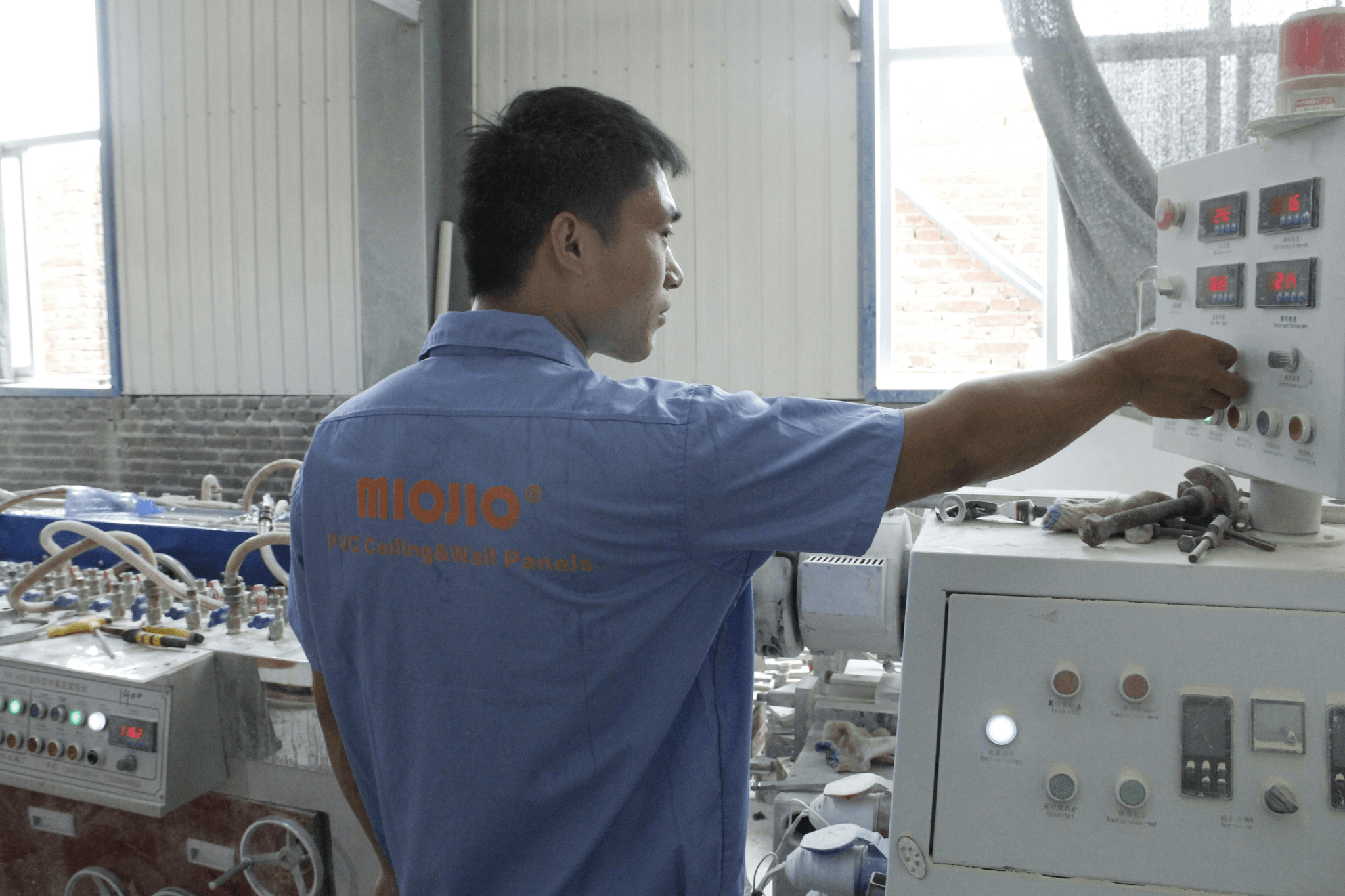
In the fast-paced world of manufacturing, the importance of adapting work instructions cannot be overstated. These documents are not merely guidelines; they are essential tools that ensure consistency and quality across all processes. By regularly updating and refining work instructions, factories can respond to changes in technology, workforce capabilities, and market demands, thus sustaining their competitive edge.
The Importance of Adapting Work Instructions
Adaptation is key when it comes to work instructions in a factory setting. As processes evolve and new technologies emerge, work instructions must reflect these changes to remain effective. If they don’t adapt, they risk becoming outdated relics that hinder rather than help quality control efforts.
Regularly revisiting what makes effective work instructions ensures that employees have access to the most relevant information available. This not only boosts morale but also enhances overall productivity by reducing confusion and errors on the shop floor. In a nutshell, adapting work instructions is not just a good practice; it's an essential strategy for maintaining high-quality standards.
Long-term Benefits for Quality Control
Investing time and resources into developing effective work instructions pays off significantly in terms of quality control over the long haul. When workers have clear guidelines to follow, they are more likely to produce consistent results that meet or exceed industry standards. This consistency translates into fewer defects and rework costs, ultimately benefiting both the bottom line and customer satisfaction.
Moreover, well-structured work instructions foster a culture of accountability among employees as they understand their roles within the quality control framework better. Over time, this leads to improved team dynamics and a shared commitment to excellence across all levels of production. The long-term benefits extend beyond immediate gains; they set the stage for sustainable growth and continuous improvement.
Essential Steps to Create Effective Work Instructions
Creating effective work instructions is no small feat, but following some essential steps can simplify the process immensely. Start by gathering input from employees who will use these documents daily; their insights can highlight practical challenges you might overlook otherwise. Next, ensure clarity by using straightforward language and incorporating visual aids where necessary—after all, a picture is worth a thousand words!
Once your initial draft is complete, pilot it with select teams before rolling it out factory-wide—this allows you to refine any areas needing improvement based on real-world feedback. Finally, establish a routine for regular updates so that your work instructions stay relevant as processes change over time. By following these steps diligently, you'll create robust work instructions that contribute significantly to quality control efforts.