
Introduction
In today’s fast-paced and fiercely competitive markets, unlocking efficiency has become more than just a goal—it’s a necessity. Lean manufacturing initiatives have emerged as powerful strategies to streamline operations, reduce waste, and boost overall productivity. But what is lean manufacturing? Simply put, it’s a systematic approach to improving processes by eliminating non-value-added activities, making every step count.
Understanding what is lean manufacturing is crucial for companies aiming to stay ahead of the curve. The benefits of lean manufacturing initiatives go beyond cost savings; they foster a culture of continuous improvement and enhance product quality. Yet, many organizations wonder how does lean manufacturing work in real-world settings, and why do some initiatives often fall short despite best intentions? Navigating these questions can be the difference between success and stagnation in your operational journey.
What is lean manufacturing?
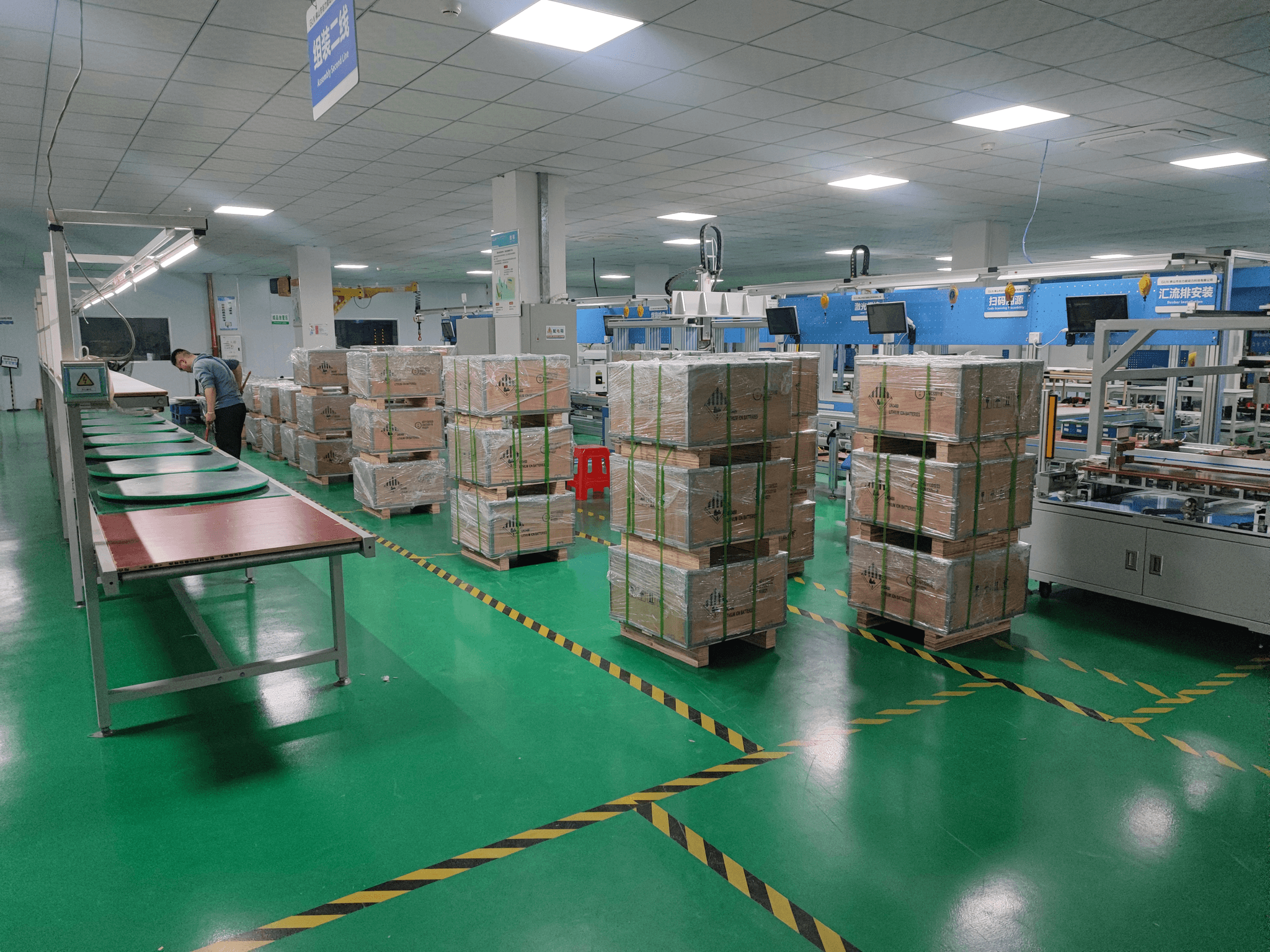
Lean manufacturing initiatives have revolutionized the way companies approach production, focusing on efficiency and waste reduction. But what exactly is lean manufacturing? Essentially, it’s a systematic approach to minimizing waste without sacrificing productivity, allowing organizations to deliver higher quality products faster and at lower costs. Understanding what is lean manufacturing helps businesses identify how these principles can be integrated into their operations for maximum benefit.
When exploring what is lean manufacturing, it’s important to recognize that its roots lie in the Toyota Production System. This methodology emphasizes eliminating non-value-added activities and streamlining processes to create more value for customers. By grasping what is lean manufacturing, companies can better appreciate how these strategies lead to improved operational performance and competitive advantage.
The benefits of lean manufacturing initiatives are numerous, from reducing costs to enhancing product quality. Knowing what is lean manufacturing also involves understanding how these initiatives contribute to a more engaged workforce and safer working environments—like those seen at BMW. So, why do companies pursue what is lean manufacturing? Because it offers tangible benefits such as waste elimination, process efficiency, and improved customer satisfaction.
Defining lean manufacturing through Toyota Production System
What is the benefit of lean manufacturing initiatives? It all starts with the Toyota Production System (TPS), which laid the foundation for modern lean practices. TPS introduced concepts like just-in-time production and jidoka (automation with a human touch), which are core elements of what is lean manufacturing today. By defining what is lean manufacturing through TPS, organizations gain insight into how continuous improvement and waste reduction can be embedded into daily operations.
Core principles that drive lean manufacturing initiatives
To understand how does lean manufacturing work, one must look at its core principles: value stream mapping, continuous flow, pull systems, perfection pursuit, and respect for people. These principles serve as guiding lights for implementing effective Lean Manufacturing Initiatives across various industries. Recognizing these fundamental ideas helps clarify why so many companies see significant benefits from adopting this approach—such as reduced lead times and increased flexibility.
Real-world examples from Honda and Ford
Real-world examples help illustrate what is lean manufacturing in action; Honda’s streamlined assembly lines exemplify waste elimination strategies that boost efficiency while maintaining high quality standards. Similarly, Ford’s adoption of Lean Manufacturing Initiatives led to faster production cycles and better inventory management—showcasing how understanding what is lean manufacturing can translate into tangible results on the factory floor. These success stories underscore why many manufacturers consider Lean Manufacturing Initiatives essential for staying competitive in today’s fast-paced markets.
The benefits of lean manufacturing initiatives
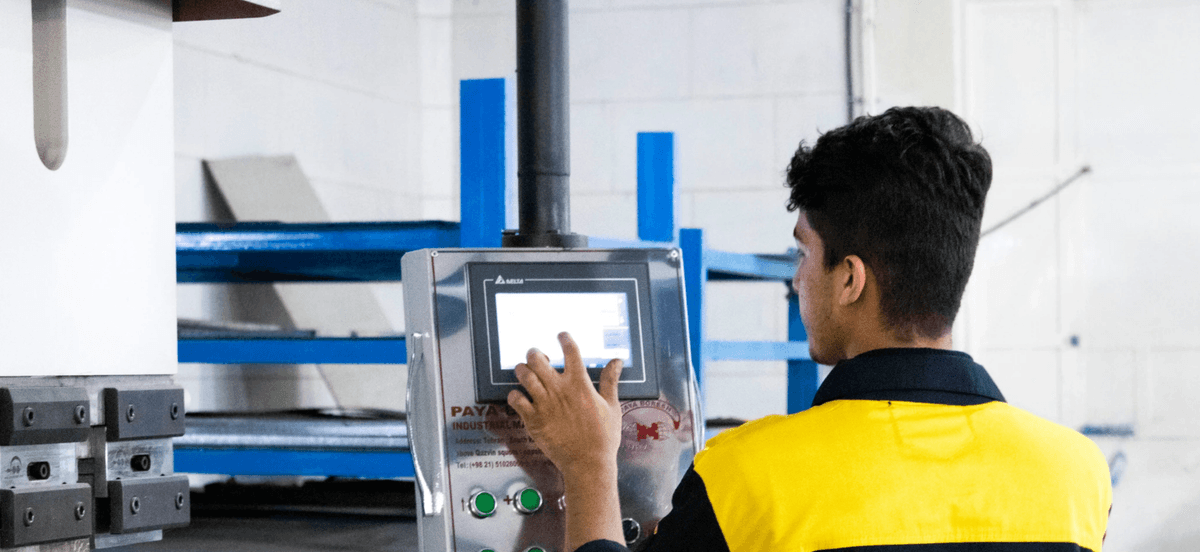
Implementing Lean Manufacturing Initiatives can be a game-changer for companies aiming to boost efficiency and cut costs. When you understand what is lean manufacturing, you'll see how it streamlines operations by eliminating waste and optimizing resources. The true benefit of lean manufacturing initiatives lies in creating a smoother workflow that saves money and time, ultimately improving the bottom line.
Cost reduction and waste elimination strategies
One of the most compelling reasons to embrace what is lean manufacturing is its focus on cost reduction through waste elimination strategies. By identifying non-value-adding activities, companies can cut unnecessary expenses, reduce inventory costs, and improve cash flow. These initiatives often lead to faster turnaround times and more competitive pricing because they target inefficiencies at their root.
Improving product quality with lean practices
Another key benefit of lean manufacturing initiatives is the significant improvement in product quality. Lean principles emphasize continuous improvement—what is the benefit of lean manufacturing initiatives if not delivering better products? Through standardized processes and rigorous quality checks, organizations can minimize defects, reduce rework, and ensure customer satisfaction remains high.
Enhancing employee engagement and safety at BMW
Beyond cost savings and quality enhancements, lean manufacturing initiatives also foster a safer work environment while boosting employee engagement—something BMW has mastered well. When workers are involved in process improvements and empowered to suggest changes, morale soars along with safety standards. After all, why lean manufacturing initiatives often fall short often boils down to neglecting the people who make it all happen; engaging employees ensures sustained success.
How does lean manufacturing work?
Understanding how lean manufacturing initiatives operate is crucial for any organization aiming to boost efficiency and cut waste. At its core, it involves a series of strategic steps designed to streamline processes, eliminate unnecessary steps, and optimize resource use. By breaking down complex workflows into manageable segments, companies can identify bottlenecks and areas ripe for improvement—making every part of the production line work smarter, not harder.
Streamlining processes with value stream mapping at General Electric
One of the most powerful tools in the lean manufacturing initiatives toolkit is value stream mapping. General Electric has mastered this technique by visually charting every step involved in their production process—from raw materials to finished products. This clear visualization helps pinpoint inefficiencies and wasteful activities, allowing teams to implement targeted improvements that enhance flow and reduce lead times. When you understand exactly where waste lurks, it becomes much easier to streamline operations and maximize value.
Implementing continuous improvement with Toyota’s Kaizen approach
Toyota’s famous Kaizen approach embodies the philosophy of continuous improvement—an essential element of how lean manufacturing works. Through small, incremental changes driven by employee suggestions and management support, Toyota keeps refining its processes day after day. This relentless pursuit of perfection helps sustain lean manufacturing initiatives over the long haul while fostering a culture where everyone feels responsible for quality and efficiency.
Leveraging technology and automation for lean success at Amazon
In today’s fast-paced world, technology plays a pivotal role in making lean manufacturing initiatives successful—Amazon knows this well. By integrating automation tools, data analytics, and smart robotics into their supply chain operations, Amazon accelerates decision-making while reducing errors and delays. These technological advancements exemplify how leveraging innovation can amplify the benefits of lean principles—delivering faster service without sacrificing quality or safety.
Common obstacles to successful lean implementation
Implementing Lean Manufacturing Initiatives is not always a walk in the park; many organizations stumble over familiar hurdles. Resistance to change remains one of the most persistent challenges, exemplified by General Motors' struggles with employee pushback and cultural inertia. When teams are comfortable with old routines, introducing new practices can seem threatening, making it difficult for companies to realize what is lean manufacturing? and fully harness its benefits.
Cultural barriers in large organizations often act as invisible walls that hinder progress. Companies that don't foster a culture of continuous improvement or fail to communicate the why behind these initiatives often see efforts stall—highlighting why lean manufacturing initiatives often fall short without proper buy-in. Overcoming these barriers requires leadership's commitment and clear messaging about what is lean manufacturing and how it benefits everyone involved.
Managing vendor and supplier alignment issues also poses a significant obstacle, especially for multinational giants like Samsung. If suppliers aren’t aligned with lean principles, it disrupts the entire value stream, undermining what is the benefit of lean manufacturing initiatives? To succeed, companies must ensure their partners understand and adopt similar standards—otherwise, waste creeps back in, defeating the purpose of these initiatives.
Overcoming challenges with real-world solutions
Implementing Lean Manufacturing Initiatives can be a game-changer, but it’s not without its hurdles. One of the key factors in overcoming these obstacles is strong leadership commitment, which sets the tone for the entire organization. When top executives actively champion what is lean manufacturing, they inspire employees to embrace change and foster a culture that supports continuous improvement.
The role of leadership exemplified by Intel’s executive commitment
Intel’s success with Lean Manufacturing Initiatives highlights how vital leadership is in navigating challenges. Their executives prioritized lean principles, ensuring resources and support were available throughout the transformation process. This unwavering commitment helped prevent common pitfalls where initiatives often fall short due to lack of strategic direction or buy-in from upper management.
Training and employee involvement strategies at Procter & Gamble
Training plays a crucial role in making what is lean manufacturing? more effective within organizations like Procter & Gamble. By investing in comprehensive training programs and encouraging employee involvement, they created a sense of ownership that drives sustained improvements. When workers understand the benefits of lean practices and are actively engaged, it reduces resistance and boosts overall success.
The importance of quality inspection and standards with China Inspection Pro
Maintaining high standards through quality inspection is essential for long-term success in lean initiatives—especially when scaling globally. China Inspection Pro emphasizes rigorous standards to ensure waste reduction aligns with what is lean manufacturing? principles. Regular inspections and adherence to strict quality benchmarks help prevent setbacks that often cause initiatives to fall short by compromising product integrity or efficiency.
Conclusion
Understanding why lean manufacturing initiatives often fall short is crucial for anyone aiming to implement or sustain these practices successfully. Many organizations jump into lean without fully grasping what is lean manufacturing, leading to superficial changes that don’t deliver long-term benefits. Recognizing the common pitfalls—such as resistance to change or cultural barriers—can help prevent wasted effort and ensure your efforts in lean manufacturing initiatives truly stick.
Building a sustainable lean culture for long-term success requires more than just adopting new tools; it demands a deep commitment to continuous improvement and aligning everyone around the core principles of what is lean manufacturing. When organizations focus on fostering employee engagement, standardizing procedures, and maintaining quality standards, they create an environment where lean initiatives thrive. After all, understanding how does lean manufacturing work? is only half the battle—the other half is nurturing a mindset that embraces ongoing evolution.
Key takeaways to start or refine your lean journey today include clearly defining your goals, investing in training, and ensuring leadership buy-in from the top down. Knowing what is the benefit of lean manufacturing initiatives? can motivate teams by highlighting cost savings, waste reduction, and quality improvements. Remember, successful implementation hinges on consistent effort and a willingness to adapt—so don’t be discouraged if progress seems slow at first; persistence pays off.