
Rub Test on Lighting Rating Label
The rub test on lighting rating labels is designed to evaluate how well these labels can withstand physical wear and tear. After all, a label that fades or peels can lead to confusion and misinterpretation of vital product information.
Ensuring Label Durability
Label durability is paramount in lighting testing, as poor-quality labels can lead to misinformation about LED products. The rub test simulates real-world conditions where labels may be exposed to abrasion from handling or environmental factors. By putting the labels through this rigorous evaluation, manufacturers can ensure that essential details about energy efficiency and safety remain visible throughout the product's lifespan.
Compliance with Industry Standards
Compliance with industry standards is a non-negotiable aspect of any effective lighting testing regimen, particularly when it comes to the rub test on lighting rating labels. Regulatory bodies have established guidelines for label durability that manufacturers must adhere to in order for their products to be market-ready. Meeting these standards not only enhances consumer trust but also helps companies avoid costly recalls or legal issues down the line.
Real-World Application Insights
The insights gained from applying rub tests in real-world scenarios are invaluable for manufacturers and consumers alike. For instance, an LED product with a robust label can provide peace of mind regarding its performance specifications and compliance with safety regulations—essentially a stamp of quality assurance in an increasingly crowded market. As we continue exploring various facets of LED technology—including fatigue tests for LED lighting and assembly checks for LED products—it's clear that thorough testing creates better outcomes across the board.
Fatigue Test for LED Lighting
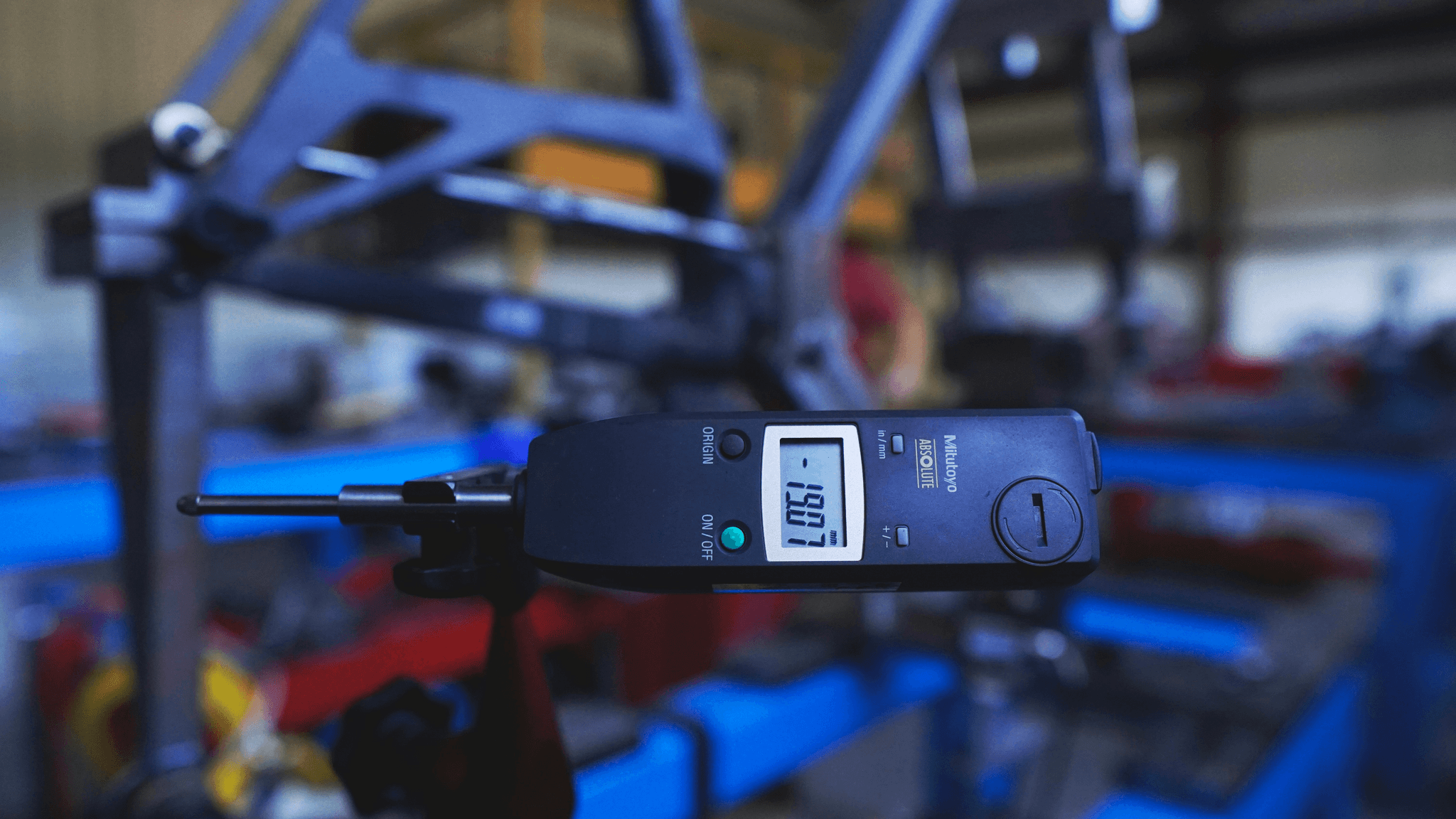
This test simulates prolonged usage conditions to evaluate how well an LED light can withstand the rigors of daily operation over time. By analyzing long-term performance, manufacturers can identify potential weaknesses that might not be apparent during initial inspections.
Analyzing Long-Term Performance
The fatigue test for LED lighting provides invaluable insights into how these products perform over extended periods. By subjecting LEDs to cycles of on and off operations, we can observe their functionality under stress and track any degradation in performance. This analysis is essential as it helps predict when an LED might fail, allowing manufacturers to improve their designs and ensure reliability.
Incorporating this kind of rigorous testing early in the production process means fewer surprises down the line. For quality assurance teams, understanding long-term performance through fatigue tests informs better decision-making regarding materials and assembly processes—essentially making every component count in the assembly check for LED products.
Data from Industry Experts
Industry experts emphasize that data derived from fatigue tests is crucial for setting benchmarks in lighting testing standards. According to recent studies, LEDs that have undergone thorough fatigue testing show significantly improved lifespans compared to those that haven’t been tested adequately. This data not only helps manufacturers enhance their product offerings but also reassures consumers about the durability of their purchases.
Furthermore, experts recommend regular updates to testing protocols based on emerging technologies and materials used in LEDs today. With advancements in manufacturing techniques, it's vital for companies to adapt their fatigue tests accordingly—ensuring they remain relevant and effective as new challenges arise.
Case Studies on LED Lifespan
Several case studies illustrate how effective fatigue testing has transformed the landscape of LED lifespan predictions within various industries. For example, a prominent manufacturer implemented a rigorous series of fatigue tests that revealed unexpected failure points in their lighting components after just a few thousand hours of use—information they used to make significant design improvements.
Another case study highlighted a company that had relied solely on traditional function tests prior to incorporating endurance testing into its protocol; once they adopted comprehensive fatigue assessments, they noted an impressive increase in customer satisfaction due to fewer product failures reported post-sale. These real-world examples underscore why integrating multiple forms of lighting testing—including torque tests for lighting components and hi-pot tests for compliance—is essential for producing high-quality products.
In conclusion, understanding the implications of fatigue testing is paramount not only for manufacturers but also for consumers who rely on quality assurance measures like assembly checks and rub tests on lighting rating labels before making purchasing decisions.
Assembly Check for LED Products
This process involves scrutinizing each component to confirm that they are not only present but also properly integrated into the final product. After all, even the best LEDs can falter if they’re assembled with subpar components or lack proper attention during manufacturing.
Verifying Component Integrity
Verifying component integrity is like giving your LED product a thorough health check-up; it’s essential for optimal performance and longevity. During this phase of lighting testing, every part—from circuit boards to connectors—is inspected for defects or inconsistencies that could compromise functionality. A meticulous assembly check helps identify potential issues early on, preventing costly recalls and enhancing customer satisfaction.
Importance of Quality in Manufacturing
High-quality components lead to better performance, reduced failure rates, and ultimately a more reliable product on the market. Brands that prioritize rigorous assembly checks often find themselves reaping the rewards in customer loyalty and brand reputation—after all, nobody wants to deal with flickering lights or short-lived bulbs!
Lessons from Major Brands
Major brands have learned valuable lessons when it comes to assembly checks for LED products; their experiences can serve as a guide for others in the industry. For instance, companies that have implemented comprehensive assembly checks report significantly lower rates of product failure and higher customer satisfaction scores. These brands understand that investing time and resources into proper lighting testing—like torque tests for lighting components or function tests—can pay off immensely by ensuring their products shine bright without unexpected dimming.
Torque Test for Lighting Components
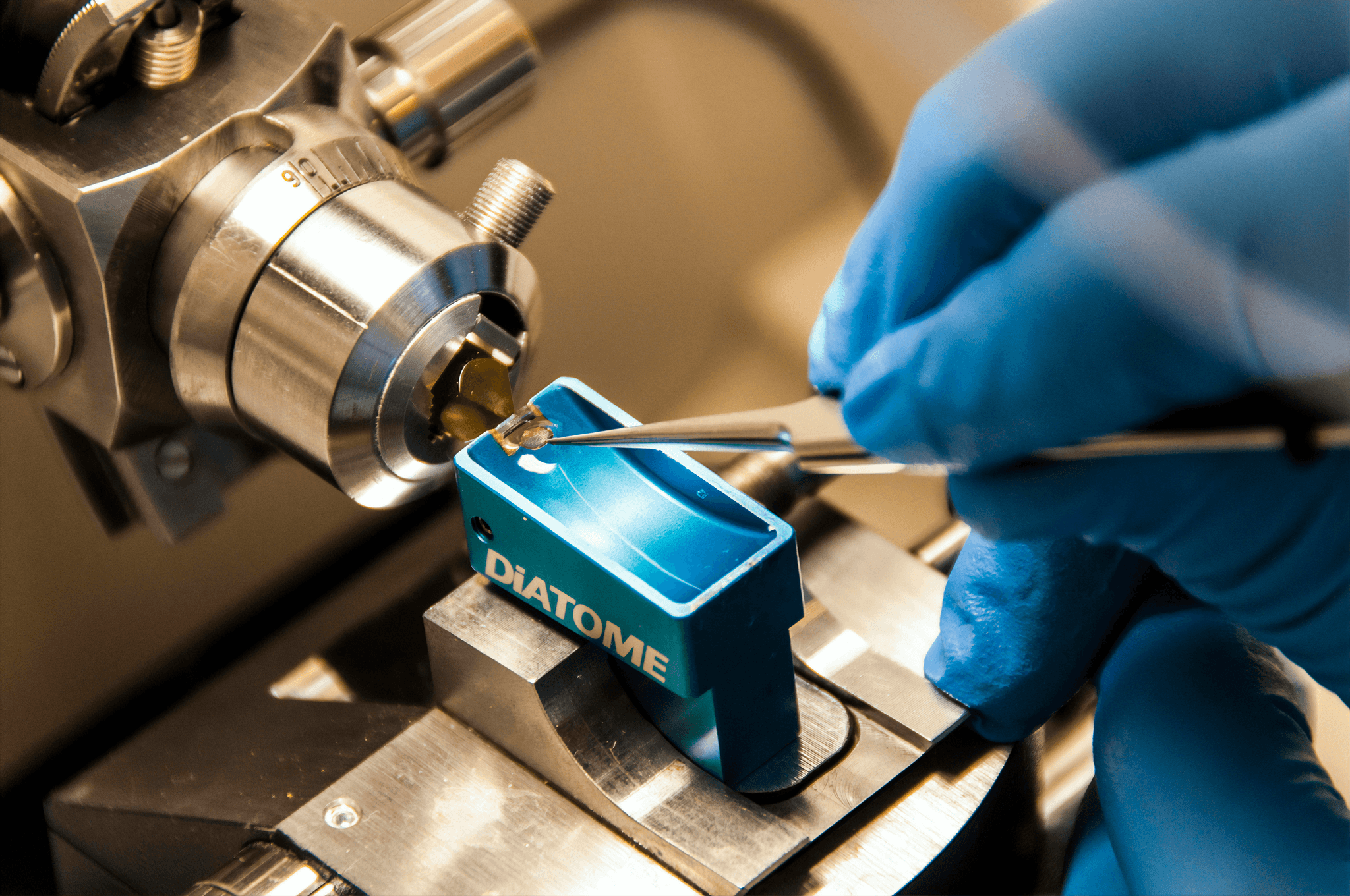
This testing method evaluates how well components can withstand mechanical stress without compromising their integrity. By measuring mechanical stability, manufacturers can identify potential weaknesses that could lead to failure during operation.
Measuring Mechanical Stability
Mechanical stability is crucial in the world of lighting testing, especially for LED products that are frequently exposed to varying environmental conditions. The torque test assesses how tightly components can be secured without causing damage, ensuring they remain intact even when subjected to vibrations or impacts. This aspect is particularly important in applications where lighting fixtures may be installed in dynamic environments, such as outdoor settings or high-traffic areas.
Additionally, torque tests help verify that critical parts like sockets and connectors maintain their performance over time. If these components aren’t securely fastened, it could lead to flickering lights or even complete failure—definitely not what anyone wants! By prioritizing mechanical stability through rigorous testing methods like the torque test, manufacturers can confidently deliver products that meet consumer expectations.
Balancing Safety and Functionality
In the realm of LED lighting testing, balancing safety with functionality is paramount. The torque test serves as a vital checkpoint in this balance; if a component is too loose or too tight, it could compromise both safety and operational efficiency. For instance, an improperly secured light fixture may pose a risk of falling or malfunctioning due to electrical shorts caused by loose connections.
Moreover, achieving this balance enhances user experience by preventing issues such as overheating or flickering lights—common complaints among consumers who rely on dependable illumination for their homes and workplaces. Therefore, manufacturers must not only focus on passing the torque test but also ensure that their designs prioritize both safety and functionality throughout the product lifecycle.
Insights from Engineering Studies
Engineering studies have consistently highlighted the importance of conducting thorough torque tests during the product development phase of LED lighting systems. These studies reveal that many failures occur due to inadequate fastening techniques or poor material choices that don’t hold up under stress—issues easily identified through proper lighting testing protocols like the torque test for lighting components.
Furthermore, insights from engineering research suggest implementing standardized procedures across all manufacturing processes can significantly reduce variability in product quality. As companies strive for excellence in their offerings, understanding these insights can help them refine their approach to assembly checks and other critical tests such as fatigue tests for LED lighting and hi-pot tests for compliance with safety standards.
The integration of these findings into regular quality assurance practices ensures that end-users receive reliable products while reinforcing brand trustworthiness—a win-win situation!
Hi-Pot Test for Compliance
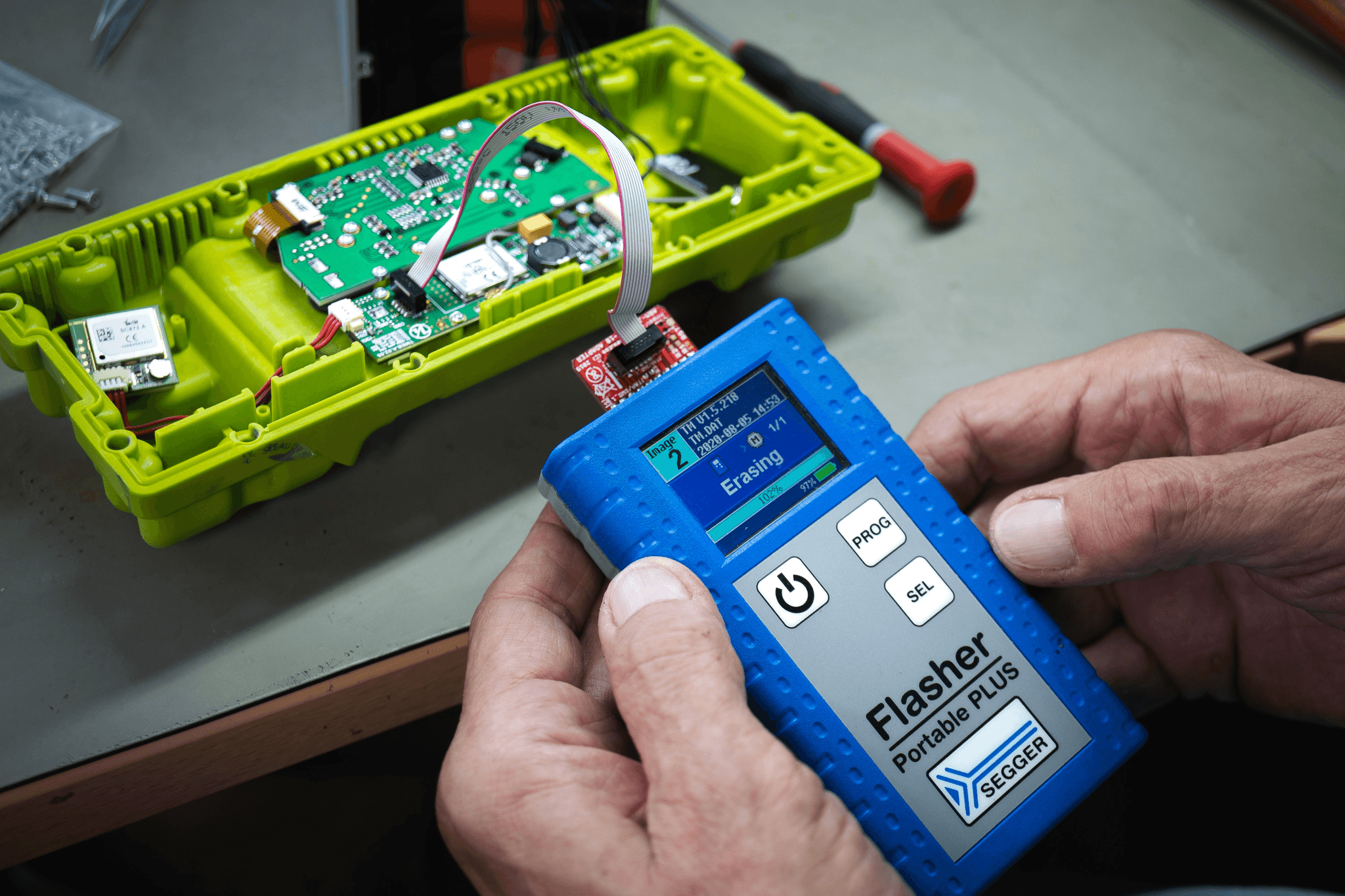
The Hi-Pot test, short for high potential test, is a crucial component of lighting testing that ensures LED lighting products meet electrical safety standards. This test evaluates the insulation strength of electrical devices by applying a high voltage to identify any weaknesses or failures in the insulation. By conducting the Hi-Pot test, manufacturers can guarantee that their LED products are safe for consumers and comply with industry regulations.
Evaluating Electrical Safety Standards
In the realm of LED lighting, evaluating electrical safety standards is non-negotiable. The Hi-Pot test serves as a benchmark to assess whether products can withstand unexpected surges without compromising safety. By adhering to these standards, manufacturers not only protect users but also enhance their reputation in an increasingly competitive market.
Moreover, passing the Hi-Pot test signifies that an LED product has undergone rigorous lighting testing processes, including assessments like the rub test on lighting rating labels and fatigue tests for LED lighting. This comprehensive approach ensures that all components are reliable and functional under various conditions. Ultimately, it builds trust with consumers who prioritize safety alongside performance.
Common Pitfalls in Testing
Despite its importance, there are common pitfalls associated with the Hi-Pot test that can undermine its effectiveness in ensuring compliance with LED lighting safety standards. One major issue arises from improper setup or calibration of testing equipment, which can lead to inaccurate readings or even false failures. Additionally, some manufacturers may skip essential preparatory steps or fail to account for environmental factors affecting performance during testing.
Another frequent oversight involves neglecting other necessary tests such as assembly checks for LED products and torque tests for lighting components before conducting the Hi-Pot assessment. This oversight could result in overlooking critical vulnerabilities elsewhere in the product's design or construction process. Therefore, a holistic approach to lighting testing is essential to mitigate risks and ensure thorough compliance.
Perspectives from Regulatory Bodies
Regulatory bodies play a pivotal role in shaping best practices around the Hi-Pot test and overall compliance within the LED industry. Their guidelines emphasize not just passing individual tests but ensuring comprehensive quality assurance through consistent application of multiple tests like endurance testing and function tests for lighting efficiency. They advocate for ongoing education among manufacturers about evolving standards and practices.
Furthermore, regulatory agencies often publish findings from inspections and studies related to common failures observed during Hi-Pot testing across various brands—insights that can be invaluable for improving product design and manufacturing processes. These perspectives highlight how vital it is to integrate feedback loops into quality assurance measures so that lessons learned from previous failures inform future designs effectively.
In summary, understanding how critical proper execution of the Hi-Pot test is within broader lighting testing frameworks helps ensure safer products reach consumers while maintaining manufacturer credibility in an ever-evolving market landscape.
Function Test for Lighting
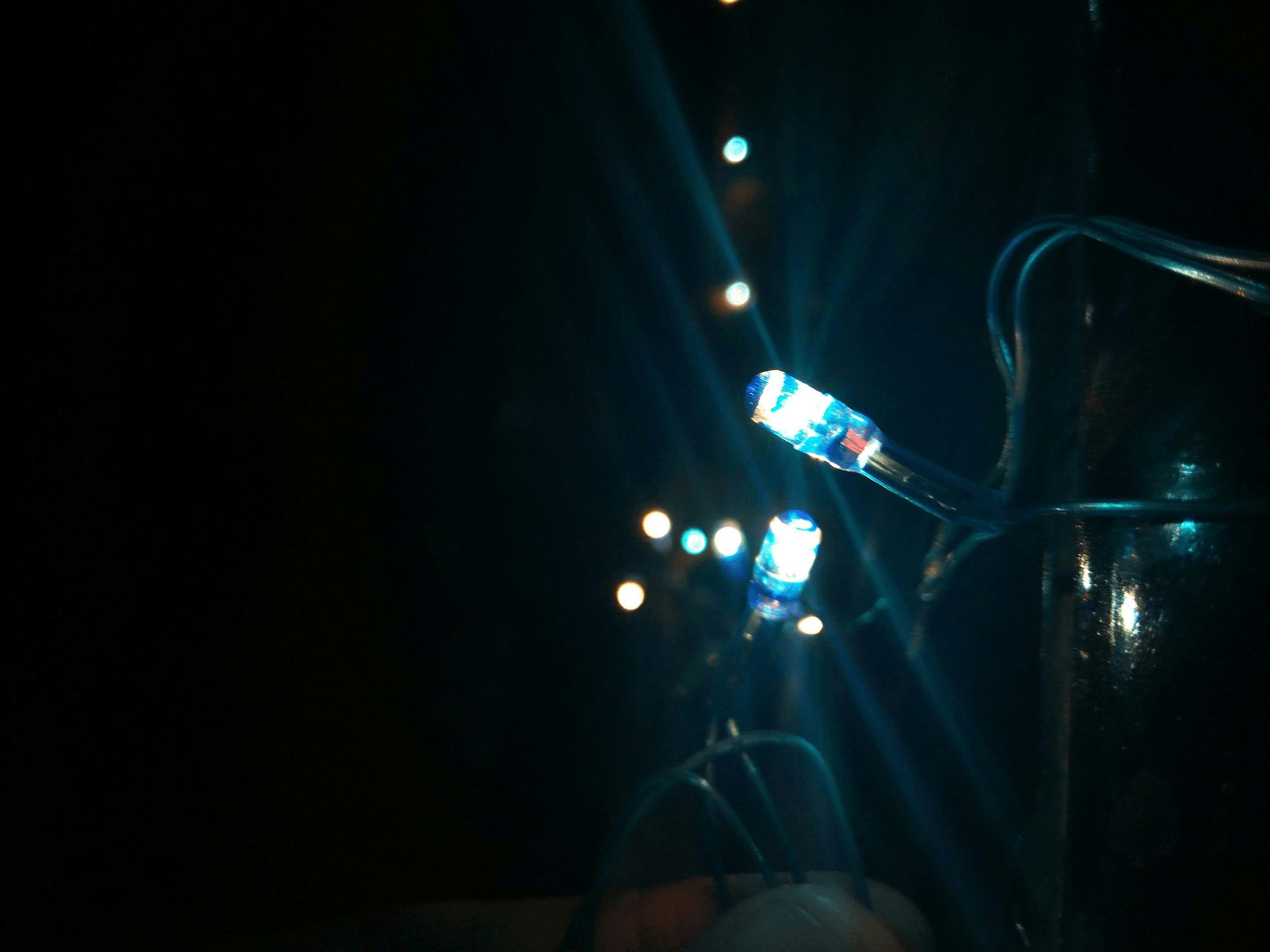
In the realm of Lighting Testing, the function test plays a pivotal role in ensuring that LED products perform as intended. This test evaluates various operational parameters, including brightness levels, color accuracy, and energy consumption. By rigorously assessing these factors, manufacturers can guarantee that their lighting solutions meet consumer expectations and industry standards.
Assessing Operational Efficiency
Assessing operational efficiency is crucial in Lighting Testing, especially when it comes to LED lighting. This involves measuring how effectively an LED product converts electrical energy into light output while minimizing waste. Efficient LED lights not only save energy but also contribute to lower operating costs for consumers—making this aspect a top priority during testing.
Testing Under Varying Conditions
Testing under varying conditions is essential for a comprehensive function test of LED products. Factors such as temperature fluctuations, humidity levels, and voltage variations can significantly impact performance. By simulating these real-world scenarios during Lighting Testing, manufacturers gain valuable insights into how their products will hold up in diverse environments.
Feedback from Quality Control Analysts
Quality control analysts provide invaluable feedback during the function test phase of Lighting Testing. Their expertise helps identify potential issues before products reach the market, ensuring that each LED light meets stringent quality standards. Additionally, their insights often lead to improvements in design and manufacturing processes—ultimately enhancing product reliability and customer satisfaction.
Endurance Testing for LED Products
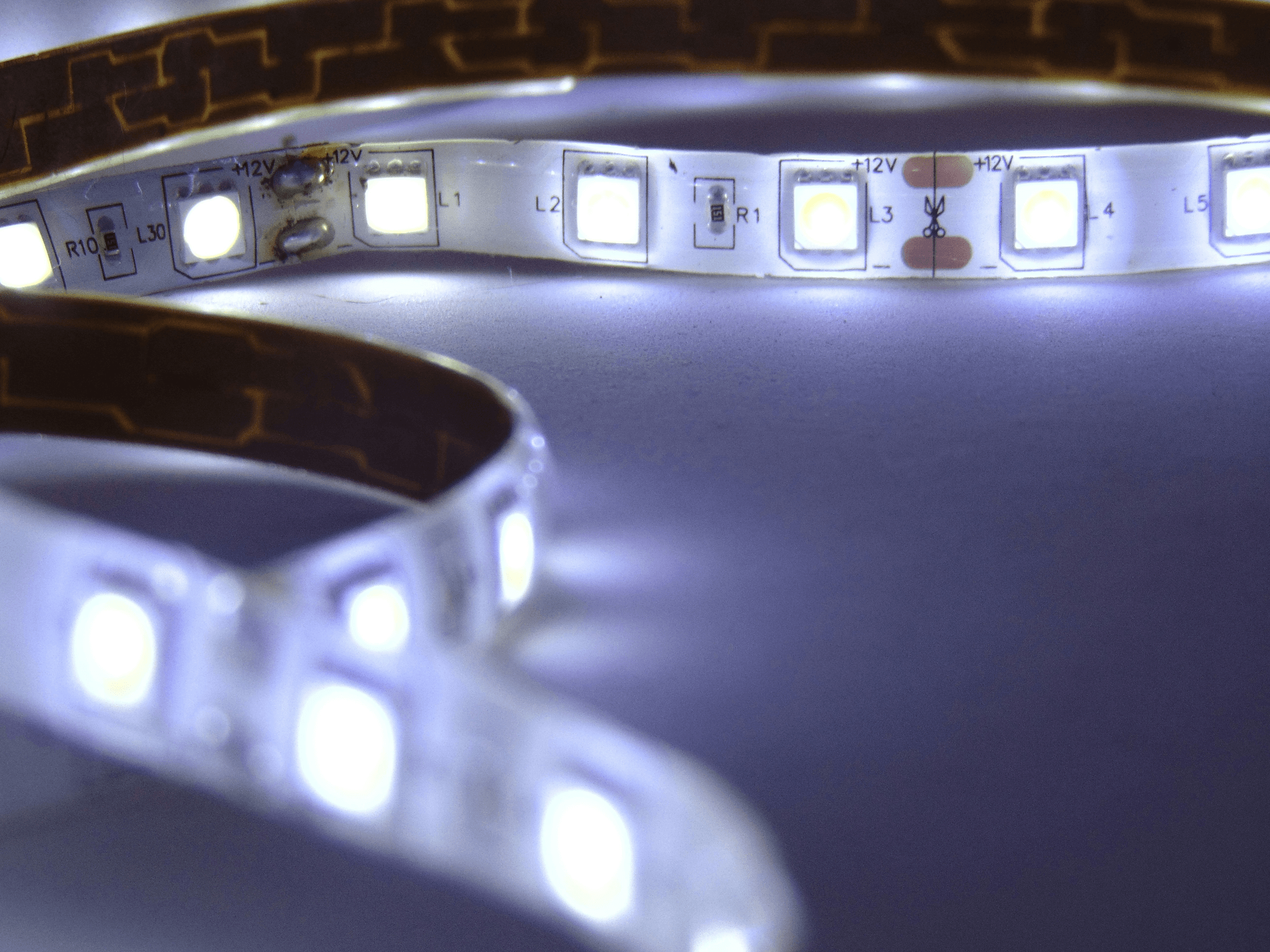
Endurance testing is a critical phase in the lighting testing process, focusing on how LED products perform over extended periods under various conditions. This type of testing simulates real-world scenarios that lights might face, ensuring they can withstand the rigors of everyday use. By putting LEDs through their paces, manufacturers can identify potential failures and address them before products hit the market.
Simulating Real-World Conditions
To truly gauge the durability of LED products, endurance testing must replicate real-world conditions as closely as possible. This involves exposing lights to fluctuations in temperature, humidity, and even power surges that they might encounter in typical environments. Such rigorous assessments help ensure that lighting products maintain performance levels and do not falter prematurely, providing peace of mind to both manufacturers and consumers alike.
Importance of Reliable Performance
Reliable performance is non-negotiable when it comes to LED lighting; after all, no one wants a light bulb that flickers or fails unexpectedly! Endurance testing plays a pivotal role in verifying that LEDs can consistently deliver brightness and efficiency throughout their intended lifespan. By ensuring reliability through comprehensive endurance tests, manufacturers not only enhance customer satisfaction but also bolster their reputation in a competitive marketplace.
Success Stories from Top Manufacturers
Several top manufacturers have reaped significant rewards from rigorous endurance testing practices within their lighting testing protocols. For instance, companies that regularly conduct fatigue tests for LED lighting have reported fewer product returns and higher customer satisfaction ratings due to improved reliability. These success stories highlight how thorough endurance testing can lead to innovations in design and manufacturing processes while ultimately contributing to the overall quality assurance of LED products.
Conclusion
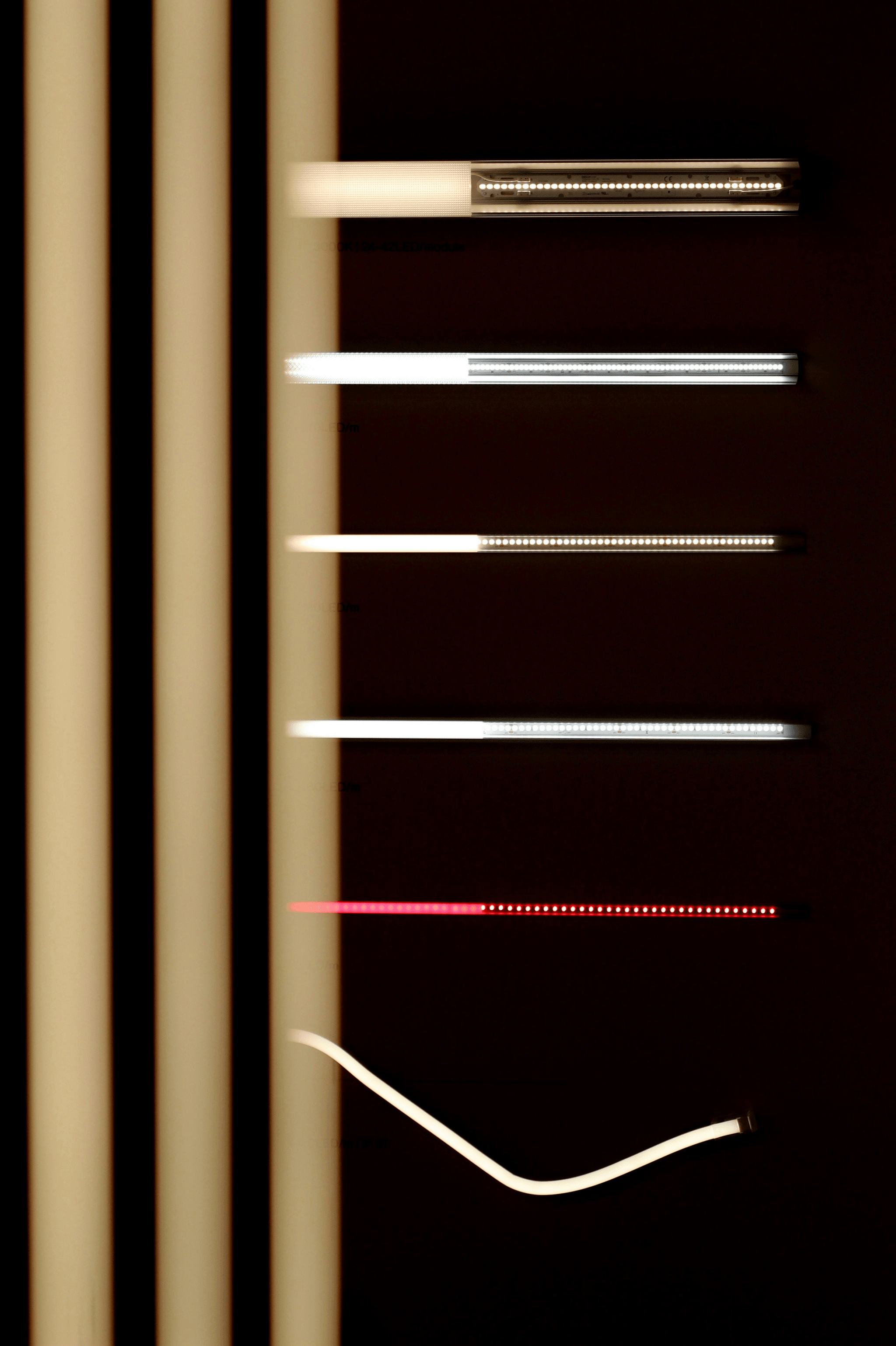
In the world of LED lighting, effective testing is not just a box to check; it's the foundation of quality and reliability. From the rub test on lighting rating labels to endurance testing, each method plays a vital role in ensuring that products meet both consumer expectations and safety standards. As we move forward, understanding these tests will be crucial for manufacturers aiming to stand out in a competitive market.
Key Takeaways on Effective Lighting Testing
First, rigorous assessments like the fatigue test for LED lighting ensure long-term performance by simulating real-world usage conditions. Additionally, an assembly check for LED products guarantees that every component is integrated correctly, minimizing potential failures down the line.
Moreover, specialized tests such as the torque test for lighting components are essential for measuring mechanical stability and ensuring safety during operation. The hi-pot test for compliance with LED lighting safety standards further emphasizes electrical integrity, protecting both consumers and manufacturers alike. Ultimately, these thorough evaluations lead to enhanced product reliability and customer satisfaction.
The Role of China Inspection Pro in Quality Assurance
China Inspection Pro plays a pivotal role in elevating quality assurance practices within the LED industry by providing comprehensive testing services tailored specifically for lighting products. Their expertise encompasses everything from function tests for lighting to more complex assessments like endurance testing, ensuring that manufacturers meet international standards without compromise. By leveraging their services, companies can confidently navigate regulatory requirements while enhancing their brand reputation through superior product quality.
Furthermore, China Inspection Pro’s commitment to continuous improvement means they stay ahead of emerging trends in lighting technology and testing methodologies. This proactive approach not only benefits clients but also fosters innovation across the industry as new challenges arise with evolving technologies. In short, partnering with China Inspection Pro is a strategic move towards achieving excellence in LED product quality.
Future Trends in LED Lighting Inspection
As we look toward the future of LED lighting inspection, several trends are poised to reshape how manufacturers approach quality assurance practices. One significant trend is the increasing integration of smart technology into traditional testing methods—think AI-driven analysis during function tests for lighting or automated systems performing rub tests on lighting rating labels with unprecedented precision. These advancements promise not only efficiency but also greater accuracy in identifying potential issues before they reach consumers.
Additionally, sustainability will likely become a focal point within endurance testing protocols as environmental concerns continue to rise globally. Manufacturers may need to adapt their processes not only to ensure compliance with existing regulations but also to align with consumer preferences for eco-friendly products that perform reliably over time. Ultimately, staying attuned to these trends will be crucial for any company looking to thrive in an ever-evolving market landscape.