
Introduction
In the fast-paced world of manufacturing, the importance of Manufacturing Safety Guidelines cannot be overstated. These guidelines serve as a crucial framework designed to protect workers, enhance productivity, and safeguard company assets. With recent factory accidents highlighting the dire consequences of neglecting safety protocols, it becomes increasingly vital for organizations to prioritize these standards.
Importance of Manufacturing Safety Guidelines
Manufacturing Safety Guidelines are essential not only for compliance with legal requirements but also for fostering a culture of safety within workplaces. They help reduce workplace injuries and fatalities, which can have devastating effects on employees and their families. Moreover, adhering to these guidelines builds trust among stakeholders and enhances a company's reputation in an increasingly competitive market.
Overview of Recent Factory Accidents
Recent factory accidents have underscored the critical need for robust safety practices in manufacturing environments. High-profile incidents have resulted in significant injuries and even fatalities, leading to increased scrutiny on operational safety measures. The repercussions extend beyond physical harm; they impact workforce morale and can lead to substantial financial losses for businesses grappling with lawsuits and damaged reputations.
Essential Safety Checks in Manufacturing
To mitigate risks associated with manufacturing operations, companies must perform essential safety checks when auditing suppliers. These checks include inspecting equipment and machinery, reviewing safety training programs, and evaluating emergency preparedness plans. By implementing these measures effectively, organizations can significantly reduce workplace hazards while ensuring compliance with Manufacturing Safety Guidelines.
Understanding Manufacturing Safety Guidelines
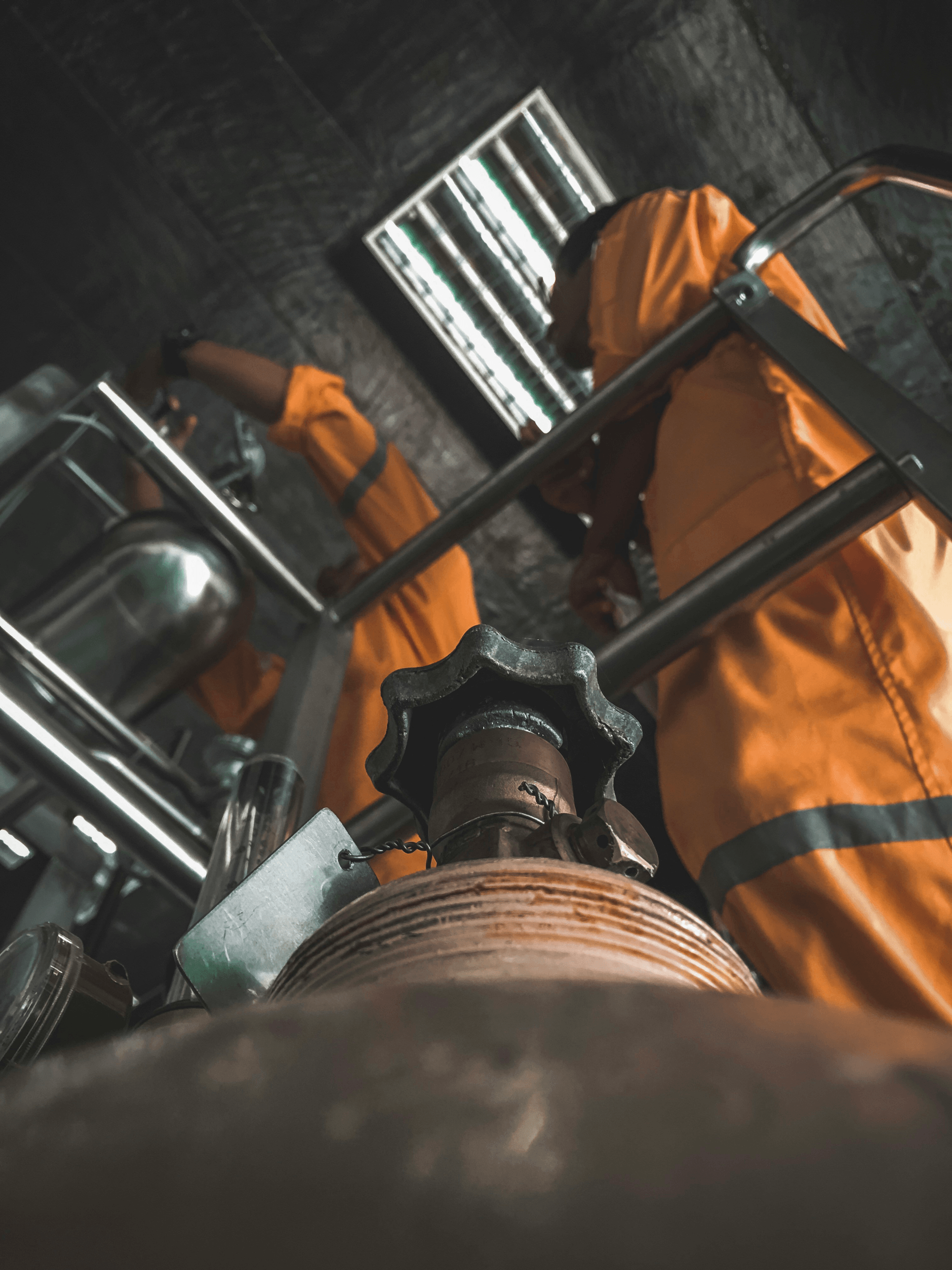
Manufacturing Safety Guidelines are essential frameworks designed to ensure a safe working environment in factories and production facilities. These guidelines serve multiple purposes, including the prevention of accidents, the protection of employees, and compliance with legal standards. By adhering to these guidelines, companies can mitigate risks associated with Recent Factory Accidents and Their Impact on both personnel and operations.
Definition and Purpose
At their core, Manufacturing Safety Guidelines are a set of protocols aimed at promoting workplace safety and health standards within manufacturing environments. Their primary purpose is to identify potential hazards, establish preventive measures, and provide employees with the necessary training to operate safely. By implementing these guidelines effectively, organizations can significantly reduce the likelihood of accidents while fostering a culture of safety among workers.
Legal Implications of Safety Compliance
Compliance with Manufacturing Safety Guidelines is not just a best practice; it is often mandated by law. Failure to adhere to these guidelines can lead to severe legal consequences for companies, including fines and lawsuits stemming from workplace injuries or fatalities. Additionally, regulatory bodies frequently conduct inspections to ensure compliance; thus, understanding the legal implications is crucial for any manufacturing entity aiming to protect itself from liability.
Impact on Employee Well-being
The impact of Manufacturing Safety Guidelines extends beyond legalities; they play a vital role in enhancing employee well-being. A safe work environment boosts morale, reduces stress levels among workers, and fosters productivity by minimizing disruptions caused by accidents or unsafe conditions. Ultimately, when employees feel secure in their workplace due to effective safety measures—like those outlined in Perform These Four Safety Checks When Auditing Suppliers—they are more likely to contribute positively to the company culture.
Recent Factory Accidents and Their Consequences
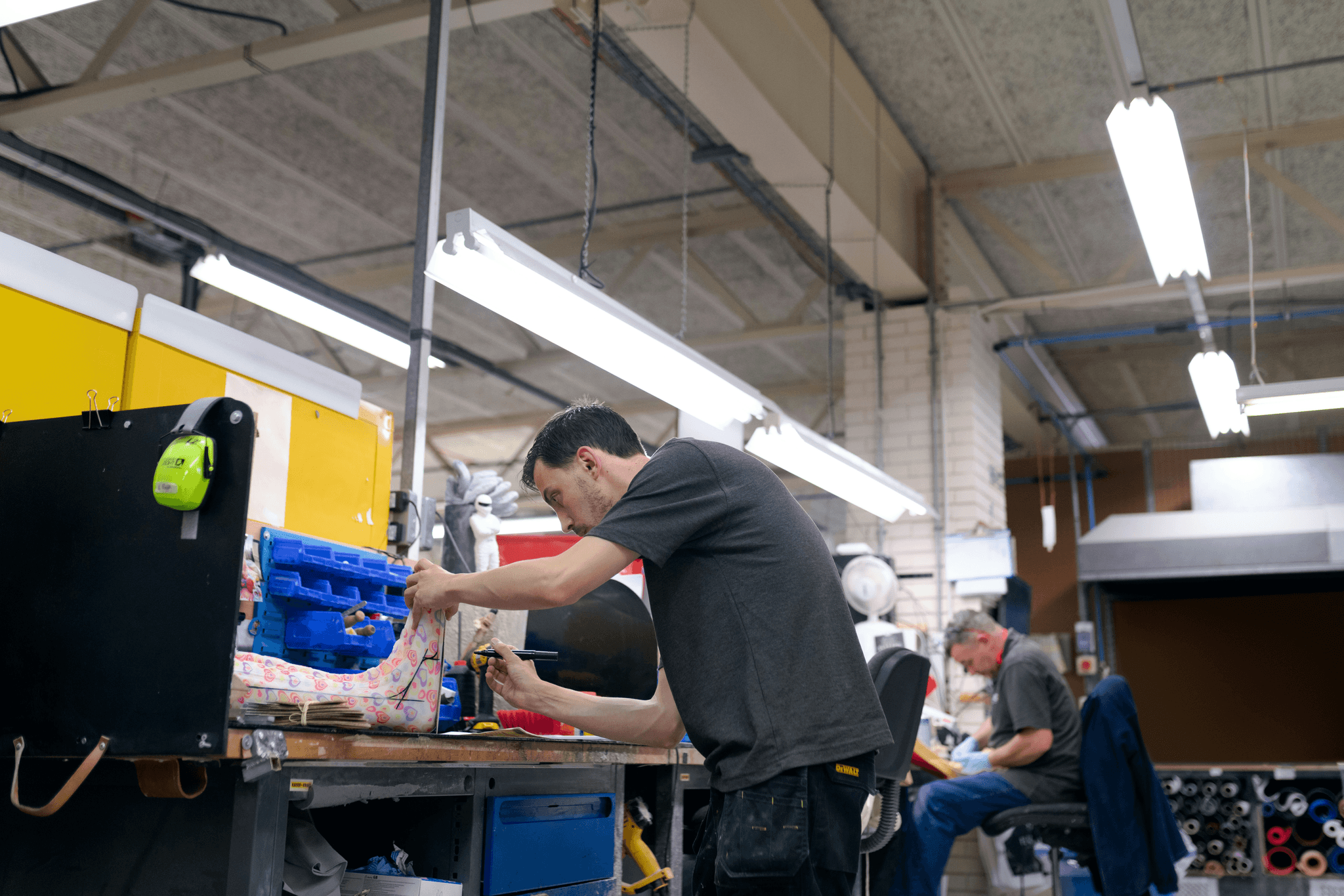
In the manufacturing sector, accidents can have devastating consequences, not just for the individuals involved but also for businesses as a whole. The critical examination of recent factory accidents highlights the urgent need for robust Manufacturing Safety Guidelines to prevent such tragedies from occurring in the future. Understanding these events helps to underscore why manufacturing safety guidelines are important and how they can save lives while protecting company assets.
Notable Case Studies
Recent factory accidents serve as stark reminders of the potential dangers lurking in manufacturing environments. For instance, a well-publicized incident at a textile factory resulted in multiple injuries due to inadequate safety measures and lack of emergency preparedness. This case exemplifies the necessity of implementing comprehensive safety checks when auditing suppliers, emphasizing that ignoring Manufacturing Safety Guidelines can lead to catastrophic outcomes.
Another notable case occurred in an automotive assembly plant where malfunctioning machinery caused serious injuries among workers. Investigations revealed that regular maintenance protocols were not followed, raising questions about adherence to established Manufacturing Safety Guidelines. Such incidents not only impact those directly involved but also ripple through entire organizations, reinforcing why are manufacturing safety guidelines important.
Economic Impact on Businesses
The economic ramifications of recent factory accidents extend far beyond immediate medical expenses; they can cripple businesses financially for years to come. Companies face hefty fines for non-compliance with safety regulations and may also experience increased insurance premiums following an accident. Furthermore, disruptions caused by accidents often lead to production delays, which can tarnish reputations and erode customer trust—making it clear that adhering to Manufacturing Safety Guidelines is crucial for financial health.
Moreover, businesses may find themselves grappling with legal battles stemming from workplace injuries or fatalities, diverting resources away from growth initiatives and innovation efforts. The costs associated with recovery and compliance can be staggering; thus, investing in proper training and equipment maintenance becomes an economically sound strategy rather than a mere regulatory obligation. This brings us back to understanding why are manufacturing safety guidelines important: they protect both human life and business viability.
Effects on Workforce Morale
The aftermath of recent factory accidents has profound effects on workforce morale that cannot be overlooked. Employees who witness or hear about workplace incidents often feel anxious about their own safety, leading to decreased productivity levels and increased turnover rates—a costly combination for any manufacturer. When workers perceive that their employers prioritize compliance with Manufacturing Safety Guidelines, it fosters trust and promotes a more engaged workforce.
Conversely, neglecting safety measures creates an atmosphere of fear and uncertainty among employees; this discontent can manifest itself in poor job performance or even sabotage efforts aimed at improving operational efficiency. As companies strive to build a culture centered on safety practices—such as performing these four safety checks when auditing suppliers—they must recognize that employee well-being directly correlates with organizational success. Ultimately, maintaining high morale hinges on demonstrating commitment through effective implementation of Manufacturing Safety Guidelines.
Why Are Manufacturing Safety Guidelines Important?
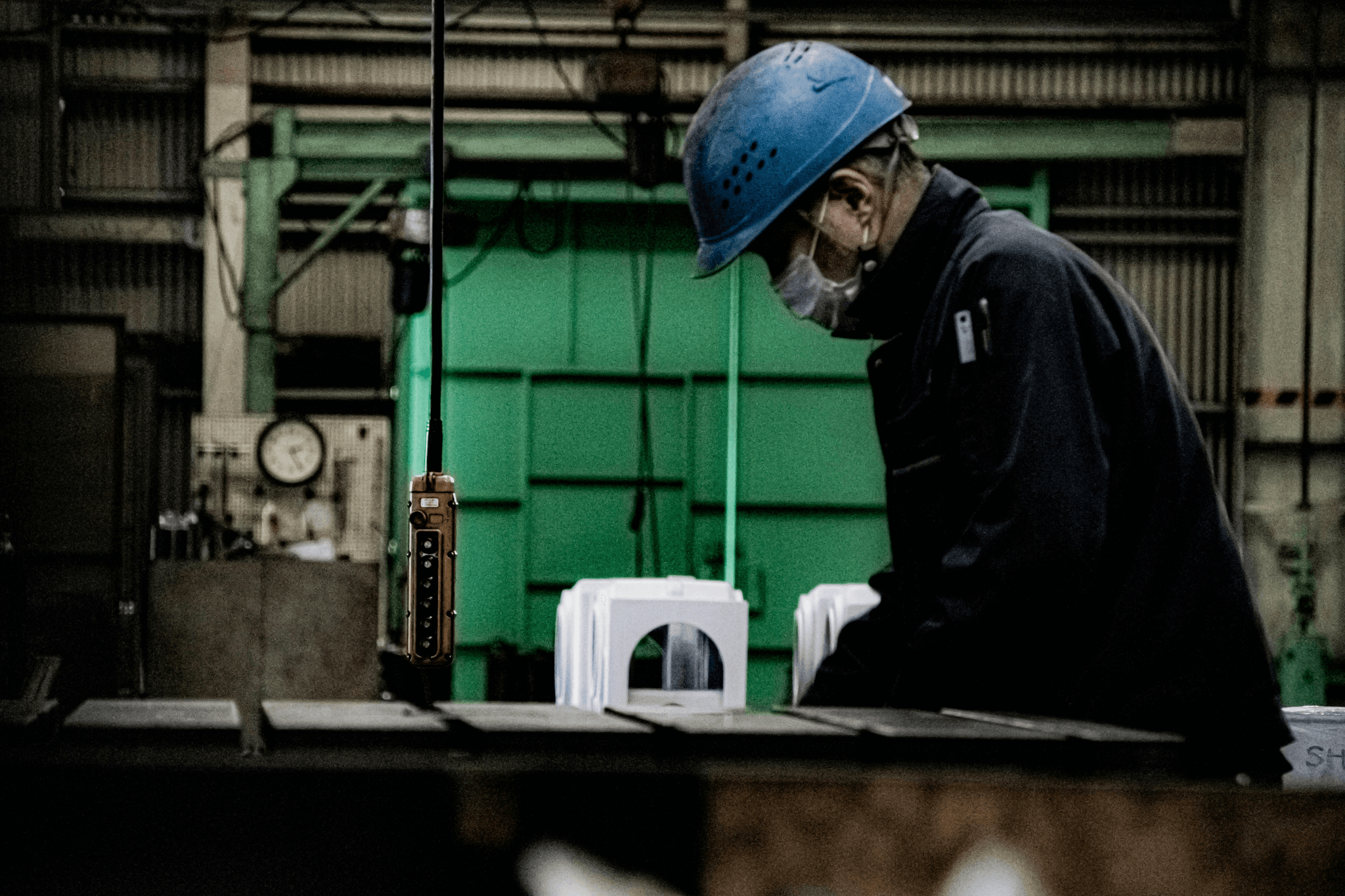
Manufacturing safety guidelines are not just bureaucratic red tape; they are essential for creating a secure work environment. With the alarming rise of recent factory accidents and their impact on both human lives and businesses, these guidelines have never been more crucial. Understanding why manufacturing safety guidelines are important can help prevent tragedies and foster a culture of safety that benefits everyone involved.
Reducing Workplace Injuries
The primary purpose of manufacturing safety guidelines is to reduce workplace injuries, which can be both costly and devastating. By adhering to these standards, companies can significantly lower the risk of accidents that lead to employee harm or even fatalities. When employees feel safe, they are more likely to focus on their tasks, leading to fewer incidents and a more productive workforce.
Enhancing Operational Efficiency
Manufacturing safety guidelines also play a pivotal role in enhancing operational efficiency. When organizations implement robust safety protocols, they minimize downtime caused by accidents or equipment failures—a common occurrence in environments lacking proper oversight. The smoother operations not only save money but also boost morale among employees who appreciate a well-managed workplace.
Protecting Company Reputation
In today's digital age, news about recent factory accidents spreads like wildfire, making it vital for companies to maintain a solid reputation for safety. A commitment to manufacturing safety guidelines demonstrates that an organization values its workforce and is proactive about preventing mishaps. This commitment can enhance customer trust and loyalty while safeguarding the company's brand image in an increasingly competitive marketplace.
Perform These Four Safety Checks When Auditing Suppliers

When it comes to ensuring adherence to Manufacturing Safety Guidelines, conducting thorough audits of suppliers is non-negotiable. Recent factory accidents and their impact underline the importance of these checks; a single oversight can lead to dire consequences not just for the workforce, but also for the company's bottom line. By performing these four essential safety checks, organizations can significantly mitigate risks and promote a culture of safety.
Inspection of Equipment and Machinery
The first step in any supplier audit should be a meticulous inspection of equipment and machinery. This involves checking for compliance with Manufacturing Safety Guidelines, ensuring that all machines are well-maintained and equipped with necessary safety features. Regular inspections help identify potential hazards before they lead to accidents, thereby reducing workplace injuries—a critical component highlighted in discussions about why manufacturing safety guidelines are important.
In addition to checking equipment functionality, auditors should also assess whether suppliers are following proper maintenance schedules as outlined in safety protocols. The goal is to ensure that no faulty machinery is left unchecked, which could have catastrophic implications reminiscent of recent factory accidents and their impact on both employees and operations. Ultimately, this proactive approach not only safeguards workers but also enhances operational efficiency by minimizing downtime caused by equipment failure.
Reviewing Safety Training Programs
Next on the checklist is reviewing safety training programs provided by suppliers. Effective training ensures that employees understand the Manufacturing Safety Guidelines relevant to their specific roles—knowledge that is crucial for preventing workplace incidents. In light of recent factory accidents, it’s clear that inadequate training can lead to dangerous situations; hence, an audit must verify that training programs are comprehensive and regularly updated.
Auditors should investigate how often training sessions occur and whether they include practical components such as emergency drills or hands-on demonstrations with equipment. Engaging employees in safety practices through continuous education fosters a culture where everyone feels responsible for maintaining workplace safety—an essential element when considering why manufacturing safety guidelines are important for overall employee well-being. A robust training program not only protects workers but also boosts morale by instilling confidence in their ability to work safely.
Evaluating Emergency Preparedness
Finally, evaluating emergency preparedness is crucial when auditing suppliers’ adherence to Manufacturing Safety Guidelines. This includes assessing whether there are clear protocols in place for various emergencies—be it fire hazards, chemical spills, or natural disasters—and if employees are familiar with these procedures through regular drills and updates. Recent factory accidents have shown us the devastating effects of being unprepared; thus, this evaluation cannot be overlooked.
Effective emergency preparedness goes beyond just having a plan; it requires ongoing engagement from employees at all levels within the organization so they know how to respond instinctively during crises situations—a factor that directly correlates with workforce morale post-incident recovery efforts discussed earlier regarding recent factory accidents and their impact on businesses overall. By fostering an environment where preparedness is prioritized alongside compliance with manufacturing safety guidelines, companies not only protect their reputation but also build trust among stakeholders who value corporate responsibility.
How a Social Audit Can Help

In the realm of manufacturing, social audits serve as a vital tool for ensuring compliance with Manufacturing Safety Guidelines. These audits not only assess adherence to safety protocols but also highlight areas needing improvement. By systematically identifying safety gaps, businesses can proactively prevent accidents and foster a safer work environment.
Identifying Safety Gaps
One of the most significant advantages of conducting a social audit is its ability to pinpoint safety gaps that may otherwise go unnoticed. Many companies believe they are compliant with Manufacturing Safety Guidelines, yet subtle deficiencies can lead to serious risks. Through thorough inspections and evaluations during these audits, organizations can uncover overlooked issues that could result in recent factory accidents and their impact on workers’ well-being.
Engaging Employees in Safety Practices
A social audit isn’t just about checking boxes; it’s an opportunity to engage employees in meaningful discussions around safety practices. When workers are involved in the audit process, they feel valued and more inclined to adhere to established Manufacturing Safety Guidelines. This engagement not only reinforces the importance of safety but also empowers employees to take ownership of their work environment, ultimately reducing incidents and enhancing morale.
Building Trust with Stakeholders
Conducting regular social audits helps build trust with stakeholders by demonstrating commitment to safety and transparency. When companies actively assess their compliance with Manufacturing Safety Guidelines and share findings, they foster confidence among clients, investors, and regulators alike. This trust is crucial for long-term success; after all, no one wants to partner with a business that has a reputation marred by recent factory accidents and their impact on public perception.
Conclusion
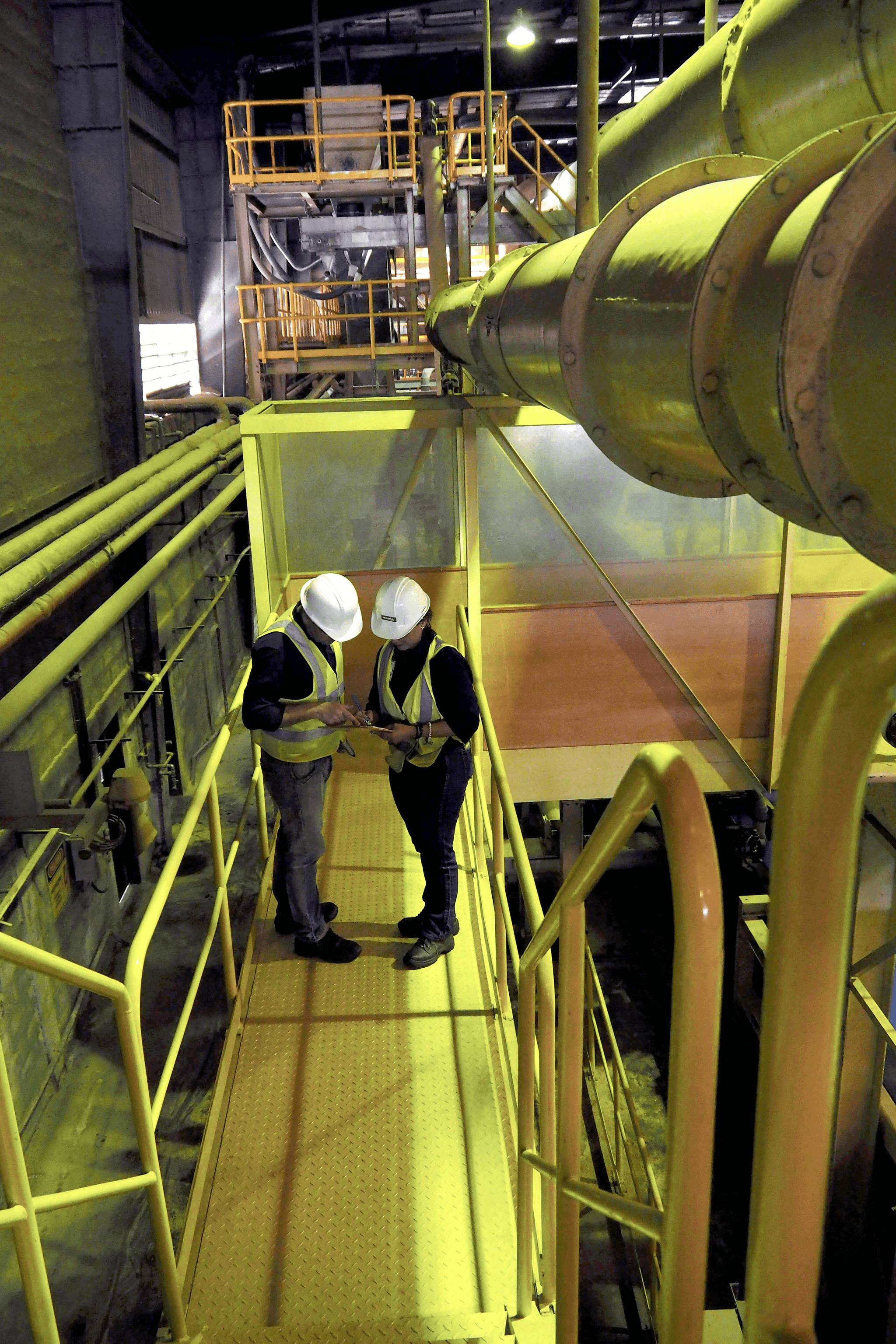
In the ever-evolving landscape of manufacturing, the importance of robust Manufacturing Safety Guidelines cannot be overstated. As industries gear up for a future that is increasingly reliant on technology and efficiency, safety must remain a cornerstone of operational practices. The lessons learned from Recent Factory Accidents And Their Impact serve as stark reminders of the consequences of neglecting safety protocols.
The Future of Manufacturing Safety
Looking ahead, the future of manufacturing safety will likely involve a blend of innovative technologies and stringent regulations that enhance safety measures across all levels. Companies will need to adapt to emerging risks while reinforcing Why are manufacturing safety guidelines important? By prioritizing these guidelines, manufacturers can not only safeguard their employees but also bolster productivity and reduce costs associated with workplace injuries.
Moreover, advancements in automation and artificial intelligence will play a pivotal role in shaping safer work environments. With predictive analytics and real-time monitoring systems, businesses can proactively identify hazards before they escalate into serious incidents. This proactive approach underscores the necessity for organizations to continuously review and update their Manufacturing Safety Guidelines to keep pace with technological advancements.
The Role of China Inspection Pro
China Inspection Pro stands at the forefront of helping manufacturers navigate the complexities surrounding compliance with Manufacturing Safety Guidelines. By providing comprehensive audits and assessments, they ensure that companies adhere to essential safety protocols while also addressing any gaps identified during inspections. Their expertise is crucial for businesses looking to implement effective strategies based on recent factory accidents and their impact on industry standards.
Furthermore, China Inspection Pro facilitates training programs tailored specifically for manufacturers aiming to improve their safety culture. These initiatives not only equip employees with vital knowledge but also encourage adherence to established guidelines through hands-on learning experiences. With such support, organizations can better perform these four safety checks when auditing suppliers – ensuring equipment integrity, reviewing training programs, evaluating emergency preparedness, and fostering open communication regarding safety practices.
Creating a Culture of Safety in Manufacturing
Creating a culture of safety within manufacturing environments requires commitment from both management and employees alike. It involves instilling an awareness that prioritizes health and well-being over productivity at all costs; after all, no output is worth risking lives or livelihoods. Engaging employees in discussions about Why are manufacturing safety guidelines important? fosters an environment where everyone feels responsible for maintaining safe practices.
Moreover, integrating regular social audits can significantly contribute to this cultural shift by identifying areas needing improvement while simultaneously empowering workers to take ownership over their own safety practices. When employees feel valued as partners in the process rather than mere participants following orders, morale improves significantly—leading directly back to enhanced operational efficiency overall!
In conclusion, as we move forward into an era marked by rapid change in manufacturing processes and technologies alike—embracing comprehensive Manufacturing Safety Guidelines will be more essential than ever before! Investing time now into developing effective strategies around these principles ensures not only compliance but also sets up organizations for long-term success without compromising employee welfare.