
Introduction
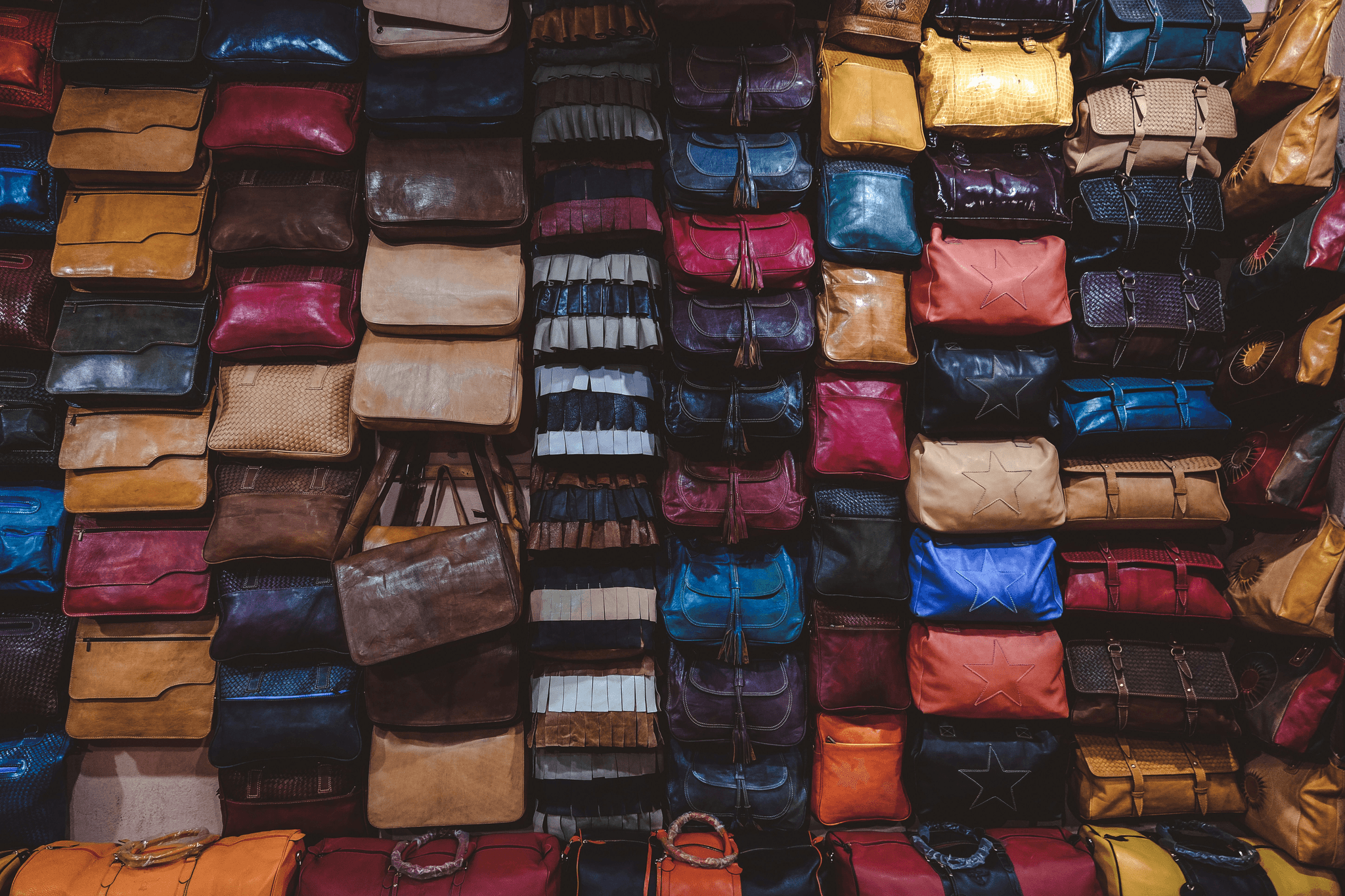
Importance of Inspection Tests for Leather Bags
Inspection tests are essential for discerning genuine leather from its synthetic counterparts and identifying potential flaws before they become problematic. The Smell Test, for instance, can reveal the authenticity of leather through its unique aroma, while other tests assess structural integrity and wear resistance. By employing comprehensive inspection methods, manufacturers can guarantee that their leather products meet high standards and satisfy customer expectations.
Overview of Leather Bag Inspection Methods
Various inspection tests are employed to evaluate leather bags effectively, each targeting different quality aspects. Techniques like Abuse & Fatigue tests simulate real-world usage scenarios to measure how well a bag holds up under pressure over time. Additionally, seam strength tests for leather bags ensure that stitching can withstand daily wear and tear, while load tests verify that the design can handle expected weight without compromising safety or usability.
Why Quality Matters in Leather Products
Quality is paramount when it comes to leather goods; after all, no one wants a bag that falls apart after just a few uses! High-quality materials combined with thorough inspection tests not only enhance durability but also contribute to overall customer satisfaction and brand reputation. Investing in quality assurance means consumers can enjoy their leather purchases with confidence—knowing they’ve chosen products built to last.
Understanding the Smell Test
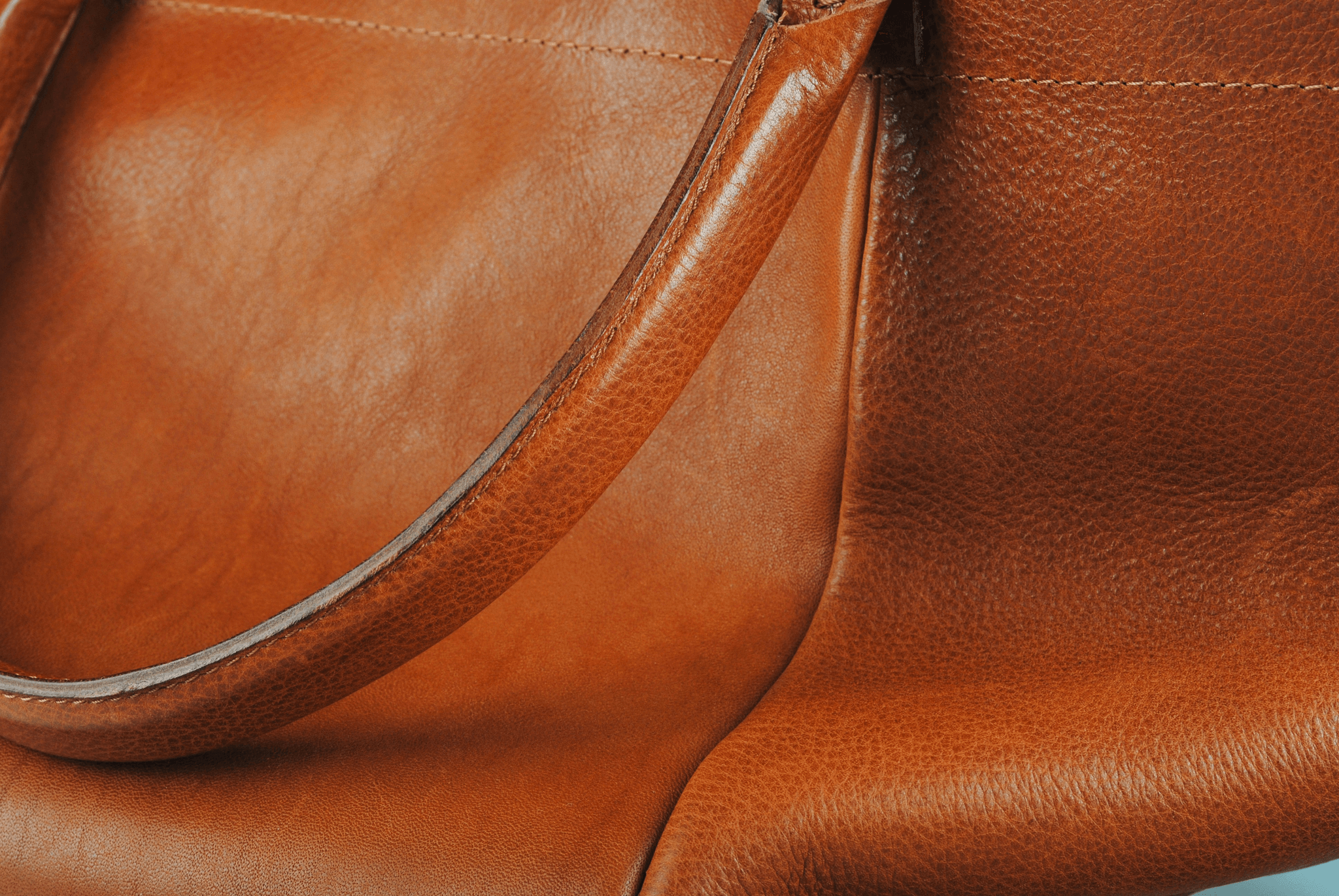
When it comes to leather bags, the smell test is a surprisingly effective inspection method that can reveal a lot about the product's authenticity. Genuine leather has a distinct aroma that many describe as rich and earthy, reminiscent of natural materials. In contrast, faux leather often emits chemical odors due to synthetic manufacturing processes, making it an essential aspect of inspection tests.
Identifying Genuine Leather by Aroma
One of the most reliable indicators of genuine leather is its unique scent, which stems from the tanning process used in its production. When you take a whiff of real leather, you're likely to detect warm, organic notes that are hard to replicate synthetically. This olfactory signature not only distinguishes authentic products but also sets high standards for quality assurance in the realm of leather goods.
Detecting Chemical Odors in Faux Leather
On the flip side, faux leather often carries a strong chemical smell due to plasticizers and other synthetic compounds used during its creation. This pungent aroma can be a red flag for consumers who prioritize quality; if your new bag smells more like a factory than fine craftsmanship, it’s time to reconsider your purchase. Being aware of these olfactory cues is vital when conducting inspection tests for durability and overall value.
The Role of Scent in Quality Assurance
The scent associated with leather bags plays an integral role in quality assurance beyond just initial impressions; it can also indicate how well the product will hold up over time. Bags made from genuine leather typically age beautifully and develop a patina that enhances their scent profile rather than detracts from it. Therefore, incorporating smell tests into your routine inspections not only helps identify genuine products but also serves as an early warning system against potential issues related to material degradation.
The Importance of Abuse & Fatigue Tests
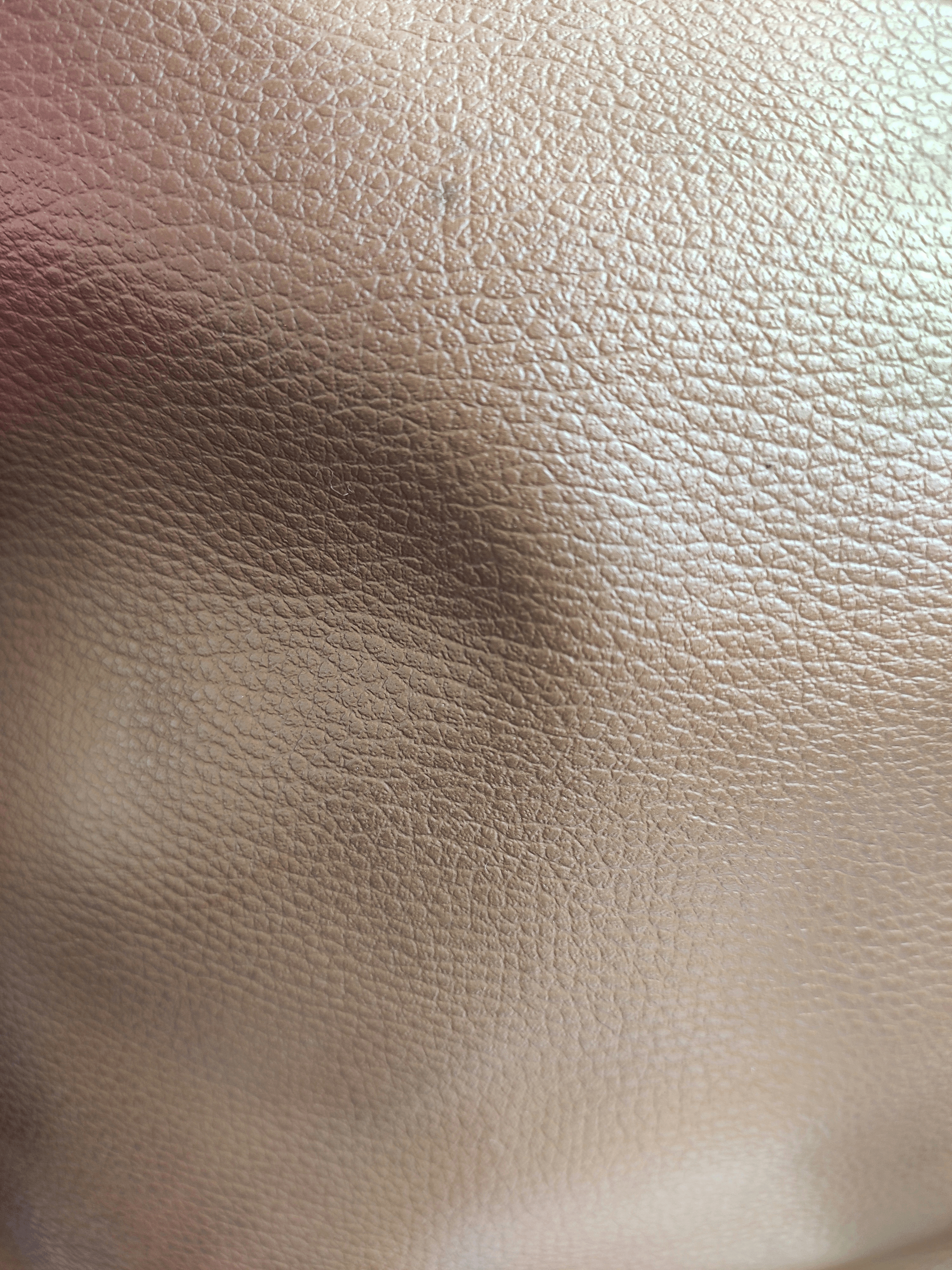
When it comes to leather bags, the durability and overall quality are paramount. This is where abuse and fatigue tests come into play, simulating real-world usage scenarios that a bag might face in its lifetime. Conducting these inspection tests ensures that the leather bag can withstand the rigors of daily use, making it a worthwhile investment for consumers.
Simulating Real-World Usage Scenarios
Abuse and fatigue tests are designed to replicate how a leather bag will be used in everyday life. From juggling heavy loads to being tossed around during travel, these tests help manufacturers identify potential weaknesses before the product hits the market. By putting bags through their paces in controlled environments, brands can ensure that their products meet consumer expectations for durability.
Assessing Durability Over Time
The results of abuse and fatigue tests provide invaluable insights into how well a leather bag will hold up over time. Manufacturers closely monitor wear and tear during these tests, allowing them to assess whether their designs can endure prolonged use without compromising quality. This assessment is crucial; after all, no one wants to invest in a stylish bag only to find it falling apart after a few months!
Key Metrics to Look For in Test Results
When evaluating the outcomes of abuse and fatigue tests, several key metrics should be considered. These include resistance to tearing, seam strength test for leather bags results, and overall load capacity under stress conditions. Understanding these metrics helps consumers make informed decisions about which bags will not only look good but also stand the test of time.
Evaluating Seam Strength Test for Leather Bags
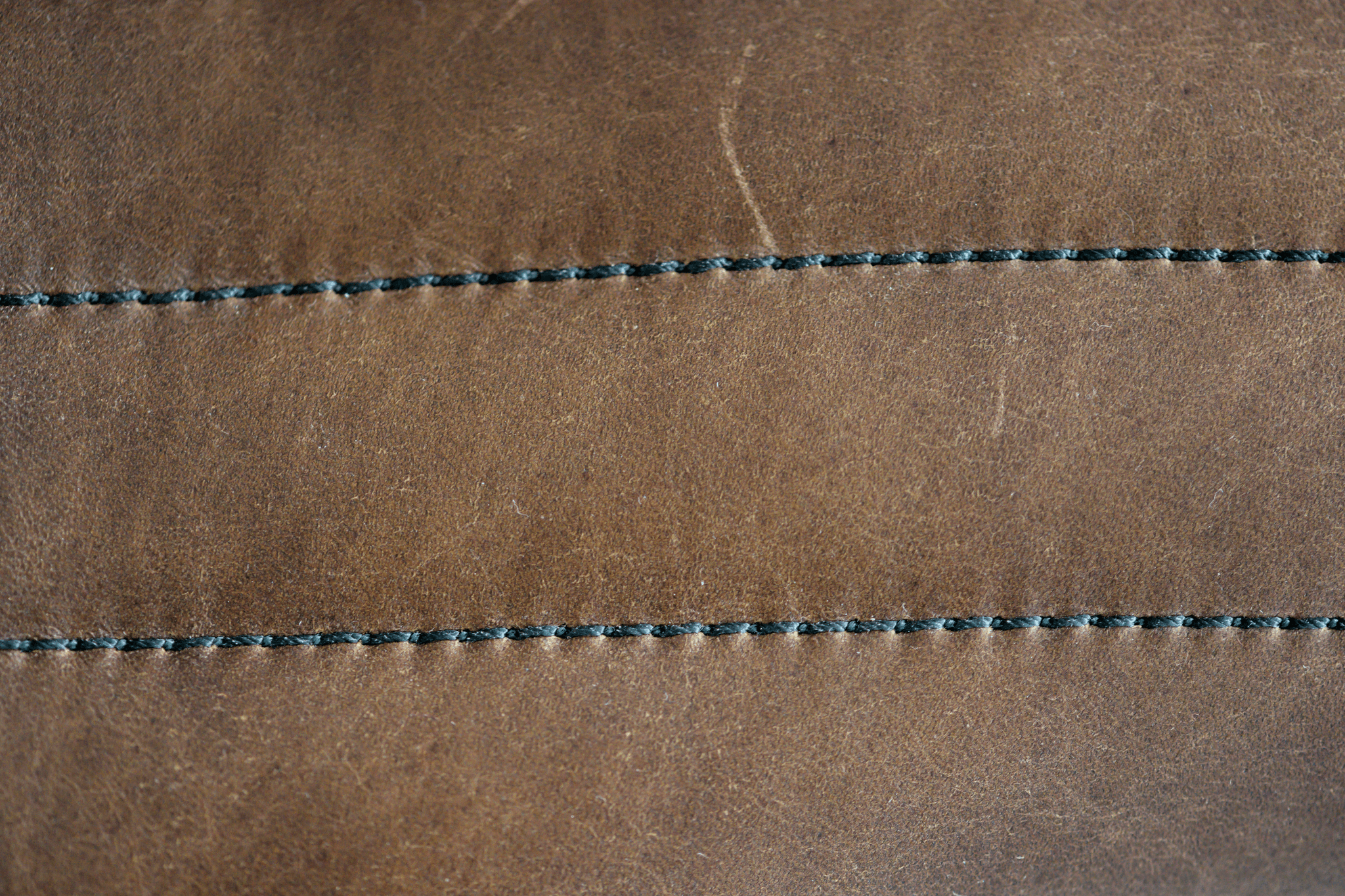
When it comes to leather bag quality, the seam strength test is a crucial inspection test that can’t be overlooked. This test evaluates how well the seams of a bag hold together under various conditions, ensuring that your stylish accessory doesn’t fall apart at the worst possible moment. After all, a beautiful leather bag is only as good as its weakest seam.
Techniques Used in Seam Testing
There are several techniques employed in seam testing to ensure durability and reliability. One common method involves applying tension to the seams until they fail, allowing inspectors to measure the force required for separation. Additionally, some tests may simulate real-life scenarios by subjecting bags to abuse and fatigue tests, pushing them through rigorous conditions that mimic everyday use.
Another technique includes using specialized equipment like tensile testing machines that accurately measure the strength of stitched seams under controlled conditions. These machines can apply consistent pressure while monitoring how much force it takes for seams to give way. By combining these methods with visual inspections, quality control teams can ensure every leather bag meets high standards before reaching consumers.
How Seam Strength Impacts Longevity
The importance of seam strength in leather bags cannot be overstated; it directly impacts their longevity and usability over time. Strong seams prevent premature wear and tear, which is essential for maintaining both functionality and aesthetics throughout the life of the bag. When buyers invest in leather products, they expect them to withstand daily use without falling apart—this expectation hinges significantly on robust seam construction.
Moreover, weak seams often lead to common failures like fraying or complete separation after minimal use, rendering an otherwise beautiful product useless. In contrast, bags tested rigorously for seam strength tend to maintain their structural integrity even after extensive abuse and fatigue tests have been performed on them. Thus, investing in high-quality seam construction not only enhances durability but also elevates customer satisfaction.
Common Failures and Their Implications
Common failures identified during seam strength tests can serve as red flags for potential issues down the line—issues no one wants when they've just splurged on a new leather bag! Frequent problems include loose stitching or inadequate thread types that simply can't handle stress over time; these failures often lead to unsightly rips or tears that compromise both style and function.
The implications of such failures extend beyond mere inconvenience; they can damage brand reputation if consumers frequently report issues with product durability stemming from poor seam quality. Furthermore, addressing these problems post-production can be costly for manufacturers who may then need extensive recalls or repairs—a scenario best avoided through thorough inspection tests before products hit retail shelves!
Conducting Load Tests Effectively
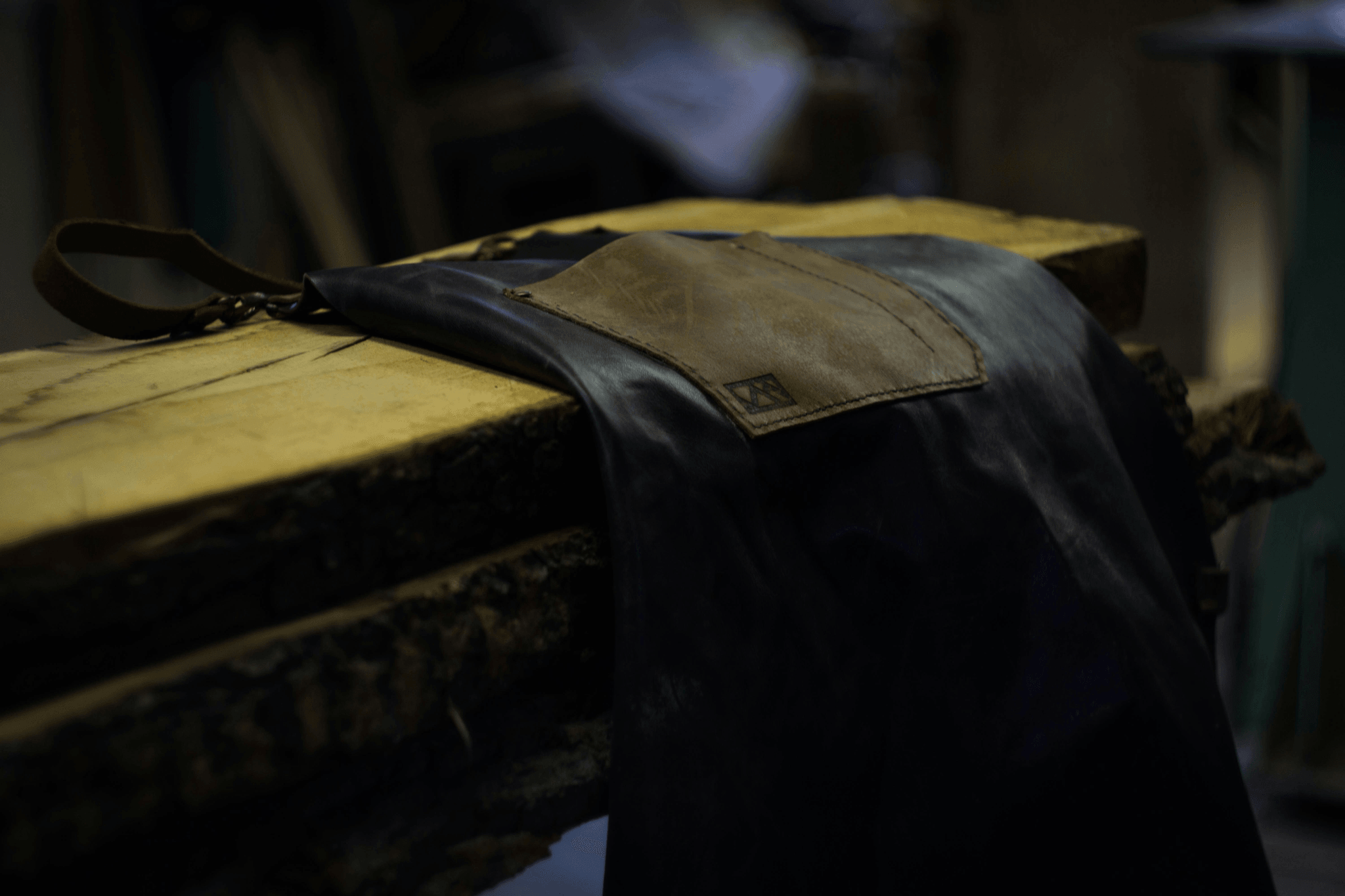
When it comes to leather bags, understanding load tests is essential for ensuring that they can withstand the rigors of daily use. These tests simulate real-world scenarios where bags are subjected to various weights and pressures, allowing manufacturers to assess their durability. By conducting thorough load tests, brands can provide assurance that their products won’t just look good but will also perform reliably over time.
Understanding Weight Tolerance in Design
Weight tolerance is a critical aspect of leather bag design, directly influencing how well a bag holds up under pressure. Designers must consider the materials used, including stitching and hardware, as these elements contribute significantly to the overall strength of the bag. Without a solid grasp of weight tolerance, even the most aesthetically pleasing leather bags could fail during everyday use.
Incorporating insights from inspection tests like seam strength tests for leather bags helps determine how much weight a bag can handle before showing signs of wear or failure. Understanding these limits not only aids in creating functional designs but also enhances customer satisfaction by ensuring that users can trust their bags under various conditions. Ultimately, a well-designed bag should not only look great but also be capable of carrying its intended load without compromising quality.
Methods for Testing Load Capacity
There are several effective methods for testing load capacity in leather bags that manufacturers commonly employ. One popular approach involves using standardized weights attached to the bag while monitoring stress points and seams during the test period. This method helps identify potential weak spots before they become problematic in actual usage scenarios.
Another method includes performing dynamic load tests where the bag is subjected to repeated weight shifts and movements—mimicking how users typically handle their bags throughout daily life. This approach allows manufacturers to evaluate both immediate performance and long-term durability under conditions similar to those encountered during abuse & fatigue tests. By employing these rigorous testing methods, brands can ensure that their products meet high standards for safety and usability.
Analyzing Results for Safety and Usability
Analyzing results from load tests is crucial for understanding how a leather bag will perform in real-life situations—especially when it comes to safety and usability concerns. Manufacturers scrutinize data gathered during testing to identify any weaknesses or failures that may arise when carrying loads over time; this includes examining stress on seams from seam strength test results as well as any signs of material degradation under pressure.
The insights gained from these analyses inform design improvements or adjustments needed before final production runs take place; this proactive approach minimizes risks associated with product failures down the line while enhancing customer confidence in their purchases. Ultimately, thorough analysis ensures that consumers receive high-quality leather bags built not only for style but also built with functionality firmly at heart.
Quality Assurance with China Inspection Pro
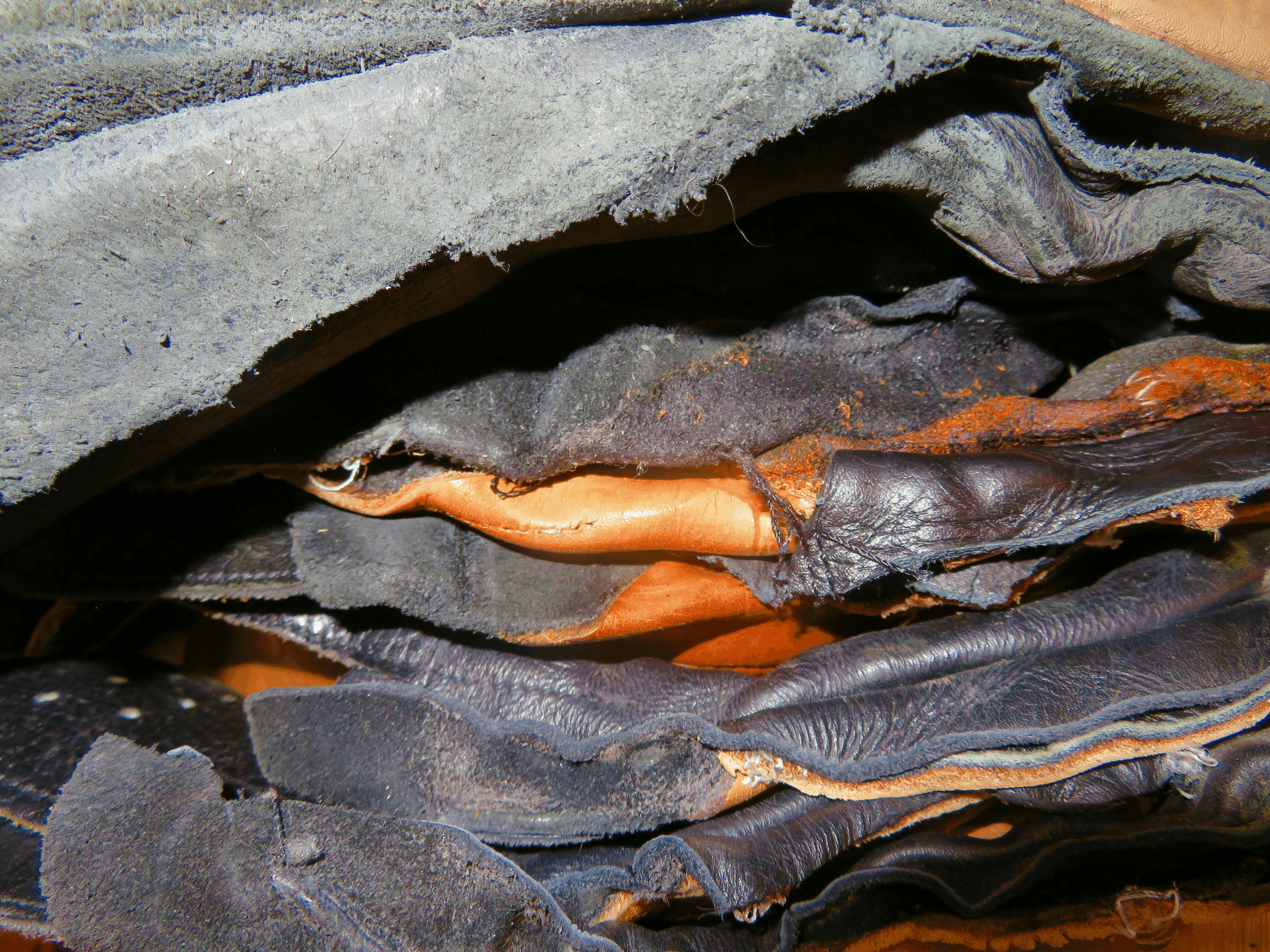
When it comes to ensuring the quality of leather bags, China Inspection Pro stands out as a beacon of professionalism and expertise. With a comprehensive suite of inspection tests, this service guarantees that every leather bag meets the highest standards before reaching consumers. From the initial Smell Test to rigorous Abuse & Fatigue tests, their thorough approach covers all bases.
Professional Services for Leather Bag Inspection
China Inspection Pro offers a range of professional services tailored specifically for leather bag inspection. Their team employs various techniques, including the Seam strength test for leather bags and Load tests, to assess durability and performance under real-world conditions. By utilizing these specialized inspection tests, they can identify potential flaws that may compromise quality or safety.
How Specialists Ensure Product Excellence
The specialists at China Inspection Pro are trained to spot even the most subtle discrepancies during inspections. They meticulously analyze every aspect of a leather bag, from its aesthetic appeal to its functional integrity through methods like the Abuse & Fatigue tests and detailed seam evaluations. This level of scrutiny not only ensures product excellence but also builds trust between manufacturers and consumers regarding their purchases.
Turning Findings into Actionable Recommendations
Once inspections are complete, China Inspection Pro doesn’t just hand over a report; they provide actionable recommendations based on their findings from various inspection tests. Whether it's suggesting improvements in seam strength or advising on better materials to mitigate chemical odors detected in the Smell Test, their insights help manufacturers enhance product quality effectively. By turning findings into practical solutions, they empower brands to make informed decisions that elevate their offerings in an increasingly competitive market.
Conclusion
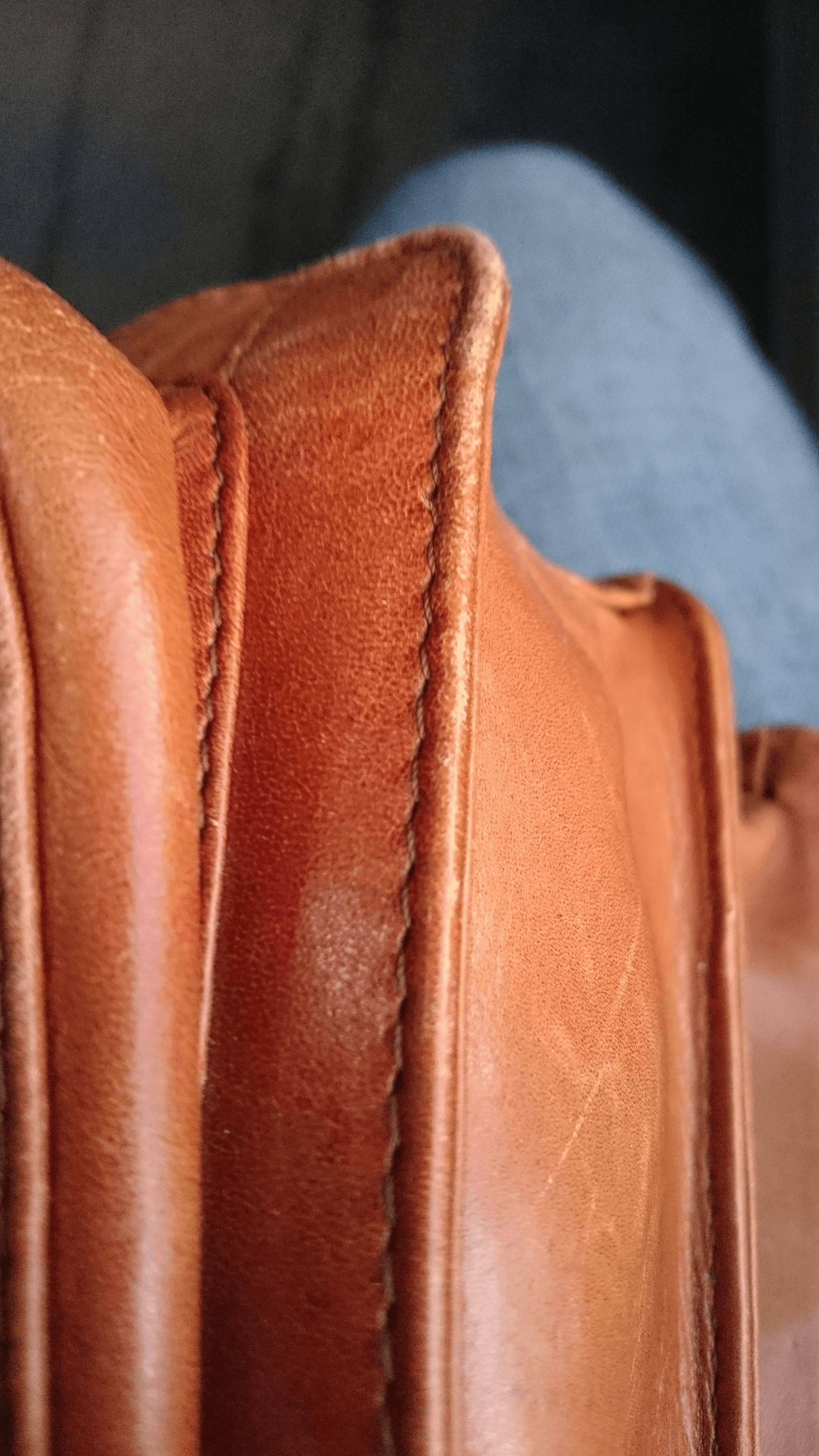
In wrapping up our exploration of leather bag inspection tests, it’s clear that these evaluations are crucial for ensuring the quality and longevity of leather products. From the Smell Test to the Abuse & Fatigue tests, each method offers valuable insights into the integrity of a bag. Understanding these inspection tests empowers consumers to make informed decisions when purchasing leather goods.
Key Takeaways on Leather Bag Inspection Tests
The Smell Test is an essential first step in identifying genuine leather versus faux alternatives, as authentic leather has a distinct aroma that speaks to its quality. Following this, Abuse & Fatigue tests simulate real-life scenarios to ensure that your beloved bag can withstand daily wear and tear without falling apart at the seams—quite literally! Lastly, seam strength tests for leather bags highlight how well different parts are stitched together; weak seams can lead to premature failure, making this aspect critical in your evaluation process.
Why Quality Assurance Shouldn’t Be Overlooked
Quality assurance in leather products is paramount; overlooking it can lead to disappointing purchases and wasted money. The Load test further ensures that bags can handle their intended weight without compromising safety or usability—something you definitely want in a reliable accessory! By prioritizing these inspection tests, consumers not only protect their investments but also contribute to higher industry standards overall.
Making Informed Choices for Leather Purchases
When shopping for leather bags, always consider the results of various inspection tests before making a decision. Armed with knowledge about the Smell Test, Abuse & Fatigue tests, seam strength test for leather bags, and load capacity evaluations, you’ll be better equipped to choose a product that meets your expectations. Ultimately, investing time in understanding these aspects will lead you toward high-quality options that stand the test of time.