
Introduction
In a world where vision is paramount, the importance of eyewear inspection cannot be overstated. From stylish frames to functional reading glasses, ensuring that every pair meets stringent quality standards is crucial for consumer satisfaction and safety. Eyewear inspection processes play a vital role in maintaining these standards, safeguarding both manufacturers and end-users alike.
Importance of Eyewear Inspection
Eyewear inspection serves as the frontline defense against defects that could compromise vision or comfort. Poorly inspected eyewear can lead to customer dissatisfaction, returns, and even health issues due to improper lens alignment or frame integrity. By prioritizing thorough inspections—including solder paste inspection for frames—manufacturers can enhance product reliability and foster consumer trust.
Overview of Optical Inspection Processes
The realm of optical inspection encompasses various methodologies designed to evaluate the quality of eyewear components meticulously. From automated optical inspection systems that streamline the process to manual vision inspections that ensure attention to detail, each method has its place in quality control.
Key Players in Eyewear Quality Control
In the complex ecosystem of eyewear manufacturing, several key players contribute significantly to quality control efforts. Manufacturers rely on specialized inspectors who perform detailed checks on lenses and frames while also utilizing advanced technologies like automated inspection tools for efficiency. Additionally, organizations such as China Inspection Pro offer expertise in navigating the challenges of eyewear quality assurance, enhancing overall production outcomes.
Understanding Eyewear Inspection

In the world of eyewear, ensuring quality is paramount, and that's where eyewear inspection comes into play. This process involves a series of meticulous checks designed to identify any flaws or inconsistencies in products like reading glasses and sunglasses before they reach the consumer. By employing various optical inspection techniques, manufacturers can maintain high standards and ensure customer satisfaction.
What is Eyewear Inspection
Eyewear inspection refers to the systematic evaluation of spectacles, including lenses and frames, to verify their quality and safety. This process encompasses various assessments such as visual inspections, measurements for accuracy, and tests for durability. The ultimate goal is to ensure that each pair of reading glasses meets industry standards while providing optimal performance for the wearer.
Types of Eyewear Inspections
There are several types of eyewear inspections that manufacturers utilize to uphold quality control. These include visual inspections, where trained inspectors examine products for visible defects; automated optical inspections that use advanced technology to detect flaws; and solder paste inspections specifically aimed at ensuring frame durability through proper adhesion techniques. Each type plays a crucial role in identifying potential issues early in production.
The Role of Vision Inspection
Vision inspection is a critical component in the eyewear inspection process, particularly with the rise of automated optical inspection systems. These systems leverage sophisticated imaging technology to analyze lenses and frames with impressive precision, detecting even minute imperfections that human eyes might miss. By integrating vision inspection into their quality control processes, manufacturers can significantly enhance their ability to deliver flawless reading glasses that meet consumer expectations.
The Components of Effective Optical Inspection

In the realm of eyewear inspection, several components are crucial for ensuring that each pair of glasses meets high-quality standards. From the clarity of lenses to the robustness of frames and even solder paste inspection in electronic eyewear components, every aspect plays a significant role in achieving optimal quality control. Understanding these components is essential for manufacturers and consumers alike, as they directly impact both functionality and aesthetic appeal.
Inspecting Lenses for Clarity
Clear lenses are essential not just for aesthetic reasons but also for ensuring that users have a perfect visual experience, particularly with reading glasses where precision matters most. Automated optical inspection systems are often employed to detect any imperfections like scratches or distortions that could compromise vision quality.
The technology behind lens clarity inspection has evolved significantly, with advanced vision inspection techniques allowing for rapid and accurate assessments. These automated systems can evaluate multiple lenses simultaneously, identifying defects that may be invisible to the naked eye. Thus, integrating automated inspection processes enhances overall efficiency while maintaining high standards in optical quality.
Frame Integrity Assessment
Frame integrity assessment is another critical element in effective optical inspections. Frames must be durable enough to withstand daily wear and tear while still being lightweight and comfortable—especially important in reading glasses that users may wear for extended periods. Regular inspections help identify any structural weaknesses or material flaws that could lead to breakage or discomfort.
Using automated optical inspection tools during this assessment phase allows manufacturers to ensure uniformity across batches while reducing human error during inspections. This technology can quickly measure frame dimensions and verify alignment, thus confirming whether each frame meets specified standards before reaching consumers' hands. Ensuring frame integrity through rigorous inspections ultimately leads to higher customer satisfaction and trust in eyewear products.
Importance of Solder Paste Inspection
Solder paste inspection might seem out of place when discussing traditional eyewear; however, it plays a vital role in electronic eyewear applications such as smart glasses or augmented reality devices. In these cases, proper solder paste application ensures reliable connections between electronic components embedded within the frames or lenses themselves. Failing to inspect solder paste can lead to malfunctions down the line—an issue no one wants when relying on their glasses for daily tasks.
Automated solder paste inspection technologies have become indispensable because they offer precise measurements regarding thickness and coverage area on circuit boards integrated into eyewear products. By employing these automated systems, manufacturers can significantly reduce defects related to poor soldering practices while improving overall product reliability and performance—an essential consideration in today’s tech-driven market landscape.
The Technology Behind Automated Inspection

In today's fast-paced optical industry, the integration of automated inspection technology is revolutionizing eyewear inspection processes. By leveraging advanced algorithms and sophisticated imaging systems, manufacturers can ensure that every pair of reading glasses meets stringent quality standards before reaching consumers. This shift towards automation not only enhances efficiency but also significantly reduces human error in optical inspections.
How Automated Optical Inspection Works
Automated optical inspection (AOI) employs high-resolution cameras and intelligent software to analyze eyewear components for defects or inconsistencies. During the inspection process, lenses are scanned for clarity, frames are examined for structural integrity, and even solder paste inspection is conducted to verify proper application on electronic components if applicable. The data collected during these inspections is then processed in real-time, allowing for immediate feedback and corrective actions if any anomalies are detected.
Benefits of Automation in Quality Control
Firstly, automated systems can inspect thousands of pairs of reading glasses per hour with unparalleled precision—far exceeding human capabilities. Additionally, automation minimizes the likelihood of oversight that can occur during manual inspections, ensuring that every detail is scrutinized thoroughly and consistently.
Leading Automated Inspection Tools
Several cutting-edge tools have emerged as leaders in the realm of automated optical inspection for eyewear manufacturers. Systems like Cognex VisionPro and Keyence's CV-X series offer robust features tailored specifically for inspecting lenses and frames alike while integrating seamlessly into existing production lines. These tools not only streamline the quality assurance process but also provide valuable data analytics that help companies refine their manufacturing practices over time.
Reading Glasses: Special Considerations

Unique Challenges in Reading Glasses Inspection
One of the primary challenges in inspecting reading glasses is ensuring lens accuracy; even a slight deviation can lead to discomfort or vision issues for the wearer. Furthermore, the small size of components makes solder paste inspection more complicated, as any defects can be easily overlooked during manual inspections. The need for automated inspection systems becomes apparent here; they can efficiently identify defects that human inspectors might miss due to the intricate details involved.
Another challenge lies in ensuring that the frames are durable yet lightweight, which often requires advanced materials and construction techniques. This necessitates a rigorous frame integrity assessment during optical inspection to ensure they can withstand daily wear while providing comfort. Moreover, variations in individual prescription requirements mean that each pair must be tailored specifically, complicating standardization processes.
Best Practices for Quality Assurance
To tackle these unique challenges effectively, implementing best practices for quality assurance is crucial in reading glasses production. First and foremost, adopting automated optical inspection technologies can significantly enhance efficiency by providing consistent results across batches—no more relying solely on human eyes! This technology allows for comprehensive vision inspections of both lenses and frames at high speed without compromising accuracy.
Regular training sessions for quality control staff also play a vital role in maintaining high standards within production lines. By keeping teams updated on best practices and technological advancements related to eyewear inspection processes, companies can foster an environment where quality is prioritized at every level of production. Additionally, establishing robust feedback loops with customers helps manufacturers adapt their designs based on real-world usage experiences.
Case Studies on Reading Glasses Quality Control
Several case studies highlight successful approaches to quality control in reading glasses manufacturing through effective eyewear inspection methods. For instance, one prominent manufacturer implemented an automated optical inspection system that reduced defect rates by over 30% within six months—impressive results attributed directly to improved solder paste inspections and lens clarity assessments!
Another company focused on enhancing their frame integrity assessments by incorporating advanced materials testing into their production process; this led not only to stronger frames but also increased customer satisfaction ratings due to better fit and durability features being reported across user reviews. These examples illustrate how investing time and resources into innovative solutions pays off significantly when it comes down to delivering top-notch reading glasses.
The Role of China Inspection Pro in Eyewear Quality
In the realm of eyewear quality, China Inspection Pro emerges as a pivotal player. Their expertise in Eyewear Inspection encompasses a broad array of services tailored to meet the specific demands of the optical industry, from reading glasses to sophisticated frames. By leveraging advanced technologies and methodologies, they ensure that every piece of eyewear meets rigorous quality standards before reaching consumers.
Overview of China Inspection Pro's Services
China Inspection Pro offers a comprehensive suite of services focused on enhancing quality control in eyewear manufacturing. Their offerings include detailed optical inspection processes, which assess everything from lens clarity to frame integrity, ensuring that each product is free from defects. Additionally, they specialize in solder paste inspection for eyeglasses that incorporate electronic components, further solidifying their role as leaders in automated inspection techniques.
Key Benefits of Partnering with Inspection Experts
Partnering with experts like China Inspection Pro brings numerous advantages to eyewear manufacturers. First and foremost, their specialized knowledge in vision inspection allows for more precise evaluations than standard checks might provide. This partnership not only enhances product reliability but also fosters consumer trust by guaranteeing high-quality reading glasses and other eyewear products through meticulous automated optical inspection processes.
Success Stories in Eyewear Quality Enhancement
China Inspection Pro has an impressive track record when it comes to elevating eyewear quality across various brands. For instance, one notable success involved a manufacturer struggling with high return rates due to lens defects; after implementing their thorough Eyewear Inspection protocols, return rates plummeted by over 40%. Such case studies highlight how effective collaboration can lead to significant improvements in both product quality and customer satisfaction within the competitive landscape of optical products.
Conclusion
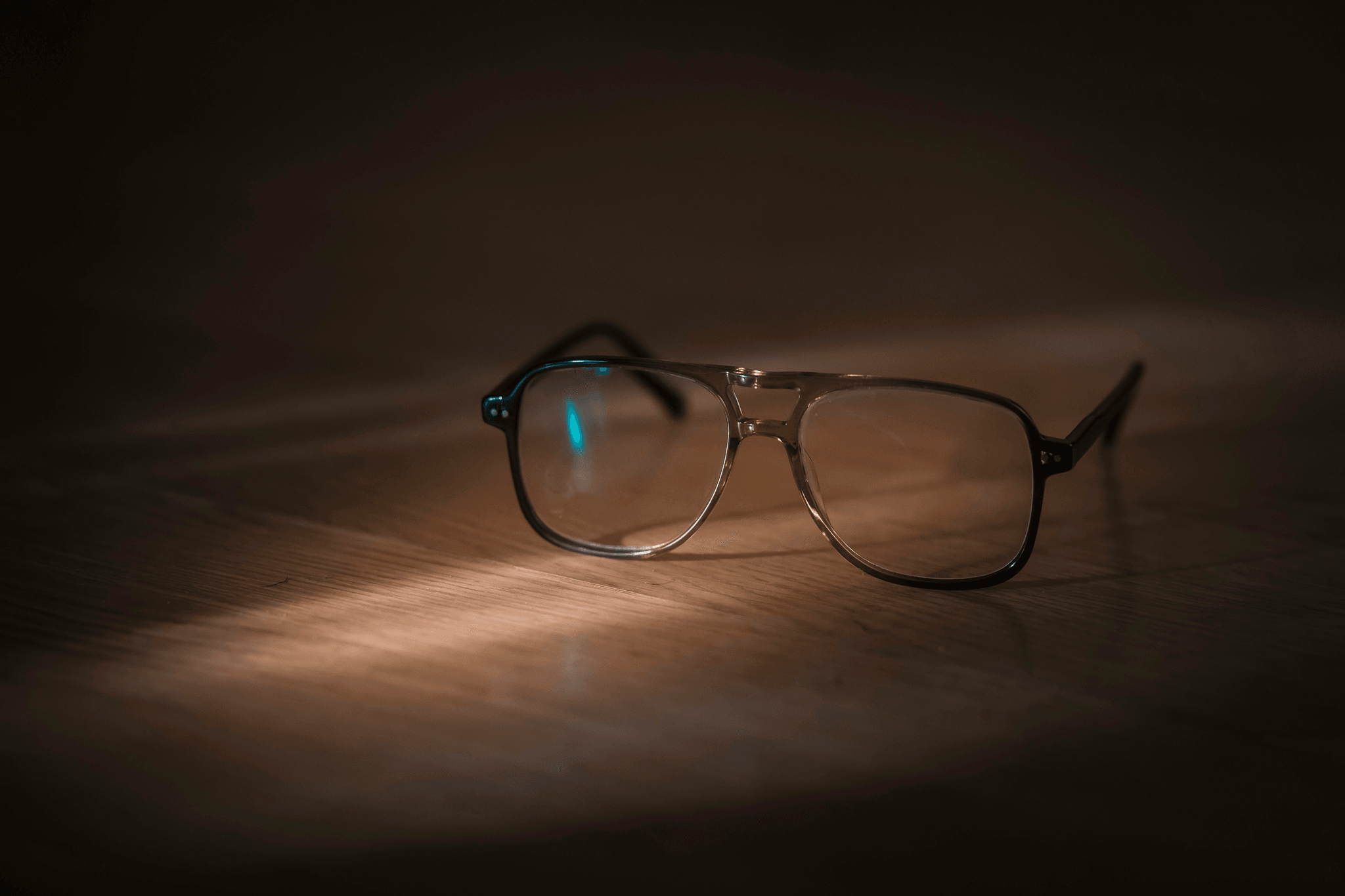
In the world of eyewear, quality is paramount, and effective Eyewear Inspection plays a crucial role in ensuring that consumers receive products that meet high standards. From reading glasses to high-end optical frames, every aspect of eyewear must undergo rigorous testing and evaluation. By understanding the nuances of optical inspection processes, stakeholders can enhance product integrity and customer satisfaction.
Essential Takeaways from Eyewear Inspection
Eyewear Inspection involves multiple facets, including vision inspection and solder paste inspection for frame construction, which ensures durability and performance. The importance of inspecting lenses for clarity cannot be overstated; any flaws can significantly impact user experience. Additionally, the integration of automated inspection technologies streamlines quality control processes, making it easier to maintain consistent standards across various eyewear products.
Innovations Shaping Future Optical Inspections
The future of optical inspection is bright with advancements in automated optical inspection technologies that enhance both speed and accuracy in quality assessments. Innovations such as AI-driven vision systems are revolutionizing how we conduct Eyewear Inspection by enabling real-time defect detection with unprecedented precision. As these technologies continue to evolve, they promise not only improved efficiency but also a higher level of assurance for consumers purchasing reading glasses or other eyewear.
The Impact of Quality on Consumer Trust
Quality assurance in eyewear directly correlates with consumer trust; when customers know that rigorous Eyewear Inspection has taken place, they feel more confident in their purchases. The reputation of brands hinges on their commitment to quality control measures like solder paste inspection and comprehensive lens evaluations. Ultimately, investing in robust optical inspection processes fosters loyalty among consumers who prioritize both style and functionality in their eyewear choices.