
Introduction
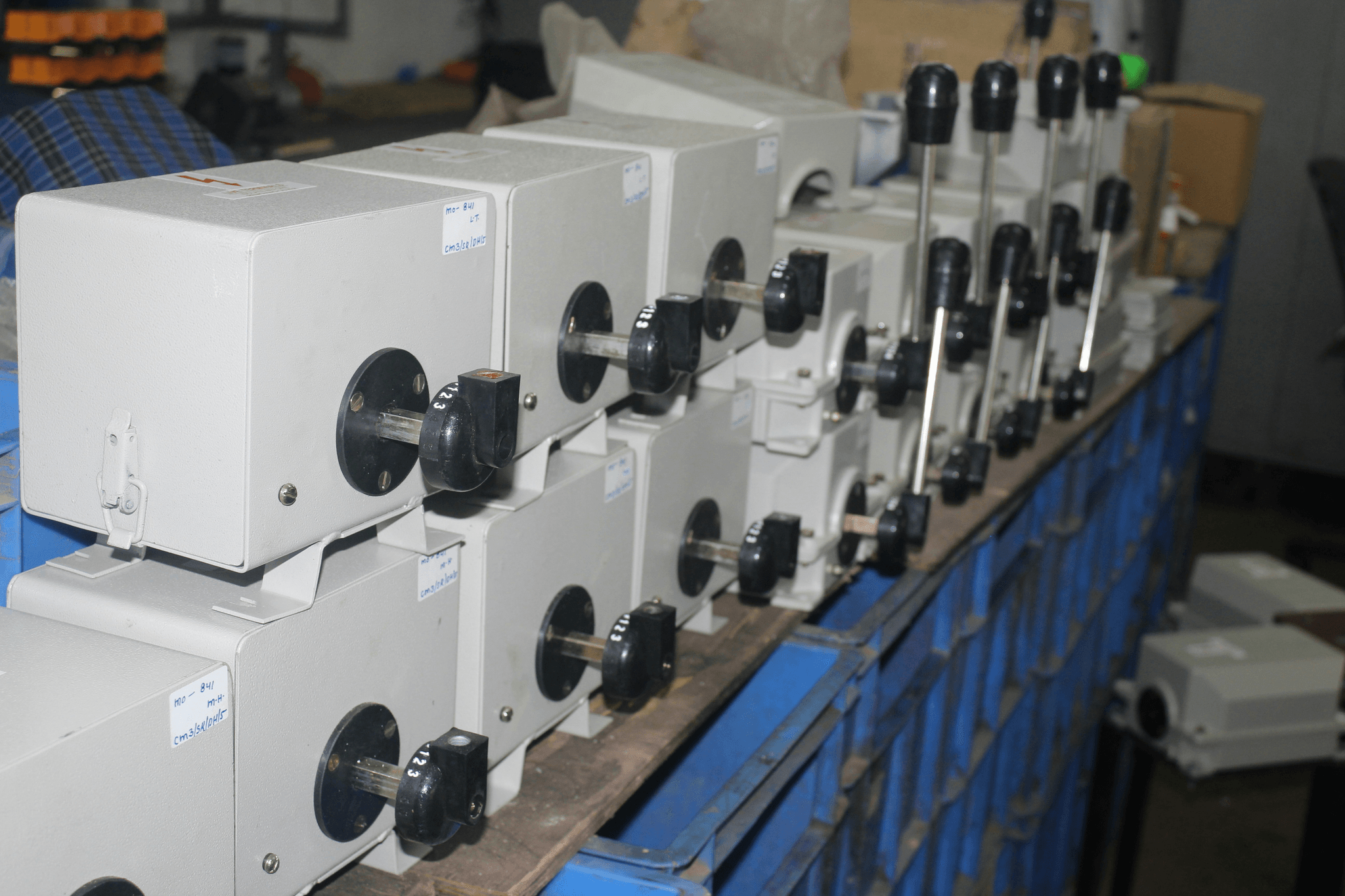
Power transformers are the silent workhorses of our electrical infrastructure, quietly ensuring that electricity flows smoothly from generation to your home or office. But how do we guarantee these vital components are functioning correctly? That's where thorough Power Transformer Testing comes into play, serving as the backbone of reliable power transfer inspection and maintenance.
Understanding the importance of Power Transformer Testing is crucial because it helps identify potential issues before they escalate into costly failures. By conducting key tests such as the Measurement of Winding Resistance and Insulation Resistance Tests, technicians can assess the health of transformer windings and insulation integrity. These tests not only confirm that a transformer is fit for service but also extend its longevity by catching problems early on.
Power transfer inspection isn’t just about compliance; it’s about peace of mind. Implementing rigorous testing methods like the Temperature Rise Test, Separate-Source Voltage Withstand Test, and Lightning Impulse Test ensures transformers can withstand operational stresses and surges. In essence, these key tests serve as a safeguard—confirming transformer integrity so that power delivery remains safe, stable, and efficient.
The Foundation of Power Transformer Testing
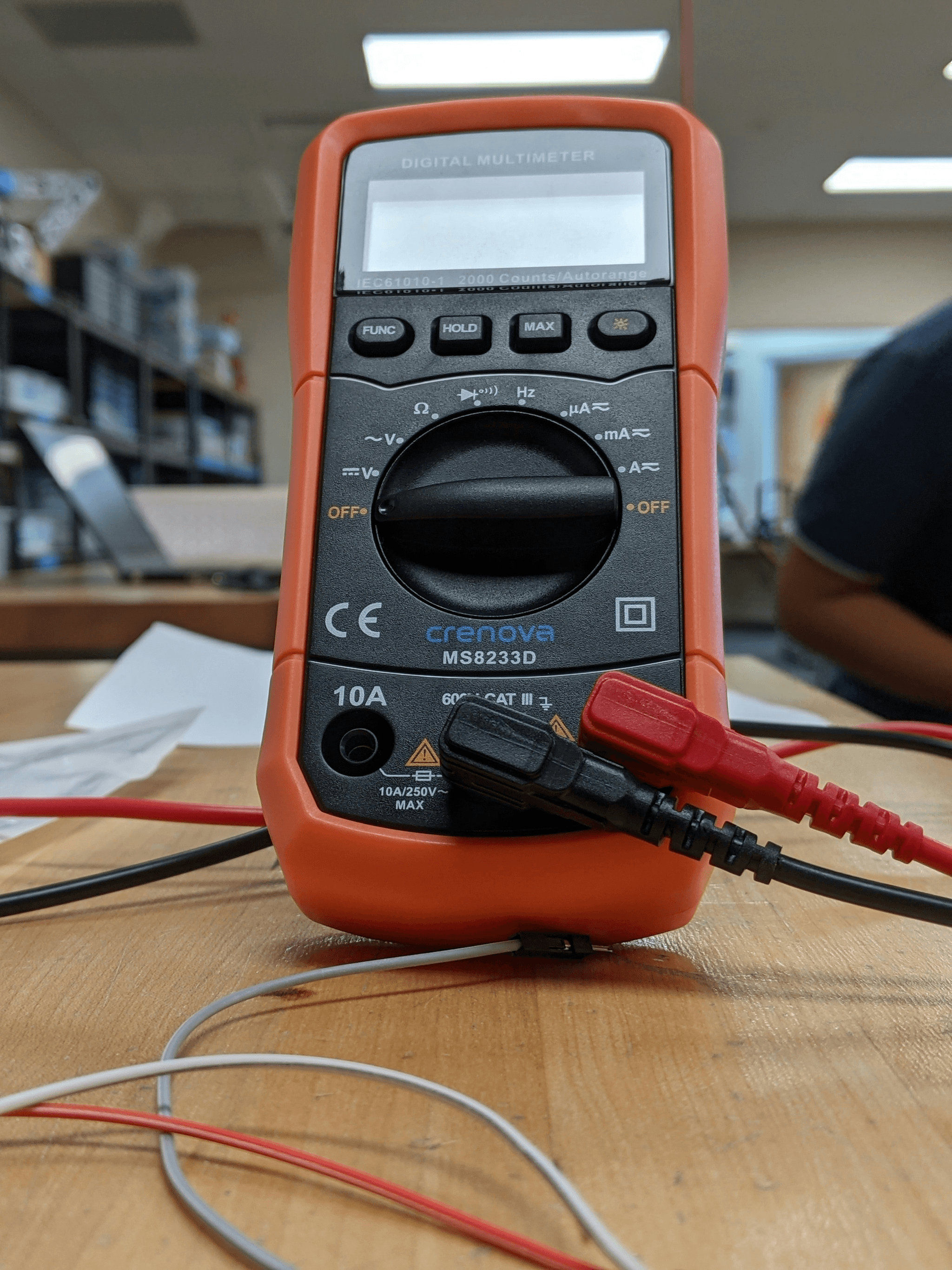
Power Transformer Testing is the backbone of ensuring that transformers operate safely and efficiently throughout their lifespan. These procedures help identify potential issues before they escalate into costly failures, making power transfer inspection a critical step in maintenance routines. By systematically applying various tests, engineers can verify the integrity of the transformer’s components and confirm it meets industry standards.
One of the primary elements in power transformer testing involves Measurement of Winding Resistance. This test helps detect abnormalities such as loose connections or shorted turns within the windings, which can compromise overall performance. Accurate measurement ensures that the transformer can handle its designated load without overheating or failure, reinforcing the importance of thorough power transfer inspection.
In addition to electrical measurements, Insulation Resistance Tests play a vital role in assessing transformer health. These tests evaluate the quality of insulation materials used within the device, preventing breakdowns caused by deterioration over time. Regular insulation resistance testing is essential for maintaining reliable power transfer inspection outcomes and prolonging transformer service life.
Breakthrough Testing Methods in Power Transformers
When it comes to Power Transformer Testing, staying ahead of potential issues requires innovative methods that go beyond basic inspections. These breakthrough testing techniques are designed to assess the transformer’s resilience and operational safety thoroughly. From temperature assessments to high-voltage withstand tests, each method plays a vital role in ensuring power transfer inspection is comprehensive and reliable.
Temperature Rise Test for Operational Safety
The Temperature Rise Test is a cornerstone of Power Transformer Testing, focusing on how hot the transformer gets under load conditions. This test helps verify that the measurement of winding resistance remains within safe limits, preventing overheating during actual operation. Ensuring the transformer doesn’t exceed its specified temperature rise is crucial for longevity and safety in power transfer inspection.
Separate-Source Voltage Withstand Test Explained
The Separate-Source Voltage Withstand Test is an essential part of modern Power Transformer Testing, designed to evaluate insulation integrity under high-voltage stress. By applying voltage independently to different parts of the transformer, this test confirms whether insulation resistance holds up against surges or faults—key factors in power transfer inspection and overall reliability. Proper execution of this test ensures that insulation resistance remains robust, reducing the risk of failures in real-world conditions.
Lightning Impulse Test for Surge Resilience
Lightning Impulse Testing simulates real-world surge conditions transformers face during thunderstorms or switching operations. This type of Power Transformer Testing assesses whether lightning impulse withstand levels are adequate, protecting against catastrophic failures caused by voltage spikes. Incorporating this test into your routine guarantees that your equipment can handle unexpected surge events while maintaining insulation resistance and operational integrity.
Real-World Power Transformer Testing in Action
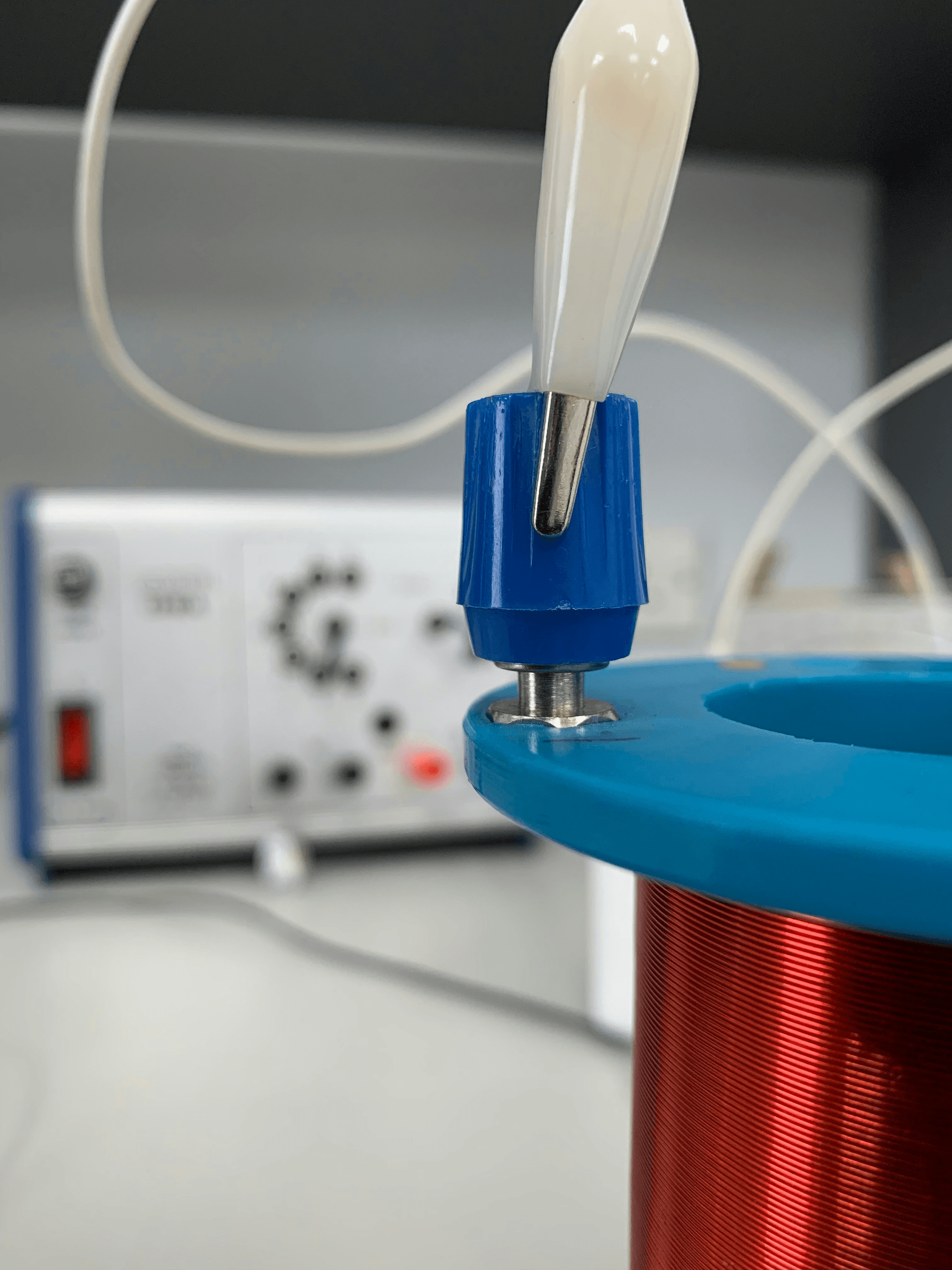
In the bustling world of energy infrastructure, rigorous Power Transformer Testing is vital to ensure that transformers operate safely and efficiently under real-world conditions. When it comes to power transfer inspection, companies like GE have set the standard by implementing comprehensive testing protocols that include measurement of winding resistance and insulation resistance tests. These procedures help identify potential issues early, preventing costly failures down the line and ensuring the transformers can handle operational stresses such as temperature rise and voltage surges.
Case Study: GE Power Transformers
GE Power Transformers exemplify excellence through their meticulous approach to power transfer inspection and testing. They utilize advanced methods like the temperature rise test to simulate operational heat conditions, ensuring each unit can withstand thermal stresses without degradation. Moreover, their routine measurement of winding resistance plays a crucial role in detecting winding anomalies before they escalate into major failures, showcasing how rigorous power transformer testing safeguards long-term performance.
Significance of Testing by China Inspection Pro
China Inspection Pro has gained recognition for its thoroughness in power transfer inspection and testing of transformers used globally. Their expertise includes executing separate-source voltage withstand tests and lightning impulse tests—key indicators of a transformer’s resilience against surges and electrical faults. By conducting these critical tests, they verify that each transformer meets international safety standards, ultimately enhancing reliability and reducing downtime for utilities relying on their assessments.
Improving Performance with Rigorous Testing
Implementing rigorous power transformer testing—covering insulation resistance tests alongside other key assessments—significantly boosts overall performance reliability. The combination of temperature rise tests with lightning impulse testing ensures transformers are prepared for both thermal loads and electrical surges encountered during operation. Continuous improvement through detailed power transfer inspection not only extends equipment lifespan but also fosters confidence among stakeholders who depend on safe, efficient energy delivery.
Best Practices for Effective Power Transformer Testing
Executing power transformer testing with precision is crucial to ensure reliable power transfer inspection and avoid costly failures. Proper preparation not only safeguards the equipment but also guarantees accurate measurement of winding resistance and insulation resistance tests. When done correctly, these steps lay a solid foundation for meaningful results and long-term transformer health.
Preparing the Transformer for Testing
Before diving into power transfer inspection or any specialized tests like the temperature rise test, it’s essential to prepare the transformer adequately. This includes de-energizing the unit, draining any residual oil if necessary, and ensuring all connections are clean and tight to prevent measurement errors during the measurement of winding resistance. Additionally, verifying that all protective devices are properly isolated helps avoid false readings during insulation resistance tests or lightning impulse tests.
Interpreting Test Results Accurately
Interpreting results from power transformer testing requires a keen eye—especially when analyzing measurements of winding resistance or insulation resistance values. A sudden increase in measured winding resistance could signal deteriorating insulation or connection issues, while low insulation resistance indicates potential breakdowns needing immediate attention. For comprehensive assessment, results from the separate-source voltage withstand test and lightning impulse test should be compared against industry standards; this ensures that the transformer can withstand operational stresses without failure.
Common Pitfalls and How to Avoid Them
One common pitfall in power transfer inspection is rushing through testing procedures without proper calibration of instruments, which can lead to inaccurate measurements of winding resistance or misleading results from insulation tests. Overlooking environmental factors such as humidity or temperature fluctuations may also distort temperature rise test outcomes or insulation resistance readings. To avoid these pitfalls, always double-check testing equipment calibration, control ambient conditions as much as possible, and follow established standards for each test type—be it lightning impulse or voltage withstand tests—to ensure your findings are both valid and actionable.
The Future of Power Transformer Testing
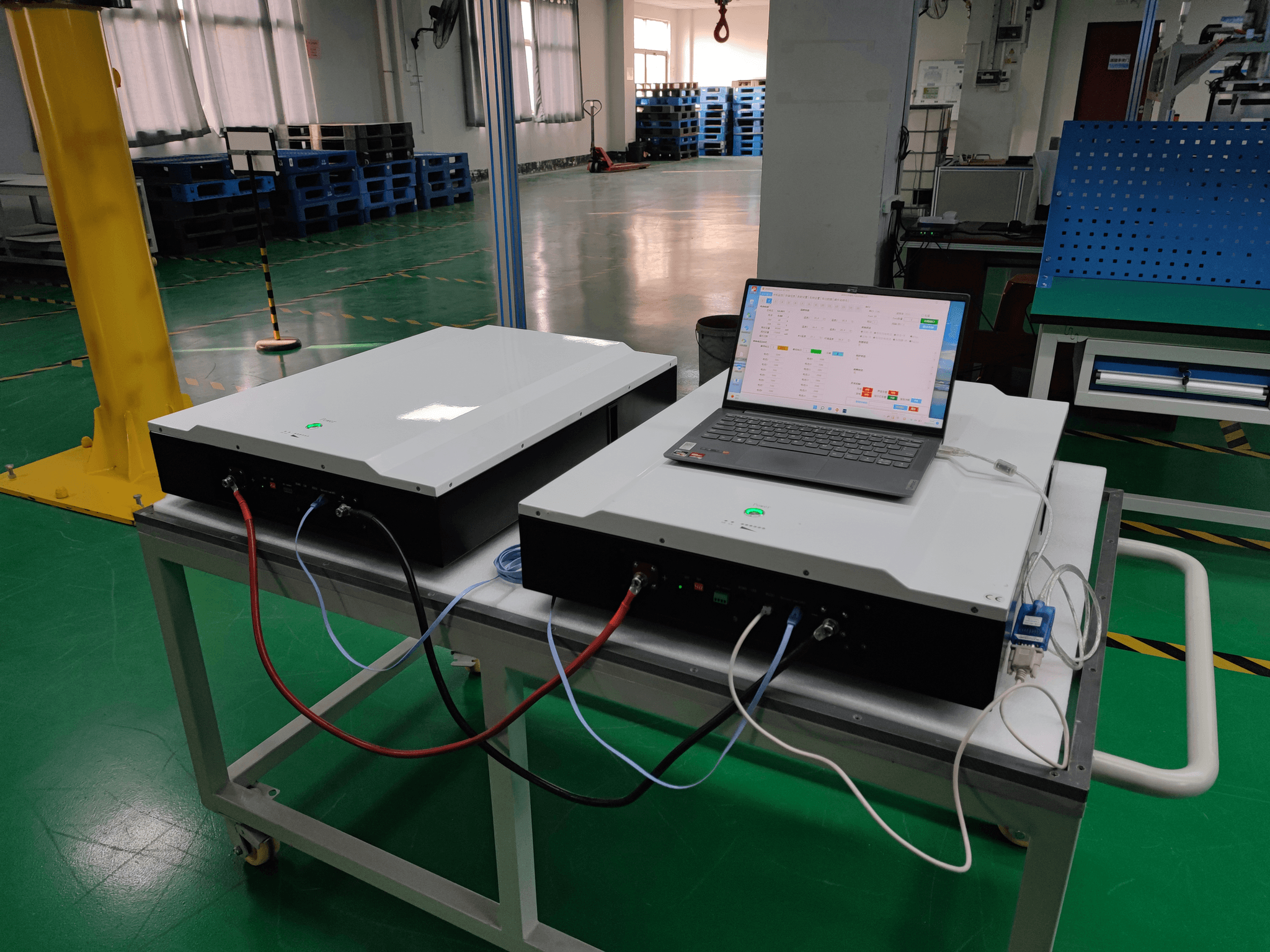
The landscape of Power Transformer Testing is evolving rapidly, driven by technological innovations that promise more accurate and efficient power transfer inspection methods. Future testing tools will likely incorporate advanced sensors and automation to streamline measurements like the Measurement of Winding Resistance, ensuring quicker diagnostics with minimal human error. These breakthroughs will make it easier to detect issues before they escalate, safeguarding the integrity of transformers through smarter, more reliable testing procedures.
Innovations in Testing Technologies
Emerging innovations are revolutionizing how we approach power transfer inspection, especially in critical tests such as the Temperature Rise Test and Insulation Resistance Test. New materials and sensor technologies now allow for real-time data collection during operation, providing immediate insights into transformer health without halting service. Additionally, portable diagnostic devices are becoming more sophisticated, enabling on-site Measurement of Winding Resistance and other vital parameters with high precision—making traditional testing methods look outdated overnight.
The Growing Role of Digital Diagnostics
Digital diagnostics are transforming Power Transformer Testing from a manual art into a high-tech science. With integrated sensors and IoT connectivity, digital systems can perform continuous monitoring of parameters like insulation resistance and lightning impulse resilience—key indicators for power transfer inspection. This shift not only enhances accuracy but also allows for predictive maintenance; early detection through digital diagnostics can prevent catastrophic failures by flagging issues during routine tests like the Separate-Source Voltage Withstand Test before they become costly outages.
How Standards from IEEE and IEC Shape Testing
Standards from IEEE and IEC continue to shape the future landscape by setting rigorous guidelines for power transfer inspection procedures such as the Lightning Impulse Test or Temperature Rise Test. These organizations ensure that new innovations in Power Transformer Testing align with global safety and performance benchmarks—keeping transformers reliable across borders. As technology advances, adherence to these standards guarantees that measurement techniques like Insulation Resistance Tests remain consistent worldwide, fostering trust in the results regardless of where or how testing is performed.
Conclusion
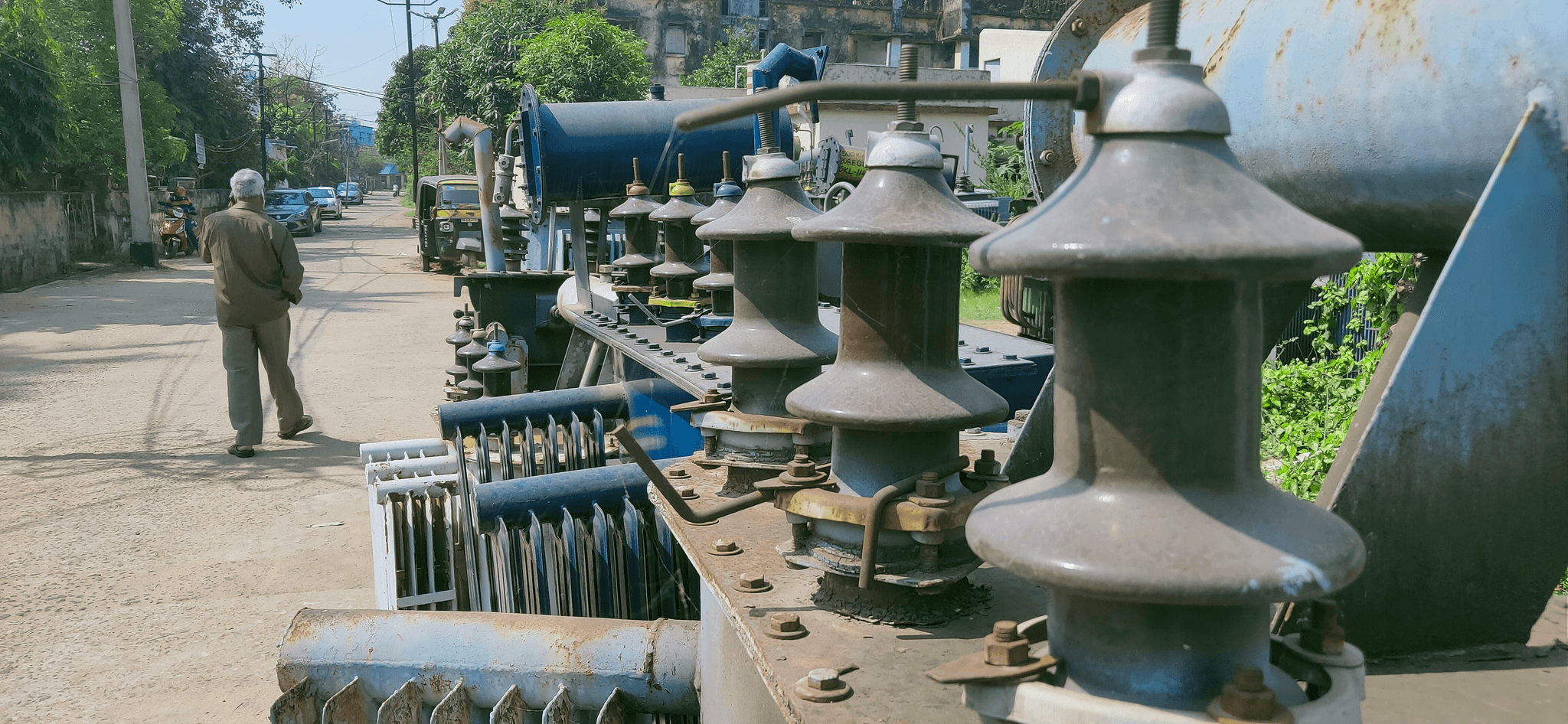
Power Transformer Testing isn’t just a box to check off; it’s the backbone of reliable power transfer inspection that keeps our grids humming smoothly. When you invest in comprehensive testing, you're safeguarding your equipment against unexpected failures and costly downtime. From Measurement of Winding Resistance to lightning-fast Lightning Impulse Tests, each step ensures your transformer is battle-ready for whatever surge or stress comes its way.
Why Comprehensive Power Transformer Testing Matters
In the realm of power transfer inspection, thorough testing like the Temperature Rise Test and Insulation Resistance Test reveals hidden weaknesses before they become catastrophic failures. These tests help identify potential issues early, ensuring that every component—from windings to insulation—is performing optimally. Skipping out on comprehensive Power Transformer Testing can lead to costly repairs and safety hazards down the line, making it essential for maintaining operational integrity.
Ensuring Longevity and Safety with Proper Inspection
Proper inspection through methods like the Separate-Source Voltage Withstand Test guarantees your transformer can withstand voltage spikes and surges without breaking a sweat. Regular measurement of Winding Resistance coupled with insulation checks extends the lifespan of transformers by preventing deterioration over time. In essence, diligent power transfer inspection acts as a shield—protecting personnel, infrastructure, and investments from unforeseen failures.
Partnering with China Inspection Pro for Quality Assurance
When it comes to top-tier Power Transformer Testing services, partnering with China Inspection Pro offers peace of mind backed by expertise and rigorous standards. Their team excels at conducting all key tests—including Lightning Impulse Tests—and interpreting results accurately to ensure your transformers meet international standards like IEC and IEEE. With their support, you’re not just testing; you're building a resilient future where safety and performance go hand in hand.