
Introduction
In the world of industrial inspections, Dye Penetrant Crack Testing stands out as a reliable and cost-effective method for detecting surface flaws. Whether using the Fluorescent Technique or the Visible Technique, this non-destructive testing approach allows inspectors to identify cracks without damaging the component, ensuring safety and integrity. Understanding how Dye Penetrant Crack Testing works is essential for industries that prioritize quality control and safety standards.
Non-Destructive Testing (NDT) methods like Dye Penetrant Crack Testing are vital because they enable thorough inspections without compromising the part's usability. Field tests are often the first step in identifying potential issues before moving to more detailed lab testing, which provides definitive results. Employing both techniques—fluorescent dyes for enhanced visibility in low-light conditions and visible dyes for quick assessments—helps maintain high safety standards across various industries.
Industry standards and safety regulations guide how Dye Penetrant Crack Testing should be performed, whether in a field test environment or within laboratory settings. Adhering to these protocols ensures consistent results and reduces the risk of overlooking critical flaws. As technology advances, so do safety practices, making it crucial to stay updated on industry best practices for dye penetrant testing procedures.
What is Dye Penetrant Crack Testing
Dye Penetrant Crack Testing is a non-destructive method used to detect surface-breaking flaws in various materials, especially metals and plastics. It involves applying a dye to the surface, which penetrates cracks and imperfections, making them visible under specific lighting conditions. This technique is crucial for ensuring structural integrity without damaging the tested component, whether in a field test or lab testing environment.
Definition and Purpose of the Technique
Dye Penetrant Crack Testing is a straightforward yet highly effective inspection process designed to reveal surface cracks that might otherwise go unnoticed. Its primary purpose is to identify flaws early, preventing potential failures in critical applications like aerospace, automotive, or construction industries. Whether using the Fluorescent Technique or Visible Technique, this testing method provides reliable results that help maintain safety standards during field tests or lab testing procedures.
Key Components of the Testing Process
The process begins with cleaning the test surface thoroughly to remove any dirt or grease that could interfere with dye penetration. Next, a liquid dye—either fluorescent or visible—is applied generously and allowed to seep into any cracks during a dwell time. After excess dye removal, developers are used to draw out residual dye from flaws, making them easy to spot either under UV light in fluorescent tests or visually in standard visible tests; this makes conducting accurate field tests and subsequent lab testing more straightforward.
Types of Dye Penetrant Methods Used
There are two main types of Dye Penetrant Crack Testing: Fluorescent Technique and Visible Technique. The Fluorescent Technique uses dyes that glow under ultraviolet light, offering heightened sensitivity ideal for detecting tiny cracks during field tests where precision matters most. Conversely, the Visible Technique employs dyes visible under normal lighting conditions—perfect for quick inspections when equipment like UV lamps isn't available; both methods are commonly chosen depending on whether you’re performing an immediate field test or detailed lab testing for comprehensive analysis.
The Fluorescent Technique Explained
The Fluorescent Technique is a game-changer in Dye Penetrant Crack Testing, especially when precision and sensitivity are critical. By using fluorescent dyes, inspectors can detect even the tiniest cracks that might be missed with traditional visible dyes. This method enhances the overall effectiveness of dye penetrant crack testing by making flaws glow under UV light, providing a clear contrast that’s hard to ignore.
How Fluorescent Dyes Enhance Detection
Fluorescent dyes are specially formulated to absorb ultraviolet light and emit visible fluorescence, which makes cracks stand out vividly against the background material. When applied during dye penetrant crack testing, these dyes seep into surface flaws with remarkable efficiency. The result is a highly sensitive detection process that allows inspectors to identify defects that could compromise product integrity—something the visible technique alone might overlook in complex or heavily textured surfaces.
Benefits of Using Fluorescent Technique in Field Tests
Using the fluorescent technique in field tests offers numerous advantages over traditional visible methods. It significantly improves defect detectability, especially on rough or dark surfaces where visible dyes might struggle to reveal cracks clearly. Plus, since fluorescent dye penetrants are easy to visualize under UV light, field inspectors can quickly assess areas without needing extensive lab testing—saving both time and resources while maintaining high safety standards.
Common Applications and Industries
The fluorescent dye penetrant crack testing method is widely adopted across industries such as aerospace, automotive, petrochemical, and power generation—where safety cannot be compromised. These sectors rely heavily on this technique for routine inspections of welds, castings, and machined components prone to stress fractures. Its ability to highlight even microscopic flaws makes it indispensable for ensuring product reliability before moving from field test results to more detailed lab testing if needed.
The Visible Technique Demystified
The Visible Technique in Dye Penetrant Crack Testing offers a straightforward approach to detecting surface flaws without the need for special lighting or fluorescence. It relies on dyes that are easily seen under normal light conditions, making it particularly handy during field tests where quick results are essential. While it may not match the sensitivity of its fluorescent counterpart, the visible method remains a reliable choice for many inspection scenarios.
Utilizing Visible Dyes for Crack Detection
In dye penetrant crack testing, using visible dyes allows inspectors to observe cracks directly with the naked eye after applying a contrasting dye and developer. This technique is especially popular during field tests because it doesn’t require UV light or specialized equipment—just good old-fashioned visual inspection. When conducting dye penetrant crack testing with visible dyes, thorough surface cleaning and proper application are key to ensuring that even tiny cracks reveal themselves clearly.
Advantages and Limitations of Visible Technique
One major advantage of the visible technique is its simplicity and cost-effectiveness, making it suitable for routine inspections in various industries. It also provides immediate visual confirmation during field tests, reducing turnaround time for results. However, this method has limitations; it’s less effective at detecting subsurface or tight cracks compared to fluorescent techniques, which can highlight smaller flaws under UV light—an important consideration when choosing between dye penetrant crack testing methods.
When to Opt for Visible Over Fluorescent
Deciding whether to use the visible technique or switch to fluorescence depends on several factors in your dye penetrant crack testing process. If speed and ease of use are priorities during a field test, and surface cracks are your main concern, then visible dyes often suffice—especially when working outdoors or in environments with limited lighting options. Conversely, if detecting very fine cracks or conducting detailed lab testing where maximum sensitivity is required, fluorescent techniques tend to be more reliable; but for quick checks on-site, sticking with the visible method can save time while still delivering accurate results.
Conducting a Field Test with China Inspection Pro
Performing Dye Penetrant Crack Testing in the field might seem daunting, but with the right approach, it becomes straightforward and reliable. China Inspection Pro specializes in guiding you through each step to ensure accurate results whether you're using the Fluorescent Technique or the Visible Technique. A well-executed field test is crucial for early crack detection and maintaining safety standards across industries.
Step-by-Step Process in the Field
The first step in a Dye Penetrant Crack Testing field test is surface preparation—cleaning the component thoroughly to remove dirt, grease, or any contaminants that could mask cracks. Next, apply the dye penetrant uniformly across the surface; for enhanced sensitivity, many opt for Fluorescent Technique dyes that glow under UV light, making cracks easier to spot. After allowing sufficient dwell time for the dye to seep into any flaws, excess penetrant is carefully removed before applying a developer to draw out indications of cracks.
Once these preparatory steps are complete, inspection begins—either visually for Visible Technique dyes or under UV light for Fluorescent Technique dyes. This process allows inspectors to identify even minute cracks quickly and accurately. Finally, documented results are compared against industry standards; if necessary, further lab testing can be scheduled to confirm findings and facilitate quality assurance.
Equipment and Safety Considerations
Conducting a successful field test requires more than just dye and developer; specialized equipment like UV lamps for Fluorescent Technique testing or magnifying glasses for visible indications are essential tools. Safety gear such as gloves, goggles, and proper ventilation must be prioritized because chemicals involved can be hazardous if mishandled. Proper disposal of residual chemicals after testing also ensures compliance with safety regulations while protecting both personnel and the environment.
Remember that consistent application of dye penetrant during Dye Penetrant Crack Testing is key—any lapses can lead to false positives or negatives that compromise safety assessments. Using high-quality equipment ensures precise detection whether you're employing the Fluorescent Technique or sticking with a Visible Technique during your field test. Ultimately, meticulous attention to safety precautions coupled with reliable equipment guarantees trustworthy results in demanding field environments.
Ensuring Accurate Results in the Field Environment
Achieving precision during a Dye Penetrant Crack Testing field test hinges on controlling environmental factors such as lighting conditions and surface cleanliness—both critical when using either Fluorescent or Visible Techniques. Dirt, oil residues, or uneven surfaces can obscure crack indications; thus thorough cleaning prior to testing cannot be overstated. Regular calibration of detection equipment like UV lights enhances sensitivity when utilizing fluorescent dyes.
Furthermore, documenting every step—from application times to environmental conditions—helps maintain consistency across tests and facilitates comparison with lab testing results later on. Training personnel adequately ensures they understand how different techniques function best under varying circumstances; this knowledge minimizes errors during inspection routines. By combining proper procedures with careful environment management, China Inspection Pro guarantees that your field tests yield dependable data vital for safety assessments and quality control initiatives.
Transitioning from Field to Lab Testing
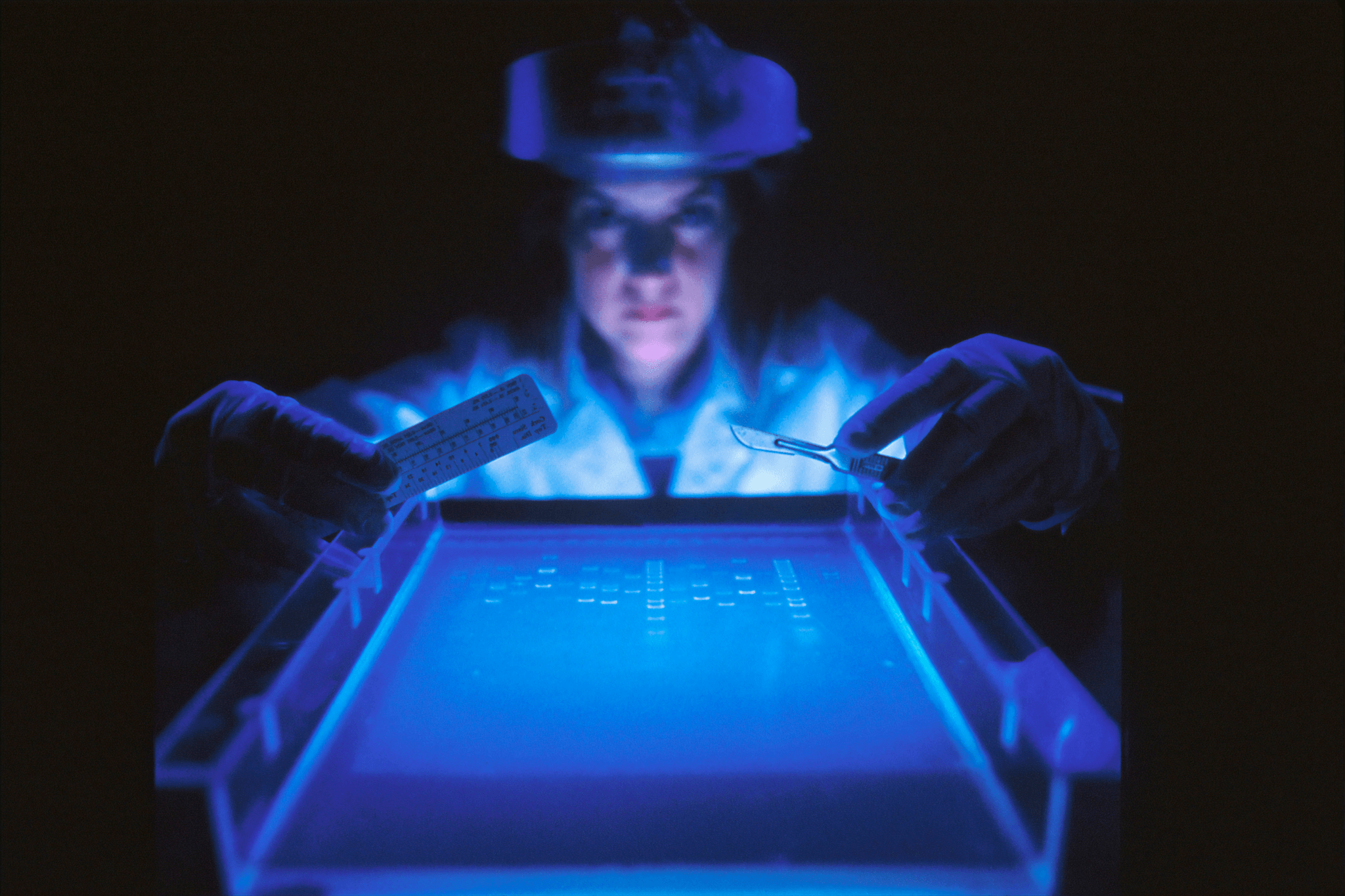
While a well-executed field test using Dye Penetrant Crack Testing techniques like the Fluorescent Technique or Visible Technique can reveal critical flaws on-site, there are moments when moving to lab testing becomes essential. Sometimes, field results are ambiguous or require more detailed analysis, prompting a transition to lab environments where controlled conditions and advanced equipment ensure precision. Recognizing when to shift from a quick field test to comprehensive lab testing is crucial for maintaining the integrity of your inspection process and ensuring that no crack goes unnoticed.
When to Move from Field to Laboratory
Deciding when to transition from a field test with Dye Penetrant Crack Testing methods such as the Fluorescent Technique or Visible Technique hinges on several factors. If the initial field test results are inconclusive or show signs of complex cracking patterns that require magnification and detailed analysis, moving to lab testing is advisable. Additionally, if safety standards demand thorough documentation and verification, conducting lab testing provides higher accuracy and confidence in the results, especially for critical components.
Lab Testing Procedures and Advantages
Lab testing for dye penetrant crack detection involves meticulous procedures including cleaning, applying penetrant dyes (fluorescent or visible), dwell time, removal of excess dye, and developer application under controlled conditions. These procedures allow for higher sensitivity detection of even minute cracks that might be missed during a field test due to environmental variables such as dirt or surface roughness. The advantages include enhanced resolution, repeatability of tests, and detailed documentation—making lab testing an invaluable step in confirming findings from initial field inspections.
Comparing Results for Better Quality Assurance
Comparing results between your initial field test—whether using the Fluorescent Technique or Visible Technique—and subsequent lab testing ensures comprehensive quality assurance. Discrepancies can indicate surface contamination issues or limitations inherent in portable equipment used during field tests; thus, cross-verification helps identify false positives or negatives effectively. Ultimately, integrating both sets of results allows you to make informed decisions about product integrity while minimizing risks associated with undetected cracks.
The Role of Dye Penetrant Crack Testing in Quality Control
Dye Penetrant Crack Testing plays a pivotal role in maintaining high standards within quality control programs across various industries. Its ability to detect surface-breaking flaws with high sensitivity makes it an indispensable part of overall inspection strategies. Whether employing the Fluorescent Technique or Visible Technique, this testing method helps identify cracks early, preventing costly failures down the line.
Incorporating Dye Penetrant Crack Testing into your inspection program ensures that potential defects are caught before they turn into safety hazards or operational setbacks. Field tests allow quick, on-site assessments using fluorescent dyes for enhanced visibility or visible dyes for straightforward detection. When discrepancies are found, lab testing often follows to confirm findings and provide detailed analysis, creating a comprehensive safety net for product integrity.
Successful implementation of dye penetrant methods reduces failure rates significantly by catching cracks that might be invisible to the naked eye during routine inspections. Using the Fluorescent Technique in field tests offers heightened sensitivity, especially useful in critical components, while visible dyes provide simplicity for less demanding applications. Combining these approaches with lab testing ensures thorough quality assurance, ultimately leading to safer products and more reliable operations.
Conclusion

Ensuring product integrity with reliable testing methods like Dye Penetrant Crack Testing is essential for maintaining safety and quality across industries. Whether you opt for the Fluorescent Technique or the Visible Technique, choosing a proven approach helps detect even the tiniest cracks before they become costly failures. Reliable dye penetrant crack testing not only saves money but also protects lives by catching flaws early in both field test and lab testing environments.
Ensuring Product Integrity with Reliable Testing
When it comes to maintaining high standards, Dye Penetrant Crack Testing stands out as a trusted non-destructive method to identify surface cracks that could compromise product integrity. The Fluorescent Technique enhances detection sensitivity during field tests, making it easier to spot minute flaws under UV light, while the Visible Technique provides straightforward results without special equipment. By integrating these techniques into your inspection routine, you ensure consistent quality control and reduce the risk of unexpected failures in real-world applications.
Choosing the Right Technique for Your Needs
Selecting between the Fluorescent Technique and Visible Technique depends on your specific requirements—consider factors like environment, detection sensitivity, and available resources. For quick field tests where immediate results matter, fluorescent dyes offer superior visibility under UV light but may require additional safety precautions. Conversely, visible dyes are ideal for simpler inspections or settings where specialized lighting isn't feasible; however, they might miss very fine cracks detectable through fluorescent methods. Ultimately, understanding your application will guide you toward the best dye penetrant crack testing approach for accurate results.
Partnering with Experts like China Inspection Pro
Partnering with experienced professionals such as China Inspection Pro ensures that your dye penetrant crack testing—whether using Fluorescent or Visible Techniques—is performed accurately and efficiently across both field test and lab testing scenarios. Their expertise helps interpret complex results correctly and recommends suitable techniques tailored to your industry needs. With their support, you can confidently rely on dye penetrant crack testing to uphold safety standards while optimizing inspection processes.