
Introduction
In today’s eco-conscious marketplace, PPWR Compliance isn’t just a regulatory checkbox—it’s a strategic move that can elevate your brand’s reputation and customer trust. Navigating new packaging regulations might seem daunting, but understanding the ins and outs of PPWR helps you stay ahead of the curve and avoid costly penalties. With the right knowledge, you can turn compliance into an opportunity to showcase your commitment to sustainability and innovation.
Why PPWR Compliance Matters for Your Brand
PPWR Compliance is crucial because consumers increasingly favor brands that prioritize environmental responsibility, especially when it comes to packaging materials. Which products are impacted by PPWR? Nearly all packaged goods—think bottles, boxes, wrappers—must meet specific standards to reduce waste and improve recyclability. The consequences of non-compliance with PPWR can be severe, including hefty fines, damaged reputation, or even market bans; therefore, preparing for PPWR compliance should be at the top of your business agenda.
Navigating New Packaging Regulations with Confidence
Understanding what are the consequences of non-compliance with PPWR? They range from legal penalties to loss of consumer trust—all avoidable if you take proactive steps now. Preparing for PPWR compliance: steps your business should take involve conducting impact assessments and collaborating with trusted partners like China Inspection Pro for quality checks. By doing so, you’ll not only ensure adherence but also demonstrate leadership in sustainable packaging strategies.
How PPWR Is Shaping Sustainable Packaging Strategies
PPWR is redefining how companies approach packaging design—pushing brands toward more sustainable solutions that align with regulatory demands. Which products are impacted by PPWR? From plastic bottles to cardboard boxes, every packaging material must evolve to meet these new standards. Embracing this shift allows businesses to leverage compliance as a competitive advantage while contributing positively to environmental goals.
Understanding PPWR Compliance

Getting a grip on what PPWR Compliance entails is the first step toward navigating the complex world of packaging regulations. The Packaging and Packaging Waste Regulation (PPWR) aims to reduce packaging waste and promote sustainable practices across industries. By understanding which products are impacted by PPWR, businesses can better prepare for compliance and avoid costly missteps that could lead to hefty fines or damage to brand reputation.
When it comes to which products are impacted by PPWR, it's not just about the packaging itself but also the materials used—think plastics, paper, metals, and composites. These materials are subject to strict rules on recyclability, reuse, and environmental impact. For example, beverage bottles made from PET plastic or cardboard boxes for retail products fall squarely under this regulation. Recognizing these examples helps companies develop a clear plan for complying with PPWR compliance standards without missing a beat.
The role of the European Union in packaging legislation is pivotal; they set the legal framework that shapes national policies across member states. The EU's push for sustainable packaging aligns with global efforts to curb pollution and promote circular economy principles. Businesses that understand what are the consequences of non-compliance with PPWR will find themselves at risk of penalties, market bans, or reputational harm if they ignore these evolving rules.
Preparing for PPWR compliance: steps your business should take include conducting impact assessments on current packaging practices and collaborating with experts who understand these regulations inside out. Implementing a proactive strategy ensures you can meet all requirements before deadlines hit—saving time and money in the long run. Staying ahead in this regulatory landscape means you not only avoid what are the consequences of non-compliance with PPWR but also position your brand as a leader in sustainable practices.
Key Requirements of PPWR
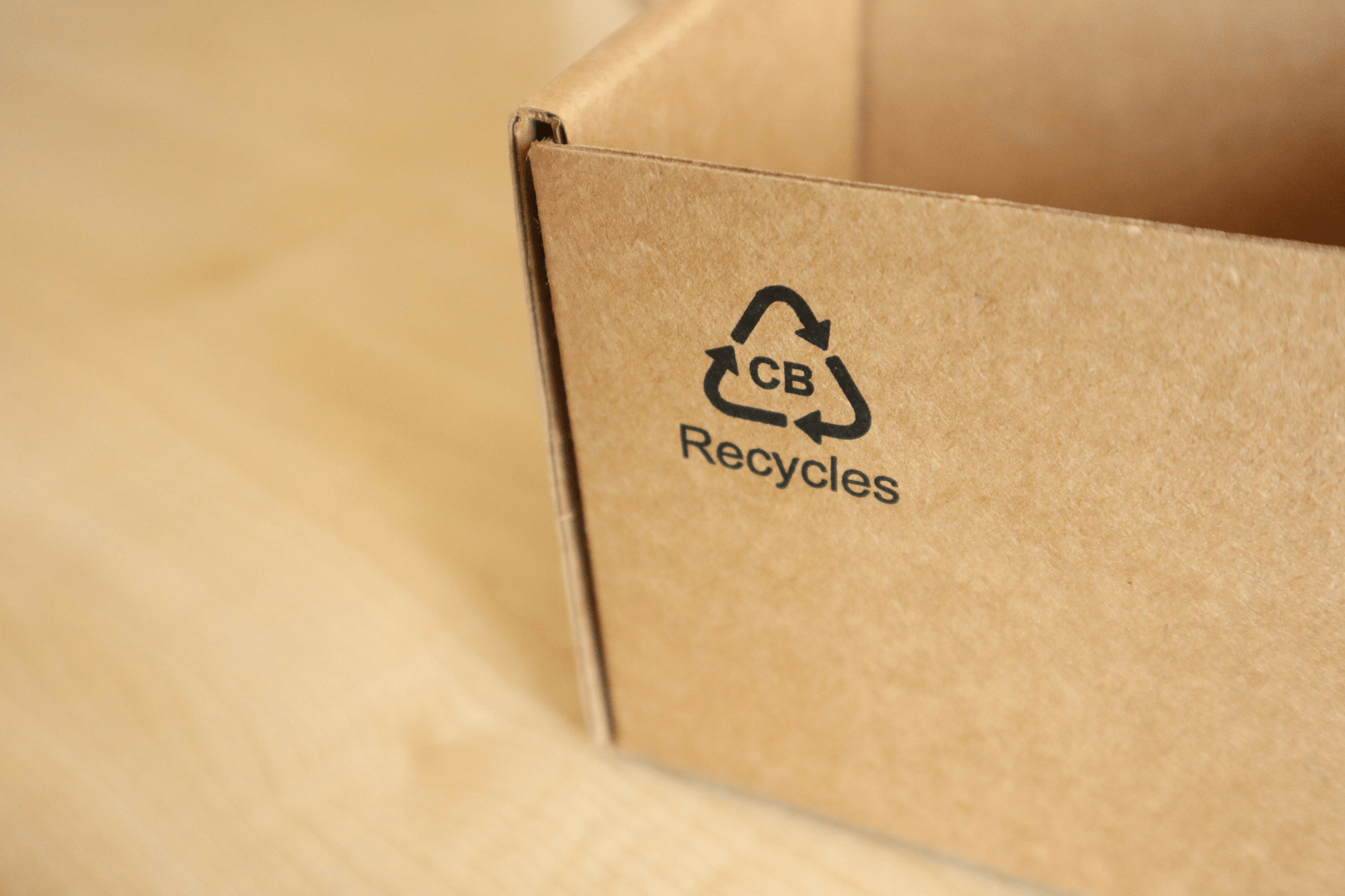
Understanding the core requirements of PPWR is essential for any business aiming to stay compliant and avoid costly penalties. The regulation emphasizes transparency, sustainability, and accountability—meaning companies must adapt their packaging strategies accordingly. By preparing for PPWR compliance early, businesses can streamline their processes and turn regulatory hurdles into opportunities for brand differentiation.
Core Principles for Complying with PPWR
The foundational pillars of PPWR Compliance revolve around reducing packaging waste, enhancing recyclability, and providing clear information to consumers. These core principles serve as a blueprint that guides companies in designing packaging that aligns with environmental goals without sacrificing functionality. Ignoring these principles can lead to significant consequences of non-compliance with PPWR, including fines or market restrictions, so it’s vital to integrate them into your overall strategy.
Labeling and Information Obligations under PPWR
One of the most visible aspects of complying with PPWR is adhering to strict labeling and information obligations. Businesses must ensure their packaging clearly communicates recycling instructions and relevant product details—making it easier for consumers to dispose of waste responsibly. This step is crucial because it directly impacts which products are impacted by PPWR? Packaging materials and examples; if labels are inaccurate or incomplete, companies risk non-compliance consequences that could damage brand reputation.
Responsibilities of Producers and Retailers in PPWR Compliance
Producers and retailers share the responsibility for ensuring their entire supply chain complies with the regulation—each must understand what are the consequences of non-compliance with PPWR? Failure to do so can lead not only to legal penalties but also loss of consumer trust. Preparing for PPWR compliance: steps your business should take include establishing internal protocols, training staff on new requirements, and collaborating with partners who understand how to meet these standards effectively.
Preparing for PPWR Compliance: Steps Your Business Should Take

Getting your business ready for PPWR Compliance isn’t just a good idea; it’s essential in today’s eco-conscious market. The first step involves understanding which products are impacted by PPWR, especially since packaging materials and examples can vary widely across industries. By identifying these impacted products early, you can tailor your compliance efforts effectively, avoiding costly surprises down the line.
Conducting a Packaging Waste Impact Assessment
The foundation of complying with PPWR Compliance starts with a thorough impact assessment of your packaging waste. This process helps pinpoint areas where your packaging may not meet new standards or could be optimized for sustainability. Remember, knowing which products are impacted by PPWR is crucial—if you overlook this step, non-compliance consequences could be severe, including fines or reputational damage.
Collaborating with China Inspection Pro for Quality Inspection
Once you’ve assessed your packaging waste impact, it’s wise to collaborate with specialists like China Inspection Pro for quality inspection services. These experts can ensure that your packaging materials meet the necessary standards and help you avoid the consequences of non-compliance with PPWR. Partnering with knowledgeable inspectors streamlines the process and provides peace of mind that your products align with regulatory expectations.
Developing a PPWR-Compliant Packaging Strategy
The final step is developing a comprehensive strategy to comply with PPWR Compliance across all product lines. Your plan should incorporate sustainable materials, clear labeling obligations, and responsible disposal instructions—key elements in which products are impacted by PPWR? Packaging Materials and Examples are diverse but must all adhere to new regulations. A well-crafted strategy not only ensures compliance but also boosts brand image as an environmentally responsible leader.
By following these steps diligently, your business will be better prepared to meet upcoming regulations while maintaining a competitive edge in sustainable practices. Staying ahead means understanding what are the consequences of non-compliance with PPWR and acting proactively to mitigate risks associated with regulatory changes—because in the world of packaging, compliance isn’t optional anymore!
Managing Non-Compliance Risks
Navigating the landscape of PPWR Compliance can be tricky, and the stakes are high for businesses that overlook it. Non-compliance with PPWR can lead to hefty fines, damaged brand reputation, and even product bans in critical markets. To avoid these pitfalls, companies must understand which products are impacted by PPWR, especially when it comes to packaging materials and examples that fall under regulatory scrutiny.
Failing to prepare for PPWR Compliance doesn’t just risk penalties; it also hampers your ability to stay competitive. Implementing robust monitoring and reporting systems is essential for tracking compliance status across your product range. These tools help ensure you’re aware of any gaps early on, allowing you to take corrective actions before regulators come knocking.
Staying ahead of regulatory changes requires a proactive approach—regularly reviewing updates on which products are impacted by PPWR and adjusting your packaging strategies accordingly. Developing a comprehensive plan that incorporates steps your business should take—such as conducting impact assessments and aligning with industry standards—can make all the difference. Remember, preparing for PPWR Compliance isn’t a one-time effort but an ongoing commitment to sustainability and legal adherence.
Tools and Resources for PPWR Compliance

Navigating the complex landscape of PPWR Compliance can feel like trying to assemble furniture without the instructions—confusing but manageable with the right tools. Industry standards and certification programs serve as your trusty toolkit, helping you verify that your packaging materials meet regulatory expectations. These certifications often include eco-labels or sustainability seals that demonstrate your commitment to responsible packaging, which is crucial for complying with PPWR Compliance and avoiding costly penalties.
Technology is a game-changer when it comes to managing compliance efficiently. Using compliance management software allows businesses to track which products are impacted by PPWR, monitor label obligations, and ensure that all packaging materials align with evolving regulations. Preparing for PPWR Compliance becomes less daunting when digital tools automate reporting processes and flag potential non-compliance risks before they escalate—saving you time and money while keeping your brand on the right side of regulation.
Educational resources and support networks are invaluable assets in your PPWR Compliance journey. Industry webinars, official government guidelines, and expert forums offer insights into what are the consequences of non-compliance with PPWR? Ignoring these resources could lead to hefty fines or damage to brand reputation. Engaging with these networks ensures you're always up-to-date on which products are impacted by PPWR, how to develop a compliant packaging strategy, and how best to prepare for PPWR Compliance: steps your business should take.
Conclusion

Navigating the world of PPWR Compliance can feel like trying to solve a Rubik’s Cube blindfolded, but staying ahead is crucial for your brand’s reputation and legal standing. Understanding which products are impacted by PPWR, and developing a clear plan to comply with PPWR compliance, ensures you’re not caught off guard by regulatory surprises. Remember, businesses that prepare for PPWR compliance early will avoid costly penalties and position themselves as leaders in sustainable packaging.
Staying Ahead in a Changing Regulatory Landscape
The landscape of packaging regulations is evolving faster than fashion trends, making it vital to keep up with which products are impacted by PPWR and how new rules apply. Companies that stay informed about what are the consequences of non-compliance with PPWR understand the importance of proactive measures. Preparing for PPWR compliance: steps your business should take now include regular audits, staff training, and engaging with compliance experts — all essential to avoid falling behind.
How to Leverage PPWR Compliance for Brand Value
Embracing PPWR compliance isn’t just about avoiding fines; it’s an opportunity to elevate your brand’s reputation by demonstrating commitment to sustainability. Consumers increasingly favor brands that prioritize eco-friendly packaging materials and transparent labeling obligations under PPWR. By aligning your strategy with what are the consequences of non-compliance with PPWR? you can showcase leadership in responsible business practices, turning regulatory adherence into a competitive advantage.
The Future of Sustainable Packaging and Regulatory Trends
Looking ahead, the future of sustainable packaging will likely see even more stringent regulations around packaging waste and product impact assessments. Staying ahead involves understanding which products are impacted by PPWR and continuously updating your strategies accordingly. As you develop your approach, remember that preparing for PPWR compliance: steps your business should take will be ongoing—adapting as new standards emerge—and those who do so will enjoy both regulatory peace of mind and enhanced brand loyalty.