
Introduction

For importers venturing into international markets, a well-structured QC checklist isn’t just a helpful tool—it’s the backbone of successful quality assurance. Without a clear QC process, you risk overlooking critical details like product specs, packaging standards, or labeling requirements, which can lead to costly mistakes down the line. Implementing an effective QC checklist ensures every step is covered, from inspecting quantity—whether finished & packed, finished & not packed, or not finished—to verifying product specs such as size, weight, and color.
Partnering with China Inspection Pro makes it easier to uphold high standards throughout your QC process. Their expertise helps you confirm that your products meet all labeling and marking regulations while adhering to packing and packaging standards. By maintaining thorough quality control through a comprehensive QC checklist, importers can avoid expensive errors and ensure their products are market-ready with confidence.
Understanding the QC Process
Getting a handle on the QC process is like mastering the art of quality control—it’s all about ensuring your products meet standards before they hit the market. A well-structured QC checklist guides every step, from initial inspection to final approval, making sure no detail slips through the cracks. Whether you're verifying Quantity (finished & packed, finished & not packed, not finished) or checking Product Specs like size, width, color, and weight, understanding this process is key to avoiding costly mistakes.
Implementing an effective QC checklist requires clarity and precision. Start by outlining each inspection stage—quantity checks for all product stages, detailed product specifications verification, and confirming labeling and marking compliance. Incorporate checkpoints for Packing and Packaging standards and consider when Special Testing may be necessary to verify safety or durability. This way, your QC process becomes a reliable roadmap that ensures consistency and quality at every turn.
Common pitfalls in quality inspections often stem from overlooking small details or rushing through steps. For instance, neglecting to verify Product Specs thoroughly can lead to mismatched sizes or incorrect colors slipping past inspectors. Similarly, skipping proper Quantity checks or ignoring Labeling and Marking standards might result in regulatory issues or customer complaints later on. To avoid these traps, always double-check each element on your QC checklist—attention to detail is your best defense.
Managing Quantity Checks
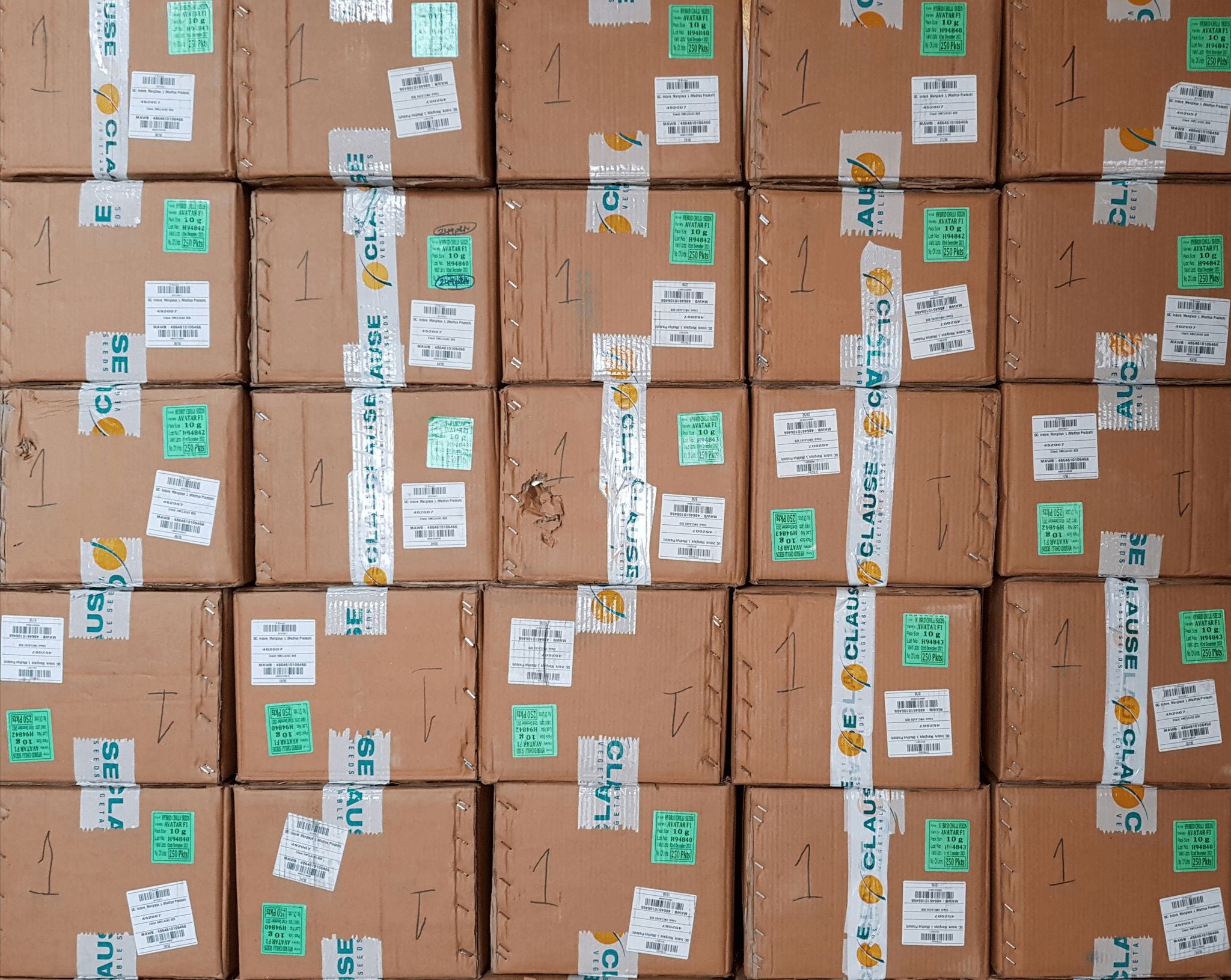
Effective management of quantity checks is a cornerstone of a robust QC process, especially for importers aiming to ensure their products meet the required standards. From verifying finished and packed items to inspecting not finished or not packed products, every stage demands meticulous attention to detail. Implementing a comprehensive QC checklist helps identify discrepancies early, saving time and avoiding costly mistakes down the line.
Verifying finished and packed items
When it comes to verifying finished and packed items, your QC checklist should include precise measurements of quantity against purchase orders or specifications. This step ensures that each carton or pallet contains the correct number of units, preventing shortages or overages that could disrupt your supply chain. Remember, accurate quantity reporting at this stage is crucial for maintaining product specs like size, weight, and overall consistency throughout the QC process.
Inspecting not finished and not packed products
Inspecting not finished or not packed products might seem premature but is essential for catching potential issues early on. During this phase, verify that product specs such as color accuracy, dimensions like width and size, and material quality are aligning with your standards before packing begins. Incorporating these checks into your QC checklist minimizes the risk of shipping defective goods and ensures all items will pass final quantity verification seamlessly.
Ensuring accurate quantity reporting for all stages
Across all stages—whether inspecting unfinished goods or verified finished & packed items—accurate quantity reporting remains vital for effective quality control. Your QC process should include detailed documentation at each step to track quantities meticulously, avoiding discrepancies during transit or customs clearance. Properly managing these reports guarantees that labeling and marking are correctly applied per international standards while also supporting subsequent special testing if needed.
Confirming Product Specifications

Ensuring your products meet the exact product specs is a crucial step in the QC process. This involves meticulously checking dimensions such as size, width, and weight to prevent any surprises upon arrival. A well-structured QC checklist helps you verify these details consistently, avoiding costly rework or returns later.
Checking size, width, and weight accuracy
When verifying product specs like size and weight, don’t just eyeball it—use precise measuring tools to ensure every item aligns with the specifications on your QC checklist. Accurate measurements are essential for maintaining quality standards and customer satisfaction. Remember, even a slight deviation in size or weight can cause issues during packaging or when meeting international regulations.
Verifying color consistency and material quality
Color consistency isn’t just about aesthetics; it’s a vital part of product specs that can affect brand perception and compliance standards. Use proper lighting and comparison charts to confirm that every batch matches the specified color palette. Additionally, inspecting material quality ensures durability and safety; a thorough check against your QC checklist guarantees that materials meet both industry standards and your expectations.
Matching actual products with specified product specs
Matching the actual products with their specified specs is where attention to detail truly pays off. Cross-reference each item against your QC checklist to ensure all parameters—size, width, color, weight—are within acceptable tolerances before approval. This step minimizes discrepancies that could lead to customer complaints or regulatory issues down the line.
By integrating these checks into your overall QC process, you not only uphold high standards but also streamline communication with factories—making sure everyone’s on the same page regarding product specs from start to finish.
Labeling and Marking Compliance

Ensuring proper labeling and marking is a critical component of your QC checklist, especially when managing complex import operations. Accurate labels help verify product specs such as size, width, color, and weight, which are vital for meeting both customer expectations and regulatory standards. Incorporating thorough checks on labeling and markings during the QC process reduces the risk of costly mistakes related to mislabeling or non-compliance.
Essential labeling requirements for importers
An effective QC checklist must include a detailed review of labeling requirements tailored to each market’s regulations. Importers need to confirm that all labels clearly display product specs like size, weight, and color, along with handling instructions if necessary. Proper labels should also include regulatory information such as country of origin and safety warnings to ensure compliance with international standards.
Accuracy and visibility of markings
The accuracy of markings is paramount in avoiding misunderstandings or legal issues once products reach their destination. During the QC process, verifying that markings are legible, correctly placed, and resistant to wear ensures high visibility throughout transit and storage. This step helps prevent returns or rejections caused by unclear or incorrect markings on finished & packed items or even not finished products awaiting inspection.
Meeting international and regulatory standards
Different countries impose specific regulations regarding labeling practices; therefore, integrating these into your QC checklist is essential for smooth market entry. Ensuring your product specs—such as size, width, color consistency—and associated markings meet these standards can save you from delays or penalties at customs clearance. Regularly updating your QC process with the latest international guidelines guarantees your labeling remains compliant across all markets.
By emphasizing accurate labeling aligned with your QC checklist, you streamline the entire import process while safeguarding quality standards through diligent inspection of product specs and markings—ultimately transforming quality findings into strategic improvements for future shipments.
Packaging and Packing Standards
Proper packaging techniques are the backbone of a successful QC process, especially when it comes to preventing damage during transit. Implementing a thorough QC checklist helps identify potential weak points in packing methods, ensuring products are well-protected from the moment they leave the factory until they reach the end customer. Remember, a comprehensive QC process that emphasizes packing and packaging standards minimizes costly returns and enhances brand reputation.
Optimizing packing for logistics and transit is more than just stacking boxes neatly; it involves strategic placement to safeguard Product Specs such as size, width, color, and weight. A detailed QC checklist guides you through verifying that each package aligns with these specifications before shipment. This step ensures finished & packed quantities are accurate and meet international shipping standards, reducing delays caused by damaged or non-compliant packages.
Ensuring packaging meets industry and safety standards is vital for compliance and customer satisfaction. Incorporate checks for labeling and marking accuracy within your QC process to confirm all labels are visible, correct, and compliant with regulatory requirements. Regularly reviewing your QC checklist for packaging standards guarantees your products adhere to safety norms while maintaining an attractive presentation that meets global expectations.
Conducting Special Testing
Special testing is a critical step in the QC process that goes beyond visual inspection, ensuring your products meet safety, durability, and functionality standards. Knowing when to perform these tests—such as before shipment or during product development—can prevent costly recalls or market rejections later on. Incorporating special testing into your QC checklist helps identify potential issues early, saving time and money while maintaining product integrity.
When and why to perform special testing
Timing is everything when it comes to special testing within the QC process. Performing these tests during initial production stages can catch defects related to product specs like size, width, color, or weight before they reach your customer’s hands. Additionally, conducting safety and durability tests prior to shipment ensures compliance with international standards, reducing the risk of fines or rejection at customs. A well-structured QC checklist prompts importers to plan for special testing at crucial points in the supply chain.
Types of tests including safety, durability, and functionality
There’s no one-size-fits-all here; the types of special testing vary depending on your product category and market requirements. Safety tests might include chemical analysis or flammability assessments; durability checks could involve stress or drop tests; while functionality evaluations ensure features work as intended under real-world conditions. These tests often examine product specs like size, weight, color consistency, and material quality—elements vital for meeting international standards and satisfying customer expectations.
Interpreting test results to meet market demands
Once you have your test results in hand, it’s time for careful analysis aligned with your QC checklist criteria. If a product fails a safety test or shows deviations from specified product specs such as width or weight, immediate corrective actions are necessary before proceeding further down the QC process. Proper interpretation helps translate technical data into strategic improvements—whether refining packing standards or adjusting labeling and marking practices—to ensure compliance with market demands.
Conclusion
A well-crafted QC checklist is the backbone of successful importing, ensuring every product meets strict standards before it leaves the factory. By meticulously following the QC process, importers can catch potential issues related to Quantity (finished & packed, finished & not packed, not finished), Product Specs (size, width, color, weight), and Labeling and Marking early on. This proactive approach minimizes costly returns and rework while boosting confidence in your supply chain.
Partnering with China Inspection Pro elevates your quality assurance game by providing expert insights into every aspect of the QC process. Their team helps interpret findings from inspections related to Packing and Packaging or Special Testing, transforming raw data into actionable improvements. With their support, you gain peace of mind knowing your QC checklist is comprehensive and aligned with international standards.
Transforming quality findings into strategic improvements is where real value lies. Whether it's refining Product Specs or enhancing Labeling and Marking accuracy, a detailed QC checklist helps identify root causes of issues and streamlines corrective actions. This continuous improvement cycle ensures your products stay ahead in the competitive global market while maintaining top-notch standards.