
Introduction
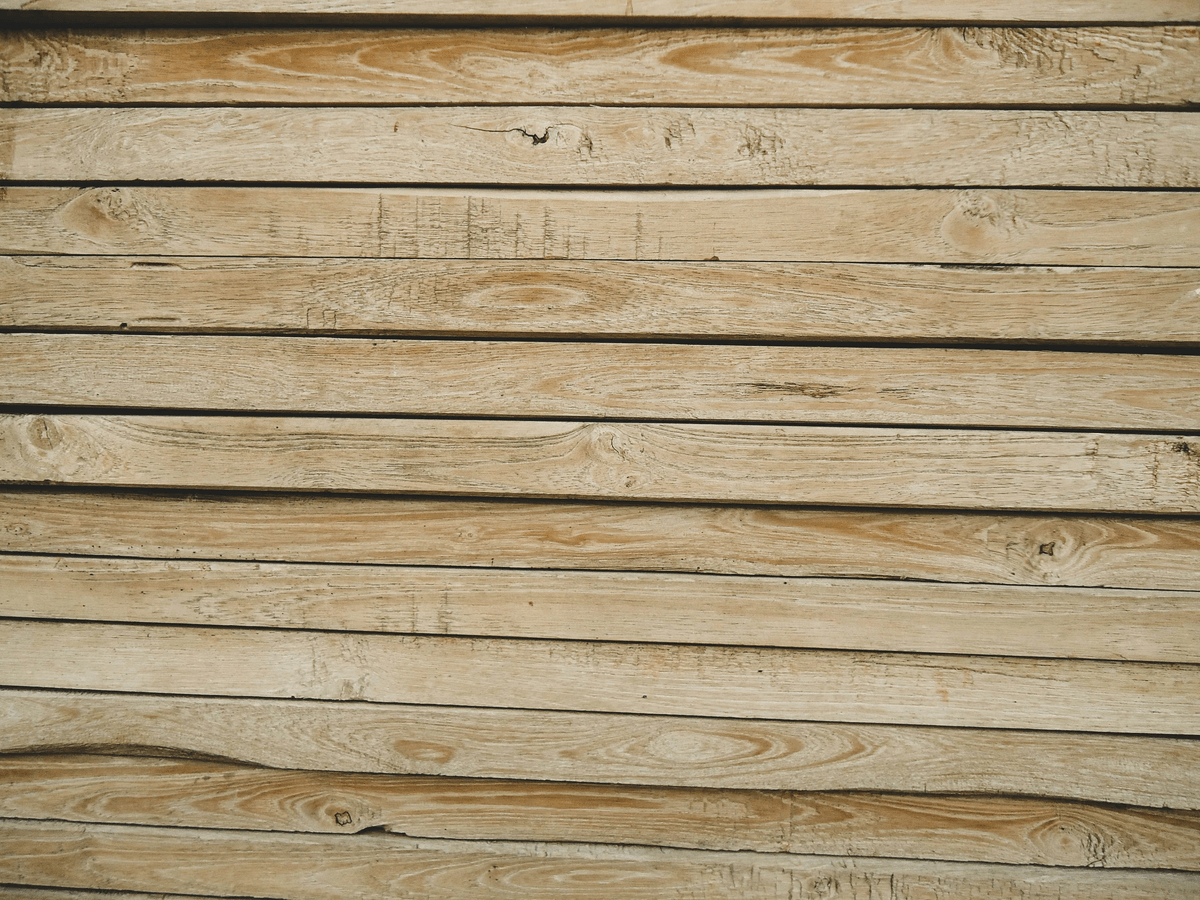
Understanding the importance of material quality is the first step in preventing wood warping. When you start with high-quality wood, you significantly reduce the chances of distortion over time. Proper storage techniques to prevent warped wood, along with properly drying or curing wood to prevent warping, are essential practices every craftsman or DIYer should master.
If you want your woodworking projects to stand the test of time, knowing how to check for wood warping is crucial. Regularly monitoring moisture content helps maintain stability and prevents unexpected twists and bends. Implementing these strategies ensures your wood remains straight and true, avoiding costly mistakes down the line.
In this guide, you'll learn about common causes of wood warping and how attention to detail—like monitoring moisture content—can make all the difference. From choosing the right materials to employing proper storage techniques to prevent warped wood, mastering these essentials will keep your projects looking professional and durable.
Types of Wood Susceptible to Warping
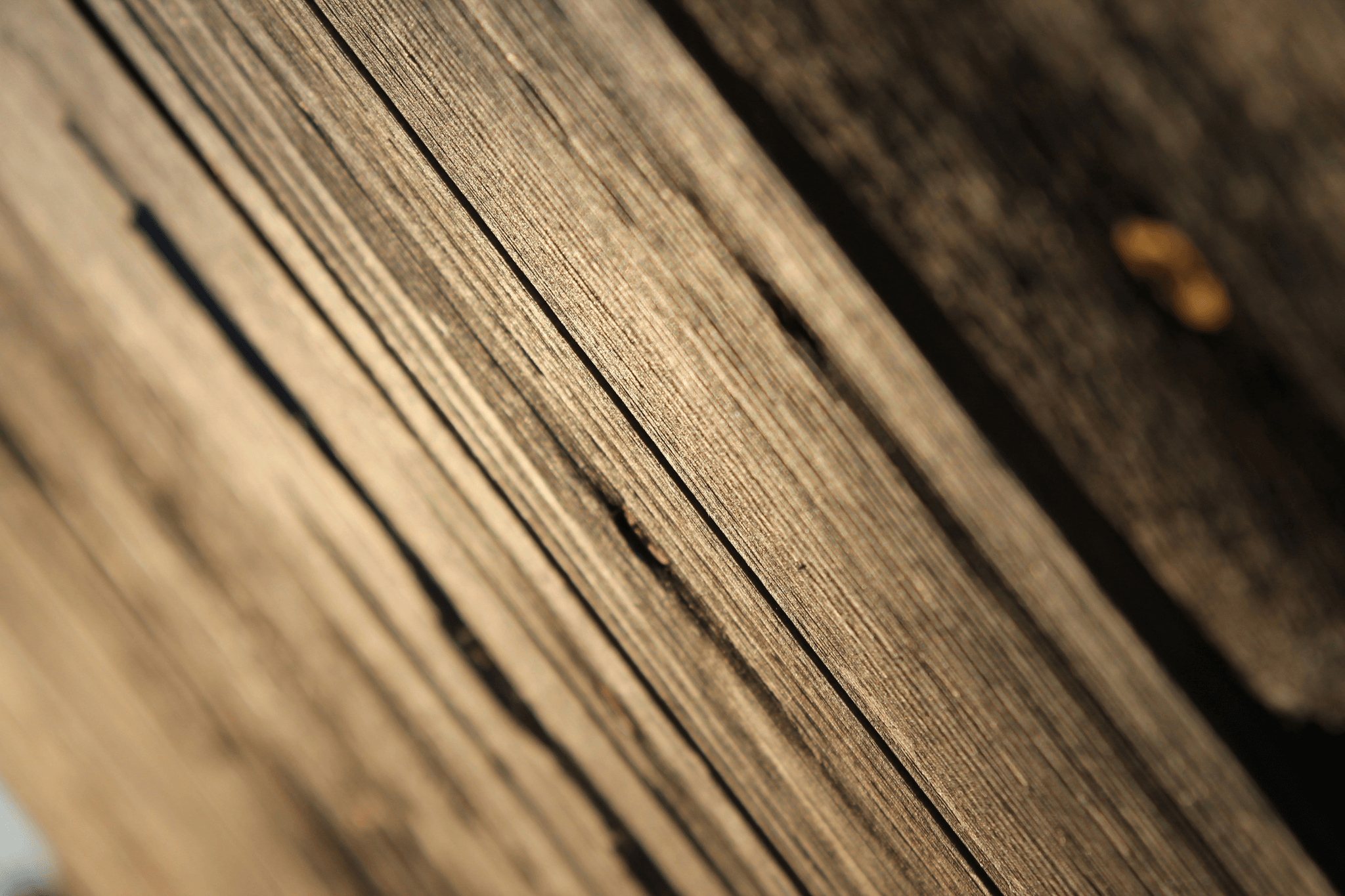
Understanding the different types of wood that are more prone to warping is crucial for anyone looking to prevent wood warping in their projects. Softwoods and hardwoods each have their own characteristics, and knowing which are more susceptible can help you choose the right material. Proper storage techniques to prevent warped wood start with selecting the appropriate type of wood and handling it correctly from the outset.
Softwoods Versus Hardwoods
Softwoods like pine, cedar, and spruce tend to be more vulnerable to warping because they contain less dense cell structures, making them more sensitive to moisture fluctuations. Hardwoods such as oak, maple, and walnut generally resist warping better due to their denser composition but are not completely immune—especially if not properly drying or curing wood beforehand. To prevent wood warping effectively, always consider the inherent properties of softwoods versus hardwoods when planning your project; this involves understanding how moisture content affects each type and implementing proper storage techniques to prevent warped wood from developing over time.
Popular Woods Prone to Warping Like Pine and Cedar
Pine and cedar are among the most popular woods prone to warping because they absorb moisture quickly and can expand or contract significantly with humidity changes. These woods require diligent monitoring moisture content during drying or curing processes; otherwise, they may develop twists or bows that compromise structural integrity. Learning how to check for wood warping early is essential—regular inspections combined with proper drying practices will help you catch issues before they become major problems, ensuring your project remains durable.
Choosing the Right Material for Longevity
Selecting durable materials that are less susceptible to warping is a smart move for long-lasting projects. When choosing your timber, consider whether it has been properly dried or cured—this step is vital in preventing warped wood down the line—and always follow proper storage techniques to prevent warped wood after purchase. Additionally, monitoring moisture content regularly helps maintain optimal levels; knowing how to check for wood warping early allows you to intervene before damage occurs, saving time and money while ensuring your finished piece stands strong over years.
Key Factors Contributing to Wood Warping
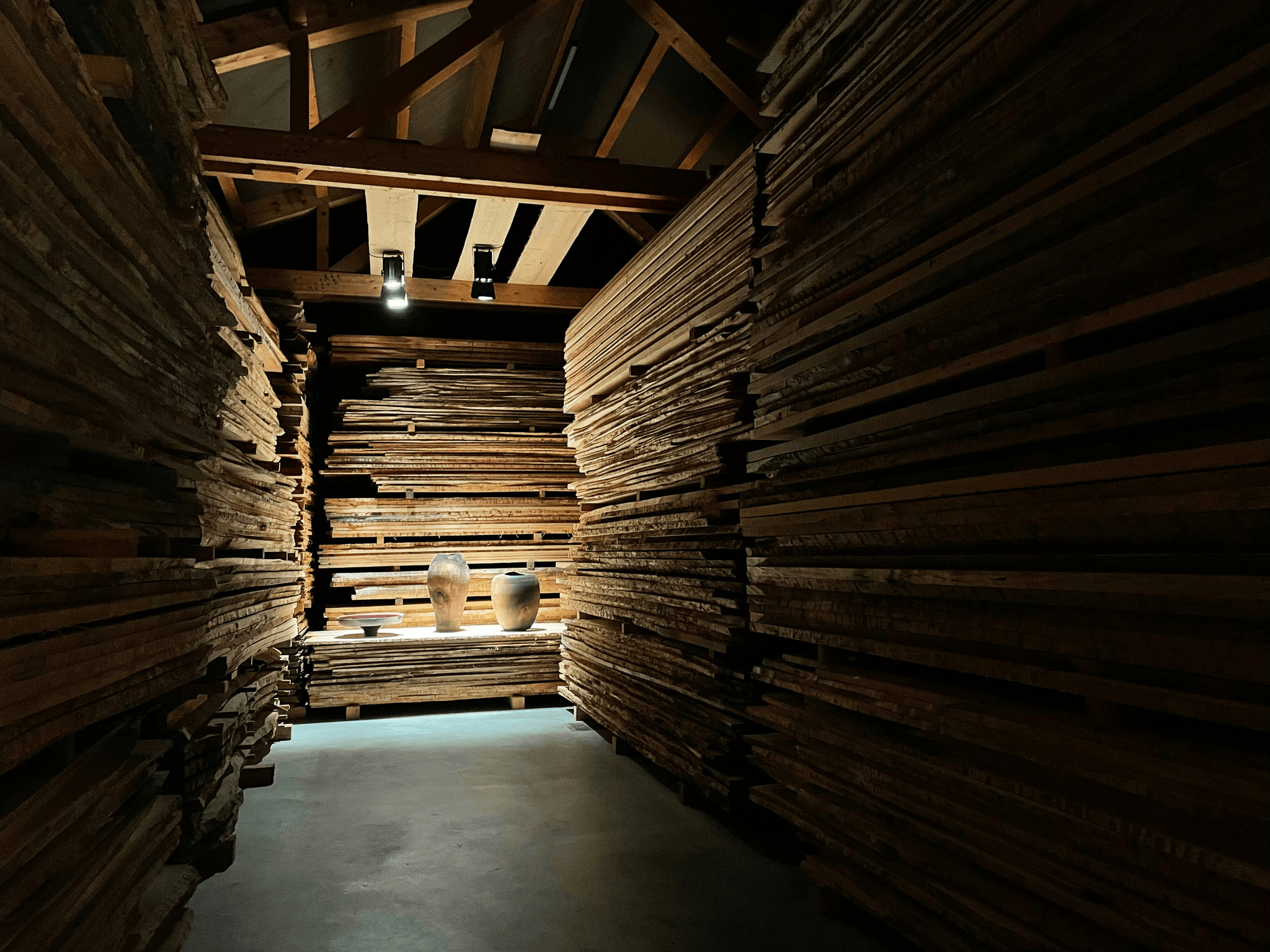
Wood warping isn’t just a random mishap; it’s often the result of specific environmental and handling factors that can be controlled with proper knowledge and techniques. Understanding these key contributors is essential for anyone looking to prevent wood warping and maintain the integrity of their projects. From moisture levels to handling practices, each element plays a vital role in ensuring your wood stays flat and true over time.
Excessive moisture and humidity are perhaps the biggest culprits when it comes to causing wood warping. When wood absorbs too much water or ambient humidity fluctuates wildly, it swells unevenly, leading to twists, bows, or cups. To prevent wood warping caused by moisture, proper storage techniques must be employed—think ventilated racks in a dry environment—to keep moisture levels consistent from start to finish. Regularly monitoring moisture content during storage or drying is crucial because knowing how to check for wood warping early can save you from costly repairs later.
Temperature fluctuations and climate impact are equally sneaky factors that accelerate warping if not carefully managed. Sudden changes in temperature cause expansion and contraction within the wood fibers, which over time results in deformation. This is why controlling your environment—using climate-controlled storage solutions—is considered one of the best ways to prevent warped wood. Properly drying or curing wood before use helps stabilize its internal structure, making it less susceptible to these temperature-induced shifts.
Improper handling and storage practices also contribute significantly to warping issues down the line. Rough handling during transportation or stacking without support can introduce stress points that lead to deformation as the wood adjusts post-movement. To prevent wood warping caused by mishandling, always follow proper storage techniques—such as elevating stacks off the ground and avoiding direct sunlight—and ensure your methods allow for even drying and air circulation. Monitoring moisture content regularly not only helps track progress but also guides necessary adjustments before problems develop.
Knowing how to check for wood warping effectively involves more than just a quick glance; it requires diligent inspection using tools like straight edges or dial indicators. Detecting early signs allows you to take corrective actions promptly—saving time, effort, and money—and ultimately helping you build durable projects with high-quality materials.
Proper Storage Techniques to Prevent Warped Wood
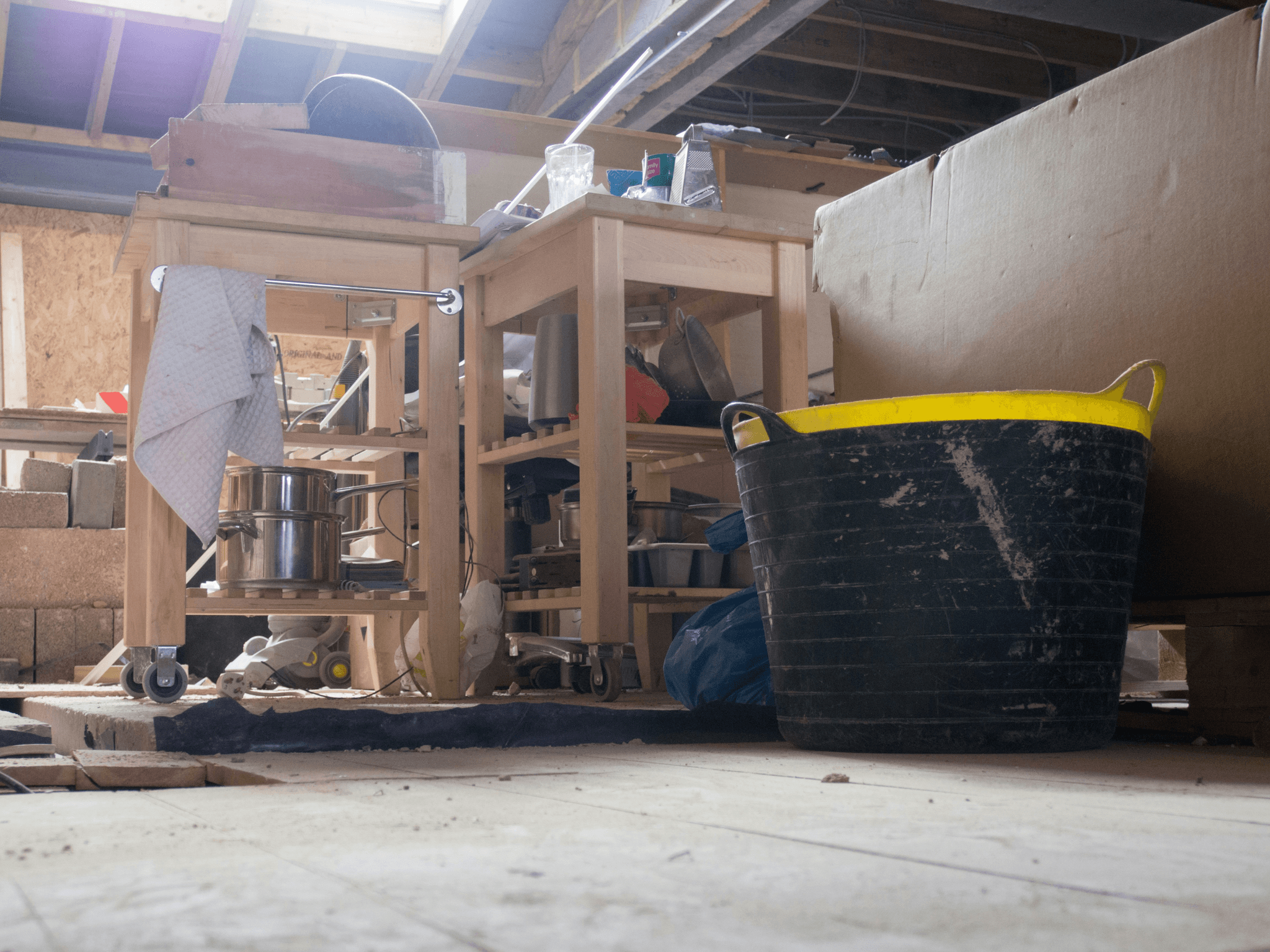
Storing wood properly is the first line of defense in preventing wood warping. When you neglect proper storage techniques, moisture can seep in, causing uneven drying and eventual warping. Implementing simple yet effective strategies ensures your wood stays straight and true, saving you from costly corrections later on.
Elevating and Ventilating Your Wood
One of the key proper storage techniques to prevent warped wood is elevating your stacks off the ground. This allows air to circulate freely around each piece, promoting even drying and reducing moisture buildup. Ventilation is crucial because stagnant air encourages mold growth and uneven moisture content, both of which can lead to warping; monitoring moisture content regularly helps catch these issues early.
Avoiding Direct Sunlight and Moisture Exposure
Direct sunlight can cause rapid drying on the surface of your wood while leaving the core damp—an invitation for warping. Similarly, exposure to rain or humid environments increases moisture levels, undermining your efforts to prevent wood warping. Keep your stored wood in a shaded, dry area or within covered spaces that shield against weather fluctuations; this is a vital part of proper storage techniques to prevent warped wood.
Using Controlled Environment Storage Solutions
For optimal results in preventing wood warping, consider investing in controlled environment storage solutions like climate-controlled rooms or dehumidified sheds. These setups help maintain consistent temperature and humidity levels—key factors in properly drying or curing wood—and reduce the risk of uneven moisture content that causes warping over time. Regularly monitoring moisture content with reliable tools ensures your stored lumber remains within ideal ranges, making it easier to spot potential issues before they escalate.
Properly Drying or Curing Wood to Prevent Warping
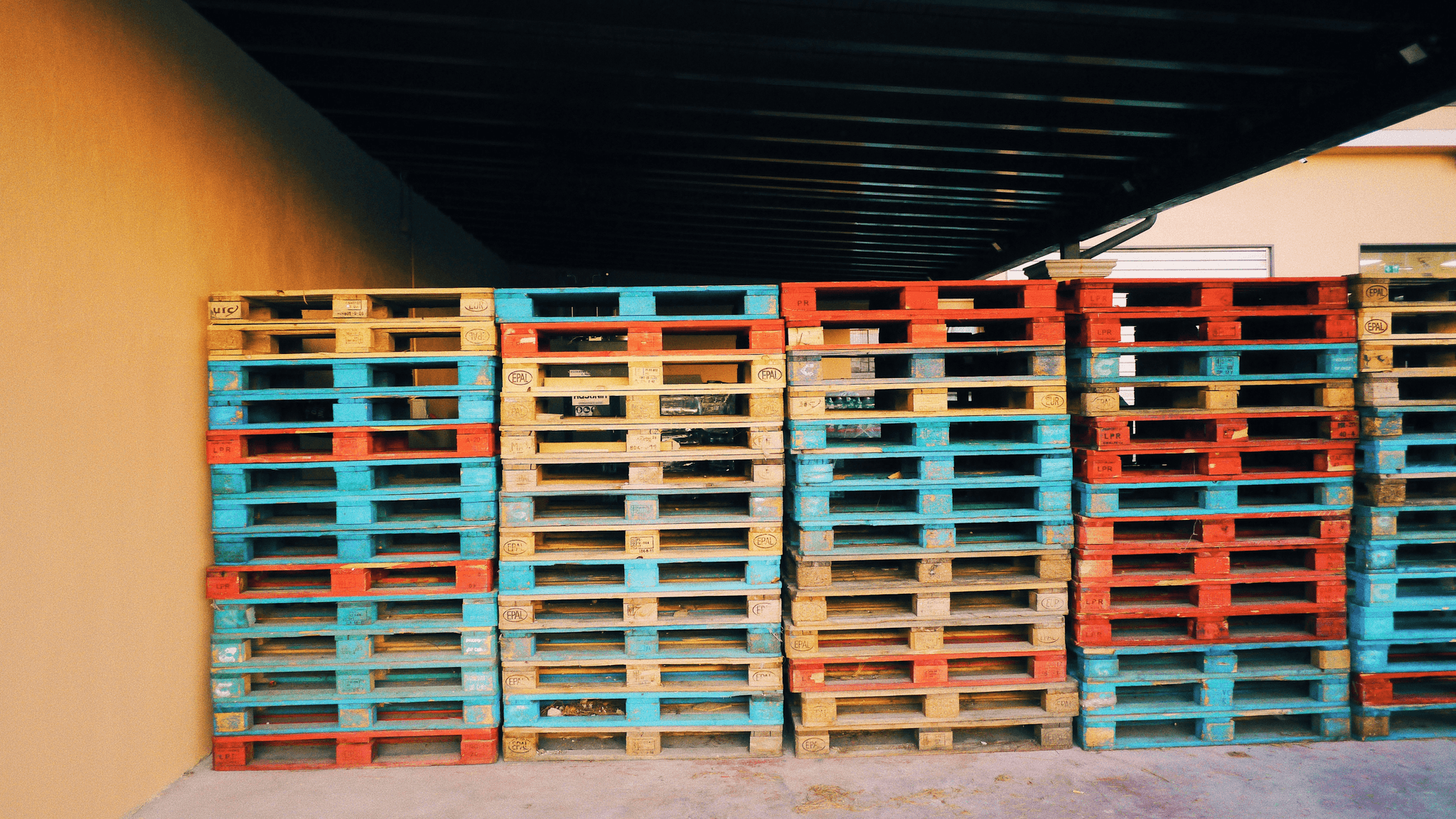
Getting your wood properly dried or cured is the secret sauce for preventing wood warping down the line. Whether you opt for air drying or kiln drying, understanding the nuances can make all the difference in maintaining material integrity. Remember, proper storage techniques to prevent warped wood start right at this stage, so don’t rush it—patience pays off.
Air Drying Versus Kiln Drying
Air drying is the classic method—stack your wood in a well-ventilated space and let nature do its thing. It’s cost-effective and gentle, but it takes longer and requires careful monitoring of moisture content to prevent warping during the process. Kiln drying speeds things up by controlling temperature and humidity levels, providing a more consistent environment that helps prevent wood warping from uneven moisture loss. Both methods demand proper storage techniques to prevent warped wood, but kiln drying offers better control over moisture content, reducing warping risks.
Monitoring Moisture Content During Drying
Monitoring moisture content is crucial when learning how to check for wood warping or ensuring your drying process is on track. Using a reliable moisture meter allows you to keep tabs on how dry your wood truly is—aiming for an ideal range depending on your project needs. Consistent monitoring helps catch early signs of uneven drying that could lead to warping if left unchecked; this is where proper storage techniques come into play too, as they help maintain even conditions around your lumber.
Timeframes and Best Practices for Drying
Patience is key when properly drying or curing wood to prevent warping—rushing it can be disastrous! Typically, softwoods take about 6-12 months to air dry properly, while hardwoods might need up to two years depending on thickness and climate conditions. Following best practices such as stacking lumber with spacers for airflow and regularly checking moisture levels ensures you’re not just guessing how long it should take; these steps are vital in preventing warped wood by maintaining consistent dryness throughout the process.
Monitoring Moisture Content for Warping Prevention
Keeping an eye on moisture levels is the secret sauce to prevent wood warping. When you understand how to check for wood warping early, you can take proactive steps to avoid costly mistakes. Properly drying or curing wood is essential, but consistent monitoring of moisture content ensures your efforts are on point and your projects stay straight and true.
Tools for Checking Moisture Levels
To effectively monitor moisture content, you'll need the right tools — think of them as your wood's health check-up kit. Moisture meters, both pin-type and pinless, are popular choices because they provide quick readings without damaging the surface. Using these tools regularly helps you catch fluctuations in moisture that could lead to warped wood if left unchecked. Remember, proper storage techniques to prevent warped wood rely heavily on knowing your wood's current moisture state.
Ideal Moisture Range for Different Wood Types
Different woods have different sweet spots when it comes to moisture content — knowing this range is crucial in preventing wood warping down the line. For most hardwoods used in furniture making, a range of 6-8% moisture content is ideal; softer woods like pine or cedar might tolerate slightly higher levels around 9-12%. Monitoring moisture content closely allows you to adjust drying times or storage conditions accordingly, ensuring your material remains stable and resistant to warping.
Regular Inspection and Adjustment
Prevention is better than cure when it comes to preventing wood warping — so make regular inspection part of your routine. Schedule periodic checks with your moisture meter during drying or storage phases; this way, you can make timely adjustments such as increasing ventilation or relocating the wood away from humidity sources. Consistent monitoring of moisture content helps reinforce proper storage techniques to prevent warped wood and guarantees that your project stays on track from start to finish.
How to Check for Wood Warping Effectively

Knowing how to check for wood warping is essential for maintaining the integrity of your projects. Properly inspecting your wood helps you identify early signs of deformation, allowing you to take proactive measures to prevent wood warping from worsening. Regular checks are part of proper storage techniques to prevent warped wood, ensuring your materials stay in top shape.
Visual Inspection Techniques
Visual inspection is the first line of defense when it comes to preventing wood warping. Carefully examine your wood surfaces for any unevenness, twists, or bows that might indicate early warping signs. Keep an eye out for cracks or splits that often accompany moisture-related issues, which can be mitigated by proper storage techniques to prevent warped wood. Regular visual checks help catch problems before they become major headaches, saving time and resources.
Using Straight Edges and Dial Indicators
For a more precise assessment, using straight edges and dial indicators is highly effective in how to check for wood warping accurately. Place a straight edge along the length and width of the board; any gaps between the edge and the surface reveal distortions caused by warping. Dial indicators can measure even minute deviations in flatness—crucial info when monitoring moisture content during proper drying or curing processes designed to prevent wood from warping later down the line.
Recognizing Early Signs of Warping to Take Action
Spotting early signs of warping allows you to implement corrective measures before damage becomes irreversible. Look for slight bowing or cupping along edges—these subtle cues often signal excess moisture or improper handling that could lead to future deformation if not addressed promptly through proper storage techniques to prevent warped wood. By routinely monitoring moisture content and inspecting your material closely, you can act swiftly—saving time and money while ensuring durable results.
The Role of Quality Inspection with China Inspection Pro
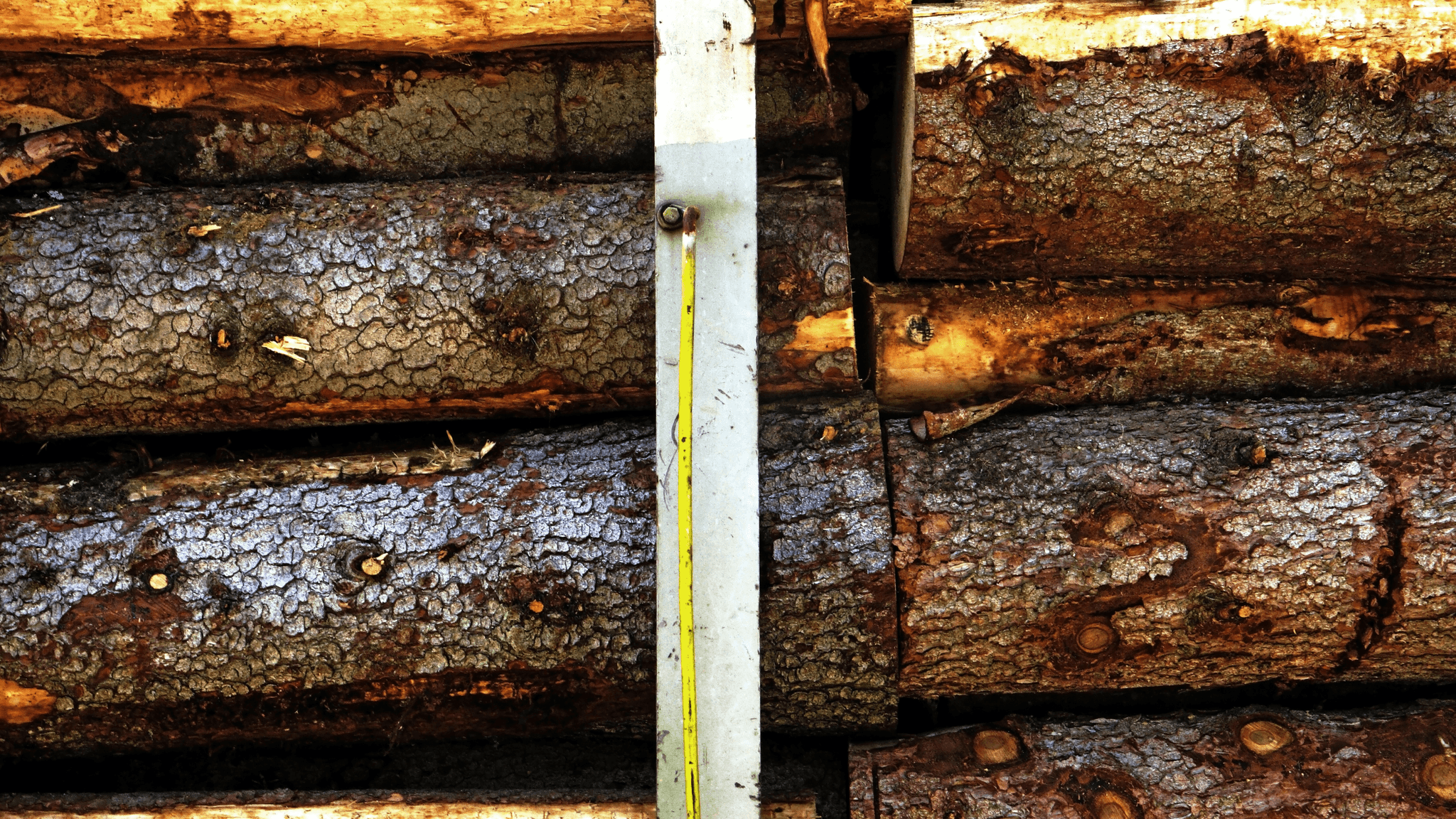
When it comes to Prevent Wood Warping, relying on thorough quality inspection services like China Inspection Pro can make all the difference. They ensure that your materials meet strict standards, reducing the risk of warped wood due to inconsistent moisture levels or subpar drying processes. By catching potential issues early, you can implement proper storage techniques to prevent warped wood and avoid costly repairs down the line.
Ensuring Material Consistency and Quality
Prevent Wood Warping by starting with consistently high-quality materials, and that's where China Inspection Pro shines. They meticulously verify each batch for uniformity in moisture content, ensuring your wood is less prone to warping later on. Properly drying or curing wood before storage is crucial; inspection services help confirm that moisture levels are within optimal ranges, setting the stage for successful projects.
Professional Assessments for Warping Risks
Knowing how to check for wood warping requires a keen eye and precise tools—something China Inspection Pro provides through professional assessments. Their experts evaluate whether your lumber has been properly dried or cured to prevent warping during use or storage. Regular monitoring moisture content is vital; these assessments help identify risks early so you can adjust storage conditions accordingly.
Actionable Recommendations to Prevent Wood Deformation
With insights from quality inspections, you get actionable recommendations tailored specifically to prevent wood deformation in your supply chain or workshop. Implementing proper storage techniques to prevent warped wood involves controlling humidity and temperature—inspection reports guide these adjustments effectively. Additionally, monitoring moisture content regularly ensures your wood remains stable over time, making sure you're not caught off guard by unseen warping issues.
Conclusion
Building durable projects with quality materials is the cornerstone of any successful woodworking endeavor. When you prioritize proper storage techniques to prevent warped wood, you're safeguarding your investment and ensuring longevity. Remember, properly drying or curing wood to prevent warping is essential before starting your project; neglecting this step can lead to costly mistakes down the line.
Monitoring moisture content regularly is a game-changer in maintaining wood integrity. By consistently checking for wood warping using simple tools and techniques, you can catch potential issues early and take corrective action. Knowing how to check for wood warping effectively allows you to address problems before they compromise your project’s stability or appearance.
Partnering with trusted experts or inspection services like China Inspection Pro can provide valuable insights into material quality and help prevent wood warping before it happens. Their professional assessments ensure that your materials meet strict standards, reducing the risk of deformation caused by improper handling or storage. Ultimately, combining these strategies will help you build projects that stand the test of time while keeping your workspace free from warped surprises.