
Introduction

In the world of manufacturing, Quality Control for Mechanical Components isn’t just a box to check—it’s the backbone of reliable machinery and satisfied customers. Ensuring that common mechanical components meet strict quality standards can prevent costly defects and downtime down the line. When companies focus on how to prevent defects in mechanical components through clear quality requirements & tolerances, they set themselves up for long-term success.
Effective inspection during production is key; it’s where real-time checks and laboratory testing come into play to catch issues early. Implementing strong supplier management ensures consistent quality, reducing surprises and boosting reputation. By prioritizing these elements, manufacturers can safeguard machine performance and extend equipment longevity, all while saving costs through smarter quality control measures.
Understanding Common Mechanical Components and Typical Defects
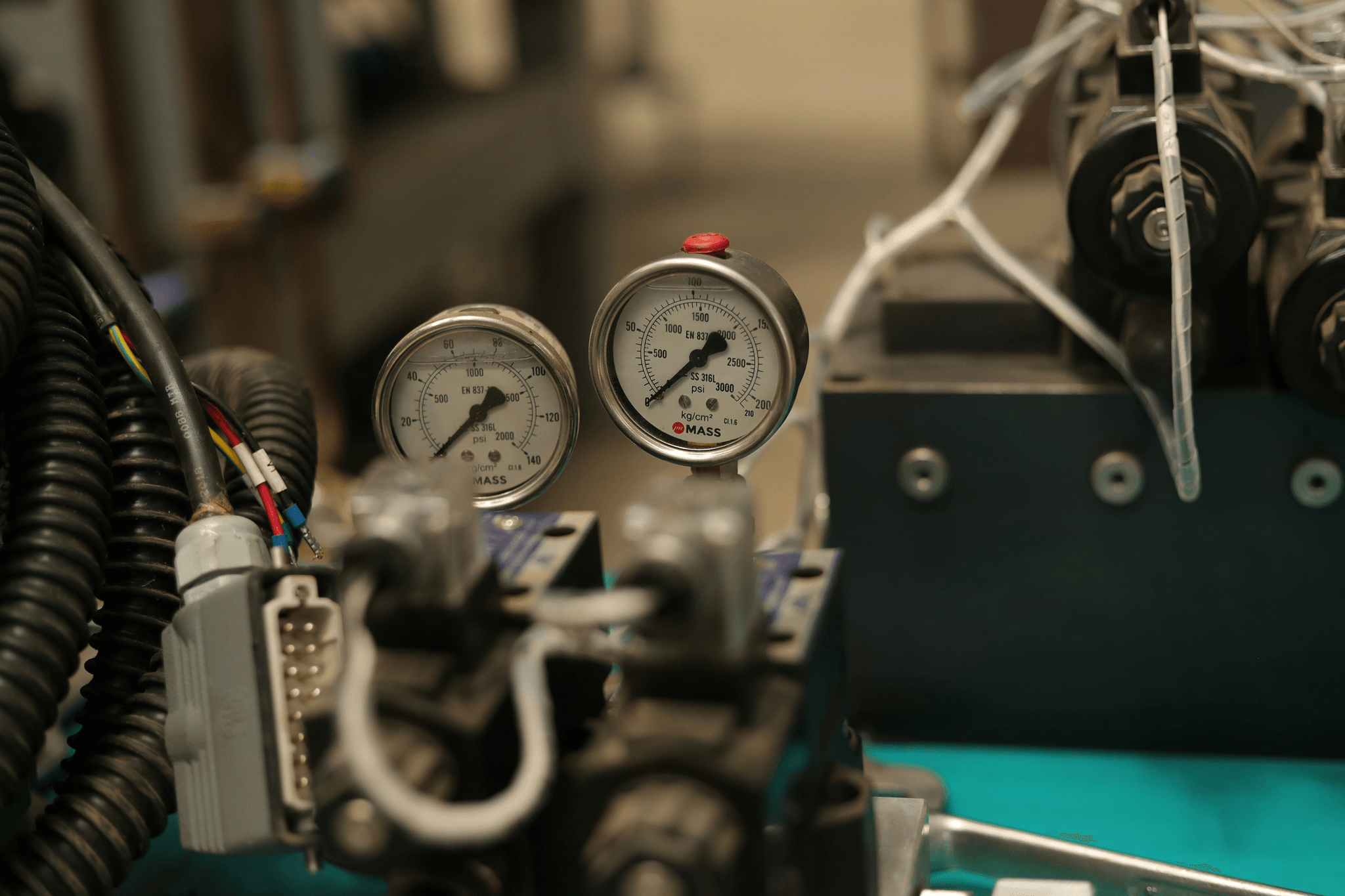
Getting a grip on common mechanical components and their typical defects is fundamental to effective quality control for mechanical components. When you know what parts are most vulnerable, you can design better inspection strategies, prevent defects early, and ensure smoother production runs. Recognizing these elements also helps in establishing clear quality requirements & tolerances that keep everything running like clockwork.
Identifying Key Mechanical Parts and Their Roles
Mechanical components like gears, shafts, bearings, and pistons form the backbone of machinery. Each part plays a vital role—gears transfer power, shafts support rotation, bearings reduce friction, and pistons convert energy—making quality control for mechanical components crucial at every stage. Knowing how to identify these parts allows inspectors to focus on critical areas where defects could compromise machine performance or longevity.
Common Mechanical Components & Typical Defects in the Industry
In the realm of common mechanical components & typical defects, issues such as surface cracks, misalignments, corrosion, or wear are frequent culprits that can lead to unexpected failures. For example, improper tolerances during manufacturing often result in excessive vibration or early fatigue—highlighting how to prevent defects in mechanical components relies heavily on precise specifications. Implementing rigorous during production inspection combined with laboratory testing can catch these flaws before they escalate into costly repairs or downtime.
Recognizing Early Warning Signs of Defects
Spotting early warning signs like unusual noise during operation or visible surface irregularities is key to maintaining top-notch quality control for mechanical components. These signs often indicate underlying issues such as material fatigue or improper assembly—addressing them promptly prevents larger problems down the road. By establishing clear quality requirements & tolerances upfront and working closely with supplier management teams, companies can nip potential defects in the bud before they affect overall machine reliability.
Establishing Clear Quality Requirements and Tolerances
Setting the foundation for effective Quality Control for Mechanical Components starts with defining precise quality standards and tolerances. Without clear benchmarks, even the best inspection processes can falter, leading to costly defects or overlooked issues. By establishing detailed specifications upfront, manufacturers can align expectations with suppliers and ensure every mechanical part meets the necessary performance criteria.
Setting Precise Quality Standards for Mechanical Parts
Creating accurate quality standards involves understanding the common mechanical components & typical defects that may arise during production. These standards serve as a blueprint for what constitutes an acceptable part versus a defective one, reducing ambiguity in inspection processes. When these standards are well-defined, it becomes easier to implement effective quality control measures during production inspection and laboratory testing, ultimately safeguarding machine performance and longevity.
How to Prevent Defects in Mechanical Components Through Specifications
Prevention is always better than cure—especially when it comes to mechanical components. Clear quality requirements & tolerances act as preventive tools by guiding suppliers on acceptable material properties, dimensions, and finishing details. Properly communicated specifications help avoid common mechanical components & typical defects such as cracks or misalignments, making supplier management more straightforward and reducing the need for extensive rework or recalls down the line.
The Role of Clear Quality Requirements in Supplier Agreements
Incorporating clear quality requirements into supplier agreements is crucial for maintaining consistent product excellence across batches. These agreements should specify tolerances and inspection protocols that align with your overall quality control strategy for mechanical components. During production inspection and laboratory testing, adherence to these agreed-upon standards ensures suppliers deliver defect-free parts consistently—saving time, reducing costs, and boosting your reputation in the industry.
Implementing During Production Inspection
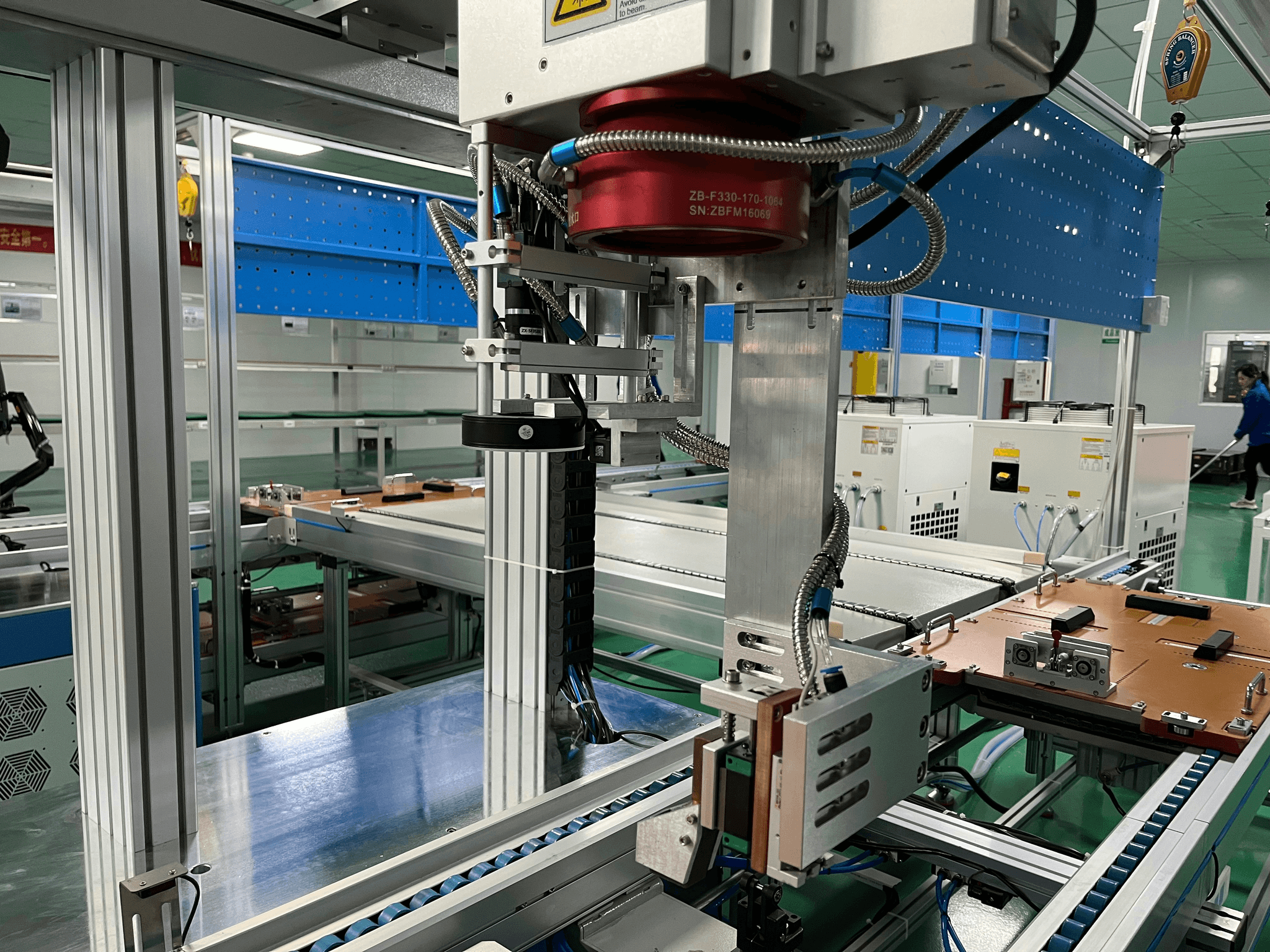
Effective Quality Control for Mechanical Components during production inspection is crucial to catching issues early and preventing costly defects down the line. This phase involves meticulous checks that ensure each component aligns with the specified quality standards and tolerances, reducing the risk of failure in the final product. By integrating well-trained teams with robust inspection protocols, manufacturers can swiftly identify common mechanical components & typical defects, addressing them before they escalate.
Fine-Tuning During Production Inspection with Experienced Teams
Having experienced inspectors on the ground makes all the difference when it comes to quality control for mechanical components. These professionals understand how to spot subtle signs of defects and know exactly how to verify if each part meets clear quality requirements & tolerances. Their expertise allows for real-time adjustments during production, ensuring that potential issues related to common mechanical components & typical defects are caught early, saving time and money.
Leveraging Technology for Real-Time Quality Monitoring
Modern manufacturing relies heavily on technology to enhance during production inspection processes. Tools like automated vision systems and sensors provide instant feedback on key parameters, enabling rapid detection of deviations from specified tolerances—an essential aspect of quality control for mechanical components. By harnessing these technological advancements, companies can monitor critical aspects of parts such as dimension accuracy and surface finish continuously, preventing defects before they reach later stages or customers.
Case Study: Toyota’s Quality Control for Mechanical Components
Toyota's approach exemplifies how rigorous during production inspection can elevate quality control for mechanical components to new heights. Their system combines skilled inspectors with advanced monitoring tools to ensure every component adheres strictly to clear quality requirements & tolerances. This blend of human expertise and technology helps prevent common mechanical components & typical defects from slipping through the cracks—ultimately boosting reliability and customer satisfaction.
Feel free to incorporate these insights into your quality management plan—remember, proactive during production inspection is your best defense against costly recalls or failures down the road!
Laboratory Testing for Mechanical Components
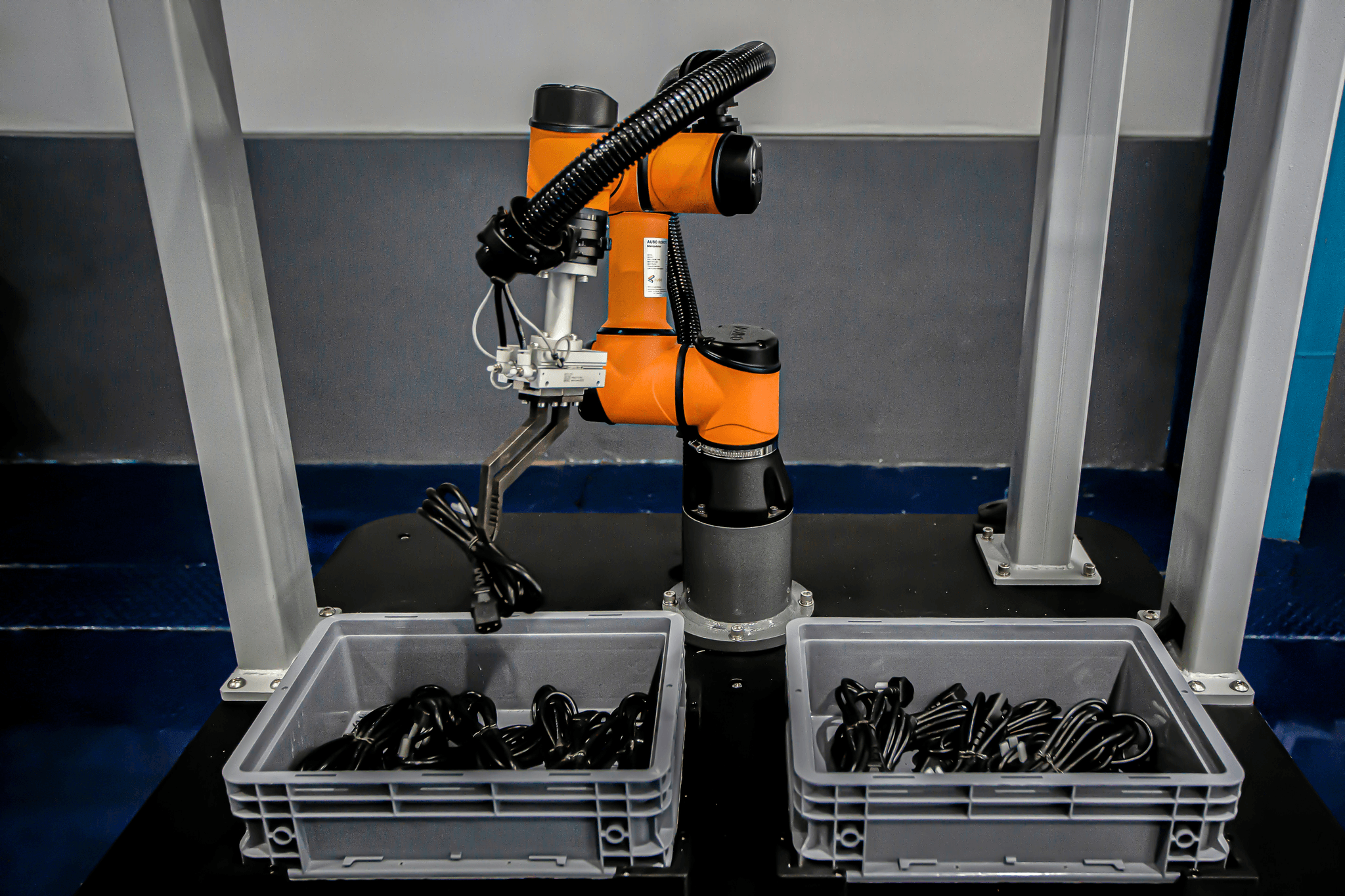
Laboratory testing plays a crucial role in ensuring the integrity of mechanical components and maintaining high standards of Quality Control for Mechanical Components. It provides an objective assessment that complements during production inspection, catching defects early before they reach the end user. By thoroughly testing samples in a controlled environment, manufacturers can identify common mechanical components & typical defects that might not be visible during routine inspections.
The Importance of Laboratory Testing in Quality Assurance
Laboratory testing is vital because it verifies whether mechanical parts meet strict quality requirements & tolerances set at the outset. This process helps prevent defects in mechanical components by revealing hidden flaws like microcracks or material inconsistencies that could cause failure down the line. When combined with effective supplier management, laboratory testing ensures consistent product excellence and reduces costly recalls or downtime caused by unexpected failures.
Techniques Used in Laboratory Testing for Mechanical Parts
Various techniques are employed to evaluate mechanical components thoroughly, including tensile tests, hardness measurements, and non-destructive testing methods such as ultrasonic or X-ray inspections. These techniques help identify how to prevent defects in mechanical components by assessing their durability under stress and detecting internal flaws early on. Implementing these tests as part of your quality control for mechanical components guarantees that each batch aligns with clear quality requirements & tolerances before reaching customers.
How China Inspection Pro Ensures Product Excellence
China Inspection Pro specializes in applying rigorous laboratory testing protocols tailored specifically for mechanical parts, ensuring they meet international standards and client expectations alike. Their team leverages advanced equipment to scrutinize every aspect of a component’s performance—helping clients refine their supplier management strategies—and catch issues before mass production begins. This proactive approach minimizes risks associated with common mechanical components & typical defects, ultimately safeguarding your reputation through consistent quality assurance.
Managing Suppliers for Consistent Quality
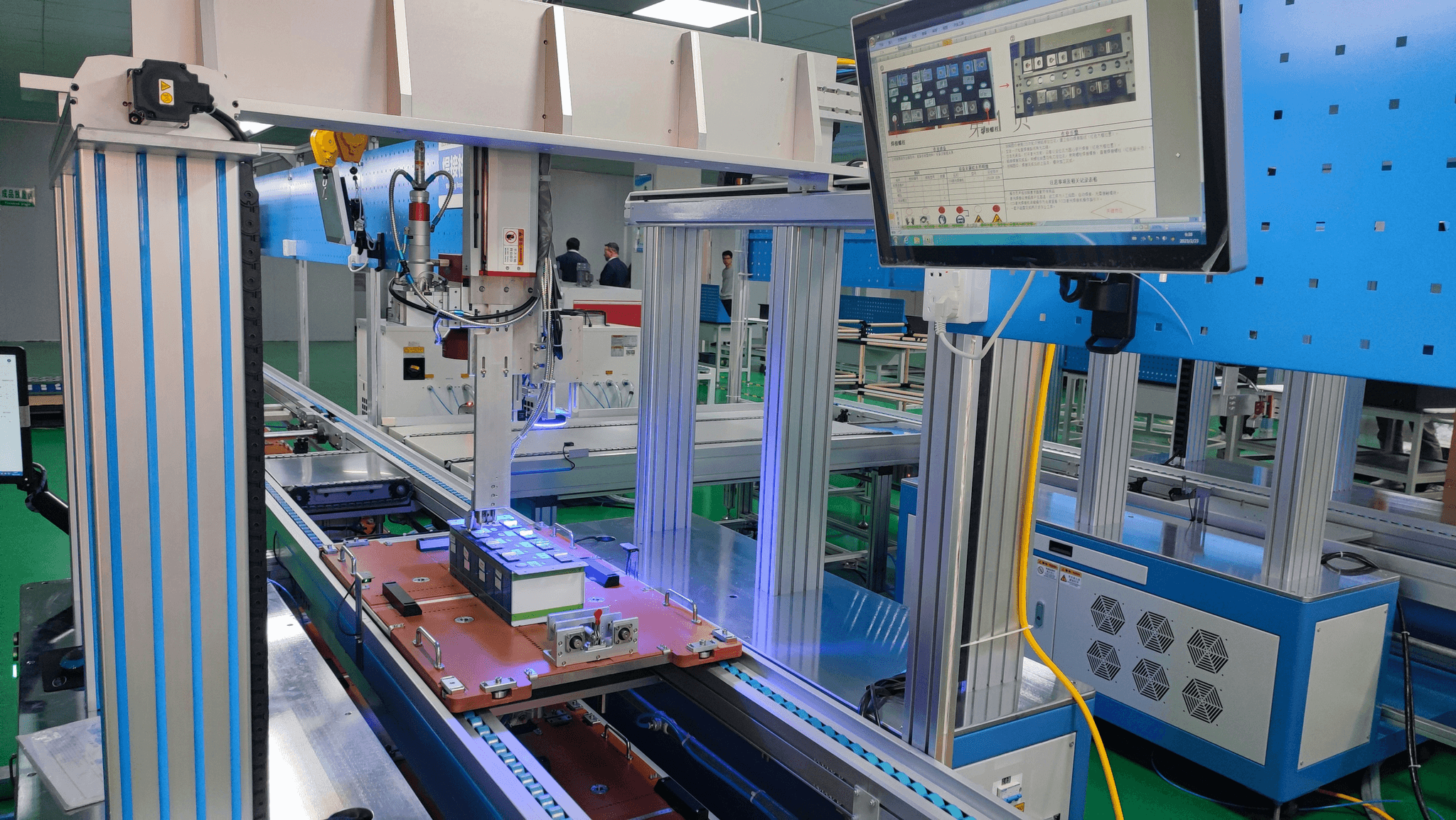
Managing suppliers effectively is the backbone of ensuring consistent quality in mechanical components. When it comes to Quality Control for Mechanical Components, a well-structured supplier management process helps catch issues early, reducing the risk of defects slipping through the cracks. This proactive approach not only safeguards your production line but also ensures that common mechanical components & typical defects are kept at bay, saving time and money in the long run.
Building Strong Supplier Management Processes
Creating a robust supplier management process starts with establishing clear quality requirements & tolerances right from the get-go. These standards serve as your blueprint for what constitutes acceptable quality and help prevent defects in mechanical components before they even reach production. Regular communication and performance reviews are essential; they keep everyone aligned on expectations and enable quick adjustments when needed, especially during production inspection phases where real-time feedback can make all the difference.
Communicating Quality Expectations Effectively
Effective communication is key to preventing defects in mechanical components and maintaining high standards across your supply chain. Clearly outlining quality requirements & tolerances ensures suppliers understand exactly what is expected, reducing ambiguity that could lead to subpar parts or overlooked defects. Incorporating detailed documentation and visual aids can enhance understanding, making sure everyone is on the same page—especially when discussing during production inspection or lab testing procedures—so that issues are caught early rather than after shipment.
Using Supplier Audits to Prevent Defects
Supplier audits are an invaluable tool in your arsenal for managing consistent quality, as they provide an objective assessment of a supplier’s adherence to quality control standards for mechanical components. These audits help identify potential weaknesses in their processes related to common mechanical components & typical defects, allowing you to implement corrective actions before problems escalate. Regular audits also reinforce the importance of clear quality requirements & tolerances, fostering continuous improvement and ultimately reducing costly rework or recalls down the line.
The Role of Quality Control for Mechanical Components in Machine Reliability
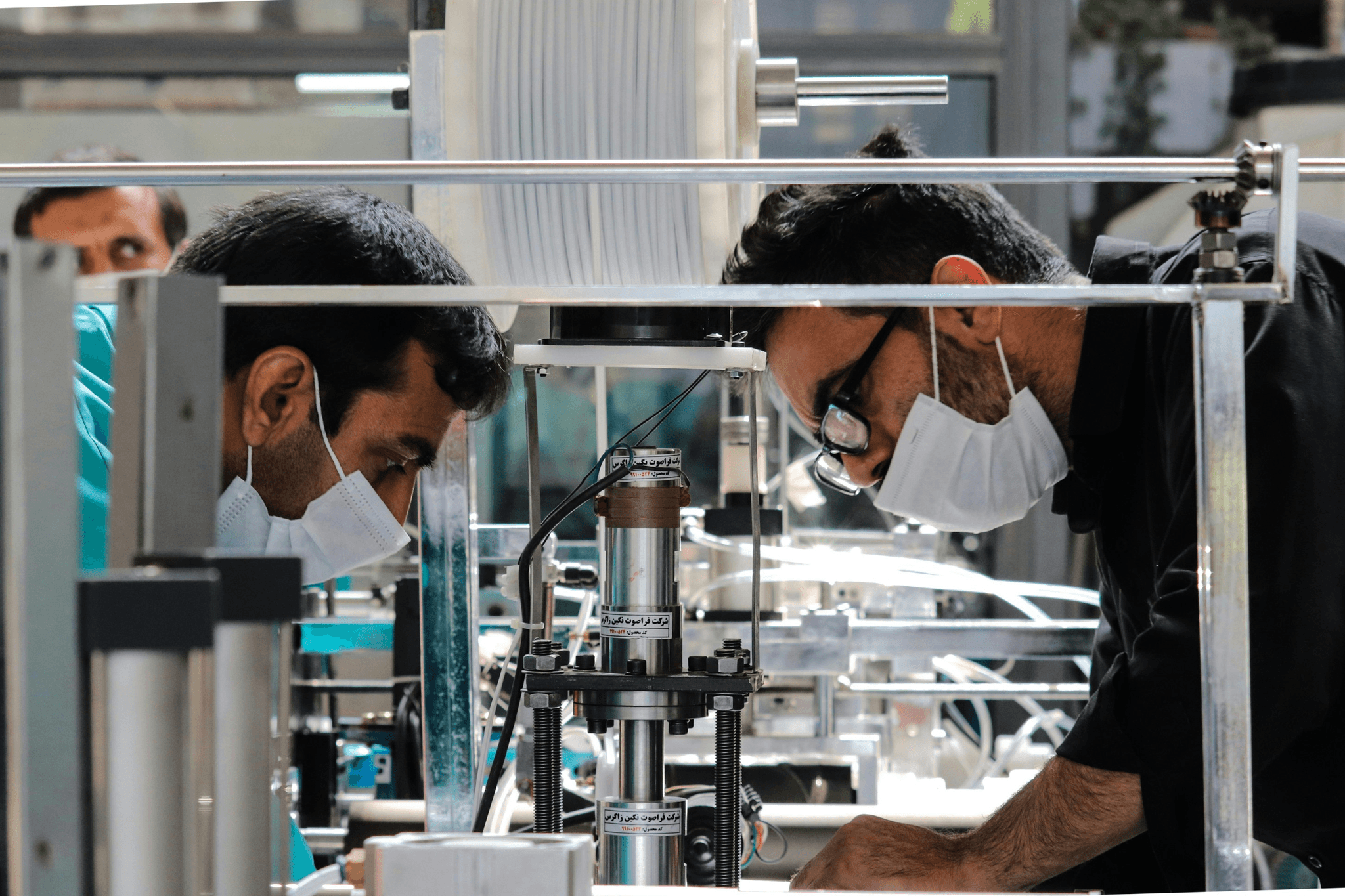
When it comes to machine reliability, quality control for mechanical components plays a starring role. Ensuring that each part meets the required standards helps prevent unexpected failures and keeps your operations running smoothly. By focusing on common mechanical components & typical defects, manufacturers can identify potential issues early and implement preventive measures to uphold performance.
A key aspect of this process is understanding how to prevent defects in mechanical components before they reach the assembly line. This involves setting clear quality requirements & tolerances that serve as a blueprint for production teams and suppliers alike. During production inspection, rigorous checks help catch deviations from these standards, ensuring only top-notch parts move forward.
Laboratory testing further bolsters quality control for mechanical components by providing detailed insights into material properties and durability under stress. This step is crucial because it verifies that parts can withstand real-world conditions, reducing the risk of failures down the line. Effective supplier management also ensures consistent adherence to quality standards, making defect prevention a collaborative effort across the supply chain.
Maintaining high standards through comprehensive quality control measures ultimately leads to more durable and reliable machines. When every component is scrutinized via during production inspection and laboratory testing, the likelihood of costly downtime diminishes significantly. In turn, this long-term approach not only boosts machine longevity but also enhances overall operational efficiency—saving money and reputation in the process.
Conclusion
Implementing robust Quality Control for Mechanical Components brings tangible benefits that can transform your manufacturing process. It reduces costly defects, enhances product reliability, and boosts customer satisfaction—ultimately saving money and protecting your brand reputation. When you focus on common mechanical components & typical defects, you set the stage for continuous improvement and operational excellence.
Clear Quality Requirements & Tolerances serve as the backbone of effective quality control strategies. By defining precise standards upfront, you can prevent defects in mechanical components before they even reach production. During production inspection becomes more straightforward when everyone understands what to look for, making defect prevention a team effort rather than a guessing game.
Partnering with experts like China Inspection Pro elevates your approach to supplier management and quality assurance. Their expertise ensures that laboratory testing is thorough and accurate, catching potential issues early on. With their support in establishing clear quality requirements & tolerances, you gain confidence that your mechanical components meet industry standards every time.
In the end, a comprehensive focus on quality control for mechanical components—through preventive measures like during production inspection and rigorous laboratory testing—can dramatically improve machine performance and longevity. This proactive approach minimizes unexpected failures, reduces downtime, and extends equipment lifespan—all while maintaining a competitive edge in the marketplace.