
Introduction

Navigating the world of product compliance can feel like trying to decode a foreign language—especially with regulations like RoHS vs REACH adding layers of complexity. For businesses involved in manufacturing or importing electronics, understanding what Is the REACH regulation and Which products are covered under RoHS is crucial to staying ahead of legal requirements and market demands. Failing to grasp these regulations not only risks hefty fines but also damages brand reputation, making compliance a strategic priority rather than an afterthought.
Understanding the Basics of Product Compliance
At its core, product compliance involves ensuring your electronic products meet specific legal standards designed to protect human health and the environment. Key regulations such as RoHS (Restriction of Hazardous Substances) and REACH (Registration, Evaluation, Authorization, and Restriction of Chemicals) set out guidelines for material usage in electronics. Knowing Who needs to comply with RoHS and what Is the REACH regulation helps manufacturers align their processes with global standards, avoiding costly delays or market bans.
Why RoHS and REACH Matter to Your Business
RoHS vs REACH are more than bureaucratic hurdles—they’re essential for gaining consumer trust and accessing international markets. These regulations restrict hazardous substances like lead or mercury in electronic products, which directly impacts your supply chain and product design strategies. Whether you're a small startup or a multinational giant like Apple or Samsung, understanding why these rules matter can be the difference between thriving in competitive markets or facing rejection at customs.
Navigating the Regulatory Landscape for Electronics
The regulatory landscape for electronics is ever-changing, with new substances of very high concern constantly emerging under REACH guidelines. Staying compliant requires vigilant monitoring of updates related to RoHS exemptions and restrictions on certain substances used in electronic components. By mastering how these regulations intersect—RoHS compliance versus broader chemical controls—you can streamline your compliance efforts while ensuring your products meet global standards without getting tangled in red tape.
What Is the REACH Regulation
Understanding the REACH regulation is crucial for businesses navigating the complex world of product compliance. It’s a comprehensive European Union initiative aimed at protecting human health and the environment from chemical risks, which directly influences which products are covered under RoHS vs REACH. This regulation extends beyond electronics, touching numerous industries, making it essential for companies to grasp its scope and implications.
Key Objectives and Scope
The primary goal of REACH—Registration, Evaluation, Authorization, and Restriction of Chemicals—is to ensure that chemicals used in manufacturing are thoroughly assessed for safety before hitting the market. Unlike RoHS vs REACH, which often causes confusion among manufacturers about their obligations, REACH covers a broader spectrum of substances used in various products. Its scope includes chemicals manufactured or imported into the EU in quantities over one tonne per year, affecting global supply chains and requiring stakeholders to stay compliant to avoid penalties.
Substances of Very High Concern Explained
One of the core elements in understanding what is covered under REACH is knowing about Substances of Very High Concern (SVHC). These substances are flagged because they pose serious health or environmental risks—think carcinogens or endocrine disruptors—that could also impact your RoHS compliance efforts. The list of SVHCs is regularly updated, so staying informed helps companies identify which substances might be restricted or require authorization under REACH regulations.
How REACH Affects Global Supply Chains
REACH’s reach extends far beyond Europe’s borders—affecting global supply chains just like the debate over RoHS vs REACH often highlights differences in regional regulations. Manufacturers worldwide need to ensure their raw materials and finished products meet these stringent standards if they intend to sell within the EU market. Failing to comply can lead to legal consequences, market restrictions, or even product recalls; thus understanding how this regulation impacts your supply chain is vital for maintaining seamless operations.
Which Products Are Covered Under RoHS
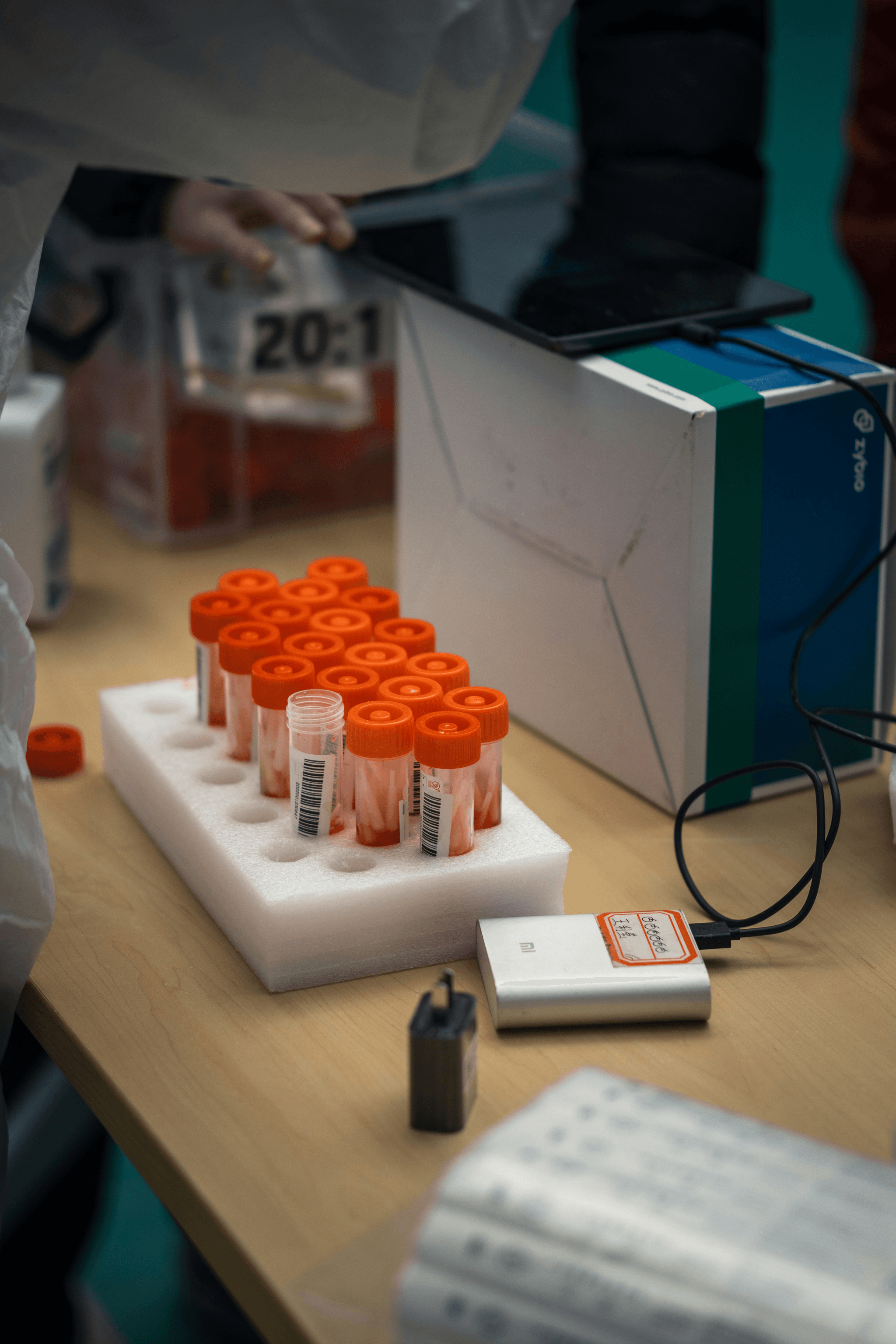
Understanding which products are covered under RoHS is essential for manufacturers and importers navigating the complex landscape of product compliance. The regulation primarily targets electronic and electrical equipment, but the scope can sometimes be a bit fuzzy when you compare RoHS vs REACH regulations. Knowing which product are covered under RoHS helps businesses avoid costly penalties and ensures smooth market entry, especially since Who Needs to Comply with RoHS varies depending on the product type.
Many consumer electronics like smartphones, computers, and household appliances fall squarely within the scope of RoHS compliance. These products often contain hazardous substances that could pose environmental or health risks if not properly regulated. As a result, companies manufacturing or importing such items must demonstrate RoHS compliance to meet legal standards and maintain consumer trust.
However, it's important to recognize that not every electronic device automatically falls under the regulation. There are exceptions and specific exemptions for certain products or components where reducing hazardous substances isn't feasible or necessary. This highlights why understanding what Is the REACH Regulation and how Substances of Very High Concern are handled is crucial for comprehensive compliance strategies.
Common Consumer Electronics and Electrical Equipment
Most common consumer electronics—like laptops, tablets, TVs, and gaming consoles—are covered under RoHS because they contain electrical components with hazardous substances such as lead, mercury, cadmium, hexavalent chromium, PBBs, and PBDEs. These items are scrutinized closely since they often end up in landfills or recycling centers where harmful substances could leach out if not properly controlled. For companies wondering Which product are covered under RoHS, these electronics are a clear example where compliance is mandatory to avoid legal repercussions.
Manufacturers need to ensure their products meet RoHS standards because non-compliance can lead to market restrictions or bans in regions enforcing these regulations strictly. When comparing ROHS vs REACH regulations, it becomes evident that while both aim to protect health and environment, their scope differs; however, many electronics fall under both regimes due to overlapping concerns about chemical safety.
Electrical equipment like power supplies, lighting fixtures (excluding certain exemptions), and household appliances also fall into this category—highlighting how broad the coverage can be when considering Who Needs to Comply with RoHS in different sectors.
Exceptions and Specific Exemptions
Despite its broad reach, there are exceptions within the scope of Which product are covered under RoHS—certain medical devices or large-scale industrial machinery may be exempted due to technical challenges in replacing hazardous substances without compromising functionality. Additionally, some specific exemptions exist for particular applications involving Substances of Very High Concern that cannot yet be replaced safely.
Understanding these exemptions is vital when evaluating your product line’s compliance obligations because it prevents unnecessary re-engineering efforts or misinterpretations about what needs testing for RoHS compliance. This also ties into understanding What Is the REACH Regulation since both frameworks address chemical safety but differ in scope; knowing these nuances helps companies develop robust strategies for aligning their processes across multiple regulations.
Manufacturers should stay updated on any amendments or extensions regarding exemptions because regulatory landscapes evolve as new alternatives become available or as scientific assessments change.
How RoHS Compliance Is Verified
Verifying how compliant a product is involves rigorous material testing—checking whether hazardous substances exceed permitted levels—and thorough documentation processes that trace materials from raw sources through manufacturing stages. Certification from accredited laboratories confirms whether your electronic components meet all requirements specified by ROHS vs REACH standards.
Furthermore, ongoing inspections by quality assurance experts ensure sustained adherence over time; this proactive approach mitigates risks associated with non-compliance such as legal penalties or reputational damage. When you understand what Is involved in verifyingRoHS compliance—and how it interacts with broader chemical regulations—you position your brand as responsible while avoiding pitfalls related to non-compliance.
In conclusion: mastering which products are covered under RoHS not only keeps you compliant but also enhances your ability to navigate other regulatory frameworks like REACH effectively—making your supply chain more resilient in an increasingly regulated world.
Who Needs to Comply With RoHS and REACH
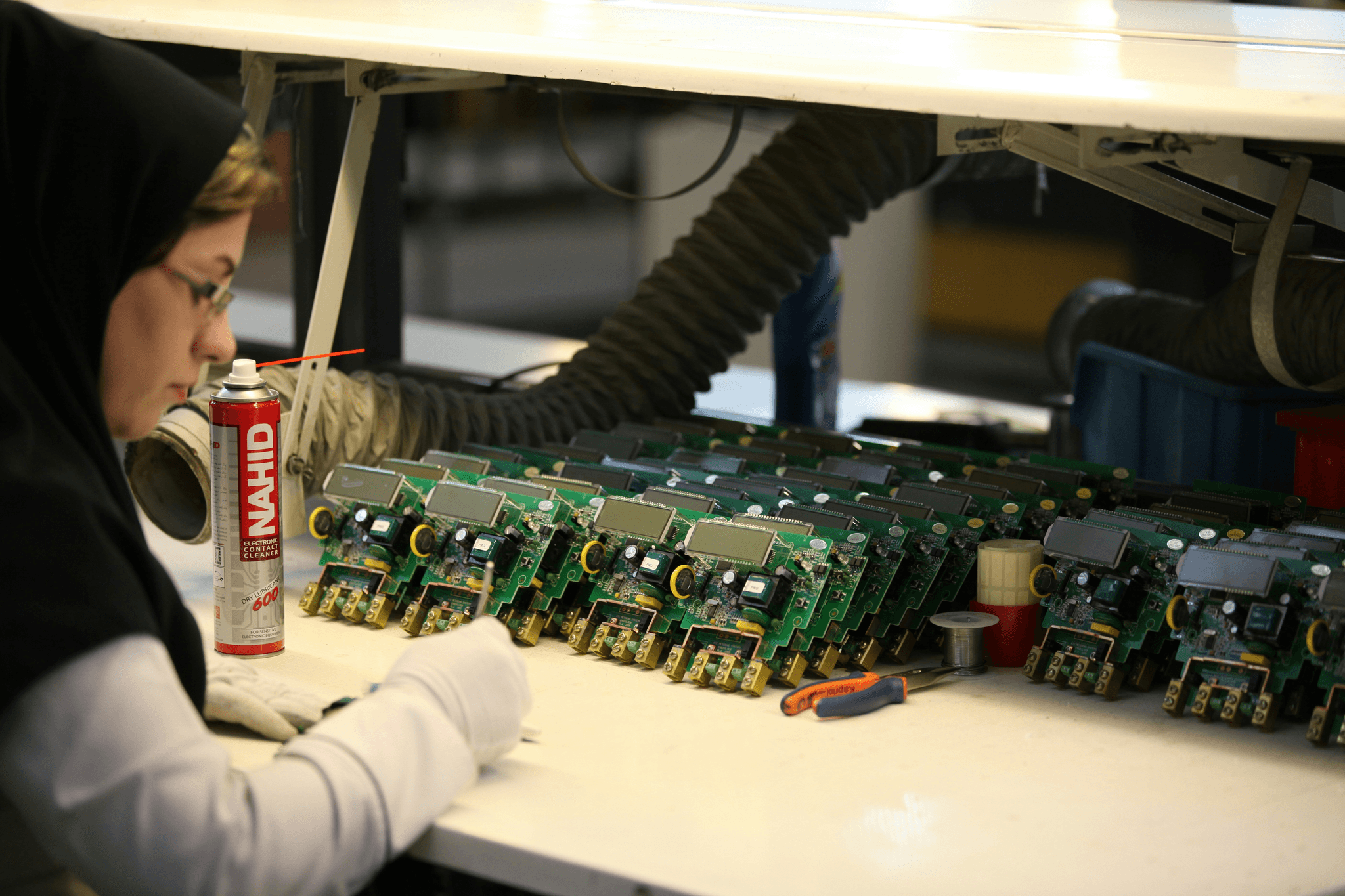
Understanding who needs to comply with RoHS vs REACH is crucial for any business involved in manufacturing or importing electronic products. These regulations aren’t just bureaucratic hoops; they’re vital for market access and consumer safety. Ignoring them can lead to hefty fines, product recalls, or worse—being shut out of lucrative markets altogether.
Manufacturers and Importers in the European Union
Manufacturers and importers operating within the European Union must pay close attention to which products are covered under RoHS, as non-compliance can result in severe penalties. The EU’s RoHS directive applies primarily to electrical and electronic equipment, but understanding which products are covered under RoHS vs REACH can be tricky—some devices might fall into a gray area. If you’re producing or importing items like smartphones, computers, or household appliances, you need to ensure RoHS compliance by limiting substances of very high concern (SVHC), especially those banned under the regulation.
Brands Like Apple and Samsung
Global brands such as Apple and Samsung are under constant scrutiny regarding their compliance with both RoHS vs REACH regulations. These companies often lead the way in ensuring their products meet stringent standards because consumers demand safe, environmentally friendly electronics. For these brands, understanding which product are covered under RoHS is vital—they must verify that their devices do not contain restricted substances or SVHCs that could trigger regulatory action or damage brand reputation.
The Role of China Inspection Pro for Compliance Checks
For businesses outside the EU looking to navigate these regulations smoothly, China Inspection Pro plays a pivotal role in compliance checks related to RoHS vs REACH requirements. They assist manufacturers in verifying whether their products contain substances of very high concern that could violate either regulation before hitting European markets. Their expertise ensures that companies stay ahead of legal obligations while maintaining robust RoHS compliance across all product lines.
Comparing RoHS vs REACH
Understanding the differences and similarities between ROHS vs REACH is essential for navigating the complex landscape of product compliance. While both regulations aim to protect human health and the environment, they approach this goal differently, affecting which products are covered under RoHS and how companies must adapt their processes. Whether you're a manufacturer or an importer, recognizing these distinctions can help you avoid costly penalties and ensure your products meet all necessary standards.
Core Differences and Similarities
At their core, ROHS vs REACH differ primarily in scope and regulatory focus. RoHS (Restriction of Hazardous Substances) specifically limits certain hazardous materials like lead, mercury, cadmium, and others in electrical and electronic equipment—covering which products are covered under RoHS is straightforward: most consumer electronics, household appliances, and IT equipment fall under its umbrella. In contrast, What Is the REACH Regulation is broader; it governs the registration, evaluation, authorization, and restriction of chemicals used across various industries worldwide.
Both regulations share a common goal of reducing hazardous substances—Substances of Very High Concern are central to REACH's framework—and require companies to be vigilant about chemical content in their products. However, while RoHS compliance focuses on limiting specific substances in electronics manufacturing, REACH emphasizes comprehensive chemical safety management throughout supply chains globally. Despite differences in approach, aligning compliance strategies for both regulations ensures your product remains market-ready across regions.
Impact on Product Design and Material Selection
The influence of these regulations on product design cannot be overstated—knowing which product are covered under RoHS directly impacts material selection early in development stages. For example, if your electronic device falls under RoHS requirements, you’ll need to choose alternative materials that do not contain restricted substances like lead or cadmium; this is where understanding Which product are covered under RoHS becomes crucial for designers aiming for compliance from inception.
Meanwhile, What Is the REACH Regulation pushes manufacturers to scrutinize all chemical components used during production—especially Substances of Very High Concern that may require authorization or substitution—to avoid legal pitfalls later on. This means that even if a component isn't explicitly restricted by RoHS standards but contains chemicals flagged by REACH as Substances of Very High Concern , it could still pose compliance challenges. Therefore, integrating both sets of requirements into design decisions helps streamline production while minimizing risks associated with non-compliance.
Aligning Compliance Strategies for Both Regulations
To effectively manage compliance across both frameworks—ROHS vs REACH—you need a strategy that considers their overlapping areas without neglecting unique requirements. Start by conducting thorough material testing to verify Which product are covered under RoHS while also assessing chemical content against what Is the REACH Regulation; this dual analysis keeps your supply chain transparent and compliant.
Next steps involve establishing traceability systems for documenting material sources and chemical compositions—this documentation is vital when working with suppliers or partners like China Inspection Pro who specialize in compliance checks—and training your staff on evolving legal standards related to Substances of Very High Concern . By aligning these strategies early on, companies can reduce costs associated with redesigns or legal penalties while enhancing brand credibility through proactive adherence to both regulations.
Practical Steps to Achieve RoHS Compliance
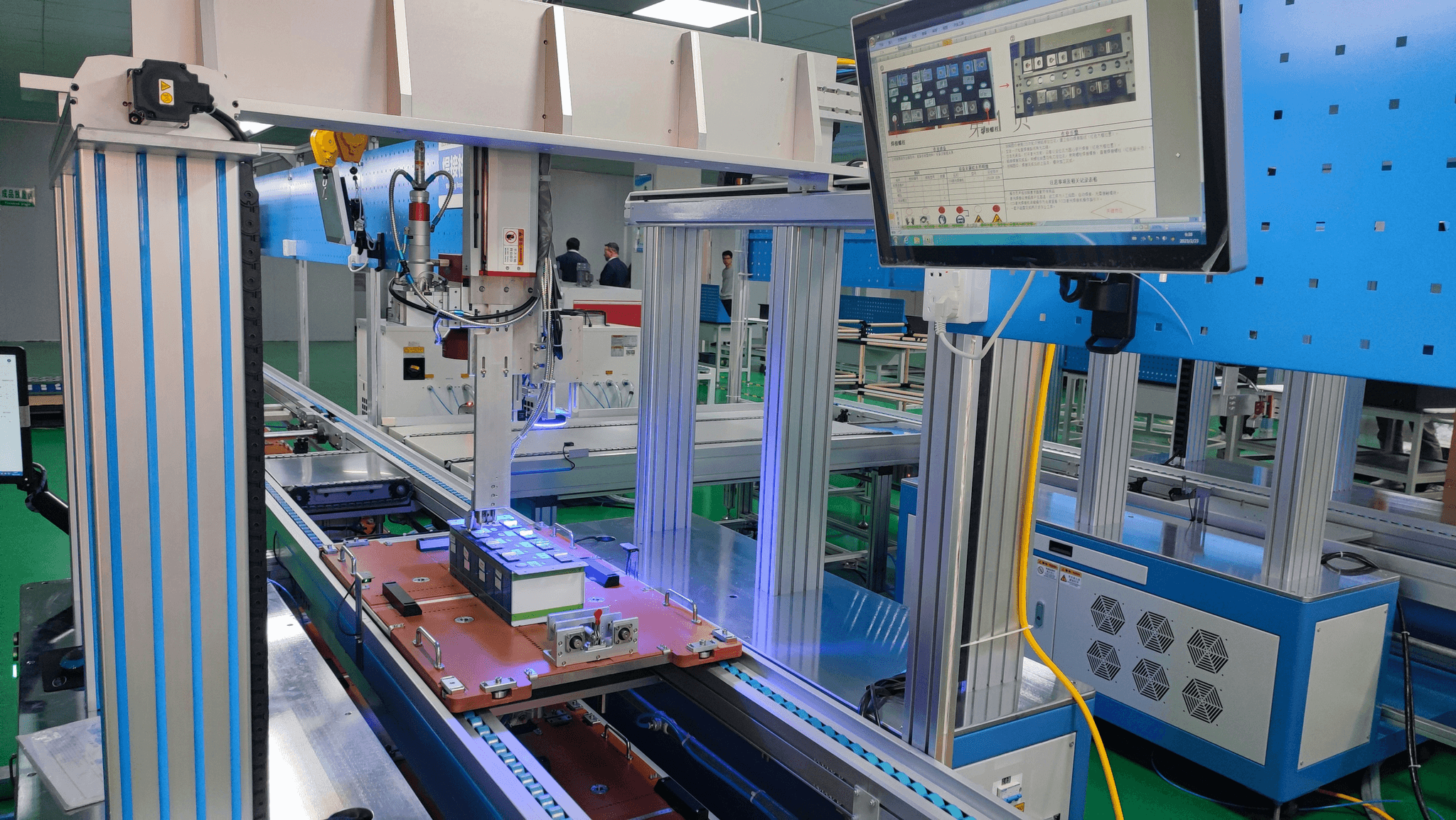
Getting your products to meet RoHS compliance isn’t just about ticking boxes; it’s a strategic move that can save you from legal headaches and boost your brand’s credibility. When considering RoHS vs REACH, understanding the practical steps ensures you're not caught off guard in a regulatory maze. The first step involves rigorous material testing and certification, which helps identify whether your components contain substances of very high concern that are restricted under RoHS.
Knowing which product are covered under RoHS is essential for planning your compliance strategy. Many consumer electronics and electrical equipment fall under its scope, but exceptions do exist—so it’s crucial to verify if your specific products are included. Proper documentation and traceability become the backbone of RoHS compliance, allowing manufacturers and importers who need to comply with RoHS to demonstrate adherence during inspections or audits.
Partnering with experienced quality inspection experts can make all the difference in navigating the complex landscape of RoHS vs REACH regulation. These professionals help ensure that your materials are compliant, reduce risks associated with non-compliance, and streamline certification processes. By integrating these practical steps into your product development cycle, you’re positioning yourself ahead of regulatory changes and building consumer trust through responsible manufacturing practices.
Material Testing and Certification
Material testing is the cornerstone of achieving RoHS compliance because it directly addresses which products are covered under RoHS regulations. Testing laboratories analyze raw materials and finished components for restricted substances like lead, mercury, cadmium, hexavalent chromium, polybrominated biphenyls (PBB), and polybrominated diphenyl ethers (PBDE). This step is vital because understanding what is inside your products helps avoid violations related to substances of very high concern—key elements in the debate of RoHS vs REACH.
Once testing confirms that no restricted substances exceed permissible limits, certification follows naturally—serving as proof that your product complies with regulations governing hazardous materials. Certification documents not only satisfy legal requirements but also build confidence among consumers who increasingly demand transparency about what’s in their gadgets. Remember: Who needs to comply with RoHS? Manufacturers and importers must ensure their products meet these standards before hitting the market.
In addition to internal testing procedures, engaging third-party labs enhances credibility when demonstrating compliance for international markets where regulations like REACH come into play too. As you compare RoHS vs REACH considerations, remember that both require thorough documentation; however, material testing remains a common ground for ensuring adherence across jurisdictions.
Documentation and Traceability
Documentation isn’t glamorous but it’s absolutely essential when proving which product are covered under RoHS or complying with REACH requirements—especially since non-compliance can lead to hefty fines or bans on sales. Traceability allows manufacturers who need to comply with RoHS regulations to track raw materials from suppliers through production stages until finished goods reach consumers—making sure every component aligns with legal standards regarding substances of very high concern.
Effective traceability systems enable quick responses if authorities request information on chemical composition or testing results related to Substances of Very High Concern under REACH or restricted elements listed in RoHS directives. This level of transparency helps mitigate reputational risks associated with non-compliance while demonstrating proactive management of hazardous substances—a key factor when comparing ROHS vs REACH strategies for global markets.
Good record-keeping also simplifies audits by inspectors from agencies like China Inspection Pro or EU authorities reviewing whether a product complies with environmental directives. Ultimately, comprehensive documentation supports ongoing compliance efforts by providing clear evidence that all steps taken align with current regulations governing electrical safety standards worldwide.
Working With Quality Inspection Experts
Navigating the complexities between ROHS vs REACH can be daunting without seasoned guidance—this is where working with quality inspection experts becomes invaluable. These specialists understand exactly which product are covered under rohs or regulated by reach restrictions on Substances of Very High Concern; they help identify potential risk areas early in development so corrective actions can be implemented proactively.
Partnering with trusted inspection firms ensures consistent adherence throughout production cycles while keeping pace with evolving legislation around chemical safety standards globally—including updates related to Which Products Are Covered Under RoHS or new restrictions on hazardous chemicals introduced under REACH regulation changes. Their expertise streamlines certification processes by conducting thorough assessments tailored specifically toward manufacturer needs—saving time and reducing costly reworks later on.
By collaborating closely with inspectors familiar with both ROHS vs REACH frameworks—and their respective impact on material selection—you gain peace of mind knowing your products meet all necessary legal criteria before entering markets worldwide—and avoid penalties linked to non-compliance issues involving Substances of Very High Concern or other restricted chemicals.
The Impact of Non-Compliance on Products
Ignoring the importance of ROHS vs REACH regulations can lead to serious consequences that could jeopardize your entire product line. Non-compliance with these regulations often results in products being pulled from shelves, banned from markets, or facing hefty fines. Companies that overlook what is covered under RoHS and the substances of very high concern risk legal trouble and market restrictions, turning a simple oversight into a costly nightmare.
Legal Consequences and Market Restrictions
Failing to adhere to the requirements of what is covered under RoHS can trigger severe legal repercussions, including hefty fines and product recalls. When a product isn't compliant with RoHS or REACH, authorities may restrict its sale within the EU or other regions that enforce these standards strictly. This highlights why understanding who needs to comply with RoHS and what Is the REACH regulation is crucial for avoiding market restrictions that can cripple business operations.
Reputational Risks and Consumer Trust
Non-compliance doesn’t just affect legal standing; it also damages your brand’s reputation. Consumers are increasingly aware of environmental issues, especially concerning substances of very high concern in electronics products. If your brand gets caught ignoring these regulations — whether it’s RoHS vs REACH or other compliance factors — trust erodes quickly, making it harder to regain customer confidence and loyalty.
How Proper Compliance Enhances Brand Credibility
On the flip side, achieving full RoHS compliance demonstrates your commitment to safety and environmental responsibility—key factors for modern consumers. Proper compliance shows you’re proactive about understanding which products are covered under RoHS and how to manage substances of very high concern effectively. Ultimately, adhering to these standards not only keeps you legally safe but also boosts your brand credibility in a competitive marketplace where consumers value transparency.