
Introduction
Sanitary napkin quality is more than just a matter of comfort; it’s a critical component of consumer health and confidence. Ensuring that these products meet strict standards involves comprehensive Sanitary Napkin Inspection processes that scrutinize every layer for defects, contaminants, and performance issues. When consumers rely on sanitary napkins, they expect reliability, safety, and eco-friendliness—standards that can only be achieved through diligent inspection methods like resistance to mechanical penetration tests, water retention tests, flexibility assessments, and aerobic biodegradation tests.
In the world of sanitary napkins, inspection is the gatekeeper against subpar products reaching the shelves. Resistance to mechanical penetration test results reveal how well a pad resists leaks or tears under pressure, directly impacting user safety. Meanwhile, water retention tests measure absorbency levels essential for comfort and protection during use. Flexibility tests ensure the product remains comfortable and adaptable to different body movements without causing discomfort or chafing.
Industry standards and regulations play a pivotal role in guiding these inspection protocols. They set the benchmarks for resistance to mechanical penetration test parameters, water retention capacities, flexibility criteria, and environmental impact measures such as aerobic biodegradation test results. Adhering to these standards not only guarantees product quality but also boosts consumer trust in brands committed to rigorous Sanitary Napkin Inspection practices.
The Sanitary Napkin Inspection Process
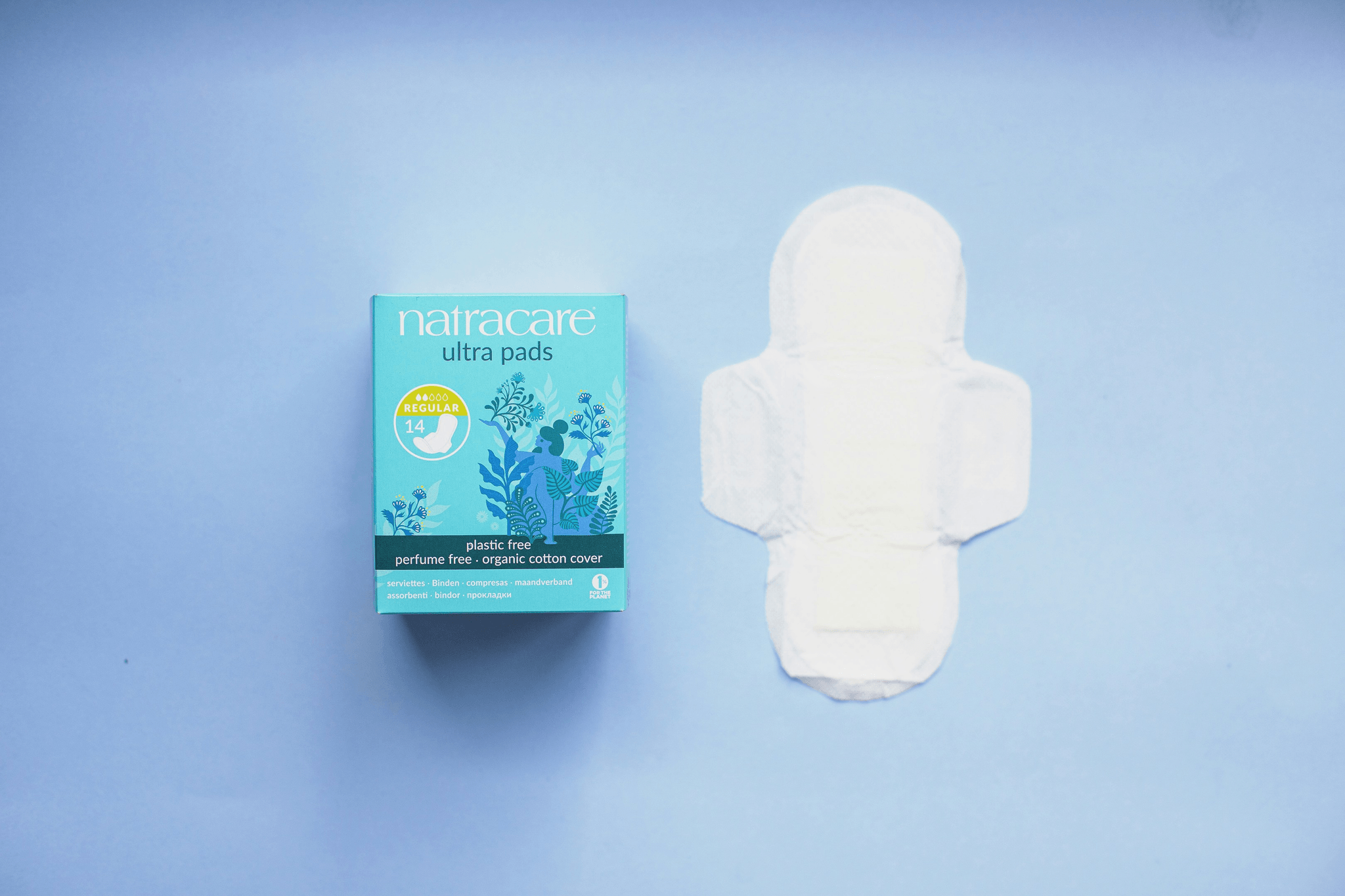
Sanitary Napkin Inspection is a critical step in ensuring product safety, comfort, and environmental sustainability. This process involves multiple tests designed to identify defects, assess durability, and confirm compliance with industry standards. By thoroughly inspecting sanitary napkins, manufacturers can deliver reliable products that meet consumer expectations and regulatory requirements.
Visual Inspection for Defects and Contaminants
The first line of defense in Sanitary Napkin Inspection is a meticulous visual inspection for defects and contaminants. Trained inspectors scrutinize each product for tears, uneven edges, discoloration, or foreign particles that could compromise quality or safety. This step helps prevent defective items from reaching consumers and ensures that the resistance to mechanical penetration test will be performed on defect-free products.
Resistance to Mechanical Penetration Test Explained
The resistance to mechanical penetration test is a crucial part of Sanitary Napkin Inspection that evaluates how well the product withstands external forces without leakage or damage. During this test, force is applied to simulate real-life pressure from movement or external objects; if the napkin fails this test, it indicates poor barrier properties or weak materials. Ensuring high resistance to mechanical penetration not only boosts consumer confidence but also aligns with international standards for durability.
Water Retention Test and Its Significance
The water retention test measures a sanitary napkin’s ability to absorb and hold liquids without leaking—a vital aspect of Sanitary Napkin Inspection focused on user comfort and safety. A product passing this test demonstrates optimal absorbency capacity while maintaining structural integrity under pressure. This test directly correlates with customer satisfaction because effective water retention minimizes discomfort during use.
Flexibility Test for Comfort and Fit
Flexibility testing plays an essential role in Sanitary Napkin Inspection by assessing how comfortably the product conforms to body movements without cracking or stiffening. A flexible sanitary napkin offers better fit and comfort, reducing chafing or irritation during wear—a key consideration for consumer health and satisfaction. Proper flexibility also indicates high-quality materials used in manufacturing, which can withstand repeated bending during use.
Aerobic Biodegradation Test for Environmental Impact
In today’s eco-conscious market, the aerobic biodegradation test has become an integral part of Sanitary Napkin Inspection aimed at evaluating environmental friendliness. This test assesses how quickly a sanitary napkin decomposes under aerobic conditions—important information for brands committed to sustainability efforts. Passing this biodegradation standard ensures that products are eco-friendly while maintaining performance during their lifecycle.
By integrating these comprehensive inspection steps—visual checks, resistance testing, water retention measurement, flexibility assessment, and biodegradation evaluation—manufacturers can guarantee high-quality sanitary napkins that prioritize safety and environmental responsibility while enhancing user experience.
Key Quality Control Tests in Sanitary Napkin Manufacturing
Sanitary Napkin Inspection is a critical step in ensuring that products meet safety, comfort, and environmental standards. These tests help manufacturers identify potential flaws early, guaranteeing that consumers receive only the best. The core quality control tests—Resistance to mechanical penetration, water retention, flexibility, and aerobic biodegradation—are essential in maintaining high product standards and compliance.
Resistance to Mechanical Penetration Test in Detail
The Resistance to mechanical penetration test is fundamental in sanitary napkin inspection because it assesses the product's ability to withstand external forces without leakage or damage. During this test, a standardized probe applies pressure to simulate real-life scenarios like sitting or movement. A product passing this test demonstrates durability and reliable performance for consumers who demand both comfort and security.
In the realm of sanitary napkin inspection, resistance to mechanical penetration ensures the integrity of the absorbent core under stress. This test also helps detect manufacturing flaws such as weak layers or material inconsistencies early on. Regularly conducting resistance tests aligns with industry standards and reinforces consumer trust by delivering products that won’t fail unexpectedly.
Water Retention Test and Its Role in Absorbency
The water retention test plays a pivotal role in sanitary napkin inspection by measuring how well a product can absorb and retain moisture during use. This test simulates bodily fluid exposure under controlled conditions, providing insight into the product’s absorbency capacity. Achieving optimal results here guarantees that users stay dry and comfortable throughout wear.
Water retention testing is also crucial for eco-friendly sanitary napkins designed with biodegradable materials; it helps verify whether these environmentally conscious options meet performance expectations comparable to conventional products. In terms of quality control, consistent water retention results indicate manufacturing stability and adherence to industry standards for absorbency levels—an important aspect of sanitary napkin inspection.
Flexibility Test to Prevent Discomfort
Flexibility testing is an often-overlooked but vital part of sanitary napkin inspection aimed at ensuring comfort during wear. This test evaluates how pliable or stiff a pad remains after production—a stiff pad can cause discomfort or chafing for users. A flexible design enhances fit and minimizes irritation, making it an essential criterion for consumer satisfaction.
In practice, flexibility tests involve bending or twisting samples repeatedly while monitoring any cracks or material fatigue—key indicators checked during sanitary napkin inspection processes. Manufacturers rely on this data not just for comfort but also as part of their commitment to quality assurance aligned with regulatory requirements globally.
Aerobic Biodegradation Test for Eco-Friendly Products
The aerobic biodegradation test is increasingly significant in sanitary napkin inspection as eco-conscious consumers demand sustainable options without sacrificing quality. This test measures how quickly biodegradable materials break down when exposed to oxygen-rich environments—a critical factor for eco-friendly products claiming environmental benefits.
Incorporating aerobic biodegradation testing into quality control protocols ensures that eco-friendly sanitary napkins truly fulfill their promise of reduced environmental impact while maintaining performance standards like resistance to mechanical penetration, water retention, and flexibility. Regular biodegradability assessments help brands demonstrate compliance with international green certifications—bolstering consumer confidence in their eco-friendly offerings.
Industry Standards and Certification Programs
Adhering to established industry standards through rigorous sanitation inspections—including resistance to mechanical penetration tests, water retention evaluations, flexibility assessments, and biodegradability analyses—is essential for global market acceptance of sanitary nappies. Certification programs such as ISO or CE often mandate comprehensive testing protocols that include these key quality control measures.
Participation in certification programs not only elevates brand credibility but also ensures compliance with regional regulations governing safety and environmental impact—making Sanitary Napkin Inspection an indispensable part of modern manufacturing processes worldwide. These standards serve as benchmarks guiding manufacturers toward continuous improvement while reassuring consumers about product safety and sustainability efforts.
Role of China Inspection Pro in Quality Assessment
China Inspection Pro plays a pivotal role in elevating the standards of Sanitary Napkin Inspection, ensuring each product meets rigorous safety and quality benchmarks. Their comprehensive approach encompasses various testing procedures, including Resistance to Mechanical Penetration Test, Water Retention Test, Flexibility Test, and Aerobic Biodegradation Test. By meticulously evaluating these aspects, they help manufacturers deliver products that are safe for consumers and environmentally friendly.
Comprehensive Inspection Services for Sanitary Products
At the heart of China Inspection Pro’s offerings is their extensive suite of Sanitary Napkin Inspection services. They conduct thorough assessments covering resistance to mechanical penetration tests to verify durability against external pressures. Additionally, their water retention test ensures optimal absorbency levels while the flexibility test guarantees comfort and proper fit for users. The aerobic biodegradation test further emphasizes their commitment to eco-friendly standards by evaluating biodegradability.
Expertise in Advanced Testing Methodologies
China Inspection Pro’s expertise shines through their utilization of advanced testing methodologies tailored specifically for sanitary products like sanitary napkins. Their resistance to mechanical penetration test simulates real-life stresses that products undergo during use, ensuring reliability. Meanwhile, their water retention test measures absorbency capacity under different conditions—crucial for consumer satisfaction—and the flexibility test assesses material pliability for comfortable wear.
Turning Inspection Results into Actionable Insights
Inspection results from China Inspection Pro don’t just sit on a report—they become strategic tools for manufacturers aiming to improve product quality continuously. Data from resistance to mechanical penetration tests highlight potential weak points that need reinforcement, while water retention test outcomes guide formulation adjustments for better absorbency. The flexibility test results inform material selection processes ensuring comfort without sacrificing durability; combined with biodegradation data, these insights foster sustainable innovation.
Ensuring Compliance with International Standards
Navigating global regulatory landscapes can be complex; however, China Inspection Pro simplifies this process by ensuring all sanitary napkin products pass international standards through rigorous inspection protocols—including resistance to mechanical penetration tests and biodegradability assessments. Their expertise guarantees compliance with regional regulations related to safety and environmental impact—key factors assessed during water retention tests and flexibility evaluations as well.
How China Inspection Pro Supports Brand Trust and Safety
Partnering with China Inspection Pro enhances brand reputation by demonstrating a commitment to high-quality Sanitary Napkin Inspection practices such as detailed resistance to mechanical penetration testing and eco-conscious biodegradation evaluations. Their comprehensive inspections reassure consumers about product safety and environmental responsibility—especially when water retention tests confirm reliable absorbency under varying conditions while flexibility tests ensure user comfort throughout wear time. Ultimately, this partnership builds trust rooted in transparency and unwavering quality assurance.
Common Challenges in Sanitary Napkin Inspection
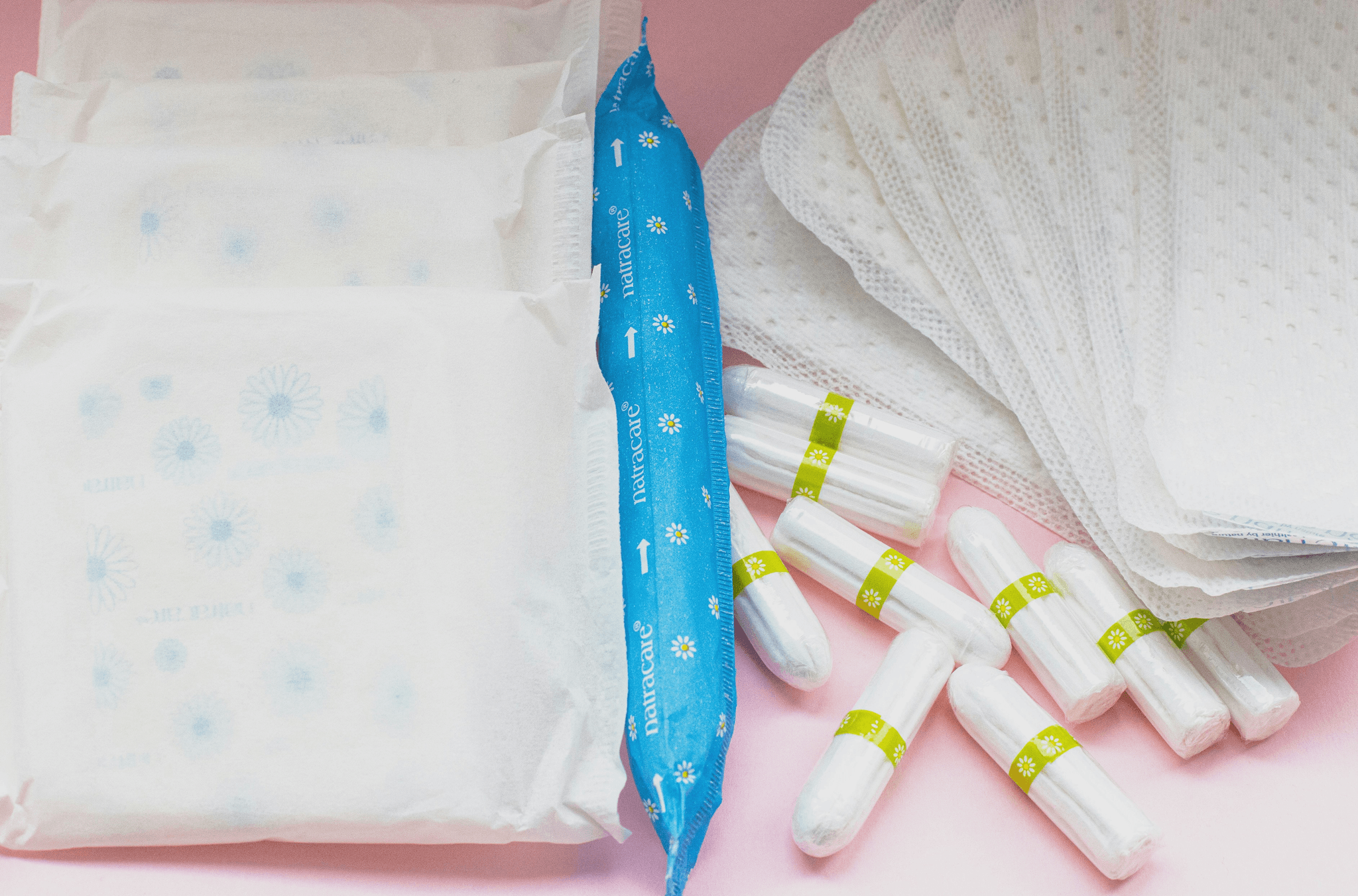
Sanitary Napkin Inspection is a critical step in ensuring product safety, comfort, and environmental sustainability. However, inspectors often face hurdles like detecting hidden defects or material flaws that aren't immediately visible. These flaws can compromise the resistance to mechanical penetration test results or water retention capabilities, making thorough inspection techniques essential.
One of the biggest challenges is balancing permeability and comfort during the Flexibility test. A product that’s too rigid may fail comfort standards, while excessive permeability can lead to leaks and dissatisfaction. Achieving this delicate balance requires precise assessment through water retention tests and flexibility evaluations to meet consumer expectations without sacrificing quality.
Meeting eco-standards without compromising quality also poses a significant challenge for manufacturers. The aerobic biodegradation test is increasingly vital in this regard, as it gauges environmental impact while maintaining product integrity. Incorporating eco-friendly materials often affects resistance to mechanical penetration tests and water retention properties, so continuous testing ensures these products stay both sustainable and effective.
Navigating regulatory compliance across different countries adds another layer of complexity to sanitary napkin inspection. Each region might have unique standards for resistance to mechanical penetration tests or biodegradability criteria. Staying updated with international standards demands rigorous inspection protocols that include comprehensive assessments like biodegradation tests alongside traditional resistance and flexibility evaluations.
Best Practices for Maintaining Product Excellence
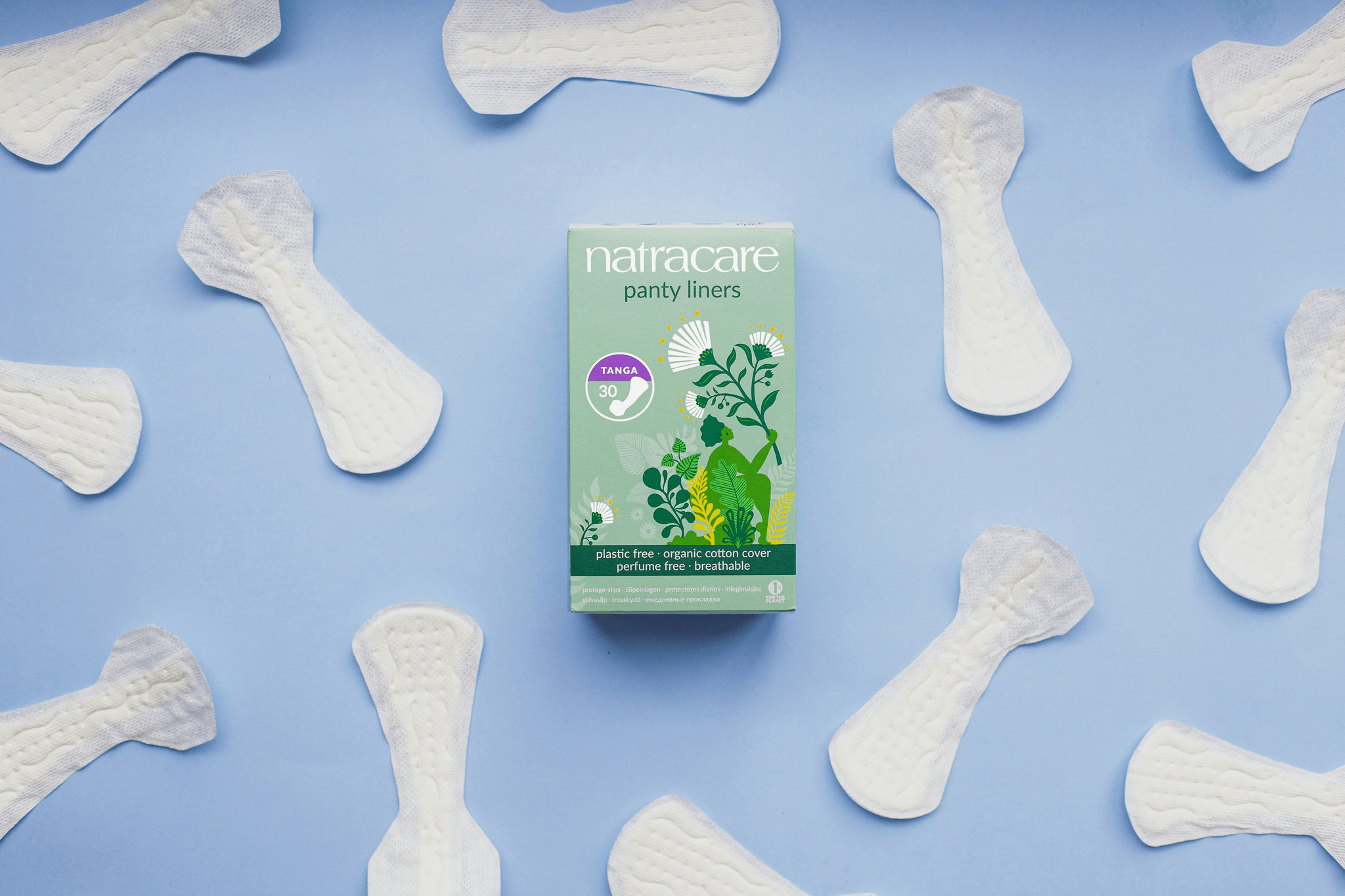
Maintaining top-tier sanitary napkin quality requires a strategic approach rooted in rigorous Sanitary Napkin Inspection. Regularly scheduled quality checks should include thorough assessments of resistance to mechanical penetration tests, ensuring that each product can withstand real-world use without compromising safety or comfort. Documenting every inspection detail not only creates a reliable record but also helps identify recurring issues that might affect water retention, flexibility, or biodegradability.
Investing in modern testing equipment is crucial for accurate and efficient Sanitary Napkin Inspection. Advanced machines capable of performing resistance to mechanical penetration tests, water retention tests, and flexibility assessments enable manufacturers to detect flaws early on. Incorporating aerobic biodegradation tests into the process ensures eco-friendly standards are met without sacrificing product integrity, aligning with global sustainability goals.
Training staff on inspection protocols is vital for consistent Sanitary Napkin Inspection results. Well-trained personnel can effectively conduct resistance to mechanical penetration tests and interpret water retention test outcomes to verify absorbency levels. Knowledgeable teams are also better equipped to perform flexibility tests that guarantee comfort and oversee aerobic biodegradation tests that validate environmental claims—keeping products both safe and eco-conscious.
Collaborating with experienced inspection agencies enhances the overall quality assurance process for sanitary napkins. These experts bring specialized knowledge of resistance to mechanical penetration testing methods and how best to evaluate water retention properties under various conditions. Their insights can refine your approach to aerobic biodegradation testing, ensuring compliance with international standards while elevating product reliability.
Continuous improvement based on inspection feedback is the backbone of maintaining product excellence in sanitary napkins. Regular analysis of resistance to mechanical penetration test results helps identify material weaknesses before they reach consumers, while water retention test data guides formula adjustments for better absorbency. Incorporating findings from flexibility assessments ensures products remain comfortable; additionally, feedback from aerobic biodegradation tests supports ongoing eco-friendly innovations.
Conclusion
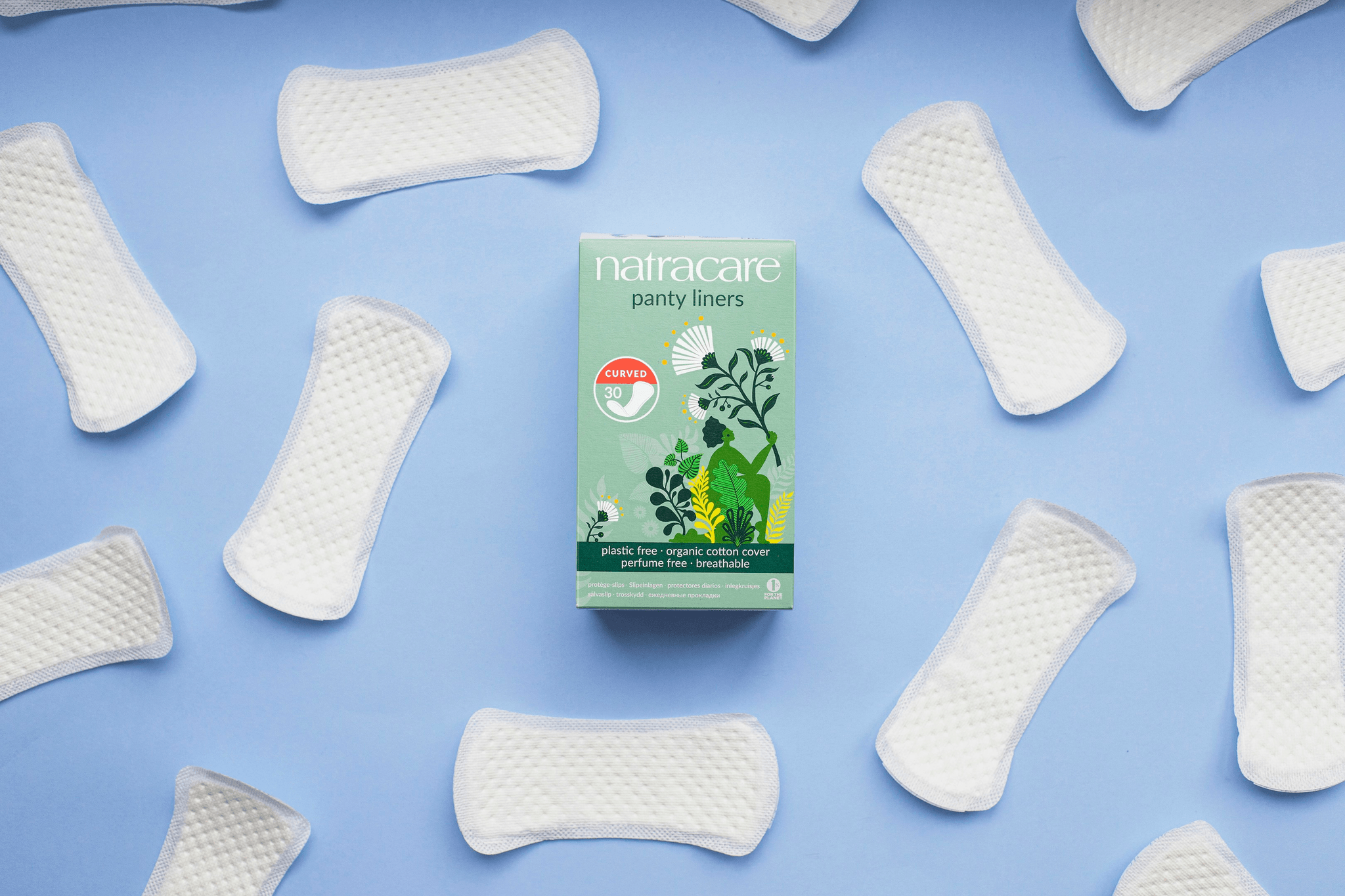
Ensuring consumer confidence hinges on meticulous Sanitary Napkin Inspection, where every product undergoes rigorous testing to meet safety standards. The resistance to mechanical penetration test is crucial for verifying durability and preventing leaks, while the water retention test guarantees absorbency and comfort. Additionally, the aerobic biodegradation test not only assesses environmental impact but also aligns with eco-conscious consumer demands, making it an integral part of quality assurance.
A comprehensive approach to Sanitary Napkin Inspection involves multiple key tests like the resistance to mechanical penetration test, water retention test, flexibility test, and aerobic biodegradation test. These tests collectively ensure that products are safe, comfortable, and environmentally friendly. Regular inspection protocols help brands maintain high standards and foster trust among consumers who rely on these products daily.
Partnering with trusted experts like China Inspection Pro elevates the Sanitary Napkin Inspection process by providing advanced testing methodologies and actionable insights. Their expertise ensures compliance with international standards while helping manufacturers navigate complex regulations globally. This collaboration not only boosts product quality but also enhances brand reputation through consistent adherence to industry best practices.