
Introduction
In the world of manufacturing, ensuring your equipment runs smoothly is no small feat—especially when it comes to Shell and Tube Heat Exchangers. Mastering Shell and Tube Heat Exchanger Inspection is crucial for maintaining efficiency and preventing costly breakdowns. Developing a solid inspection and test plan allows manufacturers to identify issues early, saving time and money while extending the lifespan of critical components.
Regularly performing Heat Exchanger Inspection not only keeps operations running seamlessly but also helps catch problems like fouling, corrosion, or leaks before they escalate. Proper inspection routines include thorough Tube Inspection, Tube Bundle Inspection, and Tubesheet Inspection—each playing a vital role in overall performance. By emphasizing leak testing of seal welds as part of your inspection plan, you ensure that potential leak points are identified and addressed promptly.
Partnering with a trusted provider like China Inspection Pro can elevate your quality assurance processes. Their expertise in customizing inspection plans tailored to specific manufacturing needs guarantees comprehensive coverage and actionable insights. In this competitive industry, mastering Shell and Tube Heat Exchanger Inspection is your best strategy for long-term reliability and operational excellence.
Understanding Shell and Tube Heat Exchanger Inspection
Understanding the intricacies of Shell and Tube Heat Exchanger Inspection is vital for maintaining optimal performance and safety in manufacturing environments. An effective inspection and test plan ensures that each component functions correctly, preventing costly failures down the line. Regularly scheduled heat exchanger inspections help identify potential issues early, saving both time and money while boosting overall efficiency.
A comprehensive inspection and test plan covers key components such as tubes, tubesheets, seals, and welds. These plans are tailored to address specific operational risks associated with each part of the heat exchanger. By focusing on critical areas like tube inspection, tube bundle inspection, and tubesheet inspection, maintenance teams can proactively detect corrosion, fouling, or structural damage before they escalate into major problems.
Incorporating routine heat exchanger inspection into maintenance schedules involves utilizing industry-standard techniques to assess component integrity. Techniques such as non-destructive testing (NDT), dye penetrant testing, and leak testing of seal welds form the backbone of an effective inspection process. Employing these methods regularly ensures that potential leaks or weaknesses are caught early—particularly during leak testing of seal welds—thus extending equipment lifespan and safeguarding operations.
Preparing for Effective Inspection and Test Plan
Developing a solid inspection and test plan is the foundation of successful Shell and Tube Heat Exchanger Inspection. A well-crafted plan ensures that every critical component, from tubes to tubesheet, is thoroughly examined, minimizing surprises down the line. When you design your heat exchanger inspection strategy with precision, it becomes easier to identify potential issues early and avoid costly downtime or repairs.
A comprehensive inspection strategy should outline specific procedures for Tube Inspection, Tube Bundle Inspection, and Tubesheet Inspection. This means selecting the right techniques—such as ultrasonic testing or eddy current methods—to detect corrosion, fouling, or structural weaknesses effectively. Incorporating leak testing of seal welds into the plan guarantees that any leaks are caught before they escalate into major failures.
Creating an effective inspection and test plan also involves detailed documentation of each step taken during Shell and Tube Heat Exchanger Inspection. Accurate record-keeping not only helps track the condition of components over time but also provides valuable data for future inspections. Proper documentation makes it easier to verify compliance with safety standards and ensures that maintenance actions are based on reliable information.
Safety during inspection processes cannot be overlooked; developing a safety protocol tailored to heat exchanger systems is essential. Ensuring personnel are trained in leak testing of seal welds and other inspection techniques reduces risks associated with high-pressure environments or hazardous materials. Prioritizing safety measures allows inspectors to perform their duties efficiently without compromising their well-being.
Critical Areas in Shell and Tube Heat Exchanger Inspection
Effective Shell and Tube Heat Exchanger Inspection hinges on thoroughly assessing its critical components to prevent costly failures and maintain optimal performance. Developing a comprehensive inspection and test plan ensures that each area receives proper attention, from tubes to seals. Addressing these key areas with precision can significantly extend the lifespan of your heat exchanger equipment.
Tube Inspection Methods and Challenges
Tube Inspection is a cornerstone of reliable Heat Exchanger Inspection, focusing on detecting corrosion, erosion, or fouling inside the tubes. Common methods include ultrasonic testing, eddy current testing, and visual inspections, each offering unique insights into tube condition. However, challenges such as access limitations or complex geometries can complicate inspection efforts, making it vital to choose the right techniques within your inspection and test plan.
Tube Bundle Inspection for Corrosion and Fouling
The tube bundle is often the first victim of corrosion and fouling buildup, which can hamper heat transfer efficiency significantly. Routine Tube Bundle Inspections help identify these issues early before they escalate into major failures. Incorporating non-destructive methods like magnetic flux leakage or thermography into your inspection process ensures thorough detection without disrupting ongoing operations.
Tubesheet Inspection for Structural Integrity
The Tubesheet acts as the backbone holding the tubes in place; thus, its structural integrity is paramount during Shell and Tube Heat Exchanger Inspection. Cracks, corrosion pits, or deformation here can lead to leaks or catastrophic failure if overlooked in your inspection plan. Regular Tubesheet Inspections using dye penetrant testing or ultrasonic thickness gauging help verify weld quality and material condition for peace of mind.
Leak Testing of Seal Welds to Prevent Failures
Leak Testing of Seal Welds is essential to ensure that no unwanted leaks compromise the heat exchanger's performance or safety standards. Techniques like hydrostatic testing or dye penetrant inspections are standard practices within an effective inspection plan designed specifically for weld integrity assessment. Prompt detection of leaks through diligent leak testing helps maintain seal integrity over time while preventing unplanned downtime.
Best Practices for Leak Testing of Seal Welds
Effective leak testing of seal welds is a critical component of Shell and Tube Heat Exchanger Inspection, ensuring the longevity and safety of the equipment. Implementing rigorous techniques such as hydrostatic testing and dye penetrant inspection within your inspection and test plan can reveal hidden leaks that might otherwise go unnoticed. Properly executed leak testing not only confirms the integrity of the welds but also prevents costly failures down the line, making it an indispensable step in heat exchanger maintenance.
Techniques Such as Hydrostatic and Dye Penetrant Testing
Hydrostatic testing remains a gold standard for Leak Testing of Seal Welds, utilizing pressurized water to detect weaknesses or cracks in weld joints without damaging the shell or tubes. This method provides a clear indication of any leaks by observing water escape points, making it an essential part of Shell and Tube Heat Exchanger Inspection routines. Complementing this, dye penetrant testing involves applying a special dye to suspect weld areas; if leaks are present, the dye seeps into cracks or flaws, revealing them under UV light—perfect for detailed Tube Inspection during routine checks.
Detecting and Addressing Weld Leaks Promptly
Once a leak is detected during heat exchanger inspection, swift action is crucial to prevent further damage or process downtime. Promptly addressing seal weld leaks involves repairing or re-welding affected areas based on detailed findings from your inspection and test plan; this minimizes disruption in operations while maintaining system integrity. Regular Tube Bundle Inspection helps identify early signs of corrosion or deterioration that could compromise seal welds later on, emphasizing why continuous monitoring is vital for effective leak detection.
Maintaining Seal Integrity for Longevity
Maintaining seal integrity through consistent leak testing ensures your shell and tube heat exchanger operates at peak performance over its lifespan. Incorporating routine Tubesheet Inspection into your plan helps confirm that structural components remain sound, preventing potential leaks before they escalate into major issues. By adhering to best practices in Leak Testing of Seal Welds—such as scheduled hydrostatic tests and dye penetrant inspections—you safeguard against unexpected failures while extending the service life of your heat exchangers.
Challenges and Solutions in Heat Exchanger Inspection
Heat Exchanger Inspection can be a tricky business, especially when it comes to unearthing hidden corrosion or damage that isn't immediately visible. A thorough inspection and test plan must include methods to detect these concealed issues, which often lurk behind tubes or within the tubesheet. Without diligent Tube Inspection and Tube Bundle Inspection, these problems can go unnoticed until they cause costly failures, emphasizing the importance of comprehensive Shell and Tube Heat Exchanger Inspection.
Identifying Hidden Corrosion or Damage
One of the biggest hurdles in heat exchanger maintenance is spotting corrosion or damage that’s hidden from plain sight. These insidious flaws often develop inside tubes or around the tubesheet, making routine visual checks insufficient. Incorporating advanced inspection techniques like ultrasonic testing or eddy current testing into your inspection and test plan ensures you catch corrosion early—saving time, money, and downtime—by performing diligent Tube Inspection and Tubesheet Inspection before issues escalate.
Minimizing Downtime During Inspection
Nobody wants their production line grinding to a halt for hours on end; minimizing downtime during Shell and Tube Heat Exchanger Inspection is crucial for maintaining efficiency. Strategic planning of your inspection schedule can help reduce operational disruptions while still ensuring thorough checks of critical components like the tube bundle and seal welds. Employing non-invasive methods such as leak testing of seal welds with hydrostatic pressure tests allows for quick detection of leaks without extensive disassembly—keeping your plant running smoothly.
Leveraging Advanced Technologies for Better Results
The future of Heat Exchanger Inspection lies in leveraging cutting-edge technology to enhance accuracy while reducing time spent on inspections. Techniques such as digital radiography, laser scanning, and automated tube inspections are transforming how we approach Shell and Tube Heat Exchanger inspections today. By integrating these innovative solutions into your inspection plan, you can detect corrosion or damage more reliably during Tube Bundle Inspections or Tubesheet inspections—and perform leak testing of seal welds with pinpoint precision—ultimately extending equipment life and boosting overall plant reliability.
The Role of China Inspection Pro in Heat Exchanger Quality Assurance
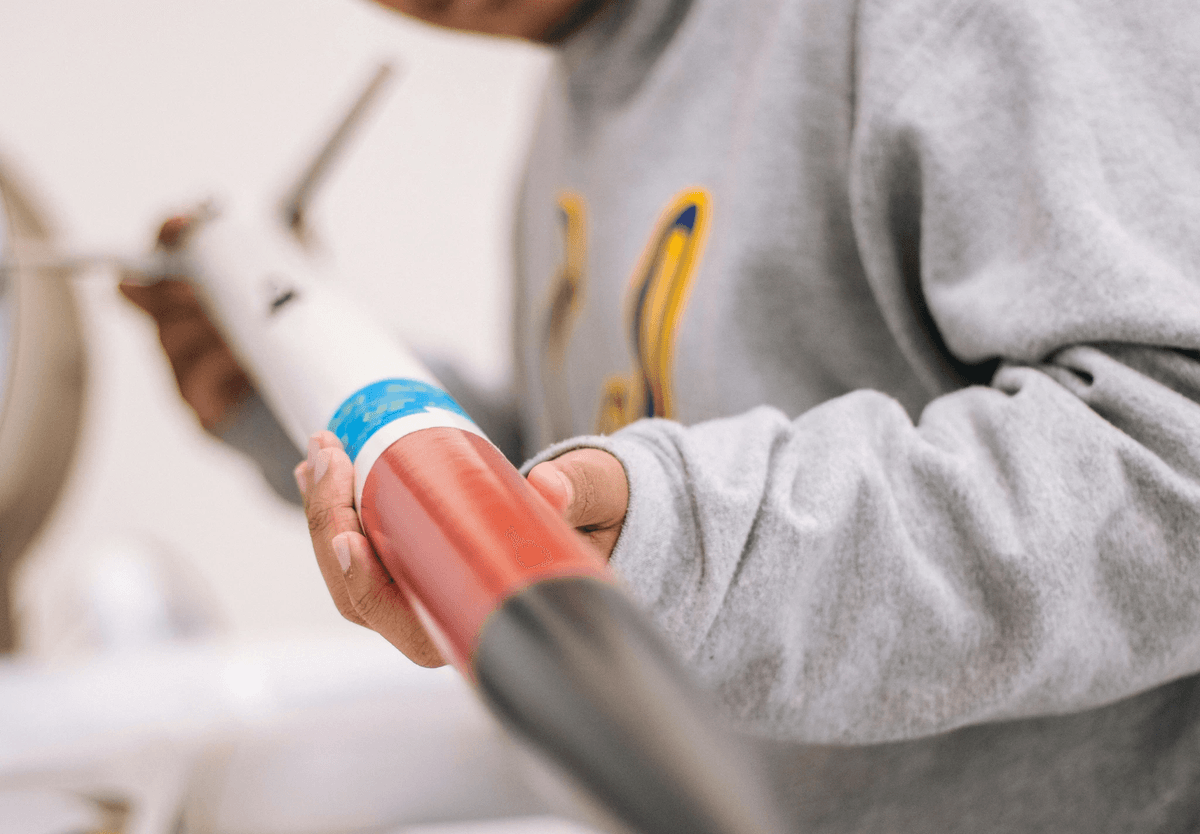
When it comes to maintaining peak performance of Shell and Tube Heat Exchangers, China Inspection Pro stands out as a trusted partner in delivering top-tier Heat Exchanger Inspection services. Their team of seasoned professionals understands the nuances of developing a comprehensive inspection and test plan tailored specifically to your manufacturing needs. From initial assessments to detailed reporting, their expertise ensures every aspect of the heat exchanger, including Tube Inspection and Tubesheet Inspection, is scrutinized meticulously for optimal operation.
China Inspection Pro’s approach to customizing inspection plans means that each heat exchanger undergoes a process aligned with its unique design and operational environment. Whether dealing with complex tube bundle configurations or critical leak testing of seal welds, they craft strategies that address potential weak points before they become costly failures. Their emphasis on detailed inspection and test plans guarantees thorough coverage—covering everything from routine Tube Bundle Inspection to advanced leak detection techniques—resulting in fewer surprises during operation.
Turning inspection results into actionable improvements is where China Inspection Pro truly shines. By analyzing data obtained from Shell and Tube Heat Exchanger Inspections, they recommend targeted maintenance or design modifications that extend equipment life and improve efficiency. Their insights into leak testing of seal welds help prevent leaks that could compromise system integrity, while proactive tube inspections catch corrosion or fouling early—saving downtime and money in the long run.
Conclusion
A thorough and diligent approach to Heat Exchanger Inspection is essential for ensuring long-term reliability in manufacturing processes. Implementing a well-structured inspection and test plan allows operators to identify potential issues early, preventing costly failures down the line. Regular Shell and Tube Heat Exchanger Inspection not only extends equipment lifespan but also safeguards safety standards and operational efficiency.
Consistent application of inspection techniques such as Tube Inspection, Tube Bundle Inspection, and Tubesheet Inspection significantly impacts production efficiency. These inspections help detect corrosion, fouling, or structural damage before they escalate into major problems, reducing downtime and maintenance costs. Investing in comprehensive leak testing of seal welds further ensures that the heat exchanger remains sealed and operational under optimal conditions.
Partnering with experienced professionals like China Inspection Pro elevates your heat exchanger quality control efforts. Their expertise in customizing inspection and test plans guarantees that critical areas are scrutinized thoroughly—whether it's tube integrity or weld seals. Turning inspection results into actionable improvements not only enhances performance but also builds confidence in your manufacturing process’s long-term durability.