
Introduction
Ensuring the quality and reliability of valves is no small feat, especially when it comes to complex industrial applications. That’s where third party inspection steps in, providing an unbiased eye to verify that every valve meets the highest standards. A thorough valve inspection, combined with a well-crafted valve inspection and test plan, can make all the difference in delivering products that stand the test of time.
Engaging a third party inspector offers numerous key benefits—from impartiality to expertise—helping manufacturers and clients alike avoid costly mistakes. These independent professionals bring fresh perspectives and specialized skills, ensuring that the valve manufacture quality control plan aligns perfectly with industry standards. Plus, their focus on verifying critical aspects like the valve heat treatment procedure guarantees optimal performance and durability.
China Inspection Pro plays a pivotal role in elevating valve quality assurance by leveraging their extensive experience in valve inspection services. Their team meticulously reviews each step of the process, from initial material verification to final certification, ensuring compliance at every stage. Partnering with such a trusted third party inspector not only streamlines operations but also boosts confidence that every valve delivered is up to standard.
Preparing for Valve Inspection and Test Plan
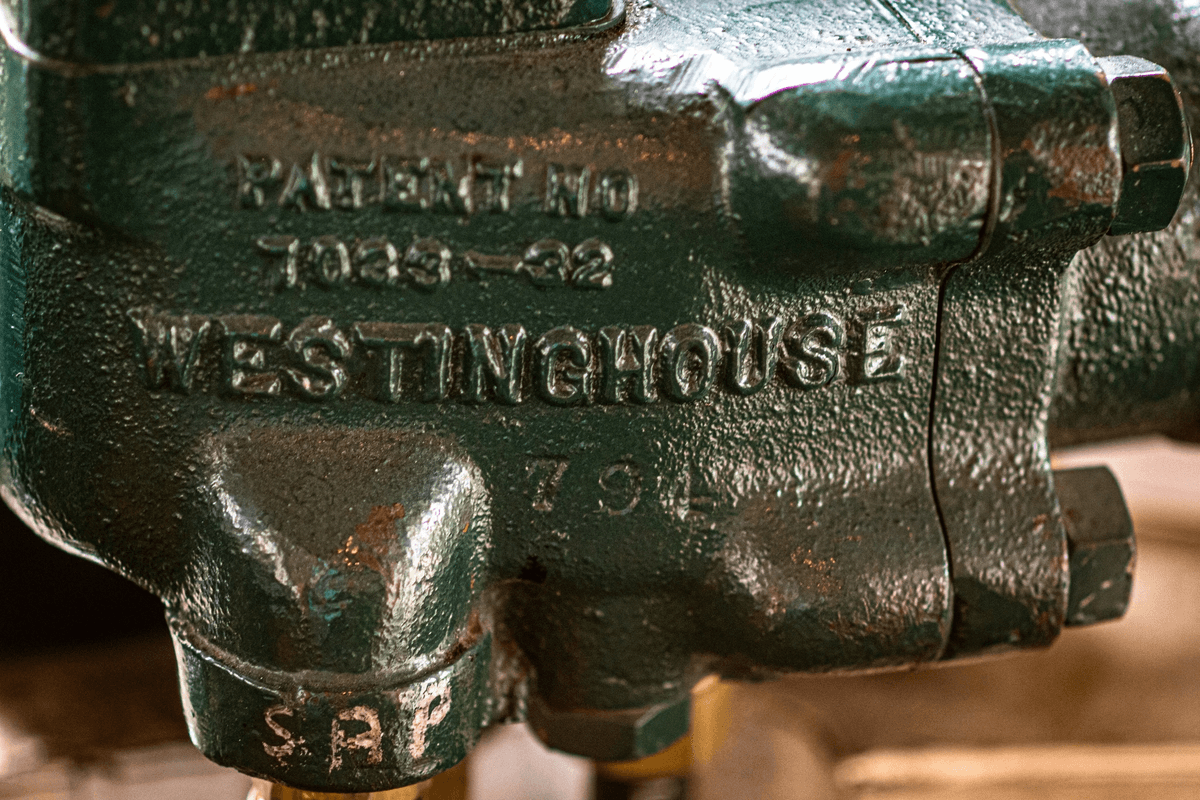
Laying the groundwork for a successful valve inspection starts with crafting a detailed valve inspection and test plan. This plan acts as the blueprint, guiding third-party inspectors through each critical step to ensure every valve meets stringent quality standards. Without a comprehensive valve inspection and test plan, even the best valve manufacture quality control efforts can fall short of expectations.
A well-developed valve inspection and test plan should clearly define inspection points, testing methods, acceptance criteria, and documentation procedures. It’s essential to tailor this plan to align seamlessly with the Valve Manufacture Quality Control Plan, ensuring consistency across all stages of production. When third-party inspectors review this alignment early on, it minimizes surprises during final checks and streamlines the overall valve inspection process.
Ensuring that the Valve Heat Treatment Procedure is incorporated into your valve inspection and test plan is equally vital. Proper heat treatment impacts the durability and performance of valves significantly; neglecting this aspect can lead to costly rework or failures down the line. By integrating heat treatment verification into your plan, you empower third-party inspectors to verify compliance effectively, safeguarding your product’s integrity from raw material to final approval.
Role of Third Party Inspector in Valve Quality Control
A third party inspector plays a crucial role in ensuring that every valve meets the highest standards through rigorous valve inspection and test plan adherence. Their primary responsibility is to verify that the valve manufacture quality control plan aligns with industry standards and client specifications, including proper heat treatment procedures. By conducting comprehensive inspections, they help identify potential issues early, preventing costly failures down the line.
Responsibilities of a Third Party Inspector in Valve Inspection
The responsibilities of a third party inspector extend from reviewing the initial valve manufacture quality control plan to executing detailed inspections at various production stages. They are tasked with verifying that materials used conform to chemical composition requirements and that the heat treatment procedure has been properly followed. During valve inspection, they also perform dimensional checks, non-destructive testing, and pressure tests to confirm leak tightness and structural integrity.
Key Skills and Qualifications to Look for in a Third Party Inspector
When selecting a third party inspector for valve inspection and test plan validation, look for professionals with extensive experience in valve manufacturing processes and quality control protocols. Knowledge of industry standards such as API or ASME is essential, along with skills in non-destructive testing methods and heat treatment verification techniques. A qualified inspector should also possess strong analytical abilities, attention to detail, and excellent communication skills to accurately document findings related to valve inspection.
Common Challenges Faced During Valve Inspection
Valve inspection often encounters hurdles like inconsistent material verification or discrepancies during non-destructive testing procedures. Ensuring compliance with complex heat treatment procedures can be tricky if documentation isn't thorough or if manufacturing processes deviate from the original plan. Additionally, coordinating between manufacturers’ quality control plans and third party inspections can pose challenges—requiring clear communication channels for effective resolution during valve inspection activities.
The Valve Inspection Process Step-by-Step
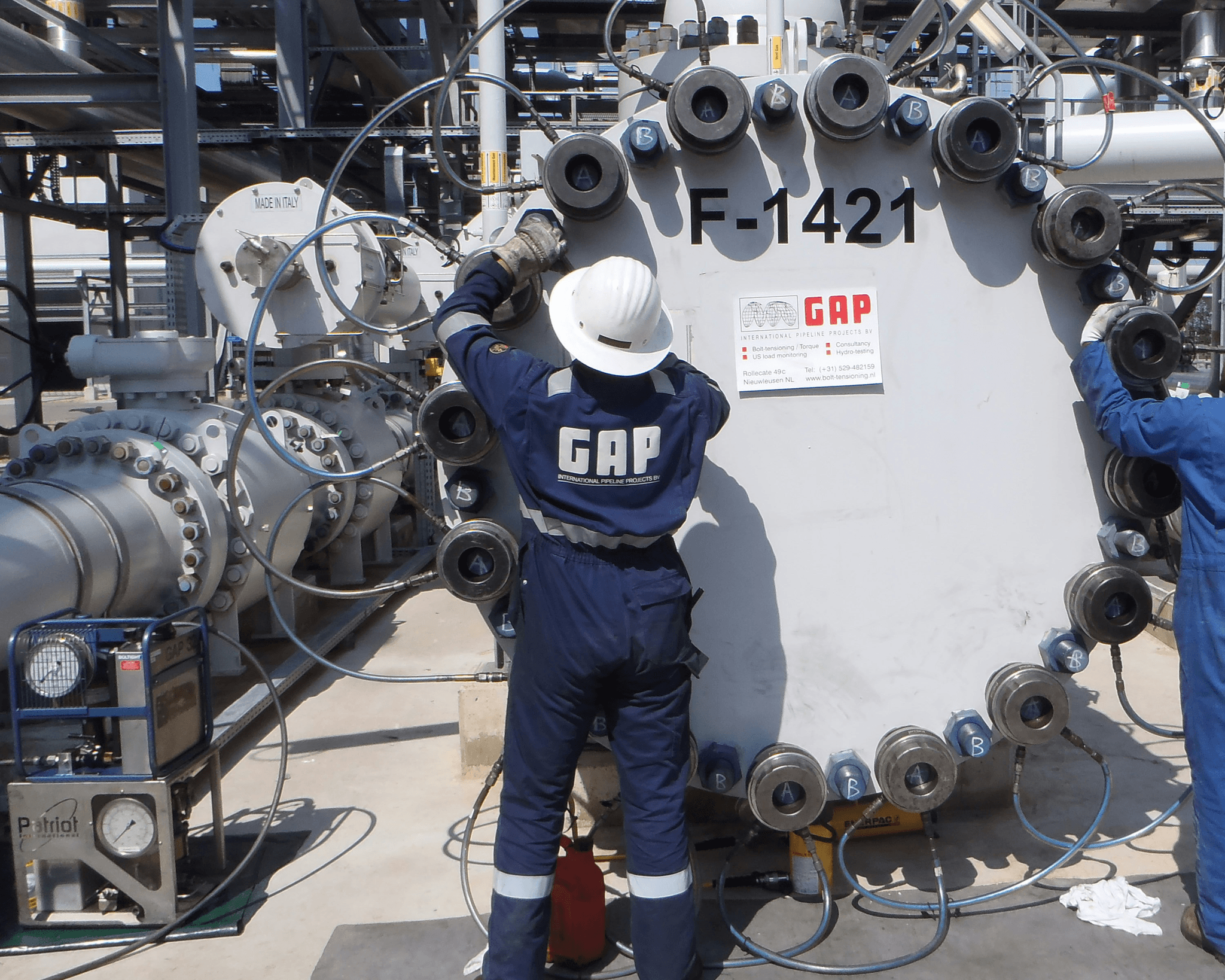
The first step in any successful valve inspection is receiving and thoroughly reviewing the Valve Manufacture Quality Control Plan. This plan acts as the blueprint for the entire valve inspection and test plan, ensuring all critical parameters are addressed before physical testing begins. A diligent Third Party Inspector will scrutinize this document to confirm it aligns with industry standards and client specifications, setting the stage for an effective valve inspection process.
Once the Valve Manufacture Quality Control Plan has been vetted, the next phase involves conducting visual and dimensional inspections. During this stage, the inspector carefully examines each valve for surface defects, proper markings, and adherence to specified dimensions outlined in the valve inspection and test plan. This step is crucial because it helps catch potential issues early on, preventing costly rework or failures down the line.
Following visual checks, performing non-destructive testing (NDT) and verifying the valve heat treatment procedure become paramount. These tests help confirm that internal integrity is intact without damaging the component—an essential aspect of comprehensive valve inspection. The Third Party Inspector ensures that heat treatment procedures meet all specified standards and that NDT results validate material integrity before moving forward with final approval.
Critical Aspects Assessed in Valve Inspection
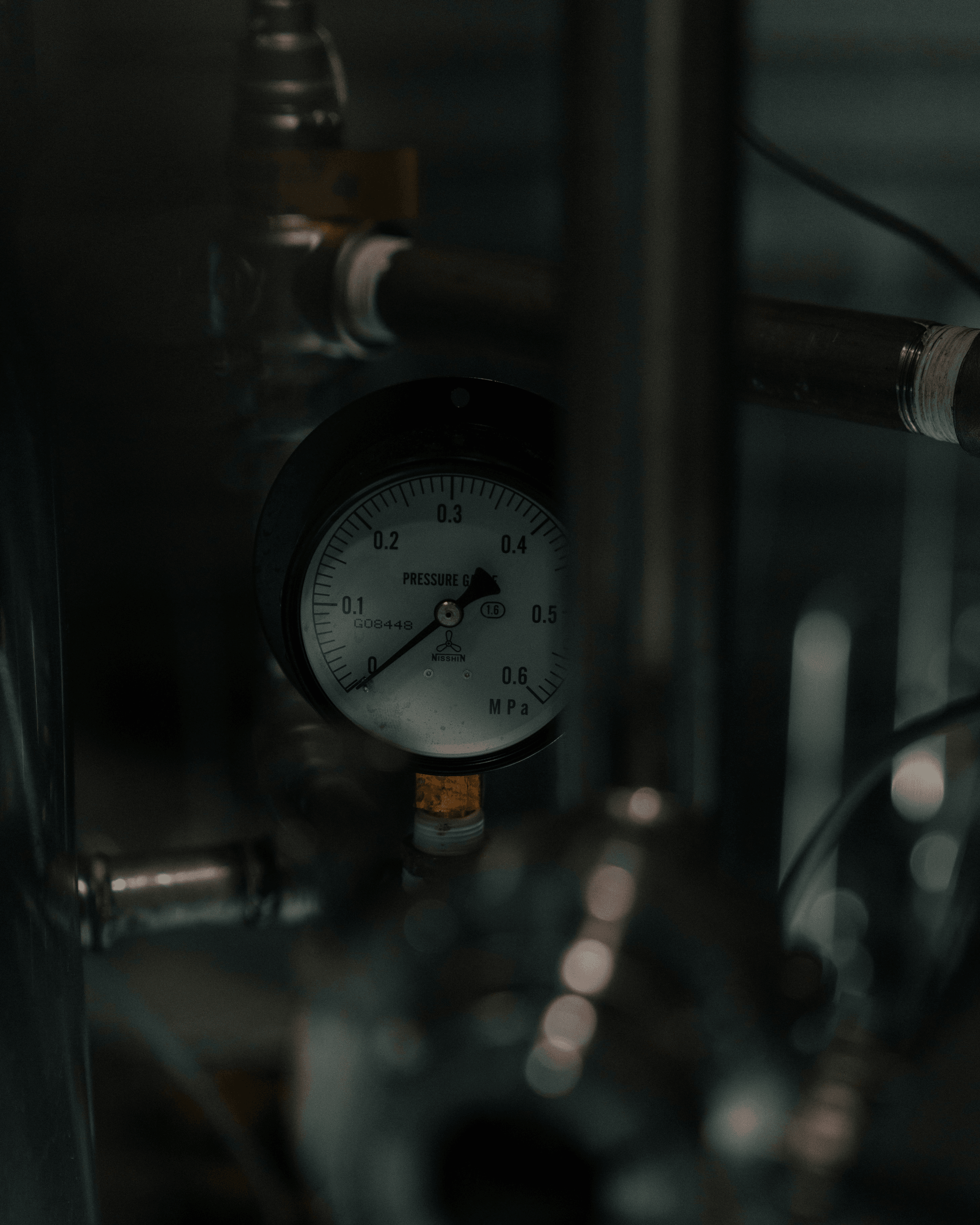
When it comes to valve inspection, the stakes are high, and every detail counts. A thorough valve inspection involves scrutinizing multiple facets to ensure the product meets all necessary standards and specifications. The process begins with a meticulous review of the valve manufacture quality control plan, which serves as the blueprint for quality assurance and guides the third party inspector through each step of the inspection.
One of the primary focuses during valve inspection is verifying that the materials used align with specified chemical compositions. This step is crucial because material verification and chemical composition analysis determine the durability and performance of the valves under operational stresses. A competent third party inspector carefully checks these parameters, ensuring that the valve heat treatment procedure has been properly followed to achieve desired mechanical properties, which directly impacts long-term reliability.
Testing for pressure integrity and leakage forms another cornerstone of valve inspection. These tests confirm that valves can withstand designated pressure levels without failure or leakage, safeguarding operational safety. During this phase, inspectors often utilize non-destructive testing methods aligned with industry standards to verify that no cracks or weaknesses compromise performance—this is where a well-structured valve inspection and test plan becomes invaluable.
Material Verification and Chemical Composition Analysis
Material verification is fundamental in valve inspection because it ensures that raw materials used by manufacturers match approved specifications outlined in their Valve Manufacture Quality Control Plan. Chemical composition analysis provides detailed insights into alloy content, helping prevent issues like corrosion or premature failure down the line. A reliable third party inspector employs advanced testing techniques to validate these aspects before approving any further testing or assembly.
Testing for Pressure Integrity and Leakage
Pressure tests are integral components of any comprehensive valve inspection process; they simulate real-world operating conditions to assess whether valves maintain integrity under stress. Leakage testing complements this by checking for any potential paths where fluids could escape—a critical factor for safety-critical applications. Conducted according to industry standards within an established valve inspection and test plan, these tests help verify compliance with both industry regulations and client-specific requirements.
Confirming Compliance with Industry and Client Specifications
Ensuring compliance isn't just about passing tests—it's about aligning every aspect of your valves with strict industry standards and client expectations. During a detailed valve inspection, inspectors compare results against specifications outlined in your Valve Inspection report while cross-referencing relevant standards such as API or ASME codes. This step guarantees that your product not only passes muster but also stands tall against global quality benchmarks set forth in your Valve Heat Treatment Procedure documentation.
Documentation and Certification
Proper documentation is the backbone of a successful valve inspection process, providing transparency and traceability. Recording inspection results and test data meticulously ensures that every detail of the valve inspection and test plan is captured accurately, from material verification to heat treatment procedures. This step not only supports quality assurance but also facilitates future audits and compliance checks, especially when dealing with third-party inspectors who rely heavily on detailed records.
Recording Inspection Results and Test Data
During valve inspection, every observation from visual checks to dimensional measurements must be documented thoroughly. This includes recording deviations from specifications outlined in the valve manufacture quality control plan, as well as results from non-destructive testing or heat treatment verification. Keeping comprehensive records helps verify that the valves meet industry standards and client expectations, serving as a foundation for issuing certificates of compliance later in the process.
Generating Inspection and Test Reports
Once all inspection activities are completed, generating detailed reports becomes essential for communicating findings to stakeholders. These reports should clearly outline whether the valves conform to the specified parameters in the valve inspection and test plan, including chemical composition analysis and pressure integrity tests. Engaging a third-party inspector ensures unbiased reporting, which enhances credibility when presenting final results to clients or regulatory bodies.
Issuing Certificates of Compliance and Final Approval
After verifying that all aspects of the valve meet industry standards—such as adherence to heat treatment procedures—the next step is issuing certificates of compliance. These certificates serve as formal proof that the valves have undergone rigorous third-party inspection and testing per approved plans. The certification process confirms that both manufacturer quality control plans are followed diligently and that each valve is ready for deployment in critical applications.
Best Practices for Successful Valve Third Party Inspection
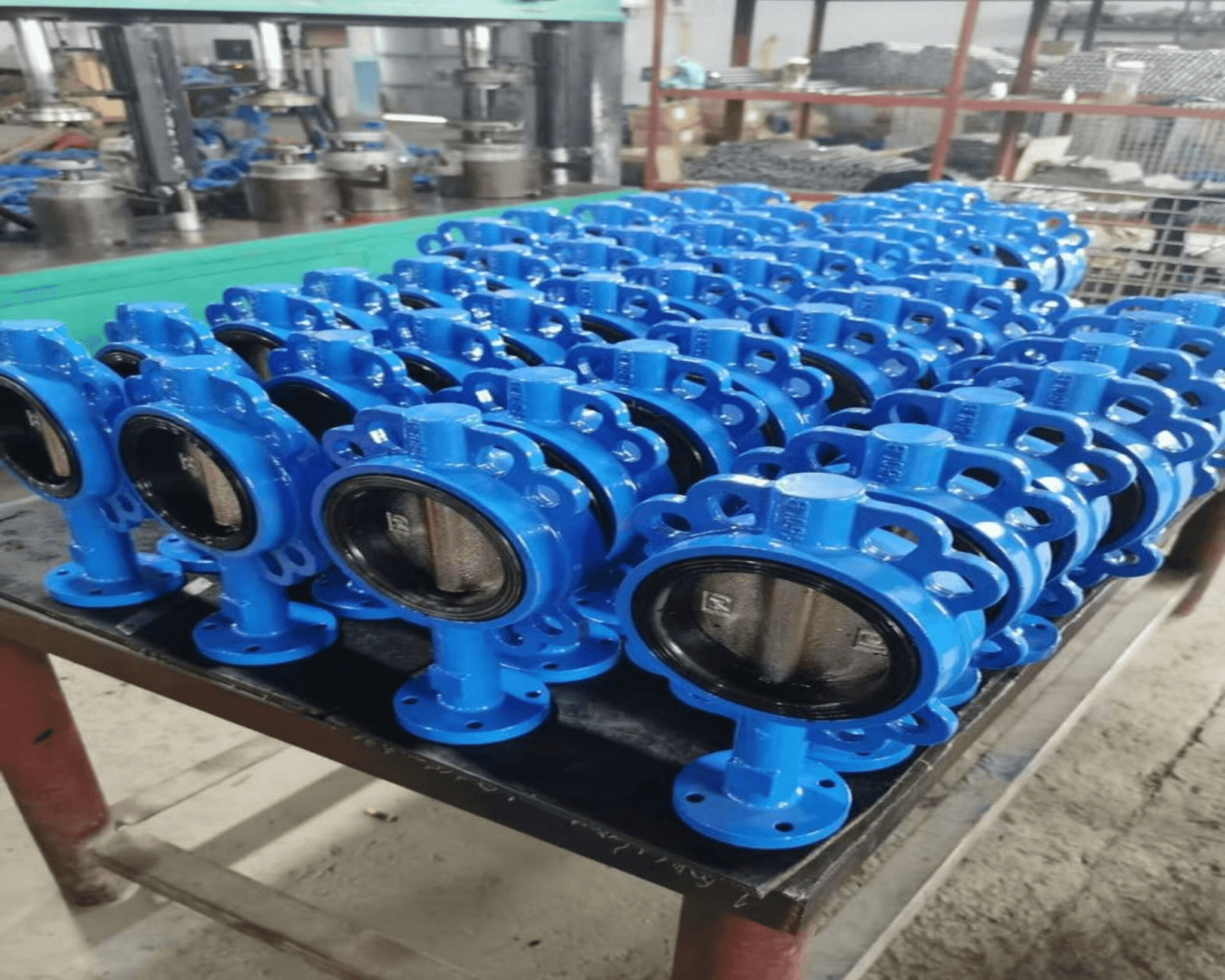
Achieving top-notch valve inspection results requires more than just ticking boxes; it demands seamless coordination and open communication between manufacturers and third party inspectors. A well-structured valve inspection and test plan serves as the blueprint, ensuring everyone is aligned on quality expectations from the outset. When manufacturers proactively share their Valve Manufacture Quality Control Plan and Valve Heat Treatment Procedure, it streamlines the process, reduces misunderstandings, and enhances overall inspection efficiency.
Coordination Between Manufacturers and Inspectors
Effective valve inspection begins with tight coordination between the valve manufacturer and the third party inspector. Sharing detailed documents like the Valve Inspection and Test Plan allows inspectors to understand specific requirements upfront, saving time during actual inspections. Regular updates and collaborative discussions about the Valve Heat Treatment Procedure help identify potential issues early, ensuring any deviations are corrected before final approval.
Ensuring Transparency and Clear Communication
Transparency is key to a successful valve inspection process; both parties should maintain open channels of communication throughout each phase. Clear documentation of inspection results, test data, and deviations in real-time fosters trust and minimizes surprises at critical checkpoints. When third party inspectors have access to comprehensive information about the Valve Manufacture Quality Control Plan, they can perform more accurate assessments, ultimately leading to reliable certification.
Leveraging China Inspection Pro’s Expertise for Accurate Results
Partnering with an experienced third party inspector like China Inspection Pro brings invaluable expertise to your valve inspection efforts. Their seasoned team understands industry standards intimately—especially regarding Valve Heat Treatment Procedures—and knows how to interpret complex quality control data effectively. Leveraging their knowledge ensures thorough inspections aligned with your Valve Inspection requirements, reducing rework costs while elevating product quality standards.
Conclusion
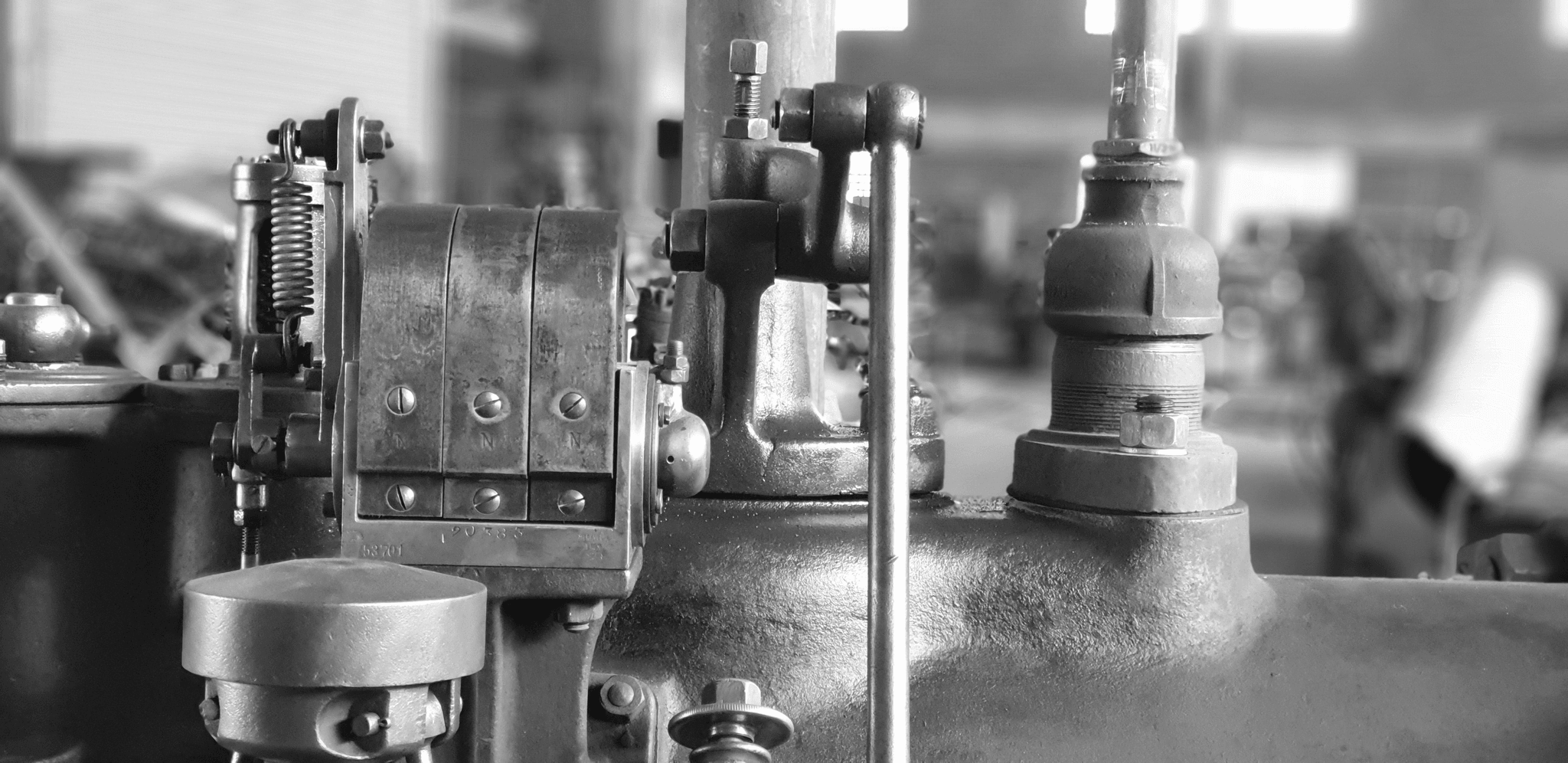
In the world of valve manufacturing, ensuring product reliability hinges on a meticulous Valve Inspection process. A rigorous valve inspection and test plan not only catches potential flaws early but also guarantees that every valve meets industry standards and client expectations. Partnering with a skilled Third Party Inspector can turn this complex process into a seamless quality assurance journey, ultimately safeguarding your reputation and bottom line.
Ensuring Product Reliability Through Rigorous Valve Inspection
The cornerstone of high-quality valves is a comprehensive valve inspection that leaves no stone unturned. By diligently following a well-structured valve inspection and test plan, manufacturers can detect issues related to material verification, pressure integrity, and heat treatment procedures before they reach the customer. Engaging an experienced Third Party Inspector ensures that every aspect of the Valve Manufacture Quality Control Plan is scrutinized thoroughly, leading to products that perform reliably under demanding conditions.
Benefits of Partnering with Reliable Third Party Inspectors
Choosing the right third-party partner for valve inspection offers numerous advantages—accuracy, impartiality, and expertise top among them. A seasoned inspector understands industry standards and how to verify compliance with specifications such as the Valve Heat Treatment Procedure. Their involvement minimizes risks associated with non-conformance while streamlining certification processes, making sure your valves are ready for market without delays or surprises.
How Choosing the Right Inspection Partner Elevates Valve Quality Standards
Selecting an inspection partner who emphasizes transparency and precision elevates your entire quality management system. An adept Third Party Inspector brings specialized knowledge in reviewing Valve Heat Treatment Procedures and performing detailed inspections aligned with your Valve Manufacture Quality Control Plan. This strategic partnership not only boosts confidence in your final product but also positions your brand as a leader committed to excellence in valve quality standards.