
Introduction
In today's fast-paced global economy, understanding the world of shipment delays is crucial for businesses aiming to maintain their competitive edge. Shipment delays can occur for numerous reasons, often leading to significant disruptions in supply chains and customer satisfaction. As such, businesses must prioritize quality assurance shipping to navigate these challenges effectively.
Understanding the World of Shipment Delays
Shipment delays are an inevitable part of logistics that can stem from various factors, including port congestion and customs clearance challenges. When shipments are delayed, it not only affects delivery timelines but also impacts inventory management and operational efficiency. To combat these issues, companies need to grasp what quality assurance in logistics entails and how it can mitigate the effects of shipment delays.
The Impact of Delays on Businesses
The impact of shipment delays on businesses can be profound; they can lead to lost sales, damaged reputations, and increased operational costs. For instance, when products do not arrive on time, customers may turn to competitors or express dissatisfaction publicly, harming brand loyalty. Therefore, understanding the importance of quality assurance in shipping is essential for minimizing these risks and ensuring a smooth logistical operation.
Importance of Quality Assurance in Shipping
Quality assurance in shipping is not just about meeting regulatory standards; it's about creating a reliable system that enhances overall performance and customer satisfaction. By implementing effective QA practices—such as understanding what are the 4 types of quality assurance—businesses can significantly reduce shipment delays and improve service levels. Ultimately, prioritizing quality assurance helps organizations align their logistics strategies with their broader business goals.
Common Causes of Shipment Delays

When it comes to shipment delays, several factors can throw a wrench in the works. Understanding these common causes is essential for businesses aiming to maintain quality assurance in shipping and logistics. By identifying issues early, companies can implement strategies to mitigate risks and improve overall efficiency.
Port Congestion and Its Effects
Port congestion is one of the primary culprits behind shipment delays, and its effects ripple through the entire supply chain. When ships are unable to dock or unload on time, it creates a backlog that can take days or even weeks to resolve. This not only disrupts schedules but also complicates quality assurance in logistics by making it difficult to track shipments and ensure compliance with standards.
The congestion often arises from increased global trade volumes, labor shortages, or insufficient infrastructure. As vessels wait idly at sea or anchor offshore, businesses face potential losses due to delayed deliveries and dissatisfied customers. To combat these issues, understanding what is the meaning of QA in shipping becomes crucial; effective quality assurance processes can help manage expectations and minimize fallout from such delays.
Weather-Related Disruptions
Weather-related disruptions are another significant factor contributing to shipment delays that no business can control. Severe storms, heavy snowfall, or even fog can halt operations at ports and airports alike, causing chaos for logistics managers trying to keep everything on schedule. In such scenarios, implementing robust quality assurance measures becomes essential; having contingency plans ensures that businesses remain resilient despite nature’s unpredictability.
Moreover, weather impacts not just transportation but also storage conditions for goods in transit—affecting their quality and safety during shipping. This raises questions about what are the 4 types of quality assurance needed in logistics when facing adverse weather conditions: inspections may need to be more frequent while monitoring processes adapt accordingly for product safety during transport.
Customs Clearance Challenges
Customs clearance challenges represent yet another hurdle that can lead to frustrating shipment delays for international shipments. Navigating complex regulations and paperwork often leads to bottlenecks at borders where goods are held up until all compliance checks are completed—sometimes resulting in unexpected costs for businesses involved in global trade. Here again lies an opportunity for companies to reflect on what is quality assurance in logistics; ensuring proper documentation ahead of time could significantly reduce clearance times.
Additionally, customs authorities may require specific inspections before allowing goods through their borders—a process that emphasizes the importance of understanding what are the 5 principles of quality assurance when dealing with international shipments. By proactively addressing these potential hurdles through thorough preparation and adherence to QA standards, businesses can streamline their shipping processes while minimizing costly delays.
Role of Quality Assurance in Shipping
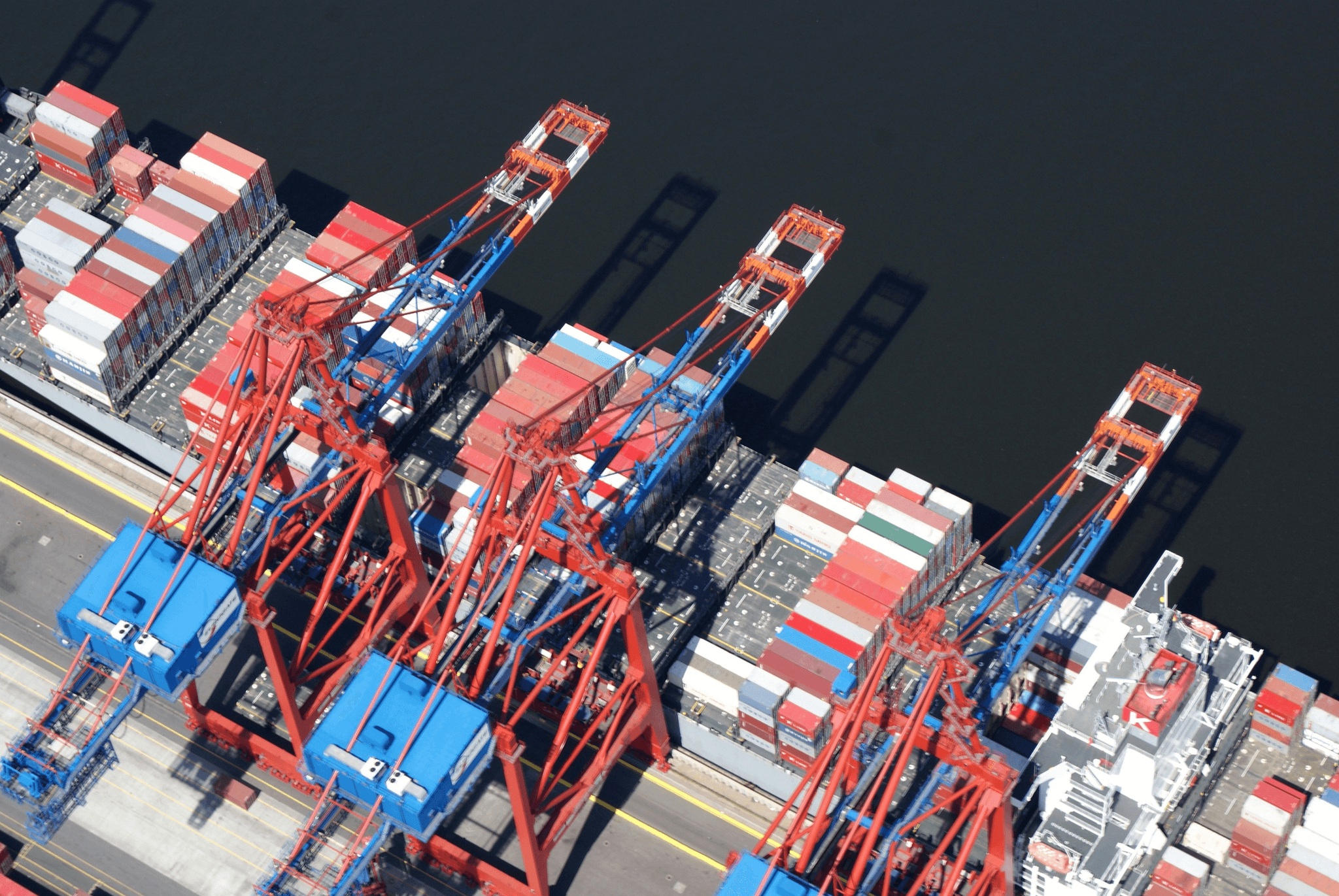
Quality assurance (QA) plays a pivotal role in the shipping industry, especially when it comes to mitigating shipment delays. By ensuring that processes and products meet established standards, QA helps streamline operations and enhances overall efficiency. In an industry where time is money, understanding the nuances of quality assurance shipping can make all the difference.
What is the Meaning of QA in Shipping?
What is the meaning of QA in shipping? At its core, quality assurance refers to the systematic processes designed to ensure that every shipment meets predefined standards before reaching its destination. This includes everything from checking packaging integrity to verifying compliance with international shipping regulations, all aimed at preventing costly shipment delays.
By establishing clear protocols and conducting regular audits, businesses can identify potential issues before they escalate into significant problems. In essence, QA acts as a safety net for companies navigating the complexities of global logistics. When organizations prioritize quality assurance shipping practices, they not only enhance their reputation but also foster stronger relationships with clients.
What is Quality Assurance in Logistics?
What is quality assurance in logistics? It encompasses a comprehensive approach to managing supply chain activities with an emphasis on maintaining high standards throughout every step of the process. From warehousing and transportation to customs clearance and delivery, effective quality assurance ensures that each link in the chain operates smoothly to minimize shipment delays.
By implementing robust QA measures within logistics operations, companies can proactively address challenges such as product defects or compliance issues that could lead to costly interruptions. This holistic view fosters collaboration among various stakeholders involved in logistics operations—ultimately leading to enhanced service delivery and customer satisfaction.
Benefits of Integrating QA in Shipping Processes
Integrating quality assurance into shipping processes comes with numerous benefits that extend beyond just avoiding shipment delays. For starters, it helps organizations build trust with their customers by consistently delivering high-quality products on time—an essential factor for retaining clientele in today's competitive market. Moreover, effective quality assurance shipping practices can significantly reduce costs associated with returns or re-shipments caused by errors or damages.
Another advantage lies in improved operational efficiency; when teams adhere to established QA protocols, they are less likely to encounter unexpected disruptions during transit or handling phases. Additionally, embracing a culture of continuous improvement allows businesses to refine their processes over time based on feedback and performance metrics—ensuring they stay ahead of potential pitfalls related to shipment delays and other logistical challenges.
Principles of Quality Assurance in Shipping

Quality assurance (QA) in shipping is not just a buzzword; it’s a critical framework that ensures efficiency and reliability in logistics. Understanding the principles of quality assurance shipping can significantly reduce the risk of shipment delays, ultimately benefiting businesses and consumers alike. By adhering to these principles, organizations can cultivate a culture of excellence that permeates every aspect of their shipping processes.
What Are the 5 Principles of Quality Assurance?
The five principles of quality assurance are foundational to effective logistics management and play an integral role in minimizing shipment delays. First, customer focus emphasizes understanding and meeting customer needs, ensuring that products arrive on time and as expected. Second, leadership fosters an environment where everyone is motivated to achieve quality objectives, which helps streamline operations and address potential issues before they escalate into delays.
Third, engagement of people highlights the importance of teamwork and collaboration among staff at all levels; when everyone is invested in quality assurance shipping processes, it leads to improved outcomes. Fourth, process approach focuses on managing activities as interconnected processes rather than isolated tasks; this holistic view helps identify bottlenecks that could cause shipment delays. Lastly, continual improvement encourages organizations to regularly assess their practices for efficiency gains—an essential step for maintaining high standards in logistics.
Implementing QA Standards in Logistics
Implementing QA standards in logistics requires a structured approach that aligns with the five principles mentioned earlier. Organizations must first define clear quality objectives related to their shipping processes—this includes setting benchmarks for timely deliveries and compliance with regulations pertaining to what is quality assurance in logistics? Training staff on these standards ensures everyone understands their roles within the framework of quality assurance shipping.
Moreover, regular audits can help identify areas for improvement while also reinforcing accountability among team members. Utilizing technology such as tracking software enhances transparency throughout the supply chain; when stakeholders can see real-time data regarding shipments, it reduces uncertainty and mitigates potential shipment delays. By embedding QA standards into daily operations, companies not only improve their service delivery but also build trust with customers who rely on timely product arrivals.
Continuous Improvement in Shipping Practices
Continuous improvement is vital for any organization aiming to enhance its quality assurance measures over time effectively. This principle involves regularly analyzing performance metrics related to shipment delays and identifying patterns or recurring issues that need addressing—what are the 4 types of quality assurance? For instance, if inspections reveal consistent discrepancies during product testing or compliance checks, those areas must be prioritized for corrective actions.
Additionally, fostering a culture where feedback from employees is valued can lead to innovative solutions that enhance operational efficiency—this engagement often uncovers insights about how best to address challenges within logistics management effectively. Embracing continuous improvement not only helps mitigate shipment delays but also positions businesses competitively within their respective markets by demonstrating reliability and commitment to excellence.
The Four Types of Quality Assurance

Quality assurance in shipping is a multifaceted approach that ensures the smooth flow of goods and minimizes shipment delays. Understanding the four types of quality assurance can significantly enhance logistics processes and help businesses maintain their reputation. Each type plays a crucial role in ensuring that products meet required standards, ultimately leading to fewer disruptions in the supply chain.
Inspections and Their Importance
Inspections are a fundamental component of quality assurance shipping, aimed at identifying potential issues before they escalate into significant problems. By conducting thorough inspections at various stages—such as pre-shipment, during transit, or upon arrival—businesses can catch discrepancies early on, reducing the likelihood of shipment delays. Effective inspections help ensure compliance with both regulations and customer expectations, reinforcing what is quality assurance in logistics.
Process Control and Monitoring
Process control and monitoring are vital for maintaining consistent quality throughout the shipping process. This type of quality assurance involves tracking key metrics and performance indicators to identify any deviations from established standards. By implementing robust process control measures, businesses can proactively address potential issues that could lead to shipment delays, thereby streamlining operations and enhancing overall efficiency.
Product Testing and Compliance
Product testing and compliance form another critical aspect of quality assurance in shipping, ensuring that goods meet safety and regulatory requirements before reaching customers. This involves rigorous testing procedures tailored to specific products or industries to verify their reliability and effectiveness. By prioritizing product testing as part of their quality assurance strategy, companies can significantly reduce the risk of shipment delays caused by non-compliance or product failures.
Solutions to Mitigate Shipment Delays
In the ever-evolving landscape of logistics, mitigating shipment delays is essential for maintaining a competitive edge. Businesses must adopt proactive strategies to navigate the complexities of shipping, ensuring that quality assurance shipping practices are at the forefront. By leveraging expert partnerships, technology, and contingency planning, companies can significantly reduce the risk of delays.
Partnering with Experts Like China Inspection Pro
One effective strategy for minimizing shipment delays is partnering with experts like China Inspection Pro. These professionals specialize in quality assurance in logistics and can help streamline processes that often lead to bottlenecks. By understanding what is the meaning of QA in shipping—specifically how it applies to inspections and compliance—companies can enhance their operational efficiency and avoid costly setbacks.
When businesses collaborate with seasoned inspection firms, they gain access to valuable insights into potential pitfalls in their shipping processes. This partnership allows companies to identify issues before they escalate into significant delays. Ultimately, leveraging expert knowledge ensures that shipments adhere to quality standards while navigating complex customs regulations smoothly.
Leveraging Technology for Transparency
In today’s digital age, technology plays a pivotal role in enhancing transparency within supply chains and reducing shipment delays. Implementing tracking systems allows businesses to monitor their shipments in real-time, providing visibility into every stage of the logistics process. This transparency not only helps manage expectations but also enables quick decision-making when unforeseen issues arise.
Moreover, utilizing software solutions designed for quality assurance shipping can automate various aspects of logistics management—from scheduling inspections to managing documentation requirements. Understanding what are the 4 types of quality assurance becomes easier when technology simplifies these tasks through efficient data handling and reporting mechanisms. As a result, businesses can focus on continuous improvement rather than getting bogged down by administrative challenges.
Planning for Contingencies
No matter how well-prepared a company may be, shipment delays can still occur due to unforeseen circumstances such as natural disasters or sudden regulatory changes. Therefore, having a robust contingency plan is crucial for any business involved in shipping operations. This plan should outline clear protocols for addressing potential disruptions while ensuring adherence to what are the 5 principles of quality assurance.
By anticipating possible scenarios that could lead to shipment delays—such as port congestion or customs holdups—businesses can develop alternative strategies that minimize impact on delivery timelines. Regularly reviewing these plans ensures that all team members understand their roles during crises and maintain high standards throughout the process. With comprehensive contingency planning integrated into logistics management practices, companies are better equipped to handle unexpected challenges without sacrificing service quality or customer satisfaction.
Conclusion
In the fast-paced world of logistics, understanding how to navigate shipment delays is crucial for maintaining a competitive edge. By implementing best practices, enhancing quality assurance measures, and focusing on efficient logistics management, businesses can significantly reduce the risk of delays and improve overall service quality. The interplay between shipment delays and quality assurance shipping is vital to ensure that products reach their destinations on time and in excellent condition.
Best Practices for Avoiding Delays
To effectively combat shipment delays, businesses should adopt several best practices tailored to their specific needs. First, fostering strong relationships with suppliers and logistics partners is essential; this ensures smoother communications and quicker resolutions to potential issues. Additionally, implementing a robust tracking system can help identify bottlenecks early in the shipping process, allowing for timely interventions that minimize disruptions.
Another effective strategy involves proactive planning for peak seasons or unexpected events like natural disasters. Businesses should develop contingency plans that account for potential customs clearance challenges or port congestion scenarios. By understanding what is quality assurance in logistics and integrating it into their operations, companies can further mitigate risks associated with shipment delays.
Finally, regular training sessions focused on the four types of quality assurance—inspections, process control, monitoring, and product testing—can empower employees to recognize warning signs of possible delays before they escalate into larger issues. With these practices in place, organizations can create a more resilient supply chain capable of swiftly adapting to challenges.
Enhancing Quality Assurance Measures
Enhancing quality assurance measures within shipping processes is essential for minimizing shipment delays while also ensuring customer satisfaction. Businesses must first grasp what is the meaning of QA in shipping; it encompasses systematic monitoring and evaluation at every stage of the shipping process to maintain high standards of performance. By establishing clear QA protocols based on industry standards and best practices, companies can enhance compliance while reducing errors that often lead to costly delays.
Moreover, integrating technology into quality assurance processes allows for real-time data collection and analysis—leading to informed decision-making regarding shipments. Automation tools can streamline inspections and compliance checks while providing greater transparency throughout the supply chain. This proactive approach not only improves efficiency but also fosters trust among stakeholders who rely on timely deliveries.
Lastly, embracing continuous improvement as one of the five principles of quality assurance encourages organizations to regularly assess their processes against evolving industry benchmarks. By remaining adaptable and responsive to feedback from both customers and employees alike, businesses can refine their operations over time—ultimately minimizing shipment delays while boosting overall performance.
Importance of Efficient Logistics Management
Efficient logistics management serves as the backbone for any successful business operation aiming to reduce shipment delays while enhancing customer satisfaction levels. An effective logistics strategy incorporates elements such as route optimization, inventory management techniques tailored specifically toward demand forecasting needs—all geared towards creating seamless delivery experiences without compromising product integrity or timeliness.
Understanding what are the 4 types of quality assurance plays a pivotal role here; by applying these methods consistently throughout logistical operations—from inspections right through compliance checks—companies ensure that every aspect contributes positively towards reducing potential setbacks associated with delayed shipments or damaged goods during transit.
In conclusion, prioritizing efficient logistics management enables organizations not only to navigate challenges posed by shipment delays but also positions them favorably within competitive markets where reliability remains paramount—a crucial factor driving customer loyalty today!