
Introduction
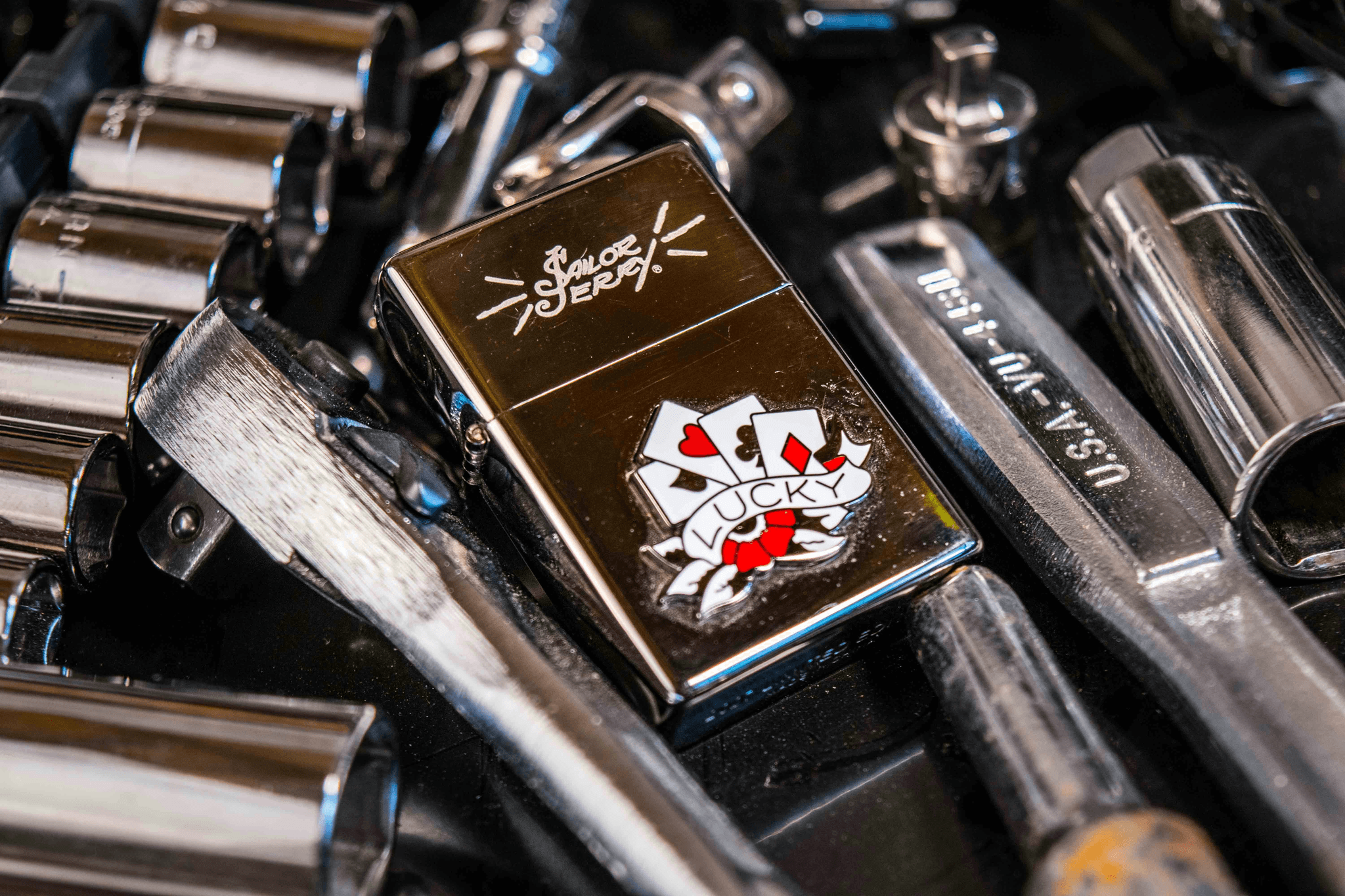
In the world of lighters, the importance of on-site tests cannot be overstated. These tests serve as a crucial checkpoint in ensuring that each lighter meets safety and performance standards before it reaches consumers. From full function testing for lighters to specific evaluations like switch and flame adjuster checks, the thoroughness of these assessments can make all the difference between a reliable product and a potential hazard.
Importance of On-site Tests for Lighters
On-site tests are essential in verifying that lighters perform as intended under various conditions. They help identify any flaws or inconsistencies in design or manufacturing, which could lead to safety issues down the line. Conducting rigorous tests such as continuity burning tests ensures that every lighter not only ignites reliably but also maintains a steady flame throughout its use.
What Makes a Great Lighter?
A great lighter embodies both functionality and safety, combining an easy-to-use design with robust features that stand up to everyday challenges. Key attributes include effective flame adjustment mechanisms, durable materials, and consistent performance during extensive use—elements that are often assessed through on-site testing methods like the switch life test for lighters. Additionally, factors like fuel efficiency and aesthetic appeal play significant roles in defining what makes a lighter truly exceptional.
Role of Quality Inspection in Testing
Quality inspection is the backbone of effective on-site testing for lighters, ensuring that each unit adheres to industry standards before it hits store shelves. Through comprehensive evaluations—including aging tests for lighters—manufacturers can predict how products will perform over time under various environmental conditions. This commitment to quality not only enhances consumer trust but also minimizes liability risks associated with defective products.
Flame Consistency Test

When it comes to ensuring that lighters perform reliably, the flame consistency test is absolutely crucial. This on-site test assesses various aspects of the flame, including its duration, height, and color quality. By conducting a full function testing for lighters during this phase, manufacturers can guarantee that their products meet both safety and performance standards.
Evaluating Burn Duration
Evaluating burn duration is one of the primary components of the flame consistency test. This involves a continuity burning test where lighters are ignited and monitored to see how long they maintain a steady flame before extinguishing. By measuring this duration, manufacturers can identify any potential issues with fuel supply or ignition mechanisms that could lead to inconsistent performance in real-world usage.
Moreover, the switch life test for lighters plays an integral role in understanding how long a lighter will last under regular use conditions. If the switch fails prematurely or if there are inconsistencies in fuel delivery during prolonged use, it could lead to customer dissatisfaction or even safety hazards. Thus, ensuring optimal burn duration not only enhances user experience but also builds trust in the brand's quality.
Analyzing Flame Height
The height of the flame is another critical factor evaluated during this on-site test. Analyzing flame height helps determine whether a lighter can create an adequate and safe fire source without posing risks such as flare-ups or excessive heat output. Lighters must be designed with adjustable features—like a switch and flame adjuster—to allow users to customize their experience while maintaining safety.
Lighter design significantly impacts flame height; thus, it's essential to incorporate various designs into testing protocols for comprehensive results. By performing these evaluations as part of full function testing for lighters, manufacturers can ensure that each product not only meets aesthetic standards but also functions effectively under different conditions. Consistent flame height contributes greatly to overall reliability and user satisfaction.
Ensuring Color Quality
Color quality may seem like an overlooked aspect of lighter performance; however, it’s vital for both aesthetic appeal and functionality during the flame consistency test. A consistent color indicates proper combustion processes are occurring within the lighter's mechanism—this means no incomplete combustion or excess soot production that could affect usability over time.
During aging tests for lighters, observing any changes in color can provide insights into how well materials withstand prolonged exposure to heat and other environmental factors over time. Variations in color may signal potential issues with fuel formulation or materials used in construction that could compromise safety standards later on. Therefore, ensuring color quality is not just about looks; it’s about maintaining high-quality performance through rigorous on-site tests.
Safety Mechanism Test
Ensuring that lighters are safe for everyday use is paramount, and this is where the safety mechanism test comes into play. This on-site test evaluates various safety features designed to prevent accidents, especially in households with children. By rigorously assessing these mechanisms, manufacturers can ensure that their products meet safety standards and provide peace of mind to consumers.
Assessing Child Resistance Features
One of the primary concerns for lighter manufacturers is child safety, which is why assessing child resistance features is crucial during the on-site test. This involves a full function testing for lighters to determine how effectively they resist accidental ignition by curious little hands. The switch and flame adjuster check plays a vital role here; if these components require excessive force or complex motions to operate, they significantly enhance child resistance.
Another aspect of this evaluation includes observing how children interact with the lighter under supervision during testing scenarios. Any design flaws that allow easy access to the ignition mechanism must be identified and rectified before products hit the shelves. Ultimately, ensuring robust child resistance features not only complies with regulations but also builds consumer trust in the brand.
Evaluating Gas Release Safety
Gas release safety is another critical component of the safety mechanism test that cannot be overlooked. During this phase, testers focus on how well a lighter controls gas flow under various conditions through continuity burning tests. If there are leaks or irregularities in gas release during these assessments, it could lead to dangerous situations; hence thorough evaluation is essential.
Moreover, evaluating gas release involves checking mechanisms like automatic shut-off features that prevent gas from escaping when not in use—an important aspect of overall safety design. This testing phase also includes observing how different environmental factors might impact gas release efficiency over time through an aging test for lighters. By identifying potential weaknesses early on, manufacturers can make necessary adjustments before bringing their products to market.
Testing Ignition Failure Responses
The final piece of our safety mechanism puzzle involves testing ignition failure responses—a crucial part of any comprehensive on-site test for lighters. During this evaluation, testers simulate various scenarios where ignition may fail and observe how well the lighter responds without posing additional risks to users or surroundings. Understanding these dynamics helps manufacturers fine-tune their designs for better reliability.
In addition to assessing immediate responses during failure events, it's essential to conduct a switch life test for lighters as part of this process; knowing how many ignitions each switch can handle before failure provides insight into long-term usability and durability under real-world conditions. This proactive approach ensures that any potential hazards associated with ignition failures are addressed early in production cycles—ultimately enhancing user experience and product reputation.
By thoroughly evaluating these aspects within the framework of an extensive safety mechanism test, manufacturers can confidently assure consumers about their product's reliability and safety standards while minimizing risks associated with improper usage or malfunctioning devices.
Durability Test
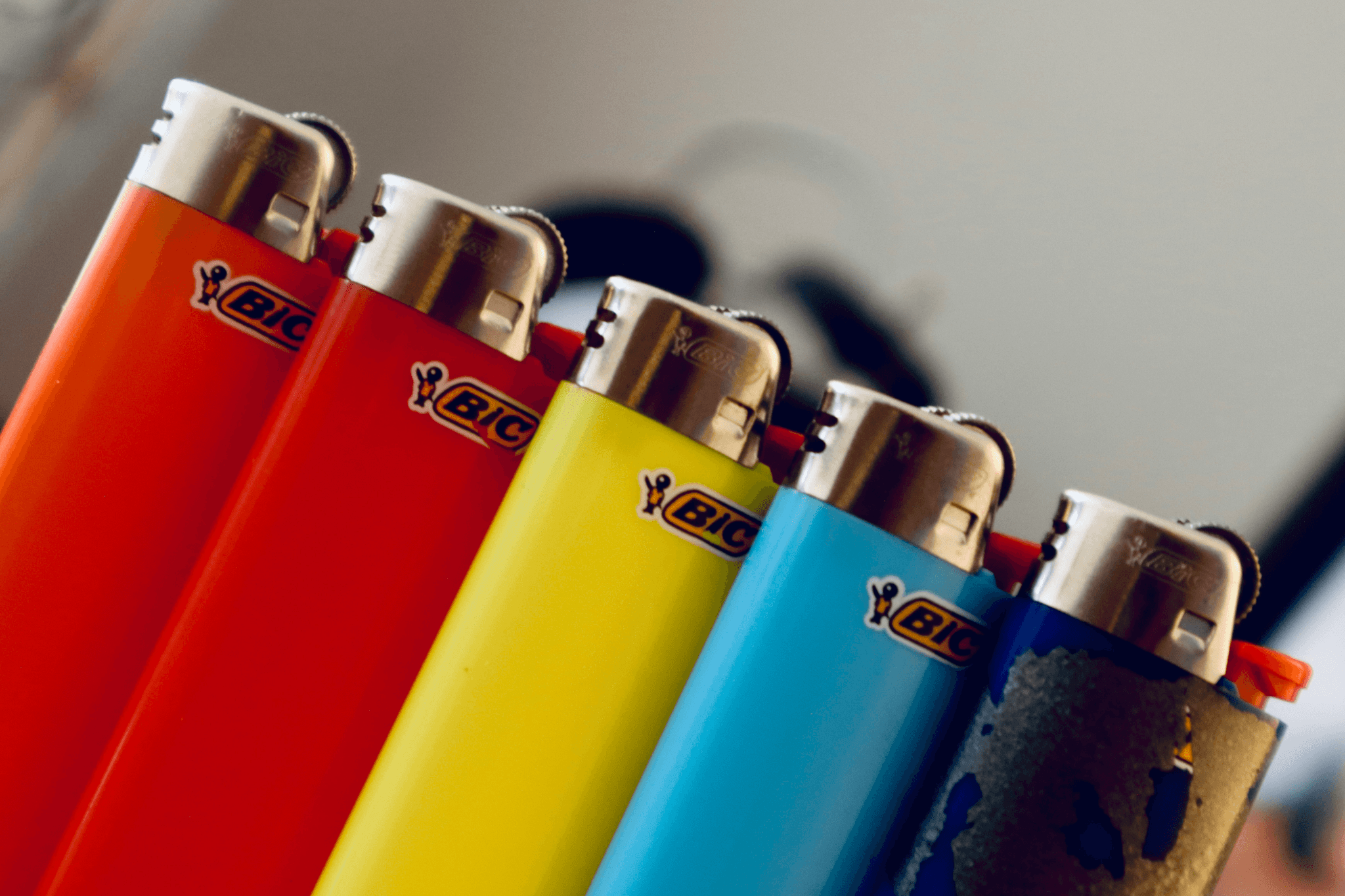
When it comes to lighters, durability is not just a feature; it's a necessity. An effective on-site test for lighters must encompass multiple aspects of durability to ensure that they can withstand everyday wear and tear. This section dives into the essential tests that assess the resilience of lighters in various conditions.
Drop Tests and Impact Resistance
First up, we have drop tests, which are crucial for determining how well a lighter can handle accidental falls. During this on-site test, lighters are dropped from varying heights onto different surfaces to evaluate their impact resistance. The results help identify any potential weaknesses in the lighter's design, ensuring that it remains functional even after an unexpected tumble.
Additionally, the switch and flame adjuster check is vital during these drop tests. If these components fail after a fall, it could compromise the lighter's full function testing for lighters. By rigorously assessing how each part holds up under stress, manufacturers can enhance durability and customer satisfaction.
Weather Resistance Evaluation
Next on our list is weather resistance evaluation—an essential aspect of any thorough durability test for lighters. This involves exposing lighters to various environmental conditions such as extreme heat, cold, humidity, and rain to see if they can still perform effectively. A successful on-site test will reveal whether or not a lighter can withstand nature’s elements without malfunctioning.
Moreover, conducting an aging test for lighters helps gauge how prolonged exposure to these conditions affects their performance over time. By simulating years of use in just a few days or weeks, manufacturers gain valuable insights into long-term functionality and reliability. Ultimately, this ensures that consumers receive products built to last through various climates.
Long-Term Functionality Assessment
Finally, we arrive at long-term functionality assessment—a critical component in evaluating the overall quality of lighters after extensive use. This assessment involves conducting continuity burning tests to monitor how well the lighter performs over time with repeated ignitions and fuel consumption rates being closely observed during this phase as well.
The switch life test for lighters also plays a significant role here; it determines how many activations the switch can endure before failing or becoming unreliable. By combining these techniques in an on-site test scenario, manufacturers can confidently claim their products' longevity while providing consumers with peace of mind regarding their investment.
Fuel Efficiency Test

When it comes to lighters, fuel efficiency is not just a buzzword; it’s a necessity. An effective on-site test for fuel efficiency can reveal how much fuel a lighter consumes during its operation, which directly impacts its usability and longevity. Conducting full function testing for lighters ensures that every component works harmoniously while also assessing how efficiently the fuel is used.
Measuring Fuel Consumption Rates
To gauge the true performance of a lighter, measuring fuel consumption rates is essential. This involves calculating how long the lighter operates before needing a refill, allowing manufacturers to understand its efficiency better. During this on-site test, factors such as flame duration and consistency are monitored to ensure that users can rely on their lighters without frequent interruptions.
Comparison Against Industry Standards
Once we have data from our tests, comparing the results against industry standards becomes crucial in evaluating performance. This benchmarking process not only highlights areas where a lighter excels but also identifies potential shortcomings that could affect consumer satisfaction. By adhering to these standards during our full function testing for lighters, manufacturers can ensure they meet or exceed expectations in terms of fuel efficiency.
Impact of Design on Efficiency
Design plays an often-overlooked role in determining a lighter's fuel efficiency. Features such as the switch and flame adjuster can significantly influence how much gas is consumed during operation—too much adjustment may lead to wasted fuel while too little could hinder performance. Therefore, conducting switch life tests for lighters alongside aging tests helps assess how design choices impact overall efficiency over time.
Regulatory Compliance Test
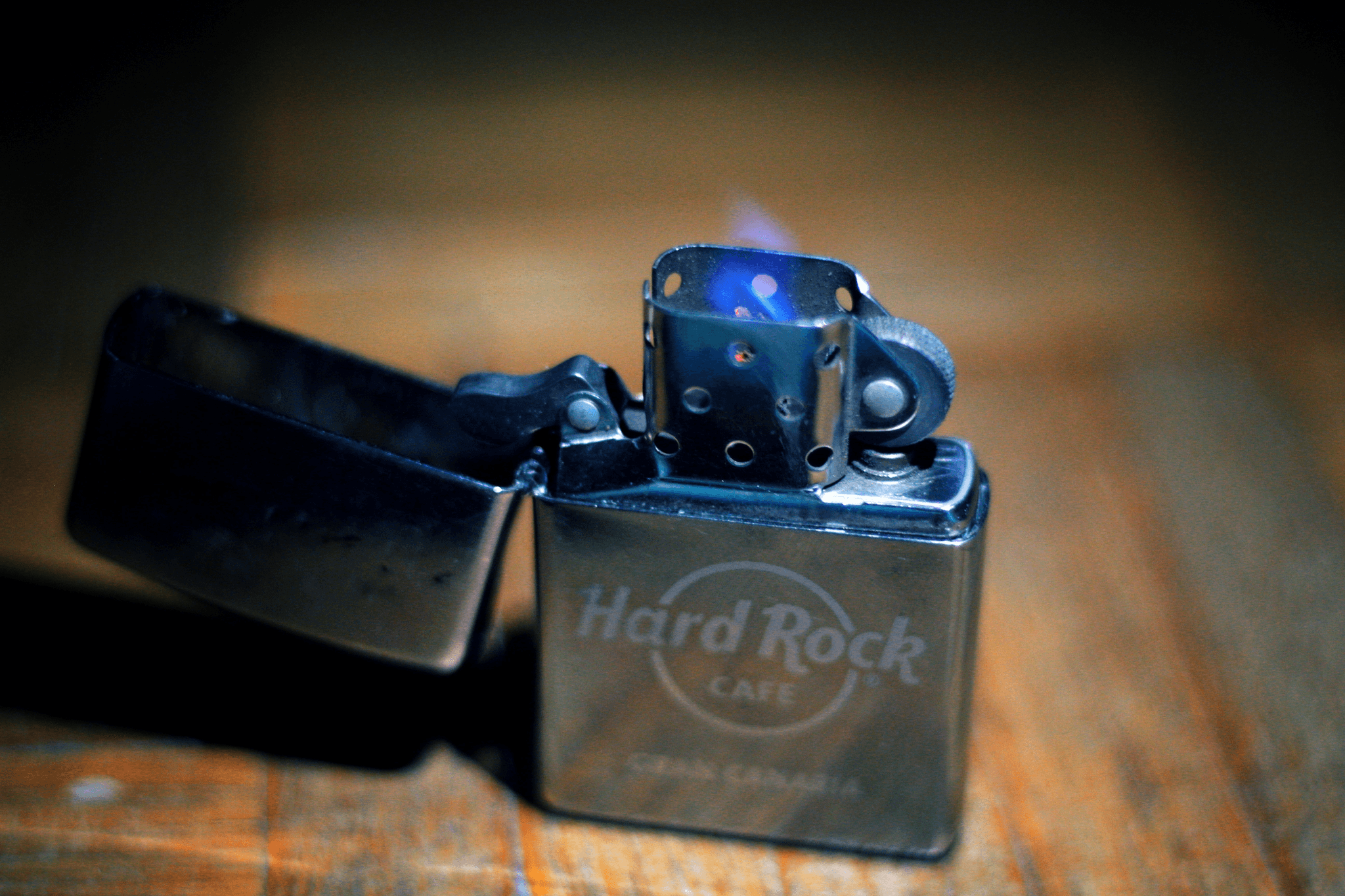
In the world of lighters, regulatory compliance is not just a box to check; it’s a fundamental aspect that ensures safety and reliability. Meeting safety standards is essential for manufacturers to gain consumer trust and avoid legal repercussions. The on-site tests conducted during quality inspections play a crucial role in validating that these products adhere to stringent regulations.
Importance of Meeting Safety Standards
Safety standards are the backbone of lighter production, ensuring that every product is safe for consumer use. These standards encompass various aspects, including the effectiveness of child resistance features and the reliability of ignition mechanisms. By conducting full function testing for lighters, manufacturers can confirm that their products meet these critical benchmarks before reaching store shelves.
Moreover, the continuity burning test serves as an important measure to ensure that lighters perform consistently under different conditions. Any failure in this area could lead to dangerous situations, making compliance with safety regulations non-negotiable. Ultimately, adherence to safety standards not only protects consumers but also bolsters a brand’s reputation in a competitive market.
Role of China Inspection Pro in Quality Assurance
China Inspection Pro plays an instrumental role in upholding quality assurance within the lighter manufacturing sector. Their expertise ensures comprehensive evaluations through on-site tests like switch and flame adjuster checks and aging tests for lighters. By utilizing their services, manufacturers can confidently navigate the complex landscape of regulatory compliance while maintaining high-quality production practices.
One significant aspect of their work involves conducting switch life tests for lighters, which assess how well these components hold up over time under repeated use. This level of scrutiny helps identify potential design flaws before they become widespread issues in the market. With China Inspection Pro's assistance, companies can streamline their processes while ensuring they meet all necessary regulations.
Navigating Regulatory Challenges
Navigating regulatory challenges can feel like walking through a minefield for many lighter manufacturers; one misstep could lead to costly recalls or worse—harmful incidents involving consumers. On-site tests help simplify this process by providing clear evidence that products are compliant with safety standards at every stage of production. However, staying updated on evolving regulations requires diligence and adaptability from manufacturers.
A proactive approach includes regular audits and assessments conducted by quality assurance professionals who understand industry nuances inside out—this is where organizations like China Inspection Pro shine brightest! They help businesses keep pace with changing laws while ensuring thorough evaluations such as full function testing for lighters remain standard practice throughout production lines.
In conclusion, meeting safety standards isn’t merely about following rules; it’s about fostering trust between producers and consumers alike through rigorous testing methods like continuity burning tests or switch life assessments tailored specifically for lighters!
Conclusion

In conclusion, the importance of on-site tests for lighters cannot be overstated. These essential evaluations, including full function testing for lighters, ensure that every product meets stringent safety and performance standards. By conducting a series of tests such as the switch and flame adjuster check and the continuity burning test, manufacturers can deliver reliable lighters to consumers.
Recap of Essential On-site Tests
Throughout our exploration, we’ve emphasized several key on-site tests that are critical in assessing lighter quality. The full function testing for lighters serves as a comprehensive evaluation covering all operational aspects, while specific checks like the switch life test for lighters help gauge durability over time. Additionally, the aging test for lighters ensures that products maintain their functionality even after prolonged use.
How Quality Testing Enhances Safety
Quality testing is paramount in enhancing consumer safety when it comes to lighter products. Rigorous assessments such as the continuity burning test not only verify performance but also identify potential hazards before they reach the market. By implementing thorough inspections and adhering to established safety standards, manufacturers can significantly reduce risks associated with lighter usage.
Final Thoughts on Lighter Standards
As we wrap up our discussion on lighter standards, it's clear that a commitment to quality through on-site tests is vital for industry success. The integration of various assessments—from fuel efficiency measurements to safety mechanism evaluations—creates a robust framework ensuring reliable products for consumers. Ultimately, prioritizing these essential tests will not only enhance brand reputation but also foster trust among users who rely on these everyday tools.