
Introduction
In today's fast-paced global economy, understanding the nuances of OEM and ODM suppliers is crucial for businesses aiming to streamline their production processes. OEM, or Original Equipment Manufacturer, and ODM, or Original Design Manufacturer, play pivotal roles in supply chain management by providing tailored solutions that cater to specific market demands. By leveraging these industrial suppliers, companies can enhance their product offerings while maintaining cost efficiency.
Understanding OEM and ODM Suppliers
OEM and ODM suppliers serve as essential partners in the manufacturing landscape, each offering unique advantages. While OEMs focus on producing goods based on designs provided by clients, ODMs take it a step further by designing and manufacturing products from scratch. This distinction is vital for companies looking to optimize their supply chain strategies and make informed decisions about which type of supplier best suits their needs.
The Importance of Supply Chain Management
Effective supply chain management is the backbone of any successful business operation, ensuring that products are delivered on time and within budget. By collaborating with reliable OEM and ODM suppliers, businesses can enhance their operational efficiency and reduce lead times significantly. Moreover, a well-managed supply chain fosters innovation, allowing companies to adapt quickly to changing market trends without compromising quality.
Why Choose OEM or ODM
Choosing between OEM and ODM suppliers depends largely on your business model and product requirements. If you have a clear design in mind but lack the manufacturing capabilities, an OEM might be your best bet; however, if you're looking for comprehensive design services alongside production, an ODM could provide greater value. Ultimately, the decision should align with your overall strategy for supply chain management while considering factors like cost-effectiveness and quality assurance.
Defining OEM and ODM

Understanding the distinctions between OEM and ODM is crucial for businesses navigating the complexities of supply chain management. Both terms refer to suppliers that play pivotal roles in manufacturing, yet they cater to different needs and business models. By clarifying these definitions, companies can better align their sourcing strategies with their operational goals.
What is OEM?
OEM stands for Original Equipment Manufacturer. In this model, a company designs a product and then contracts another manufacturer to produce it under its brand name. Typically, OEM suppliers focus on producing parts or complete products based on the specifications provided by the contracting company, making them essential players within the industrial supplier landscape.
OEM relationships allow businesses to leverage external expertise without investing heavily in production facilities. They benefit from reduced costs and faster time-to-market while maintaining control over product design and branding. This arrangement is particularly advantageous in supply chain management as it allows companies to focus on core competencies like marketing and sales while outsourcing manufacturing.
What is ODM?
On the other hand, ODM stands for Original Design Manufacturer. Unlike OEMs, ODM suppliers take charge of both product design and manufacturing based on a client's requirements or market trends. This means that businesses can collaborate with ODMs to create unique products without needing extensive design resources in-house.
ODMs are particularly valuable for companies looking to innovate quickly or enter new markets without significant upfront investments in research and development. By partnering with an ODM, businesses can tap into established expertise while streamlining their supply chain processes—ultimately enhancing their competitive edge in various industries.
Key Differences Between OEM and ODM
While both OEM and ODM suppliers are integral to modern supply chains, they serve distinct purposes that cater to different business needs. The primary difference lies in ownership of design: with OEMs, companies retain control over product specifications; whereas with ODMs, the supplier often provides complete design services alongside manufacturing capabilities.
Another notable difference is flexibility; working with an ODM can yield more innovative solutions due to their broader scope of services compared to traditional OEM arrangements focused solely on production efficiency. Additionally, cost structures may vary significantly; while both models aim at reducing expenses through outsourcing, an analysis of pricing structures reveals that choosing between them often hinges on specific project requirements.
In summary, understanding these key differences helps companies make informed decisions about which type of supplier aligns best with their supply chain strategies—whether it's leveraging the precision of an OEM or harnessing the creativity of an ODM.
The Role of OEM and ODM Suppliers in Supply Chains

In today’s fast-paced market, the role of OEM and ODM suppliers is pivotal to effective supply chain management. These industrial suppliers help businesses streamline production processes while maintaining quality and cost-effectiveness. Understanding their roles can significantly enhance your supply chain strategy, ensuring you stay competitive.
How OEMs Fit Into Supply Chain Management
Original Equipment Manufacturers (OEMs) play a crucial role in supply chain management by providing components or products that are essential for final assembly. They often collaborate closely with brands to ensure that the products meet specific requirements, thus driving efficiency in production schedules. By leveraging their expertise in manufacturing, OEMs enable companies to focus on branding and marketing rather than the intricacies of production.
The integration of OEMs into the supply chain allows for better inventory management as these suppliers can adjust production rates based on demand forecasts. This flexibility helps companies avoid overstock situations while ensuring timely product delivery to customers. Furthermore, working with reliable OEM partners can lead to reduced lead times, a critical factor in today’s rapidly changing market landscape.
The Position of ODMs in Supply Chain Dynamics
On the other hand, Original Design Manufacturers (ODMs) bring a different value proposition to the table by offering both design and manufacturing services under one roof. This dual capability allows companies to save time and resources since they don’t need separate partners for design and production phases. In essence, ODMs simplify supply chain dynamics by acting as a one-stop shop for product development.
ODMs often have extensive experience and insights into market trends, enabling them to create innovative designs that appeal to consumers without requiring significant input from brands. This collaboration not only speeds up time-to-market but also provides brands with unique products that stand out against competitors’ offerings. As such, incorporating ODMs into your supply chain can be an effective strategy for enhancing product differentiation.
Benefits of Collaborating with OEM and ODM Suppliers
Collaborating with both OEM and ODM suppliers offers numerous benefits that can significantly impact your business's bottom line within the supply chain framework. Firstly, utilizing these industrial suppliers allows for greater scalability; companies can quickly ramp up or down production based on market demands without incurring heavy overhead costs associated with maintaining large manufacturing facilities themselves.
Additionally, working closely with OEM and ODM suppliers fosters innovation through shared expertise—brands gain access to advanced manufacturing techniques while benefiting from cutting-edge designs tailored specifically for their target markets. Ultimately, this synergy not only leads to higher quality products but also enhances brand reputation as consumers increasingly prioritize quality over price.
In conclusion, understanding how OEM and ODM suppliers fit into your overall supply chain management is essential for optimizing operations and staying ahead of competition.
Finding Reliable OEM and ODM Suppliers
Navigating the landscape of OEM and ODM suppliers can feel like finding a needle in a haystack, especially when you're trying to optimize your supply chain management. With countless industrial suppliers vying for your attention, it's crucial to identify those that not only meet your product requirements but also align with your business values. In this section, we'll explore how to find reliable OEM and ODM suppliers who can enhance your operational efficiency.
Top OEM and ODM Suppliers Globally
The global market is teeming with reputable OEM and ODM suppliers that have established themselves as leaders in various industries. Companies like Foxconn, Pegatron, and Flextronics are just a few examples of industrial giants known for their robust manufacturing capabilities and innovative solutions. By partnering with these top-tier suppliers, businesses can leverage their expertise in supply chain management to streamline production processes while maintaining high-quality standards.
In addition to these well-known names, emerging markets are also home to promising OEM and ODM suppliers that offer competitive pricing without compromising quality. Countries like Vietnam, India, and Mexico are becoming increasingly popular for businesses looking to diversify their supply chain while tapping into cost-effective manufacturing solutions. As you explore potential partners, consider not only their reputation but also their ability to adapt to changing market demands.
Ultimately, the choice of supplier will significantly impact your overall supply chain strategy. Therefore, conducting thorough research on top OEM and ODM suppliers globally will ensure you make informed decisions that align with your business goals.
Evaluating Supplier Capabilities
Once you've identified potential OEM and ODM suppliers, the next step is evaluating their capabilities thoroughly. This involves assessing factors such as production capacity, technological expertise, quality control measures, and responsiveness to customer needs. A reliable supplier should demonstrate a proven track record of meeting deadlines while delivering products that adhere strictly to specifications.
Moreover, it's essential to consider the supplier's ability to innovate within their manufacturing processes. In a rapidly evolving marketplace characterized by technological advancements and shifting consumer preferences, an adaptable supplier can provide significant advantages in terms of product development timelines and responsiveness in supply chain management. Conducting site visits or requesting samples can help you gauge whether a potential partner aligns with these expectations.
Finally, don't overlook the importance of communication when evaluating supplier capabilities. A proactive approach from an industrial supplier often indicates reliability; they should be willing to engage openly about any challenges or changes during production cycles while providing regular updates on project status.
The Importance of Certifications and Standards
In the world of OEM and ODM suppliers, certifications play a pivotal role in ensuring product quality and compliance with industry standards. Certifications such as ISO 9001 or specific industry-related accreditations serve as indicators that a supplier adheres to rigorous quality management systems within their operations—vital for maintaining consistency across your supply chain management efforts.
When selecting an industrial supplier, checking for relevant certifications is non-negotiable; it provides peace of mind knowing that they have undergone necessary evaluations by independent organizations dedicated to upholding high standards within manufacturing practices. Furthermore, certifications can facilitate smoother international trade by demonstrating compliance with various regulations required by different countries.
Understanding the importance of certifications not only helps mitigate risks associated with poor-quality products but also strengthens relationships between businesses across the supply chain network—ultimately fostering collaboration built on trustworthiness among all parties involved.
[Image description=diverse group of industrial workers inspecting machinery at a factory setting with modern equipment visible around them., Image name=industrial_workers_factory_inspection_1_2023_alt_tag=Reliable OEM and ODM Suppliers ensuring quality control]
The Impact of Quality Control
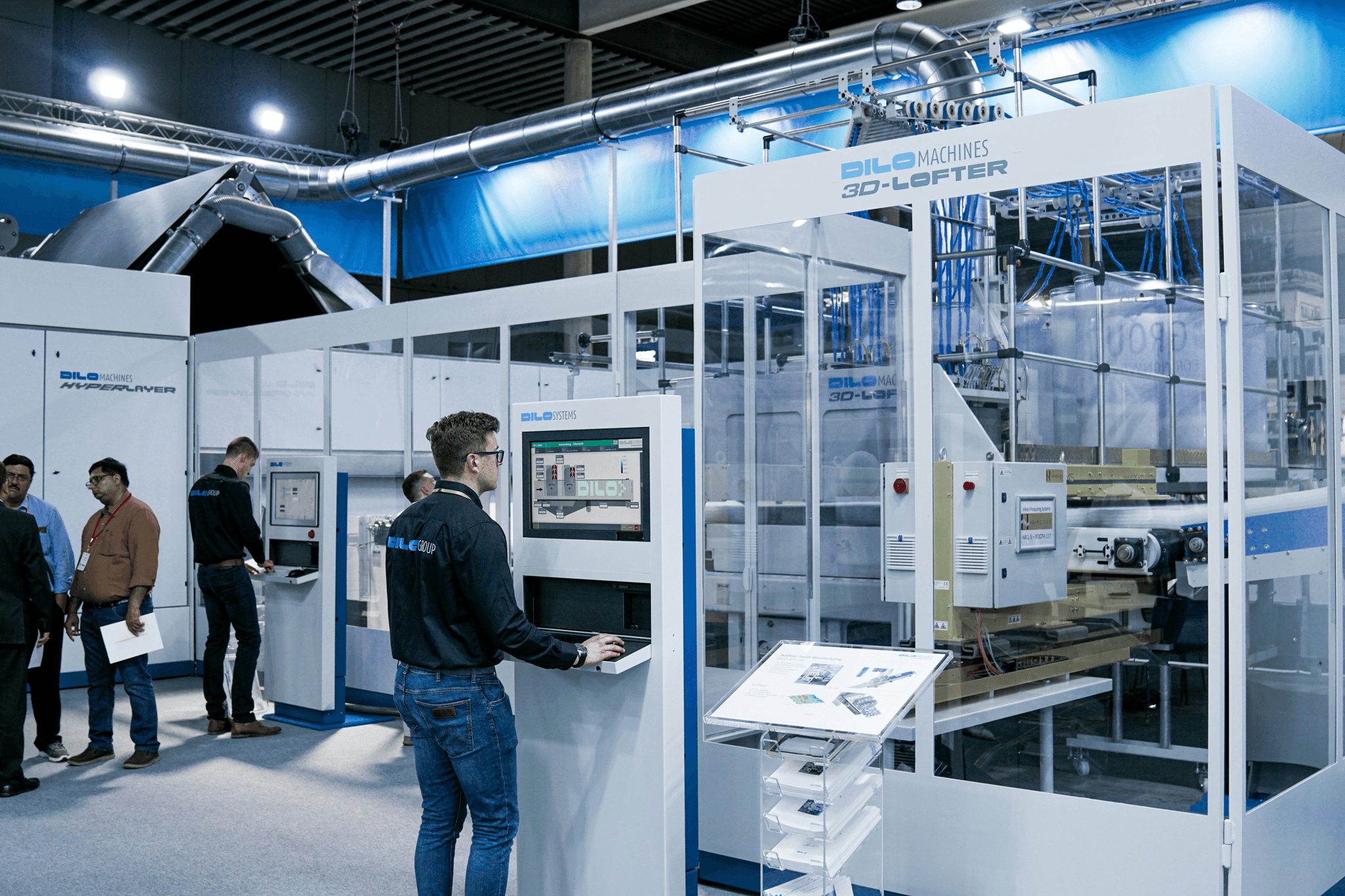
Quality control is the backbone of successful collaboration with OEM and ODM suppliers. Ensuring that products meet the desired specifications and standards is crucial for maintaining a competitive edge in supply chain management. By implementing robust quality control measures, businesses can mitigate risks associated with defective products and enhance customer satisfaction.
Ensuring Quality with OEM and ODM Suppliers
When partnering with OEM and ODM suppliers, it’s essential to establish clear quality expectations from the outset. This involves defining specifications, tolerances, and testing protocols that align with your product requirements. Regular audits and inspections throughout the production process help ensure that these standards are consistently met, fostering a reliable relationship between you and your industrial supplier.
Incorporating feedback loops into the production cycle also plays a vital role in maintaining quality. By regularly communicating with your OEM or ODM supplier about any issues or areas for improvement, you can address potential problems before they escalate into larger concerns. Ultimately, fostering a culture of quality helps create a more resilient supply chain.
Role of China Inspection Pro in Quality Assurance
China Inspection Pro is an invaluable ally for businesses seeking to uphold quality standards when working with OEM and ODM suppliers in China. Their comprehensive inspection services cover everything from pre-production checks to final product evaluations, ensuring that your goods meet both local regulations and international standards. By leveraging their expertise in supply chain management, companies can confidently navigate the complexities of sourcing from overseas manufacturers.
Moreover, China Inspection Pro provides detailed reports on product quality that help businesses make informed decisions about their suppliers. With insights gained from these inspections, companies can identify patterns or recurring issues related to specific industrial suppliers, allowing for strategic adjustments as needed. This proactive approach not only enhances product reliability but also strengthens overall supply chain integrity.
Strategies for Effective Quality Management
To effectively manage quality when working with OEM and ODM suppliers, consider implementing a multi-faceted strategy that includes continuous monitoring and improvement initiatives. Start by establishing key performance indicators (KPIs) related to product quality metrics such as defect rates or on-time delivery percentages; this data will guide your decision-making process moving forward.
Training employees on best practices for interacting with suppliers is also essential; equipping your team with knowledge about quality expectations fosters better communication between parties involved in the supply chain management process. Additionally, investing in technology solutions like automated tracking systems can streamline oversight while providing real-time updates on production status.
Lastly, building strong relationships with your industrial supplier goes a long way toward ensuring consistent quality outcomes over time; trust combined with open dialogue creates an environment where both parties feel invested in success together!
Cost Considerations with OEM and ODM Suppliers

When navigating the world of OEM and ODM suppliers, understanding cost considerations is crucial for effective supply chain management. The pricing structures can vary significantly based on the nature of the products and services offered. This section will delve into how these costs can impact your overall strategy and decision-making.
Pricing Structures for OEM and ODM Products
The pricing structures for OEM and ODM products often reflect the complexity of manufacturing processes involved. OEM suppliers typically charge based on production volume, tooling costs, and material expenses, which can lead to competitive pricing if you're ordering in bulk. On the other hand, ODM suppliers may have higher initial costs due to their design services but can provide a more comprehensive package that includes product development.
In addition to base prices, it’s essential to consider additional fees that might arise during production or delivery phases. These could include setup fees, shipping charges, or even tariffs depending on where your industrial supplier is located. Understanding these nuances will help you make informed decisions about which type of supplier aligns best with your financial goals.
Cost-Benefit Analysis of Choosing OEM vs. ODM
Conducting a cost-benefit analysis between choosing an OEM versus an ODM supplier is vital in optimizing your supply chain management strategy. While OEMs may offer lower production costs due to their focus on manufacturing existing designs, ODMs provide added value through innovation and tailored solutions that could enhance market competitiveness. Weighing these factors against your business needs will enable you to determine which option provides greater long-term benefits.
Additionally, consider how each choice impacts not just immediate costs but also future scalability and flexibility in product offerings. For instance, partnering with an ODM might incur higher upfront expenses but could lead to unique products that capture market share more effectively than generic alternatives from an OEM supplier. Thus, understanding both short-term savings and long-term gains is crucial for making a wise investment.
Hidden Costs in Supply Chain Management
Hidden costs in supply chain management often lurk beneath the surface when working with OEM and ODM suppliers; being aware of them can save you from unpleasant surprises later on. These hidden costs may include unexpected delays that result in expedited shipping fees or additional quality control measures needed when standards are not met initially by your industrial supplier. Such factors can erode any initial savings you might have anticipated.
Moreover, currency fluctuations can dramatically affect pricing if you're sourcing internationally from these suppliers; this aspect should not be overlooked when budgeting for projects involving foreign manufacturers. Additionally, there may be indirect costs such as those related to managing relationships with multiple suppliers or disruptions caused by unforeseen issues within the supply chain itself that need careful consideration as part of your overall financial planning.
Conclusion

In the ever-evolving landscape of supply chain management, making informed decisions between OEM and ODM suppliers is crucial for businesses aiming to optimize their production processes. Understanding the nuances of these two types of industrial suppliers allows companies to align their strategic goals with the right partnerships. By carefully evaluating their unique offerings, businesses can ensure they select a supplier that meets both quality and cost expectations.
Making Informed Choices Between OEM and ODM
Choosing between OEM and ODM suppliers often boils down to your specific needs as a business. OEMs typically offer more customization options, allowing companies to create products tailored to their brand identity, while ODMs provide ready-made solutions that can accelerate time-to-market. This decision should be backed by thorough market research, supplier evaluations, and an understanding of how each type fits into your overall supply chain strategy.
Enhancing Your Supply Chain Strategy
To enhance your supply chain strategy effectively, it’s essential to integrate both OEM and ODM suppliers where appropriate. Utilizing the strengths of each can lead to improved efficiency, reduced costs, and increased product innovation. Additionally, fostering strong relationships with these industrial suppliers can provide valuable insights into market trends and emerging technologies that could benefit your business in the long run.
Future Trends in OEM and ODM Collaboration
Looking ahead, collaborations between OEM and ODM suppliers are likely to become increasingly common as businesses seek more flexible manufacturing solutions in a rapidly changing market environment. The rise of digital technologies will facilitate better communication and transparency within supply chains, allowing for real-time adjustments based on consumer demand or production challenges. As sustainability becomes a priority for many organizations, both types of suppliers will need to adapt by incorporating eco-friendly practices into their operations.