
Introduction
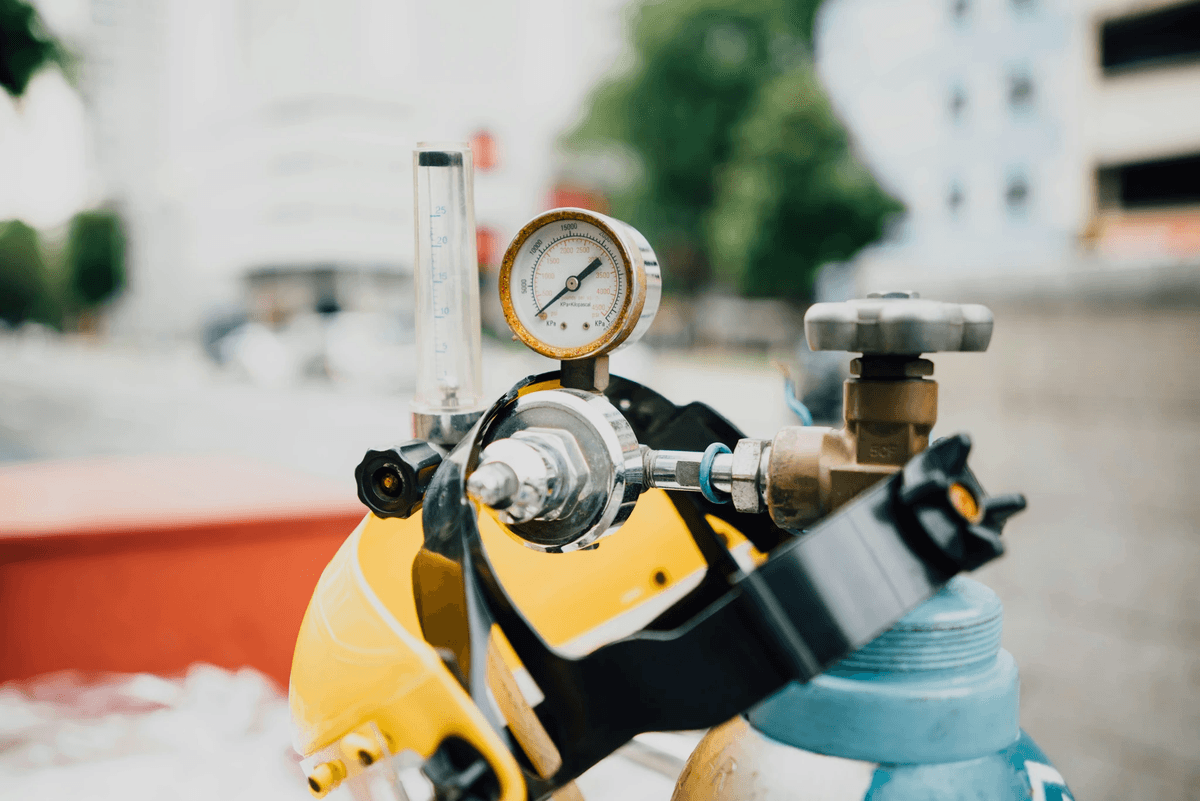
Ensuring your fire safety equipment is in top shape isn’t just good practice—it’s a vital part of safeguarding lives and property. Fire Extinguisher Inspection plays a critical role in identifying potential issues before they become disasters, making routine checks an absolute must. Neglecting these inspections can lead to overlooked problems like corrosion or pressure loss, which compromise the extinguisher’s effectiveness when it’s needed most.
Many people make common mistakes during fire extinguisher checks, such as skipping visual and dimensional inspection or ignoring signs of leakage. Failing to perform thorough inspections can result in malfunctioning equipment during emergencies, turning a simple oversight into a dangerous situation. Professional inspection services bring expertise to the table, ensuring compliance with regulatory standards while verifying that every component—from pressure gauges to tamper seals—is in proper condition.
Engaging professionals for fire extinguisher inspection ensures that all aspects—like hydrostatic tests, leakage tests, and function tests—are executed accurately and thoroughly. This not only guarantees safety but also helps maintain legal compliance and peace of mind. When it comes to fire safety, routine professional inspections are your best defense against unexpected failures and costly damages.
Understanding Fire Extinguisher Inspection
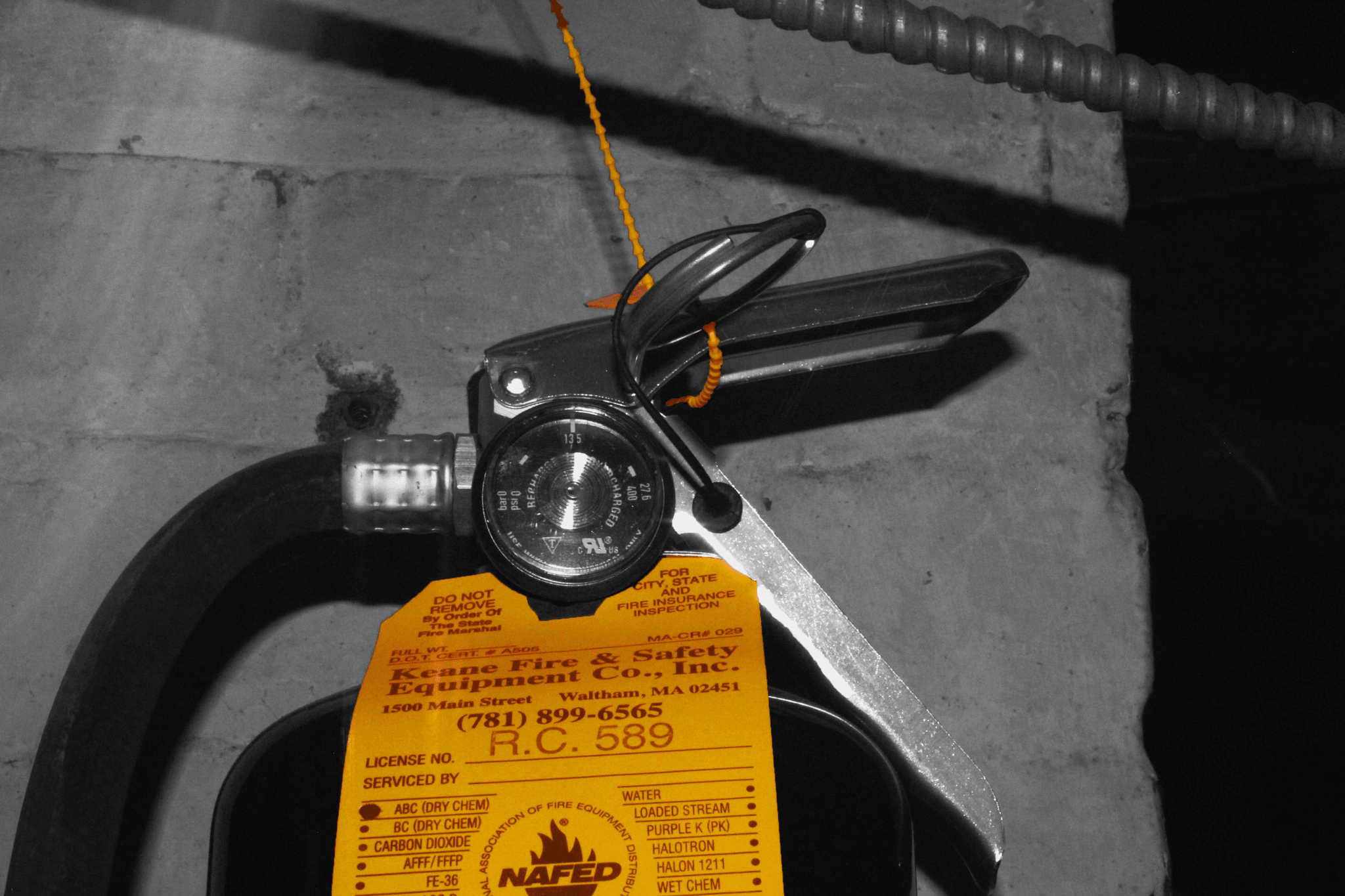
Regular Fire Extinguisher Inspection is the backbone of effective fire safety management. It ensures that fire extinguishers are always ready to perform when needed, preventing small incidents from turning into disasters. Skipping these inspections can lead to equipment failure at critical moments, making comprehensive understanding and diligent checks essential.
During routine checks, inspecting key components such as pressure gauges, tamper seals, and labels is crucial. Visual and dimensional inspection allows technicians to spot physical damage, corrosion, or any obstructions that could impair performance. Additionally, a thorough review of the fire extinguisher's accessibility and proper placement helps ensure quick response times during emergencies.
Regulatory standards for fire extinguisher maintenance set clear guidelines on inspection frequency and procedures. These standards often mandate regular Visual and dimensional inspections alongside more advanced tests like hydrostatic test, leakage test, and function test. Adhering to these regulations not only keeps your equipment compliant but also guarantees it will operate reliably when it matters most.
Visual and Dimensional Inspection
When conducting a fire extinguisher inspection, the first step is a thorough visual and dimensional inspection. This process involves carefully examining the unit for any physical damage, corrosion, or signs of tampering that could compromise its effectiveness. Remember, a well-maintained fire extinguisher is your first line of defense, so spotting issues early during visual and dimensional inspection can save lives.
During this stage of fire extinguisher inspection, you should also verify that the pressure gauge shows the correct level and that the extinguisher is accessible without obstruction. Ensuring proper pressure is crucial because even a perfectly functional unit won't help if it’s under- or over-pressurized. Accessibility matters too—if it’s hidden behind clutter or has damaged mounting brackets, it might not be ready to perform when needed.
Lastly, part of your visual and dimensional inspection involves checking label clarity and tamper seal integrity. Clear labels ensure users understand how to operate the device correctly during an emergency, while intact tamper seals confirm the extinguisher hasn’t been used or compromised. Regularly performing this aspect of fire extinguisher inspection helps maintain compliance with safety standards and guarantees readiness.
Hydrostatic Test Procedures
Performing a hydrostatic test is a critical step in the fire extinguisher inspection process, especially for those units that have been in service for several years or have undergone repairs. This test ensures the cylinder can withstand high pressure without leaking or bursting, confirming its integrity and safety. Regular hydrostatic testing is vital because it catches potential failures before they become hazardous, making it an essential part of comprehensive fire extinguisher inspection routines.
When and Why a Hydrostatic Test Is Necessary
A hydrostatic test becomes necessary when a fire extinguisher reaches its manufacturer’s recommended service life, typically every 5 to 12 years depending on regulations and type. It’s also required after any repair that involves the cylinder or if visual and dimensional inspection reveal signs of corrosion or deformation. Conducting this test during fire extinguisher inspection helps identify weaknesses that might not be visible during routine checks, preventing dangerous failures during emergencies.
Step-by-Step Hydrostatic Testing Process
The hydrostatic testing process begins with removing the fire extinguisher from service and emptying its contents safely. Next, the technician securely attaches a hydraulic pump to pressurize the cylinder with water or another non-compressible fluid to levels specified by regulatory standards—often around 1.5 times the rated pressure. During this process, careful observation is essential: checking for leaks, bulges, or any deformation indicates potential failure points; such signs mean repairs are needed before requalification.
Recognizing Signs of Test Failure and Needed Repairs
Signs of failure during a hydrostatic test are usually quite obvious—bulges, cracks, leaks at welds or seams—and these issues should never be ignored in your fire extinguisher inspection routine. If leakage occurs at any point during pressure application, it indicates compromised integrity requiring immediate repair or replacement of the cylinder. Post-test visual and dimensional inspection will confirm whether repairs restore proper function; otherwise, replacing the unit might be the safest choice to ensure ongoing compliance with safety standards.
Leakage Test and Function Test
Ensuring your fire extinguishers are in tip-top shape isn’t just about a quick glance; it involves thorough leakage tests and function checks that guarantee safety and compliance. During Fire Extinguisher Inspection, performing a leakage test helps identify any loss of pressure or potential leaks that could compromise the extinguisher’s effectiveness in an emergency. Remember, a leak-free fire extinguisher is a reliable fire safety tool, making leakage testing an essential part of regular maintenance.
A proper function test is equally vital to confirm that the fire extinguisher will operate correctly when needed. This involves checking the discharge mechanism, ensuring the nozzle isn’t blocked, and verifying the overall operability during Fire Extinguisher Inspection. Conducting these tests regularly not only keeps your equipment ready but also helps catch issues early before they turn into costly repairs or safety hazards.
Accurate documentation of both leakage tests and function tests is critical for regulatory compliance and ongoing safety assurance. Recording test results provides a clear history of each fire extinguisher’s performance over time, making future inspections smoother and more reliable. When you perform these steps diligently during Fire Extinguisher Inspection, you’re actively safeguarding lives and property while staying compliant with industry standards.
Engaging Professional Service Providers
Partnering with experienced professionals for Fire Extinguisher Inspection ensures your safety equipment is in top shape and compliant with regulations. These experts understand the nuances of visual and dimensional inspection, hydrostatic test requirements, leakage tests, and function tests. By relying on skilled service providers, you can prevent costly mistakes and extend the lifespan of your fire extinguishers.
Professional fire safety inspectors are well-versed in conducting comprehensive visual and dimensional inspections that identify physical damages or corrosion early on. They also perform precise hydrostatic tests to verify the integrity of cylinders under pressure, reducing the risk of failure during emergencies. Incorporating routine leakage tests and function tests further guarantees your fire extinguishers operate reliably when needed most.
Choosing a reputable service provider means you benefit from accurate assessments aligned with regulatory standards. Regular professional inspections help detect issues that might be missed during a quick visual check, ensuring every component meets safety requirements. With their expertise, maintenance becomes more efficient, keeping your fire extinguisher stock ready for action at all times.
Why Choose China Inspection Pro for Fire Equipment
When it comes to Fire Extinguisher Inspection, China Inspection Pro stands out as a trusted partner committed to safety excellence. Their team specializes in thorough visual and dimensional inspections that catch potential problems before they escalate into hazards. Plus, their proficiency in hydrostatic testing ensures cylinders maintain pressure integrity over time.
By opting for China Inspection Pro’s services, you gain access to technicians who excel at performing leakage tests and function checks that confirm your fire extinguishers will perform flawlessly during an emergency. Their attention to detail helps meet regulatory standards while minimizing downtime due to faulty equipment. Ultimately, their expertise provides peace of mind knowing your fire safety measures are in expert hands.
Choosing professionals like China Inspection Pro also means staying ahead of compliance requirements through regular maintenance schedules tailored specifically for your needs. They understand the importance of accurate inspection reports documenting every aspect—from visual assessments to hydrostatic test results—making audits smoother and less stressful.
How Quality Inspection Enhances Inspection Accuracy
Quality inspection services elevate the reliability of Fire Extinguisher Inspection by ensuring each step—from visual and dimensional inspection to hydrostatic testing—is performed meticulously. Skilled inspectors use advanced techniques to spot subtle signs of corrosion or damage that could compromise performance later on. This proactive approach helps prevent failures during critical moments when every second counts.
Performing rigorous leakage tests alongside function checks guarantees that no internal or external leaks go unnoticed—an essential factor in maintaining pressure integrity and operational readiness. Accurate documentation during these procedures not only supports regulatory compliance but also provides valuable insights into maintenance needs over time. With high-quality inspections, organizations can confidently rely on their fire extinguishers’ performance when it matters most.
Investing in precision during each phase of Fire Extinguisher Inspection minimizes false positives or overlooked issues—saving money while maximizing safety assurance. Properly executed hydrostatic tests confirm cylinder strength without risking damage from improper procedures, reinforcing overall system dependability.
Recommendations for Maintaining Fire Extinguisher Readiness
To keep your fire extinguishers always ready for action, regular professional inspections—including visual and dimensional checks—are non-negotiable components of an effective safety plan. Incorporating scheduled hydrostatic tests ensures cylinders retain their structural integrity over time; skipping this step could lead to dangerous failures unexpectedly.
Routine leakage tests combined with function testing provide added layers of security by verifying proper operation under simulated conditions before an emergency occurs. Documenting all results diligently not only helps maintain compliance but also tracks trends indicating when maintenance or replacements are necessary—preventative care at its finest! Remember: consistent professional evaluations keep your firefighting equipment reliable so you can focus on what truly matters—safety first.
Conclusion
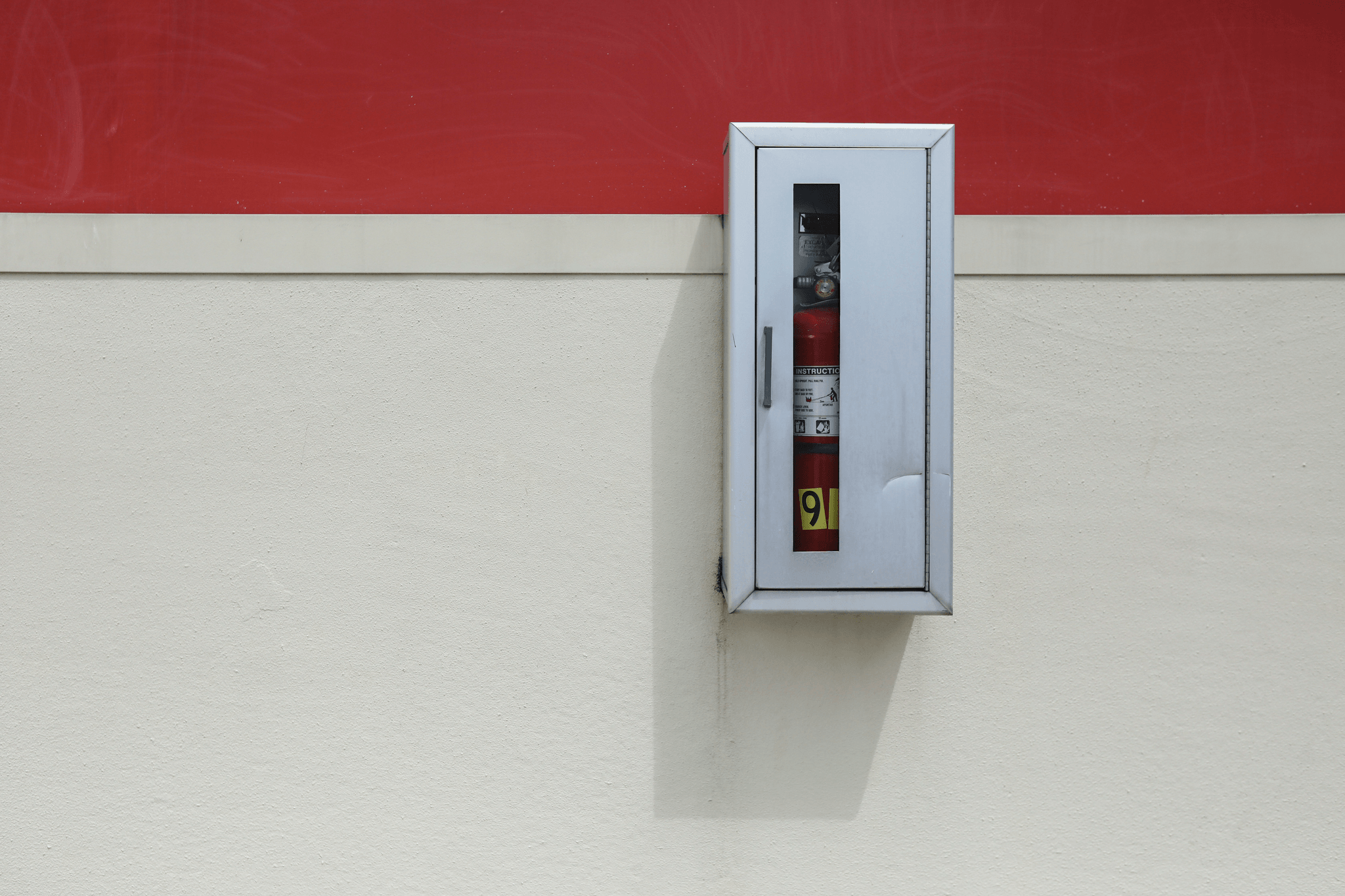
Ensuring that fire extinguishers are properly maintained through regular Fire Extinguisher Inspection is vital for safety and compliance. A thorough process involves multiple steps, including visual and dimensional inspection, hydrostatic test, leakage test, and function test, each playing a critical role in confirming readiness. When these inspections are diligently performed, you significantly reduce the risk of failure during an emergency and keep everyone safe.
Mastering Fire Extinguisher Inspection for Safety
Mastering Fire Extinguisher Inspection means understanding the importance of each step—visual and dimensional inspection to spot physical damages or corrosion; hydrostatic tests to verify internal integrity; leakage tests to prevent dangerous leaks; and function tests to ensure operational readiness. Regularly practicing these checks helps identify potential issues before they become hazardous problems during a fire emergency. Remember, consistent Fire Extinguisher Inspection transforms safety from a chore into a crucial safeguard.
The Value of Professional Fire Extinguisher Inspection Services
Professional services bring expertise that goes beyond basic visual checks—they perform comprehensive hydrostatic tests, precise leakage assessments, and functional testing with calibrated equipment for maximum accuracy. Engaging experienced inspectors ensures your fire extinguishers meet regulatory standards while maintaining optimal performance through detailed inspections. Investing in professional Fire Extinguisher Inspection services not only guarantees compliance but also provides peace of mind knowing your safety equipment is reliable when it matters most.
Keeping Fire Safety Top Priority Through Regular Checks
Maintaining fire safety isn’t a one-and-done task—it requires ongoing commitment through routine inspections like visual and dimensional checks, hydrostatic testing, leakage assessments, and function testing at scheduled intervals. These regular checks ensure your fire extinguishers remain fully operational and compliant with standards—saving lives in an emergency scenario. Prioritizing consistent Fire Extinguisher Inspection fosters a safer environment where preparedness is second nature rather than an afterthought.