
Introduction
Electric fans are a staple in homes and workplaces, providing comfort and safety during hot days. But behind their cool operation lies the importance of thorough Electric Fan Inspection to ensure they meet safety and performance standards. Proper inspection not only guarantees user safety but also prolongs the lifespan of the product, making it a smart investment for manufacturers and consumers alike.
Why Electric Fan Inspection is a Must for Safety and Performance
Electric Fan Inspection is essential because it identifies potential hazards before they cause harm or damage. When standards like IEC 60335-1 and IEC 60335-2-80 are adhered to during inspection, fans meet rigorous safety criteria that prevent electrical shocks, fires, or mechanical failures. Regularly performing Electric Fan Inspection helps manufacturers maintain quality control standards, ensuring each unit performs reliably while safeguarding users from unexpected malfunctions.
Understanding the Key Standards in Electric Fan Quality Control Standards
Navigating the world of Electric Fan Inspection involves understanding key quality control standards such as IEC 60335-1 for general safety requirements and IEC 60335-2-80 specific to electric fans. These standards set benchmarks for insulation, electrical components, and mechanical robustness that every compliant fan must meet. Additionally, certifications like CE Marking and RoHS compliance serve as proof that a product adheres to European regulations, further emphasizing the importance of consistent quality checks during Electric Fan Inspection.
How Proper Inspection Can Save You Money and Time
Investing in comprehensive Electric Fan Inspection can save companies significant money by catching defects early—reducing costly recalls or warranty claims down the line. Implementing ASTM D4167 - 97 standards during durability testing ensures fans withstand real-world conditions without premature failure, saving time on replacements or repairs. Ultimately, diligent inspections streamline production processes while boosting consumer confidence through reliable products that adhere to all necessary safety and quality control standards.
Preparing for an Electric Fan Inspection
Getting ready for an Electric Fan Inspection involves more than just eyeballing the device; it’s about setting the stage for a thorough and effective evaluation. Proper preparation ensures that your inspection aligns with the necessary Quality Control Standards, such as IEC 60335-1 and IEC 60335-2-80, which are critical for safety and performance verification. The process begins with gathering the right tools and documentation to help you navigate through compliance checks like CE Marking, RoHS, and ASTM D4167 - 97 standards seamlessly.
Gathering Necessary Tools and Documentation
Start by assembling all essential tools—multimeters, screwdrivers, insulation testers, and noise level meters—because Electric Fan Inspection isn’t a job where you want to wing it. Having detailed manufacturer specifications on hand is equally important; these documents guide your inspection against recognized standards like IEC 60335-1 for safety requirements or ASTM D4167 - 97 for durability testing. Don’t forget to include certification papers such as CE Marking and RoHS compliance certificates to verify that the product meets international quality control standards before diving into the inspection process.
Reviewing Manufacturer’s Specifications and Safety Guidelines
Before touching that electric fan with your tools, review the manufacturer’s specifications thoroughly—they’re your blueprint for what constitutes a safe, high-quality product during Electric Fan Inspection. These guidelines often reference critical standards like IEC 60335-2-80 concerning motor safety or specific noise level tolerances aligned with industry best practices. By understanding these details beforehand, you’ll be better equipped to identify non-conformities related to safety features or performance issues that could compromise both user safety and regulatory compliance.
Setting Up a Controlled Inspection Environment
Creating a controlled environment is essential because external factors can skew your results during Electric Fan Inspection—think ambient temperature or airflow interference—so set up in a space free of drafts and distractions. Make sure lighting is adequate so visual inspections of blades, cords, and grills are precise; this step helps ensure adherence to all relevant Quality Control Standards like IEC 60335-1 requirements on physical integrity. Additionally, establish proper grounding stations to safely test electrical components while verifying CE Marking compliance or RoHS restrictions without risking damage or inaccuracies.
Visual Inspection Techniques
Conducting a thorough Electric Fan Inspection begins with a keen eye for physical condition. This step is crucial for ensuring the product meets both safety and quality control standards, such as IEC 60335-1 and IEC 60335-2-80. A meticulous visual check helps identify potential issues early, saving time and preventing costly recalls down the line.
Checking for Physical Damage and Wear
Start by inspecting the entire fan body for cracks, dents, or corrosion that could compromise safety or performance. Physical damage often indicates mishandling or manufacturing defects that violate Electric Fan Inspection and Quality Control Standards. Remember, a damaged fan might not meet IEC 60335-1 requirements, which emphasize durability and safety; catching these flaws early keeps your product compliant.
Examining Power Cords and Connectors
Next up is scrutinizing power cords and connectors—these are the lifelines of your electric fan. Look for frayed wires, exposed conductors, or loose connections that could pose electrical hazards. Ensuring these components meet CE Marking standards and RoHS compliance during Electric Fan Inspection is vital to prevent safety violations and environmental concerns.
Inspecting Fan Blades and Grills for Safety
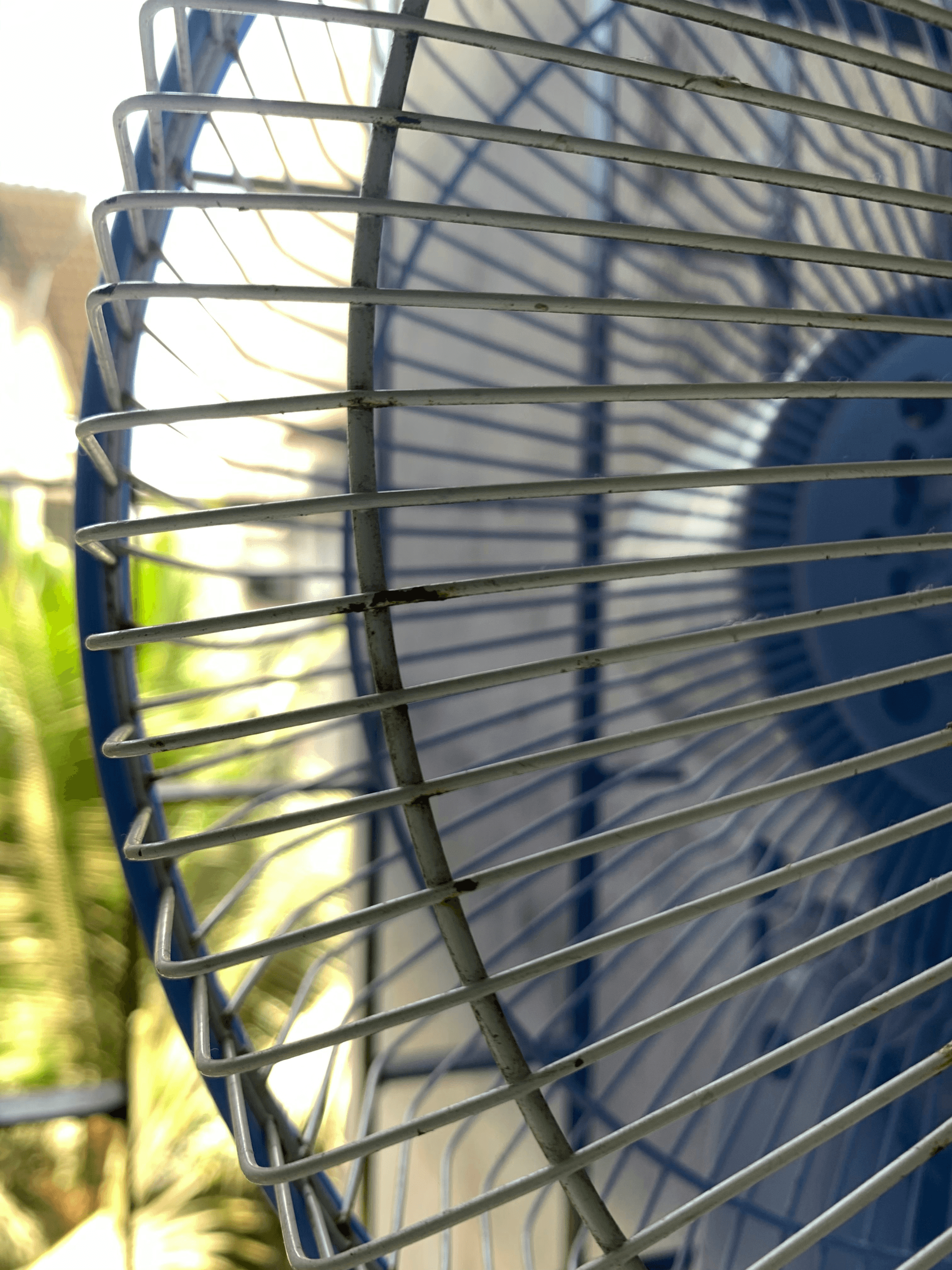
Finally, focus on the blades and grills—these are critical safety barriers during operation. Check for chipped or warped blades that might cause imbalance or noise issues; inspect grills to ensure they’re securely attached without gaps that could trap fingers or debris. Conducting this part of the visual inspection aligns with ASTM D4167 - 97 standards on durability while adhering to IEC guidelines to guarantee safe usage.
Functional Testing Procedures
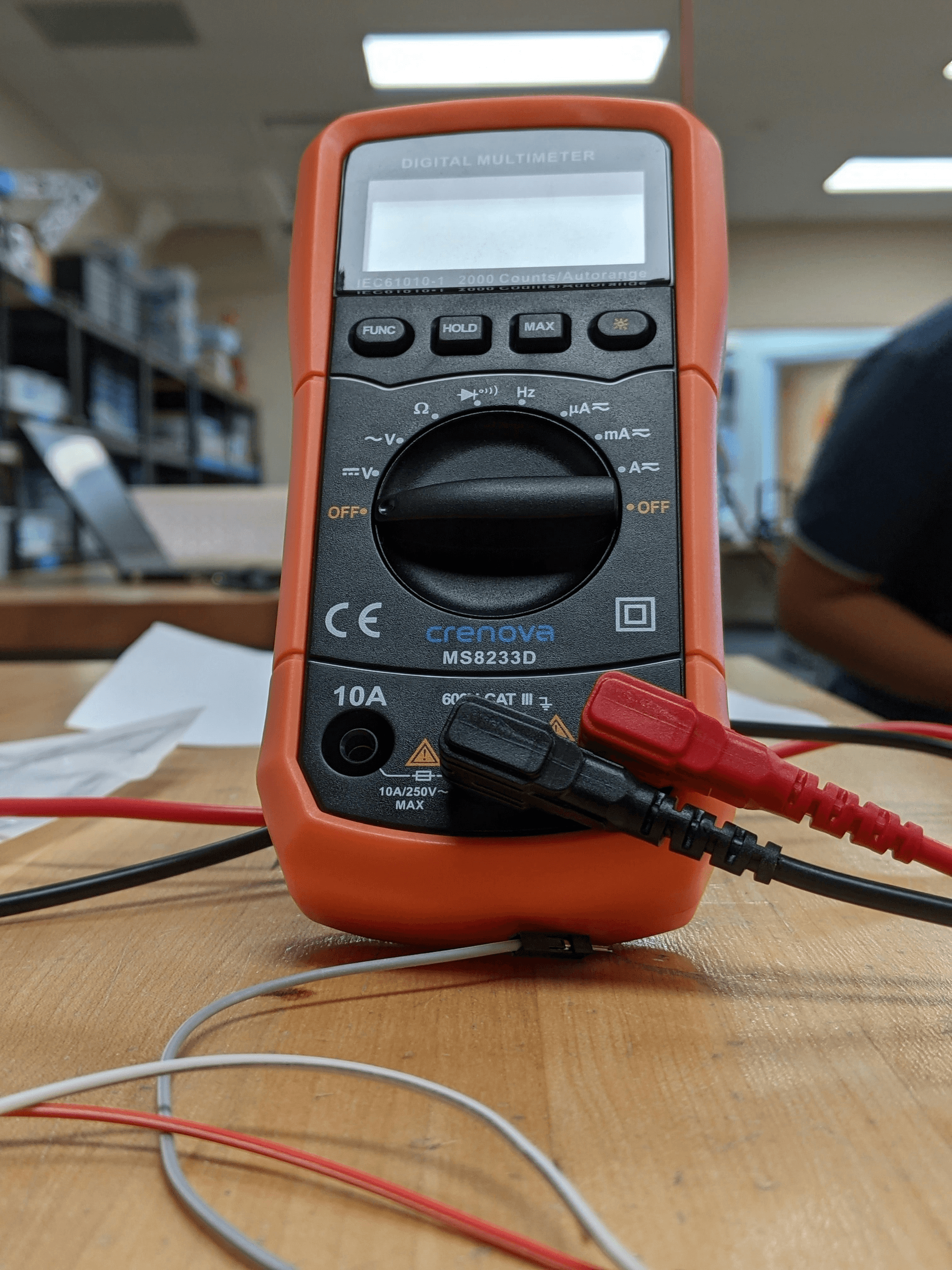
Electric Fan Inspection doesn't stop at a visual glance; it requires rigorous functional testing to ensure safety and performance meet the highest standards. Proper testing procedures help identify potential issues that could compromise user safety or product durability. By aligning these tests with established Electric Fan Inspection and Quality Control Standards, manufacturers can confidently deliver reliable products that pass IEC 60335-1, IEC 60335-2-80, CE Marking, RoHS, and ASTM D4167 - 97 standards.
Verifying Power and Performance with a Multimeter
The first step in electric fan inspection involves verifying that the power supply and electrical components are functioning correctly. Using a multimeter allows you to check voltage levels, continuity, and resistance in accordance with Electric Fan Inspection protocols. Ensuring compliance with IEC 60335-1 is critical here because this standard emphasizes electrical safety; any irregularities could indicate potential hazards or non-conformance to safety standards like CE Marking or RoHS requirements.
During this process, measure the incoming voltage to confirm it matches manufacturer specifications while inspecting internal wiring for proper insulation and connections. This step ensures the fan's electrical system adheres to quality control standards such as IEC 60335-2-80 for motor protection and durability. Regular use of multimeters during electric fan inspection helps prevent future failures by catching issues early—saving time, money, and possibly lives.
Testing Fan Speed and Noise Levels
Next up in your electric fan inspection routine is evaluating operational performance by testing fan speed and noise levels. A tachometer or dedicated speed tester can verify if the fan runs at its rated RPMs as specified by the manufacturer—an essential part of ensuring compliance with quality control standards like ASTM D4167 - 97 for durability testing. Deviations from expected speeds might signal motor wear or imbalance that could compromise safety features such as emergency shutoffs.
Noise level measurements should also be taken using sound level meters to ensure they stay within acceptable limits outlined by relevant standards; excessive noise may indicate bearing issues or misalignment affecting overall performance. These tests help confirm that the electric fan not only meets IEC safety requirements but also delivers quiet operation aligned with consumer expectations under CE Marking guidelines—an important factor in user satisfaction.
Confirming Safety Features and Emergency Shutoffs
Finally, no electric fan inspection is complete without verifying all safety features are functional—think of it as giving your product a health check-up before it hits the shelves. During this phase, test emergency shutoff switches to make sure they activate immediately when needed—a crucial requirement under IEC 60335-1 for electrical safety compliance. Additionally, inspect overload protection mechanisms like fuses or circuit breakers to ensure they will trip appropriately during fault conditions.
This step aligns perfectly with quality control standards such as IEC 60335-2-80 which emphasize durability alongside safety features; failing any of these checks could mean non-compliance with CE Marking or RoHS regulations designed to protect consumers from hazards associated with defective appliances. Confirming these functions during electric fan inspection guarantees your product’s readiness for market while reducing liability risks down the line—a win-win scenario for manufacturers committed to excellence.
Compliance and Certification Checks
When it comes to Electric Fan Inspection, ensuring your product meets all relevant standards is crucial for safety, durability, and market acceptance. Incorporating Electric Fan Inspection and Quality Control Standards into your process helps verify that every unit complies with international regulations. This step not only protects consumers but also safeguards your brand from costly recalls or legal issues down the line.
Ensuring Conformance with IEC 60335-1 and IEC 60335-2-80
IEC 60335-1 and IEC 60335-2-80 are the backbone of safety standards for household electric fans worldwide. During an Electric Fan Inspection, verifying conformance with these standards ensures that your products meet essential safety requirements, such as insulation, electrical shock prevention, and thermal stability. Regularly cross-checking against these standards during quality control processes guarantees that each fan is compliant before reaching consumers.
Verifying CE Marking and RoHS Compliance
CE Marking is a clear indicator that an electric fan adheres to European safety directives, while RoHS compliance confirms restrictions on hazardous substances in electronic components. An effective Electric Fan Inspection involves thorough verification of both CE Marking and RoHS compliance to avoid market entry barriers or penalties. Incorporating these checks into your overall quality control standards ensures your products are ready for global markets without surprises.
Applying ASTM D4167 - 97 Standards for Durability
Durability testing under ASTM D4167 - 97 provides insights into how well an electric fan withstands real-world use conditions, including vibration and mechanical stresses. Integrating this standard into your Electric Fan Inspection process enhances quality control by identifying potential weaknesses early on. When you apply ASTM D4167 - 97 standards alongside IEC guidelines, you're setting a high bar for product longevity that customers will appreciate—and trust.
Quality Control and Final Assessment

Conducting a thorough final assessment is the cornerstone of reliable Electric Fan Inspection and Quality Control Standards. It ensures that every unit meets essential safety, performance, and compliance benchmarks before hitting the market. This stage also involves meticulous documentation to support traceability and accountability, reinforcing adherence to IEC 60335-1, IEC 60335-2-80, CE Marking, RoHS, and ASTM D4167 - 97 standards.
Documenting Inspection Findings Accurately
Accurate documentation during Electric Fan Inspection is vital for maintaining high-quality standards and facilitating future audits. Every detail—be it visual defects, performance metrics, or safety feature checks—must be recorded precisely according to the established Electric Fan Inspection protocols. Adhering to the guidelines derived from Electric Fan Inspection and Quality Control Standards ensures consistency and helps identify recurring issues that may compromise compliance with IEC 60335-1 or IEC 60335-2-80.
Identifying Non-Conformities and Corrective Actions
Spotting non-conformities swiftly during the final assessment prevents defective fans from reaching consumers and jeopardizing safety or brand reputation. Whether it’s failure to meet CE Marking requirements or RoHS restrictions, each deviation must be logged with detailed notes on root causes stemming from lapses in Electric Fan Inspection procedures. Implementing corrective actions aligned with ASTM D4167 - 97 durability standards not only rectifies current flaws but also fortifies future production against similar issues.
Collaborating with China Inspection Pro for Expert Evaluation
Partnering with China Inspection Pro elevates your quality control game by leveraging their expertise in Electric Fan Inspection standards across international markets. Their evaluation services help verify compliance with IEC standards like IEC 60335-1 and IEC 60335-2-80 while ensuring adherence to CE Marking and RoHS directives. This collaboration guarantees that your final product aligns perfectly with global expectations for safety, durability per ASTM D4167 - 97, and overall quality assurance.
Conclusion
Ensuring your electric fans meet the highest standards of safety and performance begins with rigorous Electric Fan Inspection and adherence to Quality Control Standards. By implementing thorough inspections aligned with IEC 60335-1 and IEC 60335-2-80, manufacturers can prevent potential hazards and boost consumer confidence. Remember, consistent Electric Fan Inspection is the backbone of a reliable product that stands out in the competitive market.
Achieve Optimal Safety with Electric Fan Inspection Standards
Achieving top-notch safety starts with understanding and applying Electric Fan Inspection standards like IEC 60335-1, which covers general safety requirements, and IEC 60335-2-80, focusing on electric fans specifically. These standards set clear benchmarks for electrical safety, mechanical integrity, and durability, making sure every fan is safe for everyday use. Incorporating these standards into your quality control process not only protects consumers but also minimizes costly recalls or liabilities down the line.
How Regular Inspections Impact Product Reliability
Regular Electric Fan Inspection plays a crucial role in maintaining product reliability over time. Consistent checks against CE Marking and RoHS compliance ensure that your fans meet international environmental and safety directives—keeping you ahead of regulatory curves. Plus, integrating ASTM D4167 - 97 standards for durability into your inspection routine guarantees your fans withstand wear-and-tear, resulting in happier customers who trust your brand for long-lasting performance.
Partnering with Quality Inspection Experts for Continuous Improvement
Collaborating with experienced quality inspection professionals can elevate your Electric Fan Inspection process to new heights of excellence. These experts bring deep knowledge of standards like IEC 60335-1, IEC 60335-2-80, CE Marking, RoHS compliance, and ASTM D4167 - 97—ensuring every unit meets rigorous criteria before hitting shelves. With their support, you’ll foster continuous improvement in product safety, compliance, and overall quality control—making your brand a leader in the industry.