
Introduction
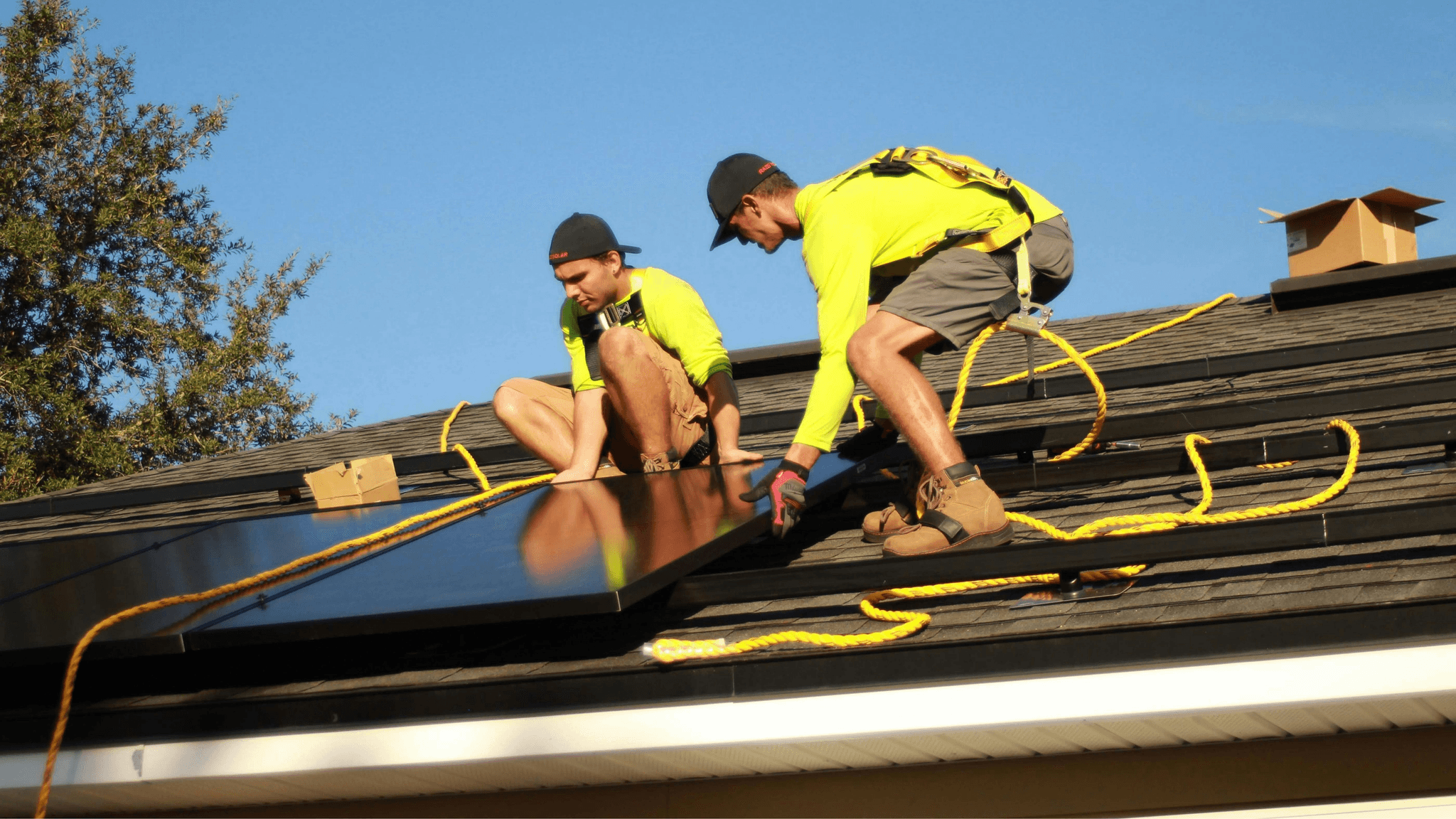
In the world of renewable energy, solar panels have emerged as a popular choice for homeowners and businesses alike. However, the efficiency and longevity of these systems hinge on regular solar system inspections. By understanding the importance of these inspections, what to expect during them, and how to choose the right inspection service, you can ensure that your investment continues to shine brightly.
Importance of Regular Solar System Inspections
Regular solar system inspections are crucial for maintaining optimal performance and safety. Over time, components can wear down or become damaged due to environmental factors, which can lead to decreased efficiency or even system failure. By scheduling routine inspections of solar panels, you can identify potential issues early on and prevent costly repairs down the line.
What to Expect During Your Inspection
When it comes time for your solar system inspection, you might wonder what will actually happen during this process. Inspectors will thoroughly examine all components of your solar panel system, including wiring, inverters, and mounting structures. Expect a comprehensive assessment that includes performance evaluations and visual checks for any signs of wear or damage.
Choosing the Right Inspection Service
Selecting a reliable inspection service is paramount to ensuring your solar panels receive the attention they deserve. Look for companies with strong reputations in the industry who specialize in solar system inspection; they should have qualified inspectors with relevant certifications. Asking about their experience and customer reviews will help you make an informed decision that safeguards your investment.
Understanding Solar System Inspections
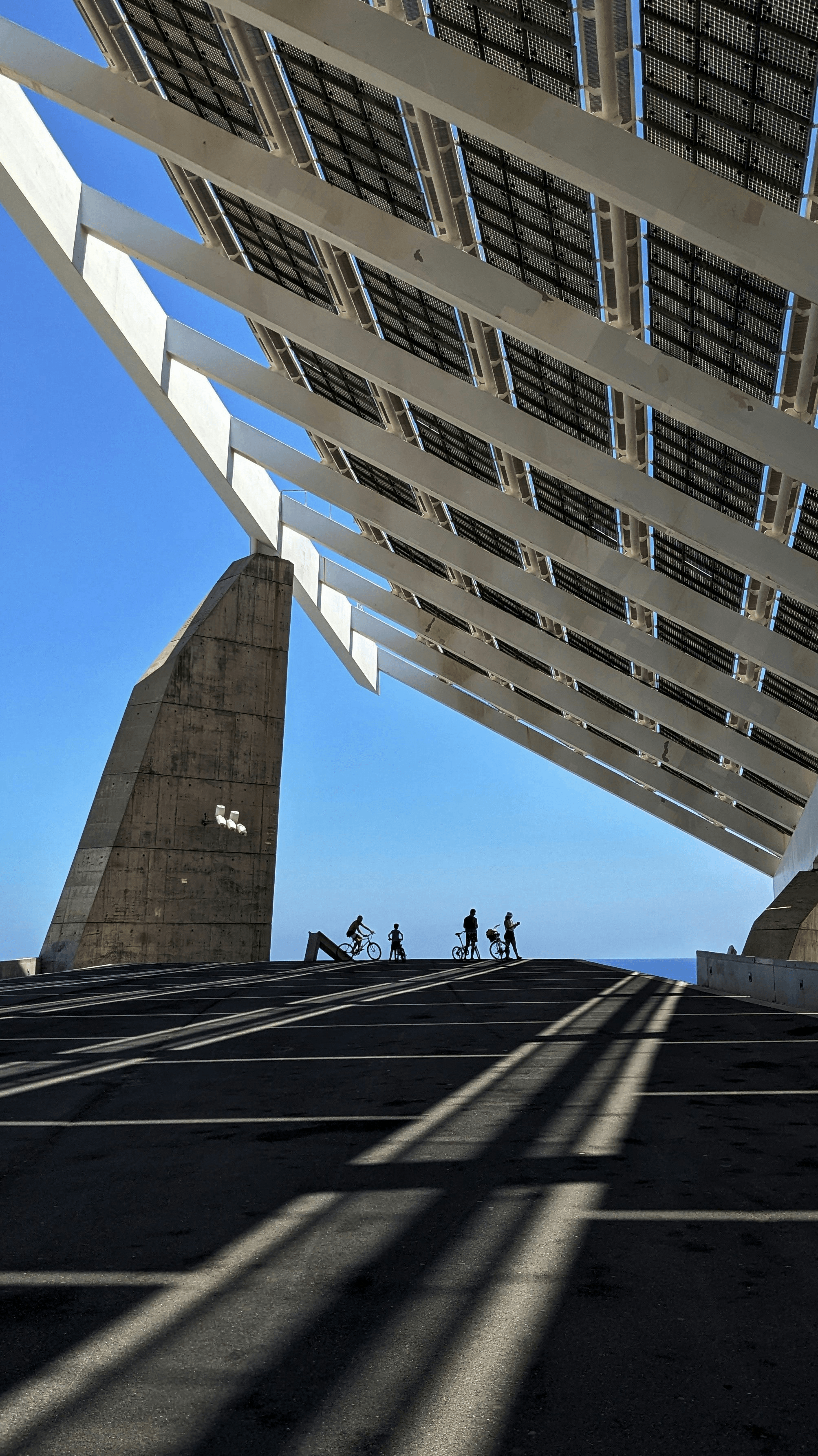
When it comes to maintaining the efficiency and longevity of your solar energy system, understanding solar system inspections is key. These inspections are crucial for identifying any underlying issues that may affect the performance of your solar panels. Regular checks ensure that your investment continues to provide clean, renewable energy without unexpected hiccups.
Defining Solar System Inspections
A solar system inspection involves a thorough examination of all components related to your solar panels and their installation. This process typically includes checking the panels themselves, wiring, inverters, and other associated equipment for any signs of wear or damage. By conducting a comprehensive inspection of solar panels, you can catch potential problems early on, saving both time and money in the long run.
Key Components of Solar Panel Inspections
During a typical inspection of solar panels, several critical components are examined closely to ensure everything is functioning correctly. Inspectors will look at the physical condition of the panels for cracks or debris that could hinder performance. Additionally, they will assess electrical connections and inverter functionality to guarantee optimal energy output from your solar system.
Common Issues Found During Inspections
While many inspections reveal no significant issues, there are common problems that often arise during a solar system inspection. These can include loose wiring connections, dirt buildup on the panels reducing efficiency, or even shading from nearby trees or structures affecting sunlight exposure. Identifying these issues promptly allows homeowners to address them before they escalate into costly repairs or decreased energy production.
Preparing for Your Solar Panel Inspection
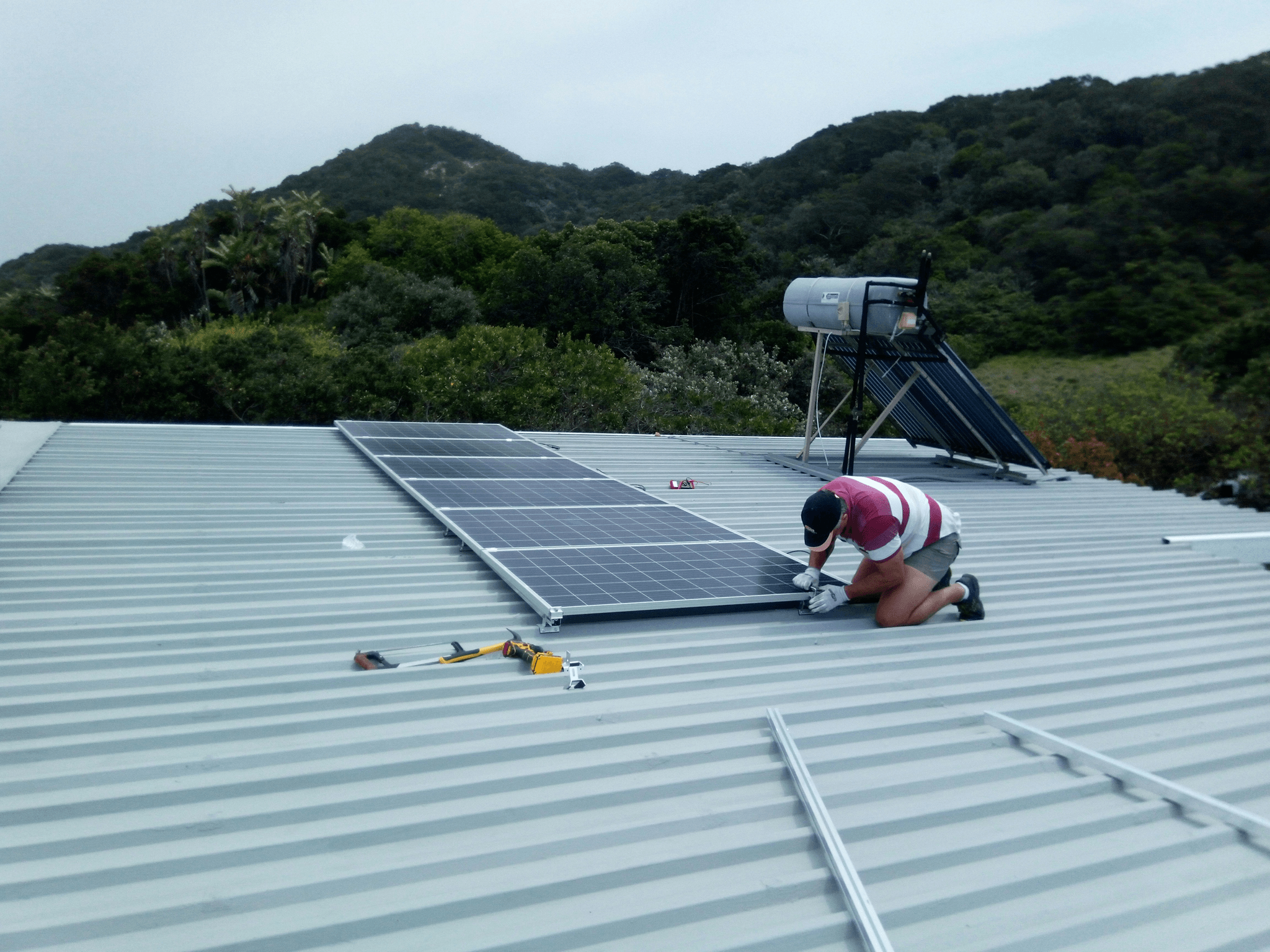
Preparing for your solar panel inspection is crucial to ensure a smooth and effective evaluation of your solar system. Taking the time to gather necessary documentation, maintain cleanliness, and communicate past issues can significantly enhance the inspection process. By being proactive, you can help your inspector provide a thorough assessment of your solar panels.
Documentation You Should Gather
Before the inspection of solar panels begins, it’s essential to collect relevant documentation that can aid the inspector in their evaluation. This includes installation records, warranties, maintenance logs, and any previous inspection reports you might have on hand. Having this information readily available not only saves time during the inspection but also helps identify any recurring issues with your solar system.
Additionally, if you've made any modifications or upgrades to your system since its installation, documenting those changes will be beneficial. The more information you provide about your solar panels and their history, the better equipped the inspector will be to assess their condition accurately. So dig through those files—your future self (and your solar system) will thank you!
Cleanliness and Accessibility of Systems
A clean and accessible setup is key for a successful solar system inspection. Before the inspector arrives, take some time to clear away debris or obstructions around your solar panels and inverter systems so they can easily access all components without hassle. Remember: inspectors need to examine not just the panels themselves but also wiring and connections that may be hidden from view.
Moreover, ensuring that areas around ground-mounted systems are tidy allows for easier movement during the inspection process. If there are tree branches or other potential hazards nearby, consider trimming them back before the big day arrives! A little effort goes a long way in helping inspectors do their job efficiently while maintaining safety standards.
Informing Your Inspector About Previous Issues
Communication is vital when it comes to preparing for a thorough solar system inspection. If you've experienced any problems with your solar panels in the past—such as reduced efficiency or physical damage—make sure to inform your inspector right away! Providing this context allows them to focus on potential trouble spots during their evaluation.
Additionally, if there were any repairs made following previous inspections or maintenance work done on specific components of your system, sharing these details is essential too! Transparency about past issues enables inspectors not only to pinpoint current concerns but also helps them understand how well—or poorly—your system has been performing over time.
Selecting a Reliable Inspection Company
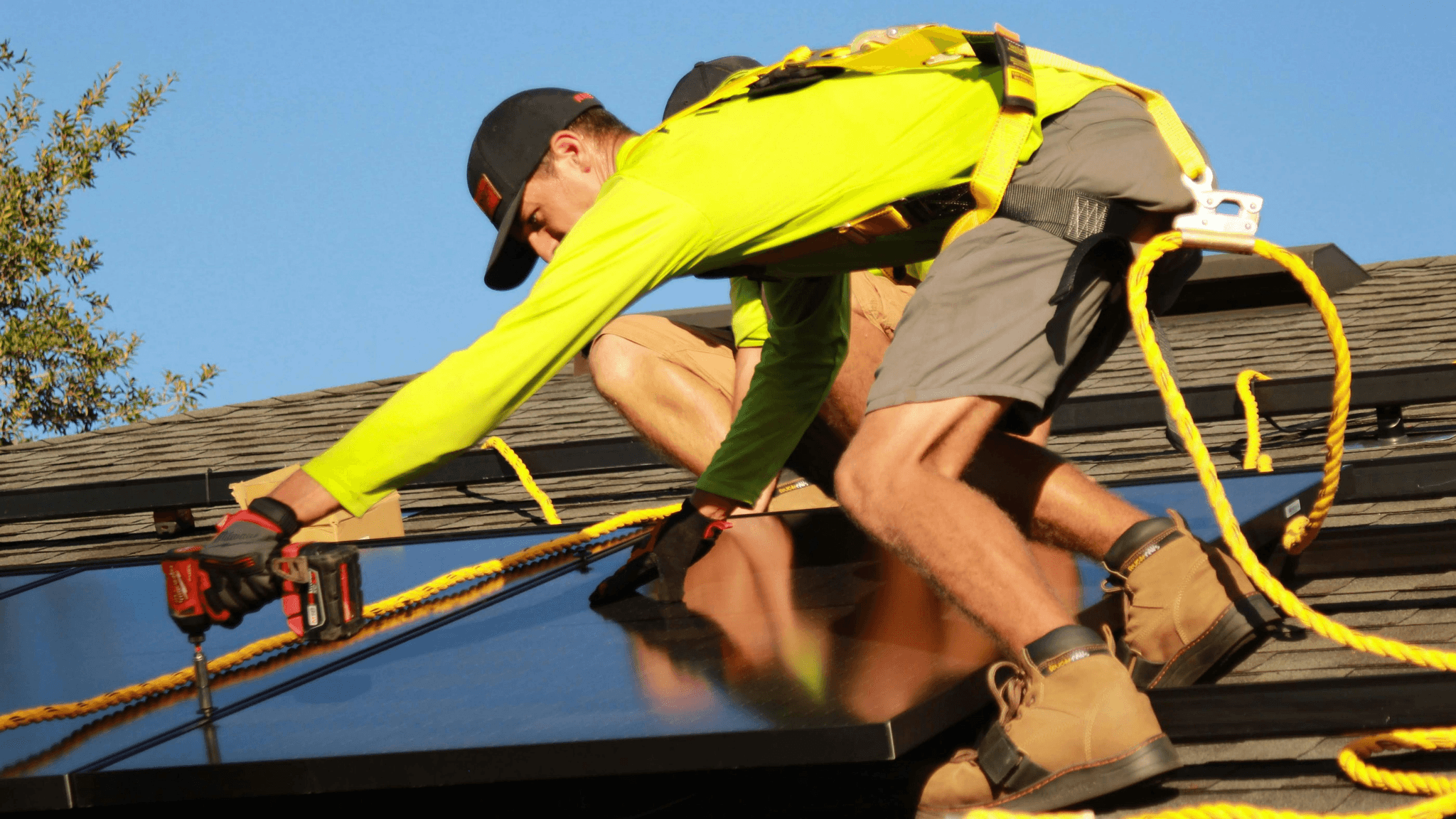
Choosing the right company for your solar system inspection is crucial to ensuring that your solar panels are functioning optimally and safely. With numerous options available, it can feel overwhelming to make a choice. However, by knowing what to look for in an inspector, you can streamline the process and find a service that meets your needs.
What to Look for in an Inspector
When selecting an inspector for your solar system inspection, qualifications and experience should be at the top of your checklist. Look for professionals who have certifications specific to solar panel inspections; this indicates they possess specialized knowledge about solar technology. Additionally, consider their track record—customer reviews and testimonials can provide insight into their reliability and expertise in conducting thorough inspections of solar panels.
Another important factor is the inspector's familiarity with local regulations and codes related to solar energy systems. Since these regulations can vary significantly by region, having someone who understands them ensures that your inspection will be compliant with legal standards. Lastly, communication skills are essential; an inspector should be able to explain issues clearly so you fully understand any findings from the inspection of solar panels.
Benefits of Choosing China Inspection Pro
When it comes to selecting a reliable inspection company, China Inspection Pro stands out for several reasons. First off, they offer extensive experience in conducting comprehensive inspections of solar panels across various installations—residential or commercial alike. Their team consists of certified professionals who are not only knowledgeable but also passionate about renewable energy solutions.
Moreover, China Inspection Pro utilizes advanced technology during their inspections, which enhances accuracy and efficiency in detecting potential issues within your solar system. This means you receive a detailed report that highlights any areas needing attention while also providing recommendations on how best to address them. By choosing China Inspection Pro for your solar system inspection, you're investing in peace of mind knowing that experts are taking care of your energy investment.
Questions to Ask Before You Hire
Before settling on an inspection company like China Inspection Pro or any other service provider, it's crucial to ask some key questions that will help you gauge their suitability for performing a thorough inspection of solar panels. Start by asking about their experience specifically with solar systems—how many inspections have they conducted? This helps assess whether they have enough hands-on expertise.
Next, inquire about the scope of their inspections: what components do they cover? A comprehensive inspection should include not just visual checks but also performance evaluations and safety assessments related to all parts of the system—from panels themselves down through wiring connections and inverter functionality.
Finally, don’t forget about post-inspection support! Ask if they provide follow-up consultations or assistance after delivering the report; this shows commitment beyond just completing the job at hand and indicates a customer-focused approach vital for maintaining long-term efficiency in your solar system.
Interpreting Inspection Findings

After your solar system inspection, you’ll receive a report detailing the condition of your solar panels and any issues that were identified. Understanding this report is crucial for taking appropriate action to maintain the efficiency of your solar energy system. Let’s break down how to interpret these findings effectively.
Understanding Inspection Reports
Inspection reports are typically structured documents that outline the current state of your solar panels and any areas needing attention. They often include sections on performance metrics, physical inspections, and recommendations for repairs or maintenance. By familiarizing yourself with these sections, you can better grasp what each part means for your solar system's health and longevity.
Moreover, reports may also contain photographs or diagrams highlighting specific areas of concern, which can be quite helpful in visualizing issues that may not be immediately apparent during the inspection of solar panels. Pay particular attention to any urgency indicated in the report; some issues may require immediate action to avoid further damage or decreased efficiency. In summary, a thorough understanding of your inspection report is essential for making informed decisions about maintaining your solar energy system.
Common Terminology Used in Inspections
Navigating through an inspection report can sometimes feel like learning a new language due to the specialized terminology used in solar system inspections. Terms such as inverter, array, and module are common; understanding them will help you make sense of what’s being discussed regarding your solar panels. For instance, knowing that an inverter converts sunlight into usable electricity will clarify why its condition is crucial for overall performance.
Another frequent term you might encounter is “shading analysis,” which assesses how trees or buildings might affect sunlight exposure on your panels. Additionally, phrases like “hot spots” refer to overheating areas on a panel that could indicate potential failures if not addressed promptly. Familiarizing yourself with this terminology will empower you when discussing findings with technicians or when seeking further information about necessary repairs.
How to Address Issues Found
Once you've deciphered the findings from your inspection report, it’s time to tackle any identified issues head-on! Start by prioritizing problems based on their severity; urgent matters like electrical faults should be addressed immediately by qualified professionals specializing in the inspection of solar panels. For less critical concerns—such as minor debris accumulation—consider scheduling regular cleanings instead.
Engaging with a reliable service provider is key here; they can guide you through fixing issues while ensuring compliance with safety standards and local regulations related to solar systems. Keep communication lines open with them; asking questions about repair options and costs will help demystify the process and ensure you're making informed choices regarding maintenance strategies for your solar energy setup.
In conclusion, interpreting inspection findings doesn’t have to be daunting if approached methodically—understanding reports, familiarizing yourself with common terms, and addressing concerns proactively will keep your investment running smoothly!
Maintaining Your Solar System Post-Inspection
After your solar system inspection, it's crucial to maintain the health and efficiency of your solar panels. Regular upkeep not only extends the life of your system but also ensures that you’re getting the most out of your investment. Think of it as giving your panels a little TLC to keep them shining bright.
Regular Maintenance Tips for Solar Panels
To keep your solar panels in top shape, start with routine cleaning. Dust, leaves, and bird droppings can accumulate on the surface, blocking sunlight and reducing efficiency. Aim to clean them at least twice a year or more often if you live in a particularly dusty area or near trees.
Next, inspect the wiring and connections regularly for any signs of wear or damage. A thorough inspection of solar panels should include checking for loose connections or frayed wires that could lead to bigger issues down the line. If you notice anything amiss, don’t hesitate to call in professionals who specialize in solar system inspections.
Finally, consider trimming any overhanging branches that may shade your panels throughout the day. Even partial shading can significantly impact energy production, so keeping those branches at bay is essential for optimal performance. Remember, a well-maintained solar panel system will not only save you money but also contribute positively to the environment.
Scheduling Follow-Up Inspections
Scheduling follow-up inspections is an essential step after your initial solar system inspection. These periodic check-ups help identify potential problems before they escalate into costly repairs or replacements. Depending on local conditions and manufacturer recommendations, aim for an inspection every 1-3 years.
During these follow-up visits, inspectors will evaluate both functionality and performance metrics—like energy output—to ensure everything is running smoothly. They can also provide advice tailored specifically to your setup based on previous findings from earlier inspections of solar panels. This proactive approach can save you time and money while maximizing efficiency.
Don’t forget to document all findings from each inspection so you have a clear history of maintenance actions taken over time. This documentation will be helpful not just for understanding trends in performance but also if you ever decide to sell your property with its renewable energy features intact.
Importance of Monitoring System Performance
Monitoring system performance is key to ensuring that your solar energy investment pays off over time. With advances in technology, many systems come equipped with monitoring tools that allow homeowners to track their energy production remotely via smartphone apps or web portals. By keeping an eye on these metrics regularly, you'll quickly spot any discrepancies that may indicate underlying issues needing attention.
Understanding how much energy you're generating versus what’s expected helps you gauge whether it’s time for another inspection of solar panels or if maintenance is needed sooner than planned. Furthermore, monitoring can alert you to sudden drops in performance which could signal problems like shading from nearby trees or even equipment malfunctioning—both scenarios warrant immediate action.
In conclusion, maintaining and monitoring your solar system post-inspection isn't just about keeping things tidy; it's about safeguarding an investment that's designed to benefit both you and the planet long-term! Stay proactive with regular checks and enjoy peace of mind knowing you're doing everything possible for optimal performance.
Conclusion
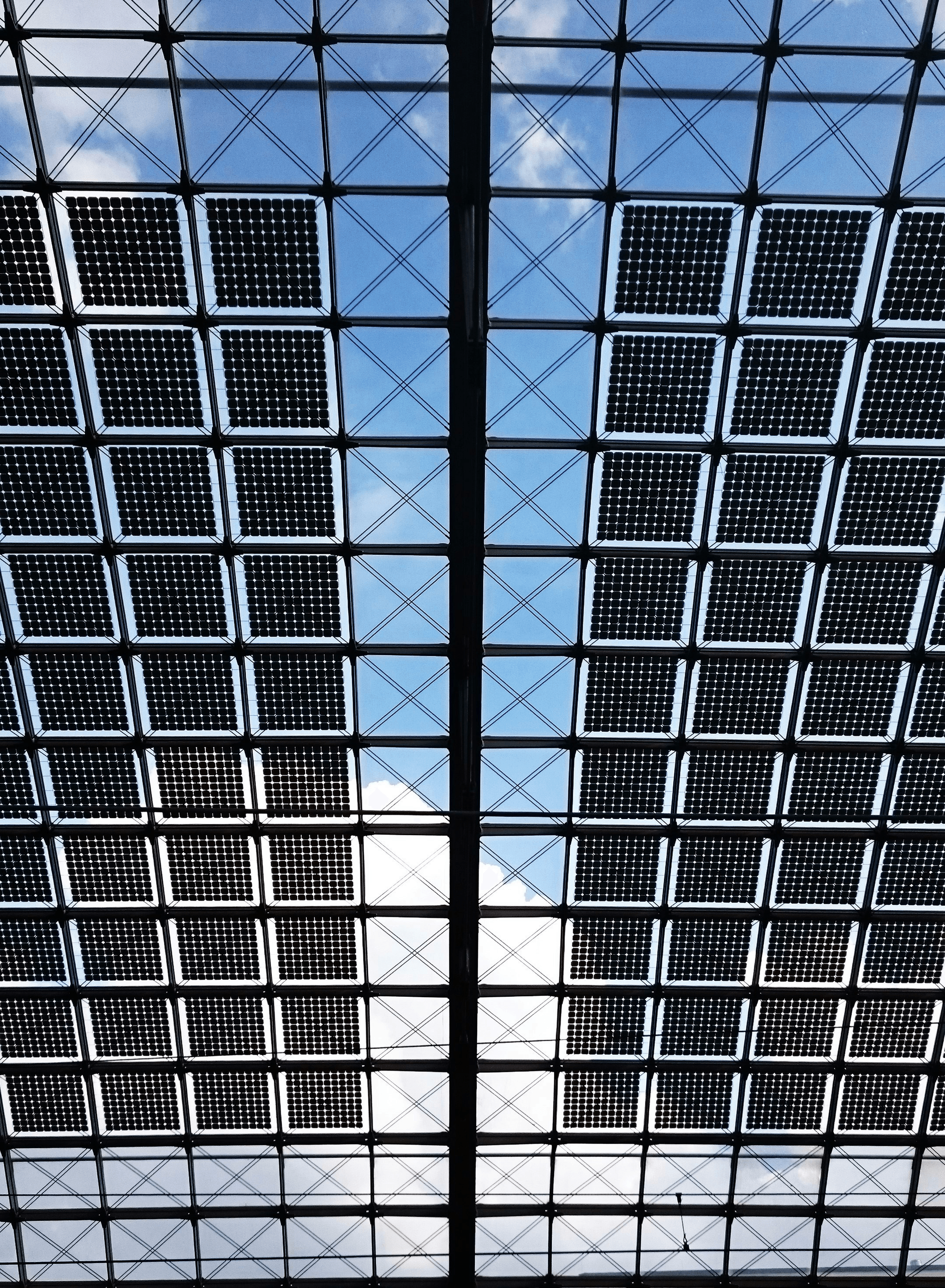
In conclusion, regular solar system inspections are crucial for maintaining the efficiency and longevity of your solar panels. By investing time and resources into the inspection of solar panels, you can identify potential issues before they escalate, ensuring that your system operates at peak performance. Ultimately, these inspections not only safeguard your investment but also contribute to a more sustainable energy future.
Enhancing Efficiency Through Inspections
Regular inspections allow for early detection of wear and tear, dirt accumulation, or other issues that could hinder performance. By addressing these problems promptly, you ensure that your solar panels continue to generate energy efficiently and effectively.
Moreover, an inspection of solar panels provides an opportunity to optimize their positioning and angle if needed. This can lead to increased energy production and improved overall system performance. In essence, investing in regular inspections is a proactive approach that pays off in energy savings over time.
Investing in Quality with China Inspection Pro
Choosing China Inspection Pro means investing in a team with extensive experience and expertise in the field of solar panel inspections. Their commitment to thoroughness ensures you receive comprehensive reports that highlight any issues along with actionable recommendations.
With China Inspection Pro’s reputation for excellence, you can rest assured knowing that you're getting value for your investment. Their skilled inspectors utilize cutting-edge technology to deliver accurate assessments while keeping customer satisfaction at the forefront of their service delivery. This level of quality not only enhances the reliability of your solar systems but also contributes significantly to their long-term sustainability.
Staying Informed About Your Solar System
Staying informed about your solar system is essential for maximizing its performance and longevity after each inspection. Regular updates on maintenance needs or potential upgrades can help you make informed decisions regarding repairs or enhancements needed for optimal function. Knowledge is power; understanding how different factors affect the efficiency of your solar panels empowers you as a homeowner or business owner.
Additionally, being aware of industry trends can help you understand advancements in technology that may benefit your existing systems or inform future investments in renewable energy solutions. Engaging with trusted sources like China Inspection Pro keeps you updated on best practices related to the maintenance and care required for effective operation post-inspection. Ultimately, staying informed will lead to better decision-making regarding your renewable energy investments.