
Introduction
In today's interconnected world, social audits in supply chains have become essential for ensuring ethical practices and compliance with labor standards. Companies are increasingly recognizing the importance of social compliance audits as a way to safeguard their reputation and foster trust among stakeholders. By understanding what is a social compliance audit and its various types, organizations can better navigate the complexities of global supply chains.
Understanding Social Audits in Supply Chains
Social audits serve as a crucial tool for assessing the ethical practices within supply chains, focusing on labor rights, working conditions, and environmental impact. These audits provide insights into how well suppliers adhere to established standards and regulations, ultimately promoting responsible sourcing. With growing consumer awareness around corporate responsibility, understanding social compliance auditing is more important than ever for businesses aiming to maintain their competitive edge.
Importance of Social Compliance Audits
The significance of social compliance audits cannot be overstated; they play a pivotal role in identifying risks associated with non-compliance that could lead to financial losses or reputational damage. Conducting thorough audits ensures that companies align with both legal requirements and ethical expectations set by consumers and advocacy groups alike. Furthermore, implementing a robust social compliance audit checklist can streamline this process, making it easier for organizations to monitor supplier adherence consistently.
Overview of Types of Social Audits
There are various types of social audits that cater to different needs within an organization’s supply chain management strategy. Internal vs. external audits offer distinct perspectives on compliance levels—while internal audits provide insight from within the organization, external audits offer an unbiased evaluation from third-party experts. Additionally, specialized audits focused on industry standards help ensure that companies meet specific regulatory requirements while enhancing overall transparency in their operations.
What is a Social Compliance Audit?

In the realm of supply chains, social compliance audits serve as a critical tool for ensuring that companies adhere to ethical standards and regulations. But what is a social compliance audit exactly? Essentially, it’s an evaluation process designed to assess whether organizations are meeting specific social responsibility criteria, which can include labor rights, environmental practices, and overall corporate ethics. The purpose of these audits is not just to check boxes but to foster genuine improvement in working conditions and promote sustainable business practices.
Definition and Purpose of Social Compliance Audits
Social compliance audits are systematic evaluations conducted to verify that companies comply with established social standards, such as those set by the International Labour Organization (ILO) or various industry-specific guidelines. The primary purpose of these audits is to identify areas where a company may fall short in its commitment to ethical practices, thereby allowing for corrective action before issues escalate into larger problems. By understanding what is social compliance audit, businesses can enhance their reputations while also protecting their workers' rights and welfare.
Key Elements of a Social Compliance Audit
When delving into the key elements of a social compliance audit, it's essential to highlight several core components that define its effectiveness. First and foremost is the **social compliance audit checklist**, which serves as a roadmap guiding auditors through various criteria such as worker treatment, health and safety standards, wages paid, and hours worked. Other crucial elements include interviews with employees for firsthand accounts of workplace conditions and documentation review to ensure transparency in operations—each contributing significantly to the overall integrity of the auditing process.
Importance of Social Compliance Auditing
The importance of social compliance auditing cannot be overstated; it plays an indispensable role in enhancing corporate accountability within supply chains. By conducting these audits regularly, businesses not only mitigate risks associated with non-compliance but also build trust with stakeholders who increasingly prioritize ethical sourcing practices. Furthermore, understanding the types of social audit available—whether internal or external—allows organizations to tailor their approaches effectively while promoting continuous improvement in their operational frameworks.
Types of Social Audits Explained

When diving into the world of social audits, it's essential to understand the different types available. Each type serves a unique purpose and offers distinct insights into social compliance auditing practices. By grasping these variations, organizations can better tailor their approaches to meet compliance needs.
Internal vs. External Audits
Internal audits are conducted by an organization’s own team, focusing on its operations and supplier relationships. This type of social compliance audit allows companies to identify areas for improvement without external pressure, fostering a culture of continuous enhancement. On the flip side, external audits bring in third-party evaluators who provide an unbiased assessment of social compliance practices—essential for building trust with stakeholders.
Both internal and external audits play critical roles in ensuring adherence to standards outlined in the social compliance audit checklist. While internal audits may offer a more comprehensive view due to familiarity with processes, external audits lend credibility and often highlight issues that might be overlooked internally. Ultimately, a balanced approach incorporating both types can bolster overall supply chain transparency.
Systematic Social Compliance Audits
Systematic social compliance audits are structured evaluations designed to assess adherence to established guidelines consistently over time. These audits typically follow a defined framework that includes pre-audit preparation, data collection, analysis, and reporting phases—ensuring thoroughness at every step. By employing systematic methods, organizations can effectively track improvements or regressions in their social compliance auditing efforts.
The beauty of systematic audits lies in their ability to generate actionable insights from trends identified during multiple assessments. With each iteration, companies refine their processes based on findings from previous social compliance audits while aligning themselves more closely with industry standards and stakeholder expectations. This cyclical nature not only enhances accountability but also promotes long-term sustainability within the supply chain.
Specialized Audits for Industry Standards
Specialized audits focus on specific industry standards or regulations relevant to particular sectors—think labor laws for textiles or environmental regulations for manufacturing firms. These tailored assessments dive deeper into niche requirements that general social compliance auditing might overlook, ensuring that organizations meet both legal obligations and ethical commitments unique to their industries. For instance, a company in the electronics sector may undergo specialized audits addressing child labor laws specific to its supply chain dynamics.
Engaging in specialized social compliance audits allows businesses not only to comply with regulations but also to demonstrate leadership within their industries by championing best practices aligned with societal values. The insights gleaned from these focused evaluations often lead companies toward innovative solutions that enhance both operational efficiency and corporate responsibility. Ultimately, such diligence strengthens brand reputation while fostering loyalty among consumers increasingly concerned about ethical sourcing practices.
The Social Compliance Audit Checklist
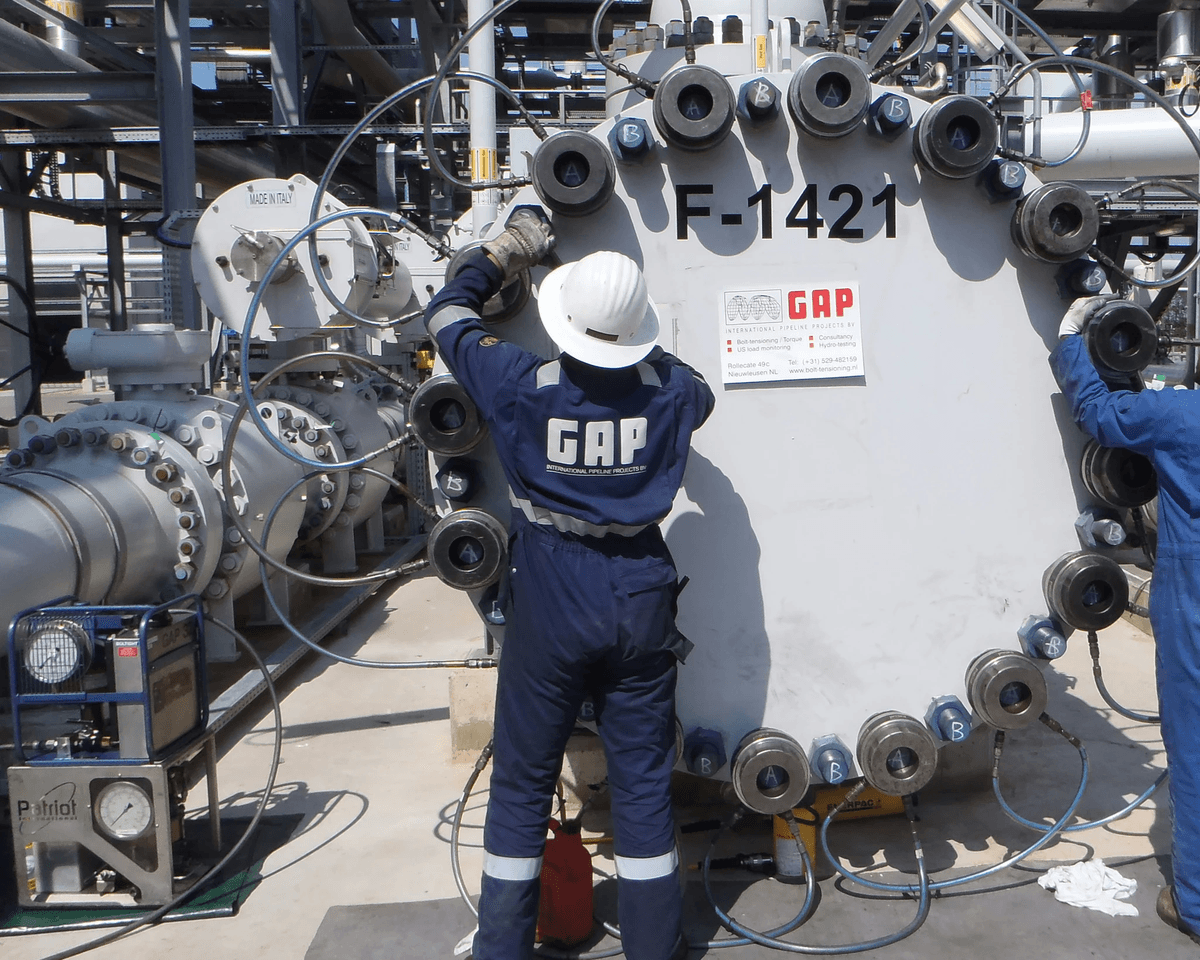
When it comes to ensuring ethical practices in supply chains, a well-structured social compliance audit checklist is indispensable. This checklist serves as a roadmap for organizations to assess their adherence to social compliance audits effectively. By addressing key areas of concern, companies can identify gaps and implement necessary improvements, thus fostering accountability and transparency.
Major Components of a Comprehensive Checklist
A comprehensive social compliance audit checklist should encompass several major components to ensure thorough evaluation. First and foremost, it should include labor standards, such as working hours, wages, and child labor policies. Additionally, health and safety measures must be assessed to guarantee that workers operate in a safe environment free from hazards.
Moreover, the checklist should also address management systems that promote ethical practices within the organization. This includes evaluating training programs on social compliance auditing for employees at all levels and ensuring that there are effective grievance mechanisms in place for workers. Lastly, environmental considerations are vital; the checklist should cover sustainability practices that impact local communities and ecosystems.
How to Use the Checklist Effectively
Using the social compliance audit checklist effectively requires careful planning and execution. Start by customizing the checklist based on your specific industry standards or regulatory requirements; one size does not fit all when it comes to types of social audits! Next, involve various stakeholders in the auditing process—this includes not only internal teams but also external auditors who bring an objective perspective.
Once you’ve gathered your data using the checklist, analyze it critically to pinpoint areas needing improvement or immediate action. Regularly revisiting this document ensures ongoing compliance with evolving regulations and standards while reinforcing your commitment to ethical practices throughout your supply chain.
Common Pitfalls to Avoid
While conducting social compliance audits using the checklist can be highly beneficial, there are common pitfalls that organizations should avoid at all costs. One major mistake is treating the audit as a mere checkbox exercise rather than an opportunity for genuine improvement—remember: it's about enhancing social compliance auditing efforts!
Another pitfall is failing to engage with workers during the audit process; their insights can unveil hidden issues that might otherwise go unnoticed. Lastly, neglecting follow-up actions after identifying non-compliance can lead organizations back into old habits; ensure you have a robust plan in place for addressing any shortcomings discovered during audits.
Real-World Examples of Social Audits

In the realm of social compliance audits, real-world examples provide valuable insights into both successes and challenges faced by companies. These case studies not only highlight effective practices but also underscore the importance of rigorous social compliance auditing in maintaining ethical supply chains. By analyzing these examples, organizations can better understand what is social compliance audit and how to implement effective strategies.
Success Stories from Companies Like Nike
Nike has been at the forefront of social compliance auditing, demonstrating a commitment to ethical practices in its supply chain. Through extensive social compliance audits, the company has successfully identified and rectified labor violations across its factories worldwide. This proactive approach not only enhances their brand image but also fosters trust among consumers who prioritize ethical sourcing.
The implementation of a robust social compliance audit checklist has played a pivotal role in Nike's success story. By ensuring that suppliers adhere to labor standards and environmental regulations, Nike sets a benchmark for corporate responsibility within the industry. As a result, they have seen improved relationships with stakeholders and increased overall transparency in their operations.
Moreover, Nike's dedication to continuous improvement through social compliance auditing serves as an inspiration for other companies looking to enhance their own practices. Their success illustrates that when organizations prioritize ethical standards, they can achieve both financial success and positive societal impact.
Lessons Learned from Non-Compliant Suppliers
While many companies strive for excellence in social compliance audits, there are always cautionary tales from those who fail to meet standards. Non-compliant suppliers often face severe repercussions that extend beyond financial penalties; they risk damaging their reputation and losing business altogether. For instance, some well-known brands have had to sever ties with suppliers caught violating labor laws after thorough audits revealed serious discrepancies.
These lessons emphasize the critical importance of understanding what is a social compliance audit and why it matters. Companies must recognize that neglecting these audits can lead not only to legal troubles but also erode consumer trust over time. Additionally, non-compliance can trigger negative media attention that impacts sales and shareholder confidence significantly.
By examining failures alongside successes, businesses can glean essential insights into how not adhering to social compliance auditing principles can affect their operations long-term. It reinforces the idea that investing in comprehensive types of social audit processes pays dividends far beyond mere regulatory adherence; it cultivates an environment where ethical practices thrive.
The Role of China Inspection Pro in Quality Assurance
China Inspection Pro stands out as a leading player in ensuring quality assurance through meticulous social compliance audits tailored for various industries. With expertise in navigating complex supply chain dynamics within China’s manufacturing sector, they help businesses maintain rigorous standards necessary for global trade success. Their specialized services include conducting thorough inspections based on established criteria outlined within detailed checklists specific to each client’s needs.
By leveraging advanced technology combined with on-the-ground expertise, China Inspection Pro enhances transparency across supply chains while providing actionable insights derived from comprehensive data analysis during their audits process—what is social compliance audit if not a tool for empowerment? In doing so, they assist clients in identifying risks early on before they escalate into larger issues or public relations crises.
Furthermore, partnering with firms like China Inspection Pro allows companies access not just to routine checks but also ongoing support aimed at fostering continual improvement through regular updates on best practices related to types of social audit methodologies employed globally today! This partnership strengthens supplier relationships while promoting adherence towards sustainable development goals within industries worldwide.
How Social Audits Impact Supply Chain Transparency

In today’s increasingly interconnected world, social audits play a pivotal role in enhancing supply chain transparency. By conducting social compliance audits, companies can ensure that their suppliers adhere to ethical standards and labor practices. This not only helps protect the brand's reputation but also builds trust with consumers and stakeholders who are increasingly demanding accountability.
Enhancing Trust with Stakeholders
One of the most significant benefits of social compliance auditing is its ability to enhance trust among stakeholders. When a company actively engages in social compliance audits, it demonstrates a commitment to ethical practices and corporate responsibility. This transparency fosters stronger relationships with customers, investors, and regulatory bodies who want assurance that their partners are compliant with industry standards.
Moreover, by implementing a robust social compliance audit checklist, organizations can systematically evaluate their suppliers' adherence to labor laws and environmental regulations. This proactive approach not only mitigates risks but also reinforces stakeholder confidence in the company’s integrity. As trust grows, so does loyalty—both from consumers who prefer ethically sourced products and from investors looking for sustainable business practices.
Case Studies on Improved Compliance
Several companies have successfully leveraged social audits to improve their supply chain compliance significantly. For instance, Nike faced considerable backlash over labor practices in its factories during the late 1990s; however, by adopting comprehensive social compliance auditing measures, they transformed their operations. Today, Nike is often cited as a success story for how effective social compliance audits can lead to meaningful change within supply chains.
Another case involves a major apparel retailer that utilized systematic social audits to identify non-compliant suppliers quickly. By addressing issues head-on through regular evaluations outlined in their social compliance audit checklist, they were able to improve working conditions dramatically across their supply chain within just a few years. These examples illustrate that when companies commit to rigorous auditing processes, they can achieve significant improvements not only in compliance but also in overall brand perception.
The Future of Transparency in Supply Chains
Looking ahead, the future of transparency in supply chains will likely be heavily influenced by advancements in technology and evolving consumer expectations regarding ethical sourcing practices. As businesses increasingly adopt digital tools for tracking and reporting on social compliance audits, real-time data will become more accessible than ever before. This shift toward greater visibility will empower consumers to make informed decisions about the brands they support based on comprehensive insights into labor conditions and sustainability efforts.
Moreover, as more industries recognize the importance of various types of social audits—ranging from internal assessments to specialized industry standards—the pressure on companies will continue to mount for greater accountability through transparent reporting mechanisms. Social compliance auditing is set to become an integral part of corporate strategy rather than just an optional add-on; this evolution will redefine what it means for businesses to operate responsibly within global supply chains.
Conclusion

In wrapping up our exploration of social compliance audits, it’s clear that these assessments are essential for maintaining ethical practices within supply chains. Understanding what a social compliance audit entails helps stakeholders grasp its significance in promoting fair labor practices and environmental sustainability. Ultimately, the insights gained from social compliance auditing can drive positive change, ensuring that businesses operate responsibly and transparently.
Key Takeaways on Social Compliance Audits
Social compliance audits serve as a vital tool for assessing adherence to ethical standards across various industries. One key takeaway is that these audits not only identify areas of non-compliance but also foster continuous improvement by encouraging businesses to adopt best practices. Furthermore, the types of social audits available—ranging from internal assessments to specialized industry evaluations—allow organizations to tailor their approach based on specific needs and regulatory requirements.
Strategies for Effective Social Compliance Auditing
To enhance the effectiveness of social compliance auditing, organizations should develop a comprehensive social compliance audit checklist that covers all critical aspects of labor rights and environmental responsibilities. Regular training sessions for auditors can also ensure they remain updated on current standards and best practices in the field. Additionally, engaging suppliers in open dialogue about the importance of social compliance can foster a culture of transparency and accountability throughout the supply chain.
Final Thoughts on the Value of Social Audits
The value of social audits extends beyond mere regulatory compliance; they are instrumental in building trust with consumers and stakeholders alike. By prioritizing social compliance audits, companies not only safeguard their reputation but also contribute positively to global sustainability efforts. As we move toward an increasingly interconnected world, embracing robust auditing practices will be crucial for achieving long-term success and ethical integrity within supply chains.