
Introduction
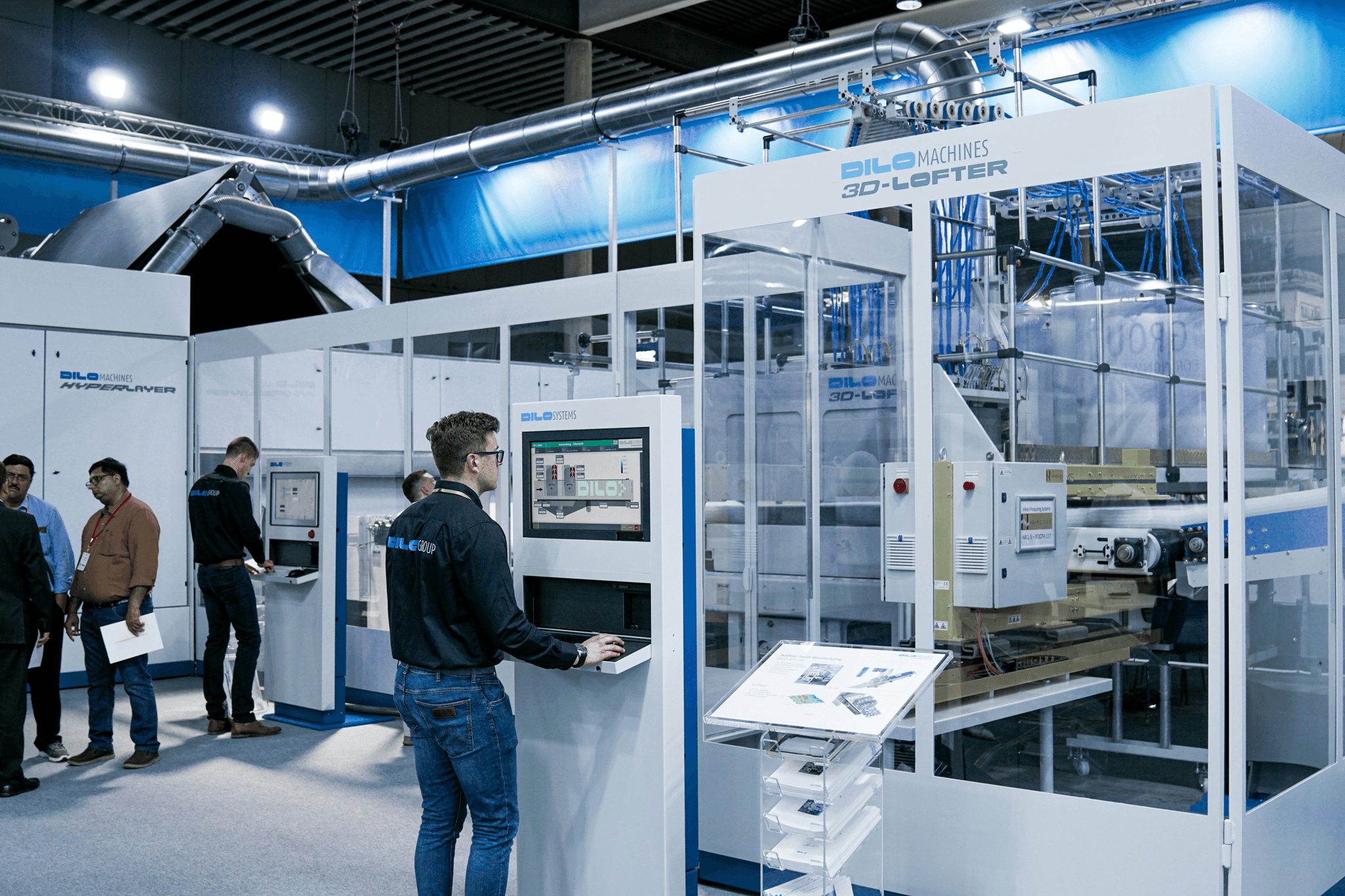
In the fast-paced world of manufacturing, production quality management is essential for ensuring that products meet the highest standards. Quality control and quality assurance processes work hand in hand to define quality and maintain consistency throughout the production cycle. By implementing effective quality processes, manufacturers can not only enhance their reputation but also improve customer satisfaction and loyalty.
Understanding Quality Control in Manufacturing
Quality control is a systematic approach that focuses on maintaining product quality through various monitoring and evaluation techniques. It involves numerous strategies aimed at identifying defects or deviations from established standards during the production process. By understanding these techniques, manufacturers can better manage their production quality management efforts, leading to improved outcomes and reduced waste.
Importance of Quality Assurance Processes
Quality assurance is a proactive measure that ensures products are designed and produced according to specified requirements before they reach consumers. This process plays a crucial role in reinforcing trust between manufacturers and customers by guaranteeing that products meet predefined standards consistently. The significance of robust quality assurance processes cannot be overstated; they serve as the backbone of any successful production quality management system.
Key Elements of Production Quality Management
Effective production quality management hinges on several key elements, including well-defined product specifications, rigorous testing protocols, and continuous improvement initiatives. Additionally, utilizing product quality KPIs allows organizations to track performance metrics effectively, ensuring that they remain aligned with their goals for excellence. By integrating these components into their operations, manufacturers can foster a culture of quality that permeates every aspect of their business.
Defining Quality in Manufacturing

In the realm of manufacturing, quality is more than just a buzzword—it's the lifeblood of production quality management. To define quality effectively, one must consider not only the end product but also the processes and standards that govern its creation. Quality encompasses durability, reliability, and performance, ensuring that products meet or exceed customer expectations while adhering to regulatory requirements.
What Does Quality Mean in Production
Defining quality in production involves understanding how various factors contribute to a final product's excellence. It’s about delivering consistent results that align with established benchmarks and customer needs. In essence, production quality management focuses on minimizing defects through robust quality control measures while fostering a culture of continuous improvement.
Importance of Defining Quality Standards
Establishing clear quality standards is crucial for any manufacturing operation aiming for success. These standards serve as a roadmap for both quality assurance and control processes, guiding teams in maintaining consistency across all stages of production. Without well-defined parameters, organizations risk producing subpar goods that can lead to customer dissatisfaction and financial loss.
Different Perspectives on Quality
Quality can be viewed from multiple angles—customer satisfaction, compliance with industry regulations, or even internal efficiency metrics like product quality KPIs. Each perspective offers valuable insights into how well an organization meets its objectives and fulfills stakeholder expectations. Embracing these diverse views allows manufacturers to refine their approaches to qms quality and enhance overall operational effectiveness.
Quality Control Processes Explained
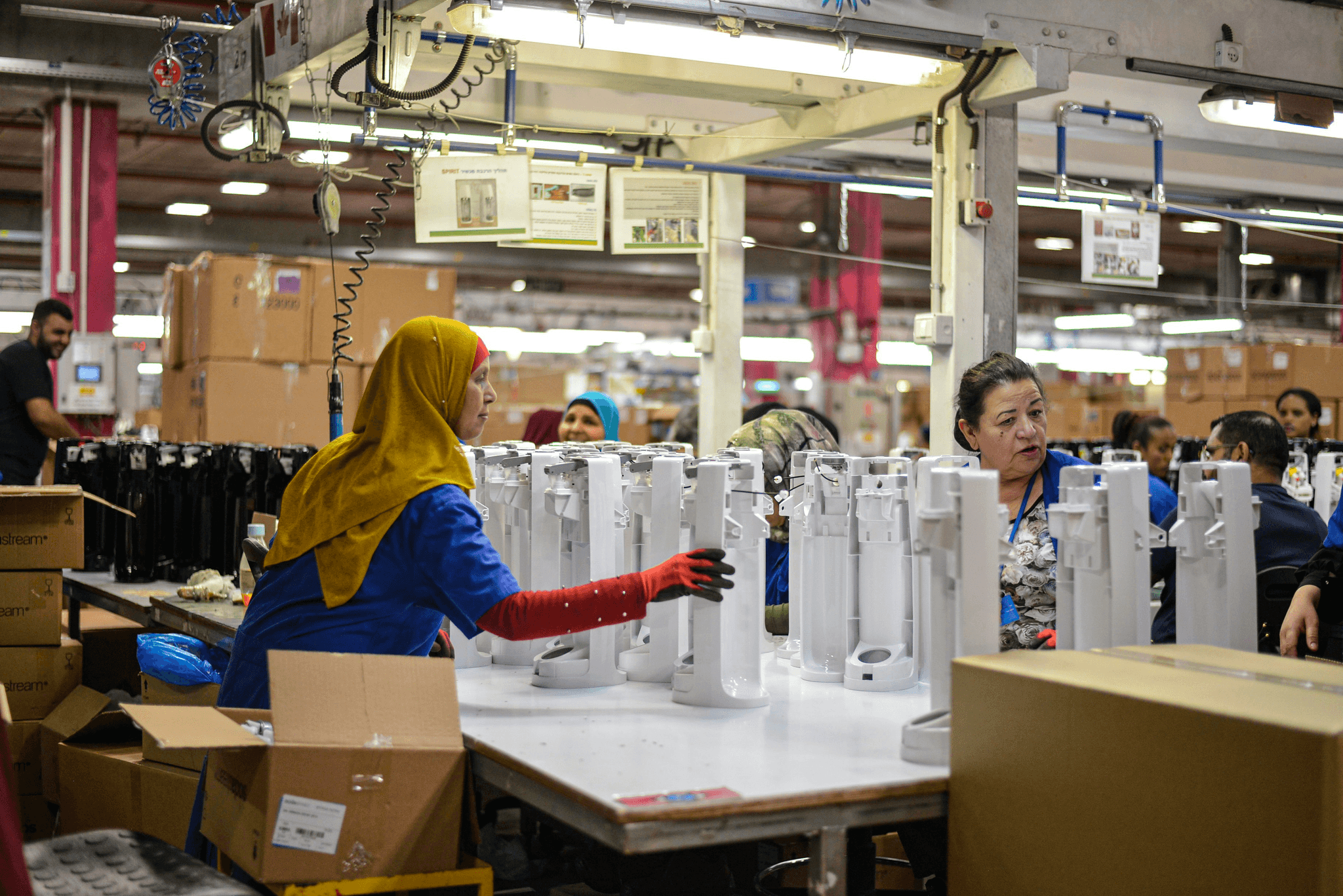
Quality control is at the heart of production quality management, serving as a systematic approach to ensuring that products meet specified standards and customer expectations. By implementing robust quality control processes, manufacturers can detect defects early, minimize waste, and enhance overall efficiency. Understanding these processes is crucial for any organization aiming to maintain high product quality while staying competitive in the market.
Overview of Quality Control Techniques
Quality control techniques encompass a variety of methods designed to monitor and maintain product quality throughout the manufacturing process. Common techniques include statistical process control (SPC), inspection, testing, and process capability analysis. Each technique plays a role in defining quality by identifying variations from desired specifications and enabling timely interventions to correct issues.
In production quality management, these techniques are often integrated into a comprehensive Quality Management System (QMS) that outlines procedures for maintaining standards. For instance, SPC uses statistical methods to analyze production data continuously, helping manufacturers make informed decisions based on real-time information. The goal is always the same: ensure that every product meets defined quality standards before it reaches the customer.
Role of Quality Control in Manufacturing
The role of quality control in manufacturing cannot be overstated; it acts as both a preventive measure and a corrective action mechanism within the production cycle. Effective quality control processes help organizations identify potential flaws early on, allowing them to rectify issues before they escalate into costly problems or recalls. This proactive approach not only protects the brand's reputation but also contributes significantly to operational efficiency.
Moreover, integrating product quality KPIs into these processes enables manufacturers to track performance metrics effectively and measure success over time. By focusing on specific indicators such as defect rates or customer complaints, companies can pinpoint areas for improvement within their operations. Ultimately, this data-driven approach enhances decision-making capabilities and fosters continuous improvement in manufacturing practices.
Case Study: Toyota's Quality Control Practices
Toyota stands as an industry leader when it comes to implementing effective quality control practices within its manufacturing framework; their renowned Toyota Production System (TPS) exemplifies this commitment to excellence in production quality management. Central to TPS is the principle of jidoka, which empowers workers to stop the assembly line if they detect any abnormalities—ensuring immediate attention is given to potential defects instead of allowing them to propagate through the system.
Additionally, Toyota employs rigorous training programs focused on both skill development and instilling a culture of continuous improvement among employees—a practice that reinforces their commitment to defining quality at every level of production. Their use of real-time data collection systems allows for ongoing adjustments based on actual performance metrics rather than relying solely on historical data or assumptions about what may work best.
Through these practices, Toyota has not only achieved remarkable levels of efficiency but has also set benchmarks for others in the industry regarding how effective QMS elements can drive superior product outcomes while minimizing waste—an essential aspect of modern manufacturing.
Quality Assurance vs Quality Control

In the realm of production quality management, it’s crucial to understand the distinction between quality assurance (QA) and quality control (QC). While both are essential for ensuring product quality, they serve different purposes within the manufacturing process. QA focuses on preventing defects through proactive measures, while QC emphasizes identifying defects in finished products.
Differentiating Between QA and QC
Quality assurance is a systematic approach that aims to ensure that production processes are designed effectively to meet defined quality standards. This means that QA is more about the processes and procedures put in place before a product is made, creating an environment where high-quality outputs can flourish. On the other hand, quality control deals with inspecting and testing finished products to ensure they meet specific criteria, making it reactive rather than proactive.
Understanding these differences helps organizations streamline their efforts in production quality management. When companies clearly define quality standards within their QA framework, they can reduce variability in production processes and enhance overall efficiency. Ultimately, distinguishing between QA and QC allows manufacturers to allocate resources effectively and improve product outcomes.
How Quality Assurance Supports Quality Control
Quality assurance plays a vital role in supporting effective quality control by establishing guidelines that shape how products are developed and tested. By implementing robust QA practices, manufacturers create a foundation for consistent product performance, which directly influences QC outcomes. When teams adhere to well-defined processes during production, there’s less room for error when it comes time for inspection.
Moreover, a strong QA framework provides valuable data that feeds into quality control metrics such as product quality KPIs. This data-driven approach enables organizations to pinpoint areas of improvement within their manufacturing processes while ensuring compliance with industry standards. Ultimately, when QA supports QC seamlessly, manufacturers can achieve higher levels of reliability and customer satisfaction.
Implementing a Quality Assurance Framework
To implement an effective quality assurance framework within any organization involves several critical steps focused on enhancing QMS quality throughout the production lifecycle. First and foremost, companies need to define clear objectives aligned with their overall business goals while considering customer expectations regarding product performance and safety standards. This helps establish benchmarks against which success can be measured.
Next comes integrating various quality processes into daily operations so that every team member understands their role in maintaining product integrity from start to finish. Training employees on these procedures ensures everyone is equipped with the knowledge necessary for upholding high-quality standards consistently across all departments involved in manufacturing activities. Finally, leveraging technology—such as automated monitoring systems—can provide real-time insights into compliance with established protocols while streamlining data collection related to key performance indicators.
Key Performance Indicators for Product Quality

In the realm of production quality management, understanding and utilizing Key Performance Indicators (KPIs) is crucial for assessing product quality. KPIs serve as measurable values that demonstrate how effectively a company is achieving key business objectives related to quality control and quality assurance. By establishing clear product quality KPIs, organizations can define quality in a concrete manner, ensuring alignment with their overall production goals.
What are Product Quality KPIs
Product quality KPIs are quantifiable metrics that help businesses evaluate the effectiveness of their manufacturing processes and overall product performance. These indicators can include defect rates, customer satisfaction scores, and compliance with industry standards, all of which play a vital role in defining quality within an organization. By focusing on these metrics, companies can streamline their quality processes and enhance their QMS quality framework.
Utilizing KPIs to Measure Success
Utilizing product quality KPIs effectively allows manufacturers to gauge success across various stages of production. Regularly monitoring these indicators helps identify trends or issues early on, enabling proactive adjustments to improve overall product quality. Moreover, aligning KPI results with business objectives fosters a culture of continuous improvement within the organization and reinforces the importance of both quality control and assurance processes.
Effective Tools for Tracking Quality Metrics
To track product quality KPIs efficiently, businesses can leverage various tools designed for data collection and analysis in production environments. Software solutions such as Quality Management Systems (QMS) provide real-time insights into performance metrics while facilitating collaboration among teams involved in maintaining high-quality standards. Additionally, integrating analytics tools into existing operations enables manufacturers to visualize trends over time, enhancing decision-making capabilities related to production quality management.
Best Practices for Quality Management Systems

In the realm of production quality management, establishing a robust Quality Management System (QMS) is paramount. A well-structured QMS not only defines quality but also ensures consistency in products and services. The essential elements of QMS quality revolve around clear documentation, effective communication, and continuous improvement practices that drive the entire organization towards excellence.
Essential Elements of QMS Quality
To define quality within a manufacturing setting, organizations must focus on several core components. First, comprehensive documentation is crucial; it outlines processes, responsibilities, and standards that guide every aspect of production quality management. Additionally, fostering a culture of accountability ensures that all team members understand their role in maintaining high-quality standards and are empowered to take action when issues arise.
Another vital element involves regular training and development programs aimed at enhancing skills related to quality control and assurance. By equipping employees with the necessary tools and knowledge, companies can minimize errors and improve overall efficiency. Lastly, integrating customer feedback into the QMS allows organizations to refine their processes continually while aligning with market expectations regarding product quality KPIs.
Integrating Quality Processes into Operations
Integrating effective quality processes into daily operations is essential for achieving long-term success in manufacturing environments. This integration begins with aligning organizational goals with established quality standards—ensuring everyone understands how their work contributes to overall product quality management objectives. When teams collaborate across departments, they can identify potential bottlenecks or issues early on, leading to proactive solutions rather than reactive fixes.
Moreover, employing standardized operating procedures (SOPs) helps streamline workflows while minimizing variability in production outcomes. These SOPs should be regularly reviewed and updated based on performance metrics derived from product quality KPIs—creating a dynamic system that evolves alongside market demands. Ultimately, this seamless integration fosters an environment where continuous improvement thrives through shared responsibility for maintaining high-quality outputs.
Leveraging Technology in Quality Management
In today’s digital landscape, leveraging technology can significantly enhance the effectiveness of any QMS focused on production quality management. Advanced software solutions enable real-time monitoring of production processes while collecting valuable data related to both quality control and assurance efforts. This data-driven approach not only aids in identifying trends but also empowers manufacturers to make informed decisions based on empirical evidence rather than guesswork.
Additionally, automation tools can streamline repetitive tasks associated with tracking product quality KPIs—freeing up human resources for more strategic initiatives aimed at improving overall efficiency. Utilizing cloud-based platforms enhances collaboration among teams by providing centralized access to critical documents related to QMS practices anywhere across the globe. By embracing these technological advancements within their operations framework, organizations position themselves as leaders in delivering exceptional products that meet or exceed customer expectations.
Conclusion
In the ever-evolving landscape of manufacturing, enhancing production quality management techniques is not just beneficial; it’s essential. As industries strive for excellence, the integration of robust quality control and quality assurance processes becomes paramount. By continuously refining these techniques, organizations can define quality in a way that resonates with both their operational goals and customer expectations.
Enhancing Production Quality Management Techniques
To enhance production quality management techniques, companies must first focus on establishing clear definitions of quality tailored to their specific contexts. This involves developing comprehensive QMS quality frameworks that incorporate effective quality processes designed to meet industry standards. Furthermore, regular training and engagement with employees at all levels can foster a culture of continuous improvement, ensuring that everyone understands the significance of maintaining high product quality KPIs.
The Future of Quality Control in Manufacturing
Looking ahead, the future of quality control in manufacturing promises to be increasingly data-driven and technology-enhanced. With advancements in artificial intelligence and machine learning, manufacturers can expect to see more sophisticated tools for monitoring product quality KPIs in real-time. As organizations embrace these innovations, they will not only streamline their operations but also enhance their ability to define quality more accurately and efficiently than ever before.
Collaborating with Experts like China Inspection Pro
Collaborating with experts like China Inspection Pro can significantly bolster an organization's approach to production quality management. These specialists bring invaluable insights into effective quality assurance practices that help businesses navigate complex supply chains while ensuring compliance with international standards. By leveraging such partnerships, manufacturers can optimize their QMS quality frameworks and strengthen their overall commitment to delivering exceptional products.