
Introduction
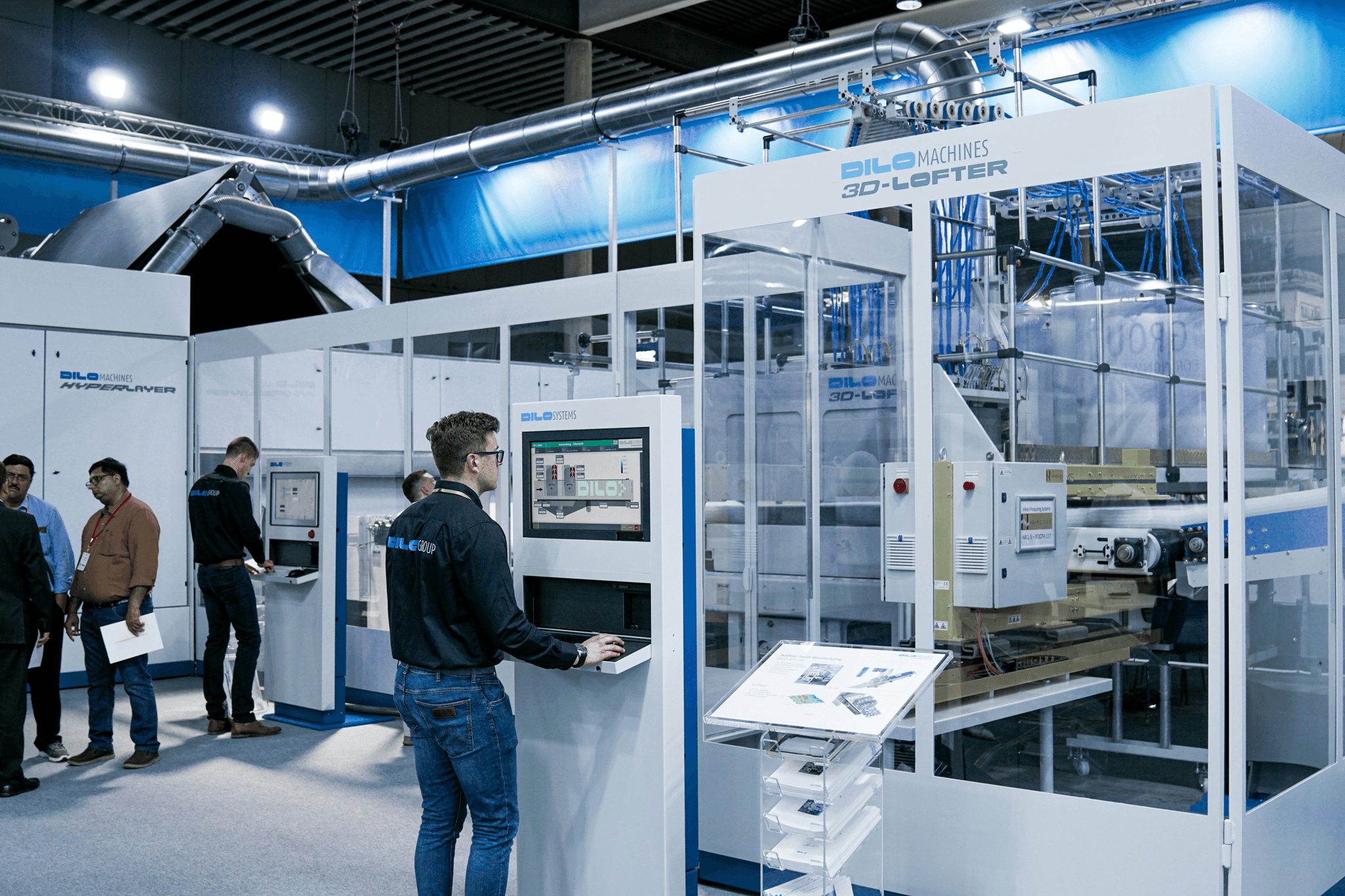
In the fast-paced world of manufacturing, ensuring that products meet quality standards from the very beginning is crucial. This is where the importance of an initial production check comes into play, serving as a vital first step in the quality assurance process. By identifying potential issues early on, businesses can prevent costly mistakes and maintain high-quality outputs.
Understanding Initial Production Inspection Importance
An initial production inspection is not merely a formality; it's an essential component of effective quality control. This process allows companies to assess the quality of materials and workmanship before mass production begins, reducing the risk of defects down the line. By prioritizing these inspections, manufacturers can ensure that they are building a solid foundation for their products.
The Role of Quality Assurance in Manufacturing
Quality assurance plays a pivotal role in manufacturing by establishing standards and processes that guarantee product reliability and performance. It encompasses various practices, including regular quality inspections and adherence to industry guidelines, which help maintain consistency throughout production cycles. Through rigorous quality testing services, manufacturers can cultivate trust with consumers while minimizing returns and complaints.
Why Initial Production Checks Save Money
Investing time and resources into initial production checks ultimately saves money by preventing expensive rework or recalls later on. When defects are caught early during the quality inspection phase, companies can address issues before they escalate into larger problems that could affect profitability. Additionally, implementing robust inspection services fosters a culture of continuous improvement within organizations, leading to enhanced efficiency and reduced costs over time.
The Basics of Initial Production Checks

Understanding the fundamentals of initial production checks is crucial for any manufacturing operation aiming for excellence. These inspections serve as the first line of defense in quality assurance, ensuring that products meet specified standards before mass production begins. By integrating these checks into your quality control process, you can significantly reduce costs associated with defects and rework.
What is an Initial Production Inspection?
An initial production inspection (IPI) is a systematic evaluation conducted early in the manufacturing process to assess product quality and compliance with specifications. This inspection typically occurs after a certain percentage of the order has been produced but before full-scale production kicks off. The goal is to identify any deviations from quality standards, enabling timely corrective actions that safeguard the integrity of the final product.
How Initial Production Checks Fit into Quality Control
Initial production checks are integral to a comprehensive quality control strategy, acting as a bridge between design specifications and final product delivery. By incorporating these inspections into company quality control protocols, manufacturers can ensure that every batch meets predetermined criteria before it reaches consumers. This proactive approach not only enhances overall product quality but also streamlines subsequent stages in the manufacturing process.
When to Conduct an Initial Production Inspection
Timing is everything when it comes to initial production inspections; they should be conducted once a significant portion of your order has been produced but prior to full-scale manufacturing. Ideally, this means scheduling inspections after about 10-20% of your goods are completed, allowing for adjustments based on findings without halting progress entirely. Regularly integrating these checks into your workflow will lead to smoother operations and improved outcomes over time.
The Advantages of Quality Inspection
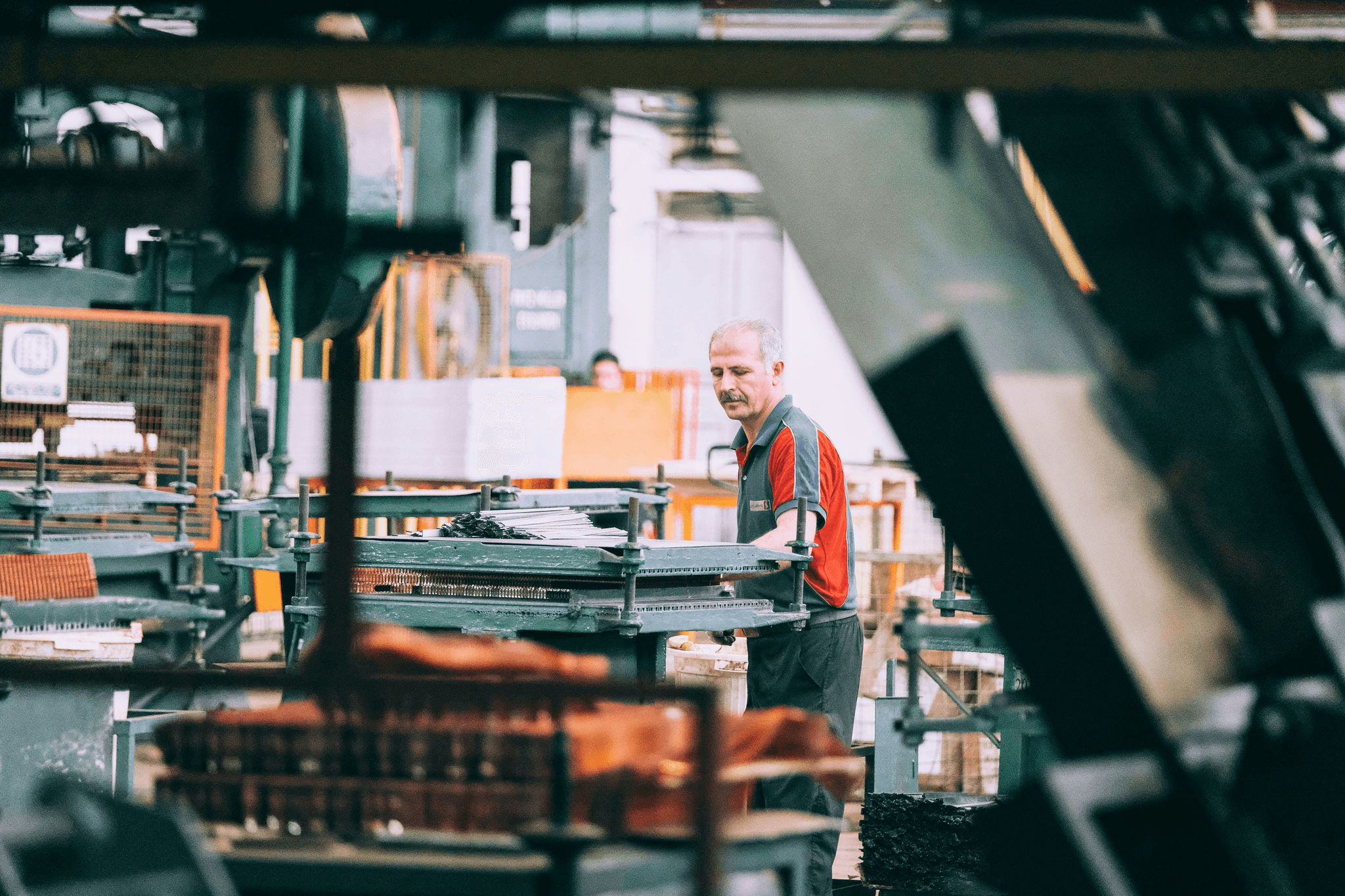
Quality inspection plays a pivotal role in ensuring that products meet the desired standards before they reach consumers. By implementing robust quality assurance measures, companies can significantly reduce the risk of defects and enhance their reputation. A thorough understanding of the advantages of quality inspection can lead to more efficient manufacturing processes and improved customer satisfaction.
Early Detection of Defects
One of the primary benefits of conducting an initial production check is the early detection of defects. Identifying issues at this stage allows manufacturers to address problems before they escalate, saving both time and resources. Quality control inspectors are trained to spot inconsistencies and deviations from specifications, enabling companies to rectify mistakes while they are still manageable.
Moreover, early detection helps in minimizing waste associated with defective products that would otherwise need rework or disposal. This proactive approach not only saves money but also streamlines production timelines, contributing to overall efficiency in manufacturing operations. By integrating quality testing services into their processes, companies can foster a culture of continuous improvement that prioritizes defect prevention.
Enhancing Overall Product Quality
Quality inspection directly contributes to enhancing overall product quality by ensuring that every item meets established standards before leaving the factory floor. An effective initial production check assesses various aspects such as materials, workmanship, and functionality, providing a comprehensive overview of product integrity. When manufacturers prioritize quality assurance through rigorous inspections, they ultimately deliver superior products that satisfy consumer expectations.
Additionally, high-quality products lead to fewer returns and complaints from customers, which can be detrimental to a company's reputation and bottom line. Investing in reliable inspection services translates into long-term gains as satisfied customers become repeat buyers who advocate for your brand. In today’s competitive market landscape, maintaining high-quality standards is essential for differentiation and success.
Building Customer Trust through Quality Assurance
Building customer trust is crucial for any business aiming for long-term success; quality inspection plays a vital role in this process. When consumers know that a company conducts thorough initial production checks and adheres to strict quality control measures, they feel more confident purchasing its products. This trust fosters loyalty among customers who appreciate transparency regarding product quality.
Furthermore, consistent delivery of high-quality items reinforces brand credibility and encourages positive word-of-mouth advertising—one of the most powerful marketing tools available today. Companies that invest in comprehensive quality testing services not only enhance their product offerings but also cultivate lasting relationships with their clientele based on trustworthiness and reliability. Ultimately, robust quality assurance practices create an environment where both businesses and consumers thrive.
How Quality Testing Services Work
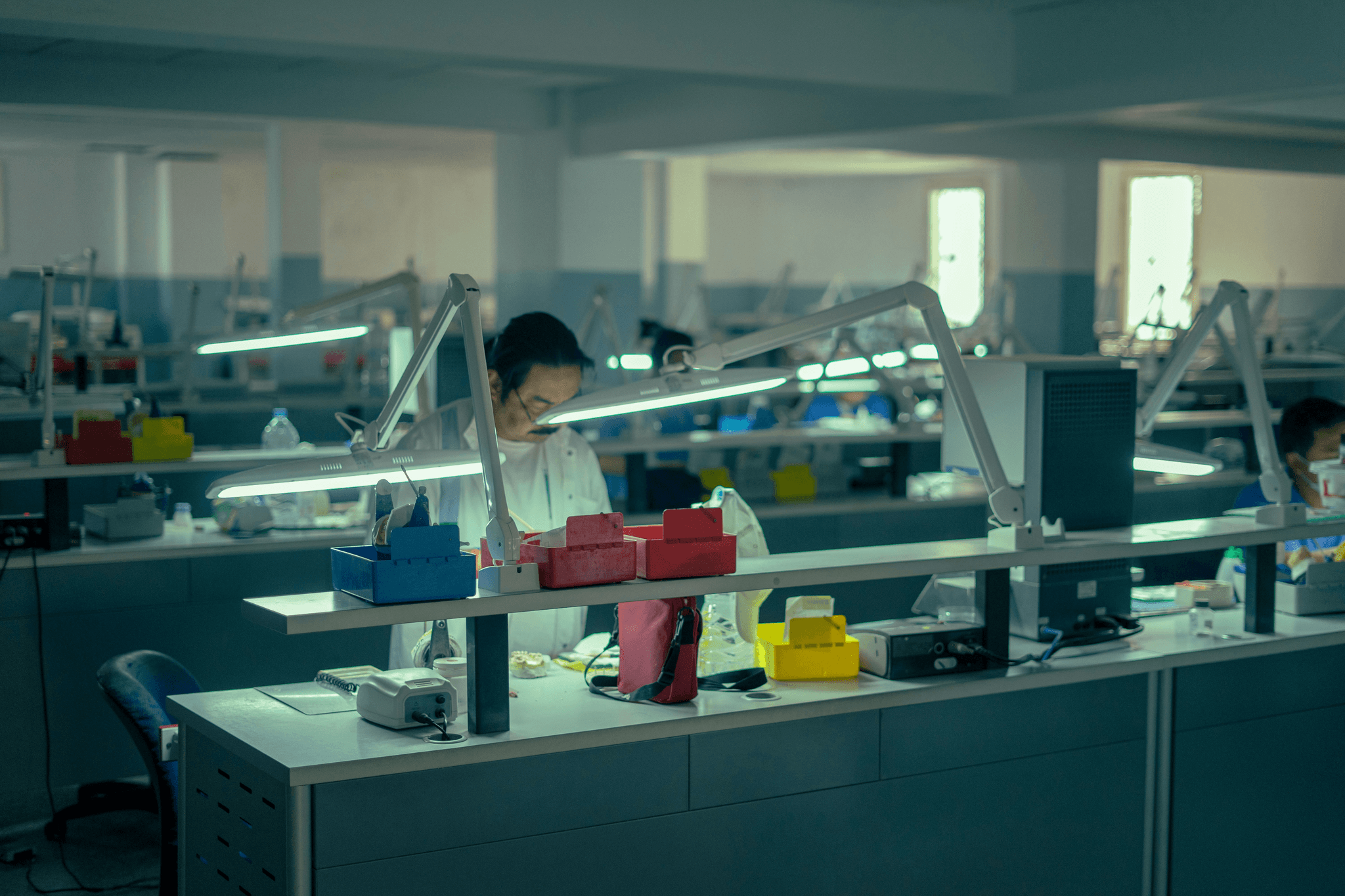
Quality testing services are the backbone of effective manufacturing, ensuring that products meet the desired standards before they hit the market. These services encompass a variety of procedures designed to identify defects and ensure compliance with industry regulations. By integrating an initial production check into the quality assurance framework, companies can significantly enhance their overall quality control efforts.
Overview of Quality Testing Procedures
Quality testing procedures begin with a thorough assessment of materials and components used in production. This includes an initial production check, where samples are inspected for conformity to specifications. Following this, various tests—such as functionality tests, durability assessments, and safety evaluations—are conducted to guarantee that each product not only meets but exceeds quality standards.
These testing procedures also involve meticulous documentation to track findings and trends over time. This data is invaluable for refining processes and improving product quality in subsequent production runs. By adopting a systematic approach to quality inspection, companies can preemptively address potential issues before they escalate into costly problems.
Key Elements of Effective Quality Testing
Effective quality testing hinges on several key elements that ensure comprehensive evaluation and reliability of results. First and foremost is the establishment of clear criteria for what constitutes acceptable quality; this serves as a benchmark against which all products are measured during inspections. Additionally, employing advanced testing methodologies enhances accuracy, making it easier to detect even minor deviations from expected standards.
Another critical element is the training and expertise of quality control inspectors who carry out these tests. Their knowledge enables them to identify subtle flaws that might be overlooked by less experienced personnel. Finally, timely communication between inspection teams and production staff ensures immediate corrective actions can be taken when issues arise during initial production checks.
The Role of Quality Control Inspectors
Quality control inspectors play an integral role in maintaining high standards within manufacturing processes through their diligent oversight during inspections. Their responsibilities include conducting thorough evaluations during initial production checks as well as ongoing assessments throughout the manufacturing cycle. With a keen eye for detail, these inspectors help safeguard company reputation by ensuring products meet regulatory requirements and customer expectations.
Moreover, effective communication skills are essential for inspectors as they need to relay findings clearly to both management and production teams alike. This collaborative approach fosters an environment where continuous improvement is prioritized within company quality control practices. Ultimately, skilled quality control inspectors not only contribute to superior product outcomes but also instill confidence among consumers regarding brand reliability.
Choosing the Right Inspection Services
Selecting the right inspection services is crucial for ensuring that your products meet quality standards and customer expectations. With a plethora of companies offering quality testing services, it can be overwhelming to identify which one aligns best with your needs. A thoughtful evaluation process can make all the difference in achieving effective quality control and a successful initial production check.
Evaluating Inspection Companies
When evaluating inspection companies, consider their track record in quality assurance and the specific services they offer. Look for reviews or case studies that highlight their success in conducting initial production checks and overall quality inspections. Additionally, assess their experience with your industry; familiarity with sector-specific challenges can enhance their effectiveness as a quality control inspector.
It's also essential to inquire about their methodologies for conducting inspections and how they adapt to various manufacturing processes. An ideal company will utilize state-of-the-art technology and skilled personnel trained in quality testing services, ensuring a thorough assessment of your products. Ultimately, choosing an inspection service that prioritizes transparency and communication will foster a collaborative relationship focused on achieving high-quality outcomes.
Understanding Industry Standards
Understanding industry standards is paramount when selecting inspection services for your initial production check. Different sectors have unique regulations and benchmarks that dictate acceptable levels of product quality, safety, and performance. Familiarizing yourself with these standards not only aids in choosing the right inspection company but also ensures compliance throughout the manufacturing process.
Quality assurance frameworks like ISO certifications provide guidelines that can help you gauge whether an inspection service meets necessary criteria. By partnering with firms experienced in upholding these standards, you bolster your company's reputation while minimizing risks associated with product failures or recalls. Remember that adhering to industry standards during initial production checks is not just about compliance; it’s about elevating your brand's credibility.
The Benefits of Partnering with China Inspection Pro
Partnering with China Inspection Pro offers numerous advantages when implementing an effective quality control strategy for your products. Their expertise in conducting thorough initial production checks ensures potential defects are identified early on, saving you time and money down the line. With a robust team of qualified quality control inspectors familiar with local regulations and international standards, you gain peace of mind knowing your products are being meticulously evaluated.
China Inspection Pro also provides tailored solutions based on specific client needs—whether it's pre-production inspections or monitoring during mass production phases—ensuring comprehensive coverage throughout the manufacturing lifecycle. Their commitment to transparency means you'll receive real-time updates on inspection results, allowing for quick decision-making regarding any necessary adjustments or improvements before final delivery. Ultimately, collaborating with such dedicated professionals enhances not only product integrity but also customer trust through reliable quality assurance practices.
Case Studies: Successes in Initial Production Inspections

In today's competitive manufacturing landscape, initial production inspections have proven to be a game-changer for many companies. By implementing effective quality control measures, organizations have not only enhanced their product quality but also significantly improved their operational efficiency. Let's explore some remarkable case studies that highlight the power of initial production checks and the indispensable role of quality assurance.
Examples of Effective Quality Control
One standout case involved a prominent electronics manufacturer that faced frequent product returns due to defects. By instituting rigorous initial production checks, they were able to catch flaws early in the manufacturing process, resulting in a 40% reduction in defective units reaching customers. This proactive approach to quality inspection not only saved costs associated with returns but also bolstered their reputation as a reliable brand.
Another example comes from a textile company that struggled with inconsistent fabric quality, leading to customer dissatisfaction. After integrating comprehensive quality testing services into their workflow, they established strict standards for material sourcing and processing. The result? A remarkable increase in customer satisfaction scores and repeat business as clients recognized their commitment to high-quality products.
Impact on Manufacturing Efficiency
The implementation of initial production inspections has had profound effects on manufacturing efficiency across various industries. For instance, an automotive parts supplier adopted systematic quality control measures that included regular inspections throughout the production line. This not only minimized waste but also streamlined operations by ensuring that any issues were addressed before they snowballed into larger problems.
In another scenario, a furniture manufacturer utilized inspection services at the start of their production runs and witnessed an impressive decrease in assembly time due to fewer defects needing correction later on. With fewer delays caused by rework and corrections, they enhanced overall productivity while maintaining high standards of craftsmanship—an essential factor for success in today’s market.
Lessons Learned from Quality Inspection Failures
While many companies have enjoyed success through effective initial production checks, others have faced setbacks due to inadequate quality control practices. One notable failure occurred when a consumer goods company neglected thorough inspections during its product launch phase; this oversight led to widespread recalls and damaged consumer trust—a costly lesson learned too late.
Additionally, another organization failed to adapt its inspection services as it scaled up operations; this resulted in inconsistent product quality across different batches. The takeaway here is clear: without continuous improvement and adaptation within your company’s quality control processes, you risk jeopardizing both your reputation and bottom line.
Companies must recognize that investing in robust initial production inspections is not merely an option but rather a necessity for long-term success in manufacturing today’s demanding marketplace.
Conclusion
In the ever-evolving landscape of manufacturing, the importance of quality control cannot be overstated. A robust quality assurance framework not only enhances product reliability but also fosters a culture of continuous improvement within organizations. By investing in initial production checks, companies can pave the way for long-term success and sustainability.
The Long-term Benefits of Quality Control
Quality control is not just a checkbox on a production list; it’s an essential strategy that leads to lasting benefits. Companies that prioritize quality assurance often see reduced waste and lower rework costs, which translates directly into improved operational efficiency. Furthermore, consistent quality inspection builds brand loyalty as customers come to trust products that meet their expectations every time.
How Initial Production Inspections Improve Profitability
Initial production inspections serve as a financial safety net for businesses by identifying issues before they escalate into costly problems. By catching defects early, companies can minimize returns and enhance customer satisfaction, leading to repeat business and better profit margins. Moreover, when businesses partner with reliable inspection services, they streamline their operations and reduce the likelihood of expensive recalls or damage to their reputation.
Future Trends in Quality Assurance and Inspection Services
As technology advances, so too does the realm of quality assurance and inspection services. The integration of AI and machine learning into quality testing services is set to revolutionize how inspections are conducted, making them faster and more accurate than ever before. Additionally, with increasing consumer awareness around product integrity, companies will need to adapt their quality control strategies to meet evolving standards and expectations.