
Introduction
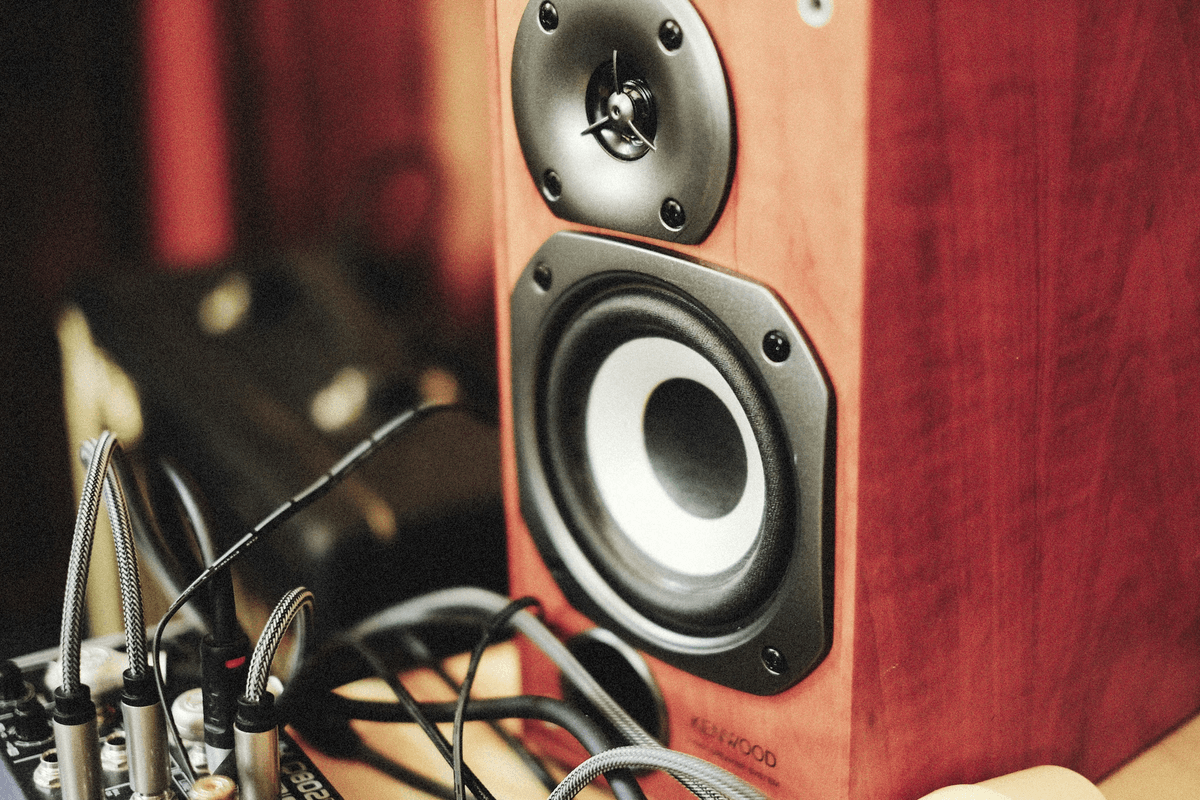
In the world of audio, the quality of speakers can make or break your listening experience. This is where Speaker Inspection comes into play, as it ensures that every component meets rigorous standards before reaching the consumer. Understanding how to test speaker sound quality is crucial for both manufacturers and audiophiles alike, ensuring that only top-notch products are delivered.
Importance of Speaker Inspection
Speaker Inspection is vital because it guarantees that each speaker performs to its advertised specifications. Without a thorough inspection process, consumers risk investing in subpar products that may not deliver the sound quality they expect. Moreover, as audio technology evolves, maintaining high standards through rigorous testing becomes even more essential for brand reputation and customer satisfaction.
Key Quality Control Standards
To ensure excellent sound reproduction, several key quality control standards must be adhered to during production. These include aspects such as frequency response, distortion levels, and build quality—factors that contribute significantly to what makes a speaker good quality. By implementing these standards consistently across all products, manufacturers can minimize defects and enhance overall performance.
Overview of Testing Methods
When it comes to evaluating speakers, various testing methods can be employed to assess their sound capabilities effectively. One popular technique involves using a Stereo speaker test to evaluate clarity and balance across different frequencies. Additionally, understanding how to test a speaker with a multimeter allows technicians to measure electrical properties like impedance and resistance—essential for diagnosing any potential issues in the system.
Understanding Speaker Quality
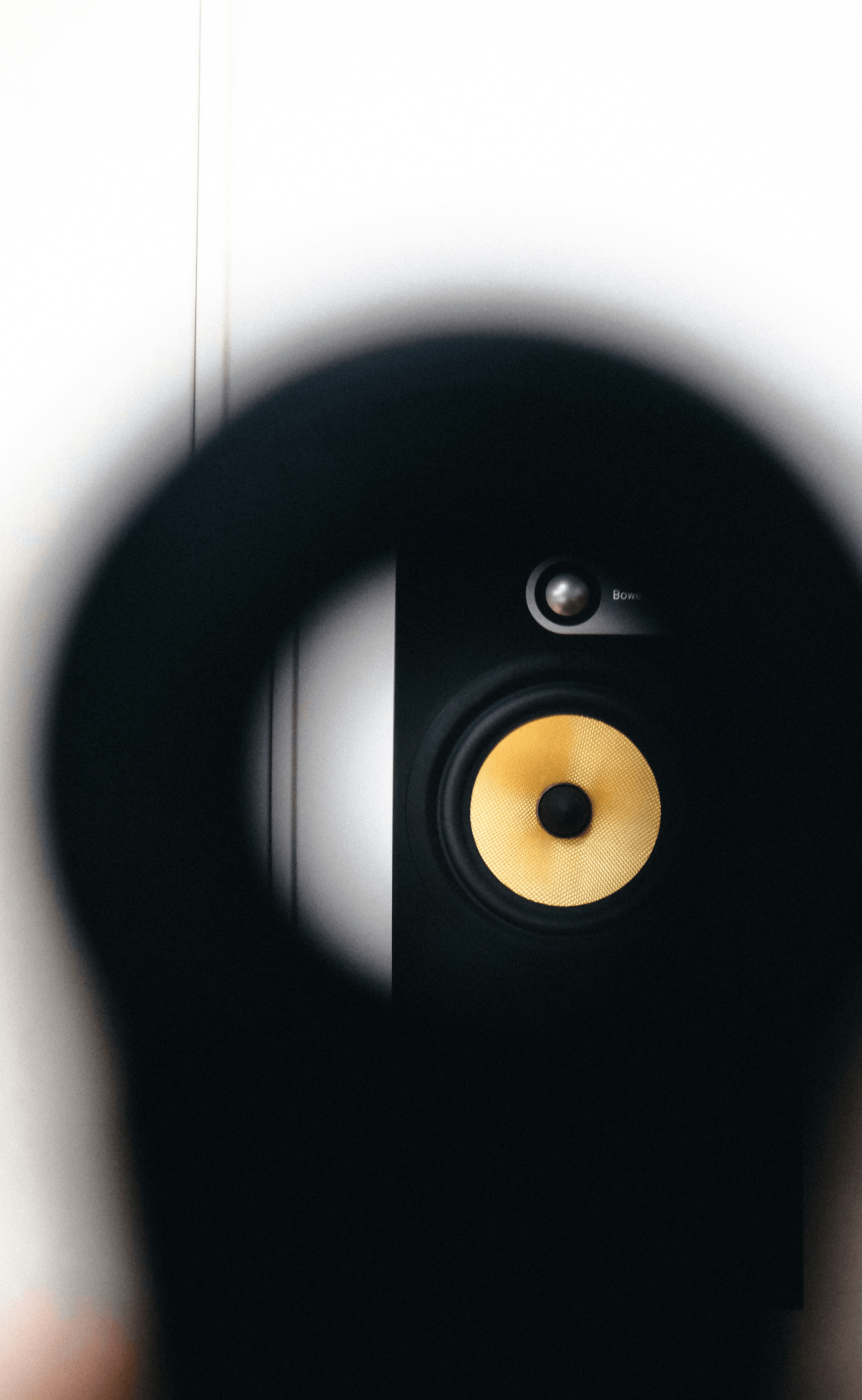
When diving into the world of audio, understanding speaker quality is crucial for both audiophiles and casual listeners alike. A good quality speaker not only enhances your listening experience but also ensures durability and reliability over time. So, what makes a speaker good quality? Let's break it down.
What Makes a Speaker Good Quality
A good quality speaker typically boasts clarity, balance, and depth in sound reproduction. This means that whether you're jamming to your favorite tunes or tuning into a podcast, every note should be crisp without distortion. Additionally, factors such as build materials, design engineering, and brand reputation play a significant role in defining speaker quality.
To truly assess this quality, you might consider methods like the stereo speaker test to evaluate sound performance across various frequencies. Remember that high-quality speakers often come equipped with advanced technology that enhances their overall performance. In essence, understanding what makes a speaker good quality involves both technical specifications and real-world listening experiences.
Essential Features of High-Quality Speakers
High-quality speakers come with several essential features that set them apart from the rest. First up is frequency response; an expansive range allows for better sound reproduction across basses to treble tones. Next is sensitivity; this indicates how efficiently a speaker converts power into volume—higher sensitivity means louder output without requiring excessive power.
Another important feature is impedance; knowing how to test a speaker with a multimeter can help you measure this aspect effectively during your own inspection routine. Build quality matters too—look for robust cabinets and durable drivers that can withstand wear over time while maintaining sound fidelity. Ultimately, these features contribute significantly to the overall audio experience provided by high-quality speakers.
Brands Known for Quality Standards
Companies like Bose are renowned for their innovative designs and exceptional sound clarity across all ranges of products—from home systems to portable options. Then there’s Klipsch; they’ve built a solid reputation on delivering dynamic soundscapes paired with stylish aesthetics.
Another noteworthy mention is JBL; known widely for their ruggedness and versatility in various environments—ideal if you're looking at outdoor or party speakers! Lastly, Sonos has carved out its niche by combining smart technology with premium audio performance—perfect for modern-day users who crave both style and substance in their audio gear!
How to Test Speaker Sound Quality

Testing speaker sound quality is a crucial step in the overall speaker inspection process. It allows you to determine whether a speaker meets your expectations for audio performance and identifies any potential issues before they become significant problems. By understanding how to test speaker sound quality, you can ensure that your audio equipment delivers the best possible experience.
Methods for Sound Quality Evaluation
There are several effective methods for evaluating sound quality that every audiophile should know. One popular approach is the use of frequency response tests, which assess how well a speaker reproduces different frequencies across the audio spectrum. Additionally, subjective listening tests can provide valuable insights; by comparing multiple speakers side by side, you can gauge their performance based on personal preference and experience.
Another method involves using specialized software or apps designed for sound analysis, which can give you detailed measurements of distortion levels and clarity. Incorporating these methods into your speaker inspection routine will help you identify what makes a speaker good quality and ensure you're making informed decisions about your audio gear. Remember, thorough evaluation is key to achieving optimal sound quality.
Using Stereo Speaker Tests Effectively
Start by selecting high-quality tracks that showcase dynamic range and clarity; genres like classical or jazz often work wonders in this regard. By playing these tracks through both speakers simultaneously, you'll be able to discern subtle differences in tonal balance and spatial imaging.
It's also essential to consider the setup of your testing environment; ensuring that speakers are positioned correctly and at an appropriate distance from walls will enhance accuracy during evaluation. Make notes on each test's results so you can compare them later—this will help clarify which models perform best under various conditions or setups during your overall speaker inspection process.
Common Sound Quality Pitfalls
Even seasoned audiophiles can fall victim to common sound quality pitfalls when testing speakers. One major issue arises from improper room acoustics; reflections from walls or furniture can distort sound perception significantly, leading you astray in your evaluations. To combat this problem, consider using acoustic treatments or strategically placing furniture to minimize interference with sound waves during testing sessions.
Another pitfall lies in relying solely on specifications rather than real-world listening experiences—just because a manufacturer touts impressive numbers doesn't guarantee great performance in practice! Always trust your ears over stats when determining what makes a speaker good quality; personal preference plays an indispensable role here too! Lastly, don't overlook the importance of proper amplification—underpowering or overpowering speakers could skew results dramatically during tests.
Practical Testing with a Multimeter
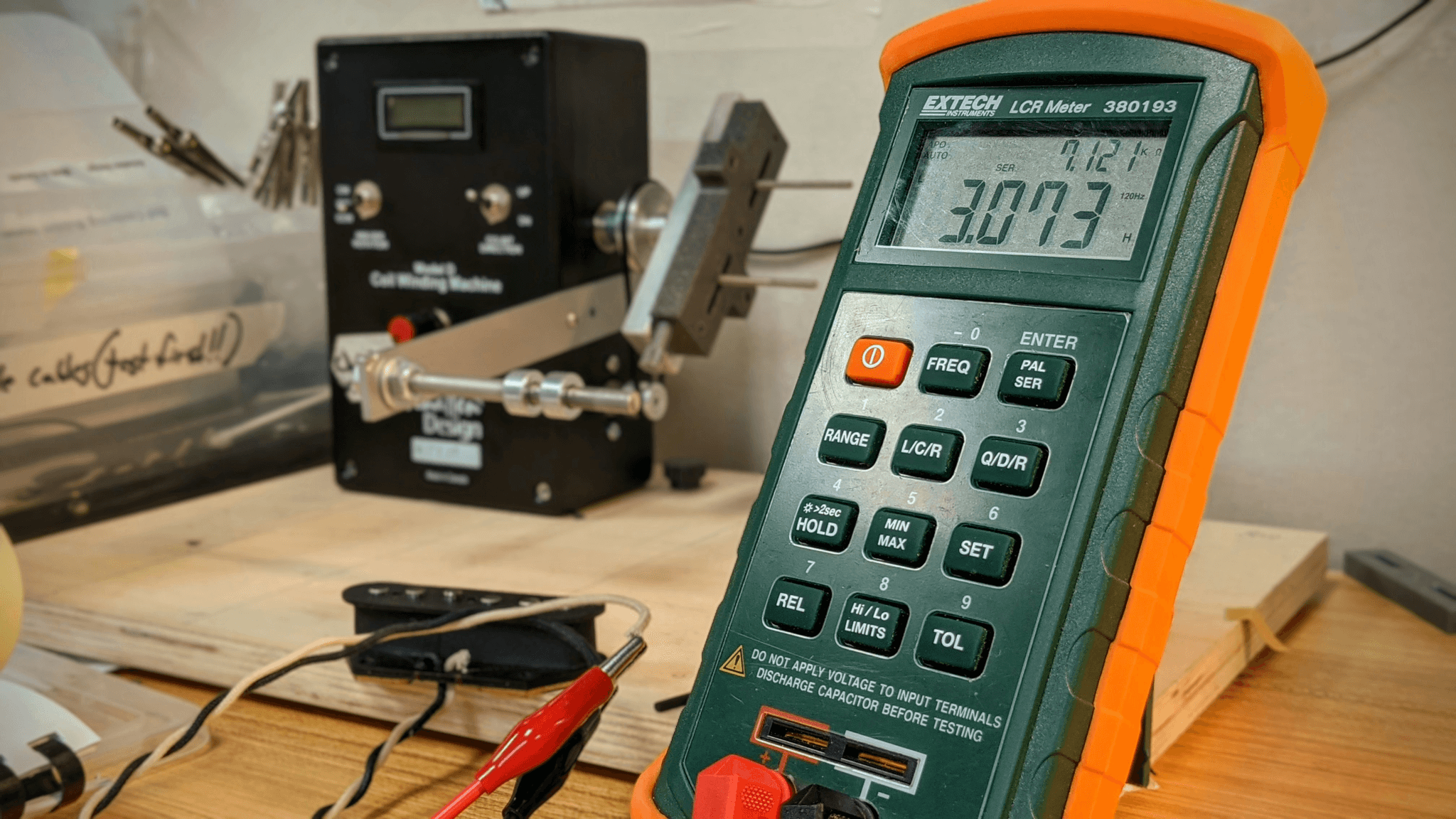
When it comes to speaker inspection, using a multimeter is a reliable method for evaluating the quality of your speakers. This handy device allows you to check various electrical properties, ensuring that your speakers meet the necessary standards for sound quality. Understanding how to test speaker sound quality through electrical measurements can save you from potential audio disappointments down the line.
How to Test a Speaker with a Multimeter
Testing a speaker with a multimeter is surprisingly straightforward and can be done in just a few steps. First, ensure that the speaker is disconnected from any power source to avoid any electrical mishaps. Set your multimeter to measure resistance (ohms), then connect the probes to the speaker terminals; if you see a reading close to the rated impedance of the speaker, you're likely in good shape!
If you're unfamiliar with this process, don't fret—it's all about learning what makes a speaker good quality through practical experience. Regularly performing these tests not only familiarizes you with your equipment but also builds confidence in identifying potential issues before they affect performance. Remember, consistent testing is key in maintaining high-quality audio standards.
Measuring Impedance for Quality Assurance
Measuring impedance is crucial when assessing overall sound quality and performance during your speaker inspection process. Impedance refers to how much resistance the speaker offers against an electrical current, which impacts how efficiently it converts electrical signals into sound waves. By measuring this value with your multimeter, you can ensure that it aligns with manufacturer specifications.
A mismatch between expected and measured impedance could indicate underlying problems such as voice coil damage or connectivity issues within the speaker itself. These discrepancies may lead not only to poor sound quality but also risk damaging connected audio equipment due to improper load handling. Therefore, understanding how to test a speaker's impedance effectively will help safeguard both your speakers and audio gear.
Identifying Issues Through Electrical Testing
Electrical testing goes beyond just measuring impedance; it allows you to identify various issues that could compromise sound quality during stereo speaker tests or real-world usage scenarios. For example, by checking for continuity between terminals or inspecting for shorts within coils or connections, you'll gain insight into whether components are functioning as intended.
Additionally, testing for DC resistance can reveal if there are any significant deviations from expected values—an essential step in determining what makes a speaker good quality overall! If problems arise during these checks, addressing them promptly can enhance both performance and longevity of your speakers while saving you money on repairs or replacements down the line.
Role of Professional Quality Inspection
When it comes to ensuring that speakers meet high standards, professional quality inspection plays a pivotal role. Expert inspectors bring a wealth of knowledge and experience to the table, making them invaluable in identifying potential issues that may go unnoticed during routine checks. Their insights into what makes a speaker good quality can save manufacturers time and money while enhancing consumer satisfaction.
Importance of Speaker Inspection by Experts
Speaker inspection by experts is crucial for maintaining quality control in audio products. Professionals understand the nuances of sound engineering and can accurately assess how to test speaker sound quality beyond just listening tests. They are trained to identify imperfections in sound reproduction, build quality, and overall performance—elements that determine whether a speaker meets industry standards.
Moreover, expert inspections help ensure compliance with safety regulations and environmental standards, which is vital for manufacturers looking to maintain their reputation. By conducting thorough evaluations, these professionals can pinpoint flaws that could lead to product recalls or customer dissatisfaction down the line. Ultimately, investing in expert speaker inspection translates into better products for consumers and enhanced brand loyalty.
How China Inspection Pro Ensures Quality
China Inspection Pro has established itself as a leader in ensuring product quality through meticulous inspection processes tailored specifically for audio equipment like speakers. They employ skilled inspectors who utilize advanced techniques alongside traditional methods to evaluate every aspect of speaker performance—from assembly integrity to sound fidelity during stereo speaker tests. Their rigorous protocols outline how to test a speaker with a multimeter effectively, ensuring accurate measurements of impedance and other electrical parameters critical for optimal function.
Additionally, China Inspection Pro leverages technology by integrating data analytics into their testing procedures; this allows them to spot trends or recurring issues across batches quickly. This proactive approach not only enhances their inspection accuracy but also helps manufacturers adjust production processes before problems escalate. In short, they provide an essential service that guarantees high-quality audio products reach the market.
Benefits of Hiring Quality Control Specialists
Hiring quality control specialists offers numerous advantages for companies producing speakers or similar audio equipment. These professionals bring specialized knowledge about what makes a speaker good quality and can implement standardized testing protocols effectively across manufacturing lines. By understanding how to test speaker sound quality comprehensively, they ensure each unit produced meets stringent expectations before it reaches consumers.
Furthermore, employing specialists allows companies to focus on innovation while leaving the intricate details of product evaluation in capable hands. This division not only boosts efficiency but also fosters an environment where continuous improvement is prioritized based on data-driven insights gathered from inspections and tests like stereo speaker tests or multimeter evaluations. Ultimately, businesses benefit from reduced returns due to defects and enhanced customer satisfaction through reliable product offerings.
Evaluating Performance in Real-World Conditions

Evaluating speakers in various settings is crucial for understanding how they perform under different conditions. Factors like room acoustics, background noise, and even furniture placement can significantly impact sound quality, making it essential to conduct thorough speaker inspections.
Testing Speakers in Different Environments
Testing speakers in diverse environments allows for a comprehensive understanding of their capabilities. For instance, a speaker may sound fantastic in an open space but could struggle with clarity and bass response in a smaller room filled with soft furnishings that absorb sound. To truly grasp what makes a speaker good quality, it's vital to assess how well it adapts to these varying conditions; this is where methods like the stereo speaker test come into play.
Whether you're at home, in a studio, or even outdoors, each environment presents unique challenges that can affect audio performance. By utilizing different testing methodologies and real-world scenarios during your speaker inspection process, you gain valuable insights into their adaptability and overall sound quality.
Common Real-World Use Cases for Speakers
Speakers are not just used for casual listening; they serve numerous functions across various settings. From home theater systems delivering cinematic experiences to portable Bluetooth speakers blasting tunes at outdoor gatherings or events, each use case demands specific qualities from the speakers involved. Knowing how to test speaker sound quality effectively can help you match the right type of speaker with its intended application.
In professional settings such as conference rooms or auditoriums, clarity and volume are paramount; thus, inspecting speakers under such conditions ensures they meet user expectations for speech intelligibility and audio fidelity. Similarly, musicians rely on high-quality monitors during performances—this is where understanding what makes a speaker good quality becomes indispensable.
Analyzing Feedback from Actual Users
User feedback provides invaluable insights into real-world performance that lab tests often overlook. People have unique preferences and experiences when using speakers across different applications—this subjective data helps paint a fuller picture of overall satisfaction levels. Engaging with actual users allows you to identify common issues or praises related to sound quality that might not surface during formal testing procedures.
Incorporating user reviews into your evaluation process enhances your understanding of how well speakers perform outside controlled environments. Additionally, this feedback loop can guide improvements in design and functionality while highlighting areas where manufacturers excel or fall short—ultimately contributing to better products through informed decisions based on practical experience.
Conclusion
In the world of audio, Speaker Inspection is not just a formality; it’s a crucial step to ensure that your sound experience meets the highest standards. The process of how to test speaker sound quality can significantly affect not only consumer satisfaction but also brand reputation. As we’ve explored, understanding what makes a speaker good quality and employing effective testing methods can save time, money, and headaches down the line.
Recap of Speaker Inspection Importance
Speaker Inspection plays an essential role in maintaining product integrity and ensuring that consumers receive top-notch audio equipment. By consistently evaluating speakers through rigorous testing methods, manufacturers can uphold their commitment to quality. Remember, a well-inspected speaker is more likely to deliver an exceptional listening experience, which ultimately leads to customer loyalty.
Best Practices for Ensuring Quality
To ensure quality in speakers, it's vital to adopt best practices like regular inspections and comprehensive testing protocols. Knowing how to test a speaker with a multimeter can help identify potential issues before they escalate into major problems. Additionally, conducting stereo speaker tests in varied environments will provide insights into performance under real-world conditions—because who wants a great-sounding speaker that performs poorly at your next party?
Future Trends in Speaker Quality Control
The future of Speaker Inspection is bright as technology continues to evolve and improve testing methodologies. We are likely to see advancements in automated testing systems that provide quicker results while maintaining accuracy—imagine AI-driven inspections! Moreover, as consumer expectations rise, brands will increasingly focus on transparency regarding their quality control processes; after all, informed customers are happy customers.