
Introduction

In the bustling world of manufacturing, ensuring that each product meets quality standards is paramount, and mop inspection plays a critical role in this process. Whether it's a cotton mop, microfiber mop, sponge mop, or dust mop, the quality of these cleaning tools can significantly impact their performance and durability. By implementing rigorous inspection protocols, manufacturers can not only enhance product reliability but also build trust with consumers who rely on these essential cleaning aids.
Importance of Mop Inspection in Manufacturing
Mop inspection is essential for maintaining high standards in the manufacturing industry. It ensures that products like polyurethane mops and cotton mops are free from defects that could hinder their effectiveness during use. With proper inspections in place, manufacturers can reduce returns and increase customer satisfaction by delivering reliable cleaning solutions.
Understanding Mop Quality Control Tests
Quality control tests are designed to evaluate various aspects of mops, including material integrity and construction quality. For instance, testing a microfiber mop involves assessing its absorbency and durability under different conditions to ensure it performs optimally for consumers. These tests help identify any potential flaws early in the production process, allowing manufacturers to make necessary adjustments before products reach the market.
Overview of Common Mop Types
The market offers a variety of mops tailored to different cleaning needs: cotton mops for traditional scrubbing, microfiber mops for superior dirt trapping, sponge mops for quick wet cleaning, and dust mops for effective dry sweeping. Each type has unique characteristics that warrant specific inspection criteria to ensure they meet consumer expectations. Understanding these common mop types helps manufacturers focus their quality control efforts effectively.
Key Factors in Mop Inspection

Understanding these elements helps ensure that mops perform optimally and meet customer expectations. This section will delve into material quality, construction integrity, and performance testing procedures that are essential for a thorough mop inspection.
Material Quality: Cotton, Microfiber and Polyurethane
The first step in any mop inspection is evaluating the material quality of the mops themselves. Cotton mops are well-known for their absorbency but may lack durability compared to their microfiber counterparts, which boast superior cleaning abilities and longevity. On the other hand, polyurethane mops offer excellent resistance to wear and tear but can sometimes fall short on absorbency; thus, balancing these materials is crucial during inspections.
Microfiber mops have gained popularity among manufacturers due to their ability to trap dirt effectively while requiring less water and cleaning solution. Cotton mops still hold their ground in traditional settings where absorbency is key, making them a staple for many households. Meanwhile, polyurethane mops are often preferred in industrial environments where durability takes precedence over absorbency—each material has its strengths and weaknesses that must be evaluated during mop inspections.
Incorporating various materials into mop designs allows manufacturers to cater to diverse cleaning needs across different environments. Therefore, understanding how each material performs under specific conditions is vital for ensuring high-quality products through rigorous mop inspection protocols. Ultimately, selecting the right combination of materials can enhance overall mop performance while meeting market demands.
Construction Integrity of Mops
Next up in our journey through mop inspection is assessing construction integrity—a factor that can make or break a mop’s usability over time. The way a mop is constructed influences its durability and efficiency; poorly constructed mops may lead to frustration during use or even safety hazards when they fail unexpectedly. Inspectors must pay close attention to seams, stitching quality, and handle attachment methods when evaluating a Mop's construction.
For instance, cotton mops should have tightly woven strands that minimize fraying while maximizing absorption capabilities; otherwise, they may not perform as intended during cleaning tasks. Microfiber mops require robust backing materials that securely hold the fibers in place without detaching during use—this ensures longevity amid repeated wash cycles. Polyurethane mops should also be inspected for secure bonding between foam layers since any separation could diminish their effectiveness on tough surfaces.
In addition to examining individual components like handles or connectors on sponge or dust mops, inspectors need to evaluate how well these parts work together as an integrated unit—after all, a weak link could lead to an unsatisfactory user experience! By prioritizing construction integrity during inspections of various types such as sponge or dust mops alike ensures customers receive reliable products built with attention-to-detail craftsmanship.
Performance Testing Procedures
Finally, we arrive at performance testing procedures—the heart of any comprehensive mop inspection process! These tests help determine how well different types of mops perform under real-world conditions by simulating common cleaning scenarios encountered by users daily. For example: assessing how much liquid a cotton mop can retain versus the dirt-trapping capabilities of microfiber options provides valuable insights into their effectiveness.
Performance tests should also include evaluations for durability under stress; this means putting those polyurethane and sponge mops through rigorous use before deeming them fit for market release! Inspectors might consider factors like abrasion resistance when testing dust mops since they often encounter rough surfaces that could compromise cleanliness if not designed properly.
Ultimately incorporating thorough performance testing into routine inspections allows manufacturers not only to identify potential flaws but also fine-tune designs based on feedback from actual usage experiences—leading toward continual improvement within product lines! By focusing on these key factors throughout our discussions about Mop Inspection processes ensures high-quality outcomes while fostering consumer trust across varying markets!
Detailed Quality Control Tests
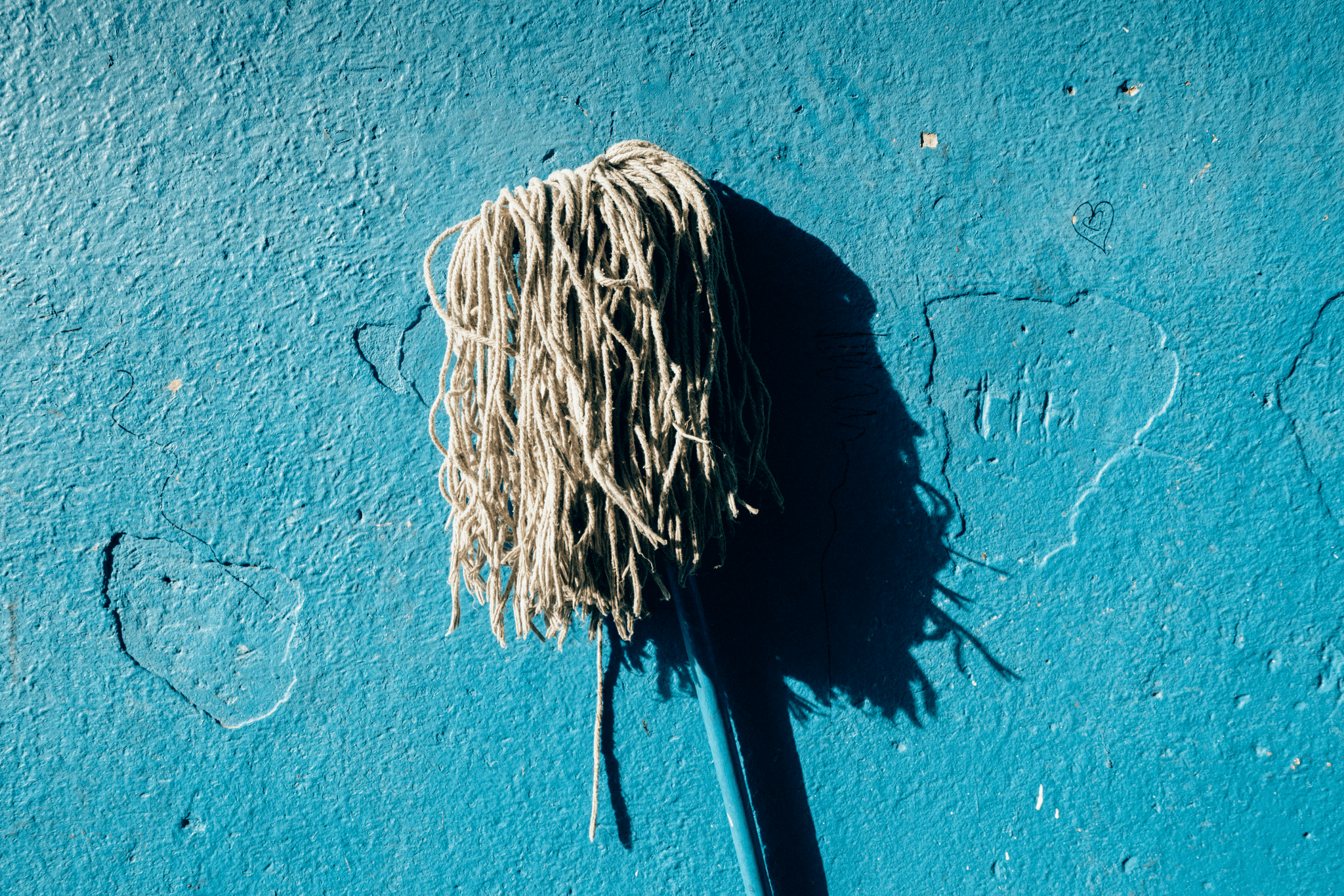
In the world of mop manufacturing, quality control tests are crucial to ensure that each mop meets performance standards and customer expectations. This section delves into the specific testing methods used for different types of mops, including Cotton Mops, Microfiber Mops, Sponge Mops, and Dust Mops. By employing rigorous testing procedures, manufacturers can identify potential flaws and enhance product reliability.
Testing Methods for Cotton Mops
When it comes to Cotton Mops, the primary focus is on absorbency and durability. One common method involves soaking the mop in water to measure how much liquid it can hold without leaking—this directly affects its cleaning efficiency. Additionally, Cotton Mop fibers are subjected to tensile strength tests to ensure they can withstand repeated use without fraying or breaking.
Another important aspect of Cotton Mop Inspection is checking for uniformity in fiber length and density; inconsistencies can lead to uneven cleaning performance. Manufacturers often conduct visual inspections alongside automated measurements to catch any material flaws early in production. Ultimately, thorough testing methods help guarantee that each Cotton Mop not only looks good but performs well too.
Assessing Durability in Microfiber Mops
Microfiber Mops have gained popularity due to their exceptional cleaning capabilities; however, durability remains a key concern during inspection processes. To assess durability effectively, manufacturers often perform abrasion resistance tests where mops are rubbed against rough surfaces over time to simulate real-world usage conditions. The results from these tests reveal how well the Microfiber Mop maintains its structure and cleaning effectiveness after extensive use.
Another critical aspect of Microfiber Mop Inspection is evaluating its ability to withstand multiple wash cycles without losing efficacy or color vibrancy. Manufacturers may also examine how well these mops resist staining from common household cleaners—a factor that could influence consumer satisfaction significantly. By implementing these rigorous assessments, companies can ensure their Microfiber Mops stand up against tough challenges while delivering top-notch performance.
Evaluating Effectiveness of Sponge and Dust Mops
Sponge Mops and Dust Mops serve unique purposes in the cleaning arsenal; thus their effectiveness must be evaluated using tailored approaches during quality control inspections. For Sponge Mops, one effective test involves measuring water retention capacity alongside absorption speed—this helps determine how quickly a sponge can soak up spills without leaking back onto surfaces during use. Additionally, a thorough inspection for structural integrity ensures that the sponge remains securely attached throughout its lifespan.
On the other hand, evaluating Dust Mop performance focuses on fiber type and static charge capabilities—after all, attracting dust particles is what they do best! Performance tests might include sweeping across various surfaces laden with dust or debris while monitoring how much material is collected over time. These assessments provide valuable insights into both Sponge Mop and Dust Mop effectiveness while highlighting areas for improvement before products hit store shelves.
The Role of China Inspection Pro
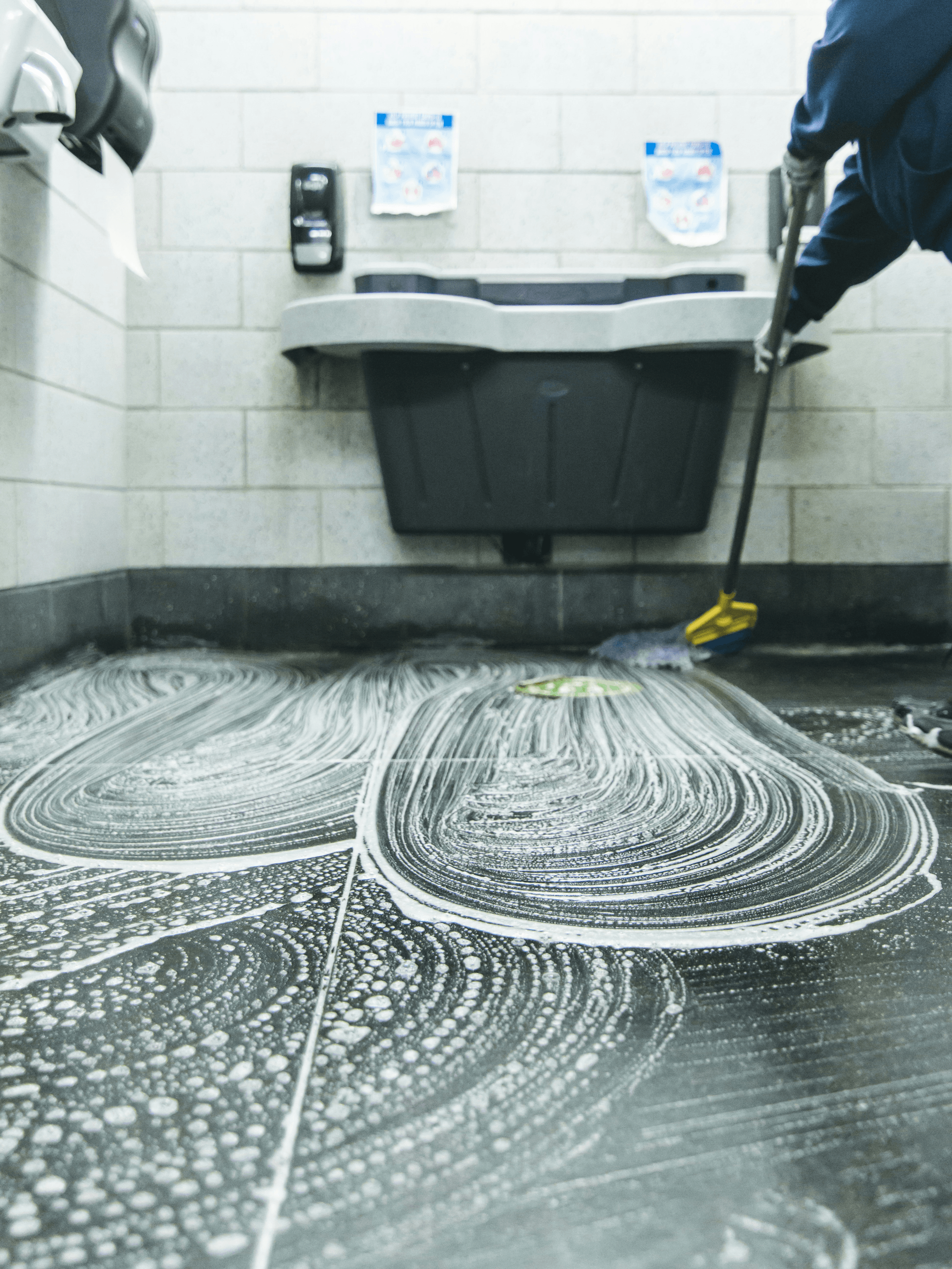
In the world of mop manufacturing, ensuring top-notch quality is critical, and that's where China Inspection Pro steps in. Their comprehensive suite of services is designed to address every facet of mop inspection, from the humble cotton mop to the more sophisticated microfiber mop. By leveraging their expertise, manufacturers can significantly enhance product quality and maintain a competitive edge in the market.
Comprehensive Quality Inspection Services
China Inspection Pro offers a broad range of quality inspection services tailored specifically for mops, including cotton mops, polyurethane mops, and dust mops. Their meticulous inspection process covers everything from raw material sourcing to final product evaluation, ensuring that each mop meets stringent quality standards. With a keen eye for detail, their inspectors assess construction integrity and performance metrics that are crucial for all types of mops.
The inspections also encompass various testing methods that examine durability and effectiveness across different mop types such as sponge mops and microfiber mops. This thorough approach helps manufacturers identify any potential issues early on in the production cycle, preventing costly recalls or customer dissatisfaction later. Ultimately, these comprehensive services help ensure that every mop leaving the factory floor is ready to tackle even the toughest cleaning challenges.
Expert Recommendations for Product Improvement
Beyond inspections, China Inspection Pro provides invaluable expert recommendations aimed at enhancing product quality for all types of mops—be it cotton or polyurethane. By analyzing inspection results and identifying common deficiencies such as material flaws or design shortcomings in sponge mops, they offer actionable insights that manufacturers can implement immediately. This guidance not only improves individual products but also elevates overall manufacturing processes.
Their team works closely with clients to develop tailored strategies for improvement based on specific findings from the mop inspection reports. For instance, if durability issues are found in microfiber mops during testing procedures, they might recommend alternative materials or construction techniques to bolster performance. Such expert advice empowers manufacturers to innovate continuously while maintaining high standards.
Ensuring Compliance with Industry Standards
Compliance with industry standards is non-negotiable in today’s competitive landscape; China Inspection Pro plays a vital role in helping manufacturers meet these requirements effectively. They stay updated on local and international regulations governing products like dust mops and polyurethane mops so that clients can rest assured their offerings are compliant before hitting the market shelves. This proactive approach not only mitigates legal risks but also enhances brand reputation among consumers who prioritize safety and quality.
By conducting thorough assessments against established benchmarks during each mop inspection phase, they ensure that all products adhere to necessary guidelines without compromising on functionality or design aesthetics. Furthermore, compliance checks foster trust between manufacturers and retailers by assuring them that their inventory meets consumer expectations for safety and reliability—critical factors when selecting cleaning tools like microfiber or sponge mops.
Common Deficiencies Found During Inspections
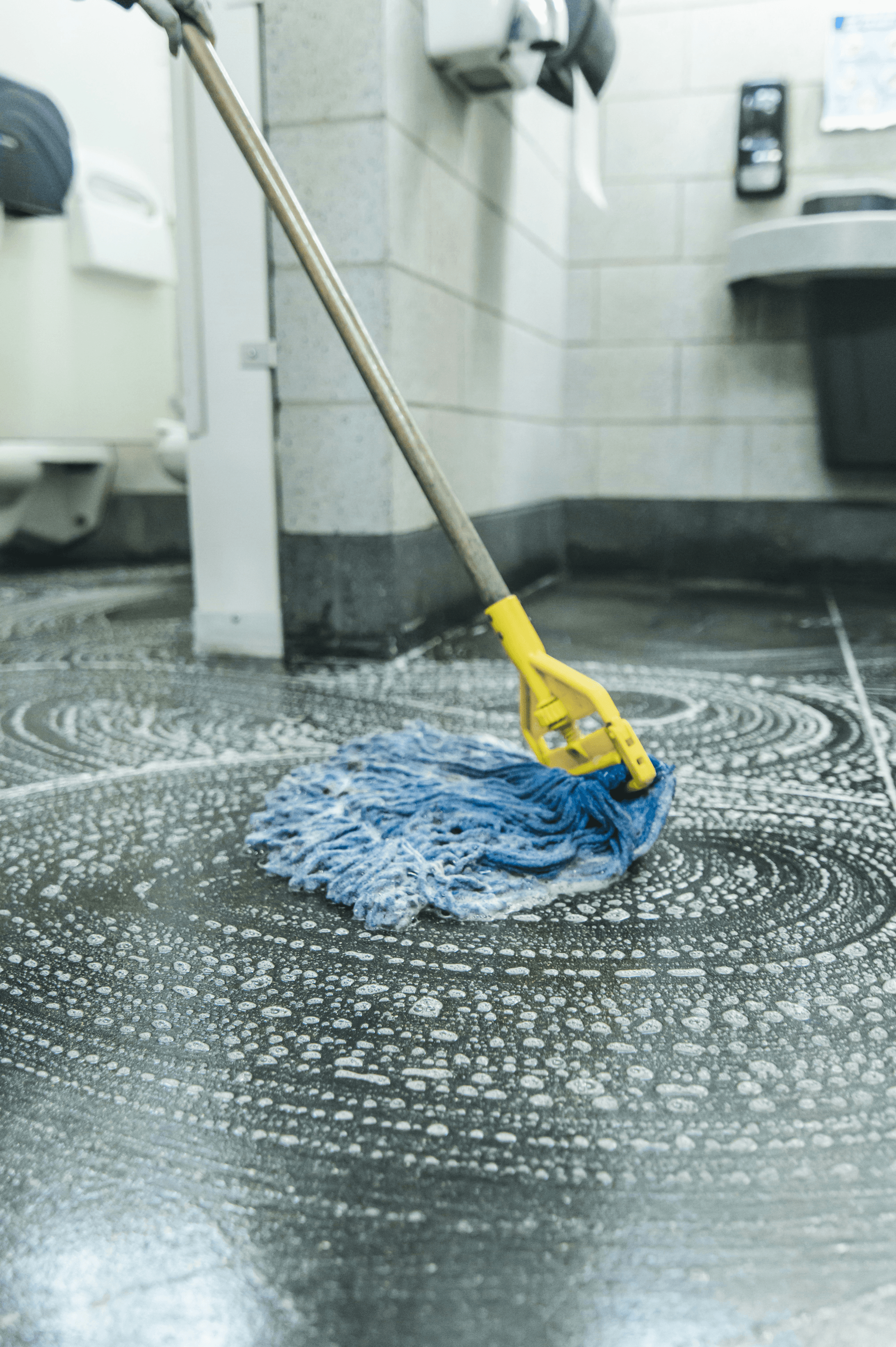
When it comes to mop inspection, identifying deficiencies is crucial to ensuring that the products meet industry standards and customer expectations. Various types of mops, including polyurethane mops, cotton mops, microfiber mops, sponge mops, and dust mops, each have their specific vulnerabilities. Understanding these common deficiencies helps manufacturers improve quality control processes and enhance overall product performance.
Material Flaws in Polyurethane Mops
Polyurethane mops are often praised for their durability and effectiveness; however, they can suffer from material flaws that undermine their performance. One common issue is the presence of air bubbles or inconsistencies in the foam structure, which can lead to premature wear and reduced cleaning efficiency during mop inspection. Additionally, subpar polyurethane materials may degrade faster than expected when exposed to certain cleaning chemicals or environmental conditions.
Another significant defect found during mop inspection involves the adhesion between the polyurethane head and its handle or base. Poor bonding can result in heads detaching during use, creating a safety hazard for users. To combat these issues, manufacturers must prioritize high-quality materials and rigorous testing protocols that ensure consistent production standards.
Design Shortcomings in Sponge Mops
Sponge mops are known for their absorbency but often exhibit design shortcomings that can impact usability and effectiveness. One prevalent issue is the size and shape of sponge heads; if they are too large or awkwardly shaped, users may struggle to maneuver them into tight corners or along edges during cleaning tasks. This design flaw frequently surfaces during mop inspections as a major complaint among consumers.
Moreover, some sponge mops lack effective wringing mechanisms which can lead to water retention issues after use. If a mop doesn’t effectively remove excess water from the sponge material, it becomes cumbersome and inefficient for subsequent cleaning tasks—a critical point noted in many inspections. Manufacturers should focus on ergonomic designs that enhance functionality while addressing user feedback gathered from quality control assessments.
Performance Issues with Dust Mops
Dust mops play an essential role in maintaining cleanliness by capturing dust particles effectively; however, performance issues often arise that hinder their effectiveness during mop inspections. One common problem is inadequate fiber density on dust mop heads; if fibers are too sparse or poorly arranged, they may fail to trap dust efficiently while being used on various surfaces. This deficiency not only affects cleaning performance but also leads to user frustration.
Additionally, some dust mops may not be compatible with different floor types due to varying levels of friction between the fibers and surface materials—something inspectors frequently note as a concern during evaluations. This incompatibility can cause scratches or damage on delicate surfaces like hardwood floors while failing to pick up dirt effectively on rougher textures such as tile or concrete floors. Manufacturers need to invest time into understanding how different materials interact with diverse flooring options for better product development.
In summary, identifying these common deficiencies through thorough mop inspections allows manufacturers to refine their products significantly—whether it's enhancing material quality in polyurethane mops or addressing design flaws in sponge models—and ultimately leads to greater customer satisfaction across all types of cleaning tools available today.
Best Practices for Manufacturers
The journey begins with a robust approach to Mop Inspection, where every type—from Cotton Mop to Microfiber Mop—undergoes thorough scrutiny. By focusing on these practices, manufacturers can significantly reduce defects and improve overall product performance.
Implementing Rigorous Quality Control Systems
A well-structured quality control system is the backbone of effective Mop Inspection. Manufacturers should establish stringent protocols that encompass every stage of production, from raw material selection for Polyurethane Mops to the final assembly of Dust Mops. Regular audits and assessments will help identify weaknesses early in the process, allowing for timely interventions.
Incorporating advanced technologies such as automated inspection systems can also enhance accuracy in detecting flaws in Cotton Mops or Microfiber Mops. These systems provide real-time feedback, enabling manufacturers to address any issues before they escalate into larger problems. Ultimately, a rigorous quality control system not only safeguards product integrity but also elevates brand reputation.
Training Staff on Mop Inspection Techniques
Even the best systems are only as good as the people operating them; hence, training staff on effective Mop Inspection techniques is crucial. Employees should be well-versed in identifying defects across different mop types—be it a Sponge Mop or a Dust Mop—ensuring they know what to look for during inspections. This training should include hands-on experience with various testing methods tailored specifically for each mop's materials and designs.
Regular workshops and refresher courses can keep staff updated on evolving industry standards and best practices in quality control procedures. Encouraging a culture of vigilance among employees fosters pride in their work while ensuring consistency in inspections across all mop categories. Ultimately, well-trained personnel are key players in maintaining high-quality standards throughout the manufacturing process.
Continuous Improvement and Feedback Loops
The quest for excellence doesn’t end with initial inspections; continuous improvement must be woven into the fabric of manufacturing operations focused on mops like Polyurethane Mops and Microfiber Mops. Establishing feedback loops allows manufacturers to gather insights from both customers and internal teams about product performance and areas needing enhancement. This information can guide future design modifications or material changes that ultimately lead to superior products.
By analyzing inspection data over time, companies can identify patterns indicating recurring issues with specific mop types such as Sponge or Dust Mops and proactively address them before they affect customer satisfaction levels significantly. Emphasizing an ongoing commitment to improvement cultivates innovation within the organization while reinforcing customer loyalty through consistently high-quality products.
Conclusion
In the bustling world of manufacturing, the significance of mop inspection cannot be overstated. Ensuring that each mop—be it a cotton mop, microfiber mop, polyurethane mop, sponge mop, or dust mop—meets stringent quality standards is crucial for both safety and performance. By prioritizing thorough inspections, manufacturers can enhance product quality and build a reputation for reliability in the marketplace.
Enhancing Product Quality through Inspection
Mop inspection serves as a critical checkpoint in the manufacturing process that directly influences product quality. Through rigorous testing methods tailored to each type of mop—like assessing durability in microfiber mops or evaluating effectiveness in sponge mops—manufacturers can identify flaws before products reach consumers. This proactive approach not only elevates the standard of cotton mops and polyurethane mops but also fosters trust among customers who rely on these cleaning tools for their daily needs.
The Impact of Quality Control on Market Success
Quality control is not just a box to tick; it’s a vital component that drives market success. When manufacturers adopt robust quality control measures during mop inspection, they significantly reduce the likelihood of defects that could tarnish their brand's reputation. As consumers increasingly seek reliable cleaning solutions like dust mops and microfiber mops, those brands committed to excellence will stand out in an overcrowded marketplace.
Choosing the Right Inspector for Mops in China
Selecting an inspector for your mop production in China is akin to choosing a trusted partner; it requires careful consideration and due diligence. Look for inspectors with experience specifically in evaluating cotton mops, polyurethane mops, sponge mops, and dust mops to ensure they understand the nuances of each type's performance criteria. A reliable inspector will not only conduct thorough assessments but also provide valuable feedback on improving your products based on current industry standards.