
Introduction

In the world of sports, the quality of equipment can make or break a game. Tennis ball inspection is crucial to ensure that every ball meets the high standards expected by players and enthusiasts alike. With rigorous testing methods such as deformation testing, rebound testing, color observation, and acclimatization and decompression assessments, manufacturers can guarantee performance consistency.
Overview of Tennis Ball Quality Control
Tennis ball quality control encompasses a range of processes designed to evaluate and maintain the integrity of each ball produced. From initial material selection to final product assessment, every step is critical in ensuring that the balls perform optimally on the court. This includes not only physical attributes but also how well they hold up under various conditions through thorough tennis ball inspection.
Importance of Inspection in Sports Equipment
Inspection plays an indispensable role in sports equipment manufacturing because even minor defects can lead to significant performance issues or safety concerns for athletes. In tennis, where precision is key, any inconsistency—whether it be in bounce or durability—can affect gameplay dramatically. By implementing stringent inspection protocols like deformation testing and rebound testing, manufacturers protect both their brand reputation and player satisfaction.
Role of China Inspection Pro in Quality Assurance
China Inspection Pro stands at the forefront of quality assurance for tennis balls by providing comprehensive inspection services tailored specifically for this sport's unique demands. Their expertise spans across various testing methods including color observation and acclimatization and decompression tests to ensure that products meet international standards. By partnering with China Inspection Pro, manufacturers can confidently deliver high-quality tennis balls that enhance player experience while minimizing liability risks.
The Importance of Tennis Ball Inspection

When it comes to the world of tennis, the quality of equipment can make or break a player’s performance. Tennis ball inspection is not just a formality; it’s a critical aspect that ensures every ball meets the rigorous standards required for optimal play. By implementing thorough inspection processes like deformation testing, rebound testing, and color observation, manufacturers can guarantee that their products deliver consistent performance on the court.
Ensuring Consistency in Performance
One of the primary goals of tennis ball inspection is to ensure consistency in performance across all balls produced. Through methods such as deformation testing and rebound testing, manufacturers can identify any discrepancies that may affect how a ball behaves during play. When players know they can rely on their equipment to perform identically every time, it allows them to focus on their game rather than worry about unexpected variables.
Inconsistent balls can lead to unpredictable gameplay, which is frustrating for both amateur and professional players alike. This is why rigorous tennis ball inspection processes are essential; they help maintain uniformity in bounce height and feel, ultimately enhancing player confidence on the court. With each swing and serve relying heavily on predictable ball behavior, consistent performance becomes paramount.
Impact on Player Experience
The impact of tennis ball inspection extends beyond just numbers and metrics; it significantly influences player experience as well. When players use high-quality balls that have undergone comprehensive inspections—including deformation testing and rebound testing—they enjoy a more satisfying game overall. A well-inspected tennis ball not only feels better but also enhances control during volleys and serves.
Moreover, color observation plays an unexpected role in this experience too; visually appealing balls contribute positively to player morale and brand loyalty. Players often develop preferences based not just on performance but also aesthetics—if they love how a ball looks while still delivering top-notch functionality, they’re more likely to stick with that brand over time. Thus, effective tennis ball inspection addresses both technical specifications and emotional connections.
Avoiding Product Liability Issues
Failing to conduct proper tennis ball inspections can lead companies down a slippery slope toward product liability issues that no manufacturer wants to face. If defective balls make it onto courts—whether due to poor deformation results or inadequate acclimatization—the consequences could be costly both financially and reputationally for brands involved in production or distribution. Rigorous quality checks are essential not only for compliance with industry standards but also for safeguarding against potential lawsuits stemming from product failures.
Additionally, ensuring proper decompression during manufacturing helps prevent accidents caused by improperly pressurized balls exploding mid-match—an embarrassing scenario nobody wants! This highlights why comprehensive inspections covering all aspects—from deformation testing through color observation—are vital components in maintaining brand integrity while protecting consumers’ safety at the same time.
In summary, thorough tennis ball inspection practices are indispensable for guaranteeing consistent performance levels across products while enhancing player experiences and minimizing liability risks associated with faulty equipment usage.
Understanding Deformation Testing
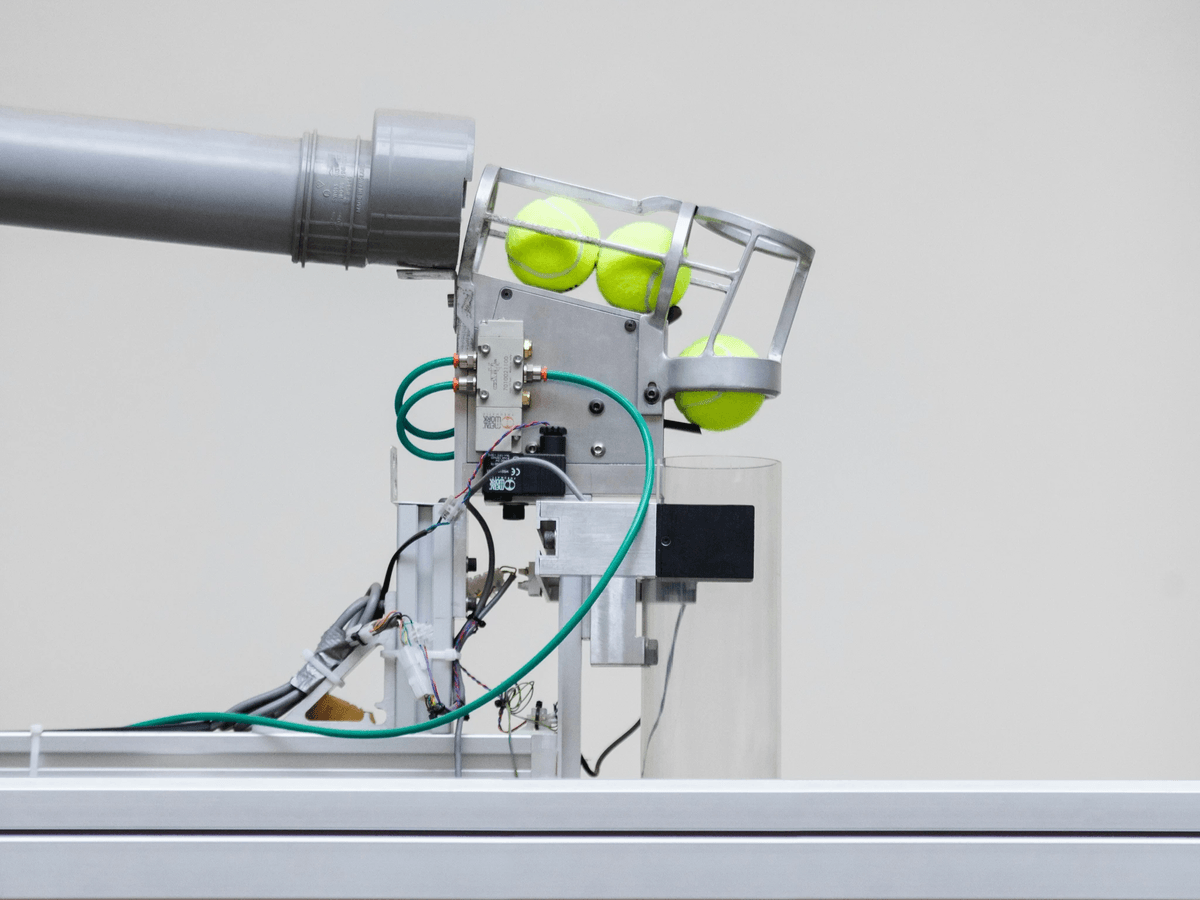
When it comes to Tennis Ball Inspection, deformation testing is a crucial aspect that can’t be overlooked. This process examines how a tennis ball reacts under pressure and how it returns to its original shape after being compressed. Understanding deformation helps manufacturers ensure their products meet performance standards and provide players with the best experience on the court.
Methods of Measuring Deformation
There are several techniques for measuring deformation in tennis balls, each designed to assess how well a ball maintains its shape during play. One common method involves applying a specific weight to the ball and measuring how much it compresses under that load. Another approach uses advanced equipment like digital calipers or pressure sensors to gauge changes in size and shape during various tests, including rebound testing.
These methods not only help in determining the durability of the tennis balls but also ensure that they adhere to industry standards for performance. Accurate measurements are essential because even slight deviations can affect gameplay, making thorough Tennis Ball Inspection vital for manufacturers aiming for excellence. By employing these measurement techniques, companies can confidently deliver products that meet players' expectations.
Why Deformation Matters in Tennis Balls
Deformation is more than just a technical term; it significantly influences how a tennis ball performs during matches. A ball that deforms excessively may lose its bounce or feel inconsistent when struck, leading to frustration for players who rely on precision and predictability in their game. This inconsistency can detract from player experience, highlighting why deformation testing is integral to quality assurance in tennis ball production.
Moreover, understanding deformation helps avoid potential product liability issues down the line; if players receive subpar equipment that doesn’t perform as expected due to poor quality control, manufacturers might face lawsuits or damage claims. Thus, rigorous Tennis Ball Inspection processes centered around deformation testing not only enhance player satisfaction but also protect brands from legal repercussions stemming from defective products.
Industry Standards for Deformation
In the world of sports equipment manufacturing, adhering to industry standards is paramount when it comes to deformation testing of tennis balls. Organizations like the International Tennis Federation (ITF) set specific guidelines outlining acceptable levels of deformation under various conditions—ensuring uniformity across products used globally in tournaments and recreational play alike.
These standards dictate everything from acceptable compression levels during impact tests to rebound characteristics following deformations—elements critical for maintaining fair play among competitors at all levels of skill and competition. By aligning with these industry benchmarks through comprehensive Tennis Ball Inspection protocols focused on deformation testing, manufacturers can guarantee their products are not only safe but also optimized for peak performance on the court.
The Science of Rebound Testing

Rebound testing is a critical aspect of tennis ball inspection, ensuring that balls meet the performance standards expected by players. This process evaluates how well a ball returns to its original shape after being struck, which directly affects gameplay. Understanding the science behind rebound testing is essential for manufacturers aiming to produce high-quality tennis balls.
How Rebound Testing is Conducted
Conducting rebound testing involves dropping a tennis ball from a predetermined height onto a hard surface and measuring the height to which it bounces back. Typically, this test is performed in controlled environments to eliminate variables such as temperature and humidity, which can affect results. The data collected during this process provides valuable insights into whether the balls meet industry standards for playability.
In addition to standard drop tests, advanced methods may include using specialized equipment that measures rebound in real-time under various conditions. These methods ensure that all aspects of tennis ball inspection are covered, providing manufacturers with reliable data for quality assurance purposes. Ultimately, thorough rebound testing helps prevent inconsistencies that could negatively impact player experience on the court.
Correlation Between Rebound and Playability
The correlation between rebound and playability cannot be overstated; players rely on consistent bounce characteristics for optimal performance during matches. A tennis ball that rebounds too high or too low can disrupt gameplay and lead to frustration among players who expect reliability from their equipment. Therefore, understanding how rebound affects playability is crucial for manufacturers aiming to create products that enhance player satisfaction.
Additionally, factors such as deformation testing prior to bounce tests can provide deeper insights into how well a ball will perform in real-world scenarios. By ensuring proper deformation characteristics before conducting rebound tests, manufacturers can predict playability outcomes more accurately. This holistic approach ensures that every aspect of tennis ball inspection works together harmoniously.
Equipment Used for Accurate Measurements
Accurate measurements in rebound testing require specialized equipment designed specifically for this purpose. High-speed cameras and sensors are often employed to capture precise data regarding the height and speed of the bounce, allowing for detailed analysis post-test. Additionally, calibrated drop towers help maintain consistency in drop heights across multiple tests—integral when comparing results between different batches of balls.
Furthermore, integrating software solutions with measurement tools enhances data collection efficiency while minimizing human error during analysis phases—essential when performing extensive quality control checks like those involved in color observation or acclimatization and decompression assessments as well. By investing in state-of-the-art equipment tailored for accurate measurements during rebound testing, manufacturers position themselves at the forefront of quality assurance practices within the industry.
Color Observation and Its Impact
In the world of tennis, color is more than just a visual treat; it plays a pivotal role in brand identity and player preference. The hues of tennis balls are carefully selected not only for their aesthetic appeal but also for their visibility on the court. A consistent color quality is essential for maintaining brand loyalty and ensuring that players can easily spot the ball during play.
Visual Appeal and Brand Identity
The visual appeal of tennis balls extends beyond mere aesthetics; it directly influences brand recognition and marketability. Brands invest time and resources in developing distinctive colors that resonate with their target audience, creating an emotional connection with players. When conducting Tennis Ball Inspection, evaluating color consistency becomes crucial to uphold this identity, ensuring that every ball meets the established standards.
Moreover, color can evoke certain feelings or associations that enhance a player's experience on the court. A vibrant yellow-green hue is often synonymous with professional tennis, making it instantly recognizable to fans and players alike. Therefore, maintaining this visual standard through rigorous Tennis Ball Inspection processes helps reinforce brand identity while enhancing overall player satisfaction.
The Role of Color in Player Preference
Color preference among players can significantly impact their choice of equipment, including tennis balls. Many athletes have specific color preferences that they feel enhance their performance or align with their personal style. This aspect makes it vital for manufacturers to consider player feedback during product development and ensure consistent color quality through effective Tennis Ball Inspection methods.
Furthermore, research suggests that certain colors may influence mood and energy levels during gameplay. For instance, bright colors might invigorate players while muted tones could be perceived as calming. Therefore, understanding these psychological effects can help brands tailor their products to better meet player preferences while still adhering to industry standards established through Deformation Testing and Rebound Testing.
Guidelines for Consistent Color Quality
To achieve consistent color quality in tennis balls, manufacturers should adhere to specific guidelines throughout the production process. Regular inspections should be implemented at various stages of manufacturing to ensure adherence to desired color specifications—this includes monitoring raw materials used in production as well as final products before distribution.
Using standardized measurement tools during Tennis Ball Inspection helps quantify color variations effectively, allowing brands to maintain uniformity across batches. Additionally, implementing a robust acclimatization process ensures that environmental factors do not adversely affect the final appearance of the product after decompression testing.
Ultimately, embracing these guidelines not only enhances product quality but also strengthens consumer trust in a brand's commitment to excellence—a key factor in fostering loyalty among discerning athletes who rely on high-performance equipment.
Acclimatization and Decompression Testing

In the world of tennis ball inspection, acclimatization and decompression testing are crucial for ensuring that each ball meets performance standards. These processes help to simulate real-world conditions, allowing manufacturers to assess how tennis balls behave under various environmental factors. Understanding these concepts is essential for maintaining high-quality standards in sports equipment.
What is Acclimatization in Tennis Balls?
Acclimatization refers to the process of allowing tennis balls to adjust to specific temperature and humidity conditions before they are tested or used. This step is vital because tennis balls can react differently when exposed to various environments; a ball that feels perfect in a controlled setting may perform poorly outdoors. By incorporating acclimatization into the quality control process, manufacturers can ensure that their products deliver consistent performance regardless of where they're played.
How Decompression Affects Ball Performance
Decompression plays a significant role in how well a tennis ball performs during gameplay. When a tennis ball is compressed, it stores energy that is released upon impact with a racket or court surface, contributing to its bounce and speed. If the decompression rate varies from one batch of balls to another, players may experience inconsistencies in playability, which can lead to frustration and impact their overall game.
Ensuring Quality through Environmental Testing
To guarantee the highest standards of quality through tennis ball inspection, rigorous environmental testing must be conducted alongside acclimatization and decompression assessments. This testing simulates various climatic conditions—such as heat or humidity—to evaluate how well the balls maintain their performance characteristics over time. By prioritizing these tests, manufacturers can identify any potential issues early on, ensuring that players receive only top-notch equipment designed for optimal performance on the court.
Conclusion
In wrapping up our exploration of tennis ball inspection, it’s clear that rigorous quality control is not just a technical necessity but a cornerstone of player satisfaction and safety. From deformation testing to rebound testing, every aspect of inspection plays a vital role in ensuring that players have the best experience on the court. Moreover, color observation and acclimatization and decompression tests contribute to creating a product that meets both aesthetic and performance standards.
Key Takeaways on Tennis Ball Inspection
Tennis ball inspection is multifaceted, encompassing critical areas such as deformation testing, which ensures balls maintain their shape under pressure. Rebound testing is equally important, as it directly correlates with how well a ball performs during play; players rely on consistent bounce for effective gameplay. Additionally, color observation not only enhances brand identity but also influences player preference—making it essential for manufacturers to adhere to strict guidelines.
Benefits of Rigorous Quality Control
Implementing rigorous quality control measures in tennis ball inspection yields significant benefits, including enhanced consistency in performance across batches. Such diligence helps avoid product liability issues that can arise from subpar equipment; no one wants to be blamed for an unexpected bounce! Furthermore, ensuring proper acclimatization and decompression during manufacturing safeguards against environmental factors that could compromise the integrity of the balls.
Future Trends in Quality Assurance Practices
Looking ahead, we can expect advancements in technology to further refine tennis ball inspection processes like deformation testing and rebound testing. Innovations such as smart materials may revolutionize how we think about performance metrics while maintaining stringent color observation standards for brand consistency. As environmental awareness grows, more manufacturers will likely prioritize sustainable practices within acclimatization and decompression protocols—ensuring that quality assurance evolves alongside industry demands.