
Introduction
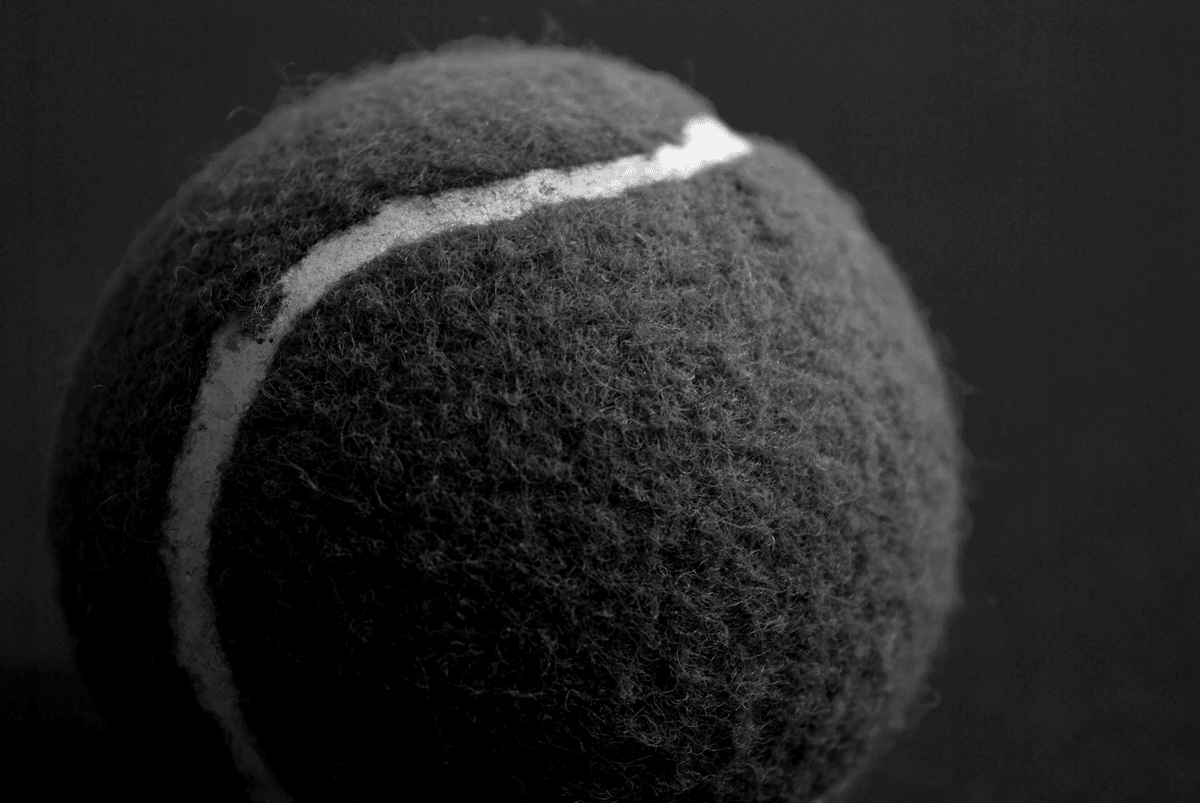
Ensuring top-notch tennis ball quality isn’t just about the final product; it begins with meticulous Tennis Ball Inspection. By focusing on key points for QC inspection of tennis balls, manufacturers can catch defects early and maintain high standards. A rigorous approach to Tennis Ball Inspection guarantees consistent performance and durability, making every game more enjoyable.
Understanding the importance of consistent QC processes is vital for brands aiming to stand out in a competitive market. Implementing systematic procedures like Acclimatization and Decompression ensures each tennis ball performs reliably during play. When these processes are integrated into your quality assurance routine, it elevates your brand’s reputation and customer trust.
Accurate Tennis Ball Inspection plays a crucial role in shaping how consumers perceive your products. From Deformation Testing to Rebound Testing, each step helps verify that the balls meet industry standards and player expectations. Elevating your brand with professional QC methods not only improves product quality but also fosters loyalty among avid players who rely on consistent performance.
Fundamentals of Tennis Ball Inspection
Tennis Ball Inspection is the backbone of ensuring high-quality products that meet both industry standards and player expectations. It involves a series of meticulous checks designed to catch defects early and guarantee consistent performance. Whether it's during manufacturing or pre-shipment, understanding the key points for QC inspection of tennis balls helps maintain top-notch quality and brand reputation.
Effective tennis ball inspection begins with a thorough visual assessment, focusing on surface integrity, color consistency, and seam quality. Acclimatization and decompression are crucial steps in this process, as they help stabilize the ball's internal pressure before testing. This ensures that deformation testing results accurately reflect the ball’s durability under real playing conditions.
Deformation testing is another vital component of tennis ball inspection, assessing how well the ball retains shape under pressure—an indicator of longevity and resilience. Rebound testing complements this by measuring how high the ball bounces after impact, directly correlating to game performance. Both tests depend heavily on precise procedures to produce reliable results, making them indispensable in quality assurance.
Color observation is often overlooked but plays a vital role in visual inspection for tennis balls. Consistent color standards across batches help reinforce brand identity and ensure uniformity for players who rely on predictable visuals during matches. Combining color observation with other QC methods guarantees comprehensive oversight throughout the production cycle.
Incorporating all these key points for QC inspection of tennis balls—visual checks, acclimatization and decompression procedures, deformation testing, rebound assessments, and color observation—creates a robust quality control system. Partnering with professionals like China Inspection Pro can elevate your QC processes by providing expert inspections tailored to industry standards. Continuous improvement in these areas ensures your brand stays competitive while delivering top-tier products to customers.
Acclimatization and Decompression Procedures
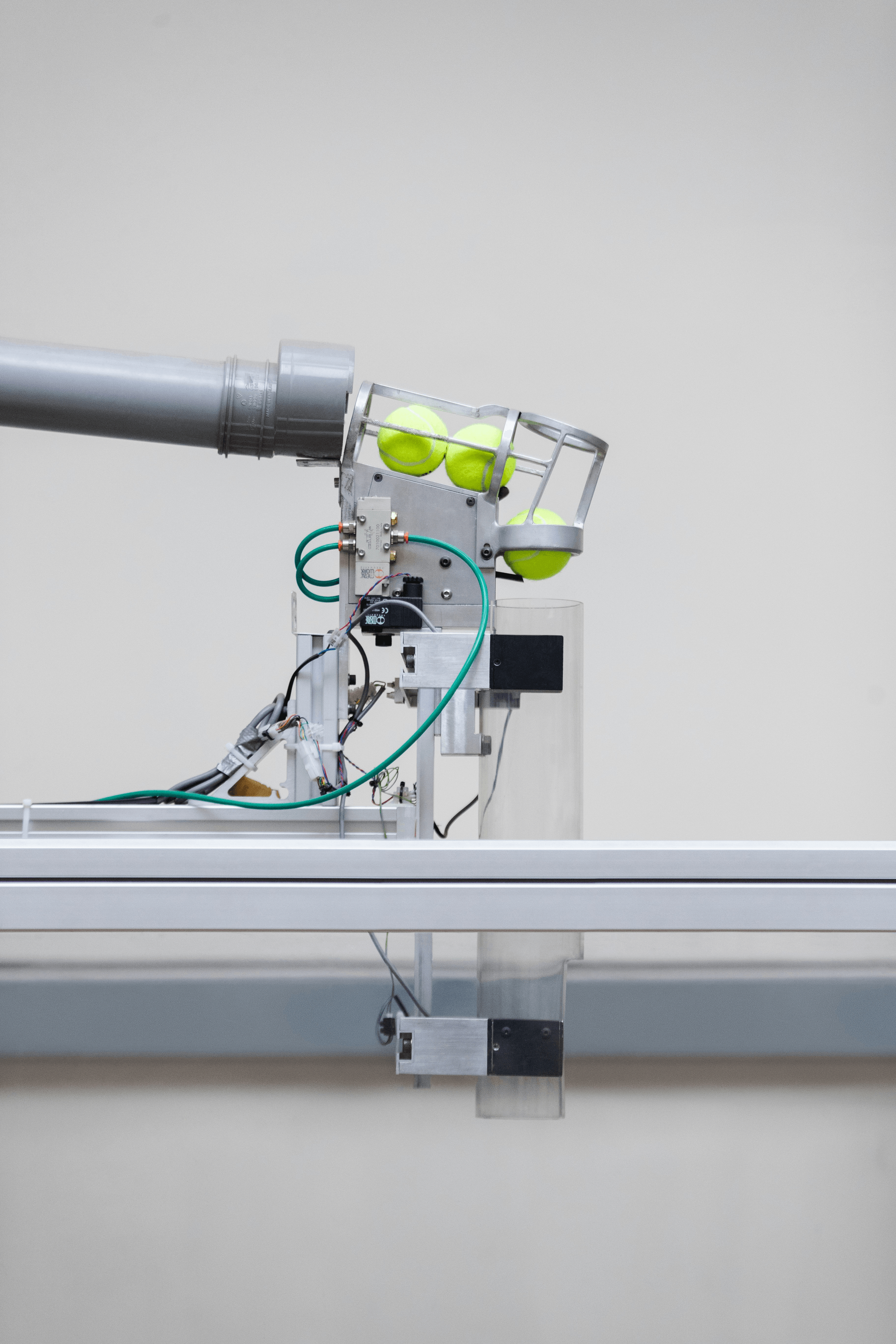
Proper acclimatization and decompression are crucial steps in tennis ball inspection, ensuring that each ball's performance is accurately assessed. When tennis balls are tested without allowing them to reach ambient conditions, the results can be skewed, leading to false positives or negatives in quality control (QC). By understanding key points for QC inspection of tennis balls, inspectors can minimize errors caused by environmental fluctuations and ensure consistency across batches.
During tennis ball inspection, professionals use specific techniques for acclimatization to stabilize temperature and humidity levels before testing. This process helps prevent deformation testing inaccuracies caused by internal pressure differences within the ball. Controlled decompression methods further guarantee that each tennis ball is evaluated under uniform conditions, which is essential for reliable rebound testing and color observation accuracy. Ultimately, integrating acclimatization and decompression into the QC process elevates the overall quality assurance standards.
Deformation Testing for Durability
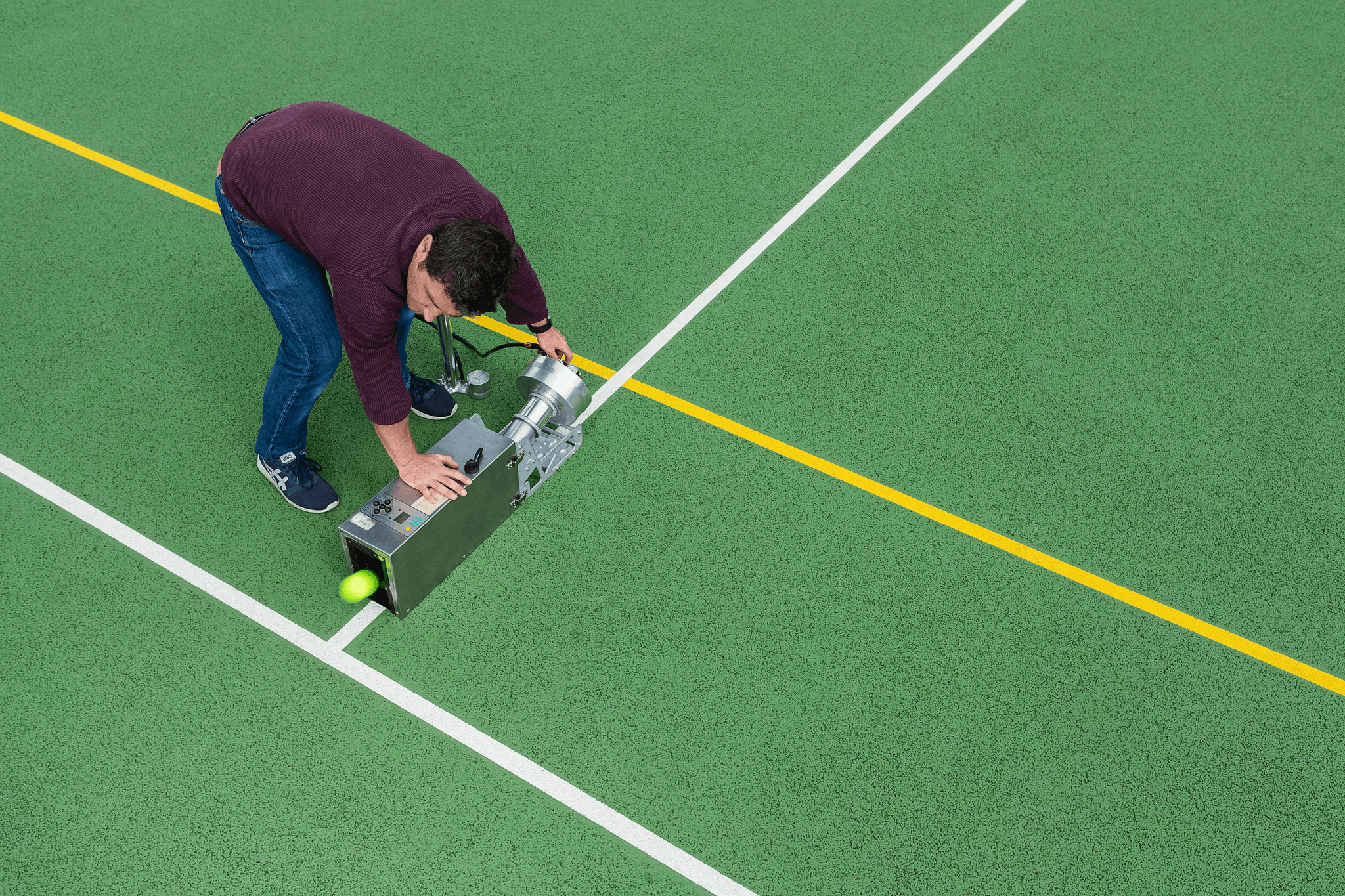
Understanding how tennis balls deform under pressure is a vital part of Tennis Ball Inspection, ensuring they can withstand the rigors of play without losing performance. Deformation Testing assesses a ball’s ability to absorb impact and return to shape, which directly influences durability and longevity. Properly conducting these tests helps manufacturers identify weak spots early, maintaining high standards for each batch.
Methods to assess how tennis balls deform under pressure
To evaluate deformation, inspectors typically apply standardized force using specialized equipment that simulates real-game impacts. These methods involve pressing the tennis ball against a flat surface or applying compressive loads while recording the degree of deformation. During Tennis Ball Inspection, paying attention to key points for QC inspection of tennis balls ensures that each ball maintains its shape after compression, which is crucial for consistent performance.
Interpreting deformation test results for optimal quality control
Once deformation data is collected, interpreting these results requires understanding acceptable thresholds established by industry standards. Excessive deformation indicates poor elasticity or compromised structural integrity, which could lead to inconsistent bounce and player dissatisfaction. In quality control processes, analyzing these results helps teams make informed decisions—whether to approve batches or identify areas needing improvement in the manufacturing process.
Tools and standards used by industry leaders in tennis ball QC
Industry leaders rely on precise tools such as compression testers and standardized testing protocols aligned with international regulations for Tennis Ball Inspection. These tools measure how much a tennis ball deforms under specific forces and compare outcomes against established benchmarks. Adhering to strict standards guarantees that every batch meets expectations for durability and performance—key points for QC inspection of tennis balls that keep players happy and brands reputable.
Rebound Testing for Performance Evaluation
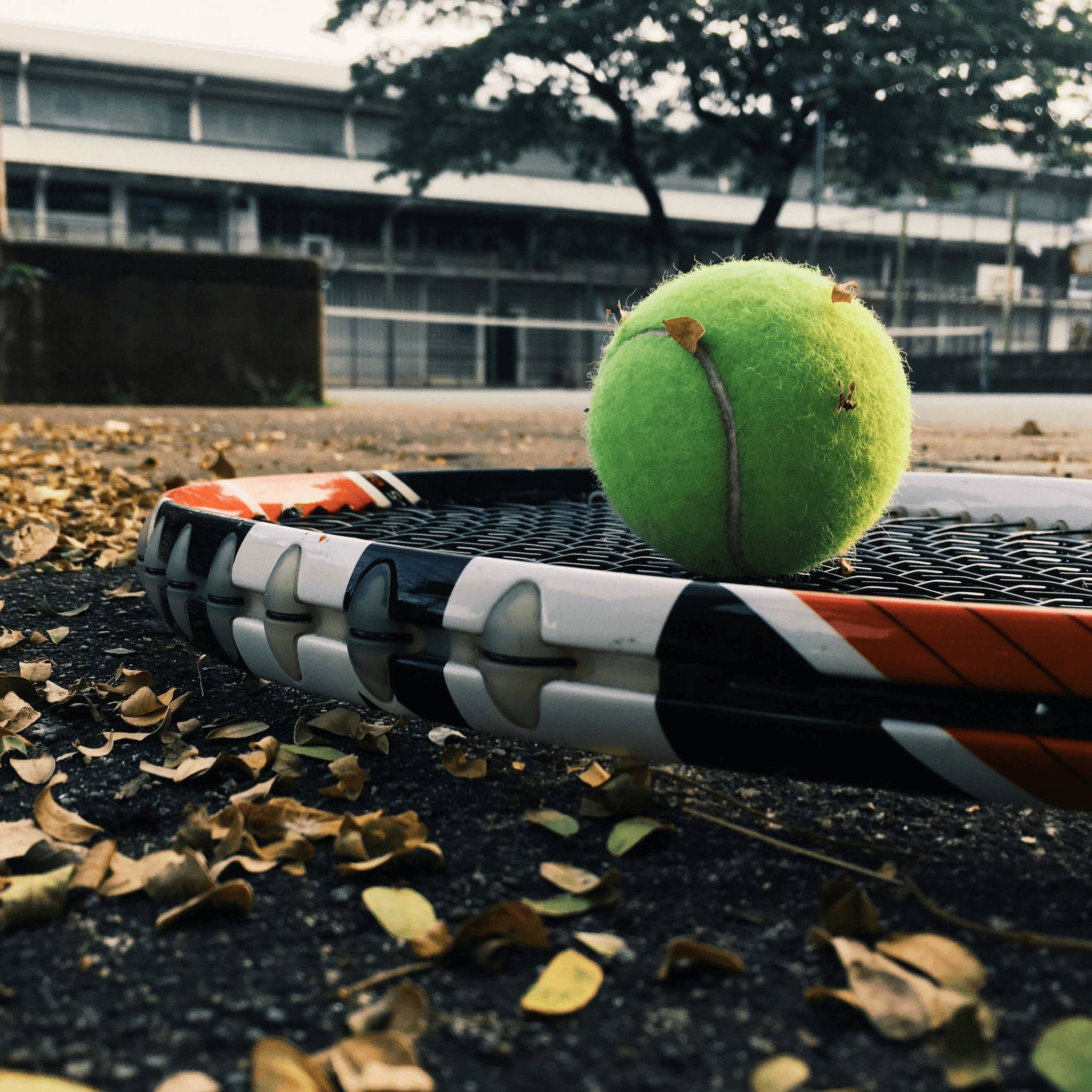
Rebound testing is a crucial step in Tennis Ball Inspection because it directly measures how well a tennis ball performs during play. This test helps manufacturers ensure that each ball meets the desired bounce standards, which are vital for consistent game quality. Without proper rebound assessment, even the most visually perfect tennis balls might fall short on the court.
The significance of rebound testing in tennis ball quality
Rebound testing plays a pivotal role in identifying whether tennis balls maintain their bounce after manufacturing, which is a key point for QC inspection of tennis balls. A high-quality ball should rebound to a specific height when dropped from a set height, indicating proper internal pressure and construction. This process not only verifies durability but also ensures that the product aligns with industry standards, making it an indispensable part of comprehensive Tennis Ball Inspection.
Step-by-step process for effective rebound assessment
To conduct effective rebound testing, start by acclimatization and decompression procedures to stabilize the tennis balls before measurement. Drop each ball from a predetermined height onto a flat surface—usually steel or concrete—ensuring consistent conditions across all tests. Record the height to which each ball bounces; deviations from standard rebound heights can signal issues with deformation or internal pressure, both critical factors in key points for QC inspection of tennis balls.
How rebound performance influences player experience
The way a tennis ball rebounds significantly impacts player performance and overall satisfaction with the game. Balls with poor rebound consistency can lead to unpredictable shots and frustration on the court, undermining brand reputation if not properly managed through rigorous Tennis Ball Inspection. Ultimately, maintaining optimal rebound performance through diligent quality control ensures players enjoy reliable bounce and feel confident during matches.
Color Observation and Visual Inspection
Color observation and visual inspection are crucial steps in maintaining high standards during tennis ball inspection. They help identify subtle color deviations and surface inconsistencies that could affect performance or appearance. Carefully inspecting each batch ensures that only tennis balls meeting strict color standards make it to the courts, reinforcing quality assurance.
Ensuring consistent color standards across batches
Maintaining consistent color standards across batches is vital for brand reputation and customer satisfaction in tennis ball inspection. Variations in color can indicate manufacturing issues or material inconsistencies, which can compromise the overall quality of the product. Implementing rigorous visual inspection protocols helps detect these discrepancies early, ensuring every batch aligns with the desired specifications.
Techniques for detecting color deviations and surface inconsistencies
Detecting color deviations during tennis ball inspection involves using standardized lighting conditions and comparison charts to spot differences accurately. Professional inspectors utilize magnification tools to identify surface inconsistencies such as blemishes, discoloration, or uneven coating that may not be visible to the naked eye. These techniques are essential for upholding key points for QC inspection of tennis balls, as even minor defects can impact performance.
The importance of visual inspection in overall quality assurance
Visual inspection plays a pivotal role in comprehensive tennis ball quality assurance by catching defects that automated tests might miss. It complements deformation testing and rebound testing by verifying aesthetic qualities like surface smoothness and uniformity—key points for QC inspection of tennis balls that influence player experience. Ultimately, thorough visual checks ensure each tennis ball meets industry standards before reaching consumers, safeguarding brand integrity.
Best Practices in Tennis Ball Quality Control
Achieving top-tier quality in tennis balls requires a strategic blend of comprehensive testing methods and seamless integration of each process. When tennis ball inspection is approached holistically, key points for QC inspection of tennis balls are thoroughly covered, reducing the risk of defects slipping through. By combining deformation testing, rebound testing, color observation, and other evaluation techniques, manufacturers can ensure their products meet strict standards and deliver consistent performance on the court.
Integrating all testing methods for comprehensive QC
The secret sauce to effective tennis ball inspection lies in integrating all testing methods into a cohesive quality control system. This means not only performing individual tests like deformation testing and rebound assessment but also correlating their results for a complete picture of product integrity. When these key points for QC inspection of tennis balls are combined systematically, manufacturers can identify potential issues early—whether it’s surface anomalies detected during color observation or durability concerns revealed through deformation testing—saving time and money while boosting overall quality.
Collaborating with China Inspection Pro for expert inspections
Partnering with professionals like China Inspection Pro elevates the entire tennis ball inspection process by bringing in specialized expertise and cutting-edge technology. Their team understands the nuances involved in acclimatization and decompression procedures that impact test accuracy, ensuring each batch undergoes rigorous scrutiny. Such collaboration guarantees that every step—from visual inspection to rebound testing—is performed according to international standards, giving brands confidence that their products will perform consistently under real-world conditions.
Continuous improvement strategies for tennis ball manufacturers
In the fast-paced world of sports equipment manufacturing, continuous improvement is key to staying ahead—especially when it comes to quality control. Regularly reviewing results from deformation testing, rebound performance metrics, and color observation helps identify trends and areas needing refinement. Implementing feedback loops based on these insights ensures that key points for QC inspection of tennis balls evolve over time, maintaining high standards while adapting to new materials or design innovations.
Conclusion
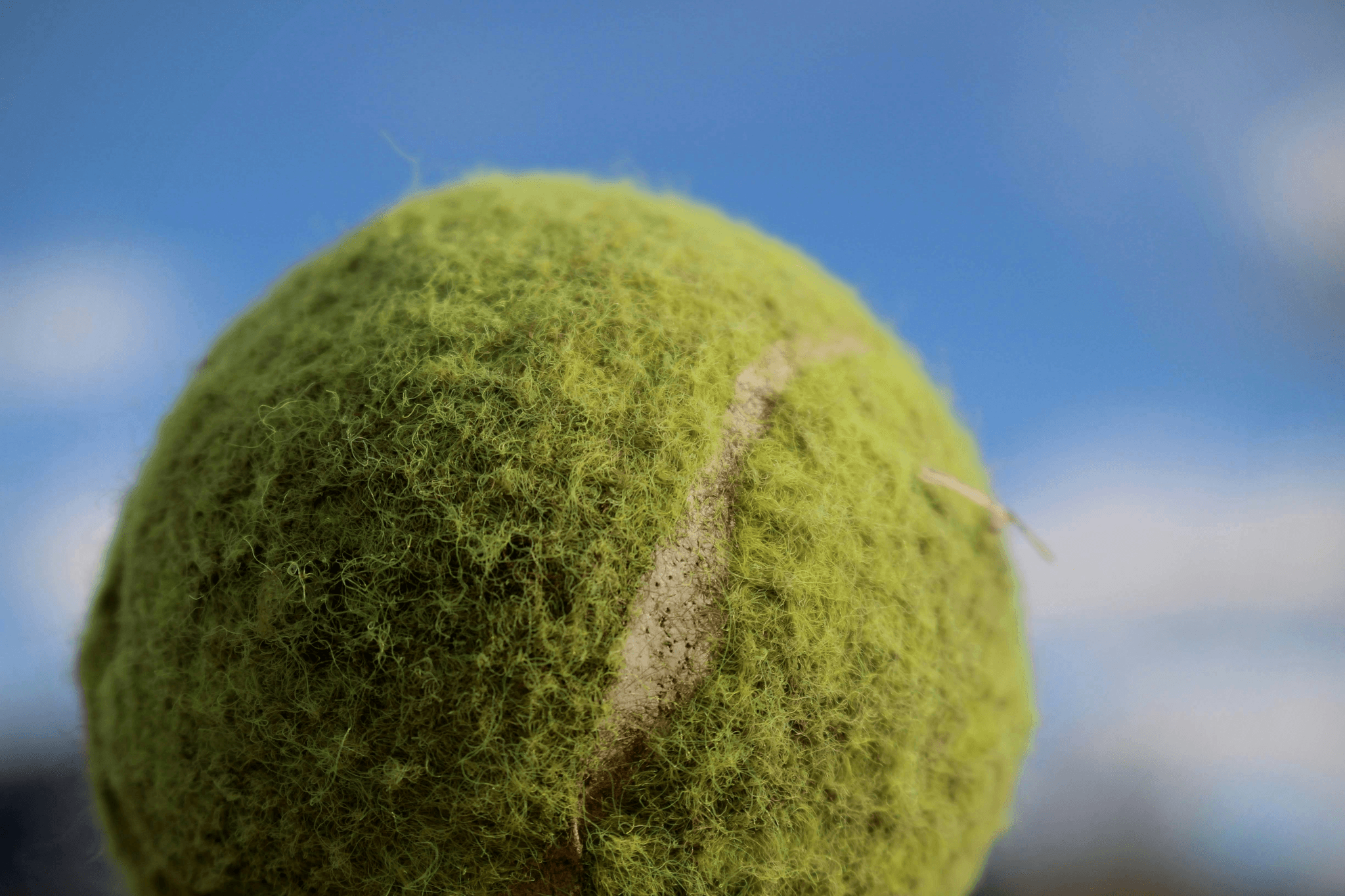
Achieving excellence in tennis ball quality starts with rigorous Tennis Ball Inspection that leaves no defect unturned. When manufacturers prioritize key points for QC inspection of tennis balls—such as surface integrity, weight consistency, and bounce performance—they set the stage for top-tier products that players trust. Incorporating thorough Acclimatization and Decompression procedures ensures testing accuracy remains high, preventing false negatives and guaranteeing every ball performs at its best.
By leveraging Deformation Testing, inspectors can assess durability under pressure, catching potential flaws before they reach courts worldwide. Rebound Testing plays a pivotal role in evaluating how well a tennis ball maintains its bounce—a critical factor influencing player experience and satisfaction. Meanwhile, diligent Color Observation helps maintain visual consistency across batches, reinforcing brand reputation through impeccable presentation.
Partnering with experienced professionals like China Inspection Pro elevates your QC process to new heights by integrating all these key points for QC inspection of tennis balls into a comprehensive strategy. Continuous improvement strategies ensure your manufacturing process adapts to evolving standards and keeps quality at the forefront. Ultimately, a commitment to rigorous Tennis Ball Inspection not only guarantees product excellence but also builds trust and loyalty among your customers.
Achieving Excellence with Rigorous Tennis Ball Inspection
Consistent Tennis Ball Inspection is the backbone of delivering high-quality products that meet industry standards and customer expectations alike. Focusing on key points for QC inspection of tennis balls—such as deformation testing, rebound assessment, and color observation—ensures each batch maintains optimal performance characteristics. By emphasizing precision in Acclimatization and Decompression procedures, manufacturers can significantly improve testing reliability and product consistency.
How China Inspection Pro Ensures Top-Notch Quality
China Inspection Pro specializes in comprehensive Tennis Ball Inspection services that cover every crucial aspect—from surface defects to internal structural integrity—using advanced techniques like deformation testing and rebound testing. Their expertise ensures that each tennis ball complies with international standards through meticulous visual inspection and color observation practices. Partnering with such professionals means your brand benefits from enhanced quality assurance processes that uphold excellence at every level.
Elevate Your Brand with Professional QC and Inspection
Professional QC and inspection services are vital for elevating your brand's reputation in a competitive market where quality speaks volumes. Implementing systematic checks—including key points for QC inspection of tennis balls—helps identify potential issues early on while reinforcing consumer confidence through consistent performance validation like rebound testing or color observation. Investing in expert inspections not only safeguards your product but also positions you as a leader committed to delivering top-notch tennis balls on every court.