
Introduction
In the bustling world of beauty and skincare, choosing the right cosmetic packaging is more than just picking pretty containers—it’s a strategic move that can make or break your brand’s reputation. With countless options and suppliers out there, navigating this landscape can feel like finding a needle in a haystack. The key to standing out? Understanding how factors like Setting An Acceptable Quality Limit (AQL), Time to Market, and Minimum Order Quantity influence your packaging decisions and overall success.
Getting your cosmetic packaging right isn’t just about aesthetics; it’s about ensuring product safety, compliance, and customer satisfaction—all while keeping an eye on costs and delivery timelines. In this complex maze of suppliers, from local manufacturers to international giants, knowing what to prioritize can save you headaches down the line. After all, your brand’s growth depends on making smart choices that balance quality, cost, and speed.
Ensuring Product Quality and Compliance
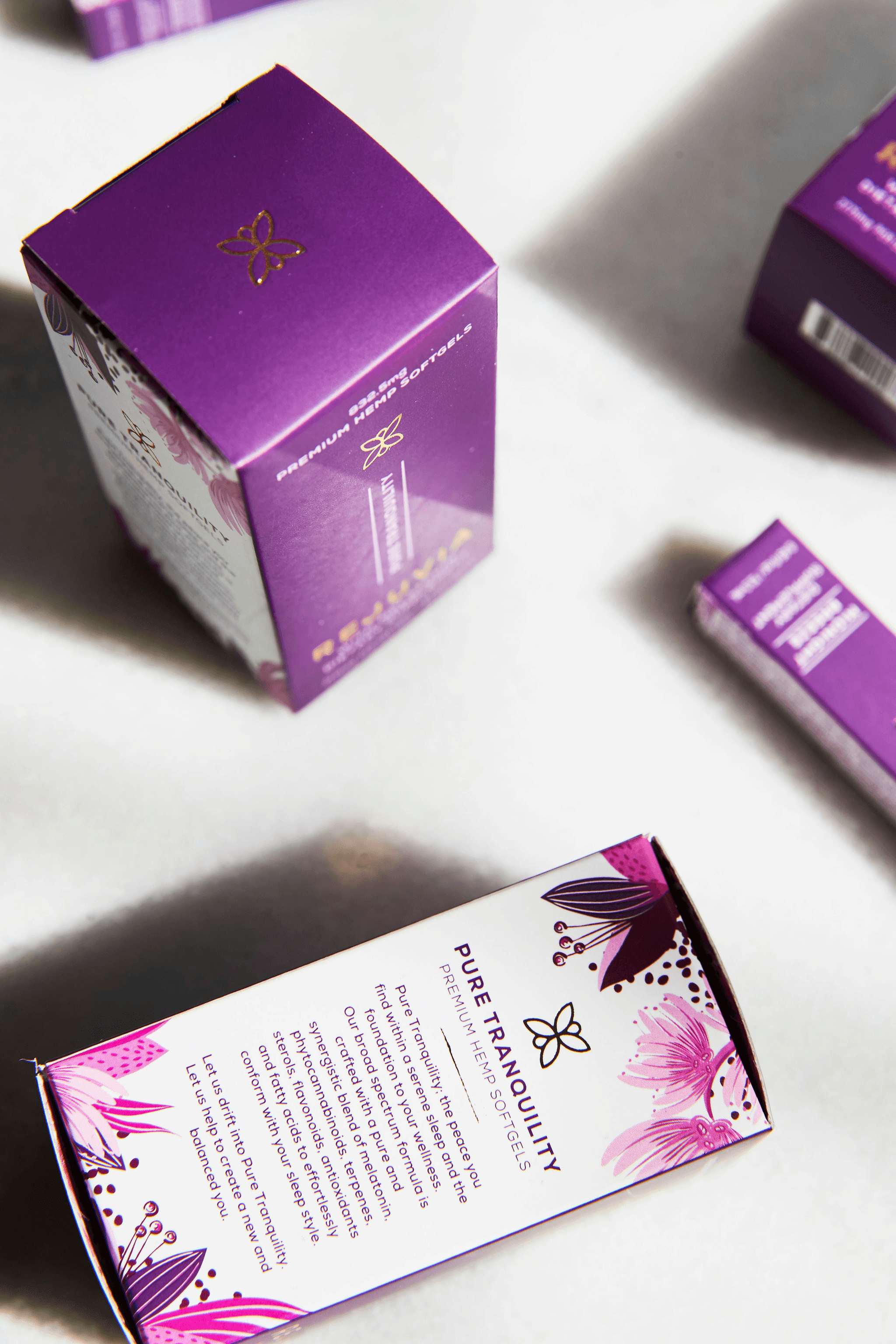
When it comes to Cosmetic Packaging, setting an acceptable quality limit (AQL) is your first line of defense against subpar products reaching your customers. Implementing a clear AQL helps you determine the maximum number of defective units allowed in a batch, balancing quality with cost-effectiveness. This way, you can avoid unnecessary delays and keep your Time to Market on track without compromising on the integrity of your packaging.
Understanding material safety and regulatory standards is crucial when selecting Cosmetic Packaging. Different regions have varying requirements, making it essential to stay compliant to prevent costly recalls or legal issues. By establishing strict standards early—especially when considering Minimum Order Quantity—you ensure that your packaging not only looks good but also meets safety regulations, keeping your brand reputation intact.
The importance of quality inspection cannot be overstated in the world of Cosmetic Packaging. Regular inspections help catch defects before they leave the factory floor, reducing risks associated with poor quality and non-compliance. Investing in thorough quality checks allows you to maintain high standards and streamline your supply chain, ultimately shortening your Time to Market while safeguarding consumer trust.
Balancing Cost and Time to Market

Navigating the world of Cosmetic Packaging requires a delicate balance between keeping costs in check and ensuring your product hits the shelves on time. When considering Minimum Order Quantity (MOQ), it’s crucial to understand how it impacts your budget—larger orders often mean lower per-unit costs, but they can also tie up capital and storage space. Setting an Acceptable Quality Limit (AQL) early in your planning helps avoid costly reworks or delays, ensuring that your packaging meets standards without inflating expenses or extending Time to Market.
Streamlining production processes is another key to reducing your Time to Market. This might involve choosing suppliers who offer flexible MOQs or faster turnaround times, allowing you to launch quicker without sacrificing quality. Efficient scheduling and clear communication with your packaging supplier can shave days—or even weeks—off the process, making sure your Cosmetic Packaging is ready just when you need it. Remember, negotiating lead times with reliable partners like Albea and Bormioli Rocco is essential—longer lead times can delay launches, so proactive discussions help keep everything on schedule.
Balancing cost considerations with Time to Market also means being strategic about supplier relationships. By establishing strong partnerships with companies like Aptar or Quadpack, you can gain better insight into their production timelines and negotiate more favorable lead times. When you set an acceptable quality limit (AQL) for Cosmetic Packaging upfront, you reduce surprises during inspections and avoid costly delays that could push back your launch date. Ultimately, a well-planned sourcing strategy that considers MOQ, quality standards, and supplier reliability will keep both your budget intact and your product on track for a successful market debut.
Managing Supplier Relationships and Reliability

Navigating the world of cosmetic packaging suppliers requires more than just a quick glance at their catalog; it demands a keen eye for consistency and reliability. When selecting partners, it's crucial to assess how well they maintain quality standards over time, especially since inconsistent packaging can tarnish your brand’s image and delay your time to market. Establishing clear expectations around setting an acceptable quality limit (AQL) ensures that you’re not just chasing the lowest price but also securing dependable quality that aligns with your brand’s standards.
Evaluating Packaging Suppliers for Consistency
Consistency is king when it comes to cosmetic packaging—your customers expect uniformity in every bottle or jar they purchase. A supplier’s ability to consistently meet your specifications directly impacts your time to market, as frequent quality issues can cause delays and increase costs. Implementing a rigorous process for setting an acceptable quality limit (AQL) helps you identify which suppliers deliver reliable cosmetic packaging, reducing surprises during production runs and ensuring your product launches stay on schedule.
Building Long-Term Partnerships with Companies like Aptar and Quadpack
Long-term relationships with reputable companies such as Aptar and Quadpack are invaluable in the competitive world of cosmetic packaging. These partnerships often translate into better negotiation on minimum order quantities, allowing you to optimize costs without sacrificing quality or extending your time to market. Investing in strong supplier relationships means you can rely on consistent delivery of high-quality packaging, which is essential for maintaining brand integrity and streamlining production cycles.
The Role of Quality Inspection in Maintaining Standards
Quality inspection plays a pivotal role in managing supplier reliability—it's the gatekeeper that ensures each batch of cosmetic packaging meets the set acceptable quality limits (AQL). Regular inspections help catch defects early, preventing subpar products from reaching consumers and causing costly recalls or reputation damage. By prioritizing thorough quality checks, you safeguard your brand’s image while keeping your supply chain resilient against unforeseen issues that could disrupt your time to market.
Conclusion
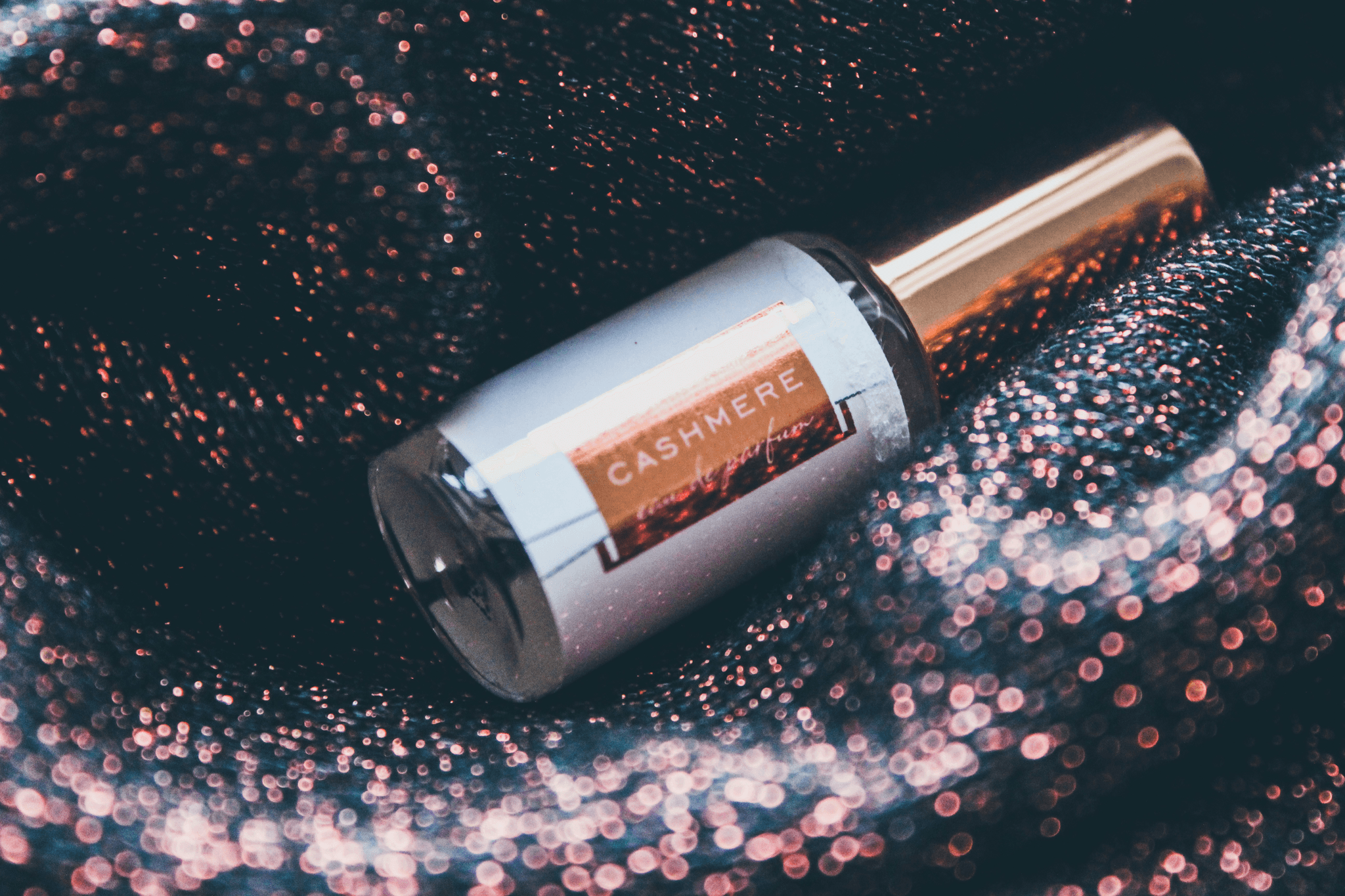
Choosing the right packaging for your cosmetic products is more than just picking pretty containers; it’s about making strategic decisions that fuel your brand’s growth and reputation. By understanding how to set an acceptable quality limit (AQL) for Cosmetic Packaging, you can ensure consistent standards without overextending your budget or delaying your Time to Market. Remember, a well-informed choice in packaging suppliers and quality control measures can be the difference between a successful product launch and a missed opportunity.
Making Informed Packaging Choices for Brand Growth
When it comes to Cosmetic Packaging, making informed choices means evaluating suppliers not just on price but on their ability to meet your quality expectations within your desired Time to Market. Setting an acceptable quality limit (AQL) helps you filter out subpar options early in the process, ensuring only reliable packaging makes it onto your shelves. Balancing Minimum Order Quantity demands with your production schedule allows you to avoid costly delays while maintaining flexibility as you scale.
Prioritizing Quality Inspection to Mitigate Risks
Quality inspection plays a pivotal role in safeguarding your brand’s reputation by catching issues before they reach consumers. Regular checks on Cosmetic Packaging help verify compliance with safety standards and material specifications, reducing the risk of recalls or customer dissatisfaction. Investing in thorough inspections aligns perfectly with setting an acceptable quality limit (AQL), giving you peace of mind that every batch meets high standards—saving time and money down the line.
Planning for Efficient Launches with Optimal Sourcing Strategies
To hit your launch deadlines without sacrificing quality, strategic sourcing is key—especially when managing factors like Minimum Order Quantity and supplier lead times from companies like Albea or Bormioli Rocco. Streamlining production schedules ensures faster Time to Market while maintaining top-tier Cosmetic Packaging standards through diligent quality inspections. With an eye on both cost and efficiency, choosing suppliers who align with your sourcing strategy will keep your product launch smooth sailing from start to finish.