
Introduction

Building with structural steel is like constructing a giant, intricate puzzle—every piece must fit perfectly to ensure safety and longevity. Ensuring safety in building structural steel begins with rigorous Structural Steel Inspection, which acts as the first line of defense against potential failures down the line. When you prioritize proper inspection protocols, you're not just ticking boxes; you're safeguarding lives, investments, and the integrity of your entire project.
Consistent inspection of structural steel is essential because even minor flaws in structural steel fabrication or welding can lead to costly disasters later on. By implementing thorough inspections at every stage—from fabrication to post-installation—you prevent hidden defects from slipping through the cracks. This vigilance guarantees that each component of your building's structural steel meets industry standards and performs reliably over time.
Proper inspection plays a crucial role in protecting your investments by catching issues early before they escalate into expensive repairs or safety hazards. When you partner with skilled inspectors who understand the nuances of structural welding and fabrication quality, you're ensuring that your building's structural steel remains robust and compliant with regulations. Ultimately, investing in comprehensive Structural Steel Inspection translates into safer buildings and more secure financial outcomes for stakeholders.
Fundamentals of Structural Steel Inspection
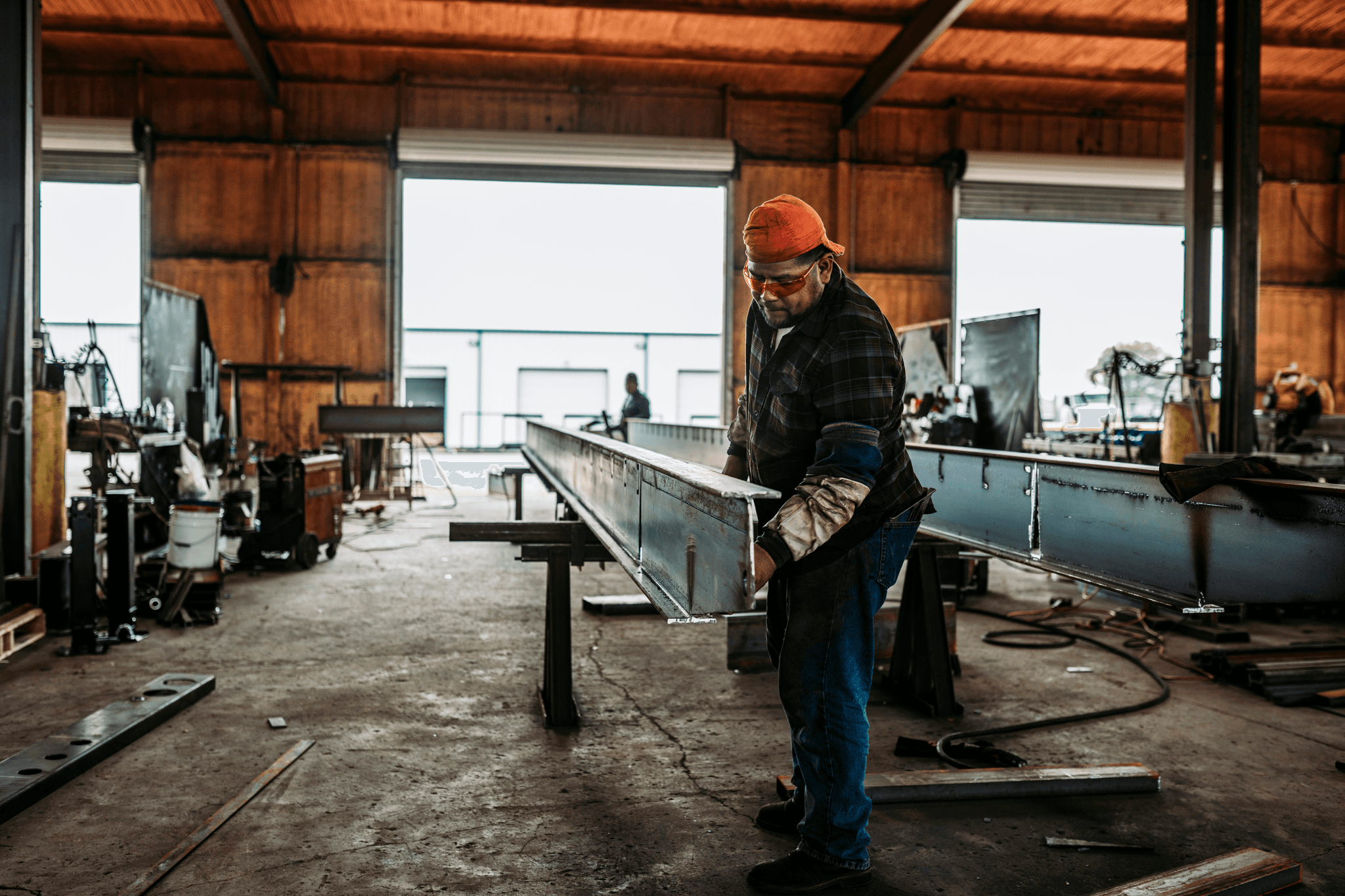
Understanding the core elements of structural steel inspection is crucial for ensuring the safety and longevity of building structural steel. This process involves a thorough evaluation of all components involved in the fabrication and installation of structural steel, from raw materials to finished assemblies. Proper inspection not only catches potential issues early but also guarantees that the structural steel meets all safety standards and project specifications.
The role of structural steel fabrication quality cannot be overstated when it comes to building structural steel. High-quality fabrication ensures that each piece fits perfectly and performs reliably under load, reducing the risk of future failures. Regular structural steel inspection during fabrication helps identify deviations from design, material defects, or welding inconsistencies that could compromise the integrity of the entire structure.
When it comes to structural welding, employing precise inspection techniques is vital for maintaining the strength and durability of building structural steel. Techniques such as ultrasonic testing and magnetic particle inspection allow inspectors to detect hidden flaws within welds that are invisible to the naked eye. These methods help uphold strict standards in structural welding, ensuring every joint contributes safely to the overall stability.
Standards and Regulations for Structural Steel
Navigating the world of building structural steel requires more than just good intentions; it demands adherence to strict standards and regulations. These guidelines ensure that every piece of structural steel fabrication meets safety, durability, and performance criteria. When it comes to structural steel inspection, compliance with established standards like those from AISC and AWS is essential to guarantee the integrity of the entire structure.
Understanding the core principles behind these standards helps inspectors identify potential issues early in the process. Properly inspecting structural steel, especially during fabrication and welding, is crucial for identifying defects that could compromise safety down the line. Building owners and engineers rely heavily on these regulations to maintain quality control throughout all phases of construction.
AISC and AWS Guidelines Overview
The American Institute of Steel Construction (AISC) and the American Welding Society (AWS) set the gold standard for structural steel inspection practices across industries. These guidelines provide comprehensive procedures for inspecting structural steel fabrication, ensuring weld quality, and verifying material compliance. Regular adherence to AISC and AWS standards guarantees that every component involved in building structural steel is up to code, reducing risks associated with subpar workmanship or faulty materials.
Incorporating these guidelines into your structural steel inspection routine helps catch issues during fabrication before they escalate into costly problems on-site. For example, strict welding inspection protocols outlined by AWS help detect hidden flaws in welds that could jeopardize a project's safety or longevity. Ultimately, following AISC and AWS standards turns a routine inspection into a safeguard for your investment in building structural steel.
Industry Best Practices for Inspection
While formal guidelines are vital, industry best practices elevate your approach from basic compliance to excellence in structural steel inspection. This includes implementing thorough visual inspections during each phase of fabrication and on-site installation—spotting everything from surface irregularities to misaligned components early on. Using advanced techniques like ultrasonic testing or magnetic particle testing adds an extra layer of assurance when evaluating critical welds or hidden defects in structural steel.
Consistency is king when managing inspections across different teams working on building structural steel projects; standardized procedures ensure no detail slips through the cracks. Embracing technology—such as digital documentation tools or even partnering with experts like China Inspection Pro—can streamline inspections while maintaining high standards for quality control throughout all phases of construction.
Complying with Local Building Codes
Every region has its own set of rules governing how building structural steel should be inspected and certified before being incorporated into a project. Compliance with local building codes ensures that your structure not only meets national standards but also adheres to regional safety requirements specific to seismic activity, wind loads, or other environmental factors affecting structural integrity.
Failing to meet local code requirements can result in delays, fines, or worse—structural failures down the line due to overlooked flaws during inspection stages. Therefore, understanding how local regulations intersect with overarching standards like those from AISC or AWS is crucial when planning your Structural Steel Inspection strategy; doing so guarantees your project’s legality—and peace of mind—throughout its lifespa
Inspection Methods and Tools
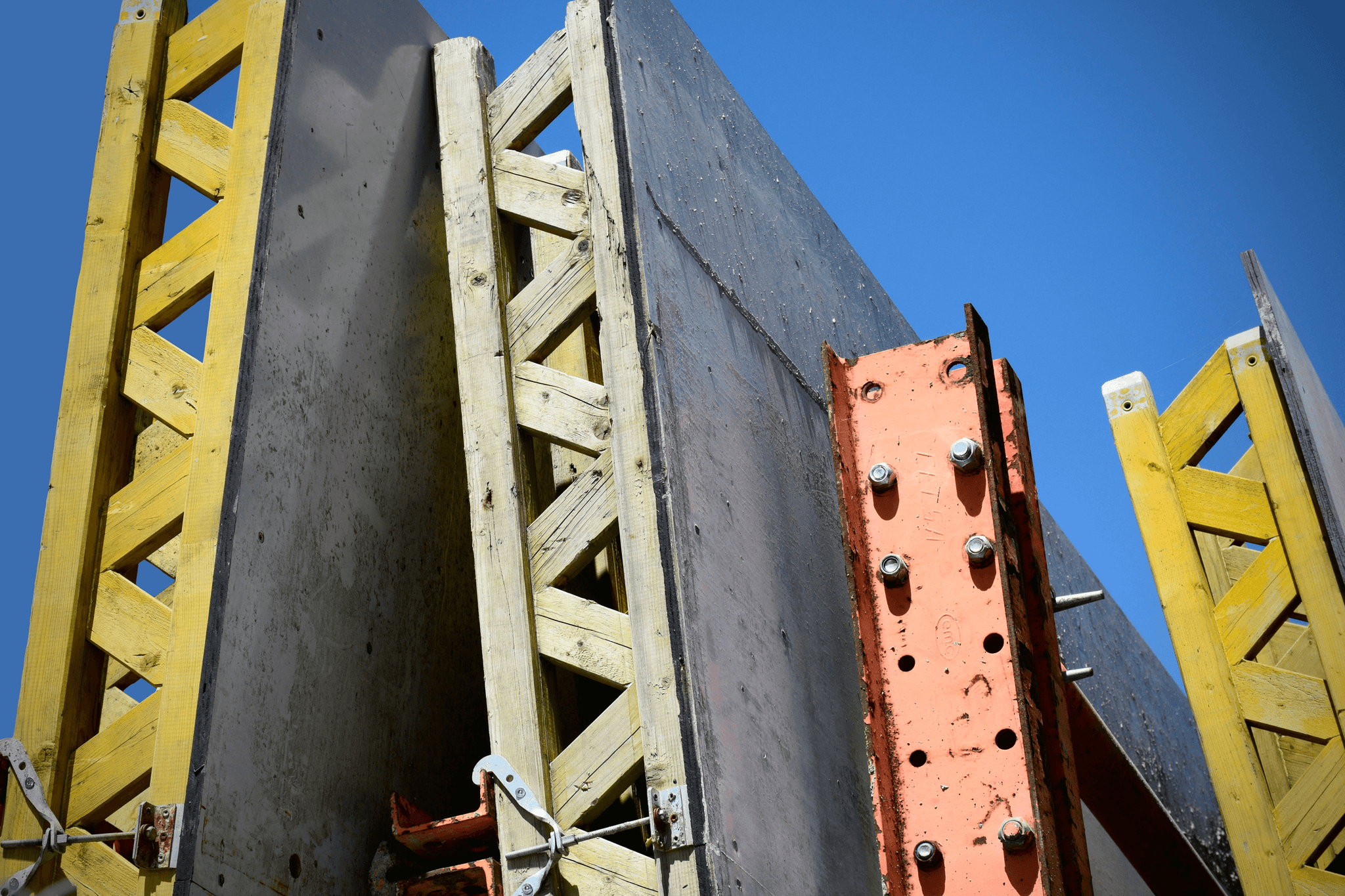
Effective structural steel inspection is the backbone of ensuring safety, durability, and compliance in building projects. From visual assessments to sophisticated testing techniques, each method plays a vital role in verifying the integrity of structural steel components. Leveraging advanced technologies like China Inspection Pro can elevate your inspection game, making sure every weld and beam meets industry standards.
Visual Inspection Techniques
Visual inspection remains the most fundamental yet critical aspect of structural steel inspection. Skilled inspectors meticulously examine all visible surfaces of structural steel, checking for signs of corrosion, cracks, misalignments, or incomplete welds that could compromise the entire structure. In the realm of building structural steel, this initial step helps identify obvious defects early on before moving to more complex testing methods. Consistent visual inspections during fabrication and post-installation phases ensure that the quality of structural welding and fabrication adheres to strict standards.
Ultrasonic and Magnetic Particle Testing
When surface-level checks aren't enough, ultrasonic testing (UT) and magnetic particle testing (MT) come into play—especially for detecting hidden flaws within the steel or welds that are invisible to the naked eye. Ultrasonic testing uses high-frequency sound waves to identify internal defects in structural steel components without damaging them—vital for ensuring the integrity of critical load-bearing elements. Magnetic particle testing involves applying a magnetic field to ferromagnetic parts; any surface or near-surface discontinuities like cracks will attract magnetic particles, revealing potential weak points in welded joints or fabricated sections.
Use of Advanced Technologies like China Inspection Pro
Modern advancements have introduced powerful tools such as China Inspection Pro into the landscape of structural steel inspection. These sophisticated platforms offer real-time data analysis, digital reporting, and remote monitoring capabilities that streamline inspections across large construction sites or factories specializing in structural steel fabrication. Incorporating such advanced technologies ensures consistent quality control throughout all phases—from factory pre-construction checks to on-site examinations—helping teams catch issues early before they escalate into costly problems during building constructio
Phases of Structural Steel Inspection
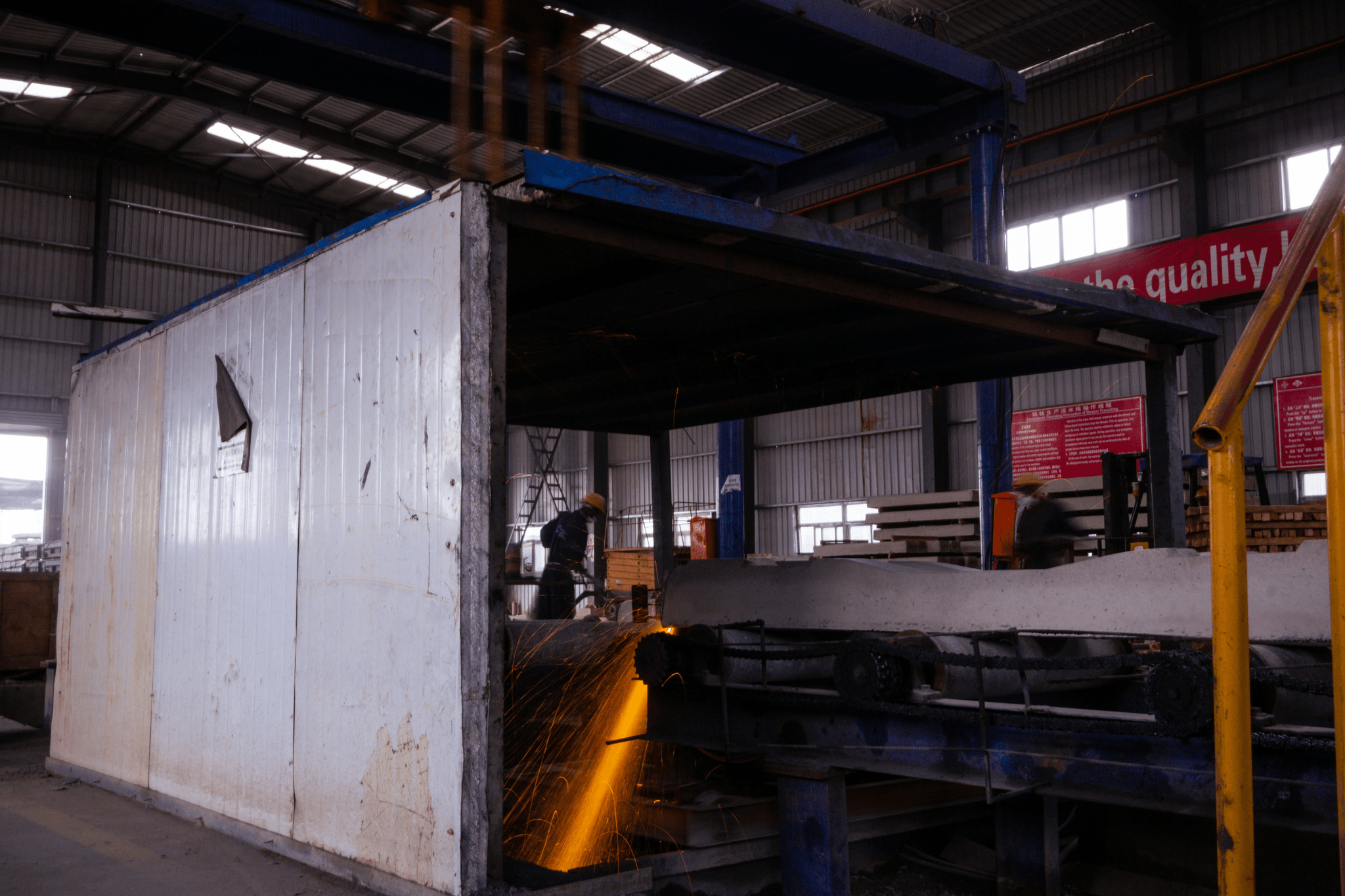
Understanding the different phases of structural steel inspection is crucial to ensuring the integrity and safety of building structural steel. Each stage plays a vital role in catching potential issues early and verifying that the fabrication and installation meet all standards. Properly conducting these inspections helps prevent costly repairs and guarantees that the structural steel performs as intended throughout its lifespan.
Factory Pre-Construction Inspection
The first phase involves a thorough factory pre-construction inspection, where the quality of structural steel fabrication is scrutinized before it leaves the manufacturing plant. During this stage, inspectors assess whether the structural welding meets industry standards, checking for proper weld sizes, techniques, and overall craftsmanship. This early inspection acts as a quality gatekeeper, ensuring that only compliant structural steel moves forward for on-site assembly.
On-Site Structural Steel Examination
Once the structural steel arrives at the construction site, an on-site examination begins to verify that installation aligns with design specifications and safety requirements. Inspectors perform visual inspections to identify any surface defects or misalignments in the structural steel components. Advanced testing methods like ultrasonic or magnetic particle testing may also be employed to detect hidden flaws in welds or internal material defects—making sure every piece fits perfectly into your building's skeleton.
Post-Installation Quality Verification
After installation, a final phase of post-installation quality verification confirms that all parts of the building's structural steel are properly assembled and secured. This phase ensures compliance with local building codes and industry best practices for inspection while validating that no damage occurred during transportation or erection. Regular post-installation inspections are essential for maintaining long-term safety standards and safeguarding your investment in durable, reliable building structural steel.
Common Challenges in Structural Steel Inspection
Inspecting structural steel can sometimes feel like searching for a needle in a haystack—hidden defects are the sneaky culprits that can compromise the entire building structure. Detecting these flaws requires a keen eye and a thorough understanding of how structural steel fabrication might introduce vulnerabilities. Without proper attention, even the most diligent structural steel inspection might miss critical issues lurking beneath the surface, jeopardizing safety and longevity.
Managing inspection deadlines is another hurdle that construction teams often face. With tight schedules for building structural steel installation, inspectors must balance speed with precision to ensure quality isn’t sacrificed. Rushing through inspections can lead to overlooked defects or incomplete evaluations, making it essential to plan carefully and allocate sufficient time for comprehensive assessments of all phases of the structural steel process.
Ensuring consistency across teams is perhaps one of the trickiest parts of maintaining high standards in structural steel inspection. Different inspectors may interpret standards differently or use varying techniques during visual inspections or advanced testing methods like ultrasonic testing. Achieving uniformity in inspecting fabricated components and welded joints requires clear protocols and ongoing training, especially when dealing with complex tasks such as inspecting structural welding for integrity.
Role of Quality Inspection Services
Quality inspection services play a pivotal role in ensuring the longevity and safety of building structural steel. When it comes to structural steel fabrication, rigorous quality checks help identify potential issues early, preventing costly repairs down the line. By meticulously inspecting every weld and connection, these services safeguard the integrity of structural steel components throughout the construction process.
How Quality Inspection Enhances Structural Steel Integrity
High-quality inspections are the backbone of resilient building structural steel. They verify that each piece of structural steel complies with industry standards and specifications, especially during fabrication and welding phases. By catching defects in structural welding or inconsistencies in fabrication early, inspectors help maintain the strength and durability of the entire structure, reducing risks associated with failure or collapse.
Turning Inspection Data into Actionable Improvements
Inspection data provides invaluable insights into the condition of structural steel at every stage—from factory pre-construction to post-installation checks. These insights allow project teams to implement targeted improvements in fabrication processes or welding techniques, boosting overall quality. Leveraging detailed reports from structural steel inspection helps streamline maintenance plans and enhances safety protocols for future projects.
Partnering with Experts Like China Inspection Pro
Partnering with seasoned professionals such as China Inspection Pro elevates your building’s safety standards by providing specialized expertise in structural steel inspection. Their team understands the nuances of inspecting complex welds and fabricated components, ensuring compliance with global standards like AISC and AWS guidelines. Collaborating with such experts guarantees that your project benefits from cutting-edge inspection methods, ultimately protecting your investment in high-quality structural steel.
Conclusion
In the world of modern construction, rigorous Structural Steel Inspection is the backbone of building safety and longevity. Proper inspection not only ensures that every piece of structural steel meets the highest standards but also protects investments by preventing costly failures down the line. When you prioritize thorough checks during structural steel fabrication and installation, you're essentially giving your project a safety net that catches issues before they escalate, saving time, money, and headaches.
Keeping your building's structural steel compliant with industry standards is no small feat, but it’s absolutely essential. Regular inspections of structural steel during fabrication and post-installation verify that welds are sound and materials meet specifications. By adhering to strict protocols for inspecting structural welding and other critical elements, you uphold your commitment to safety while complying with local codes—making sure your project stands tall without falling flat on compliance.
Elevating construction safety standards starts with a proactive approach to Structural Steel Inspection. Embracing advanced inspection methods and partnering with experts like China Inspection Pro can turn routine checks into powerful tools for quality assurance. When everyone involved in building structural steel understands the importance of consistent inspection protocols, it creates a culture where safety isn't just an afterthought but a core value—building structures that are as resilient as they are reliable.