
Introduction

In the world of manufacturing and production, the concept of Acceptable Quality Limit (AQL) plays a pivotal role in maintaining standards that ensure products meet the required quality benchmarks. AQL defines the maximum number of defective items considered acceptable during random sampling inspections, which is crucial for effective quality control. By establishing clear parameters for what constitutes acceptable quality, businesses can streamline their processes and enhance overall efficiency.
Defining Acceptable Quality Limit
To define quality in a practical sense, Acceptable Quality Limit serves as a critical metric that organizations rely on to gauge product integrity. It sets forth specific thresholds that dictate how many defects are permissible within a batch without compromising customer satisfaction or safety. This balance between acceptable levels of defects and consumer expectations is essential for businesses aiming to maintain their reputation while managing production costs.
Importance of Quality Control
Quality control is not just a buzzword; it’s an essential practice that ensures products meet predetermined standards before reaching consumers. The importance of quality control cannot be overstated, as it directly affects product reliability and customer trust—two pillars upon which successful businesses are built. By implementing stringent quality control measures, companies can significantly reduce waste and rework costs while enhancing their market competitiveness.
Role of Quality Inspection
Quality inspection acts as the frontline defense in safeguarding product integrity by systematically evaluating goods against established criteria. Quality control inspectors play an indispensable role in this process, identifying defects during various stages of production to prevent subpar products from reaching consumers. Moreover, the collaboration between quality inspection teams and quality control companies fosters an environment where continuous improvement is not just encouraged but becomes standard practice.
What is Acceptable Quality Limit?
The Acceptable Quality Limit (AQL) is a critical concept in quality control that defines the maximum number of defective items considered acceptable in a sample batch. This metric helps businesses maintain quality while balancing costs, ensuring that products meet the required standards without overextending resources. By establishing an AQL, companies can effectively manage quality inspection processes and enhance overall product reliability.
Historical Context of AQL
The concept of Acceptable Quality Limit emerged in the early 20th century as manufacturers sought ways to streamline production while maintaining product quality. Initially developed during World War II for military applications, AQL became essential for ensuring that suppliers met stringent standards without compromising efficiency. Over time, industries adopted this framework, integrating it into various quality control practices to define acceptable levels of defects in their products.
Key Terminology in Quality Control
Understanding the terminology related to acceptable quality limit is vital for anyone involved in quality control. Terms like defective, which refers to items failing to meet specified criteria, and sampling plan, which outlines how samples are selected for inspection, are foundational concepts within this field. Additionally, lot size denotes the total number of items produced at one time and plays a crucial role when determining an appropriate AQL for effective quality control.
How AQL is Measured
Measuring Acceptable Quality Limit involves statistical sampling techniques that help determine the proportion of defective items within a given lot size. Typically expressed as a percentage or ratio, AQL indicates the maximum allowable defects before rejecting an entire batch during quality inspection processes. Quality control companies often utilize various sampling plans—like single-sampling or double-sampling—to assess whether products meet established AQL thresholds efficiently.
The Importance of AQL in Quality Control

The Acceptable Quality Limit (AQL) is a cornerstone of effective quality control, ensuring that products meet predetermined standards before they reach consumers. By establishing a clear threshold for acceptable defects, AQL helps maintain product reliability and minimizes the risk of costly recalls or returns. In this section, we will explore how AQL contributes to product reliability, cost efficiency, and consumer trust.
Ensuring Product Reliability
Ensuring product reliability is paramount in any industry, and the acceptable quality limit plays a crucial role in achieving this goal. By defining quality through specific tolerances, manufacturers can systematically reduce defects and ensure that their products perform as expected. Quality inspection processes guided by AQL help identify issues early on, allowing quality control inspectors to address potential problems before they escalate into larger concerns.
Minimizing Costs through Effective Quality Control
Implementing an acceptable quality limit not only enhances product reliability but also serves as a strategic approach to minimizing costs associated with poor quality control. When companies adhere to AQL standards, they can significantly reduce waste and avoid the financial burden of extensive rework or customer complaints. Moreover, engaging with reputable quality control companies ensures that businesses are equipped with the right tools and techniques to maintain high-quality production without breaking the bank.
AQL's Impact on Consumer Trust
Consumer trust is built on consistent delivery of high-quality products, making the role of acceptable quality limits vital in fostering positive brand relationships. When customers know that a company adheres to rigorous AQL standards through diligent quality inspection practices, they are more likely to feel confident in their purchases. This trust translates into customer loyalty and repeat business—key ingredients for long-term success in today’s competitive market.
Common AQL Standards and Practices

When it comes to quality control, understanding the various Acceptable Quality Limit (AQL) standards and practices is crucial for businesses aiming to maintain high-quality products. These standards help define quality expectations across different industries, ensuring that products meet safety and reliability benchmarks. By adhering to established AQL guidelines, companies can enhance their quality inspection processes and build consumer trust.
ISO 2859 and Its Implications
ISO 2859 is a widely recognized standard that provides a framework for sampling plans based on the acceptable quality limit. This standard helps organizations implement effective quality control measures by defining how many items should be inspected in a batch and what constitutes an acceptable level of defects. By following ISO 2859, quality control companies can establish consistent practices that minimize risks while maximizing product reliability.
The implications of ISO 2859 extend beyond mere compliance; they influence how businesses define quality in their operations. Companies that adopt these standards often see improvements in their overall efficiency as they streamline their inspection processes. Ultimately, embracing ISO 2859 not only enhances product quality but also fosters a culture of continuous improvement within organizations.
Military and Aerospace AQL Guidelines
In high-stakes industries like military and aerospace, the stakes are even higher when it comes to maintaining an acceptable quality limit. These sectors have stringent AQL guidelines due to the critical nature of their products, where failures can lead to catastrophic outcomes. Quality control inspectors in these fields must adhere to rigorous testing protocols that ensure every component meets or exceeds established safety standards.
Military and aerospace guidelines often incorporate more stringent tolerances than typical commercial standards because even minor defects can have serious consequences. This commitment to excellence requires specialized training for quality control inspectors who must be adept at identifying potential issues during the manufacturing process. As a result, organizations operating within these sectors often invest significantly in advanced technology and training programs aimed at enhancing their overall quality control capabilities.
Industry-Specific AQL Variations
Not all industries apply the same Acceptable Quality Limit principles; variations exist based on specific needs and challenges faced by different sectors. For instance, the food industry may prioritize hygiene-related inspections over aesthetic considerations, while electronics manufacturers might focus on functionality and performance metrics in their assessments of acceptable quality limits. Understanding these industry-specific variations is vital for businesses looking to implement effective quality control strategies tailored to their unique requirements.
Quality inspection practices vary significantly across sectors due to differing regulatory demands, consumer expectations, and production complexities. For example, automotive manufacturers may follow stricter tolerances compared to fashion retailers because vehicle safety hinges on precise engineering specifications—making it essential for them to work closely with qualified quality control companies that understand these nuances. By recognizing such differences in AQL applications across industries, businesses can better align their practices with market expectations while safeguarding product integrity.
Quality Control Techniques for Implementing AQL
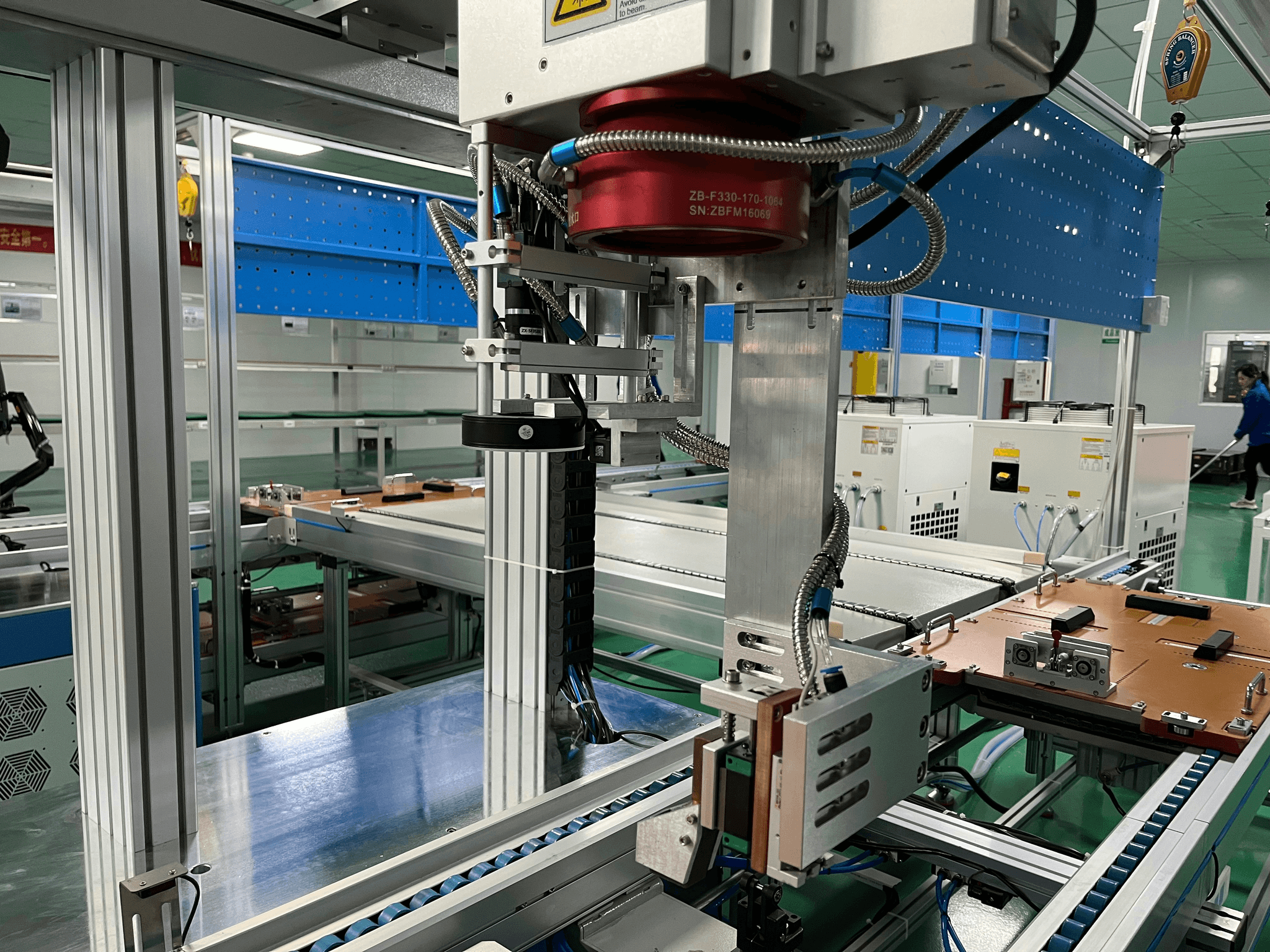
Implementing Acceptable Quality Limit (AQL) in quality control requires a strategic approach that combines various techniques and methodologies. By understanding the significance of quality inspection and employing effective quality control practices, companies can ensure their products meet defined standards. This section explores essential statistical sampling methods, the pivotal role of quality control inspectors, and the tools utilized by quality control companies.
Statistical Sampling Methods
Statistical sampling methods are foundational in defining quality and ensuring adherence to acceptable quality limits. These methods allow organizations to evaluate a small portion of products rather than inspecting every item, which can be time-consuming and costly. By using techniques such as random sampling or stratified sampling, companies can effectively gauge the overall quality without compromising on standards.
Moreover, these statistical methods help in determining whether a batch meets the predetermined AQL criteria for defects. For instance, if a batch is sampled and found to have defects exceeding the acceptable threshold, it raises a red flag for further inspection or corrective actions. Ultimately, employing robust statistical sampling not only streamlines the process but also strengthens consumer trust in product reliability.
Role of Quality Control Inspectors
Quality control inspectors play an indispensable role in maintaining acceptable quality limits throughout production processes. These professionals are tasked with conducting thorough inspections at various stages of production to ensure compliance with established quality standards. Their expertise enables them to identify potential issues early on, preventing defective products from reaching consumers.
In addition to routine inspections, quality control inspectors provide valuable insights into process improvements that can enhance overall product quality and efficiency. They work closely with production teams to define quality parameters that align with customer expectations while adhering to industry regulations. The collaboration between inspectors and manufacturers fosters a culture of continuous improvement in both product development and operational excellence.
Tools Used by Quality Control Companies
Quality control companies leverage an array of advanced tools designed specifically for effective monitoring and assessment against acceptable quality limits. These tools range from basic measurement devices like calipers and gauges to sophisticated software systems that analyze data trends over time. Such technology aids in tracking performance metrics related to defect rates and overall product conformity.
Additionally, automated inspection systems have emerged as game-changers in enhancing accuracy during inspections while reducing human error associated with manual checks. With these tools at their disposal, companies can implement real-time monitoring solutions that provide immediate feedback on product status relative to defined AQLs. As industries continue evolving towards automation and data-driven decision-making processes, these tools will remain critical for maintaining high standards in quality control.
Challenges in Maintaining Acceptable Quality Limit

Maintaining an acceptable quality limit (AQL) is crucial for any organization striving for excellence in quality control. However, several challenges can hinder this goal, including understanding tolerance levels, addressing supplier variability, and the effectiveness of quality inspection processes. Navigating these challenges requires a strategic approach to quality and control that ensures products meet established standards while fostering consumer trust.
Understanding Tolerance Levels
Tolerance levels define the acceptable range of variation in product specifications, which is key to maintaining an acceptable quality limit. When organizations fail to properly define quality through precise tolerance parameters, they risk producing items that fall outside the desired standards. This not only affects product reliability but also increases costs associated with rework or returns, making it essential for companies to establish clear tolerance levels upfront.
When discussing tolerance levels, it's important to recognize that they vary by industry and product type. For example, a high-precision aerospace component may have much stricter tolerances compared to a consumer good like packaging material. Quality control companies must work closely with manufacturers to ensure that these levels are understood and adhered to throughout the production process.
Addressing Supplier Variability
Supplier variability can be a significant obstacle in achieving consistent AQL compliance. Different suppliers may have varying methods of production or raw material quality, leading to inconsistencies that can jeopardize the overall standard of products delivered. Organizations need robust systems in place for evaluating and monitoring supplier performance regularly; otherwise, they risk compromising their entire supply chain’s integrity.
To tackle supplier variability effectively, many companies employ stringent qualification processes before onboarding new suppliers. Regular audits and assessments should be part of ongoing vendor management strategies as well; this helps ensure that suppliers consistently meet required standards related to acceptable quality limits. Quality control inspectors play a vital role here by conducting thorough evaluations and providing feedback on areas needing improvement.
The Role of Quality Inspection in Overcoming Challenges
Quality inspection serves as the frontline defense against potential pitfalls associated with maintaining an acceptable quality limit (AQL). By implementing rigorous inspection protocols throughout various stages of production—ranging from raw material checks to final product assessments—companies can identify defects early on and mitigate risks before they escalate into larger issues. This proactive approach is essential for ensuring ongoing compliance with established standards.
Moreover, effective communication between quality control inspectors and production teams fosters a culture of continuous improvement where everyone understands their role in maintaining high-quality outcomes. Regular training sessions on best practices related to AQL help equip teams with knowledge about common pitfalls and how to avoid them effectively while enhancing overall performance across departments involved in production processes.
In summary, while challenges exist when striving for an acceptable quality limit within any organization’s operations framework—such as understanding tolerance levels or managing supplier variability—the role played by diligent inspections cannot be overstated; it acts as both shield and guide towards achieving excellence through consistent application of effective strategies tailored specifically around defined criteria pertaining directly back into successful delivery outcomes!
Conclusion

In the realm of quality control, adhering to the Acceptable Quality Limit (AQL) is not just a best practice; it’s a necessity for success. AQL serves as a benchmark that ensures products meet defined standards, thereby enhancing product reliability and consumer trust. By implementing effective quality inspection processes, companies can mitigate risks associated with defective products and foster long-term customer loyalty.
Benefits of Adhering to AQL
Adhering to an acceptable quality limit brings numerous benefits that extend beyond mere compliance. First and foremost, it helps in maintaining product reliability, ensuring that consumers receive goods that meet their expectations consistently. Additionally, effective quality control practices can minimize costs associated with returns and replacements, ultimately improving the bottom line for quality control companies.
Moreover, when businesses define quality through the lens of AQL, they establish a culture of accountability within their teams. This commitment not only enhances operational efficiency but also boosts employee morale as everyone works towards a common goal of excellence in quality inspection. Thus, embracing AQL is key to achieving sustainable success in any industry.
Future Trends in Quality Control
As industries evolve, so too does the landscape of quality control practices. One emerging trend is the integration of technology into quality inspection processes—think AI-driven analytics and real-time monitoring systems that redefine how we define quality today. These advancements enable more precise measurements against acceptable quality limits while providing valuable insights into production variations.
Additionally, there’s an increasing focus on sustainability within quality control frameworks. Companies are recognizing that maintaining high standards doesn’t just apply to product performance but also encompasses environmental responsibility and ethical sourcing practices. As we look ahead, these trends will shape how businesses approach their commitments to both customers and the planet.
How China Inspection Pro Supports Quality Excellence
China Inspection Pro stands at the forefront of promoting excellence in quality control through its comprehensive services tailored for various industries. By specializing in rigorous testing methods aligned with acceptable quality limits, this company ensures clients receive products that meet or exceed industry standards every time. Their team of skilled quality control inspectors utilizes advanced tools and methodologies to deliver reliable results efficiently.
Furthermore, China Inspection Pro understands the challenges companies face regarding supplier variability and tolerance levels; thus they offer customized solutions designed to tackle these issues head-on. Their commitment to transparency fosters trust between manufacturers and consumers alike—essential for building lasting relationships in today’s competitive market landscape. In short, partnering with China Inspection Pro means you’re not just meeting AQL; you’re exceeding it.