
Introduction
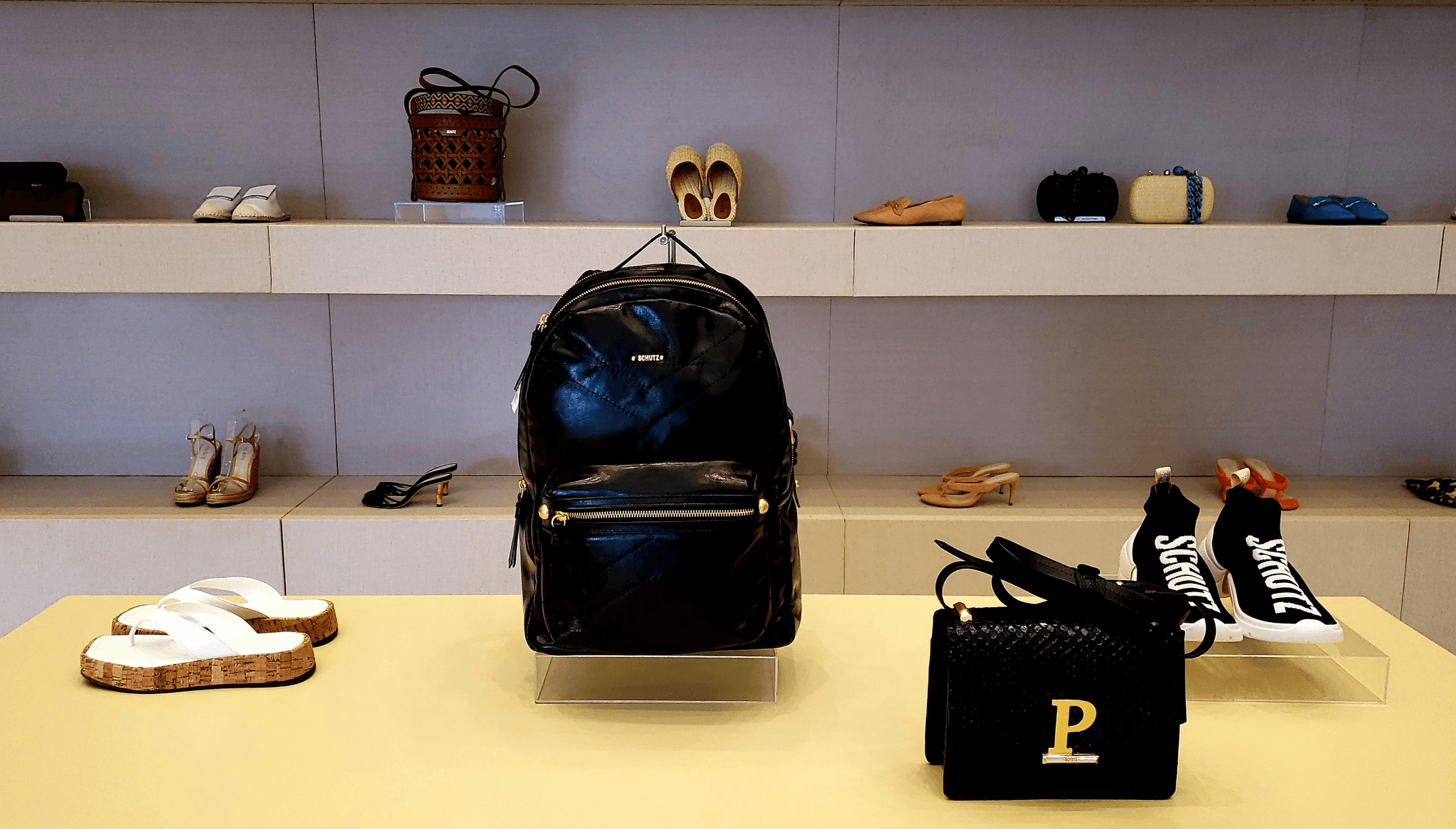
Counterfeiting has become a pervasive issue in today's global marketplace, with China often at the epicenter of this phenomenon. The sheer volume of common fake products in China, from electronics to luxury fashion items, raises significant concerns for consumers and brands alike. As counterfeit goods flood the market, understanding the dynamics behind their proliferation is crucial for navigating this complex landscape.
Understanding the Issue of Counterfeits
Counterfeit products range from fake consumer electronics to imitation luxury brand bags and purses, affecting various industries and markets. These knockoffs not only mislead consumers but also pose serious safety risks and diminish brand integrity. By recognizing the scope of counterfeiting, we can better appreciate its implications on both individual buyers and legitimate businesses.
Why Fake Products Flourish in China
Several factors contribute to the thriving counterfeit market in China, including high demand for affordable alternatives and lax enforcement of intellectual property rights. The allure of fake shoes, sport wears, and cosmetics creates a perfect storm where consumers prioritize price over authenticity. Additionally, China's vast manufacturing capabilities enable rapid production of these goods, making it easy for counterfeiters to meet consumer demands quickly.
The Impact on Consumers and Brands
The rise of counterfeit goods has profound effects on both consumers and brands; shoppers may unwittingly purchase fake cosmetics and skincare products that can harm their health or fail to deliver promised results. For brands, the presence of common fake products in China undermines their reputation while eroding profits through lost sales and increased marketing costs aimed at combating fakes. Ultimately, this cycle harms not only businesses but also consumers who seek quality assurance in their purchases.
Fake Electronics
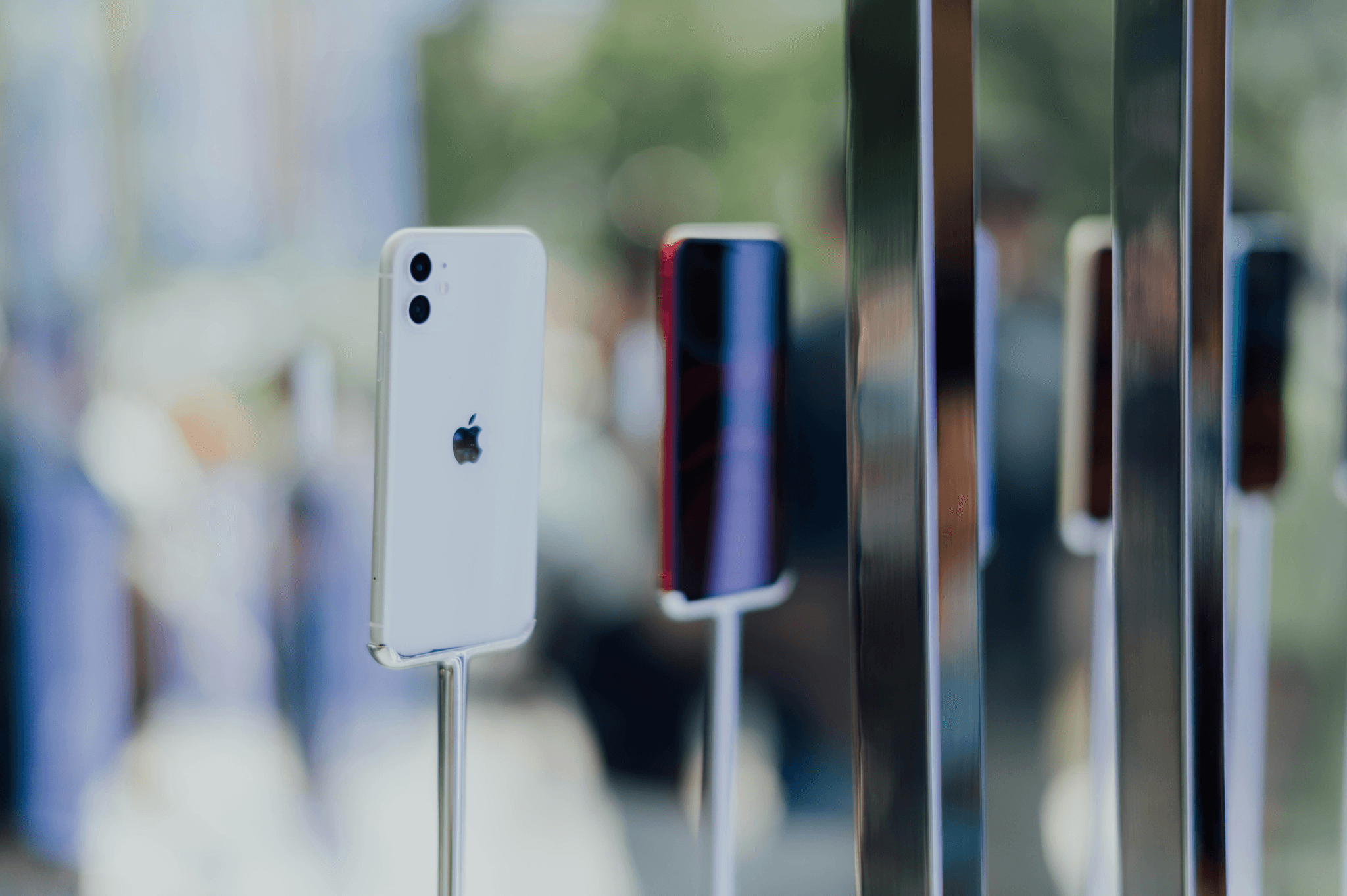
In the realm of consumer electronics, counterfeits are alarmingly prevalent. From smartphones to laptops, the market is flooded with fake consumer electronics that mimic popular brands while cutting corners on quality and safety. This section delves into some of the most notorious imitation products that have made their way into consumers' hands.
Imitation Apple Products
From iPhones that look strikingly similar to the real deal to knockoff MacBooks that promise high performance but deliver anything but, these fakes are a common sight in markets across China. Consumers often find themselves duped by sleek packaging and convincing branding, only to discover later that they’ve purchased a subpar product masquerading as an authentic Apple device.
The allure of owning a luxury brand at a fraction of the price can be tempting, especially when it comes to fake electronics. Unfortunately, these imitation Apple products often lack essential features and can pose serious risks, such as overheating or even exploding batteries. As more people fall victim to these scams, it's crucial to recognize and avoid common fake products in China before making a purchase.
Counterfeit Samsung Gadgets
Samsung gadgets are another major target for counterfeiters eager to cash in on brand loyalty. Fake Samsung smartphones and tablets flood online marketplaces and street vendors alike, often boasting impressive specs that turn out to be nothing more than smoke and mirrors. Many consumers unwittingly buy these counterfeit devices only to face compatibility issues or software malfunctions shortly after.
These counterfeit Samsung gadgets not only mislead buyers but also tarnish the brand's reputation over time. With so many options available in both legitimate and illegitimate markets, it’s essential for consumers to educate themselves about distinguishing real from fake products before diving into their next tech purchase. The rise of fake consumer electronics emphasizes the need for vigilance among buyers who want genuine quality without falling prey to deception.
Phony Sony Devices
Sony devices are yet another category plagued by counterfeits that lure unsuspecting customers with promises of premium quality at bargain prices. Phony Sony headphones may seem like an appealing deal at first glance; however, they often deliver inferior sound quality or may even break after just a few uses. The same goes for gaming consoles where counterfeit versions might not only fail but could also jeopardize user data security.
As with other types of fake electronics, purchasing phony Sony devices can lead consumers down a path filled with frustration and regret when expectations don't match reality. Being aware of common signs indicating counterfeiting—such as poor packaging or missing warranty information—can save buyers from disappointment down the line. Understanding how widespread these common fake products in China have become is vital for anyone looking to invest in reliable technology without falling victim to fraud.
Phony Fashion
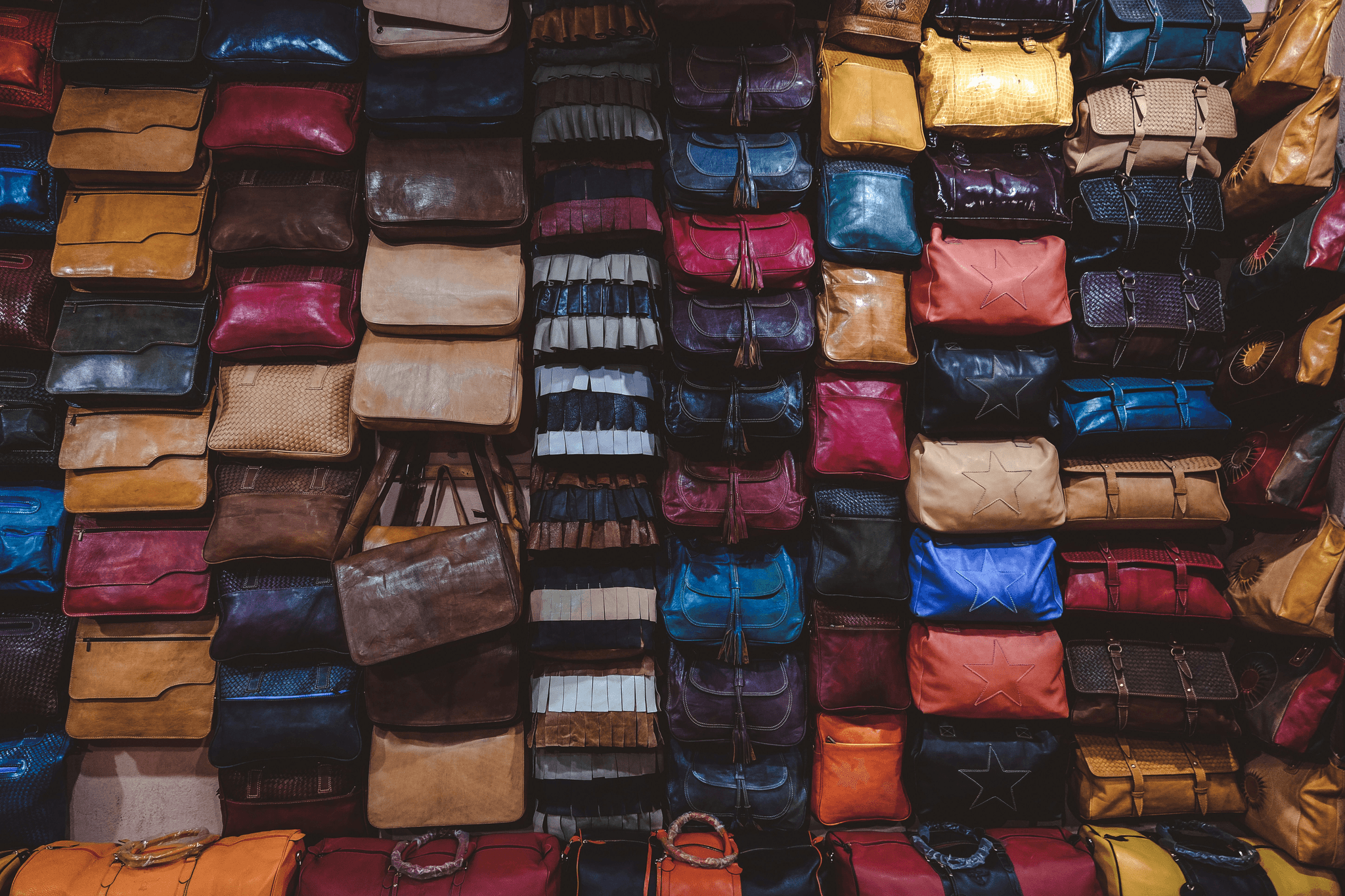
The world of fashion is not immune to the proliferation of counterfeit goods, especially in China, where fake luxury brand bags and purses can be found on every corner. These phony fashion items not only deceive consumers but also tarnish the reputation of legitimate brands. Understanding the landscape of fake luxury products is essential for anyone looking to navigate this treacherous market.
Imitation Louis Vuitton Bags
Imitation Louis Vuitton bags are among the most common fake products in China, often appearing with convincing logos and patterns that make them hard to distinguish from the real deal. These counterfeit purses may look stylish at first glance, but upon closer inspection, you'll find shoddy craftsmanship and inferior materials that scream fake. Buyers are often drawn in by low prices but end up with a product that lacks the quality and prestige associated with authentic Louis Vuitton bags.
The allure of these imitation bags extends beyond just their appearance; many consumers are enticed by the idea of owning a luxury item without breaking the bank. However, purchasing these fake luxury brand bags and purses contributes to a larger issue of intellectual property theft and undermines genuine brands' efforts to maintain their image. The rise in demand for such counterfeits has led to an increase in sophisticated knockoffs that can fool even seasoned shoppers.
Fake Nike Sneakers
Fake Nike sneakers have become a staple among counterfeit fashion items, flooding markets both online and offline in China. These replicas often mimic popular styles like Air Jordans or Air Max models, making it easy for unsuspecting buyers to fall into the trap of purchasing fake shoes instead of authentic pairs. While they might look similar on the surface, these fakes lack comfort, durability, and performance—key factors that true sneaker enthusiasts value.
The prevalence of these counterfeit sneakers poses significant problems for both consumers and brands alike; buyers risk spending money on subpar products while genuine brands suffer from lost sales and damaged reputations. Moreover, wearing these fake sport wears can sometimes lead to health issues due to poor construction or inferior materials used in production. As more people become aware of this issue, it's crucial for consumers to educate themselves about identifying real versus counterfeit footwear.
Counterfeit Gucci Apparel
Counterfeit Gucci apparel is another major player in China's thriving market for phony fashion goods. From t-shirts emblazoned with faux logos to imitation jackets that imitate high-end designs but miss the mark entirely—these fakes flood streets across major cities like Shanghai and Beijing. While some may see them as affordable alternatives to high-end clothing lines, they ultimately represent a loss in quality and authenticity.
Purchasing counterfeit Gucci apparel not only risks disappointing your wardrobe but also supports an underground economy built on deception and theft of intellectual property rights. The allure lies in their price point; however, savvy shoppers should consider investing in genuine pieces instead—if you’re going for style points or bragging rights at least! By recognizing common fake products in China like these counterfeits, consumers can make informed decisions about what they wear while supporting legitimate businesses.
Spurious Cosmetics

When it comes to spurious cosmetics, the market is flooded with fake products that mimic well-known brands. These counterfeit cosmetics not only deceive consumers but also pose serious health risks due to unregulated ingredients. Understanding the prevalence of fake cosmetics and skincare products in China is crucial for both consumers and brands alike.
Imitation MAC Makeup
One of the most commonly counterfeited brands in the cosmetic world is MAC. Imitation MAC makeup can be found in various forms, from lipsticks to eyeshadow palettes, all boasting similar packaging but lacking quality and safety. Many unsuspecting buyers are drawn in by the allure of lower prices, only to discover that these fake cosmetics can cause skin irritations or worse.
The rise of imitation MAC makeup highlights a broader trend of counterfeit goods infiltrating the beauty industry. Consumers should be cautious when purchasing such products online or from unauthorized retailers, as they may unknowingly buy fake cosmetics and skincare products that could harm them. Brands like MAC have taken steps to combat these issues, but consumer vigilance remains essential.
Counterfeit Estee Lauder Products
Estee Lauder is another luxury brand frequently targeted by counterfeiters looking to cash in on its popularity. Counterfeit Estee Lauder products often appear almost identical to genuine items but lack the quality assurance associated with authentic offerings. These fakes might contain harmful chemicals or allergens that could lead to adverse reactions for users.
The proliferation of counterfeit Estee Lauder items serves as a reminder that even high-end brands are not immune to imitation within China’s expansive market for fake consumer electronics and luxury goods alike. Consumers must be discerning when purchasing skincare items; checking for authorized retailers and product authenticity can save them from potential harm caused by these spurious alternatives. As awareness grows about common fake products in China, so does the responsibility of consumers to educate themselves on how to identify genuine articles.
Fake L'Oreal Skincare
Fake L'Oreal skincare products have become alarmingly prevalent in recent years, with countless imitations flooding online marketplaces and street vendors across China. These counterfeit items often promise miraculous results while delivering nothing more than disappointment—or worse—skin damage due to toxic ingredients hidden within their formulations. The allure of affordable prices makes it easy for consumers seeking effective skincare solutions to fall prey to these dangerous fakes.
In a world where image is everything, many people are lured into purchasing fake cosmetics and skincare products without realizing they’re investing in subpar imitations instead of authentic brands like L'Oreal. The consequences can range from minor skin irritations to severe allergic reactions, emphasizing why it’s critical for shoppers to remain vigilant against counterfeit options available on store shelves or online platforms alike. By recognizing common fake products in China—including those masquerading as L'Oreal—consumers can make informed choices about their beauty routines.
Conclusion
In a world increasingly saturated with counterfeit goods, recognizing common fake products in China is essential for consumers and brands alike. From fake consumer electronics to imitation luxury brand bags and purses, the landscape of counterfeit items is diverse and ever-evolving. Understanding these fakes helps consumers make informed decisions, protecting both their wallets and their well-being.
Recognizing Common Fake Products in China
Common fake products in China span various categories, making it crucial for buyers to stay vigilant. Fake consumer electronics often mimic high-end brands like Apple and Samsung, but they frequently lack quality and safety standards. Similarly, fake luxury brand bags and purses from iconic names like Louis Vuitton can be tempting but are usually made from subpar materials that won't stand the test of time.
When it comes to fashion, counterfeit items such as fake shoes and fake sportswear flood the market, offering an illusion of style without substance. These products may look appealing at first glance but often come with hidden costs—poor durability or even health risks due to inferior materials used in production. By being aware of these common fakes, consumers can better navigate the murky waters of counterfeit goods.
Safeguarding Against Counterfeit Goods
Safeguarding against counterfeit goods requires a proactive approach from consumers who want to protect their investments and health. One effective strategy is to purchase products from reputable retailers or directly from brand websites rather than third-party sellers who may not guarantee authenticity. Additionally, learning how to spot signs of counterfeiting—such as misspelled logos or unusual packaging—can significantly reduce the risk of falling victim to fake cosmetics and skincare products.
Consumers should also consider reading reviews or seeking recommendations before making a purchase decision on high-ticket items like electronics or designer fashion pieces. Engaging with communities that focus on authenticating products can provide valuable insights into spotting fakes effectively. Ultimately, vigilance is key when navigating through the sea of common fake products in China.
The Role of China Inspection Pro in Quality Assurance
China Inspection Pro plays a pivotal role in ensuring quality assurance amid a market rife with counterfeits. By providing thorough inspections and certifications for various product categories—including electronics, fashion items, cosmetics, and more—they help businesses maintain credibility while protecting consumers from potential frauds like fake consumer electronics or counterfeit luxury goods.
Their services empower brands by ensuring that only genuine products reach end-users while also educating them about potential risks associated with counterfeits like fake shoes or spurious skincare items. As awareness grows around issues related to common fakes in China, organizations like China Inspection Pro become invaluable allies for both businesses seeking compliance and consumers wanting peace of mind regarding their purchases.