
Introduction

In the rapidly evolving world of LED lighting, ensuring quality control is not just a necessity; it's a cornerstone of success. With the increasing demand for high-performance lighting solutions, manufacturers must prioritize LED lighting quality control to meet consumer expectations and regulatory standards. This introduction will explore the significance of maintaining consistent product standards and how effective inspection processes play a pivotal role in quality assurance.
Understanding LED Lighting Quality Control
LED lighting quality control encompasses all measures taken to ensure that products meet established performance and safety criteria. It involves rigorous testing, monitoring production processes, and assessing materials used in manufacturing. By understanding the nuances of LED lighting quality control, manufacturers can better navigate the complexities of product development and deliver reliable solutions to their customers.
Importance of Consistent Product Standards
Consistent product standards are essential for building trust with consumers and fostering brand loyalty in the competitive lighting market. When customers know they can rely on a brand's LED products to perform consistently, it enhances their overall experience and satisfaction. Furthermore, maintaining high-quality benchmarks helps companies avoid costly recalls or reputational damage due to subpar products.
The Role of Inspection in Quality Assurance
Inspection serves as a critical checkpoint in the journey toward achieving optimal LED lighting quality control. Through systematic evaluations at various stages of production, companies can identify defects early on and implement corrective actions before products reach the market. This proactive approach not only safeguards product integrity but also reinforces a culture of continuous improvement within manufacturing practices.
What is LED Lighting Quality Control
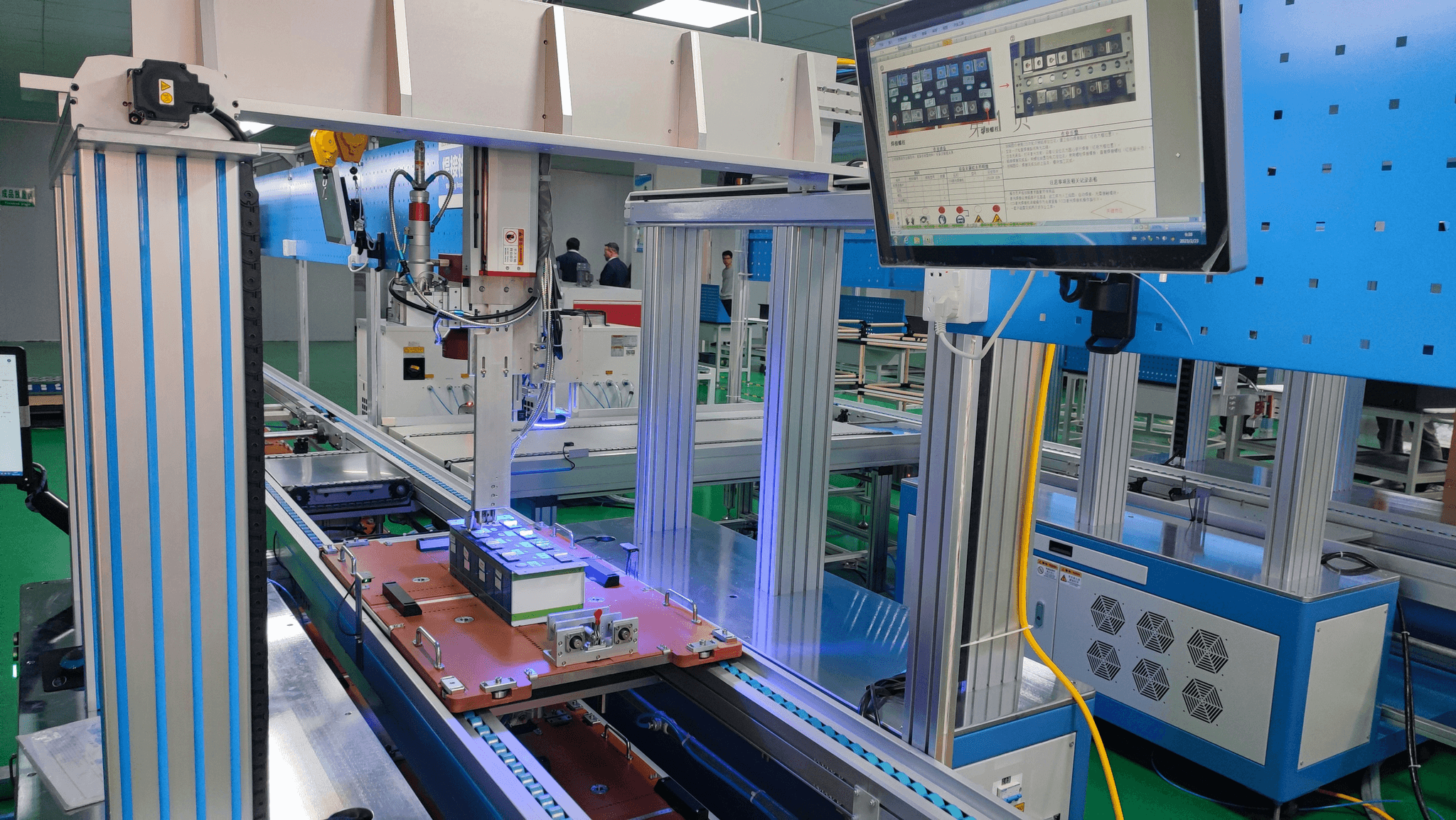
LED lighting quality control is a systematic approach to ensuring that LED products meet specific standards of performance and reliability. This process involves meticulous monitoring at various stages of production, from design to final assembly. By implementing effective quality control measures, manufacturers can deliver products that not only satisfy customer expectations but also comply with industry regulations.
Defining Quality Control in LED Products
Quality control in LED products refers to the processes and procedures used to maintain desired levels of quality throughout the manufacturing cycle. It encompasses everything from raw material selection to final product testing, ensuring that every component meets predefined specifications. Effective LED lighting quality control helps mitigate risks associated with product failures and enhances overall consumer satisfaction.
Key Factors Influencing Quality
Several factors influence the quality of LED lighting, including the choice of materials, manufacturing processes, and environmental conditions during production. High-quality components such as diodes, drivers, and heat sinks are essential for optimal performance and longevity. Additionally, adherence to industry standards and rigorous testing protocols play a crucial role in achieving consistent product quality.
Common Quality Issues in LED Lighting
Despite advancements in technology, common quality issues still plague the LED lighting industry. These include color inconsistency, flickering lights, premature failure due to overheating, and inadequate lumen output. Addressing these problems through robust LED lighting quality control measures can significantly enhance product reliability and customer trust.
Best Practices for Testing LED Products
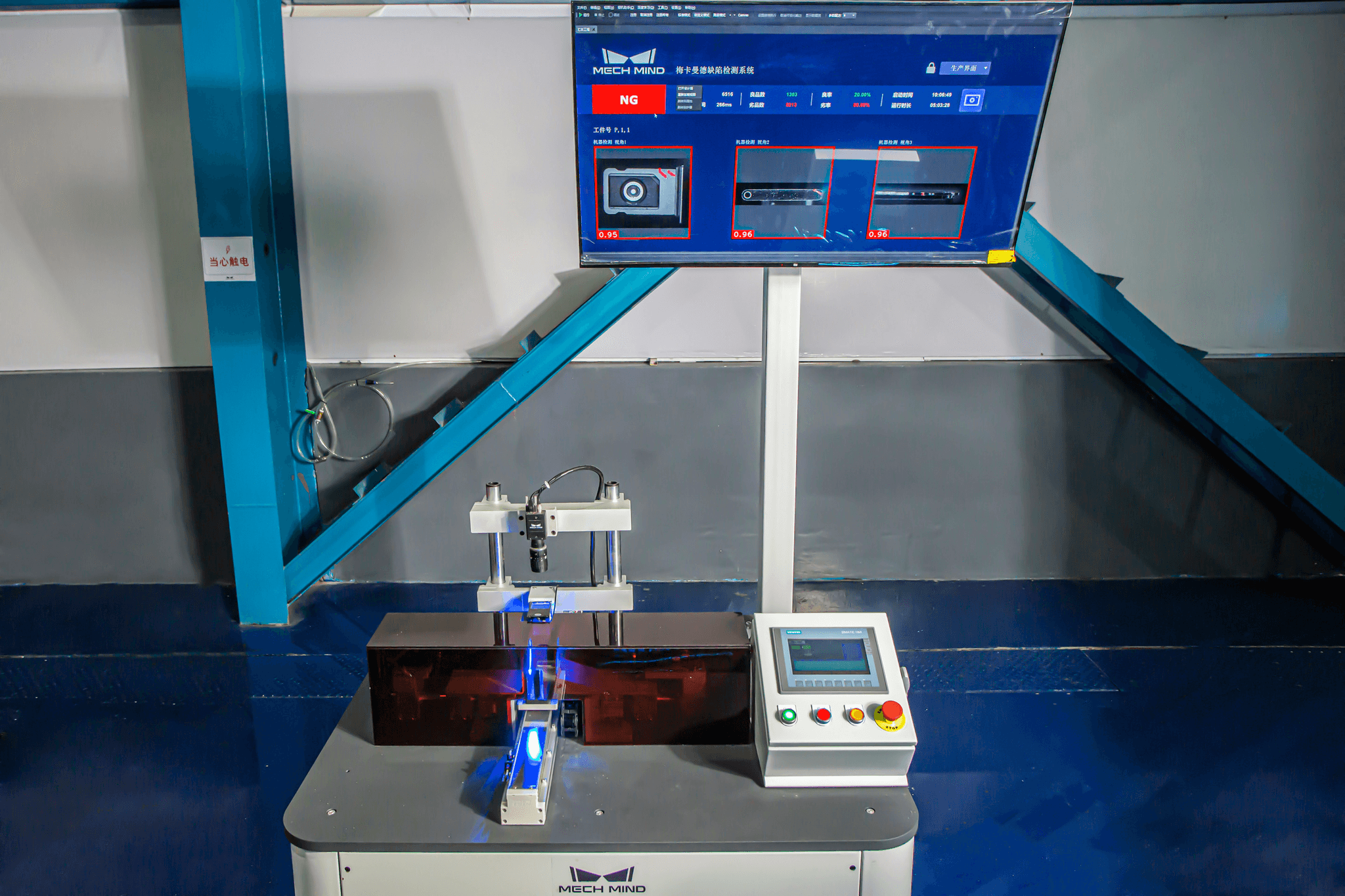
When it comes to ensuring the best quality in LED lighting, implementing effective testing methods is crucial. Quality control in LED products isn't just about what meets the eye; it's about rigorous testing that guarantees performance and longevity. In this section, we will explore essential testing methods and tools, the importance of third-party testing, and how to validate performance against industry standards.
Essential Testing Methods and Tools
To achieve optimal LED lighting quality control, manufacturers need to employ a variety of testing methods and tools. Key tests include photometric measurements to evaluate brightness, color temperature assessments for consistency, and thermal management tests to ensure that heat dissipation is adequate. Additionally, using tools like integrating spheres for luminous flux measurement or spectrometers for color accuracy can significantly enhance the reliability of your findings.
Moreover, electrical tests are vital; they help in assessing power consumption and efficiency. By combining these diverse methodologies into a comprehensive quality control framework, manufacturers can identify potential issues before products reach consumers. Ultimately, this proactive approach not only boosts product reliability but also enhances customer satisfaction.
Importance of Third-Party Testing
While in-house testing is beneficial, incorporating third-party testing into your LED lighting quality control strategy is invaluable. Independent laboratories provide unbiased evaluations that can reveal hidden flaws that internal teams might overlook due to familiarity with their own processes. This external validation builds trust with customers who rely on certified quality assurance.
Third-party testers often have access to advanced equipment and expertise that may not be available internally. Furthermore, these organizations can offer insights into compliance with international standards—a critical component when exporting products globally. By leveraging third-party insights, companies can ensure their products not only meet but exceed market expectations.
Validating Performance Against Standards
Validating performance against established standards is an essential aspect of LED lighting quality control that cannot be overlooked. Standards set by organizations like the Illuminating Engineering Society (IES) or International Electrotechnical Commission (IEC) serve as benchmarks for performance metrics such as efficacy and lifespan. Adhering to these guidelines ensures that your products are competitive in a crowded marketplace.
Regularly comparing test results against these standards enables manufacturers to spot discrepancies early on—before they become costly problems down the line. Moreover, consistent validation fosters continuous improvement within manufacturing processes by highlighting areas where enhancements can be made over time. Ultimately, this commitment to upholding high standards translates into better products for consumers.
The Role of Manufacturing in Quality Control

Manufacturing plays a pivotal role in ensuring LED lighting quality control, as it directly influences the final product's performance and reliability. By selecting the right manufacturer and understanding their production processes, businesses can significantly reduce the risk of quality issues that may arise later on. Additionally, assessing material quality and sourcing is essential to maintain consistent standards throughout the manufacturing cycle.
Choosing the Right Manufacturer
Selecting a manufacturer for your LED lighting products is not just about finding the lowest price; it’s about finding a partner who values quality control as much as you do. A reputable manufacturer will have established protocols for LED lighting quality control, ensuring that every batch meets stringent standards before it hits the market. Look for manufacturers with certifications and positive reviews to ensure they prioritize excellence in both their processes and products.
Understanding Production Processes
To effectively manage LED lighting quality control, it's crucial to understand the various production processes involved in creating these products. Familiarizing yourself with how LEDs are assembled, tested, and packaged can help you identify potential weak points where quality could slip through the cracks. Knowledge of these processes enables better communication with manufacturers and fosters a collaborative approach to maintaining high-quality standards.
Assessing Material Quality and Sourcing
Material quality is at the heart of effective LED lighting quality control; subpar components can lead to failures down the line that tarnish your brand’s reputation. When sourcing materials, consider factors like durability, efficiency, and compatibility with your design specifications to ensure that every element contributes positively to overall performance. Establishing strong relationships with reliable suppliers can further enhance your ability to maintain high standards in material sourcing.
How to Implement Quality Control Measures

Implementing effective quality control measures in LED lighting production is essential for ensuring product reliability and customer satisfaction. A well-structured approach can help manufacturers identify potential issues before they escalate, thereby maintaining high standards in LED lighting quality control. This section delves into the critical components of establishing a robust quality control framework.
Establishing a Quality Control Plan
Creating a comprehensive quality control plan is the first step toward achieving excellence in LED lighting quality control. This plan should outline specific objectives, procedures, and responsibilities related to quality assurance throughout the manufacturing process. By clearly defining these elements, companies can ensure that all team members are aligned and accountable for maintaining product standards.
A successful quality control plan also includes guidelines for testing methodologies, criteria for evaluating performance, and protocols for addressing any deviations from expected outcomes. Regular training sessions should be incorporated to keep staff updated on best practices and new technologies in LED lighting quality control. Ultimately, a well-defined plan serves as a roadmap that guides organizations toward consistent product excellence.
Regular Audits and Inspections
Conducting regular audits and inspections is crucial for sustaining high levels of LED lighting quality control over time. These evaluations help identify areas where processes may be falling short or where improvements can be made, ensuring that products meet or exceed industry standards consistently. By implementing both scheduled audits and random inspections, manufacturers can maintain vigilance against potential defects.
During these audits, it’s important to assess not only finished products but also the manufacturing processes themselves. This holistic approach allows companies to pinpoint inefficiencies or non-compliance issues early on, reducing the risk of poor-quality products reaching consumers. Additionally, feedback from these inspections can inform future training initiatives and process adjustments.
Continuous Improvement Techniques
Quality control in LED lighting is not a one-time effort; it requires ongoing commitment to continuous improvement techniques that adapt to changing market demands and technological advancements. Embracing methodologies such as Six Sigma or Lean Manufacturing can significantly enhance efficiency while minimizing waste within production lines focused on LED lighting quality control.
Moreover, fostering an organizational culture that encourages feedback from employees at all levels helps identify innovative solutions to persistent challenges in product quality management. Regularly revisiting your quality metrics ensures that your strategies remain relevant and effective as industry standards evolve over time. Ultimately, continuous improvement techniques empower organizations to stay ahead of competitors by consistently delivering superior products.
Leveraging China Inspection Pro for Quality Assurance

In the ever-evolving landscape of LED lighting, ensuring quality control is paramount. One of the most effective ways to achieve this is by leveraging professional inspection services like China Inspection Pro. By utilizing their expertise, manufacturers can significantly enhance their LED lighting quality control processes and ensure that products meet rigorous standards.
Benefits of Professional Quality Inspections
Professional quality inspections offer a myriad of advantages for businesses focused on LED lighting quality control. Firstly, they provide an objective assessment of products before they reach consumers, identifying defects or inconsistencies that could tarnish a brand's reputation. Secondly, these inspections help streamline production by pinpointing areas for improvement early in the manufacturing process, ultimately saving time and costs associated with rework or returns.
Moreover, engaging experts from China Inspection Pro means tapping into specialized knowledge about industry standards and regulations relevant to LED products. This ensures compliance with international benchmarks and enhances credibility in the marketplace. In essence, professional inspections not only safeguard product integrity but also elevate customer satisfaction through consistent quality assurance.
How China Inspection Pro Works
China Inspection Pro operates through a systematic approach designed to maximize efficiency in LED lighting quality control. Initially, clients outline specific requirements based on their product standards and expectations. The team then conducts thorough inspections at various stages of production—from raw material sourcing to final assembly—ensuring each component meets predefined criteria.
Their methodology includes both visual assessments and functional testing using advanced tools tailored for LED products. By employing a combination of technology and seasoned inspectors, China Inspection Pro provides detailed reports that highlight any discrepancies along with actionable recommendations for rectification. This proactive strategy not only mitigates risks but also fosters a culture of continuous improvement within manufacturing practices.
Real-World Results from Quality Checks
The effectiveness of using China Inspection Pro is underscored by numerous success stories from satisfied clients who have seen tangible improvements in their LED lighting quality control processes. For instance, one manufacturer reported a significant reduction in defect rates after implementing regular inspections during production cycles—leading to fewer customer complaints and enhanced brand loyalty.
Additionally, companies have benefited from faster market entry due to streamlined operations facilitated by timely feedback from inspections. With consistent adherence to high-quality standards backed by professional oversight, businesses can confidently assure customers that their products are reliable and safe for use—crucial factors in today’s competitive market landscape.
In conclusion, leveraging the services offered by China Inspection Pro can transform how manufacturers approach LED lighting quality control—turning potential pitfalls into opportunities for growth and excellence.
Conclusion

In the fast-evolving world of LED lighting, ensuring quality is not just a box to tick; it's a commitment to excellence that can set your products apart. By implementing robust LED lighting quality control measures, manufacturers can guarantee that their offerings meet both consumer expectations and regulatory standards. As the market becomes increasingly competitive, those who prioritize quality will find themselves leading the pack.
Strategies for Ensuring LED Quality
To ensure top-notch LED lighting quality control, companies should develop comprehensive strategies that address every stage of production. This includes establishing strict testing protocols and utilizing advanced technology to detect potential issues early on. Moreover, fostering strong partnerships with reliable suppliers can significantly enhance the overall quality of materials used in manufacturing.
The Importance of Ongoing Monitoring
Quality assurance doesn't stop once products leave the factory; ongoing monitoring is vital for maintaining high standards in LED lighting quality control. Regular audits and performance evaluations help identify any deviations from expected outcomes, allowing for timely interventions. Embracing a culture of continuous improvement ensures that manufacturers adapt to new challenges and maintain their competitive edge.
Making Informed Decisions for Better Products
Making informed decisions based on solid data is crucial when it comes to enhancing LED lighting quality control practices. By analyzing inspection results and customer feedback, businesses can pinpoint areas needing improvement or innovation. Ultimately, prioritizing informed decision-making not only elevates product quality but also builds trust with consumers who seek reliable lighting solutions.