
Introduction
Ensuring top-notch Molding Compound Parts Quality Control is no longer just a good practice—it's a necessity in today’s competitive manufacturing landscape. High standards in quality control help prevent costly defects, improve product longevity, and bolster brand reputation across industries. When it comes to maintaining these standards, certifications like ASTM D2287-11 and ASTM D1045-08 serve as vital benchmarks for ensuring consistent performance of molding compounds.
In the electronics and automotive sectors, the impact of rigorous Molding Compound Parts Quality Control cannot be overstated. These industries demand materials that meet strict specifications to guarantee safety, durability, and efficiency. Adhering to key testing protocols such as ASTM D2287-11 for material testing and ASTM D1045-08 for mechanical properties ensures products withstand real-world stresses while maintaining compliance with industry standards.
Understanding the importance of certifications like ASTM D2287-11 and ASTM D1045-08 is essential for manufacturers aiming to excel in quality assurance. These testing protocols provide structured guidelines that help identify potential flaws early on, reducing waste and preventing failures down the line. Incorporating robust Molding Compound Parts Quality Control practices aligned with these standards ultimately paves the way for superior product performance and customer satisfaction.
The Role of Quality Control in Molding Compound Parts
Effective Molding Compound Parts Quality Control is the backbone of producing reliable, high-performance components in electronics and automotive industries. It ensures that every batch meets strict standards, minimizing risks and maximizing durability. By integrating rigorous inspection protocols like ASTM D2287-11 and ASTM D1045-08, manufacturers can confidently deliver products that stand up to real-world demands.
Ensuring Material Consistency and Reliability
Maintaining consistent material quality is crucial for Molding Compound Parts Quality Control because even minor variations can lead to significant failures down the line. Standards such as ASTM D2287-11 provide comprehensive testing methods to verify raw material properties, ensuring each batch adheres to specified performance criteria. When companies prioritize these standards, they reduce variability, enhance reliability, and foster trust among end users who rely on their precision-engineered parts.
Preventing Defects Through Rigorous Inspection
Rigorous inspection acts as the gatekeeper against common manufacturing pitfalls like void formation or surface defects that compromise Molding Compound Parts Quality Control. Applying testing protocols such as ASTM D1045-08 helps detect mechanical inconsistencies early in production, preventing defective parts from reaching customers. Continuous quality checks not only save costs but also uphold brand reputation by consistently delivering defect-free components.
Benefits for Manufacturers and End Users
By emphasizing robust Molding Compound Parts Quality Control aligned with standards like ASTM D2287-11 and ASTM D1045-08, manufacturers gain a competitive edge through fewer recalls and higher customer satisfaction. End users benefit from durable, reliable products that perform seamlessly over time—crucial in safety-critical applications like automotive electronics or aerospace systems. Ultimately, investing in quality control translates into reduced waste, lower costs, and a stronger market position for producers committed to excellenc
Essential Testing Standards for Molding Compound Parts
Ensuring top-notch Molding Compound Parts Quality Control begins with understanding and applying the right testing standards. These standards serve as the backbone for verifying material properties and mechanical strength, ultimately guaranteeing product performance. Without strict adherence to these benchmarks, manufacturers risk defects that can compromise both reliability and safety.
Understanding ASTM D2287-11 for Material Testing
ASTM D2287-11 is a critical standard in Molding Compound Parts Quality Control, focusing on testing the flow properties of molding compounds. This standard helps manufacturers assess how well the material will fill molds without defects like voids or incomplete fills. Implementing ASTM D2287-11 ensures that raw materials meet consistent quality levels, reducing variability in production outcomes.
Applying ASTM D1045-08 for Mechanical Properties
When it comes to durability and resilience, ASTM D1045-08 is indispensable for evaluating mechanical properties such as tensile strength, flexural strength, and impact resistance of molding compounds. Proper application of this standard allows manufacturers to predict how parts will perform under stress, aligning with strict Molding Compound Parts Quality Control protocols. Regular testing under ASTM D1045-08 helps prevent failures that could lead to costly recalls or safety issues.
How These Standards Guarantee Product Performance
Both ASTM D2287-11 and ASTM D1045-08 are essential tools in establishing robust Molding Compound Parts Quality Control measures. By rigorously adhering to these standards, manufacturers can confidently deliver parts that meet industry performance expectations. Ultimately, integrating these standards into your quality assurance process minimizes defects and maximizes customer satisfactio
Common Quality Issues in Molding Compound Parts
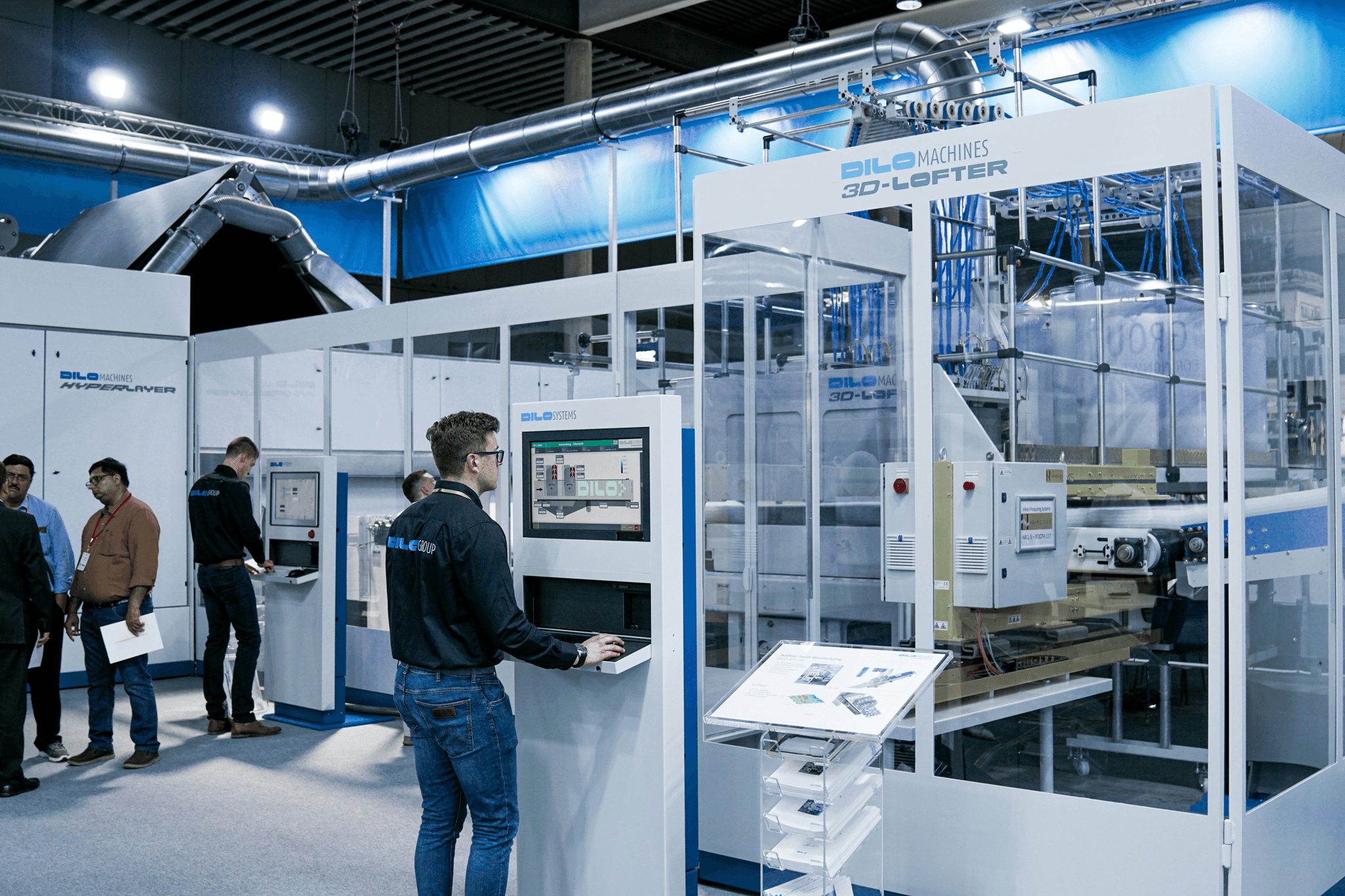
Despite the best intentions, Molding Compound Parts Quality Control can sometimes fall short, leading to several recurring issues that compromise product integrity. These problems not only affect performance but also increase costs and delay production timelines. Recognizing and addressing these common defects through rigorous standards like ASTM D2287-11 and ASTM D1045-08 is essential for maintaining high-quality outputs.
Void formation and surface defects are among the most prevalent challenges faced in molding processes. They often occur due to trapped air or inadequate mixing, which escape detection without proper inspection protocols aligned with Molding Compound Parts Quality Control. Employing standards such as ASTM D2287-11 helps identify material inconsistencies early on, reducing the risk of voids that weaken the final product.
Dimensional inaccuracies and warping frequently stem from improper curing or uneven cooling during manufacturing. These issues can be mitigated through precise measurement techniques guided by ASTM D1045-08, ensuring parts meet strict dimensional tolerances. Consistent application of these testing standards within a comprehensive Molding Compound Parts Quality Control program enhances overall reliability and reduces costly rework.
Material degradation and contamination pose serious threats to the longevity of molding compound parts. Exposure to moisture, chemicals, or improper storage can accelerate deterioration, undermining performance over time. Implementing rigorous quality checks based on ASTM D2287-11 and adhering to best practices in Molding Compound Parts Quality Control are vital steps toward preventing contamination and maintaining material integrity.
How China Inspection Pro Enhances Quality Assurance

China Inspection Pro takes the guesswork out of Molding Compound Parts Quality Control by offering comprehensive inspection services tailored to meet industry standards. Their team employs rigorous testing protocols aligned with ASTM D2287-11 and ASTM D1045-08, ensuring each batch of molding compound parts is up to snuff. This meticulous approach helps manufacturers catch defects early, saving time and money while boosting product reliability.
Comprehensive Product Inspection Services
When it comes to Molding Compound Parts Quality Control, China Inspection Pro provides a full suite of inspection services that cover every stage from raw material to finished product. They utilize advanced testing methods based on ASTM D2287-11 for assessing material consistency and ASTM D1045-08 for mechanical properties, guaranteeing your parts meet stringent quality standards. These detailed inspections help identify issues like voids, surface defects, or dimensional inaccuracies before they reach the end user.
Expertise in Molding Compound Parts Quality Control
With years of experience in Molding Compound Parts Quality Control, China Inspection Pro’s specialists understand the nuances of ASTM standards like D2287-11 and D1045-08 better than most. Their expertise ensures that each test accurately measures critical parameters such as thermal stability, tensile strength, and dimensional tolerances—key factors that influence product performance in electronics and automotive applications. Partnering with them means you’re tapping into a wealth of knowledge dedicated to maintaining top-tier quality.
Delivering Actionable Insights for Quality Improvement
Beyond just testing, China Inspection Pro excels at translating data into actionable insights for ongoing quality improvement in Molding Compound Parts Quality Control processes. Their reports highlight deviations from ASTM standards like D2287-11 and D1045-08, pinpointing root causes behind defects or inconsistencies. Armed with this information, manufacturers can implement targeted corrective actions—ultimately reducing waste and enhancing overall product reliability.
Improving Molding Compound Parts Through Continuous Monitoring
Continuous monitoring is transforming how manufacturers approach Molding Compound Parts Quality Control. By integrating advanced inspection techniques, companies can catch defects early, ensuring each part meets stringent standards like ASTM D2287-11 and ASTM D1045-08. This proactive approach not only boosts product reliability but also minimizes costly rework and scrap, making quality control a seamless part of the production process.
Implementing Real-Time Inspection Techniques
Real-time inspection techniques are game-changers in maintaining high standards for molding compound parts. Using sensors and automated systems aligned with ASTM D2287-11, manufacturers can instantly detect issues such as voids or surface defects during production. These methods enable immediate adjustments, preventing defective parts from progressing further down the line and ensuring consistent Molding Compound Parts Quality Control.
Data-Driven Decision Making for Quality Enhancement
Harnessing data from continuous monitoring allows for smarter decision-making rooted in solid analytics. By analyzing trends related to mechanical properties tested under ASTM D1045-08, manufacturers can identify patterns that predict potential failures or quality dips. This data-driven approach helps refine processes, optimize material usage, and uphold rigorous Molding Compound Parts Quality Control standards across batches.
Reducing Waste and Increasing Efficiency
Implementing ongoing inspection protocols significantly reduces waste by catching defects early—before they escalate into larger issues or recalls. With insights gathered from real-time data aligned with industry standards like ASTM D2287-11 and ASTM D1045-08, companies can streamline operations and improve overall efficiency. The result? Better product consistency, lower costs, and a competitive edge rooted in superior Molding Compound Parts Quality Control.
Conclusion
Prioritizing Molding Compound Parts Quality Control is not just a box to check; it’s a strategic move that can set your business apart in the competitive electronics and automotive markets. Implementing rigorous quality standards, like ASTM D2287-11 for material testing and ASTM D1045-08 for mechanical properties, ensures your products meet industry benchmarks consistently. When you focus on Molding Compound Parts Quality Control, you're investing in durability, reliability, and customer satisfaction—key ingredients for long-term success.
Prioritizing Quality Control for Competitive Advantage
In today’s fast-paced manufacturing landscape, cutting corners isn’t an option if you want to stay ahead. Emphasizing Molding Compound Parts Quality Control helps identify potential defects early, saving costs and reducing waste down the line. By adhering to standards like ASTM D2287-11 and ASTM D1045-08, companies can guarantee their products perform reliably under demanding conditions—giving them a clear edge over competitors who overlook these crucial steps.
The Impact of Adhering to Industry Standards
Following established testing protocols such as ASTM D2287-11 and ASTM D1045-08 isn’t just about compliance; it’s about building trust with clients and end-users alike. These standards serve as the backbone for validating material consistency and mechanical strength in molding compounds. When manufacturers prioritize Molding Compound Parts Quality Control aligned with these standards, they reinforce their reputation for delivering high-quality products that stand the test of time.
Partnering with Experts Like China Inspection Pro for Success
Navigating the complexities of Molding Compound Parts Quality Control can be daunting without a knowledgeable partner by your side. China Inspection Pro offers comprehensive inspection services backed by expertise in industry standards like ASTM D2287-11 and ASTM D1045-08, ensuring your products meet all critical benchmarks. Collaborating with such specialists means actionable insights that drive continuous improvement—ultimately boosting your brand’s credibility and market share.