
Introduction
In the world of importing, maintaining high standards of quality is paramount. The AQL Table, or Acceptable Quality Level Table, serves as a critical tool in this endeavor, guiding importers on how to assess product quality effectively. Understanding its role not only enhances company quality control but also ensures a smoother inspection process.
Understanding the AQL Table's Role
The AQL Table is essentially a roadmap for quality control inspection, detailing acceptable defect levels in products based on sample sizes. By utilizing this table, importers can establish clear criteria for quality inspection that align with their specific needs and industry standards. This structured approach to aql sampling helps mitigate risks associated with poor-quality goods and fosters trust between suppliers and customers.
Importance of Quality Control for Importers
Quality control is more than just a buzzword; it’s the backbone of successful importing operations. For importers, effective quality control means reducing potential losses from defective products while enhancing customer satisfaction through reliable goods. By prioritizing quality control measures and leveraging tools like the AQL Table, companies can navigate the complexities of international trade with confidence.
Overview of Inspection Services
Inspection services play a vital role in ensuring that products meet established quality standards before they reach consumers. These services encompass various methods of quality inspection, including pre-production checks and final random inspections based on AQL sampling techniques. Partnering with professional inspection services not only streamlines the process but also provides valuable insights into product compliance and overall quality assurance.
What is the AQL Table?
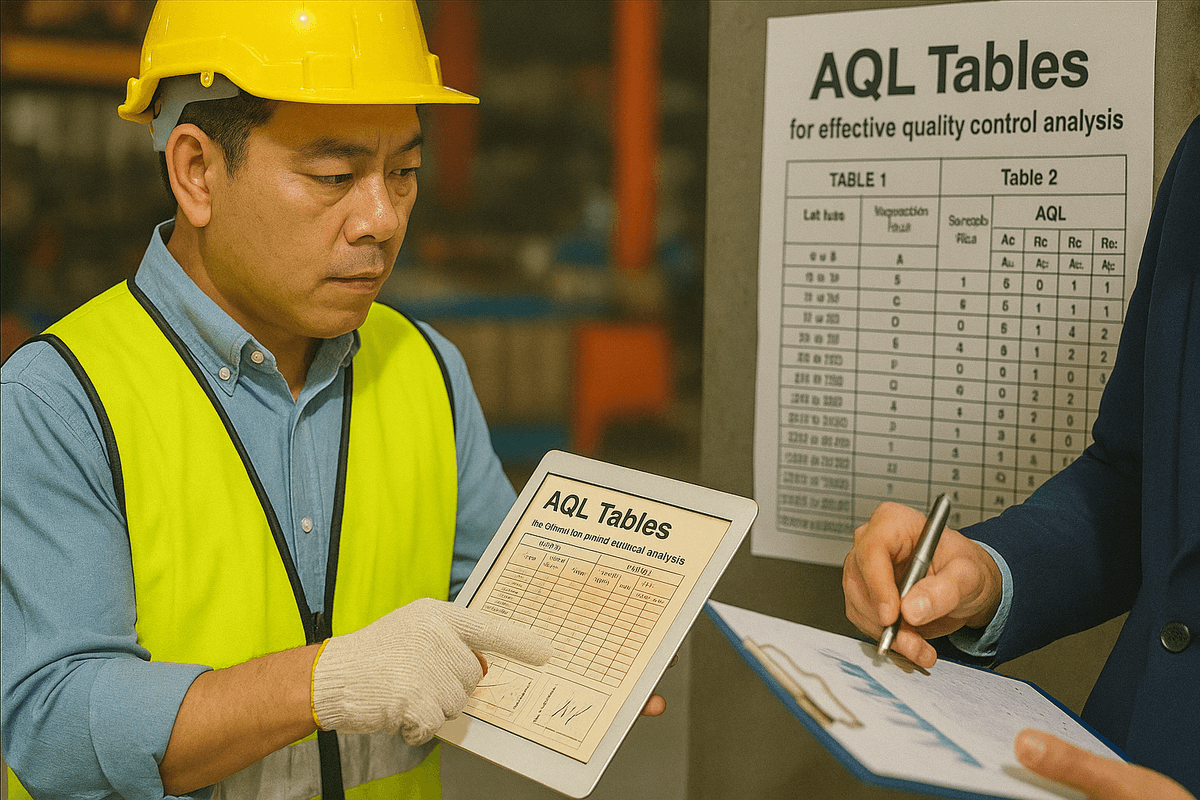
The AQL Table, or Acceptable Quality Level Table, serves as a cornerstone in quality control, especially for importers seeking to ensure that their products meet specified standards. It provides a systematic way to assess the quality of goods through sampling methods, ultimately guiding companies in their quality control processes. By utilizing the AQL Table effectively, businesses can streamline their inspection services and maintain high-quality standards.
Definition and Purpose
At its core, the AQL Table defines acceptable levels of defects in a batch of products during quality inspection. This table helps companies determine how many items should be sampled from a lot to evaluate whether it meets the pre-established quality criteria. The purpose is simple: to minimize risk while balancing cost-effectiveness in company quality control practices.
Using the AQL Table allows businesses to make informed decisions about product acceptance or rejection based on statistical sampling techniques. It empowers importers by providing clear guidelines on what constitutes an acceptable level of defects, thus enhancing overall efficiency in quality control inspection efforts. In essence, it transforms subjective assessments into objective measurements that can be easily understood and applied.
Different AQL Levels Explained
AQL levels are categorized into different thresholds that indicate varying degrees of acceptable defects within a batch. Commonly used levels include 0.65%, 1%, and 2.5%, each representing different risk tolerances for specific industries or products—lower percentages signify stricter standards for quality inspection. Understanding these levels is crucial for importers as they dictate how rigorous their inspection services need to be based on product type and market expectations.
For instance, an importer dealing with high-end electronics might opt for a lower AQL level like 0.65% due to the critical nature of performance and safety in those products. Conversely, a manufacturer producing textiles may choose an AQL level of 2.5% since minor imperfections are often more acceptable in that industry context. This flexibility allows companies to tailor their approach to quality control while still adhering to industry norms.
How AQL Sampling Works
AQL sampling involves selecting a random sample from a larger batch based on predetermined criteria set out by the AQL Table; this process ensures that inspections are both efficient and statistically valid within company quality control measures. The number of units inspected correlates directly with the size of the lot being assessed—larger lots require more extensive sampling to achieve reliable results during quality control inspections.
Once samples are taken, inspectors evaluate them against established defect categories outlined by the chosen AQL level; if defects exceed allowable limits, corrective actions can be implemented promptly before products reach consumers or retailers alike. This methodology not only enhances confidence in product integrity but also minimizes potential losses associated with poor-quality goods reaching the market.
In summary, understanding how AQL sampling works is essential for any importer looking to enhance their inspection services and ensure compliance with both internal standards and customer expectations regarding product excellence.
The Impact of AQL on Quality Control

The AQL Table plays a pivotal role in shaping the landscape of quality control, especially for importers who rely on consistent product standards. By utilizing the AQL Table, companies can define acceptable quality levels that directly influence their quality inspection processes. This systematic approach not only helps in identifying defects but also streamlines the entire quality control inspection process, ensuring products meet required specifications before they reach consumers.
AQL's Influence on Quality Inspection
AQL significantly impacts how quality inspections are conducted, providing a structured framework for assessing product quality. By establishing specific thresholds for acceptable defect rates, the AQL Table enables inspectors to focus their efforts effectively during inspections. This means that companies can better allocate resources and time to areas that need attention while maintaining overall product integrity through rigorous quality control.
Moreover, with clear guidelines from the AQL Table, businesses can enhance their company quality control strategies by minimizing subjective judgment during inspections. Inspectors can follow standardized protocols which lead to more consistent and reliable outcomes across different batches of products. Ultimately, this results in higher customer satisfaction and reduced returns due to defective items.
Balancing Cost and Quality with AQL
When it comes to balancing cost and quality, the AQL Table is an invaluable tool for importers striving for efficiency without compromising standards. By determining acceptable levels of defects through a well-defined sampling plan, companies can optimize their inspection services to reduce costs associated with over-inspection or excessive rework. This balance allows businesses to maintain competitive pricing while ensuring that product quality remains intact.
Furthermore, implementing effective AQL sampling methods can lead to significant savings by preventing costly recalls or damage to brand reputation caused by subpar products reaching customers. Companies that leverage the insights from the AQL Table are better positioned to make informed decisions about production processes and supplier management without overspending on unnecessary checks or controls. Thus, investing time in understanding how to apply the AQL effectively translates into long-term financial benefits.
Real-World Applications of AQL in Importing
The practical applications of the AQL Table in importing are vast and varied across different industries. For instance, electronics manufacturers often use specific AQL levels tailored for delicate components where even minor defects could lead to major failures post-sale. By applying rigorous quality control inspection protocols guided by the AQL Table, these companies ensure their products meet stringent safety standards demanded by consumers.
In textiles and apparel manufacturing as well, the use of defined sampling plans from the AQL Table has revolutionized how companies approach fabric inspections before shipment. Importers can confidently assess color consistency and stitching accuracy while adhering strictly to agreed-upon tolerances laid out within their contracts with suppliers. Such practices not only enhance product reliability but also build trust between importers and customers who expect nothing less than excellence.
Importance of Quality Control Inspection

In the world of importing, quality control inspection is not merely a checkbox on a to-do list; it’s an essential practice that can make or break your business. Quality control serves as a safeguard to ensure that products meet industry standards and customer expectations. By implementing effective inspection services, companies can significantly reduce the likelihood of costly defects and returns.
Ensuring Compliance with Industry Standards
Compliance with industry standards is crucial for any importer aiming to maintain credibility in the market. The AQL Table plays a pivotal role in this process by providing clear guidelines on acceptable quality levels, ensuring that products align with regulatory requirements. By adhering to these standards through rigorous quality control inspections, companies can avoid penalties and enhance their reputation.
Reducing Risks with Effective Inspection Services
Effective inspection services are indispensable for mitigating risks associated with product defects and inconsistencies. Utilizing AQL sampling methods allows importers to systematically assess quality during production without overwhelming costs or time constraints. This proactive approach not only minimizes financial losses but also protects brand integrity by ensuring that only high-quality products reach consumers.
Building Trust with Your Customers
Trust is the backbone of any successful business relationship, especially in importing where customers rely on consistent product quality. Implementing robust quality control measures, including thorough inspections based on the AQL Table, demonstrates commitment to excellence and transparency. When customers see that a company prioritizes quality inspection and adheres to stringent standards, they are more likely to remain loyal and spread positive word-of-mouth.
How Importers Navigate the AQL Table

Navigating the AQL Table can feel like a maze for many importers, but with the right approach, it becomes a valuable tool in their quality control arsenal. Understanding how to effectively utilize the AQL Table is essential for ensuring that products meet quality standards without breaking the bank. This section will outline the steps involved in using the AQL Table, guide you through selecting appropriate AQL levels for your products, and present case studies of successful implementation.
Steps for Using the AQL Table
The first step in utilizing the AQL Table is to familiarize yourself with its structure and categories. The table provides specific guidelines on acceptable defect rates based on sample sizes and inspection levels, which are crucial for your quality control inspection process. Once you understand these parameters, you can determine how many items need to be inspected and what constitutes an acceptable level of defects.
Next, decide on your sampling method—whether it's random sampling or systematic sampling—based on your product type and production volume. This choice will influence not only your inspection services but also how efficiently you can implement quality control measures. Finally, after conducting your inspections according to the chosen AQL level, analyze your findings to make informed decisions about product adjustments or rejections.
Choosing the Right AQL Level for Your Products
Selecting an appropriate AQL level is vital in balancing cost with product quality. Different industries have varying tolerances for defects; thus, understanding these nuances helps importers establish company quality control standards that align with customer expectations. For instance, high-end electronics may require a stricter AQL level compared to more robust consumer goods.
Importers should assess their risk tolerance when choosing an AQL level—higher risks may necessitate lower acceptance levels (more stringent inspections) while lower risks might allow for more lenient standards. Additionally, consider customer feedback and market demands; adapting your quality control inspection strategy based on this information can enhance customer satisfaction significantly. Ultimately, aligning your chosen AQL level with both product type and market expectations ensures optimal results.
Case Studies of Successful AQL Implementation
To illustrate effective use of the AQL Table in real-world scenarios, let’s explore two case studies that highlight successful outcomes from proper implementation of quality inspection processes. In one case study involving a furniture manufacturer importing wooden chairs from overseas suppliers, they adopted an acceptance number based on a strict 1% defect rate as per their industry standard's guidelines outlined in their specific version of the AQL Table.
By doing so, they managed to reduce returns by 30% within six months due to improved product consistency and customer satisfaction—a clear win-win situation! In another example from a tech startup specializing in electronic gadgets, they utilized a more flexible 2% defect rate during initial production runs while gathering data about common defects through their ongoing inspections services.
This approach allowed them not only to save costs during early stages but also provided insights that led them to refine their manufacturing process over time—ultimately leading them toward achieving higher-quality products at lower costs! These cases demonstrate that navigating through the complexities of the AQL Table can yield significant benefits when handled correctly.
Partnering with Professionals for Quality Control

In the world of importing, partnering with professionals like China Inspection Pro can significantly elevate your quality control processes. These experts bring a wealth of experience in quality inspection and an understanding of how to navigate the AQL Table effectively. By leveraging their services, importers can ensure that their products meet industry standards and customer expectations without breaking the bank.
Benefits of Working with China Inspection Pro
Working with China Inspection Pro offers numerous benefits that streamline your quality control efforts. First, they provide specialized knowledge in quality control inspection, which helps importers understand what is required for compliance and excellence in product delivery. Additionally, their expertise in AQL sampling enables companies to implement a tailored approach to quality assurance that aligns perfectly with their specific needs.
Moreover, China Inspection Pro’s comprehensive inspection services cover various aspects of quality control, from pre-production checks to final inspections before shipment. This thorough approach minimizes risks associated with defective products reaching consumers and enhances overall satisfaction rates. With such a strong partner by your side, you can focus on growing your business while they handle the nitty-gritty details of quality inspection.
Leveraging Expertise for Better Outcomes
When it comes to effective quality control, leveraging the expertise of seasoned professionals is invaluable. The team at China Inspection Pro understands the intricacies involved in interpreting the AQL Table and applying its principles effectively across different industries. Their insights into best practices for quality control not only improve product outcomes but also foster a culture of continuous improvement within your company.
By collaborating closely with these experts, importers can identify potential pitfalls early on through robust inspection services tailored to specific product categories. This proactive approach ensures that any issues are addressed before they escalate into costly problems down the line. Ultimately, having access to this level of expertise allows businesses to enhance their reputation and build stronger relationships with customers who expect nothing less than excellent product quality.
Turning Inspection Findings into Actionable Insights
The real magic happens when you take the findings from quality inspections and turn them into actionable insights for your business. With detailed reports generated by professionals like those at China Inspection Pro, companies can pinpoint exactly where improvements are needed within their production processes or supply chains. This data-driven approach not only helps in refining company quality control measures but also aids in making informed decisions about future sourcing strategies.
Furthermore, understanding how to interpret these findings relative to the AQL Table allows businesses to adjust their sampling plans accordingly—ensuring that every batch meets stringent standards before it reaches consumers’ hands. By transforming raw data from inspections into strategic actions, importers can optimize operations while reducing wastage caused by defective goods entering the market. In essence, this cycle of continuous feedback fosters an environment where excellence becomes standard practice rather than an occasional achievement.
Conclusion
In the ever-evolving landscape of importing, the AQL Table stands as a cornerstone for effective quality control. It provides a structured approach to assessing product quality, ensuring that importers can navigate the complexities of international trade with confidence. By understanding and utilizing the AQL Table, companies can significantly enhance their quality control processes and deliver superior products to their customers.
The Essential Role of AQL in Importing
The AQL Table plays an essential role in establishing benchmarks for acceptable quality levels in imported goods. By defining specific thresholds for defects, it helps importers maintain consistent quality control across their product lines. Ultimately, this not only protects the reputation of companies but also fosters long-term relationships with suppliers and customers alike.
Elevating Your Quality Control Process
To elevate your company’s quality control process, integrating the AQL Table into your inspection services is paramount. This systematic approach allows for precise aql sampling that identifies potential issues before they escalate into costly problems. By committing to robust quality inspection practices grounded in the principles of the AQL Table, businesses can achieve higher standards and greater customer satisfaction.
Ensuring Product Excellence through Inspection Services
Ensuring product excellence hinges on effective quality control inspection services that leverage insights from the AQL Table. These inspections not only verify compliance with industry standards but also provide actionable data that can drive improvements throughout production processes. With a strong focus on quality control—what is more vital than delivering flawless products?—companies can build trust with consumers and secure their position in competitive markets.