
Introduction
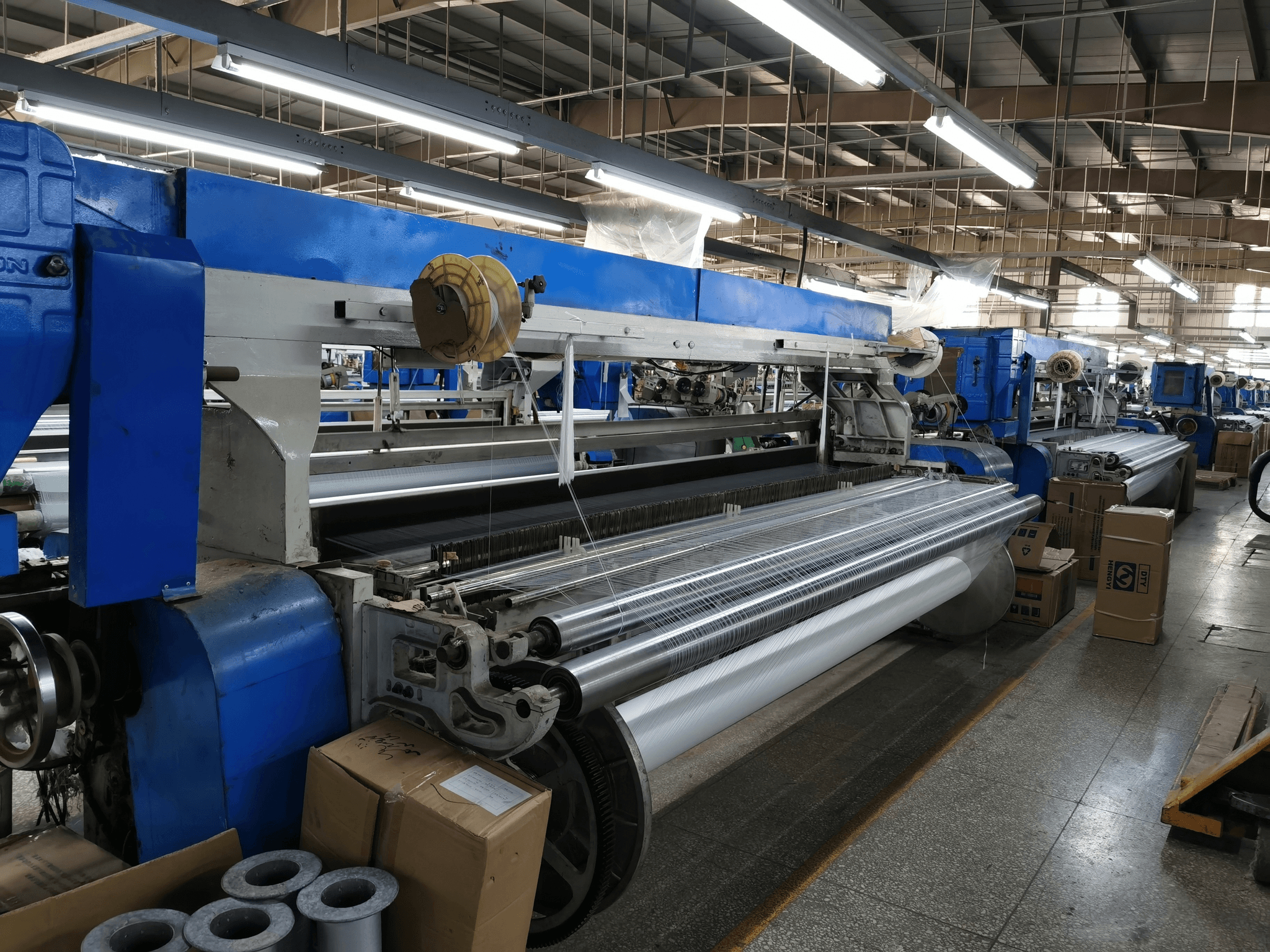
The landscape of environmental regulation in the US is rapidly evolving, especially around Microplastics Regulatory measures that aim to curb the proliferation of tiny plastic particles in our environment and consumer products. As awareness about Primary Microplastics—those intentionally manufactured for use—grows, so does concern over Secondary Microplastics, which shed from synthetic textiles and microfibers during washing or wear. This surge in regulatory attention is driven by a combination of state-level chemical & ingredient prohibitions and broader federal initiatives, all designed to reduce microplastic pollution at its source.
Meanwhile, industry practices are being reshaped by these policy trends. Extended Producer Responsibility (EPR) laws are forcing manufacturers to rethink packaging materials and waste management strategies, while Synthetic Textiles & Microfiber Mandates are pushing brands toward more sustainable textile choices. These regulatory shifts highlight a clear trend: reducing both primary and secondary microplastics is now central to sustainable product development and corporate responsibility efforts across the US market.
The Evolution of Microplastics Regulations
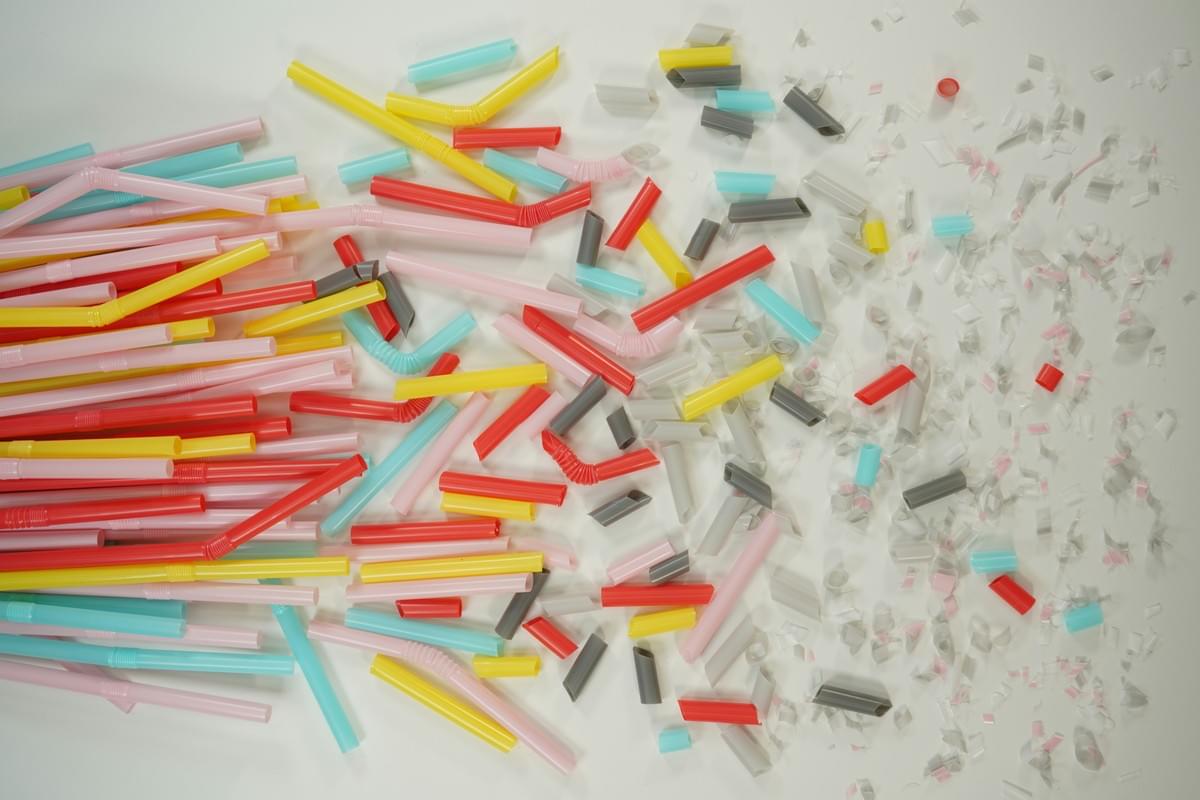
Over the past few years, the landscape of Microplastics Regulatory has shifted dramatically, driven by growing awareness of environmental impacts and consumer health concerns. Governments across the US are tightening restrictions on chemicals and ingredients that contribute to both Primary Microplastics—those intentionally added to products—and Secondary Microplastics, which shed from larger items during use or disposal. This evolution reflects a broader commitment to reducing microplastic pollution and safeguarding ecosystems from the persistent threat posed by these tiny particles.
State-Level Chemical & Ingredient Prohibitions have become a cornerstone of this regulatory shift. Several states now enforce bans on specific chemicals linked to microplastic generation, such as certain plasticizers and stabilizers used in cosmetics or cleaning products. These prohibitions aim to curtail the release of Primary Microplastics at their source, forcing manufacturers to reformulate products and adopt safer alternatives, thus aligning with the overarching goals of Microplastics Regulatory frameworks.
Meanwhile, Extended Producer Responsibility (EPR) & Packaging Laws are transforming how companies approach product lifecycle management. By holding producers accountable for packaging waste, these laws incentivize sustainable design choices that minimize secondary microplastic release—think biodegradable packaging or reusable options. As part of this push, industries are reevaluating their reliance on synthetic textiles and microfiber-laden packaging materials that often contribute heavily to secondary microplastic pollution.
In particular, Synthetic Textiles & Microfiber Mandates have gained momentum as regulators recognize their role in secondary microplastic contamination. Legislation now encourages or mandates companies to develop microfiber-catching filters or switch to natural fibers altogether. This regulatory pressure is prompting industry players to innovate rapidly—finding new ways to reduce their reliance on synthetic textiles while complying with evolving Microplastics Regulatory standards.
Major Regulatory Drivers and Industry Response
The landscape of Microplastics Regulatory efforts is heavily influenced by federal agencies like the Environmental Protection Agency (EPA), which set the tone for how industries must adapt to new rules targeting both primary and secondary microplastics. These agencies are increasingly focusing on State-Level Chemical & Ingredient Prohibitions that restrict harmful substances in consumer products, especially those contributing to microplastic pollution. As a result, companies are under mounting pressure to overhaul their supply chains, particularly in sectors dealing with Synthetic Textiles & Microfiber Mandates, which are significant sources of secondary microplastics.
Federal agencies such as the EPA are pushing for tighter controls on primary microplastics—those intentionally added to products—while also addressing secondary microplastics released from synthetic textiles and packaging materials. State-Level Chemical & Ingredient Prohibitions serve as a crucial layer of regulation, often surpassing federal standards by banning specific chemicals linked to microplastic pollution. These regulatory drivers compel manufacturers to innovate and rethink their product formulations, especially in industries heavily reliant on Synthetic Textiles & Microfiber Mandates, aiming to reduce environmental impact while complying with Microplastics Regulatory frameworks.
Industry response has been swift and strategic; many companies now prioritize compliance with evolving regulations by adopting advanced testing methods and partnering with inspection services like China Inspection Pro. These firms recognize that navigating the complex web of Microplastics Regulatory laws requires proactive measures—such as redesigning packaging under EPR (Extended Producer Responsibility) & Packaging Laws—to minimize secondary microplastic release. Additionally, businesses are investing in sustainable alternatives and eco-friendly materials that meet both regulatory demands and consumer expectations for safer products amidst increasing awareness about primary versus secondary microplastics.
The Shift from Primary to Secondary Microplastics Focus
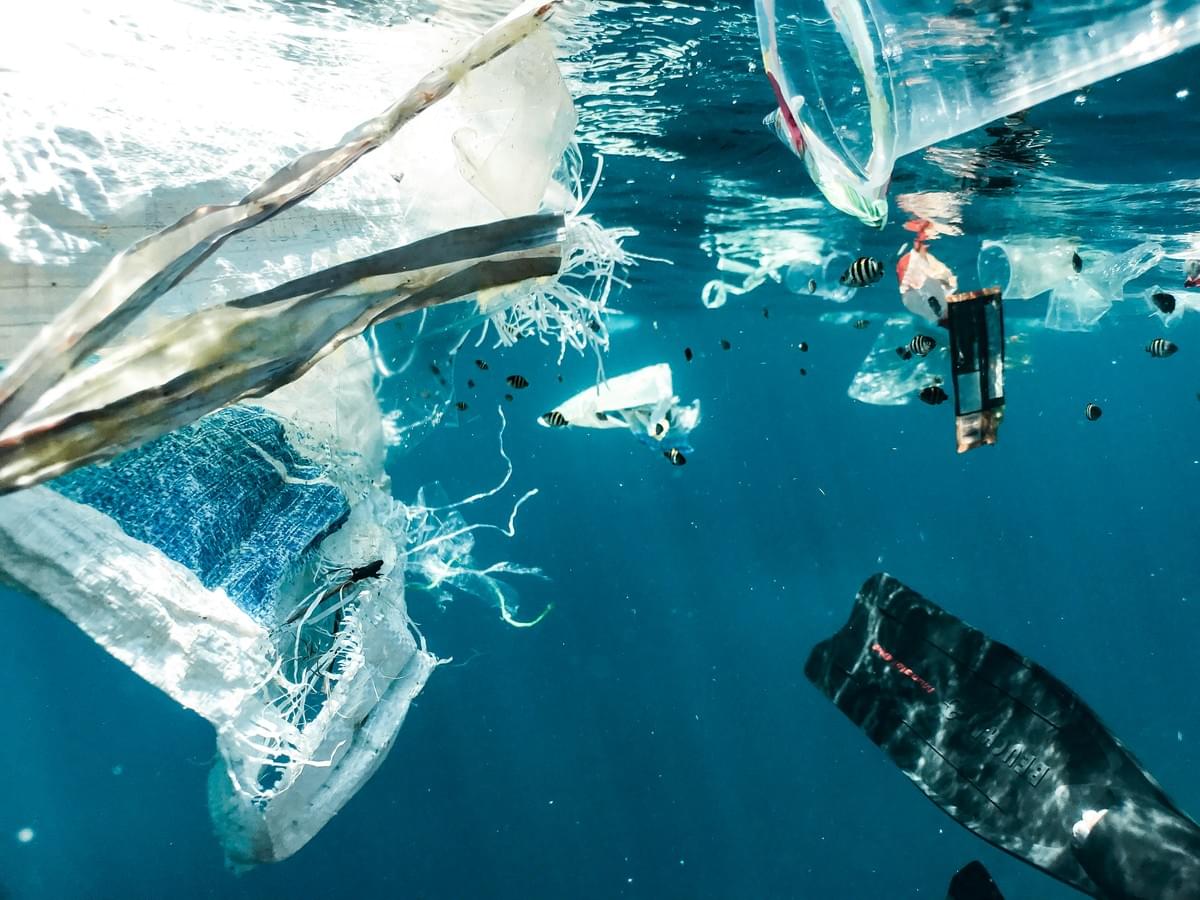
The landscape of Microplastics Regulatory efforts is evolving rapidly, shifting attention from primary microplastics—those intentionally manufactured for specific purposes—to secondary microplastics, which are byproducts of larger plastic debris breaking down over time. This transition reflects a growing understanding that secondary microplastics, especially those shed from synthetic textiles and microfibers, pose a significant environmental threat. As regulatory bodies tighten restrictions on synthetic textiles & microfiber mandates, industries are compelled to address the sources of secondary microplastics more aggressively.
Regulators are increasingly targeting synthetic textiles & microfiber mandates because these materials are notorious for releasing vast quantities of secondary microplastics during washing and use. State-level chemical & ingredient prohibitions now focus on reducing the presence of harmful substances in textiles that contribute to microfiber shedding. These laws aim to curb the proliferation of secondary microplastics by encouraging manufacturers to adopt safer, more sustainable materials and production methods.
Industry innovations are sprouting up as companies respond to the changing Microplastics Regulatory landscape by developing new fabrics and packaging solutions designed to minimize microfiber release. Technologies like microfiber filters for washing machines and biodegradable textile fibers are gaining traction, aligning with extended producer responsibility (EPR) & packaging laws that push manufacturers toward more eco-friendly practices. Ultimately, this shift underscores a broader movement within the industry to prioritize sustainability over short-term convenience, ensuring compliance with evolving regulations while protecting our planet.
Market Impact and Consumer Product Industry Trends
The evolving landscape of Microplastics Regulatory is reshaping how companies approach product development, especially in sectors heavily impacted by environmental concerns. Manufacturers now need to consider both Primary Microplastics—those intentionally added—and Secondary Microplastics, which shed from products during use or disposal. As regulations tighten, especially with State-Level Chemical & Ingredient Prohibitions and Synthetic Textiles & Microfiber Mandates, businesses are rethinking formulations to reduce microplastic release and stay compliant.
Consumer awareness around the dangers of microplastics has surged, prompting a demand for safer, eco-friendly goods. Shoppers are increasingly scrutinizing labels and seeking products that align with sustainable practices influenced by the latest Microplastics Regulatory changes. This shift forces brands to innovate in packaging and textiles, exploring sustainable alternatives that minimize Secondary Microplastics emissions while adhering to Extended Producer Responsibility (EPR) & Packaging Laws designed to hold producers accountable for their environmental footprint.
Opportunities abound for companies willing to embrace these regulatory shifts; investing in sustainable packaging solutions and eco-conscious textiles can serve as a competitive edge. The push against Synthetic Textiles & Microfiber Mandates encourages industry players to develop innovative materials that reduce microplastic shedding during washing or disposal processes. Navigating the complex regulatory environment surrounding Primary versus Secondary Microplastics allows brands not only to comply but also to position themselves as leaders in environmentally responsible manufacturing.
Challenges and Opportunities for Consumers and Manufacturers
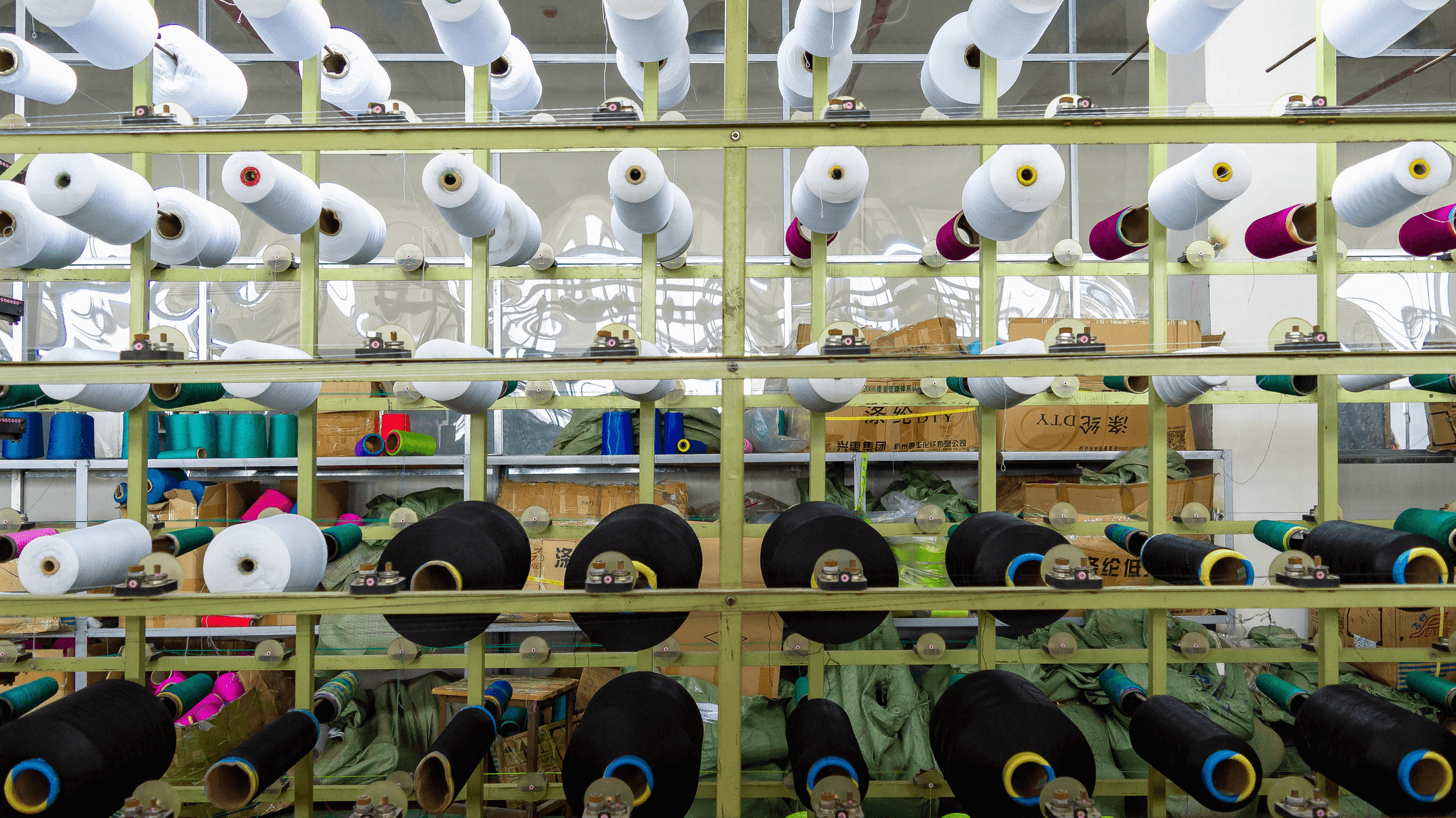
The evolving landscape of Microplastics Regulatory policies presents a maze that both consumers and manufacturers must navigate carefully. With increasing emphasis on reducing Primary Microplastics and Secondary Microplastics, staying compliant requires a keen understanding of State-Level Chemical & Ingredient Prohibitions, which vary across jurisdictions. Manufacturers are also grappling with how Extended Producer Responsibility (EPR) & Packaging Laws influence their packaging choices, pushing them toward more sustainable options that align with regulatory expectations.
One significant challenge lies in differentiating between Primary Microplastics—those intentionally added to products—and Secondary Microplastics, which originate from the breakdown of larger plastic items like Synthetic Textiles & Microfiber Mandates. This distinction is crucial because regulations targeting Secondary Microplastics often focus on reducing microfiber shedding from textiles, prompting industry innovations such as fiber capture technologies. For consumers, this means staying informed about product labels and choosing goods that meet the latest standards for microplastic reduction under the umbrella of Microplastics Regulatory frameworks.
Leveraging Quality Inspection becomes a strategic advantage in this complex environment. Rigorous inspection standards ensure compliance with evolving regulations concerning Synthetic Textiles & Microfiber Mandates, helping companies avoid costly recalls or legal penalties related to non-compliance with State-Level Chemical & Ingredient Prohibitions. For consumers, transparent testing and certification provide confidence that products meet the stringent demands of the latest Microplastics Regulatory measures—turning quality inspection into a competitive edge.
Preparing for future developments in the realm of Microplastics Regulatory is essential for both industries and consumers alike. As legislation increasingly targets Secondary Microplastics from sources like synthetic textiles, companies must innovate to stay ahead of upcoming restrictions while aligning with EPR & Packaging Laws designed to curb plastic waste. Consumers can benefit by supporting brands committed to sustainable practices that anticipate future regulations aimed at reducing Primary Microplastics and secondary microplastic pollution.
Conclusion
The trajectory of Microplastics Regulatory in the US market is undeniably headed toward stricter, more comprehensive standards. As regulators focus on both Primary Microplastics and Secondary Microplastics, industries will need to adapt quickly to evolving State-Level Chemical & Ingredient Prohibitions and enforce new Extended Producer Responsibility (EPR) & Packaging Laws. These regulatory shifts will continue to push companies to innovate, reduce environmental impact, and prioritize consumer safety, making compliance a key competitive advantage.
Looking ahead, embracing sustainable practices is no longer optional but essential for staying ahead in this rapidly changing landscape. The focus on Synthetic Textiles & Microfiber Mandates will likely intensify as policymakers target Secondary Microplastics originating from everyday textiles and packaging materials. Companies that proactively incorporate eco-friendly solutions and transparent supply chains will not only meet regulatory expectations but also resonate with increasingly conscious consumers.
Ensuring Product Excellence with Rigorous Inspection Standards remains the backbone of navigating this complex environment. Thorough inspection protocols help verify compliance with Microplastics Regulatory requirements, especially concerning Primary Microplastics and Secondary Microplastics content. By investing in robust quality assurance processes, manufacturers can mitigate risks associated with non-compliance while reinforcing their reputation for safety and sustainability